
10 things you (probably) didn’t know about Croatia
Croatia has earned its place as one of Europe's most sought-after summer destinations. The coastline is extraordinary, the cities are genuinely beautiful, and the food is far better than most travelers expect.

Dubrovnik West Harbor and the ancient city wall with sea kayaks in the foreground. Famous filming location, Croatia. Film location Game of Thrones.
Photo©: ShutterStock/OldskoolDesign
There is also a Croatia that most visitors miss entirely. The one built around the islands that don't make the highlight reels, the producers whose doors aren't open to the public, and the guides who bring centuries of history to life in a way no guidebook can replicate. Here is what is worth knowing before you go.
Here are 10 things you probably didn’t know about this amazing country.
1. The best beaches are not the ones on the first page of Google results
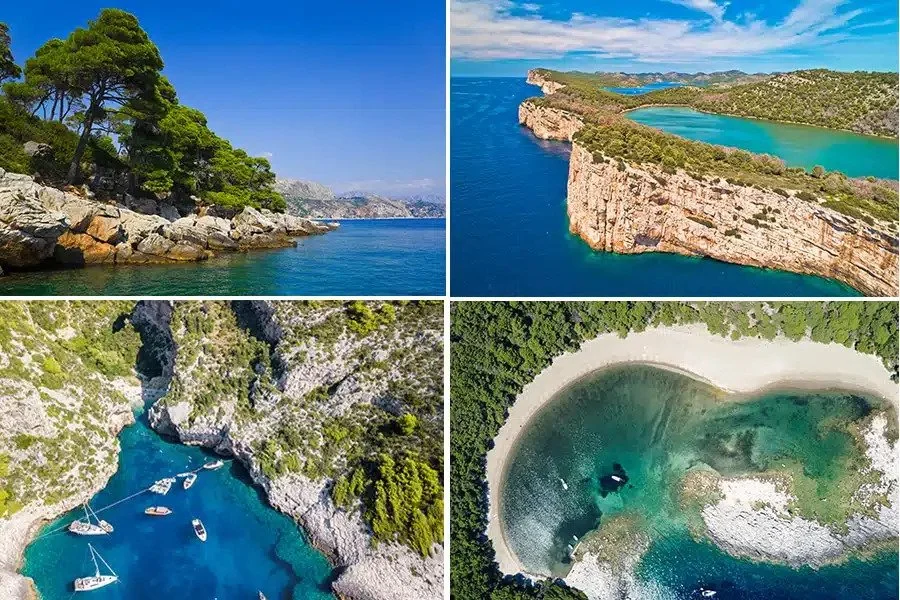
Croatia’s best-kept secrets
Photo©: Escales Ponant Magazine
Croatia has over 1,200 islands and roughly 1,800 kilometers of coastline. Hvar, Brac, Vis, Korcula, Mljet: each has a completely different character, and each has coves and beaches that feel genuinely private. The ones worth going to require local knowledge: which island, which approach, which time of day. Get that right and you will have an Adriatic afternoon that feels like it belongs entirely to you.
2. It works beautifully year-round
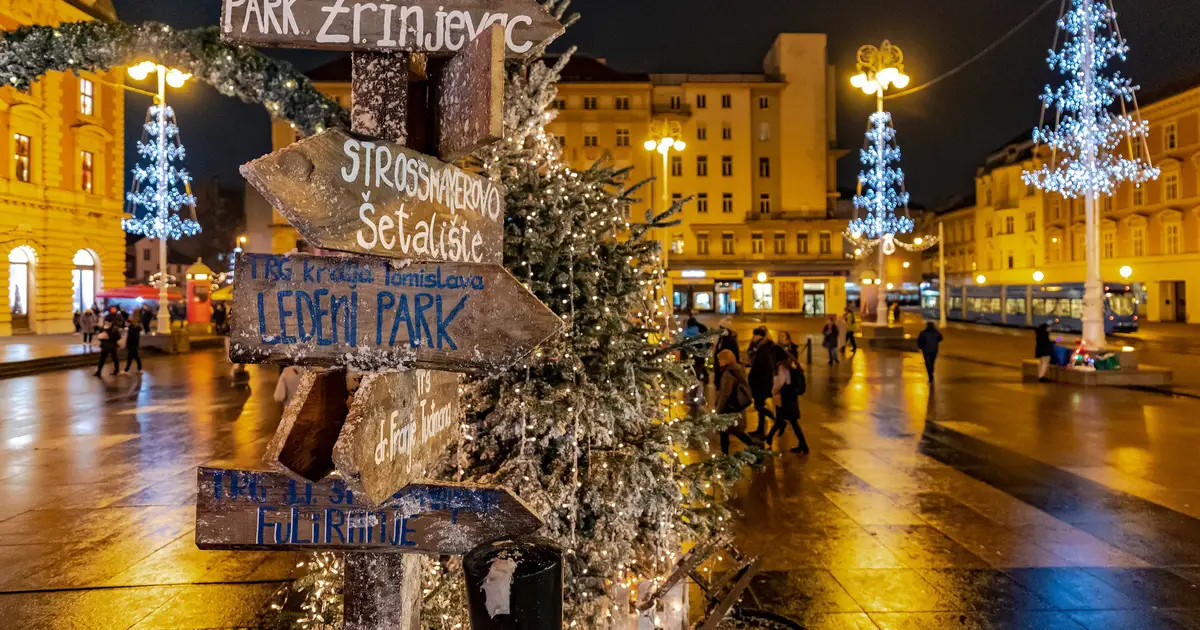
Advent, Zagreb a true city of music and social gatherings
Photo©: The Slovenia/Anja Novak
Most people think of Croatia as a summer destination, and summer is genuinely spectacular. But every season offers something different. In winter, Zagreb transforms into one of Europe's most charming cities, with a Christmas market that regularly ranks among the best on the continent. The capital's Austro-Hungarian architecture, excellent museums including the famous Museum of Broken Relationships, and vibrant cafe culture is worth a dedicated trip.
3. The value is exceptional
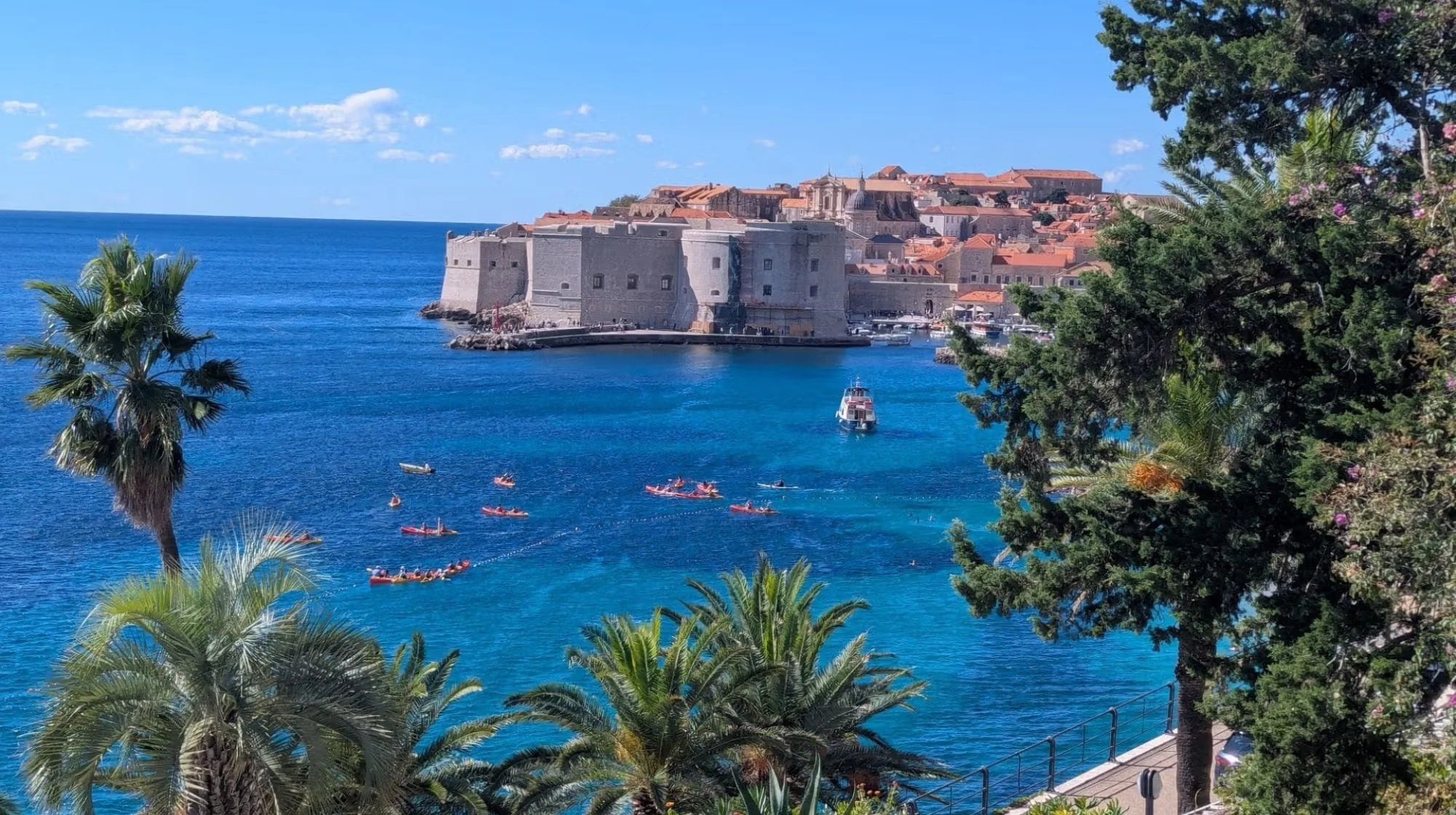
Dubrovnik is one of the most beautiful cities on the Croatian coast. In the Middle Ages the Republic of Dubrovnik was an important rival of Venice.
Photo©: ShutterStock/edobric
Croatia uses the euro, but pricing outside the main tourist centres remains significantly lower than western European equivalents. A private boat charter, a room in a boutique hotel on a lesser-known island, a long lunch at a family-run konoba with local wine: the value here is exceptional compared to the same quality in Italy, France, or Greece.
4. Dubrovnik rewards the right timing
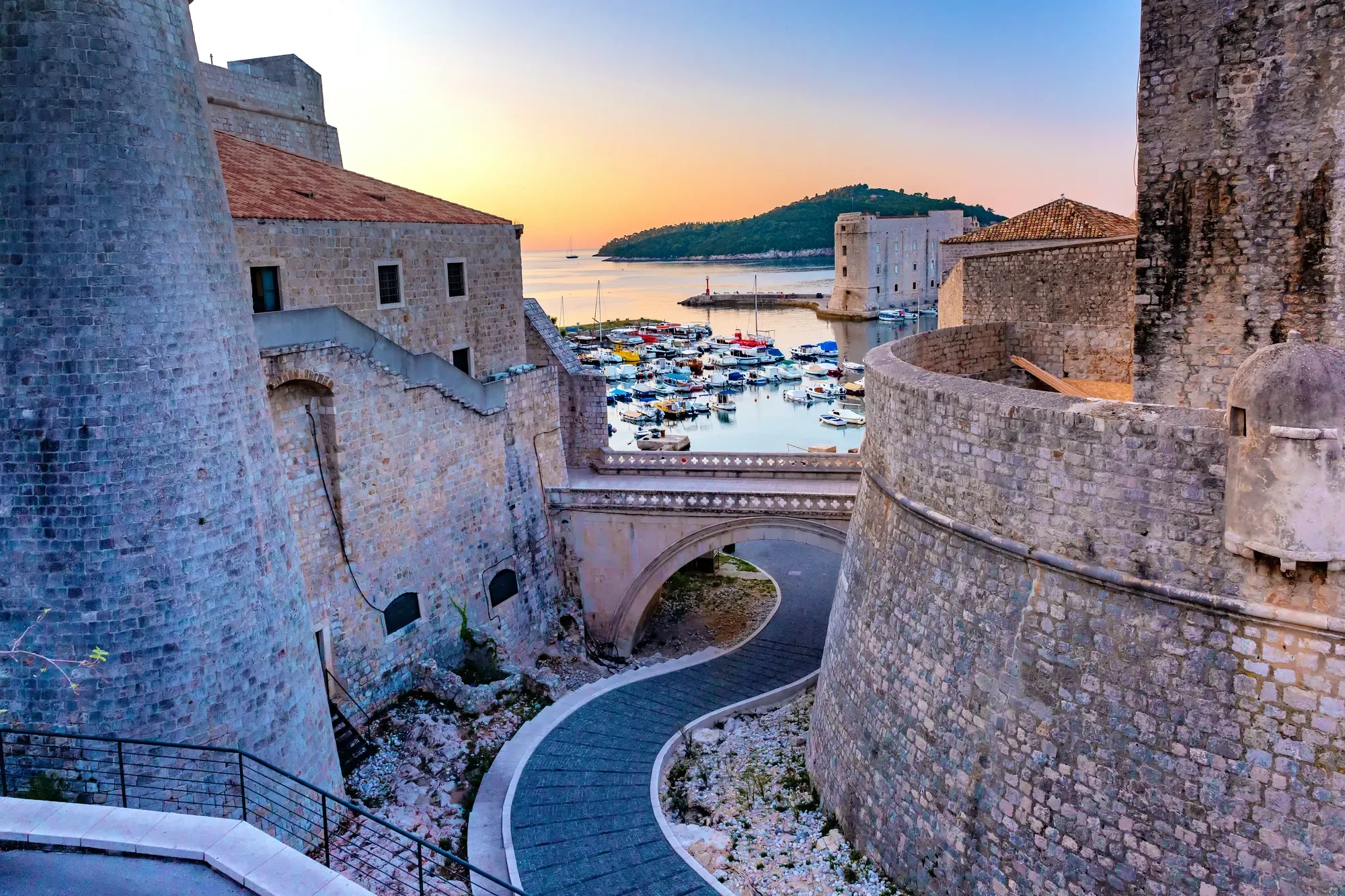
Old city walls and Old Harbour of Dubrovnik at sunset in Dubrovnik, Croatia
Photo©: ShutterStock/kavalenkava
Yes, it is famous, and yes, it gets busy. But Dubrovnik's Old Town is genuinely one of the most beautiful places in Europe. Early morning before the cruise ships dock, or late evening when the day-trippers have gone: the city after dark, with limestone walls glowing gold, is a completely different experience. The guides who really know this city's layered history make it even richer.
5. A private yacht charter changes everything
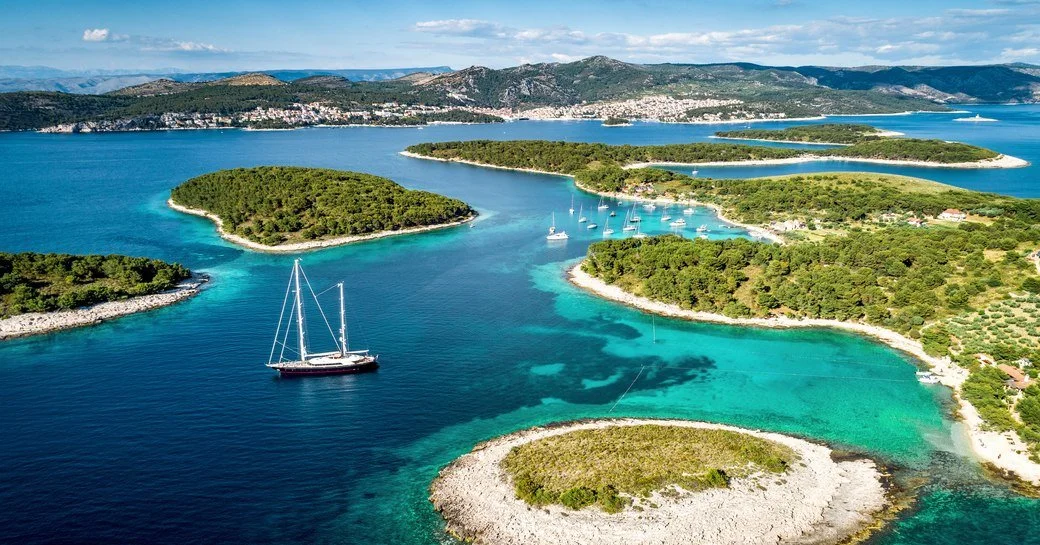
Croatia Yacht Charter
Photo©: ShutterStock/Ajan Alen
With more than 1,200 islands, Croatia is one of the great sailing destinations in the world. The right charter means a crew who knows the coastline intimately: the bays without names on any map, the best anchorages, what a genuinely well-run day on the water looks like. Combining a land itinerary with several days at sea is one of the finest ways to experience the Adriatic.
6. The history goes deeper than most travelers realize
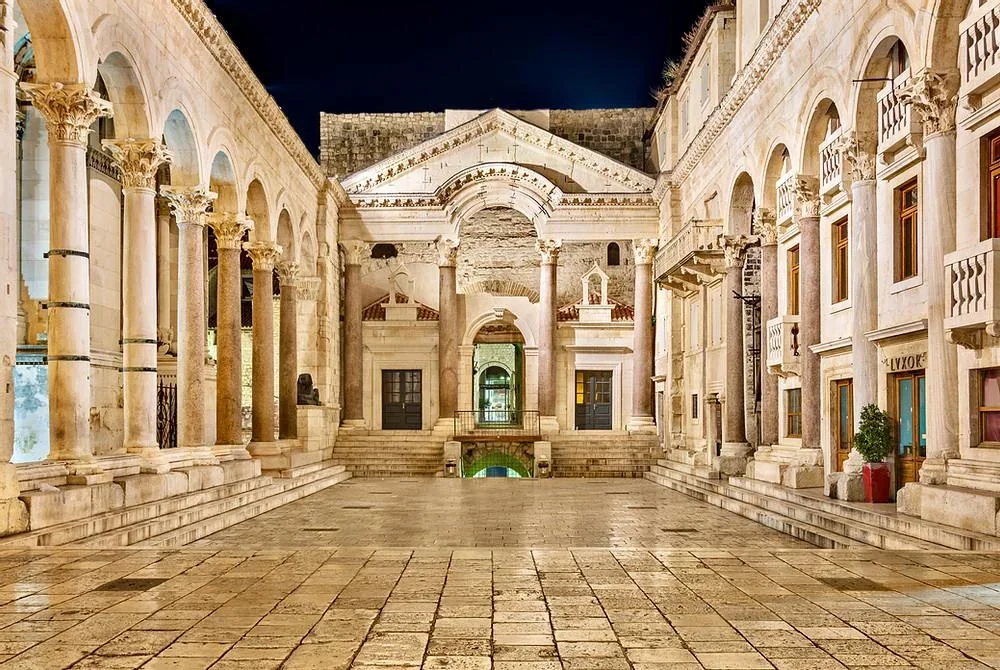
Diocletian's Palace is a remarkably preserved 4th-century Roman retirement fortress in Split, Croatia
Photo©: Splendida Palace
Diocletian's Palace in Split is one of the best-preserved Roman monuments in the world, and people actually live inside it. Restaurants, apartments, and bars occupy a structure built 1,700 years ago. Dubrovnik's city walls date to the 13th century. Zadar was largely destroyed in World War II and rebuilt around its medieval core. With the right local guide, these layers of history come alive in a way that changes how you see the entire country.
7. The national parks are world-class
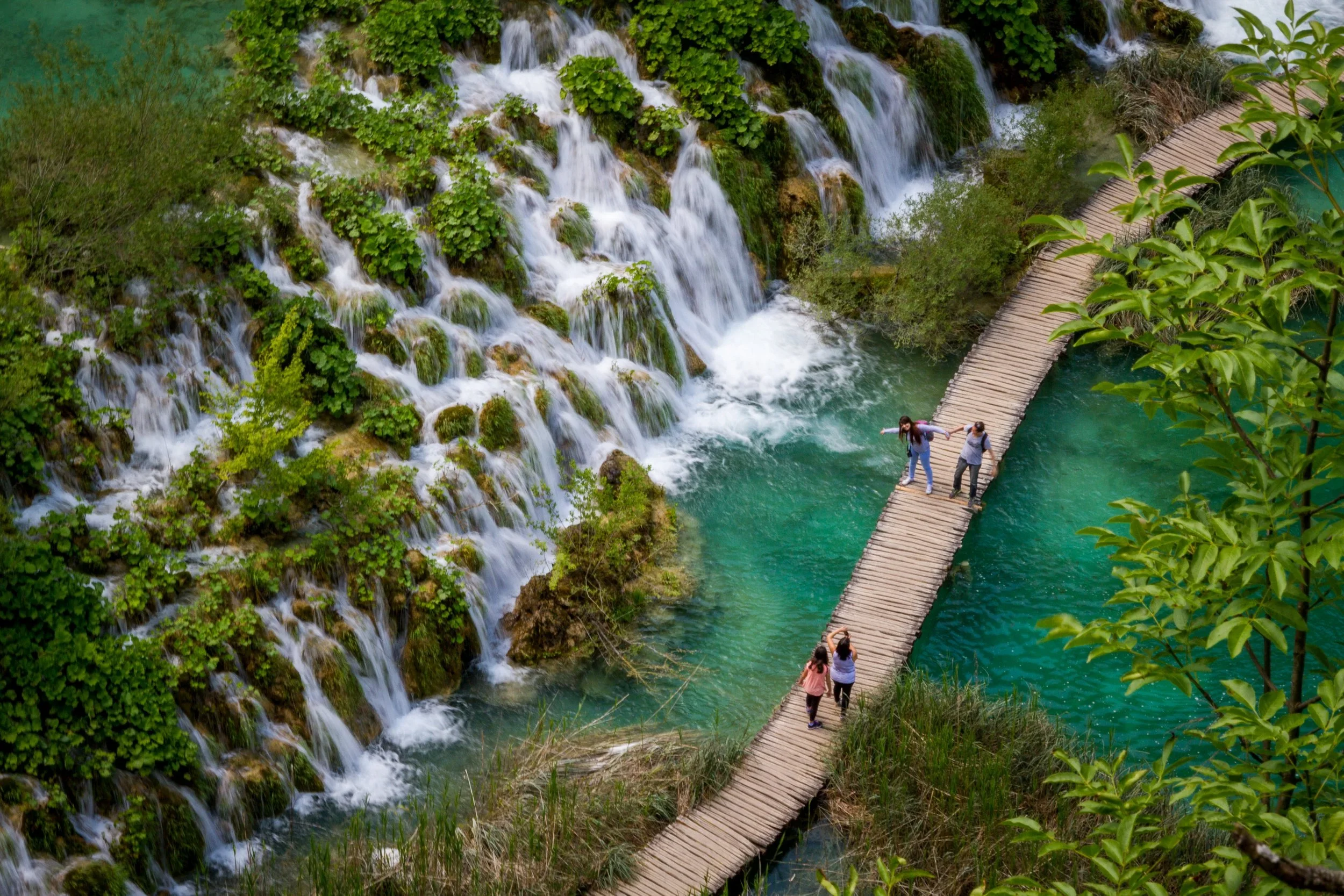
Plitvice Lakes National Park is one of the most stunning places in the world.
Photo©: Minority Nomad
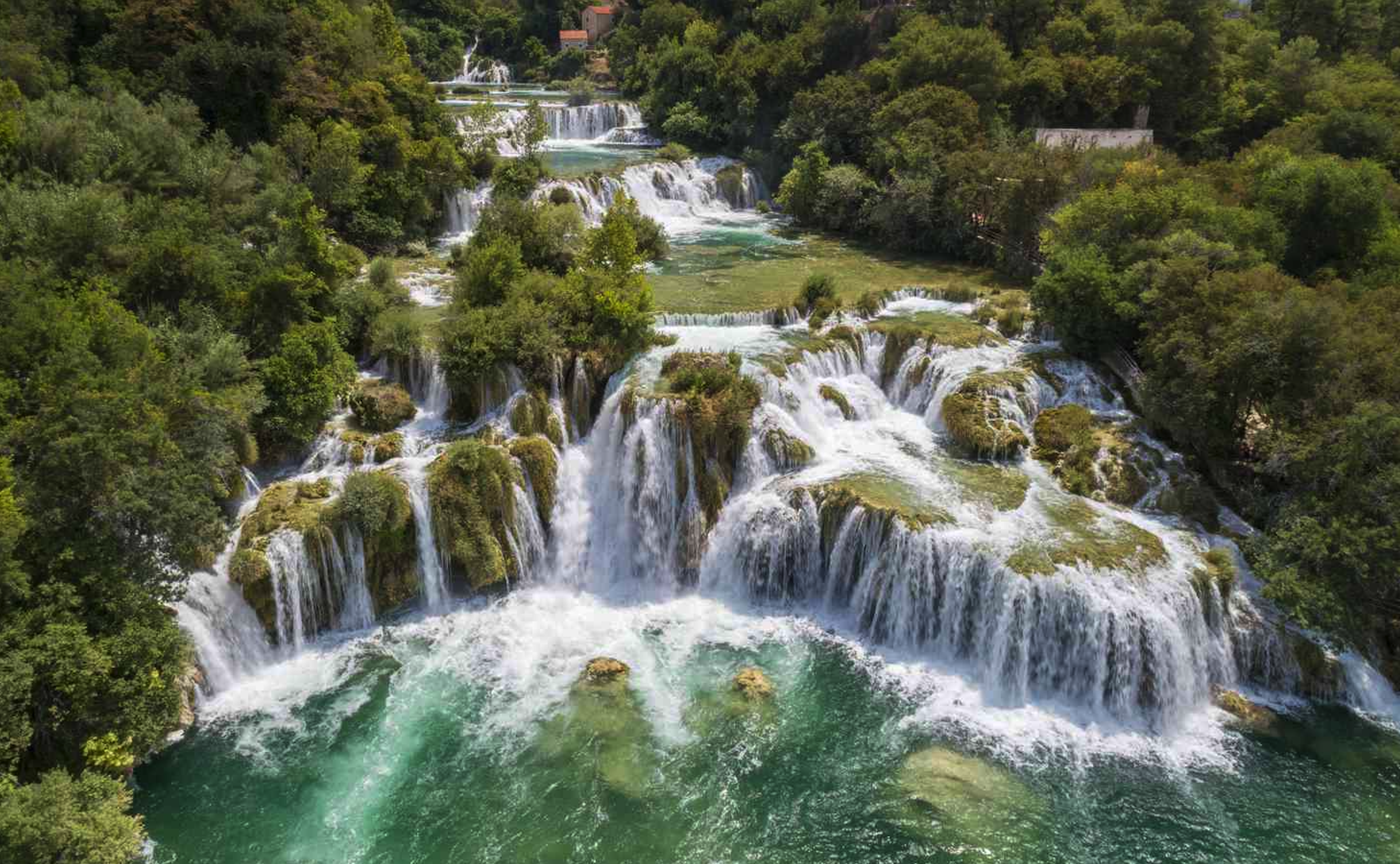
The Krka River and known for its waterfalls and monasteries
Photo©: 4FR / Getty Images
Plitvice Lakes and Krka National Park are genuinely extraordinary. Plitvice, with its cascading turquoise pools connected by wooden walkways, is one of the most photographed natural sites in Europe for good reason. The difference between a crowded, rushed visit and an unhurried, private-feeling morning there is entirely about timing and planning.
8. The food and wine scene is seriously underrated
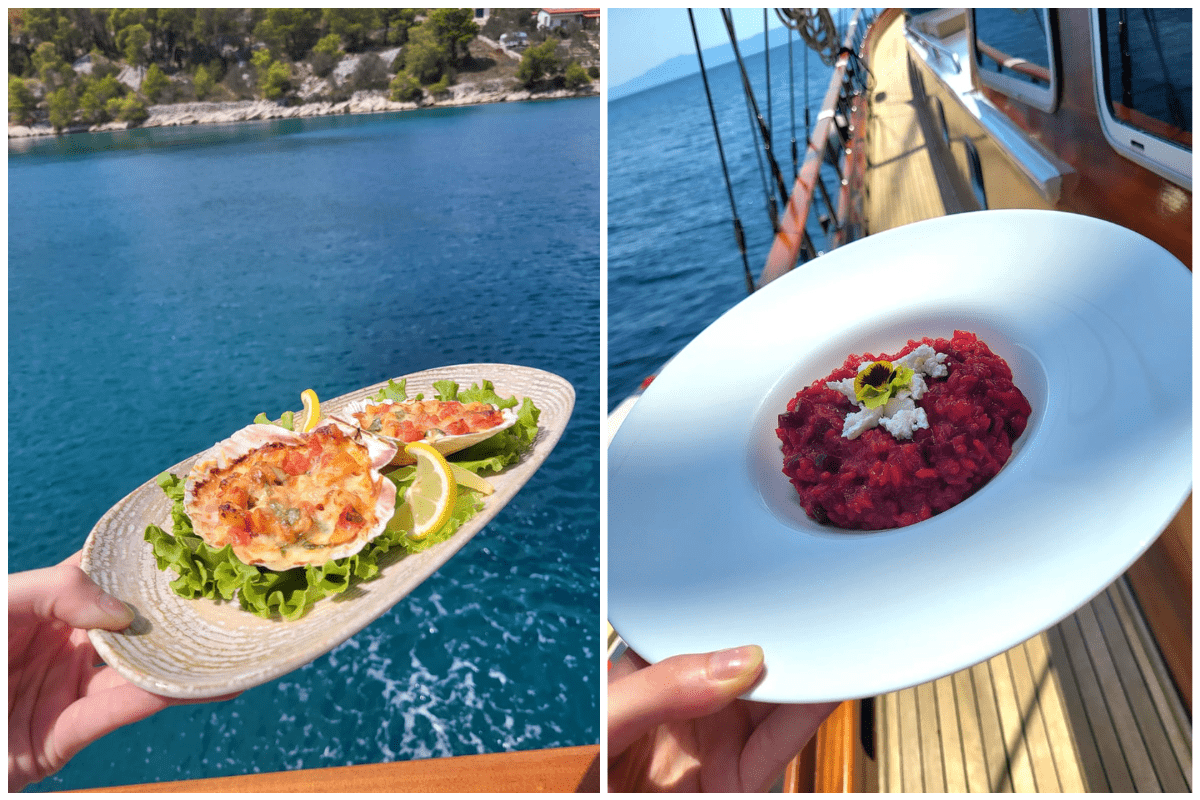
Croatia’s exceptional food service
Photo©: Bloem yachts
Croatia does not get nearly enough credit for its food. The coastline is a seafood lover's paradise: fresh catch, simply prepared, with local olive oil and indigenous white wine. In Istria, the food culture genuinely rivals northern Italy. White truffles, award-winning olive oils, and the Malvazija grape produce wines that are exciting and almost entirely unknown outside the region. The producers worth visiting are not the ones with tasting room hours listed online.
9. There is an underwater winery
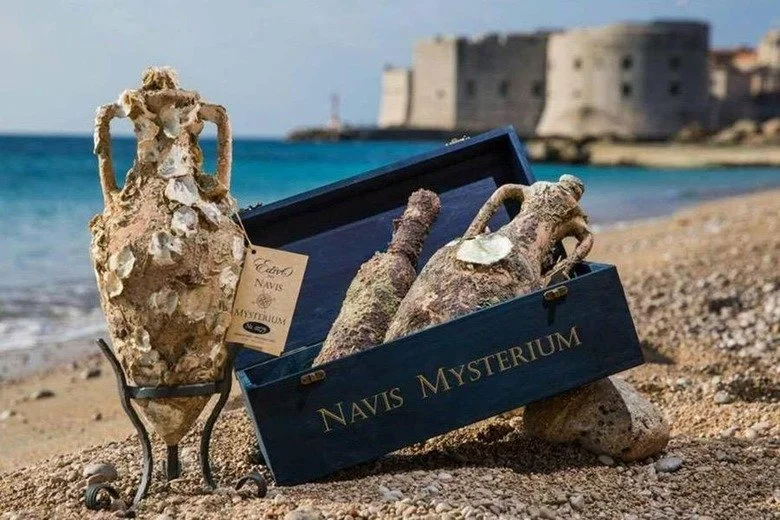
An underwater winery in Croatia.
Photo©: TastingTble/Erica Bonelli
In the waters near the Peljesac Peninsula, a winery ages bottles of Posip wine on the seabed of the Adriatic. The consistent temperature and pressure at depth creates ideal aging conditions, and the result is a wine with a character unlike anything from a conventional cellar. It is one of those genuinely surprising experiences that tends to become a favourite story from the trip.
10. Zadar has two of the most remarkable installations in Europe
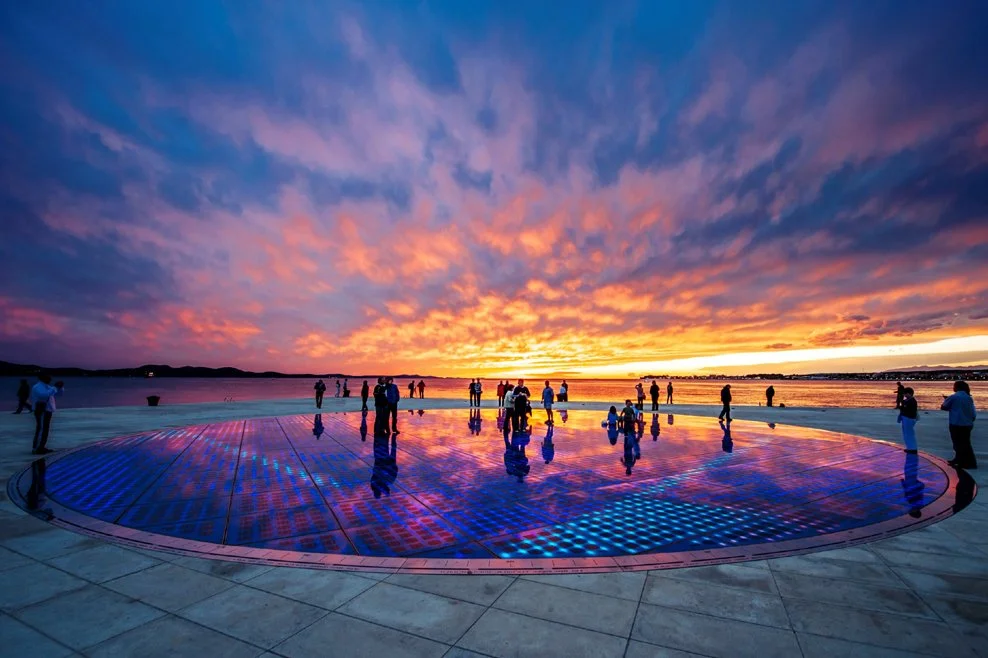
Greetings to the Sun
Photo©: Boutique Hostel Forum
Zadar is often overlooked in favour of Dubrovnik and Split, but it has the Sea Organ and the Sun Salutation. The Sea Organ is a series of underwater pipes beneath the marble seafront steps: as waves move through them, they produce an ever-changing musical composition. The Sun Salutation is a solar-powered light installation that responds to the movement of the sun. At sunset, with the organ playing beneath your feet and the light shifting around you, Zadar is one of the most unexpectedly moving places in Croatia.

Anna Fishman is the visionary and soulful force behind Olegana Travel Boutique, orchestrating transformative journeys where meticulously curated adventures meet authentic connection and exquisite, bespoke exploration.