
Luxury travel in the Dolomites: your guide to Trentino and South Tyrol
Most people picture Tuscany or the Amalfi Coast when they imagine luxury travel in Italy. I understand why. But the Dolomites are a different kind of extraordinary, and once you've experienced this region properly, nothing else quite compares.
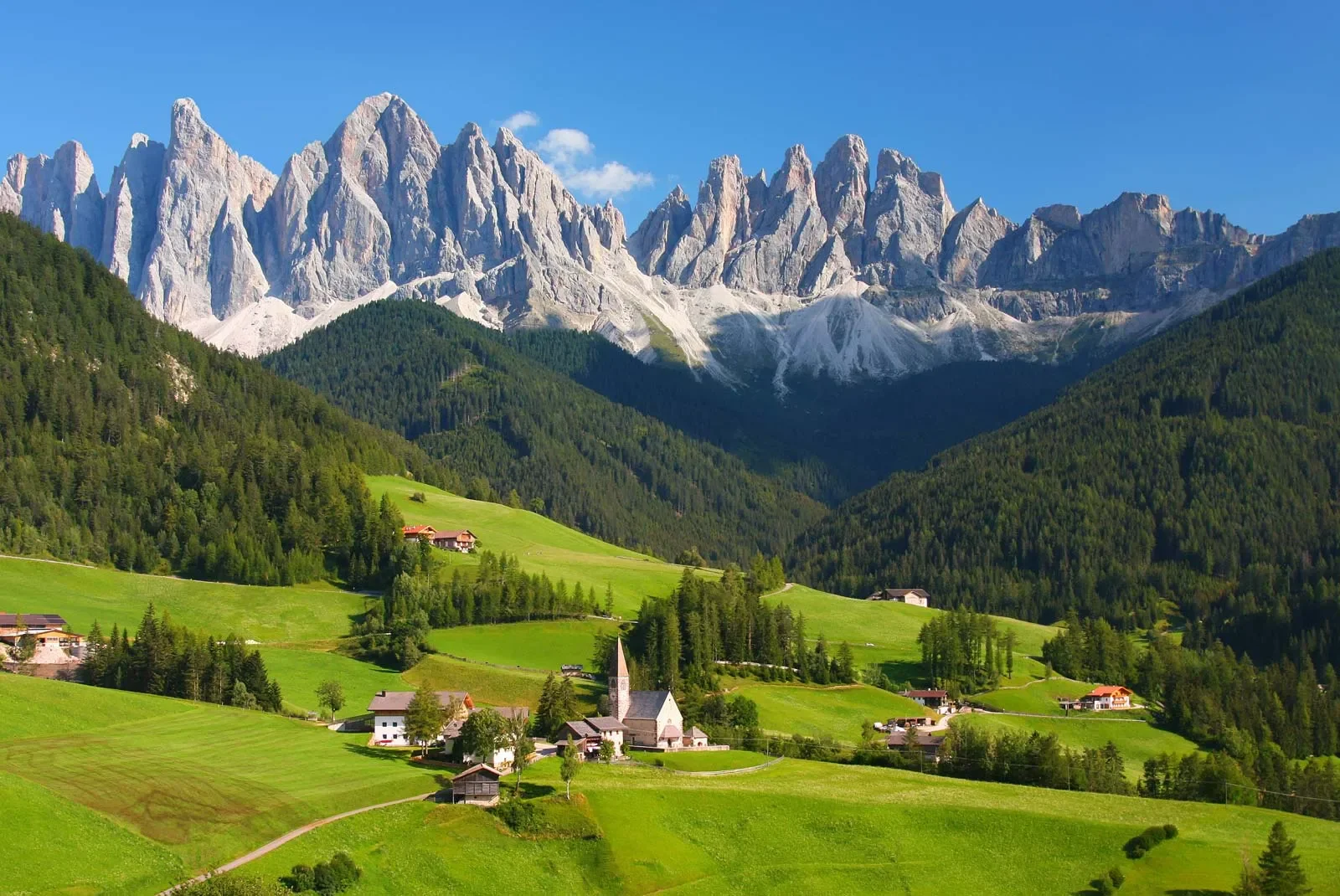
Dolomites Peaks of the Dolomites, a section of the northern Italian Alps, as seen from the Val di Funes, Italy.
Photo©: Britannica
I'm not talking about the Dolomites you see on Instagram: the same three mountain passes, the same overlook, the same blue lake. I'm talking about the valleys behind those images. The places where a fourth generation winemaker pours you something that never leaves the region. Where a Michelin-starred chef is cooking dishes rooted in a language most Italians don't speak. Where a five star spa draws on thermal traditions that predate the hotel by centuries.
This is a region that rewards depth. The valleys each have their own character, the food changes from one mountain pass to the next, and the experiences worth having are rarely the ones that show up first in a search. Here's what the Dolomites actually offer, and why they belong on any serious Italy itinerary.
Why the Dolomites belong on your Italy itinerary
The Dolomites are a UNESCO World Heritage Site, and the landscape genuinely earns the designation: vertical limestone peaks, emerald valleys, ancient forests, and villages that feel untouched in a way that most of Italy no longer does.
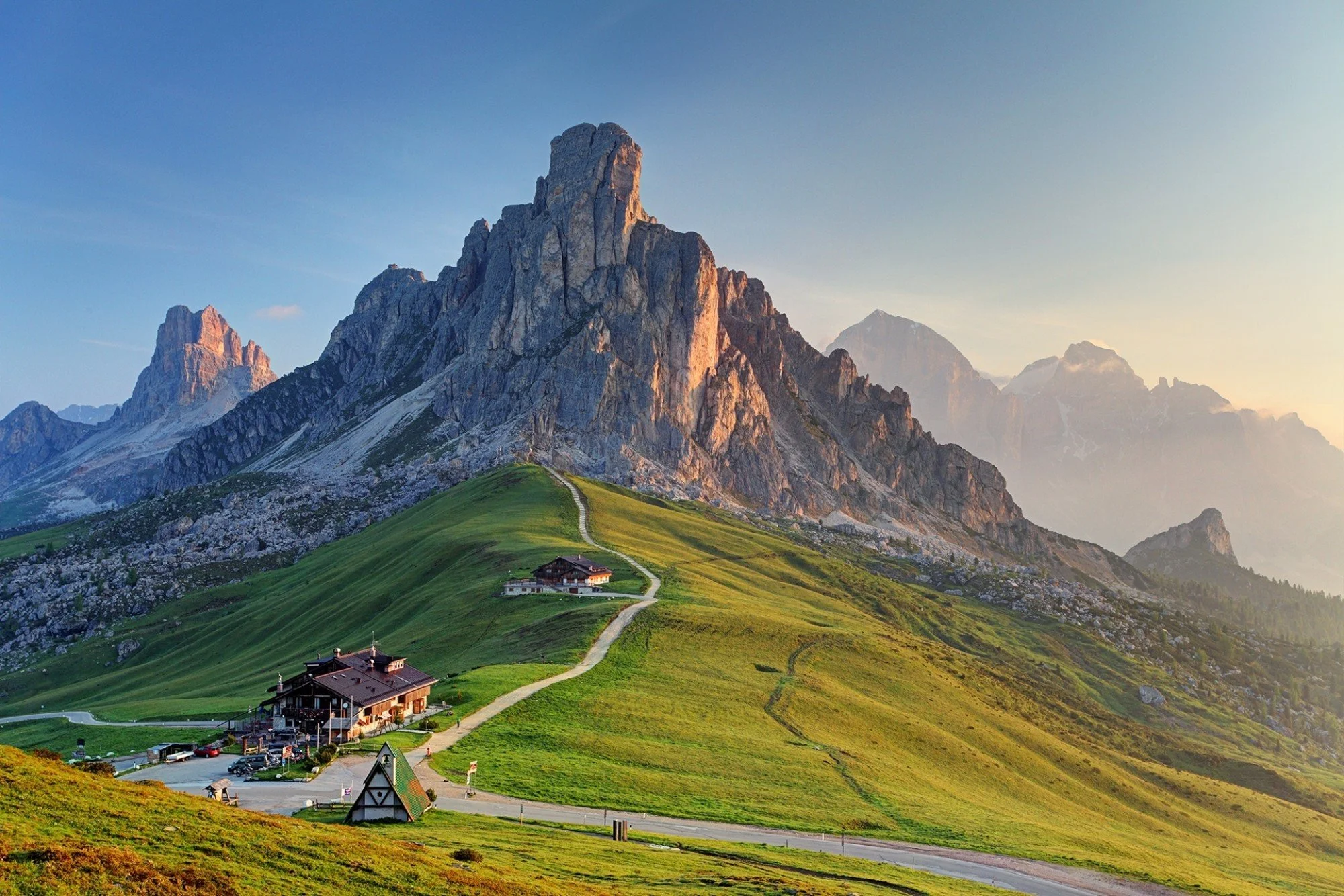
Passo Giau - Dolomites, Italy
Photo©: TTstudio / ShutterStock
But the scenery is only the beginning. This region has a remarkable concentration of five star properties, Michelin-starred restaurants, and thermal spa traditions that go back centuries. It sits at the crossroads of Italian, Austrian, and Ladin cultures, which means the food, wine, and character of each valley feel completely distinct. A well planned week here can feel like three different countries, and that's exactly what makes it so compelling for travelers who've already done the classic Italy circuit.
Trentino: Val di Fassa, Val di Fiemme, and the Brenta Dolomites
Trentino is the more Italian-feeling half of the Dolomites: warmer in character, with a wine culture that rivals any region in the country. The valleys of Val di Fassa and Val di Fiemme are classic Dolomites: mountain villages, high-altitude trails, and in winter, skiing that connects to the legendary Sellaronda circuit.
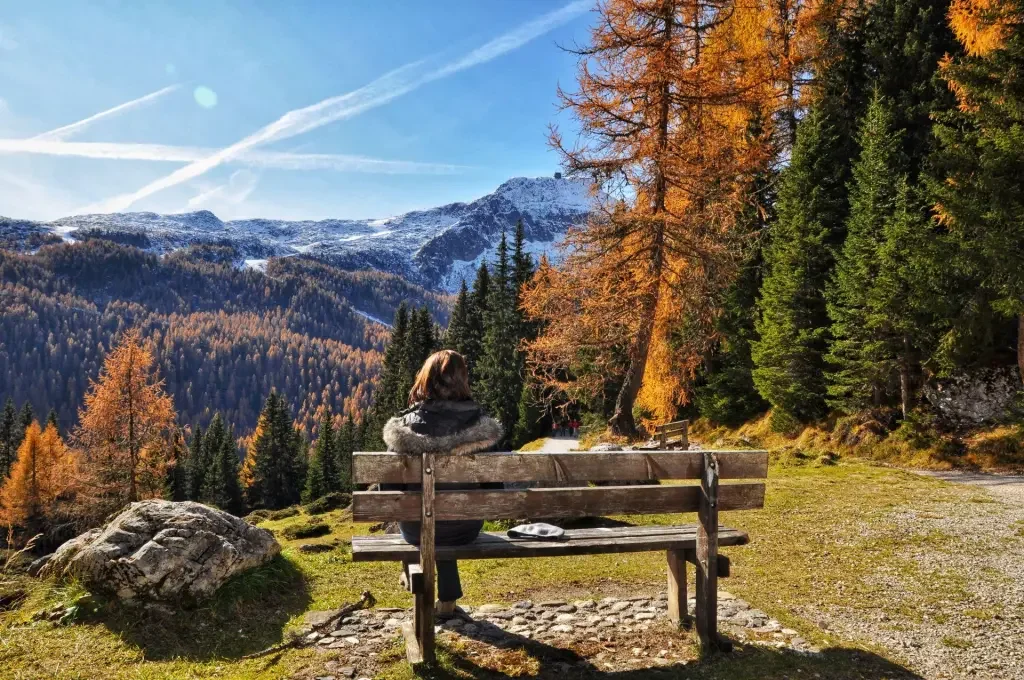
Golden autumn in Val di Fassa
Photo©: Residence La Roggia
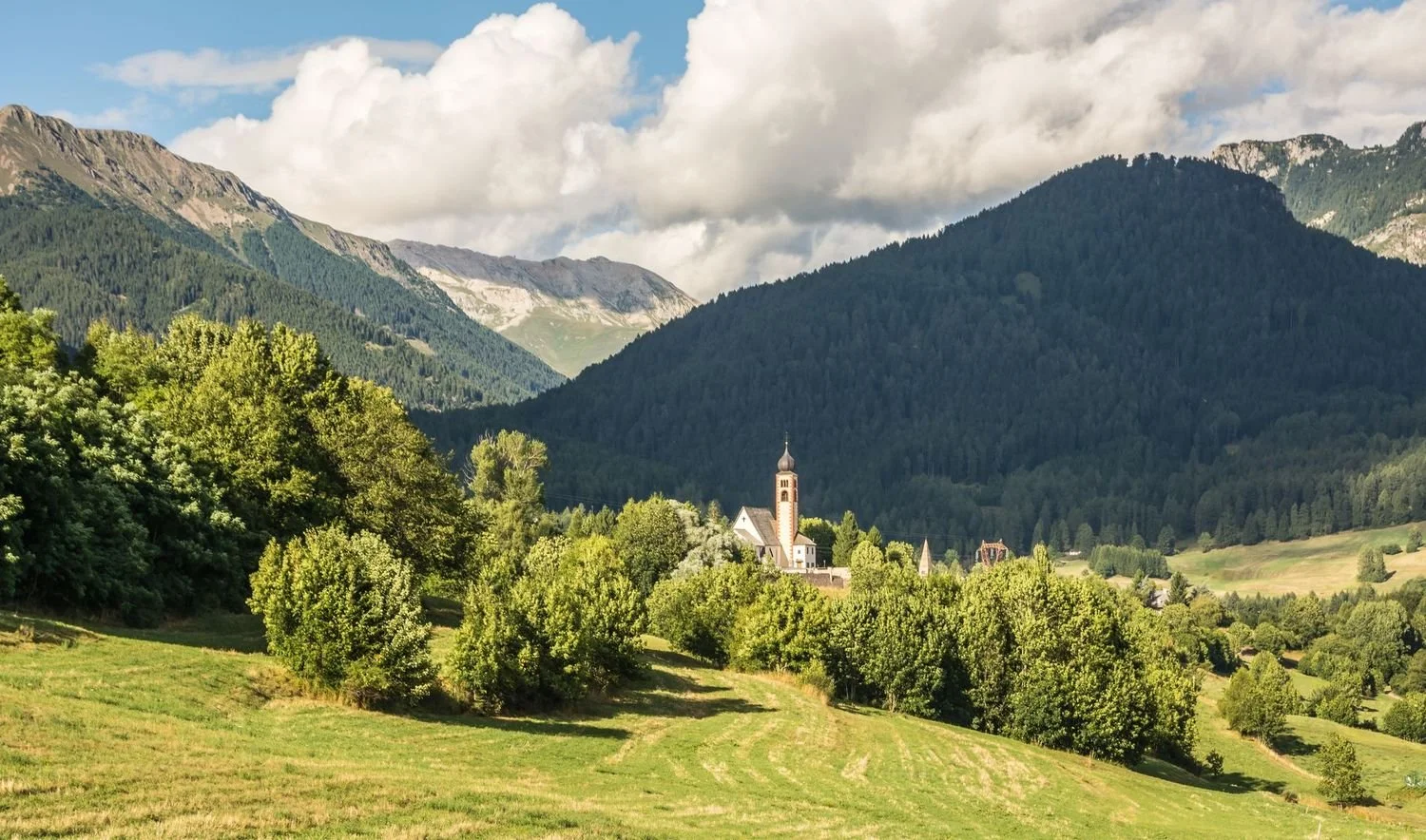
Summer in Val di Fiemme
Photo©: lorenza62 / ShutterStock
Further west, the Brenta Dolomites near Madonna di Campiglio offer some of the most dramatic scenery in the entire Alps. This resort town has been drawing European aristocracy since the 19th century, and the quality of hospitality here reflects that heritage. The properties I work with in this area are small, family-run, and impossible to find through a standard booking platform. That's by design.
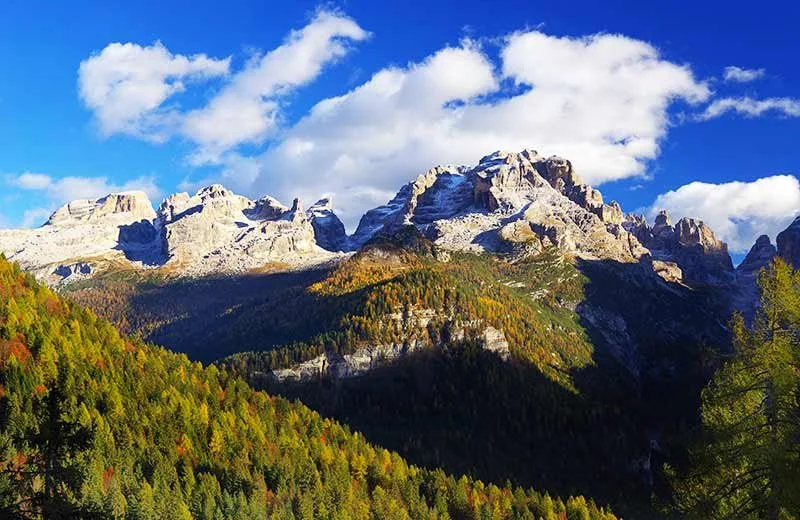
The impressive walls of the Brenta Dolomites
Photo©: Mikadun / ShutterStock
Trentino is also serious wine country. The Teroldego grape, grown on the flat valley floor near Trento, produces bold, complex reds that rarely leave the region. The small family producers here don't have websites or tasting room hours. Sitting in a cellar with a fourth generation winemaker, tasting straight from the barrel: that's the kind of afternoon that becomes the story of the trip. I've arranged these visits for clients who thought they'd already experienced the best of Italian wine country. They came back with a different opinion.
South Tyrol: Bolzano, Merano, Val Gardena, and Alta Badia
South Tyrol has a different energy entirely: more Alpine, with strong Austrian influence in its architecture, food, and pace. Bolzano and Merano have an elegance unlike anywhere else in Italy, and the wellness culture here is exceptional. Merano has been a therapeutic destination since the Habsburg era, and the spa experiences at the properties I recommend go far beyond a standard hotel treatment menu. These are full wellness programs designed around you, drawing on centuries of thermal tradition.
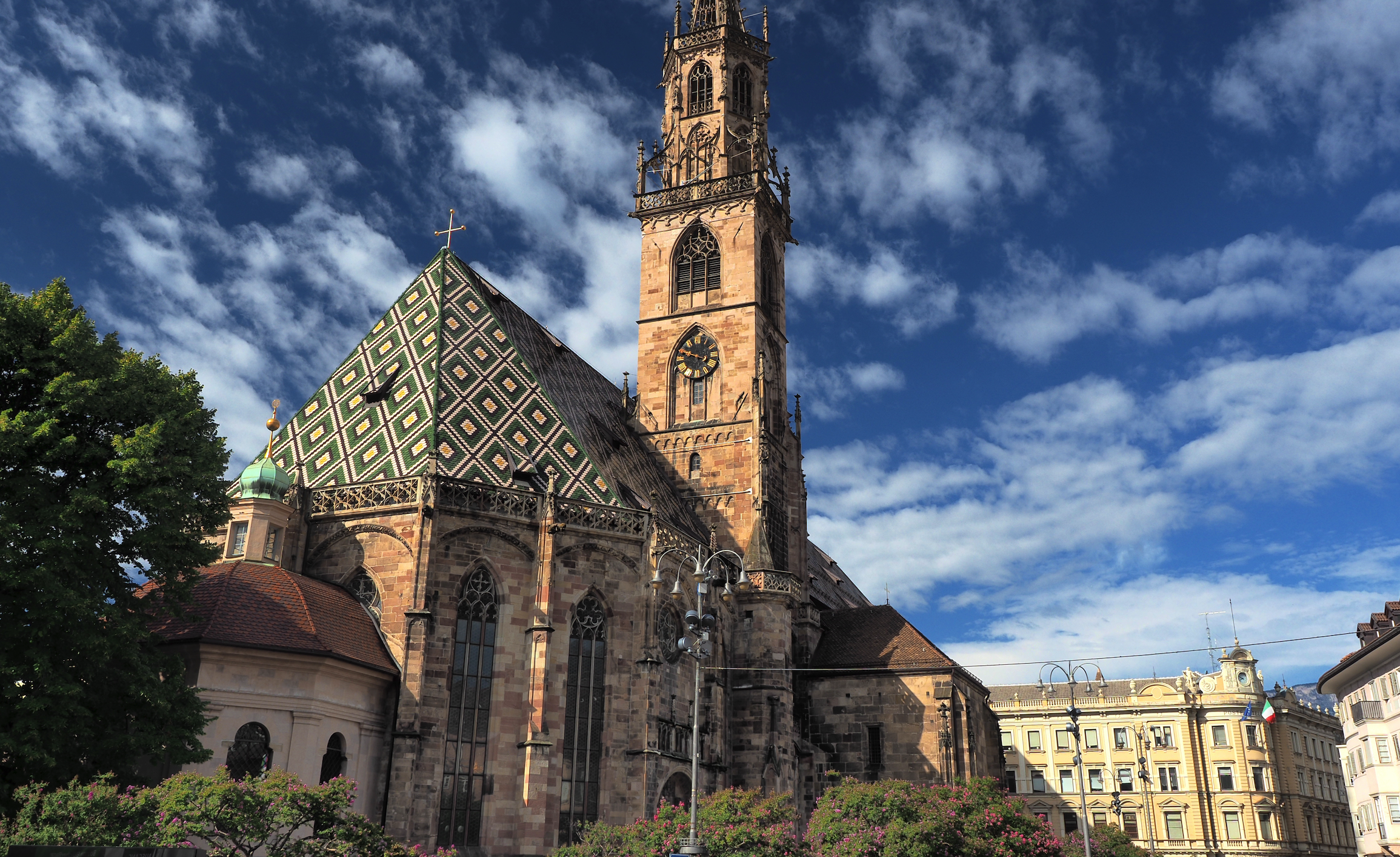
Bolzano
Photo©: Dmitry Djouce
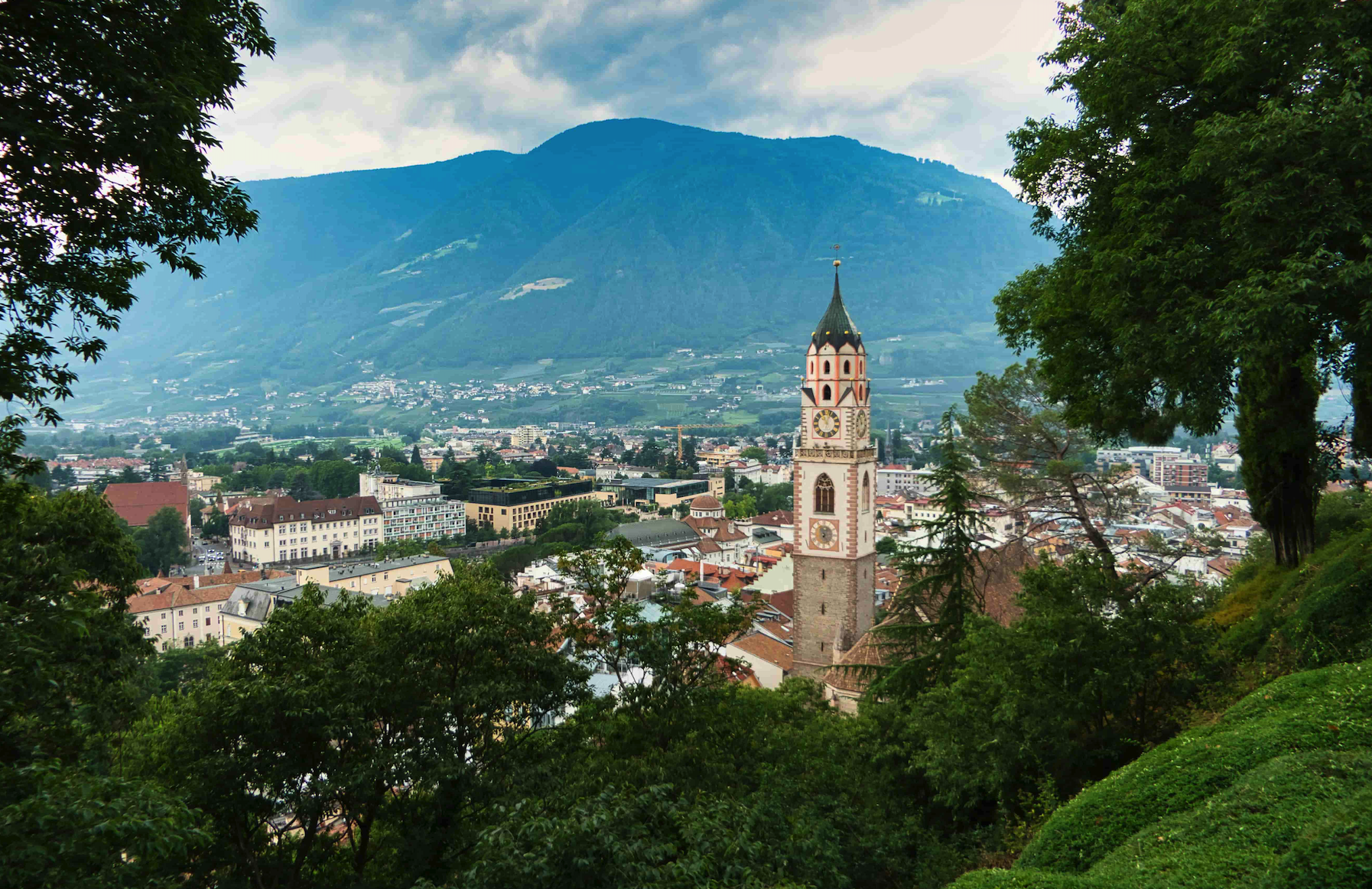
View of Merano
Photo©: Rolf Kranz
The valleys of Val Gardena and Alta Badia are the heart of the skiing Dolomites, connected by the Dolomiti Superski pass. In summer, these same valleys open into world class hiking terrain that looks nothing like the crowded trails you'll find elsewhere in Europe.
Alta Badia is also where the Dolomites' most exciting food scene lives. There's a remarkable concentration of Michelin stars here, all rooted in Ladin culinary tradition, and the restaurants require reservations made months in advance. I always tell my clients: if you want to eat at these tables, we need to plan early. But the effort is worth it. You'll taste dishes you genuinely cannot find anywhere else in the world.
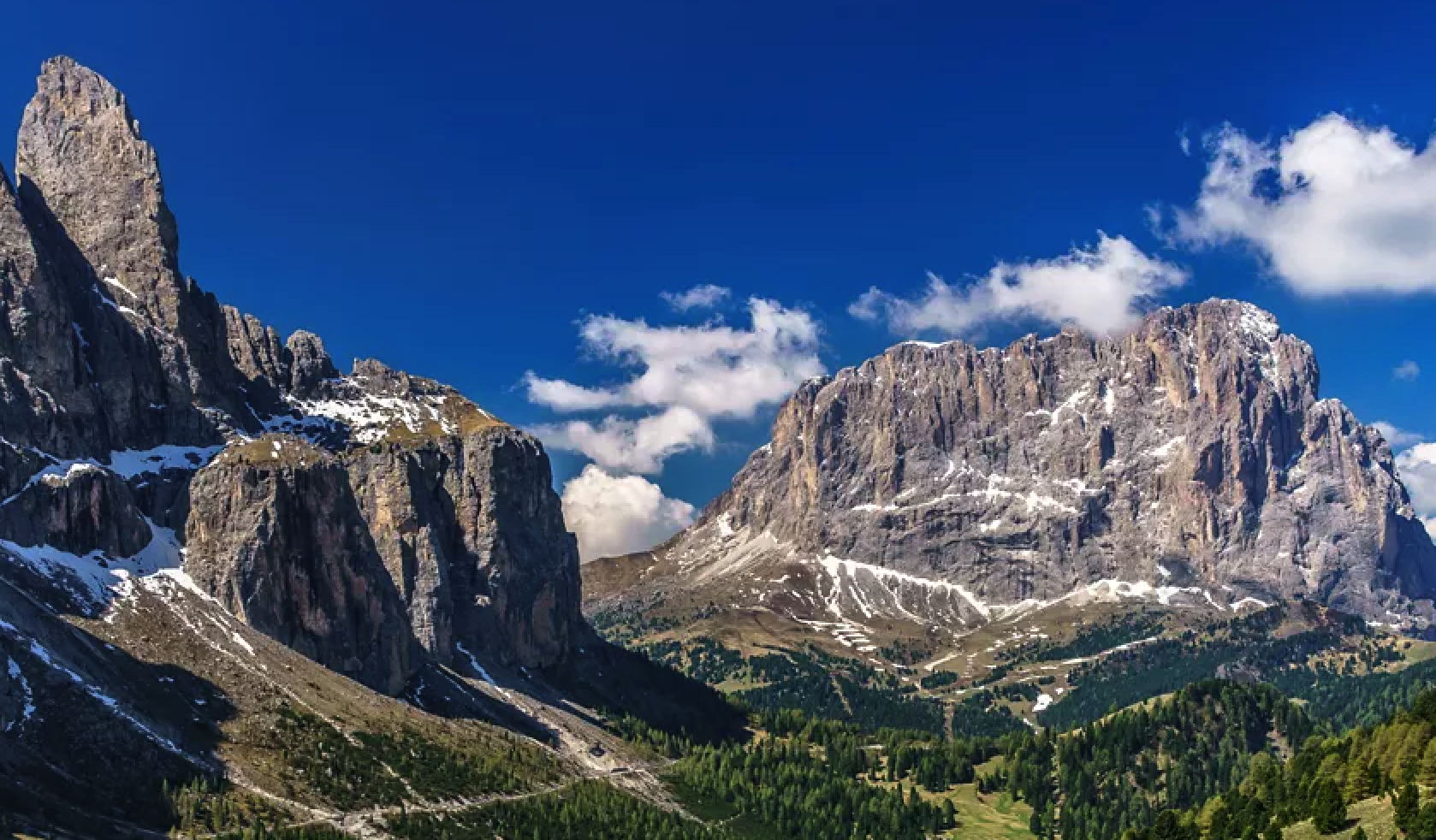
Val Gardena
Photo©: Achim Thomae / gettyimages
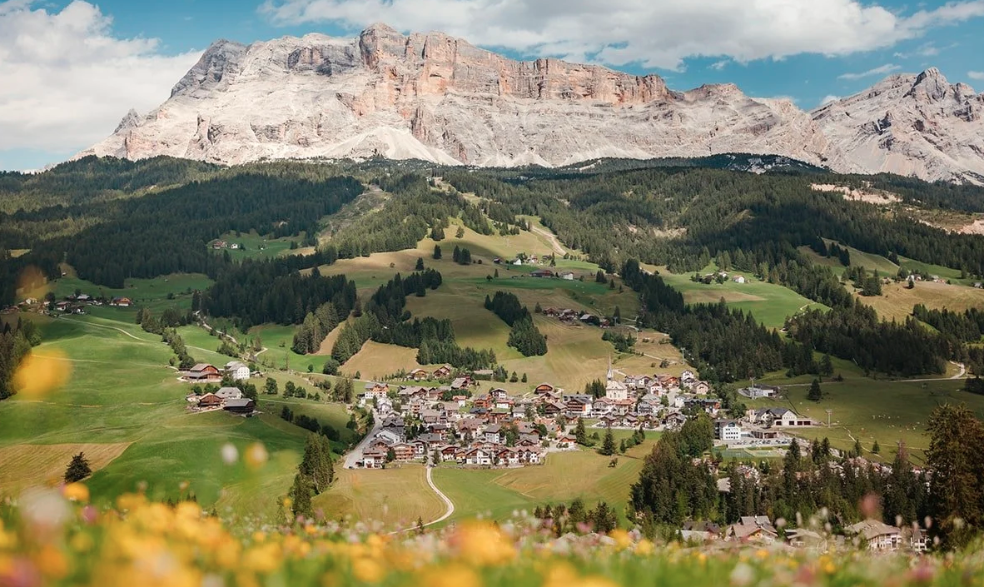
Alta Badia
Photo©: Nido Huebl / ShutterStock
Experiences worth building a trip around
This is where the Dolomites separate themselves from every other mountain destination in Europe. These aren't standard excursions pulled from a catalog. They're the kind of access my supplier relationships make possible.
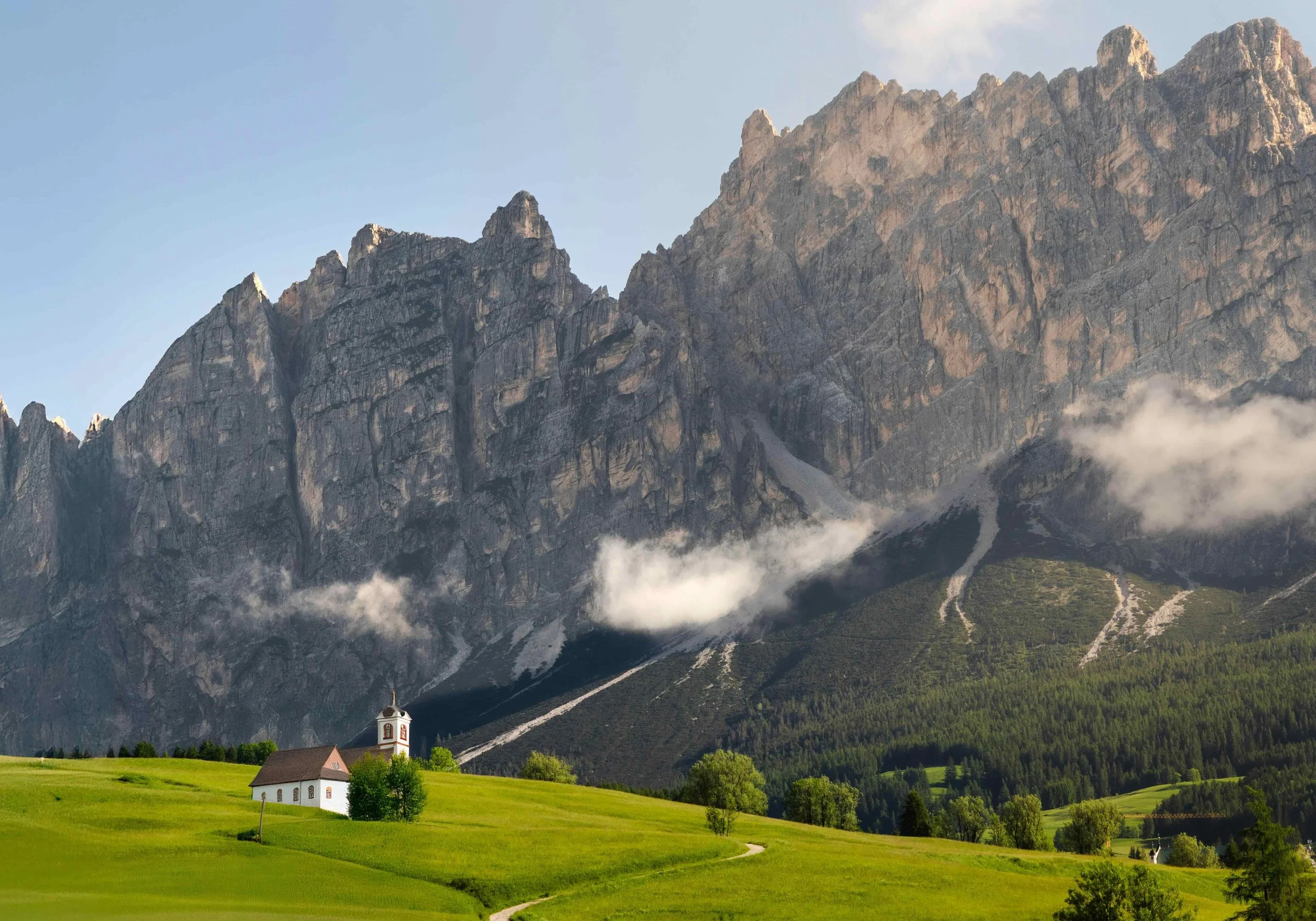
Photo©: pexel.com/Cosmin Patrolea
Guided hikes on trails like Seceda above Val Gardena, with panoramic views across multiple valleys and a pace that's entirely yours. These are private guides who know the unmarked routes, not the ones in every guidebook.
Private cellar visits with small Trentino wine producers whose Teroldego and Marzemino rarely make it outside the region. These are introductions, not bookings. The kind of visit that happens because your travel advisor knows the family.
Michelin dining in Alta Badia, at restaurants serving Ladin cuisine you genuinely cannot find anywhere else. Reservations here aren't just hard to get. For some tables, you need to know who to call.
Wellness in Merano, where the thermal tradition is centuries old and the treatments are designed around you, not pulled from a standard menu. The best properties here integrate spa, movement, and nutrition into a single stay.
Toerggelen in autumn: the South Tyrolean harvest tradition of moving from farm to farm, tasting new wine and roasted chestnuts. Entirely authentic, nothing like a tourist experience. This is the kind of thing you only do if someone local sets it up for you.
Alpine picnics and horseback excursions in parts of the landscape no road reaches. For families, this is the kind of day that changes how your kids think about travel.
Thinking about the Dolomites?
I build custom Dolomites itineraries for couples and families who want more than scenery. Private guides, hand-picked properties, and the kind of access that turns a trip into a story.
Let’s build yours.
When to go
Photo©: Oleh_Slobodeniuk / iStock
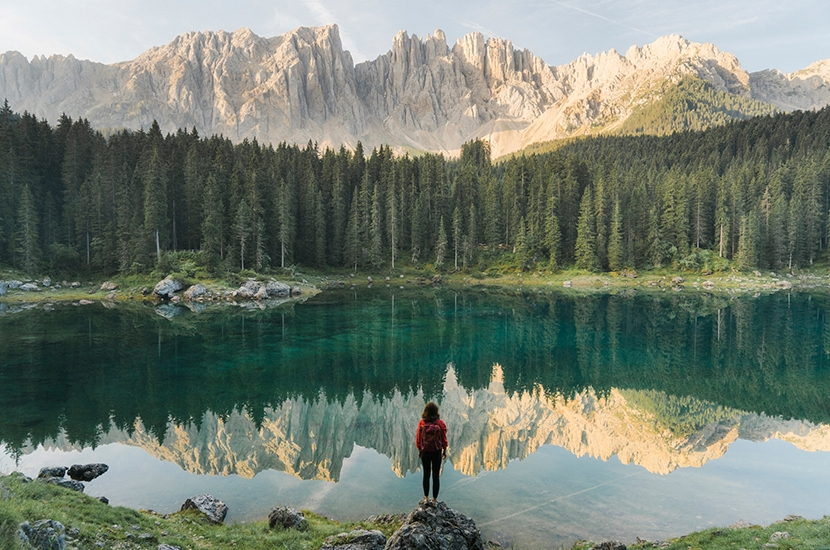
Summer (June - September) is prime hiking season. I always steer clients toward June or September: the same trails and scenery with a fraction of the peak-month crowds. The light in September is extraordinary, and the rifugios are still open.
Photo©: Ales Krivec / unsplash
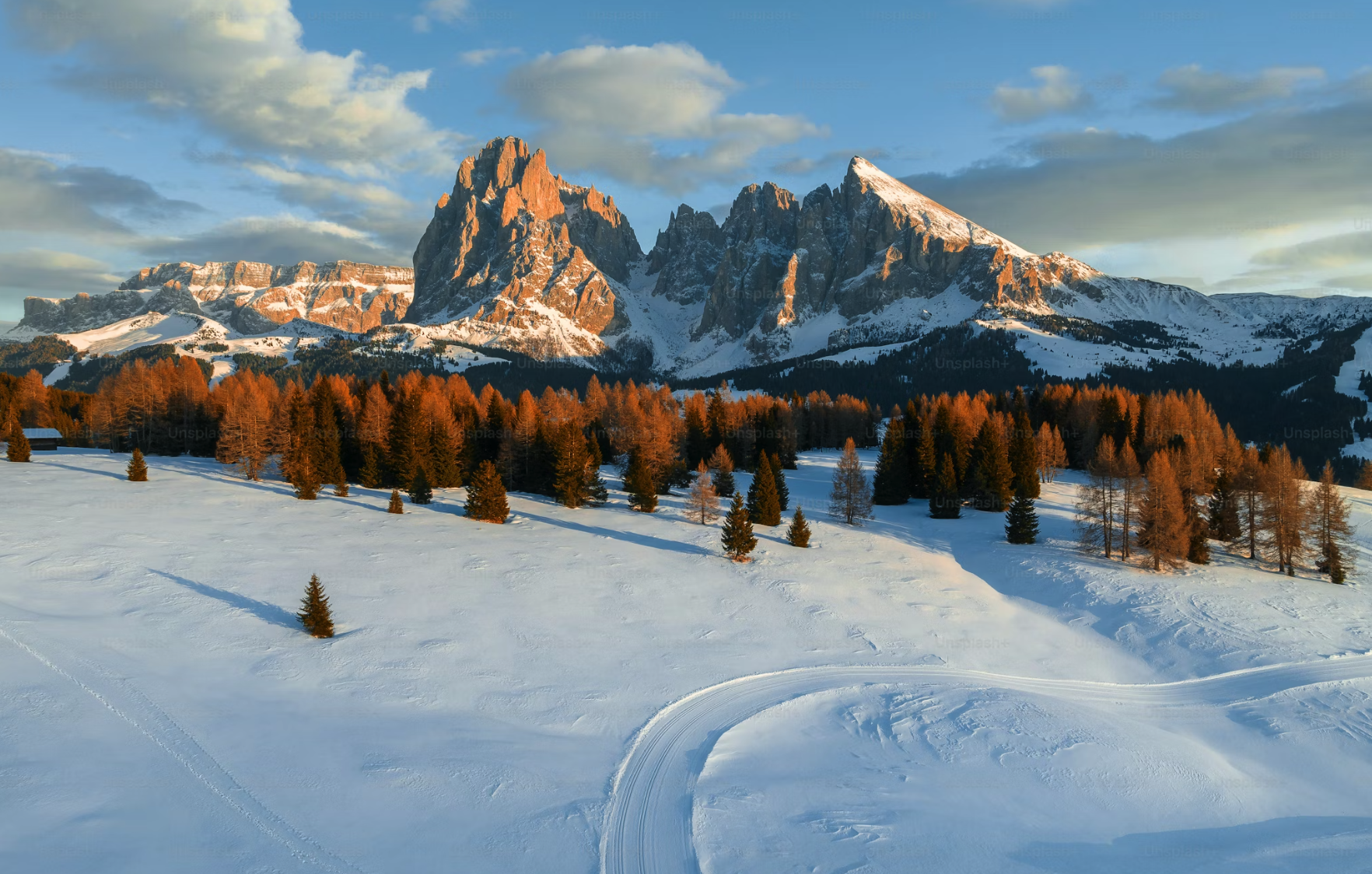
Winter (December - March) is ski season. The Sellaronda circuit, the village atmosphere, the Dolomites under snow. The best properties and guides fill months in advance, so if you're considering a winter trip, we need to start the conversation early.
Photo©: Mattia Marinangeli / unsplash
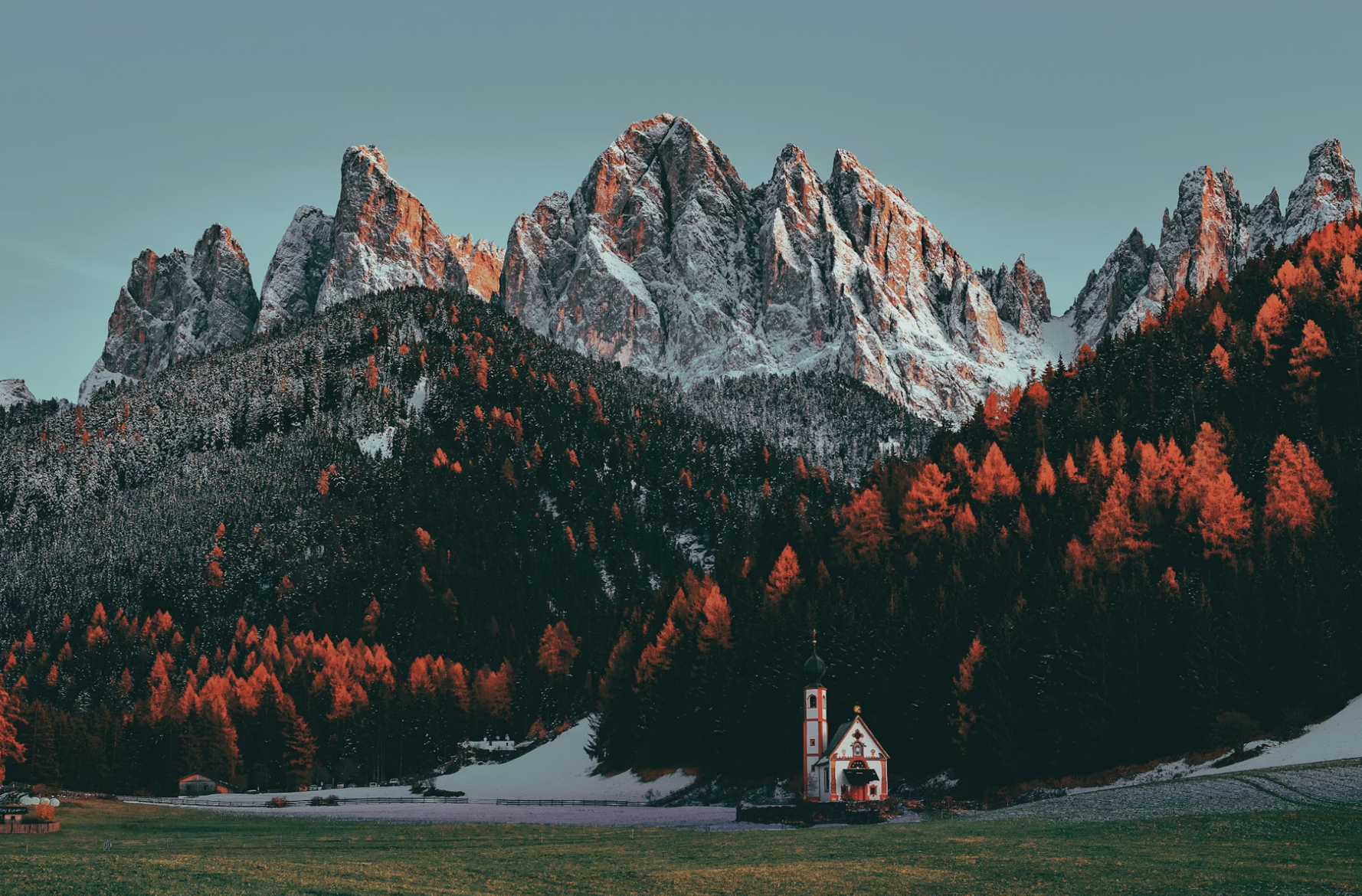
Autumn (October - November) is the season most visitors miss entirely, and it might be my favorite. Golden larch forests, empty trails, and the Toerggelen harvest season make this one of the finest food and wine travel moments in all of Italy. If you love food, wine, and solitude, this is your window.
Photo©: Anna Fishman / Olegana Travel Boutique
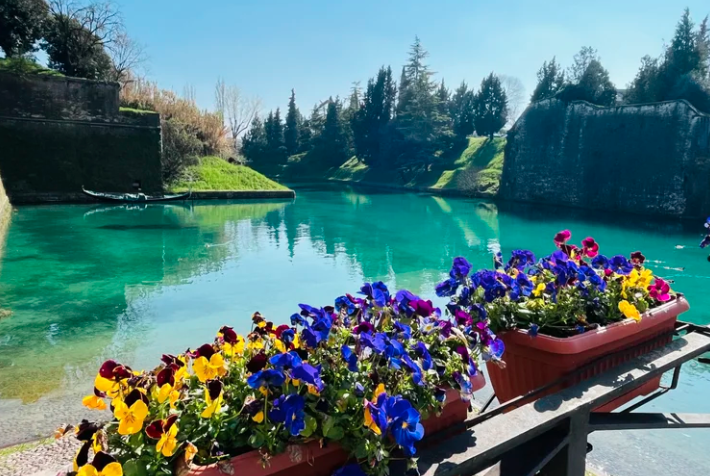
Spring (April - May) brings wildflowers and gentle temperatures, ideal for walking and cycling before the summer crowds arrive. It's quieter, the rates are better, and the valleys are coming alive.
Sample itinerary: 8 days in the Dolomites
Every trip I build is different, but here's a sense of what a week in the Dolomites looks like when it's planned with intention.
Days 1 and 2: Merano and the Spa Tradition
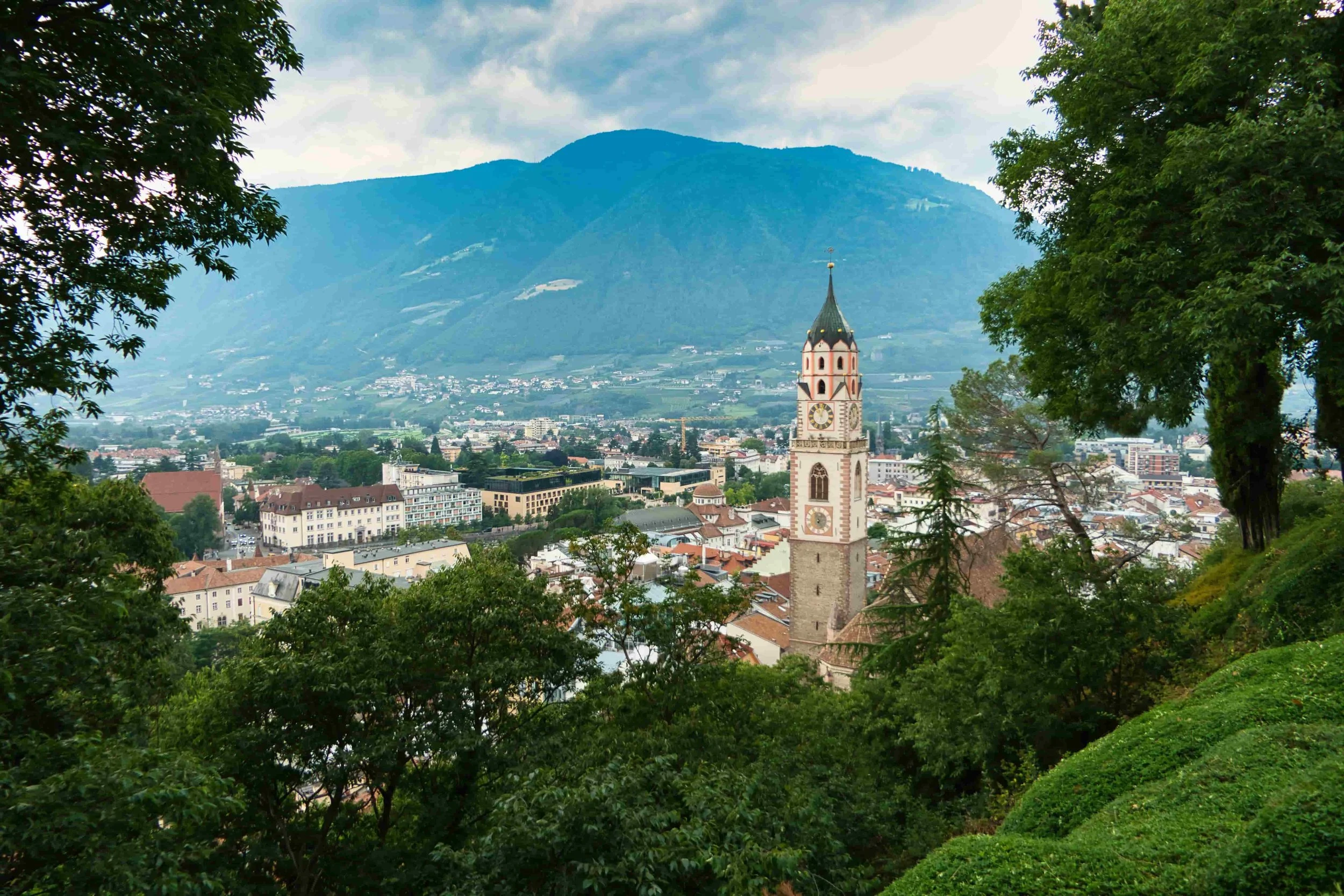
Arrive into Verona or Innsbruck and transfer to Merano. Settle into a five-star wellness property with mountain views and a spa program designed around your preferences. Explore the town's elegant promenades, botanical gardens, and the local food market. A private wine tasting at a nearby estate makes for the perfect first evening.
Photo©: Joerg Hartmann / pexels
Days 3 and 4: Bolzano and the Wine Country
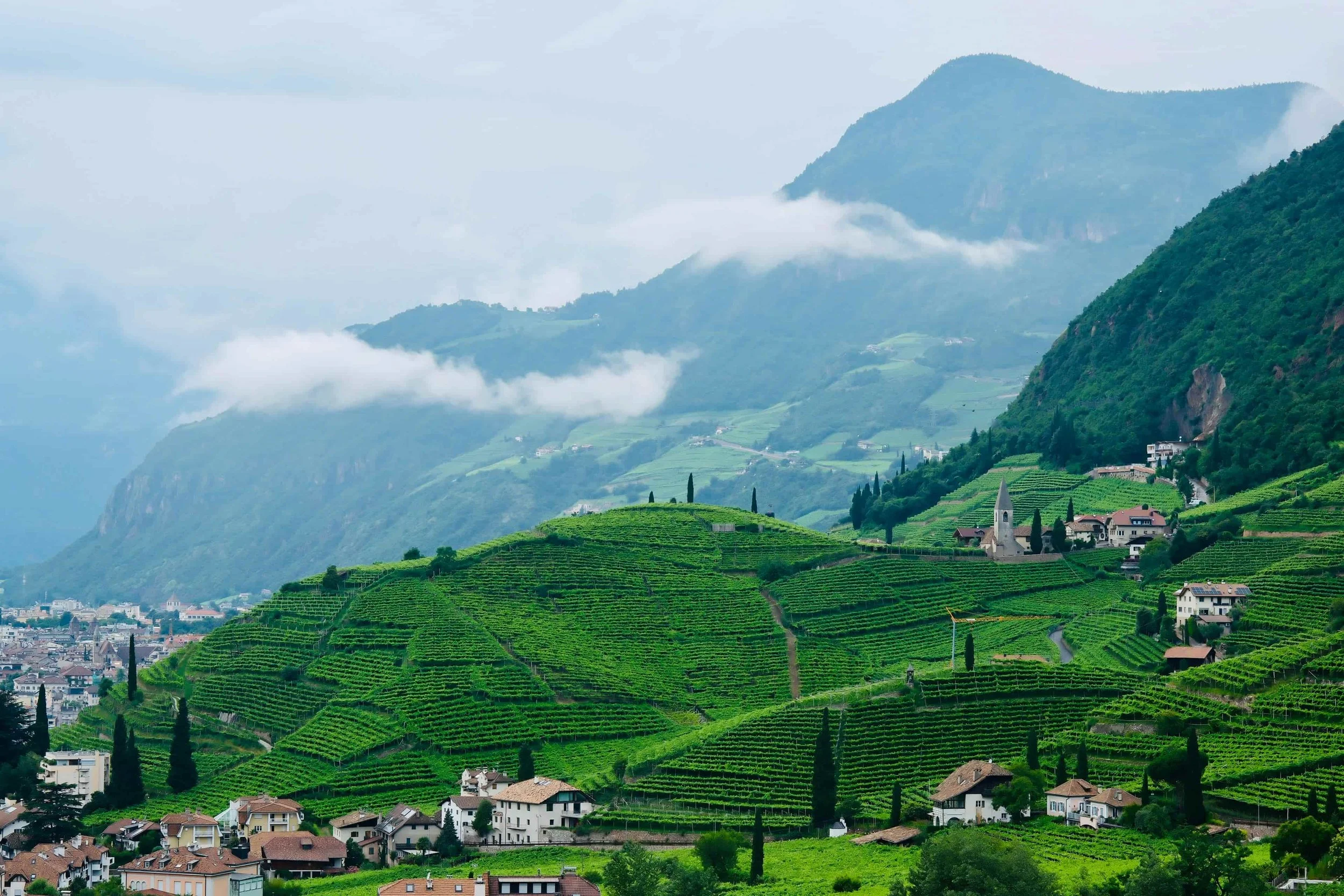
Drive to Bolzano for a morning exploring one of Italy's most underrated cities: the old town, the extraordinary archaeological museum, the market squares. Afternoon cellar visits in the surrounding wine country with producers who don't appear in any guidebook. Private dinner at a restaurant known only to locals.
Photo©: ryo f / pexels
Days 5 and 6: Val Gardena and Alta Badia
Move into the heart of the Dolomites. Guided hike on Seceda or the Puez-Odle trails with a private guide who knows the unmarked paths. Michelin dinner in Alta Badia. In winter, these are skiing days on the Sellaronda circuit with a private instructor.
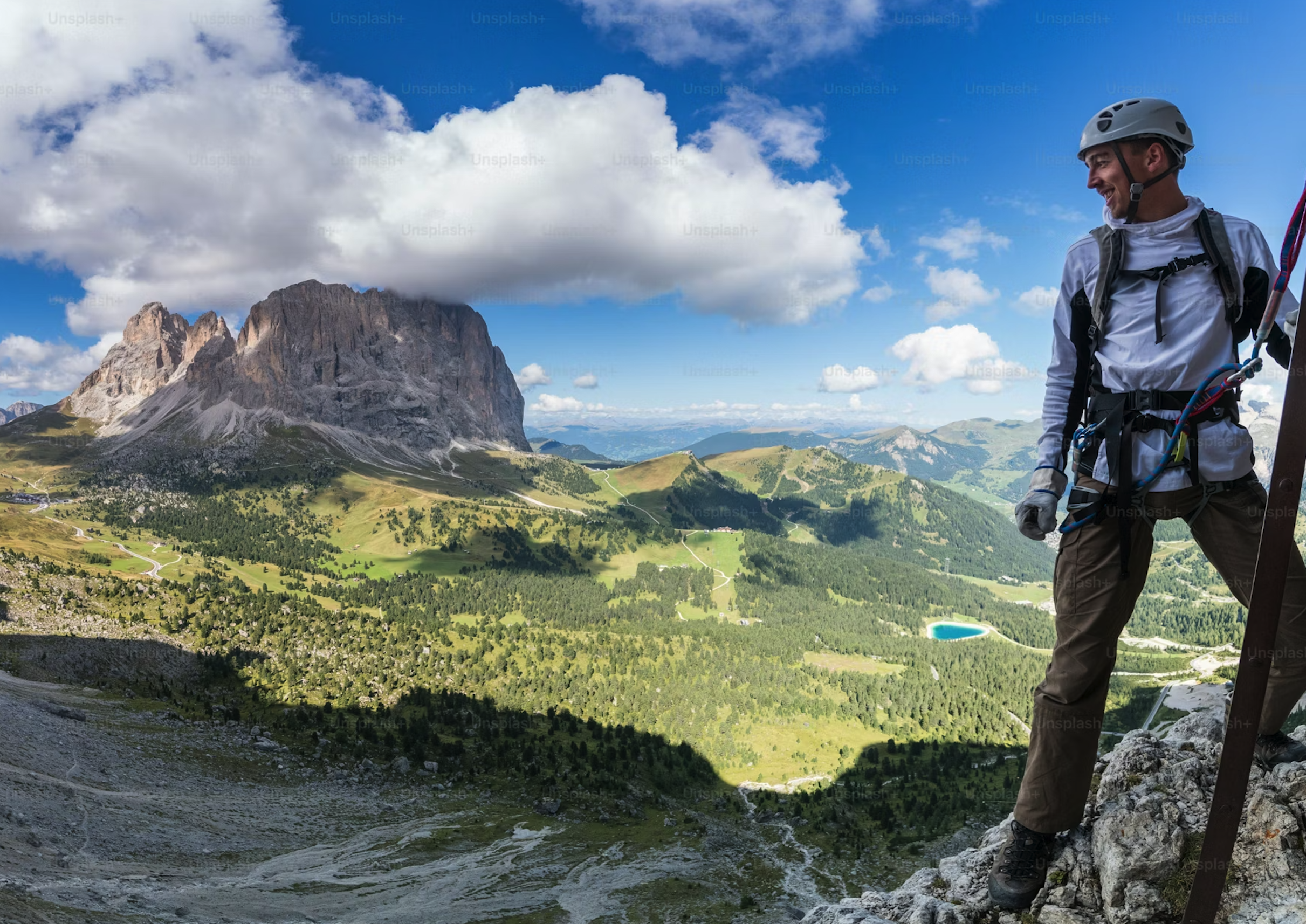
Photo©: Getty Images / unsplash
Day 7: The High Passes or a Mountain Experience
Tailor your day to your personal style, whether you prefer a scenic drive over high mountain passes or a rugged horseback excursion into the backcountry. You might choose to master local flavors in a Ladin cooking class, or simply embrace the profound silence of a remote rifugio with nothing but a good book.
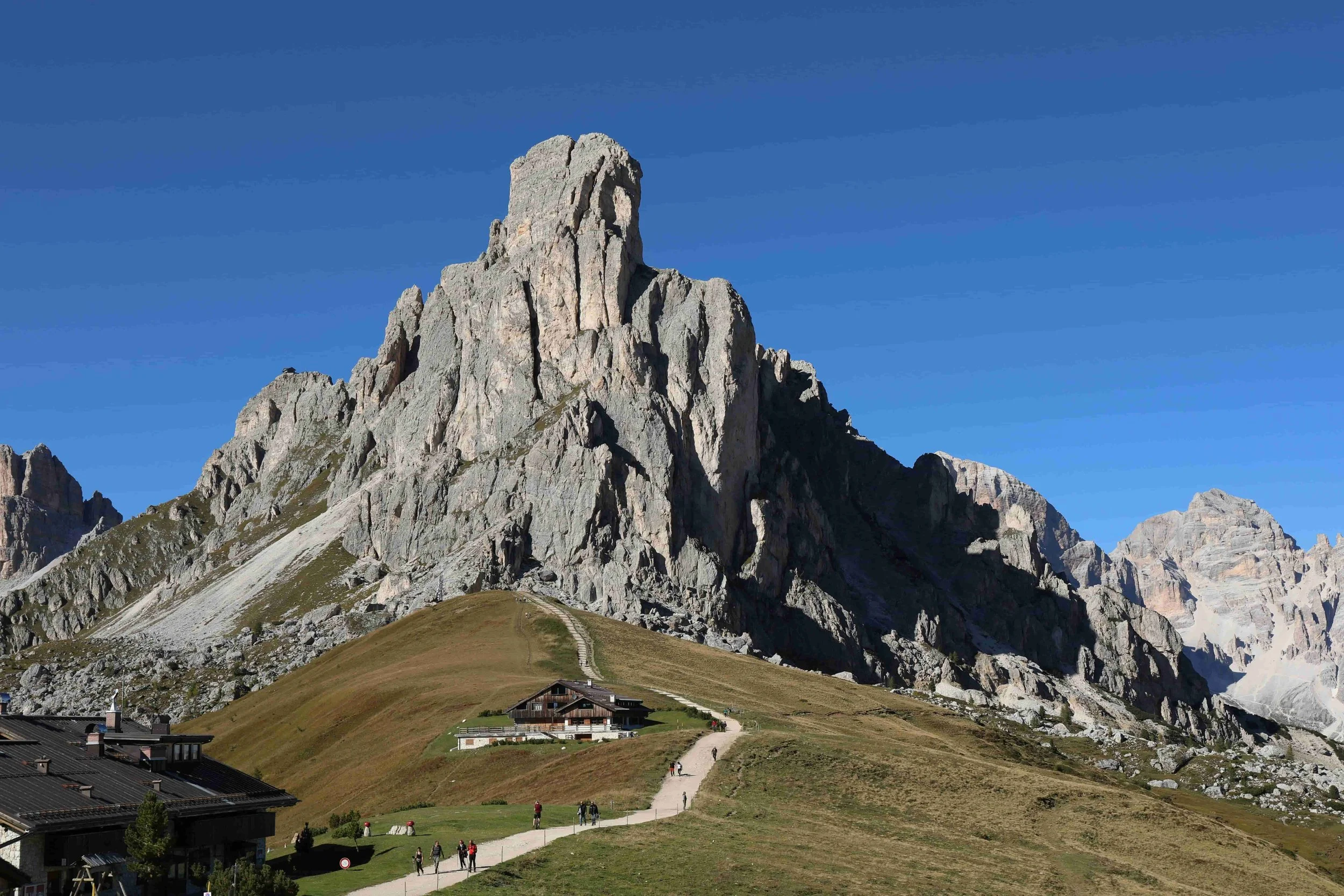
Photo©: Gildo Cancelli / pexels
Day 8: Departure via Lake Garda or Venice
Transfer south toward Lake Garda for a final lunch on the water, or connect to Venice for the next chapter. Both transitions are scenic, unhurried, and part of the trip rather than an afterthought.
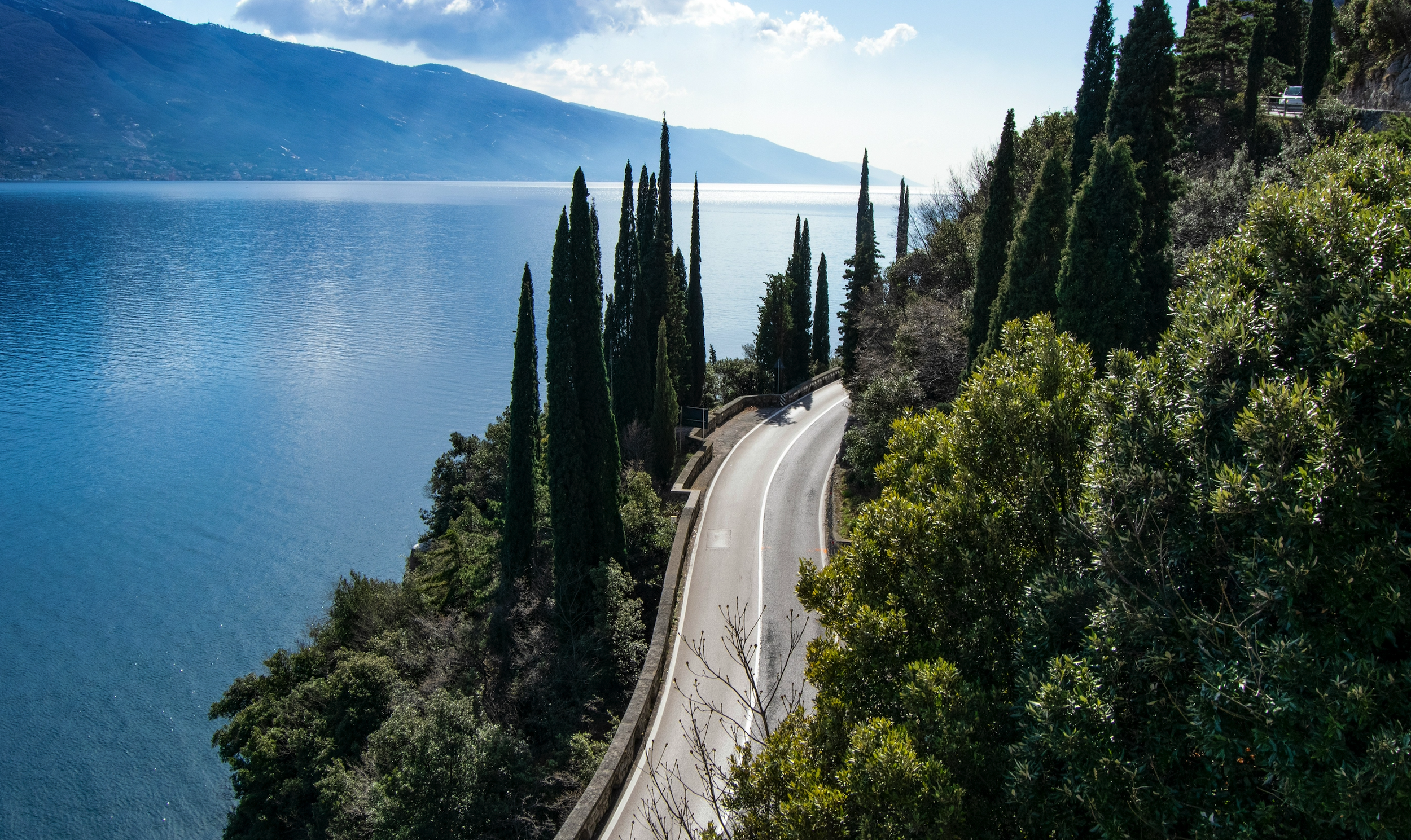
Photo©: Elisabetta Falco / unsplash
Who this trip is for
If you're a couple who has done Tuscany, the Amalfi Coast, and Lake Como: the Dolomites are the Italy you haven't seen yet. The combination of world-class food, genuine wellness, and a landscape that doesn't feel like anywhere else in the country makes this the trip that experienced Italy travelers call their favorite.
If you're planning a family trip and your kids are old enough for adventure: this region delivers. Horseback rides, mountain hikes, via ferrata for teenagers, and food that even the pickiest eaters tend to love. The pace is flexible, the scenery is extraordinary, and the activities don't feel manufactured.
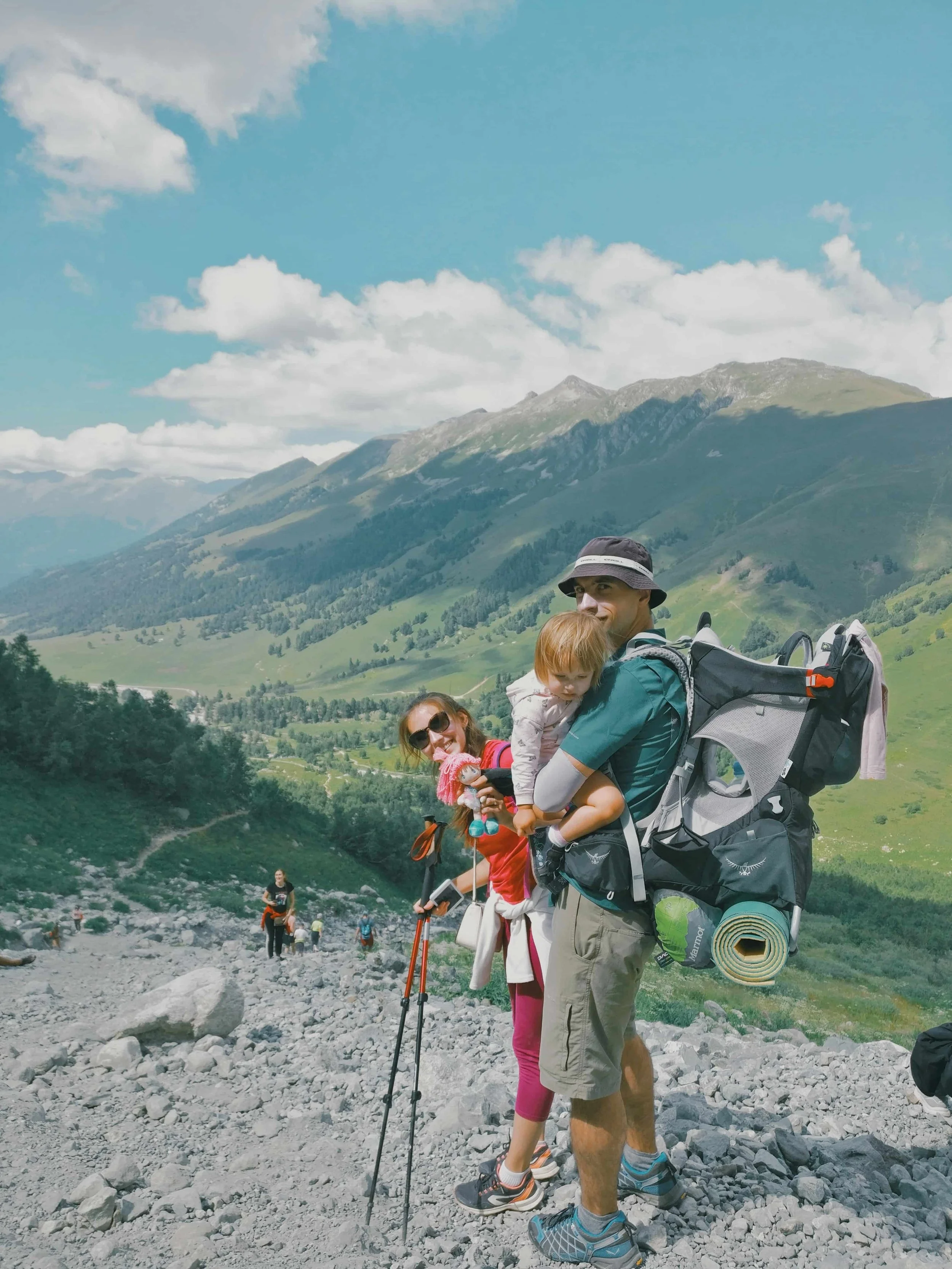
Photo©: Andrii Solok / unsplash
If you love food and wine and want something beyond the usual Italian regions: the Dolomites' Ladin culinary tradition and Trentino wine country are genuinely undiscovered by most American travelers. This is the trip for the food-obsessed traveler who thinks they've seen everything.
If you're combining the Dolomites with other destinations: this region connects beautifully to Venice, Lake Garda, Verona, Lake Como, or even Austria and Switzerland. I build multi-destination itineraries that flow naturally, so you never feel like you're rushing between unrelated stops.
If you’re a woman traveling solo or with a friend: I host a small women’s group trip to the Dolomites and Lake Garda, designed for travelers who want the experience curated, the logistics handled, and the right pace for a small group. The next departure is September 10 to 18, 2027.
The Dolomites within a larger Italy itinerary
One of the things I love about planning Dolomites trips is how naturally the region connects to other parts of northern Italy and central Europe.
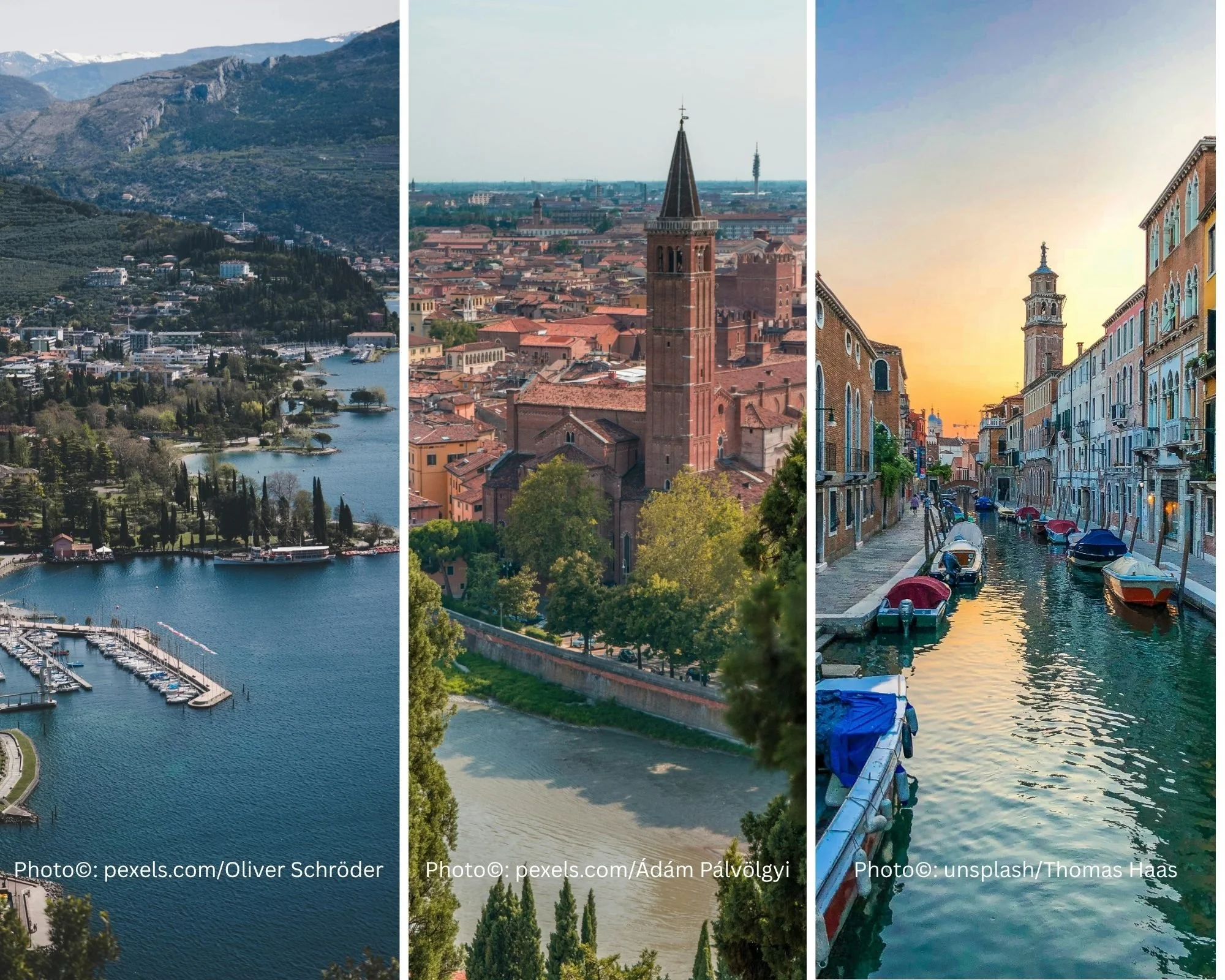
Lake Garda, Verona, and Venice for a classic northern Italy circuit that balances mountain time with lake days and culture
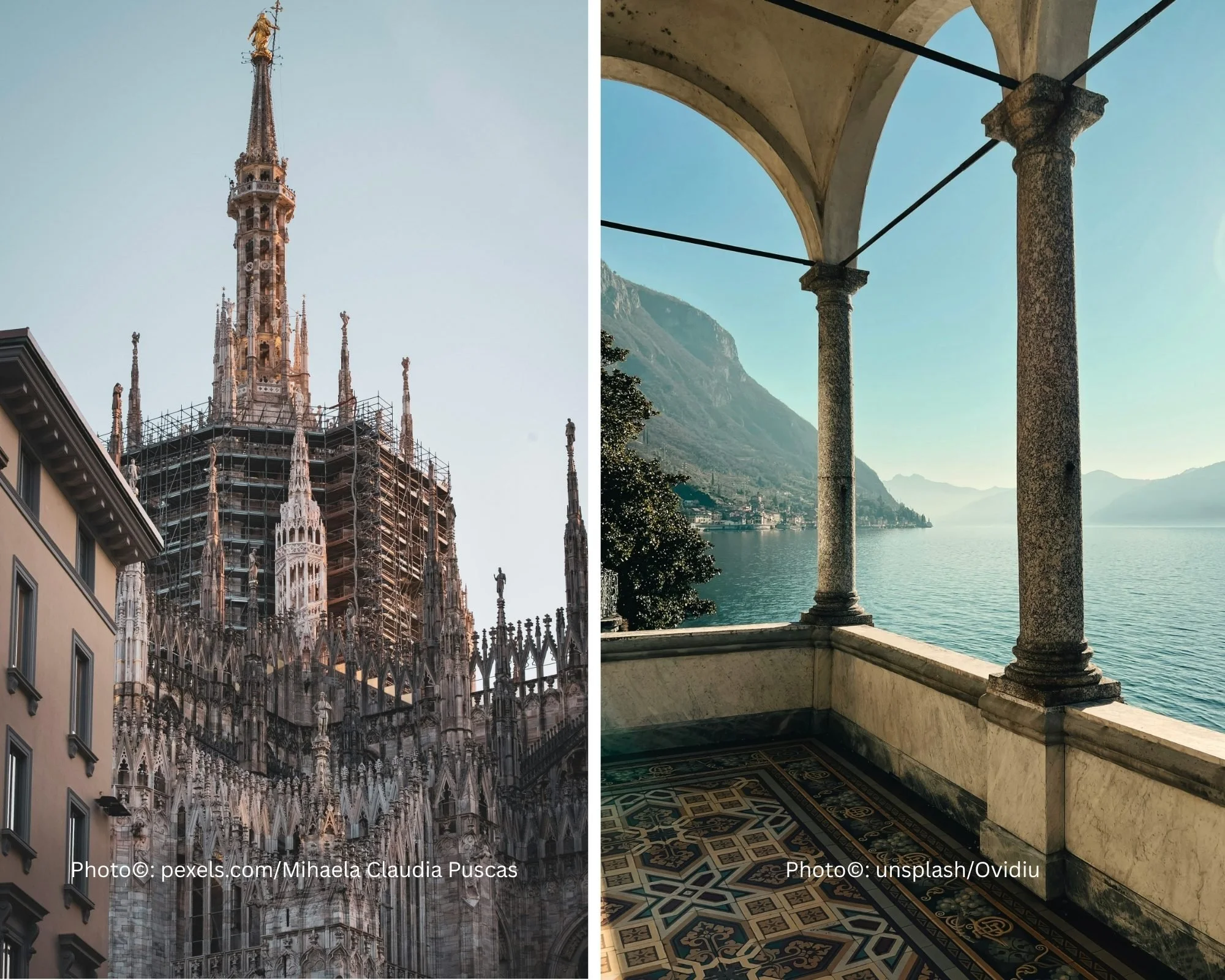
Milan and Lake Como for design lovers who also want the Alpine side of Italy
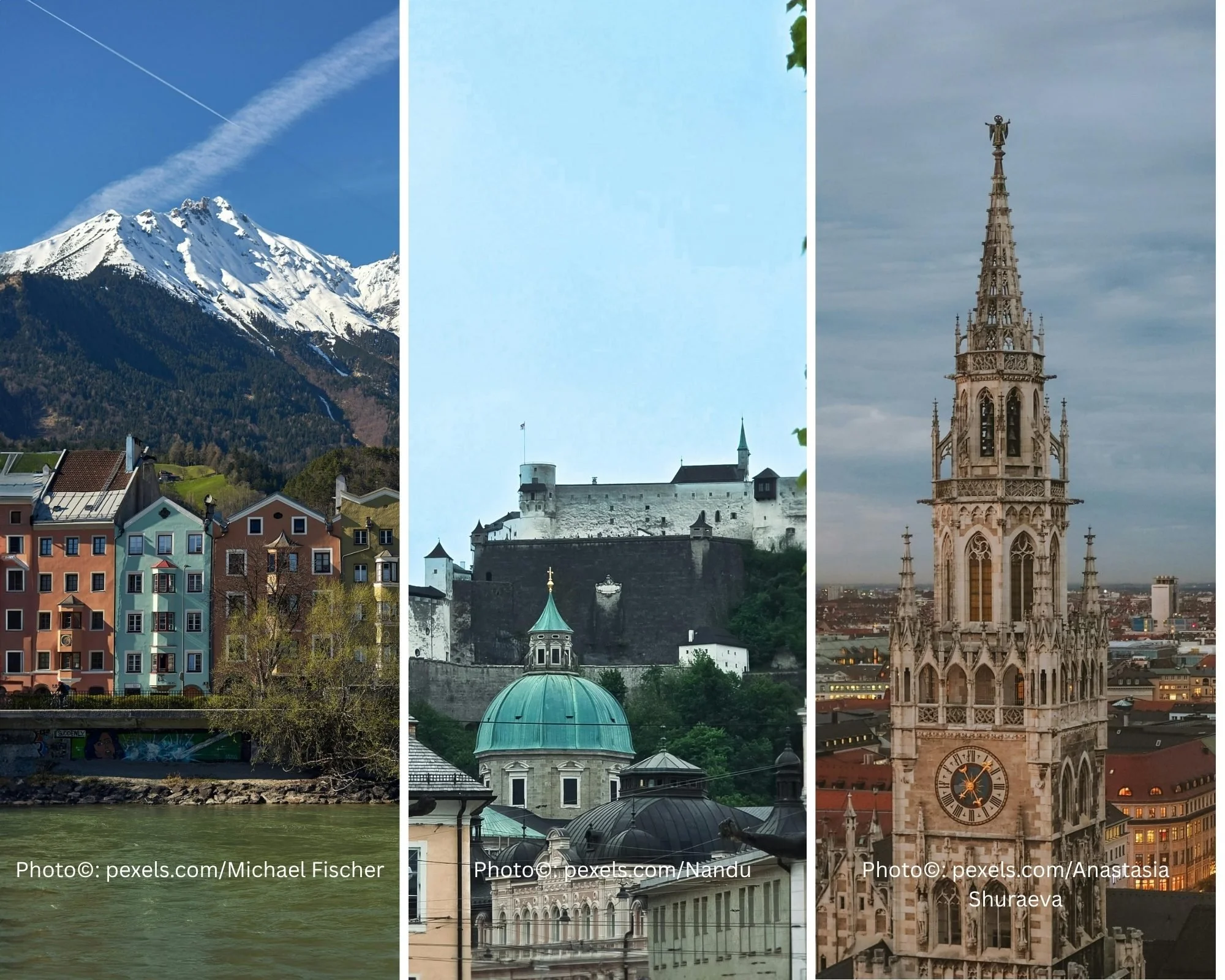
Innsbruck, Salzburg, and Munich for a broader Alpine journey that crosses borders seamlessly
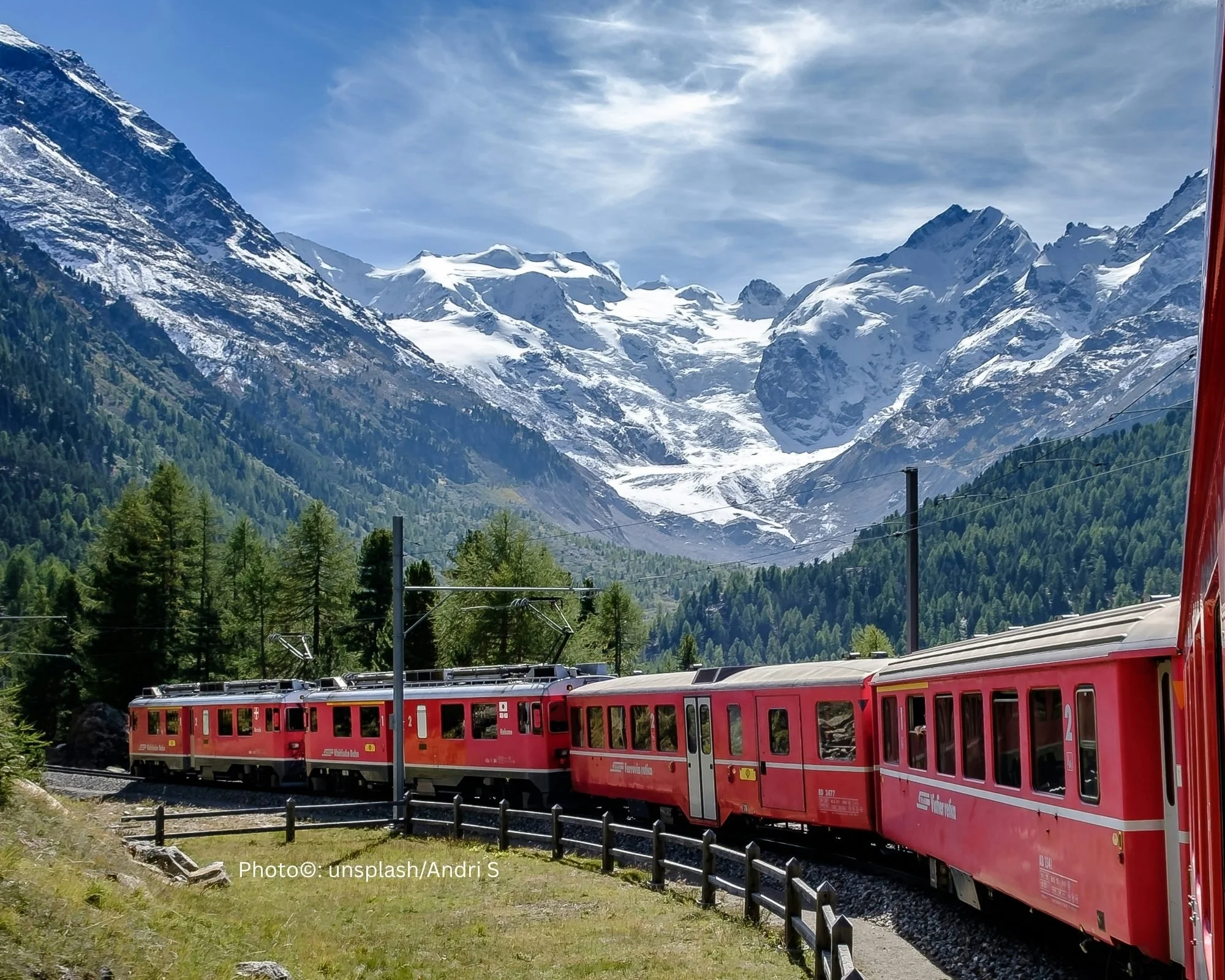
Switzerland via the Bernina Express, one of the most scenic rail journeys in Europe and a spectacular way to transition between destinations
Why work with a luxury travel advisor for the Dolomites
The Dolomites are not a destination you can plan well from a search engine. The best properties are small, independently owned, and don't always appear on the major booking platforms. The most memorable experiences, from private cellar visits to unmarked hiking trails to the right table at a Michelin-starred Ladin restaurant, come through relationships, not reservations.
I've built relationships with suppliers, guides, hoteliers, and local experts across this region. When I plan a Dolomites trip, I'm not assembling a list from a database. I'm designing something specific to you: your pace, your interests, your family's energy, and the level of comfort that makes a trip feel effortless.
That's the difference between a trip that looks good on paper and one that actually feels the way you imagined it would.
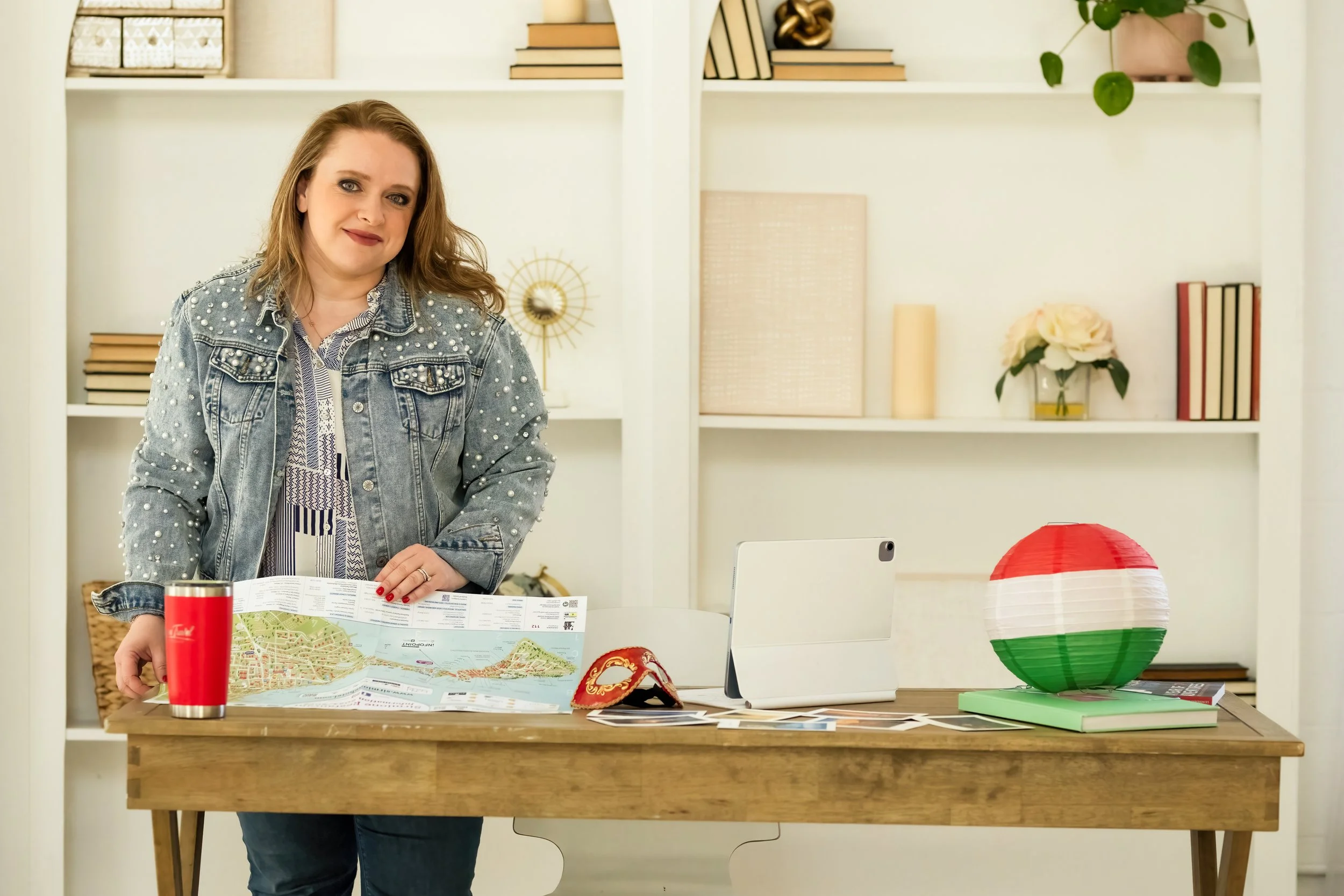
Anna Fishman, the visionary and soulful force behind Olegana Travel Boutique, orchestrates transformative journeys where meticulously curated adventures meet authentic connection and exquisite, bespoke exploration.
Ready to plan your Dolomites trip?
If the Dolomites have been on your list, or if they just landed there, let's talk. I'll help you figure out the right season, the right valleys, and the right pace for your trip. Every itinerary I build is completely custom, and there's no obligation to move forward.
Book a call with Anna here.
Did you know? We also have a women-only small group trip to the Dolomites and Lake Garda. More details here.
FAQ: planning a luxury trip to the Dolomites
-
A week is ideal. It gives you time to experience multiple valleys, different dining traditions, and at least one full wellness day without rushing. If you're combining the Dolomites with Venice, Lake Garda, or another destination, I typically recommend four to five nights in the mountains and build the rest of the itinerary around them.
-
Verona and Innsbruck are the closest. Milan and Venice also work well, especially if you're building a multi-destination trip. I arrange private transfers from any of these airports so the drive itself becomes part of the experience.
-
Absolutely. The Dolomites are one of the best family destinations in Europe. There's genuine adventure for older kids and teenagers (via ferrata, horseback, mountain biking), the food culture is approachable, and the pace is flexible. Families who've done beach vacations often tell me this was the trip that changed how their family travels.
-
The Dolomites can be as luxurious or as understated as you want. Five-star wellness resorts in Merano sit alongside charming four-star family-run hotels in Val Gardena. I build trips across a range of budgets, always prioritizing quality over price point. The real value is in the access: the experiences, the guides, the tables you wouldn't have found on your own.
-
This is one of the things I love most about planning this region. Venice, Lake Garda, Verona, and even Austria are all within easy reach. I design multi-destination itineraries that flow naturally, so transitions feel like part of the journey rather than logistics.
-
Six to nine months in advance for summer and ski season. The best properties and guides fill early, especially in July, August, and the Christmas-to-New-Year window. Autumn and spring trips have more flexibility, but Michelin restaurant reservations still require advance planning.