
Malta: the luxury travel guide to Europe’s best-kept Mediterranean secret
I will be honest with you. Malta wasn’t on my radar for years. I had spent so much time in Italy, Spain, and the South of France that I assumed I had seen every corner of the Mediterranean worth seeing. Then I was invited to explore the islands for myself, and within twenty-four hours I was already wondering how I had overlooked this place for so long.
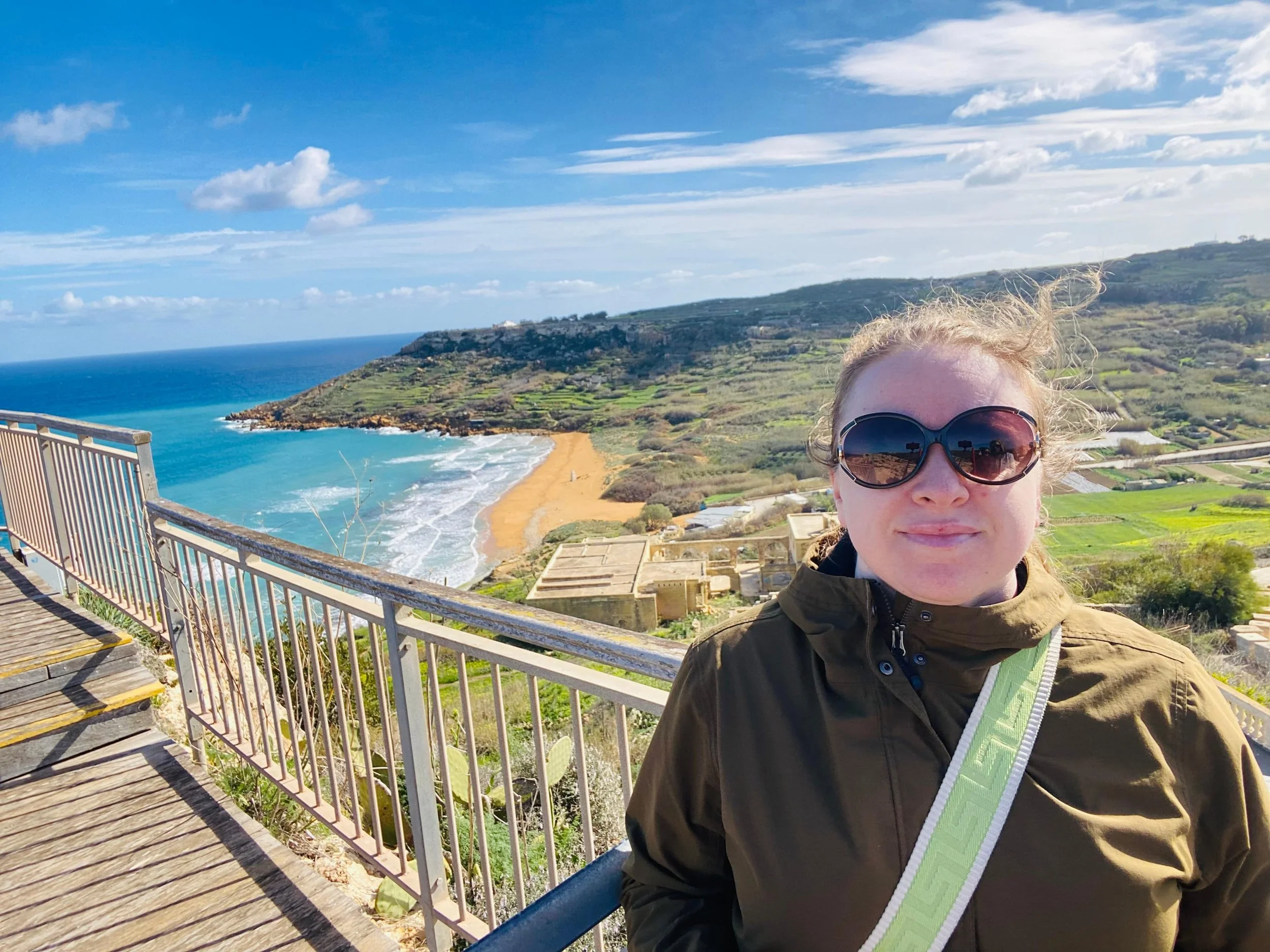
Photo©: Olegana Travel Boutique
Here is the thing about Malta that the rest of the world is only now catching onto. You have almost certainly already seen it. Mdina, the walled medieval city in the center of the island, was the original King’s Landing in the first season of Game of Thrones, before the production moved on to Dubrovnik and Dubrovnik became the place everyone talks about. The honey-colored fortress on the Grand Harbour, Fort Ricasoli, was rebuilt into the Colosseum for both of Ridley Scott’s Gladiator films, the first in 2000 and Gladiator II in 2024. Hollywood has quietly used these islands as its Mediterranean back lot for a hundred years. The difference is that Malta itself never got overrun the way its on-screen stand-ins did.
Malta has the warmth and the food culture of Southern Italy, the ancient architecture of Greece, the turquoise water of Croatia, and a personality that is entirely its own. The whole country is smaller than most Caribbean islands, yet what is packed into those few square miles is staggering: eight thousand years of history, three UNESCO World Heritage Sites, Michelin-starred restaurants, and roughly three hundred days of sunshine a year, more than almost anywhere else in Europe. Valletta, the capital, was just named one of the top ten cities in the world by the readers of a leading travel magazine. And it still feels personal in a way the famous Mediterranean names stopped feeling a long time ago.
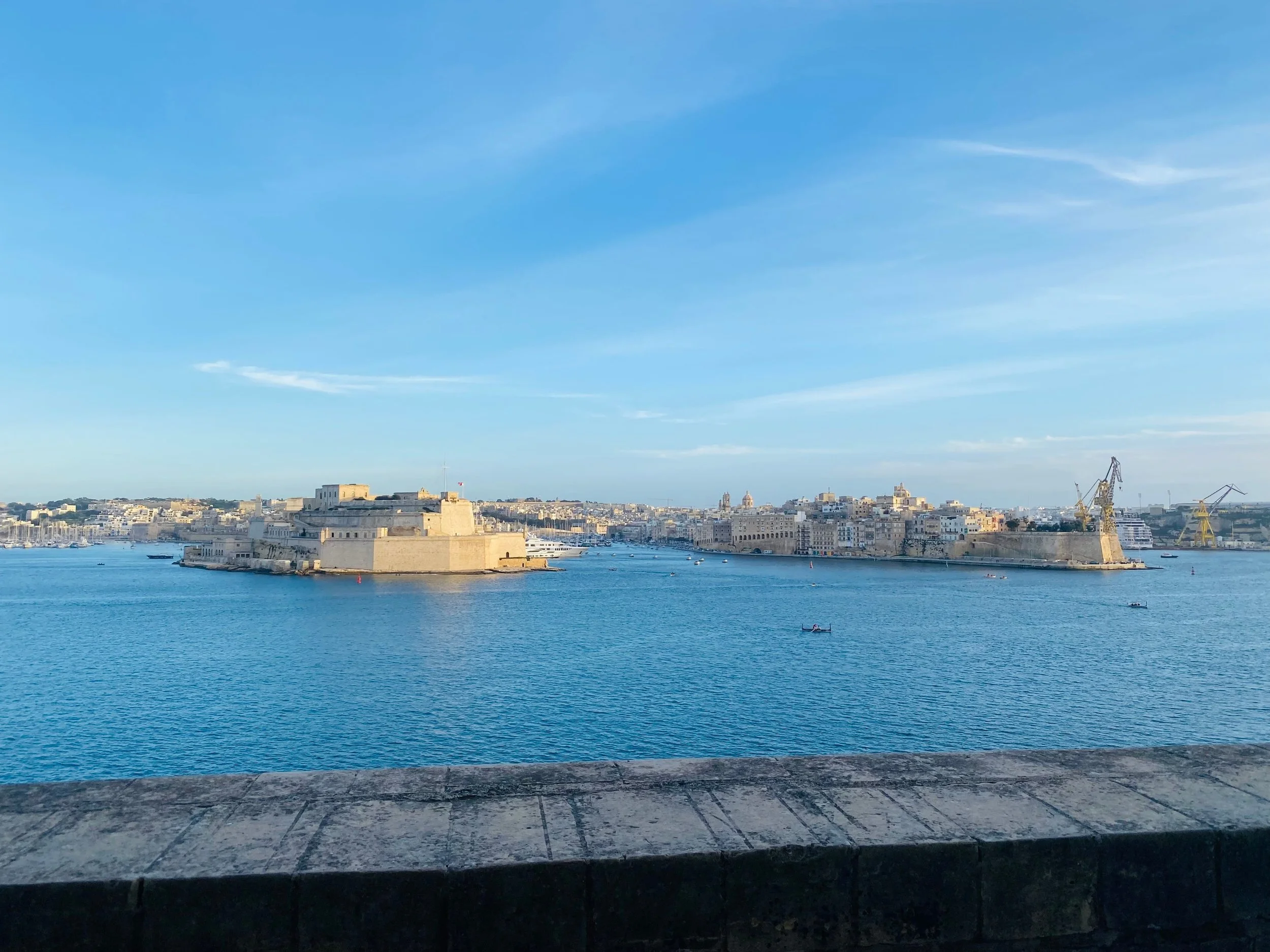
Photo©: Olegana Travel Boutique
What sold me completely was the access. The guides know the back alleys. The restaurants seat thirty people, not three hundred. On my first night, a private dinner was arranged for us inside a fifteenth-century palace in Birgu, a building that is a museum by day where you cannot so much as buy a coffee. After closing, the doors shut, tables were set under the stone arches, and we were served a multi-course meal built on cooking techniques from the fifteenth to seventeenth centuries, with the story of how coffee and chocolate first reached Malta told between the courses. That is the kind of evening I design a custom Malta trip around, and it never gets old.
Starting this June, Delta began flying the first-ever nonstop service from New York JFK to Malta, three times a week through late October. What used to be a connection through Rome or London is now a direct flight from the East Coast. If Malta has ever crossed your mind, this is the year, and I will tell you honestly why I think it will not stay this quiet for much longer.
The islands: what makes Malta unlike anywhere else in Europe
Three islands sit within a short ferry ride of one another, and each one is a completely different world. Malta is the grand, fortified main island. Gozo is greener, slower, and more rural. Comino is barely inhabited and built almost entirely around the color of its water. You can move between all three in a single trip, and the contrast is half the pleasure.
Valletta: A capital city built by knights
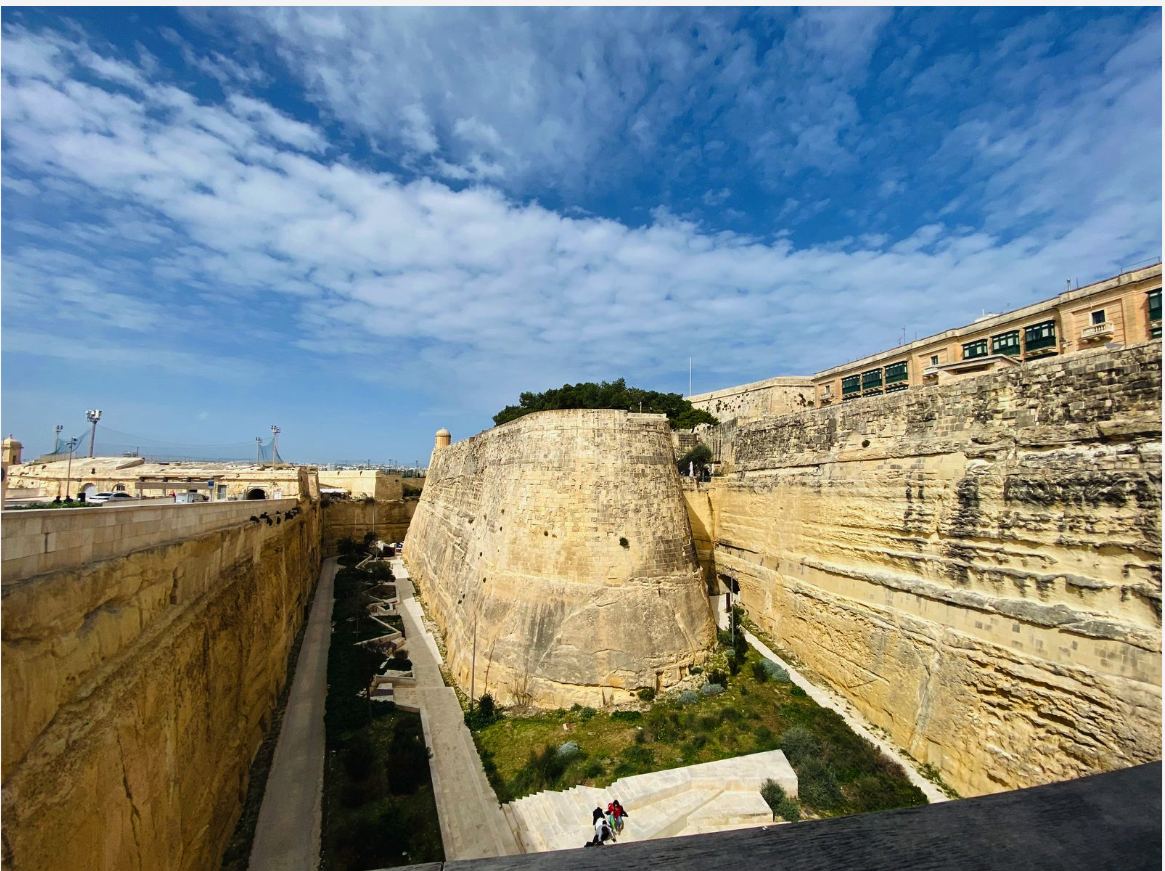
Photo©: Olegana Travel Boutique
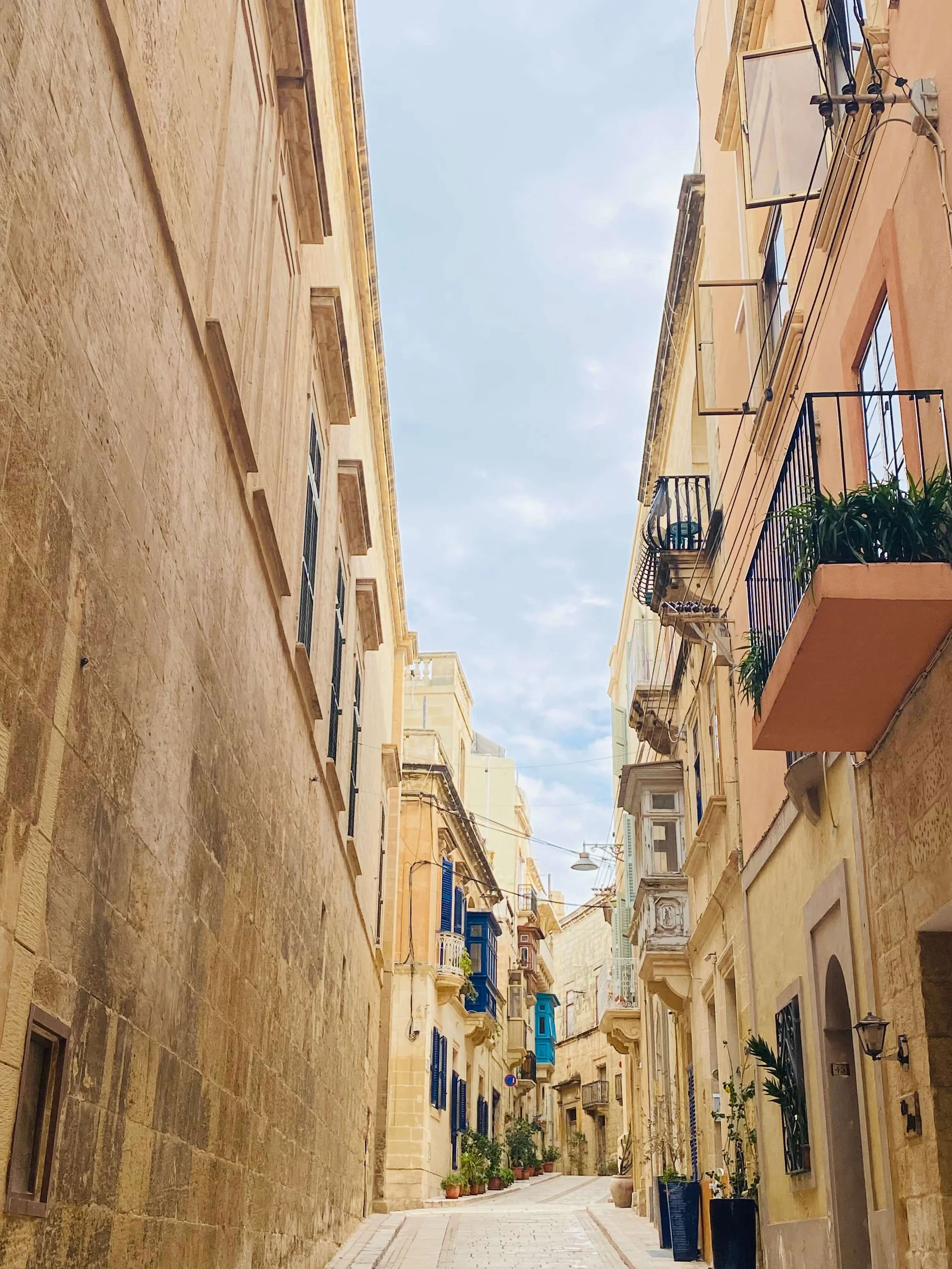
Valletta is one of the smallest capital cities in Europe, and every inch of it feels intentional. The Knights of St. John built it in the 1500s, and the entire city is a UNESCO World Heritage Site: a grid of honey-colored limestone streets that open onto harbor views, baroque churches, and quiet courtyards most visitors walk right past.
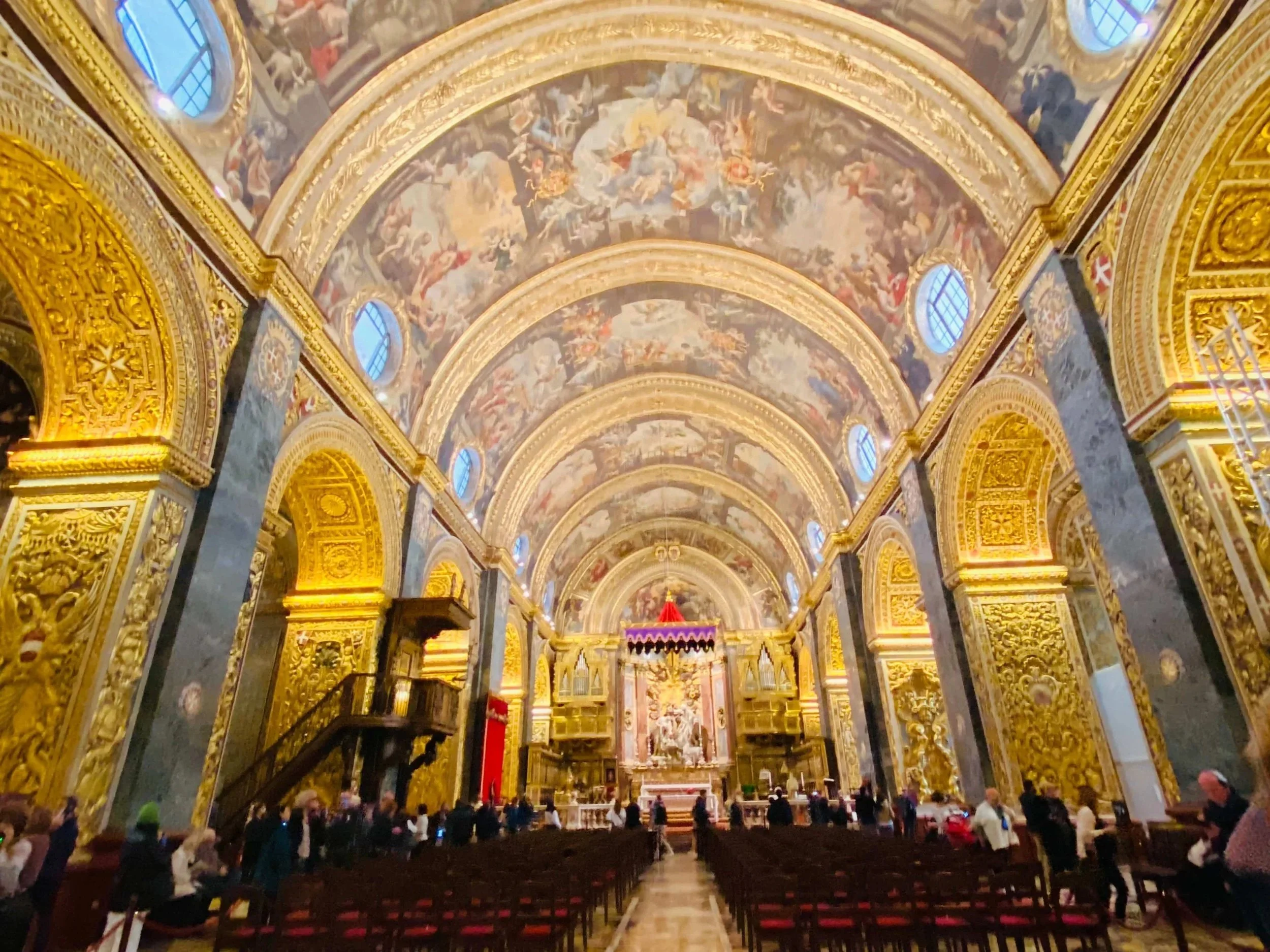
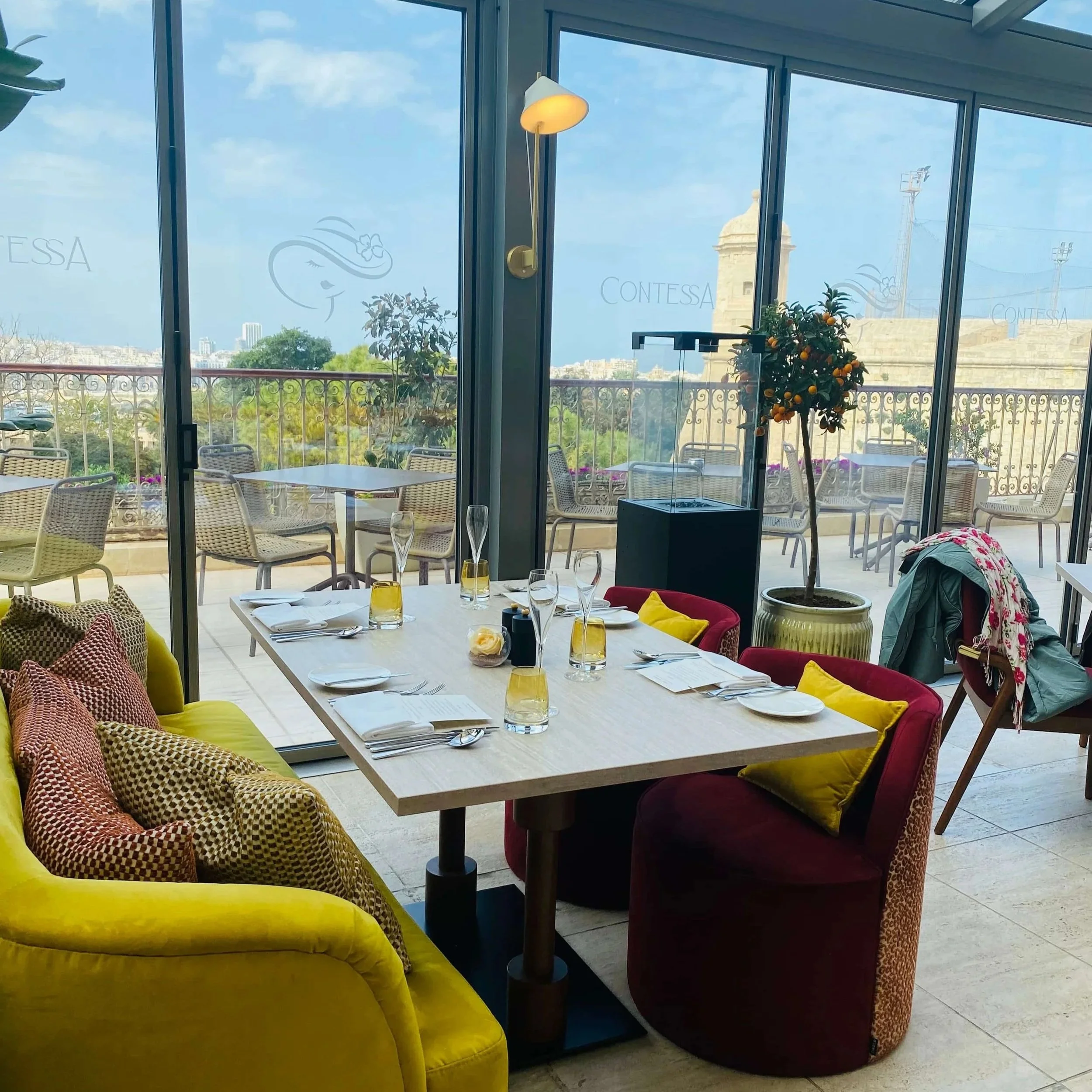
This is where I spend the most time with my clients, and for good reason. Valletta is endlessly walkable. You can have morning coffee overlooking the Grand Harbour, stand in front of the Caravaggio paintings inside St. John’s Co-Cathedral, wander the Upper Barrakka Gardens, and settle into a long lunch inside a converted sixteenth-century palazzo, all before the afternoon light starts to change. If you arrive by sea, you step off the ship directly into one of Europe’s most beautiful capitals. For an afternoon of browsing, the nearby waterfront town of Sliema has a more modern feel and a good mix of boutiques.
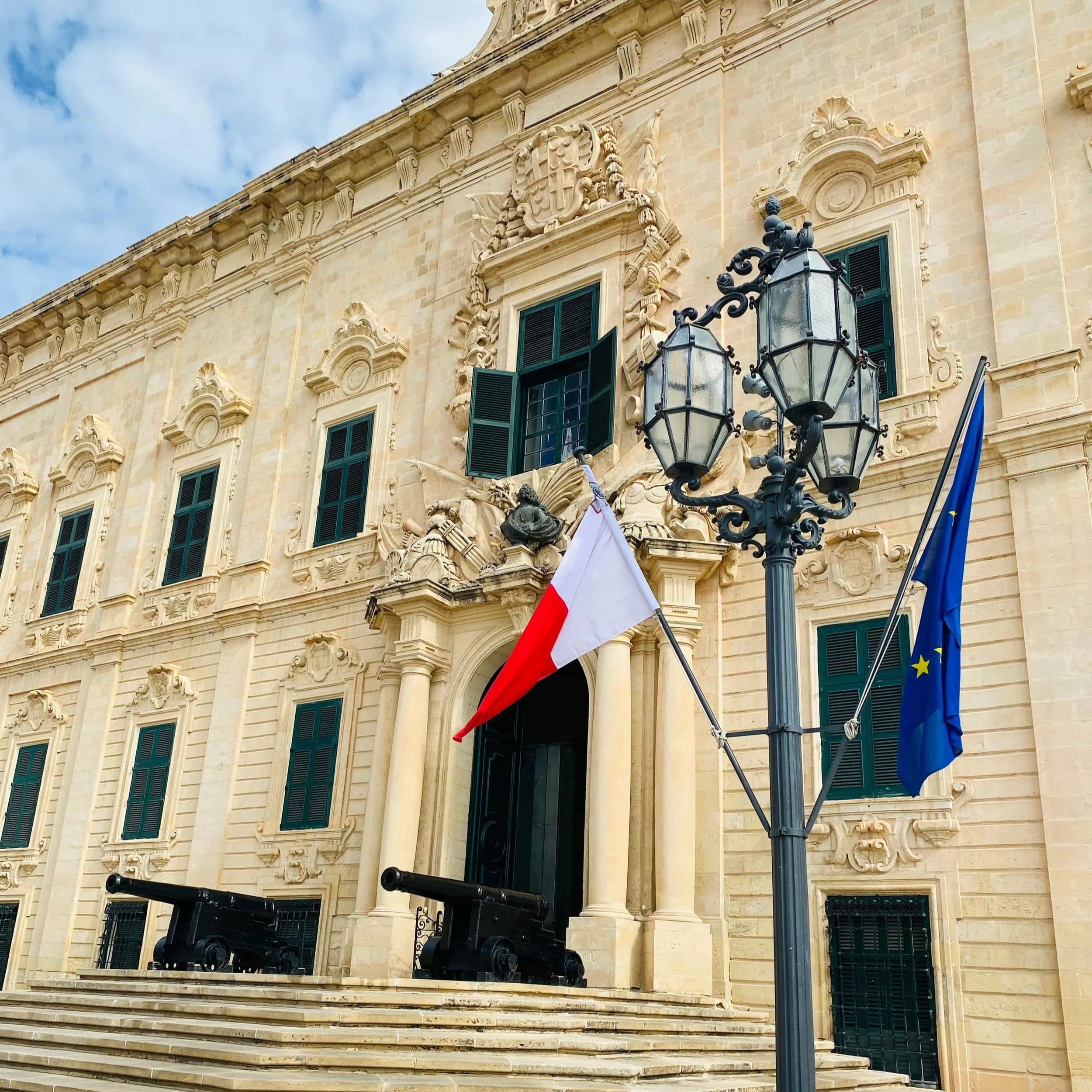
Photo©: Olegana Travel Boutique
The dining alone is worth the trip. You can eat in places that simply do not exist elsewhere: a candlelit courtyard behind a cathedral, a rooftop where the chef knows every fisherman by name, or, with the right introduction, inside a historic palace that is closed to the public during the day. Those palace dinners are prepared using techniques from the fifteenth to seventeenth centuries, and the stories told between courses, about how Malta became a crossroads for spices, coffee, and chocolate, turn dinner into something closer to time travel.
Mdina: The silent city that played king’s landing
Photo©: Olegana Travel Boutique
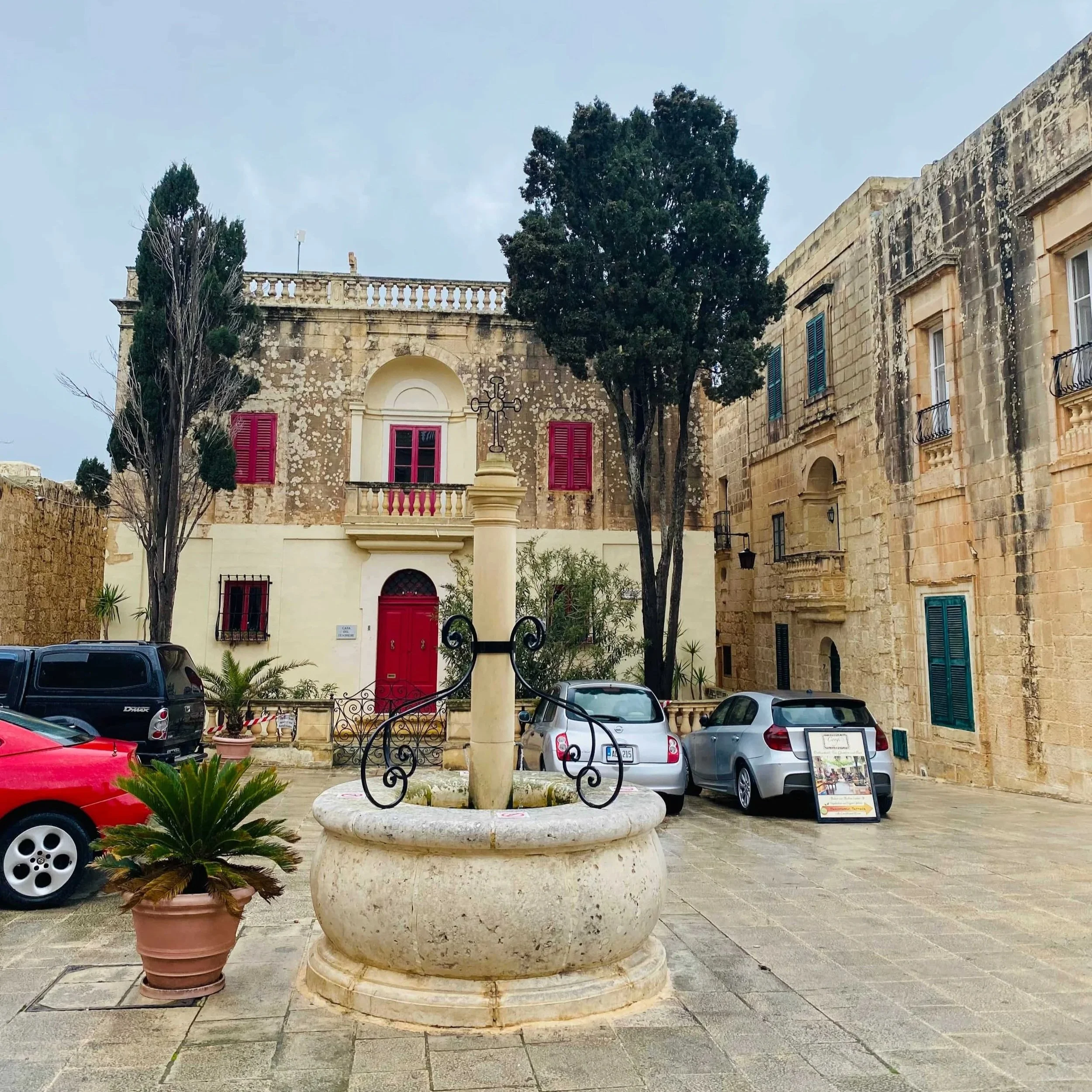
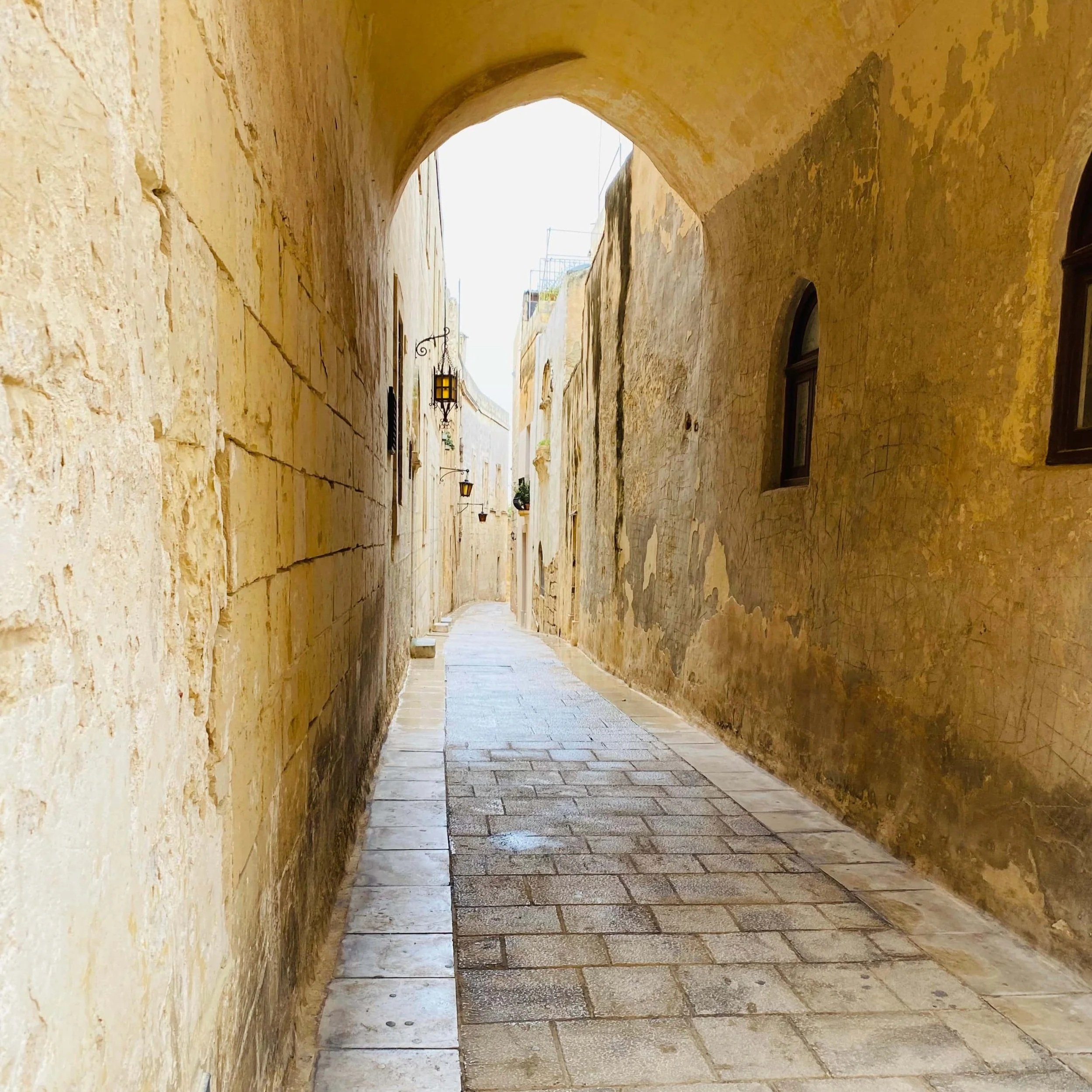
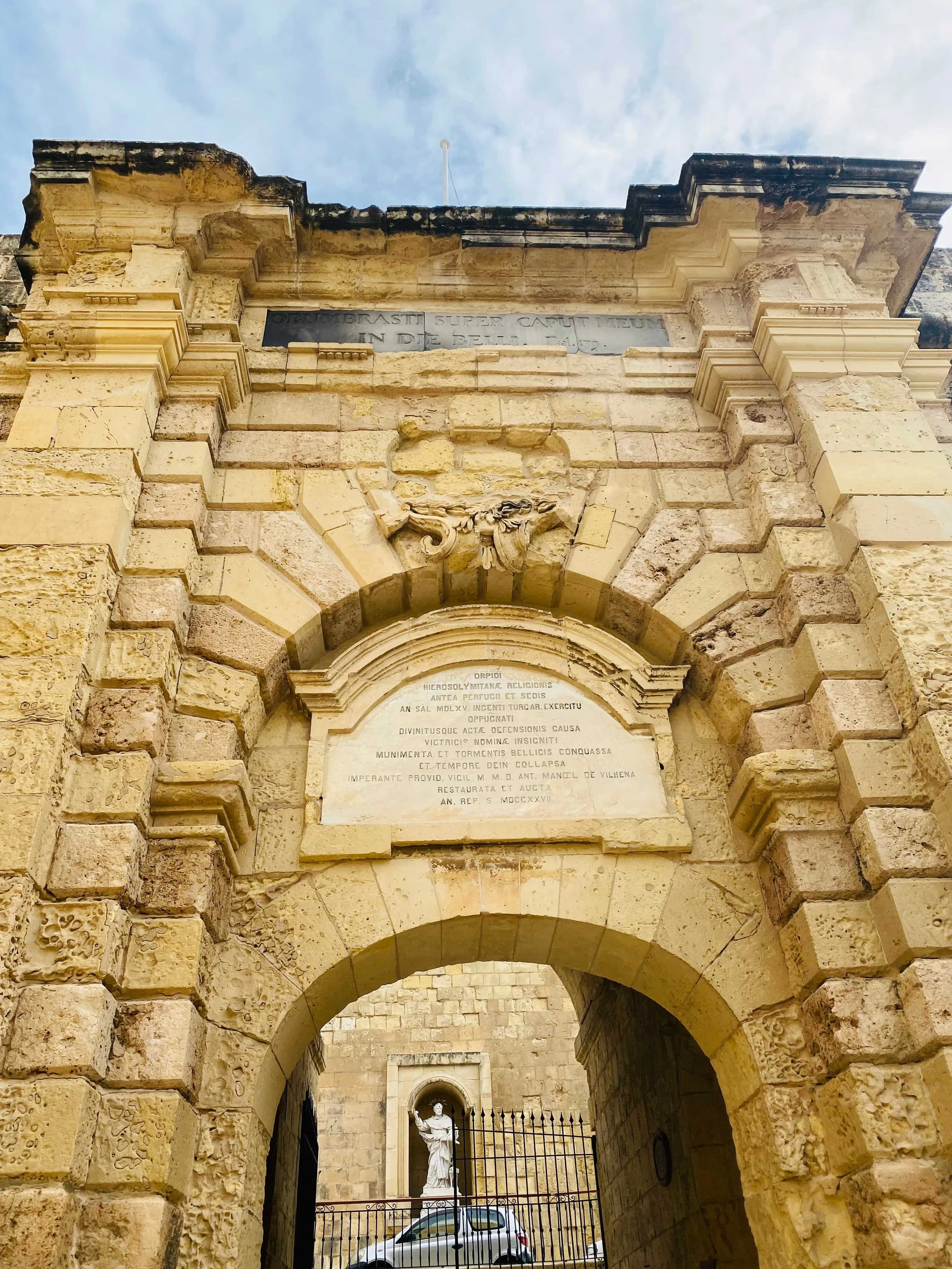
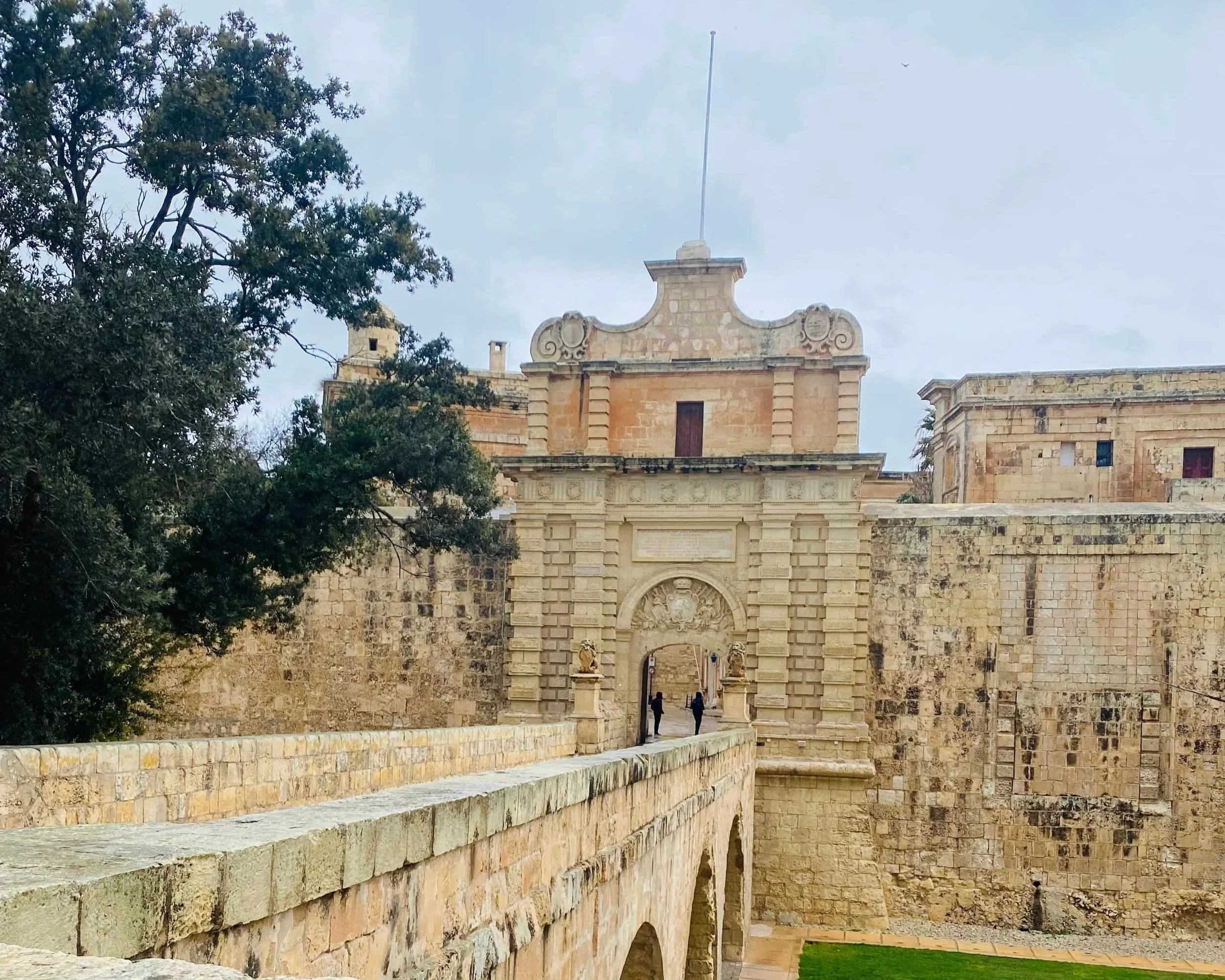
If Valletta is Malta’s beating heart, Mdina is its quiet soul. This walled medieval city sits on a hilltop in the center of the island, and when the day visitors leave in the evening, it becomes one of the most atmospheric places in Europe. Cobblestone streets, lantern light, fortified ramparts with views that stretch across to the sea. Walk through the main gate and you may recognize it. This is where Catelyn Stark rode back into King’s Landing, and the narrow lanes around you carried the show before the cameras ever reached Croatia.
Photo©: Olegana Travel Boutique
I always recommend spending at least one night inside Mdina’s walls. There is a single small hotel within the fortified city, just a handful of rooms and a rooftop restaurant with views to the coast. Be warned, this is a medieval hilltop town, so there are a great many steps. The reward is waking up in a place that feels like it belongs to you once the gates close for the evening: church bells echoing through empty streets, a glass of wine on a terrace overlooking four thousand years of history. It is a feeling you cannot replicate anywhere else.
Gozo: The quieter island
Photo©: Olegana Travel Boutique
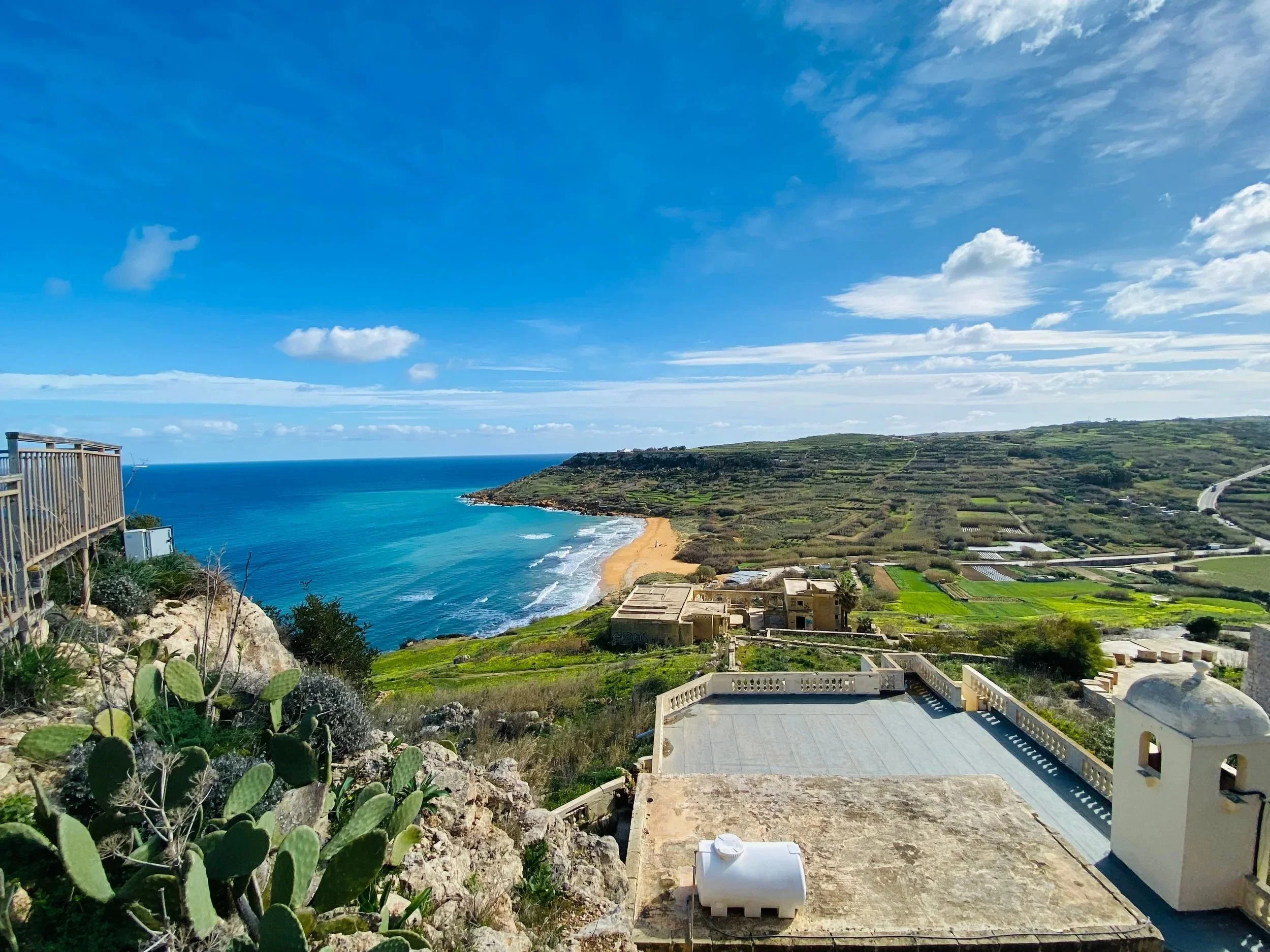
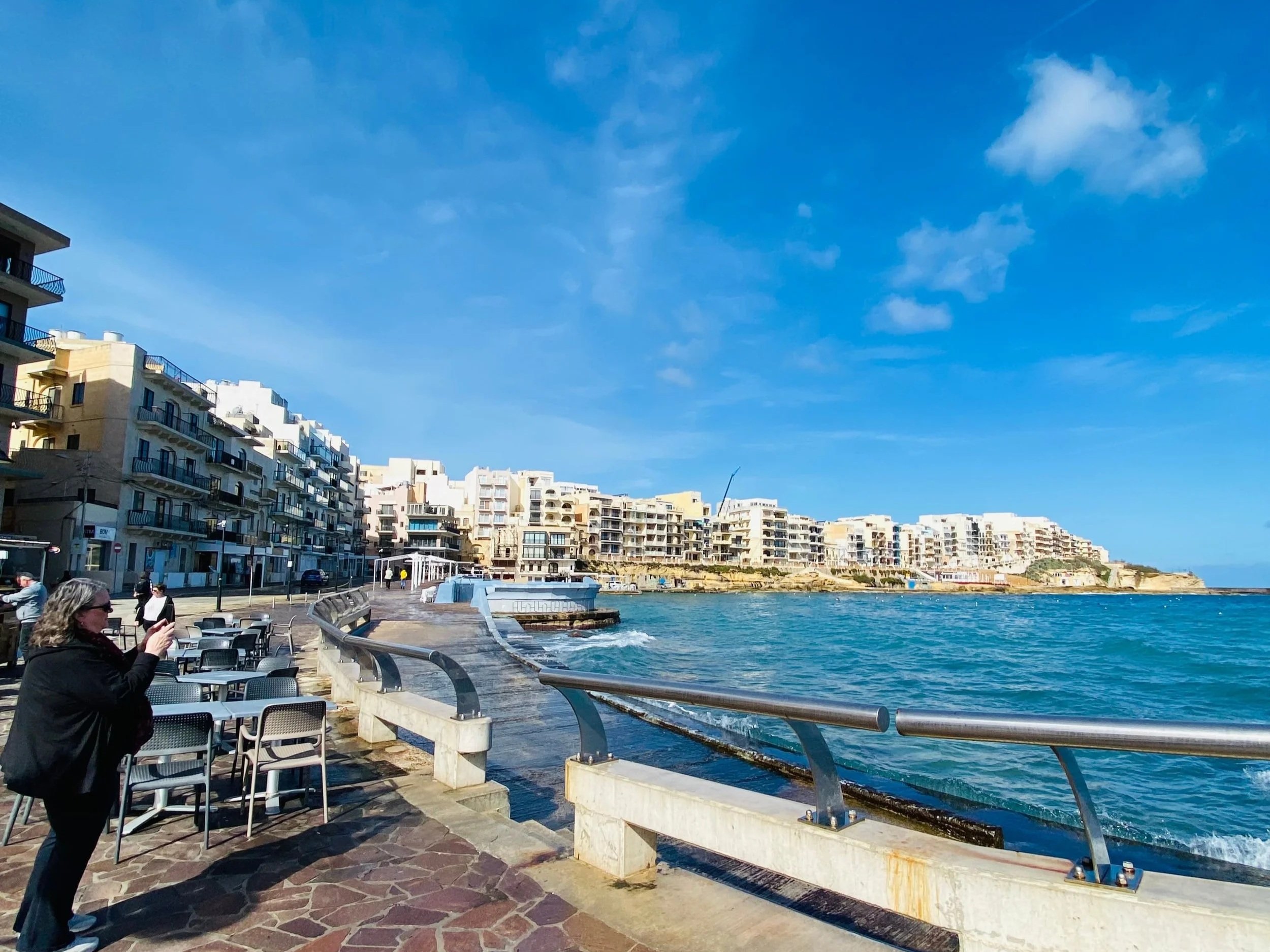
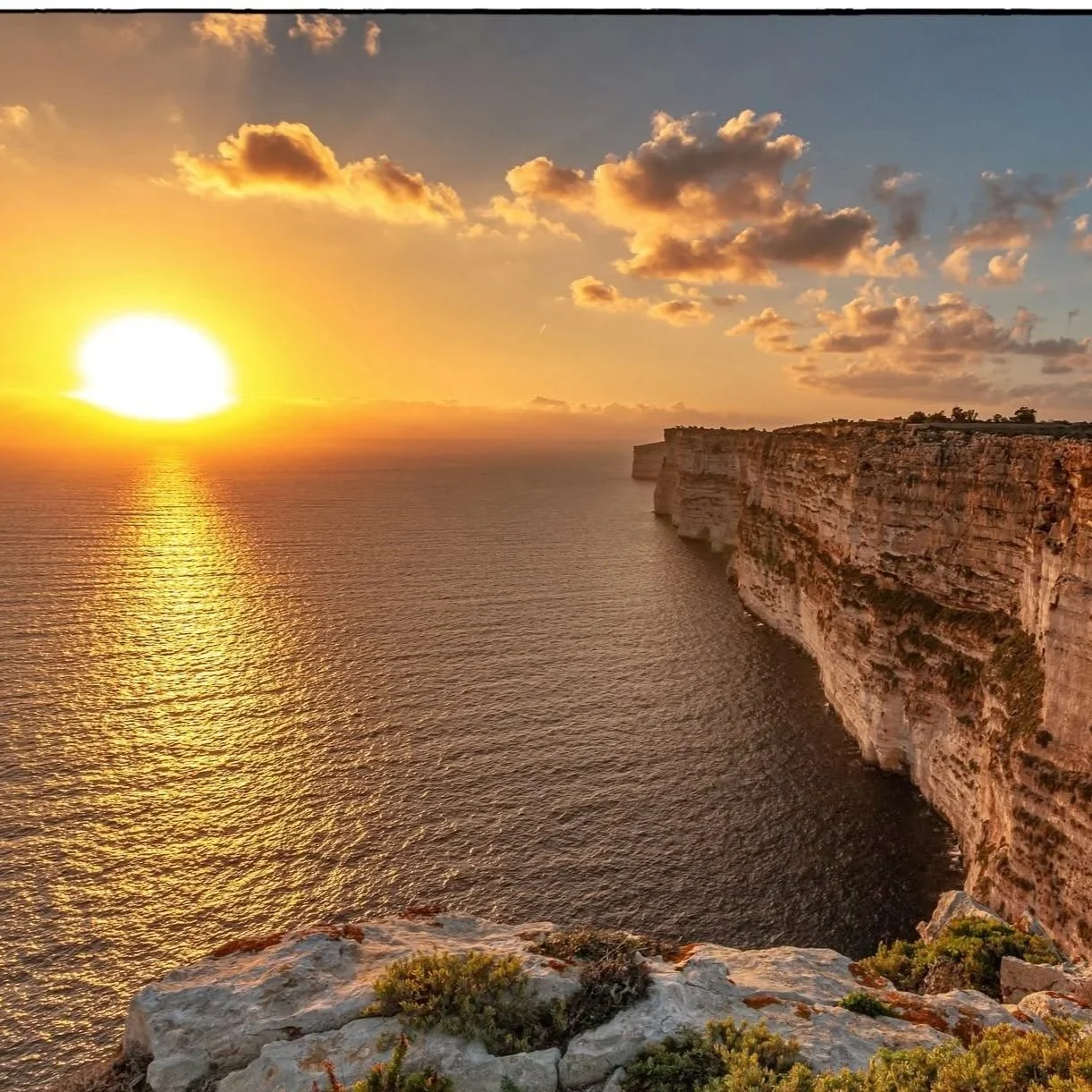
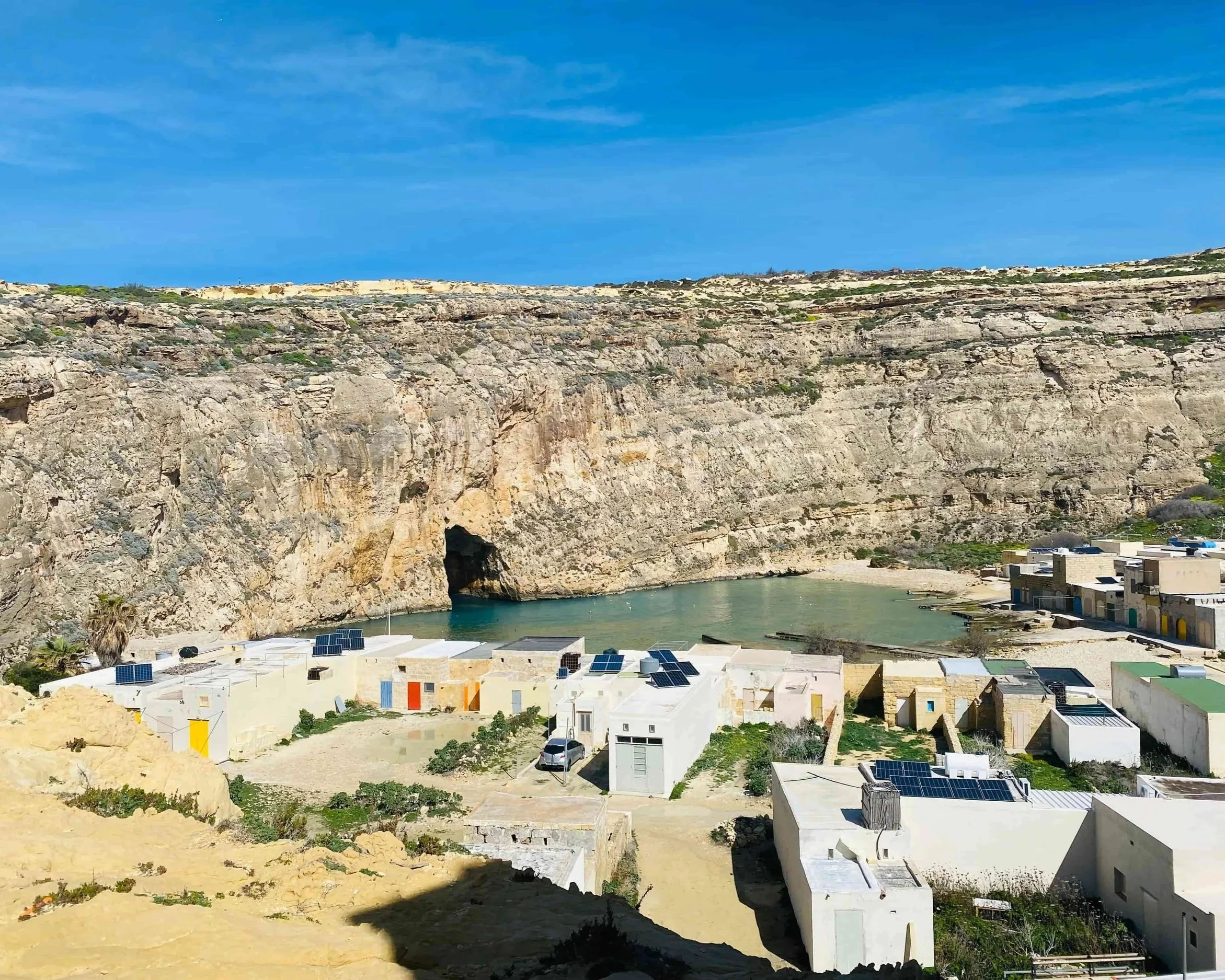
A short ferry ride from Malta, Gozo is the slower, greener, more rural sibling. This is where I send clients who want to decompress: farmhouse stays surrounded by terraced vineyards, clifftop walks along some of the most dramatic coastline in the Mediterranean, and family-run restaurants where the owner’s grandmother is still rolling the pasta. Gozo also has a few genuinely beautiful sandy beaches, which the main island largely lacks, and a polished resort or two for clients who want full hotel comfort on the quieter island.
Photo©: Olegana Travel Boutique
Gozo is also home to some of the oldest temples on earth. The Ggantija Temples predate the pyramids of Egypt and the stones of Stonehenge by more than a thousand years, which makes them among the oldest freestanding structures anywhere. Standing inside them, you feel the weight of something much larger than a vacation. For clients who travel because they are curious about the world, this is the kind of place that quietly reorders what they thought they knew about history.
Comino and the blue lagoon
Photo©: Olegana Travel Boutique
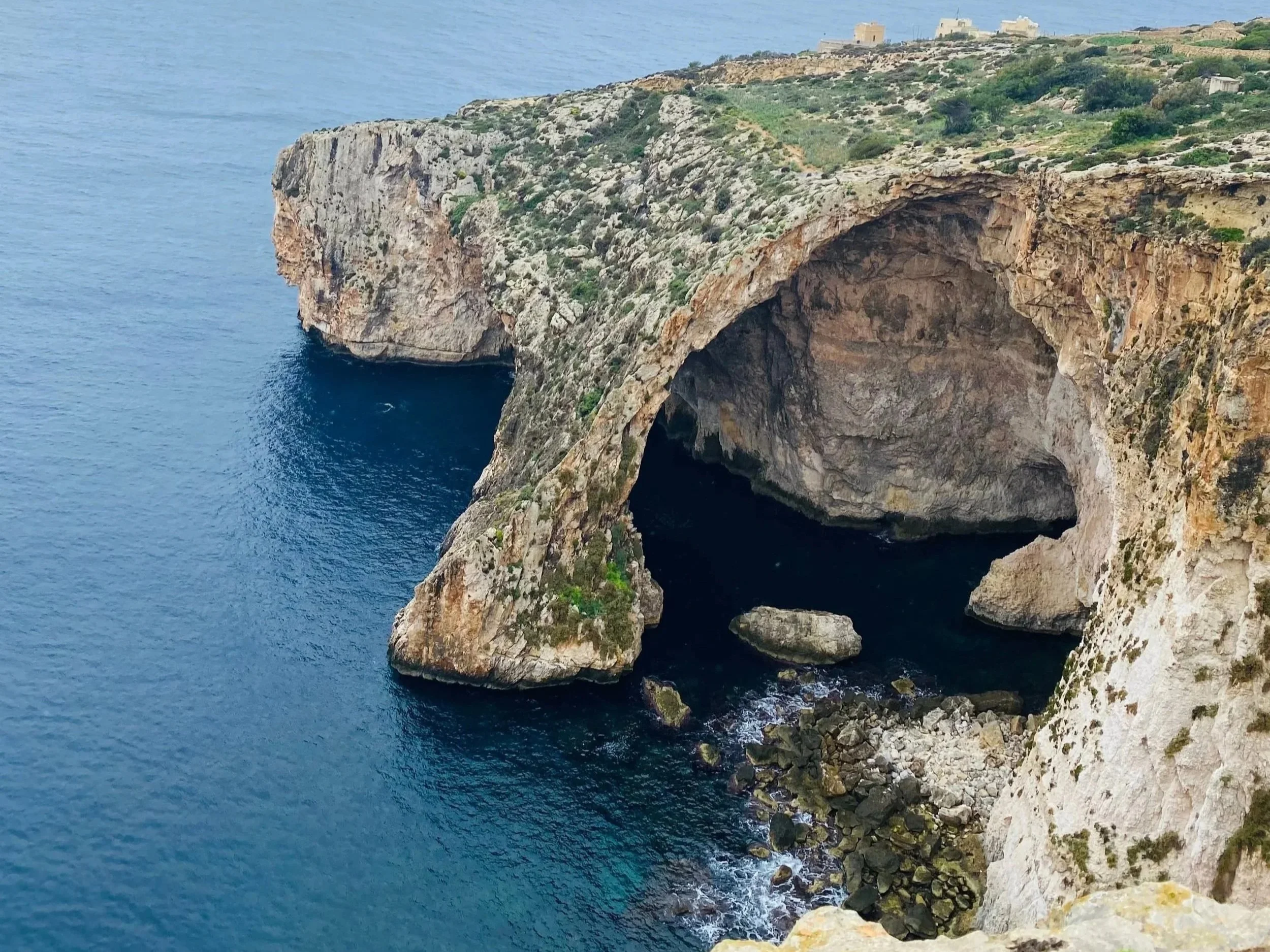
Comino is Malta’s smallest inhabited island, and it is home to the Blue Lagoon, one of those places where the water is so clear it looks digitally enhanced. In peak summer it fills with day-trip boats, which is exactly why I arrange private charters for my clients in the quieter morning hours or in shoulder season, when you can have the lagoon nearly to yourself. A day on the water around the coastline, stopping at hidden coves, swimming in water that shifts from turquoise to sapphire with the light, with a packed lunch from one of Valletta’s best kitchens on board, is one of those experiences that does not photograph well enough. You have to feel the salt air to understand it.
Below the surface: Malta’s diving
Photo©: pexels.com/Mo Tawil
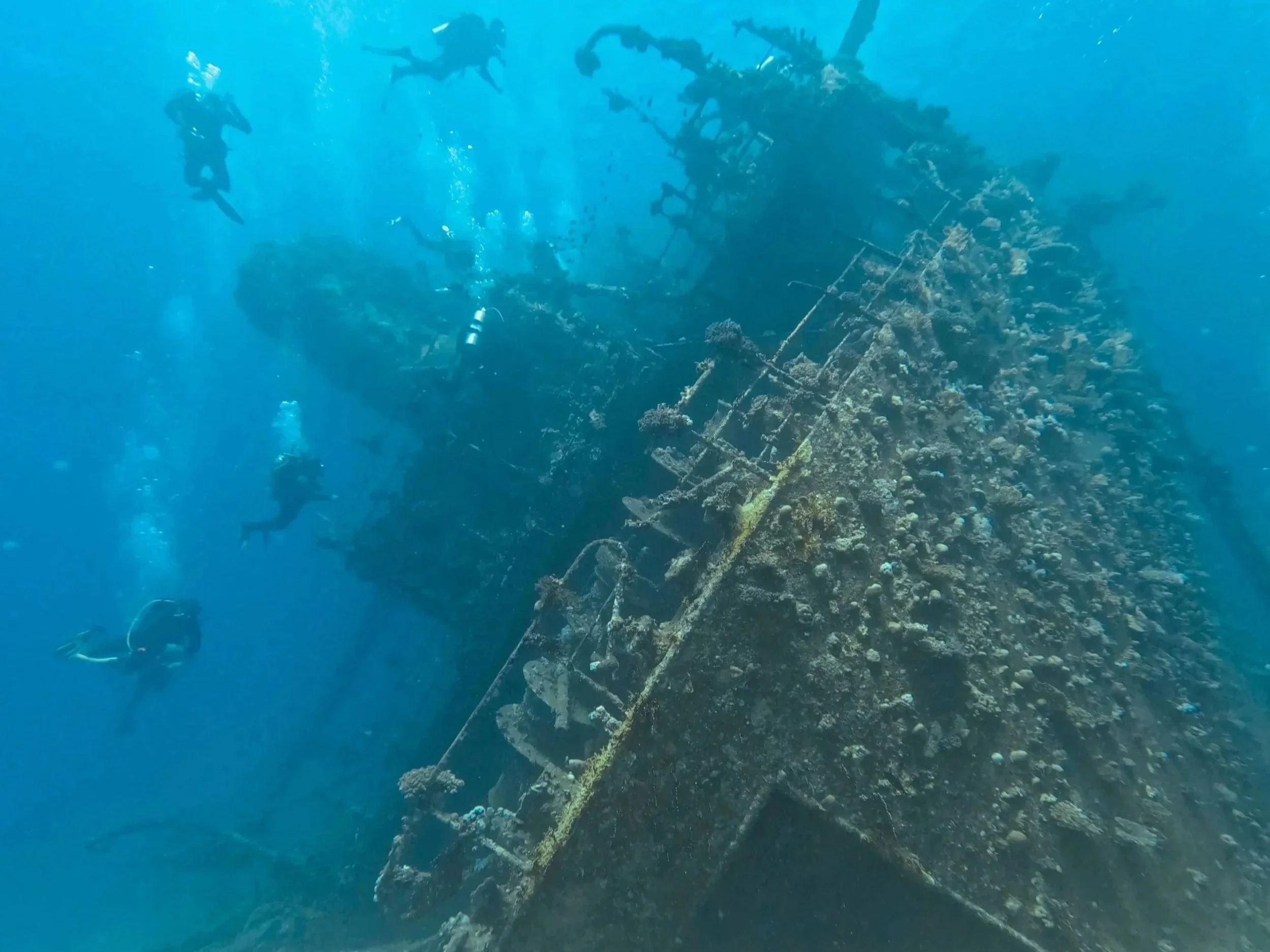
This one surprised me, and almost nobody from the United States knows about it. Malta is one of the best diving destinations in the entire Mediterranean. Visibility regularly reaches thirty meters, which is rare anywhere in Europe, and the sites range from reefs and underwater caverns to a remarkable collection of intact World War II wrecks resting at varying depths. It is the kind of diving that serious divers plan whole trips around, and it works just as well for a curious beginner. For clients who love the water, I arrange private dive excursions with certified guides who know every site by heart.
A food scene that just grew up
Photo©: Olegana Travel Boutique
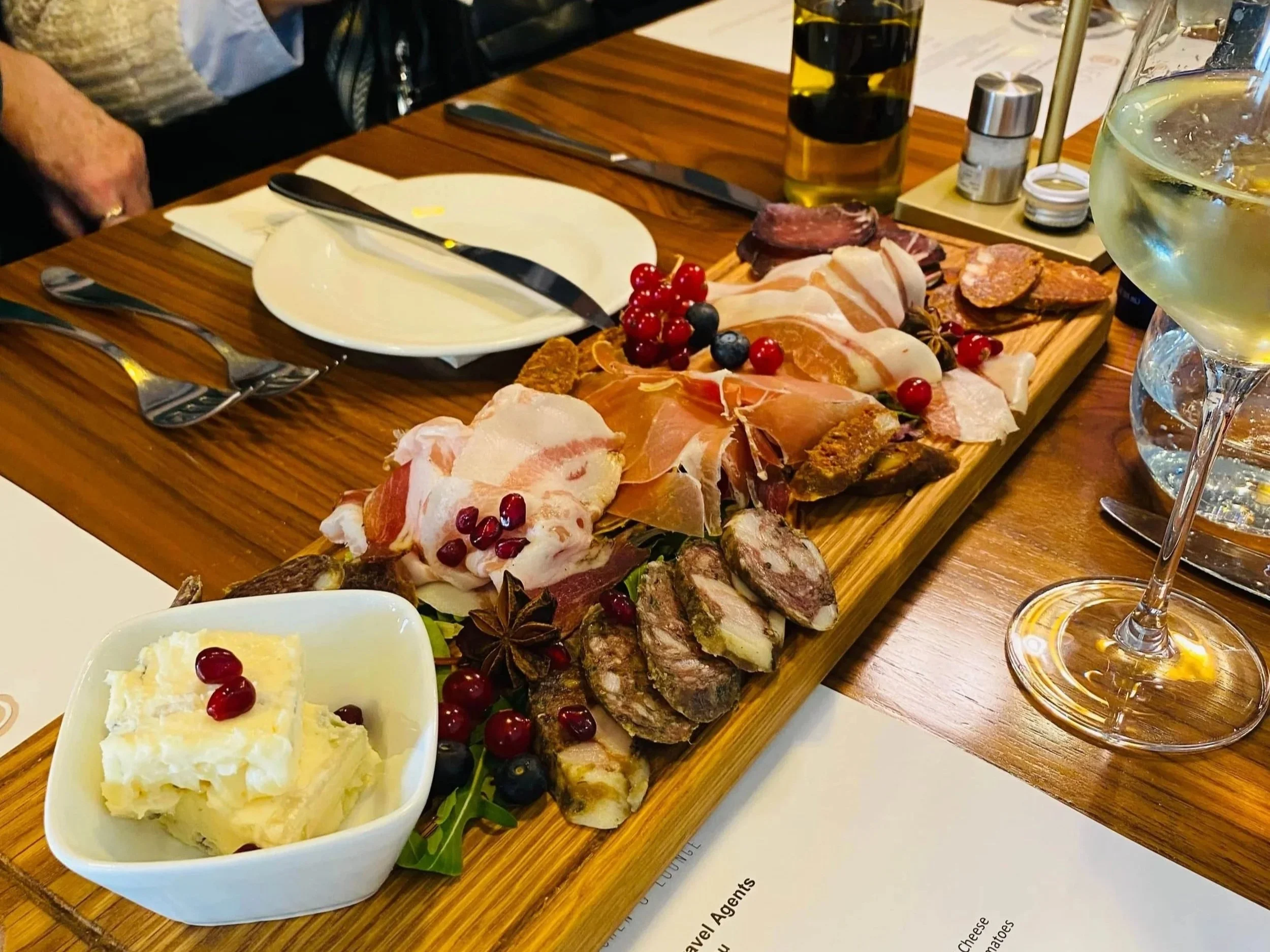
Malta has always eaten well, but something has shifted in the last few years. A new wave of Maltese chefs is putting indigenous island ingredients and centuries of layered influence, Arab, Sicilian, and British all at once, onto serious plates. You can spend the afternoon at a hillside vineyard tasting wines made from grapes you will never find outside the islands, then sit down to a tasting menu that would hold its own in any European capital. These are the food experiences that quietly become the centerpiece of a trip, and they are exactly what I design a week of meals around.
The Festas: summer as the islands actually live it
Photo©: Popotniško združenje Slovenije
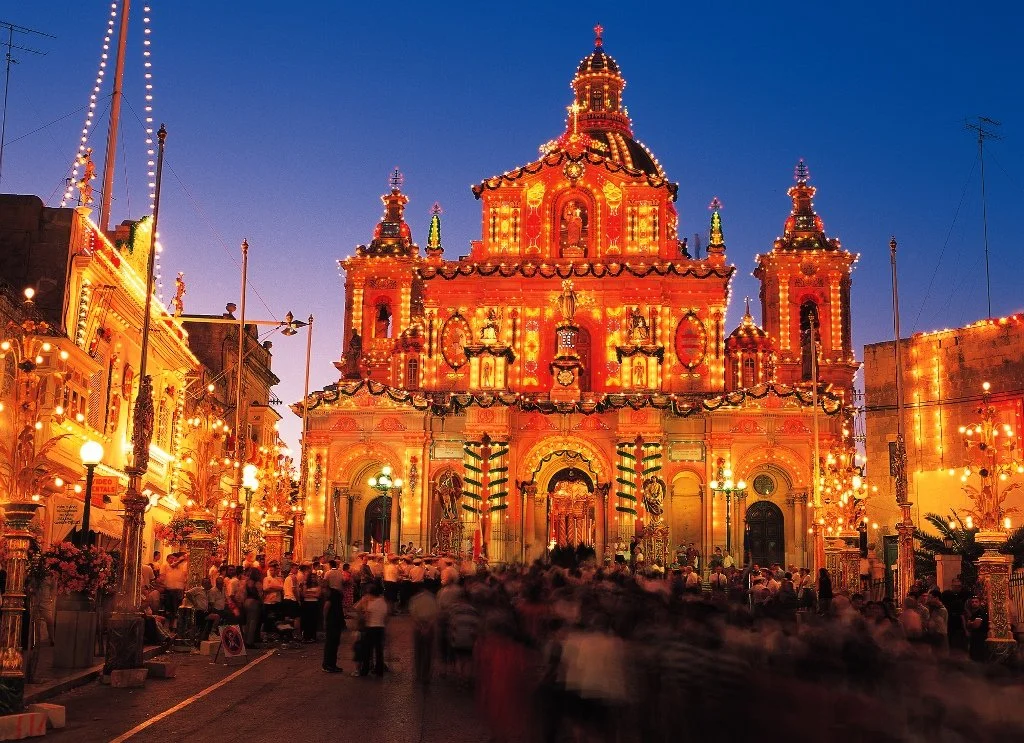
If you can travel in summer, the village festas are unlike anything else in Europe. Through the warm months, Maltese towns take turns honoring their patron saints with street processions, brass bands, and fireworks displays the villages compete over with real pride. Facades are lit, the whole community spills into the squares, and centuries of tradition play out in front of you. No tour operator has fully packaged this, which is precisely why it stays so genuine. When the timing lines up, I build a festa night into the itinerary, and it tends to be the evening clients talk about most when they get home.
The partner who makes it possible
Photo©: Olegana Travel Boutique
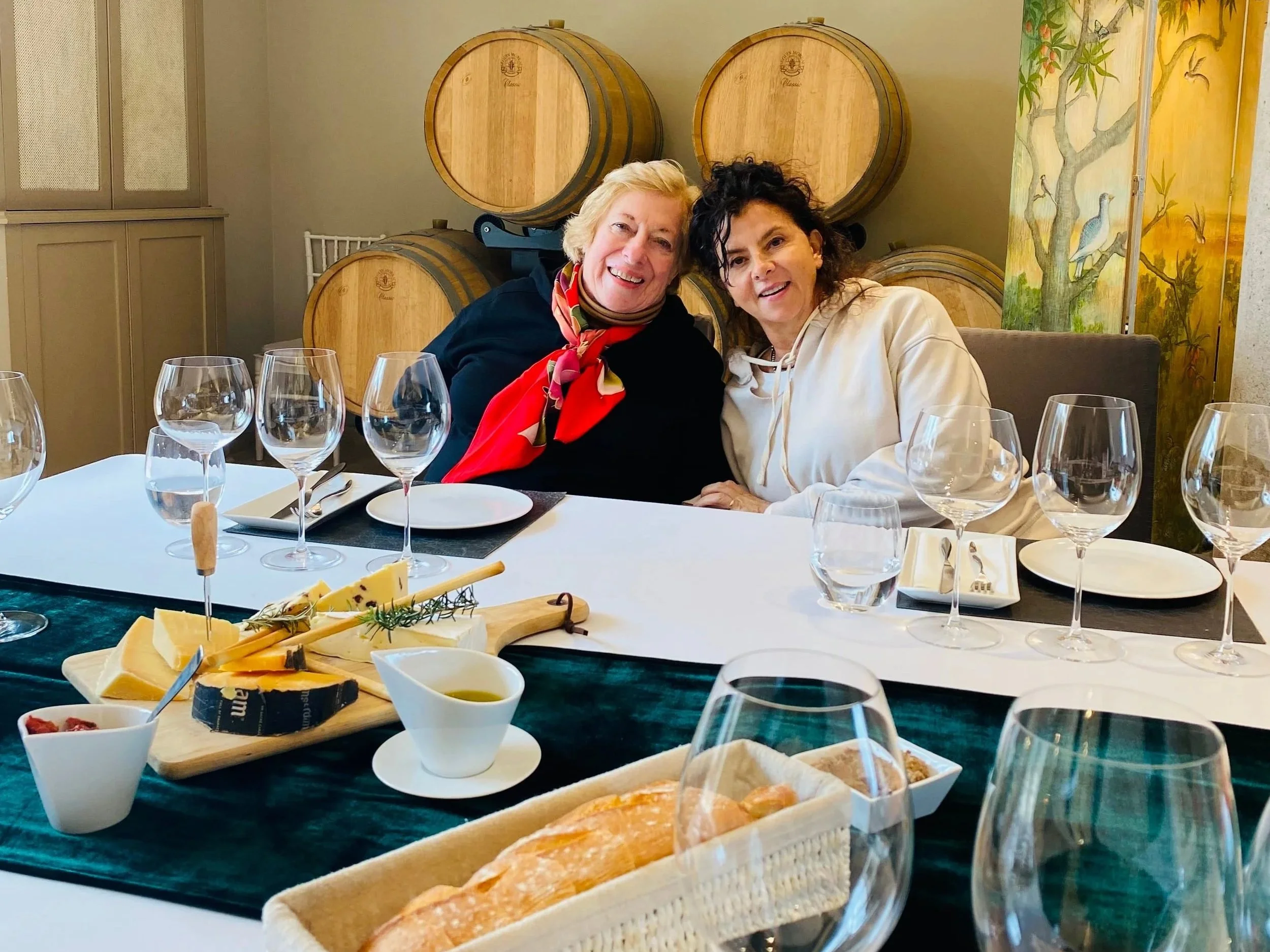
None of this happens by booking online. My partner on the ground in Malta is a destination team that’s among the most inventive people I work with anywhere. When I describe what I want for a client, they do not hand me a standard menu. They build the moment in real time: the palace that opens after hours, the dive master who knows which wreck will have the best light that morning, the festa village worth being in on a given weekend. That relationship is the difference between seeing Malta and actually being let into it.
Where you stay, and why it is finally worth talking about
Photo©: Olegana Travel Boutique
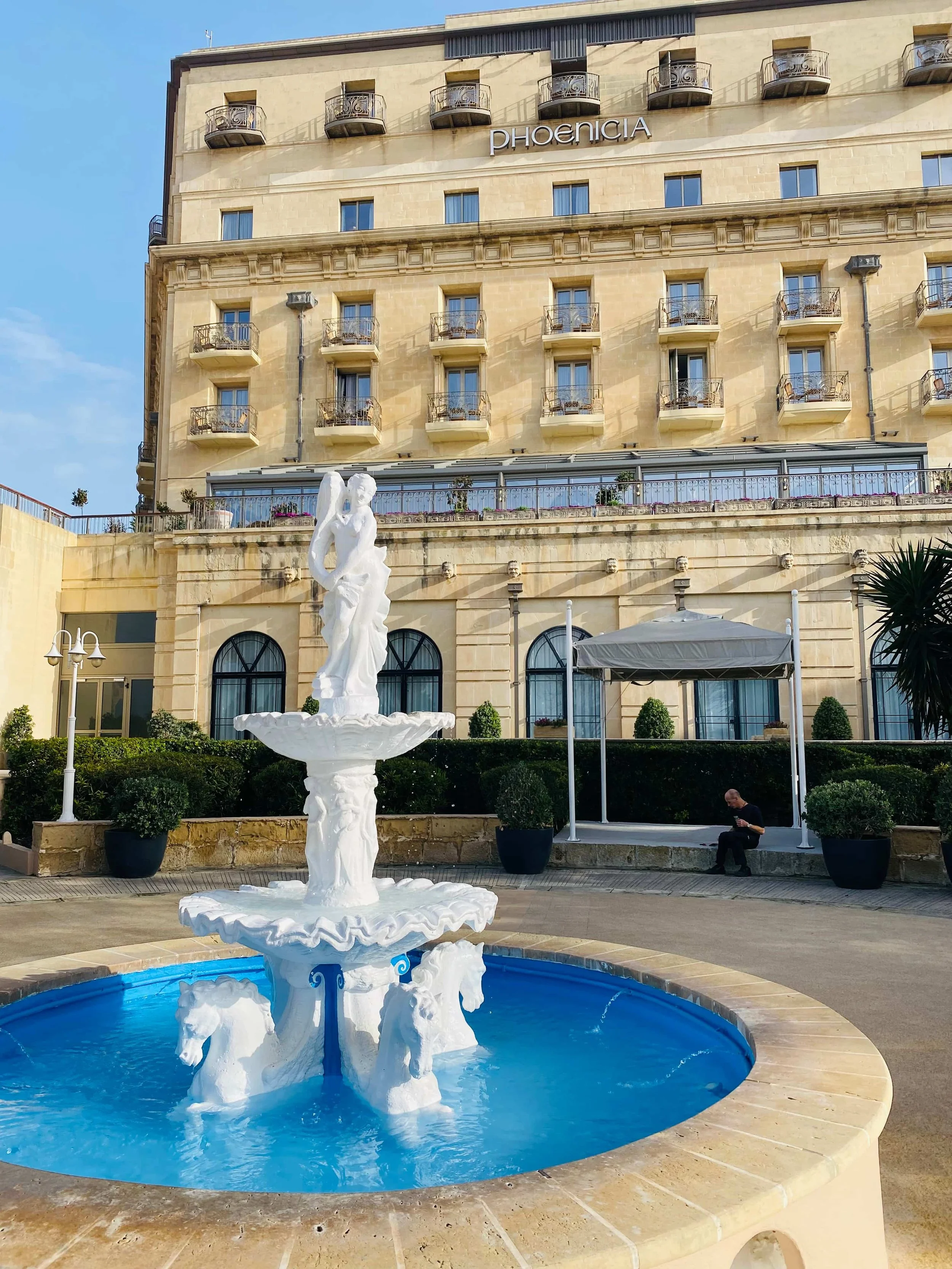
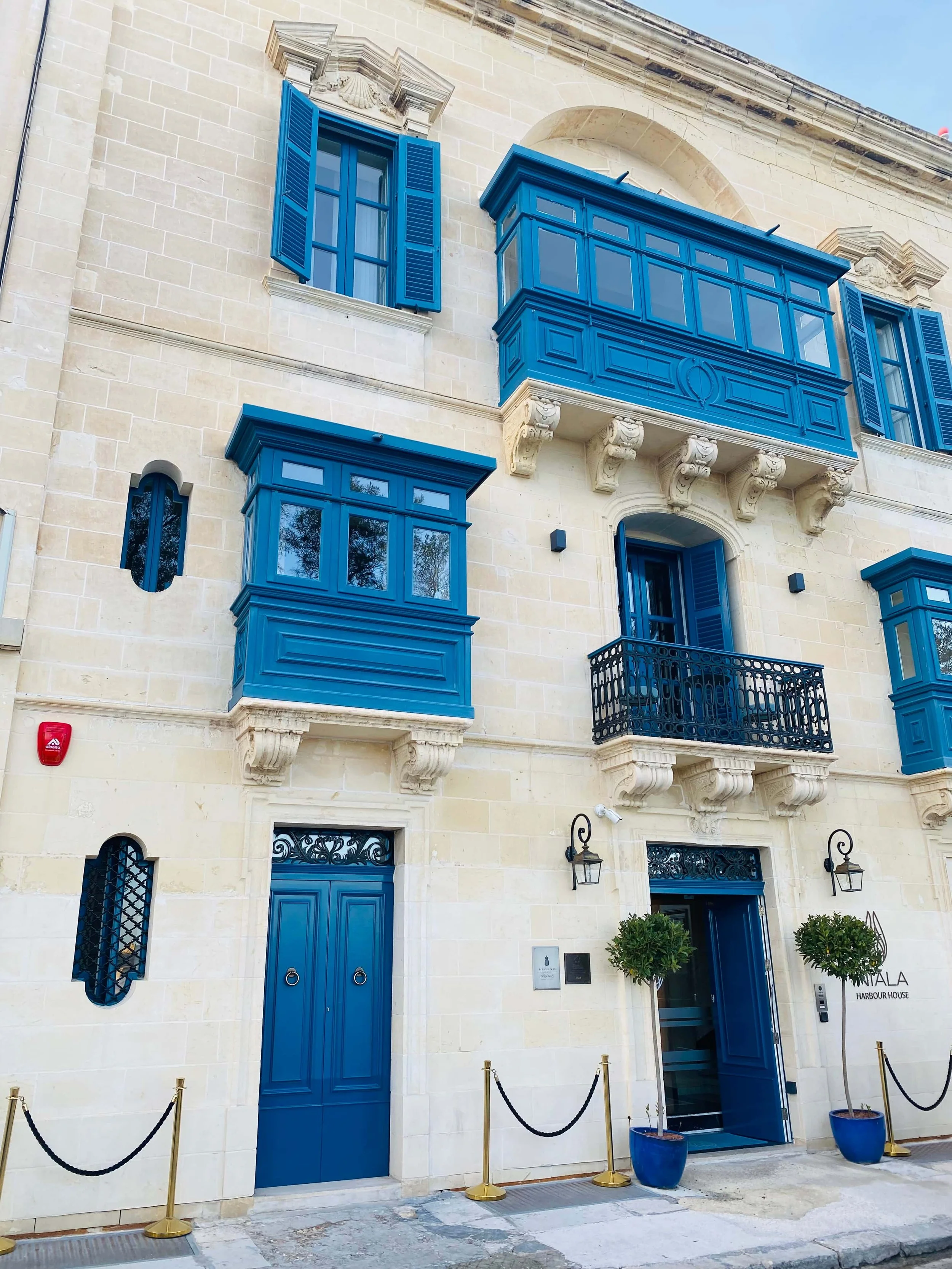
For years, Malta did not have the hotels to match its scenery. That has changed. A genuine tier of boutique properties, restored palazzo stays, design-led harbor hotels, and private villa rentals has arrived, which means Malta can finally be sold as the luxury destination it always deserved to be. I toured a range of them on the ground so I could tell you the truth rather than the brochure version. Some are heritage buildings with gorgeous bones and rooms that run a touch small. Some are intimate, design-forward harbor houses with one room per floor and very little in the way of a traditional lobby. Some are larger and family-friendly, where the right room category makes all the difference. Rather than name properties here, I match each client to the building, the floor, and the view that actually suits how they travel, because in Malta those details matter more than a star rating.
Experiences worth building a trip around
Photo©: Olegana Travel Boutique
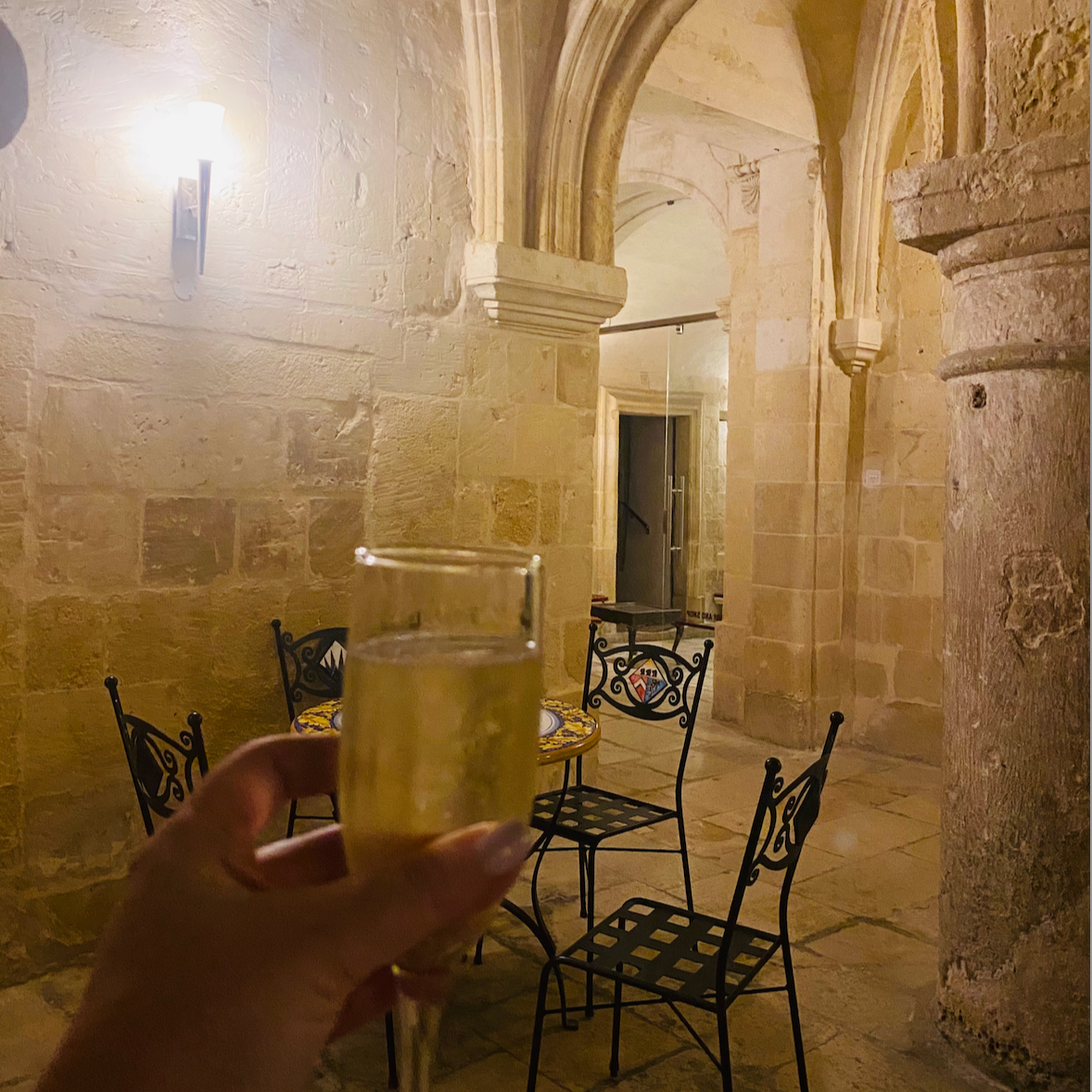
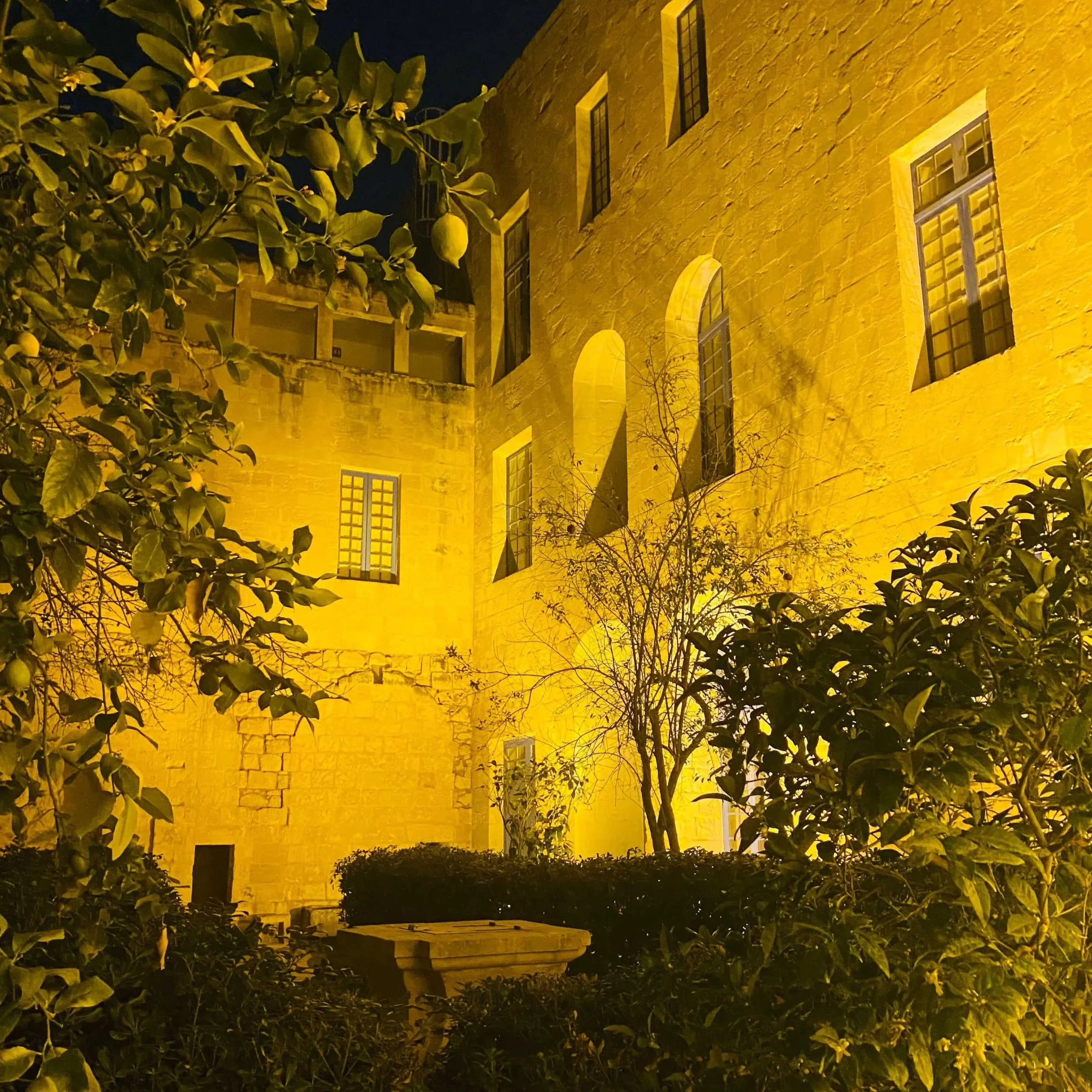
A private dinner inside a fifteenth-century palace:
Set after the museum closes for the day, with the food prepared using centuries-old techniques and the story of Malta’s coffee, chocolate, and spice trade told between courses.
Photo©: Olegana Travel Boutique
A private photo session inside a Maltese palazzo:
grand staircases, painted ceilings, and centuries of history as your backdrop, with a professional photographer arranged to capture it.
Photo©: Olegana Travel Boutique
A food walking tour through Valletta:
led by a local who knows every bakery, every wine bar, and every pastizzi window the visitors miss. This is one of the experiences families ask me for most.
Photo©: Olegana Travel Boutique
A sunset wine tasting on a Gozo hillside:
working through boutique vineyards that bottle indigenous Maltese grapes you will not find anywhere else.
Photo©: Joanne Mohr Photography
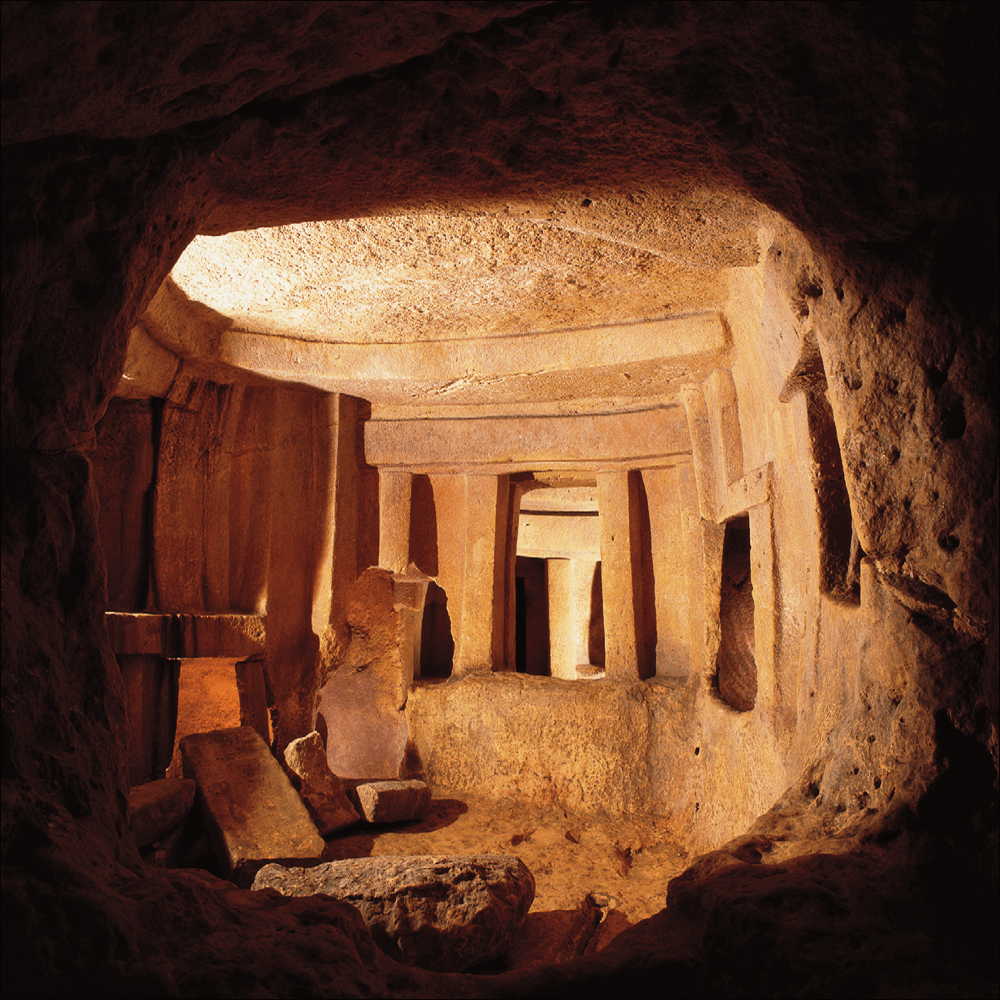
Guided access to the Hal Saflieni Hypogeum, a five-thousand-year-old underground temple complex:
that admits only a small number of visitors a day. Tickets sell out far in advance, and I handle the booking.
Photo©: Heritage Malta
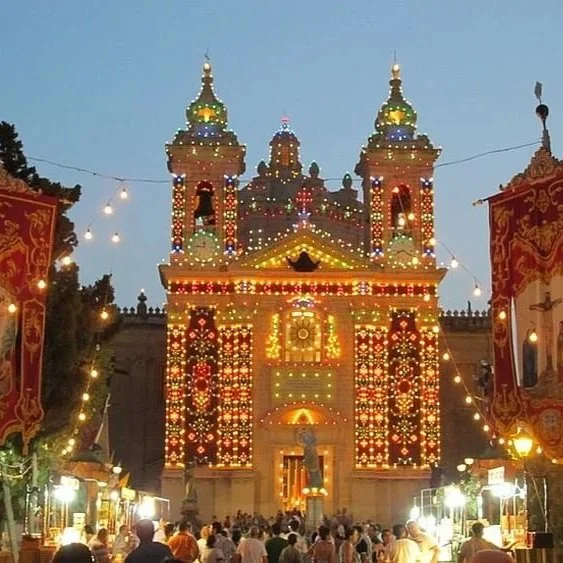
A festa evening in a village at full celebration,
with the processions, the brass bands, and the fireworks the towns plan all year for.
Photo©: Culture Malta
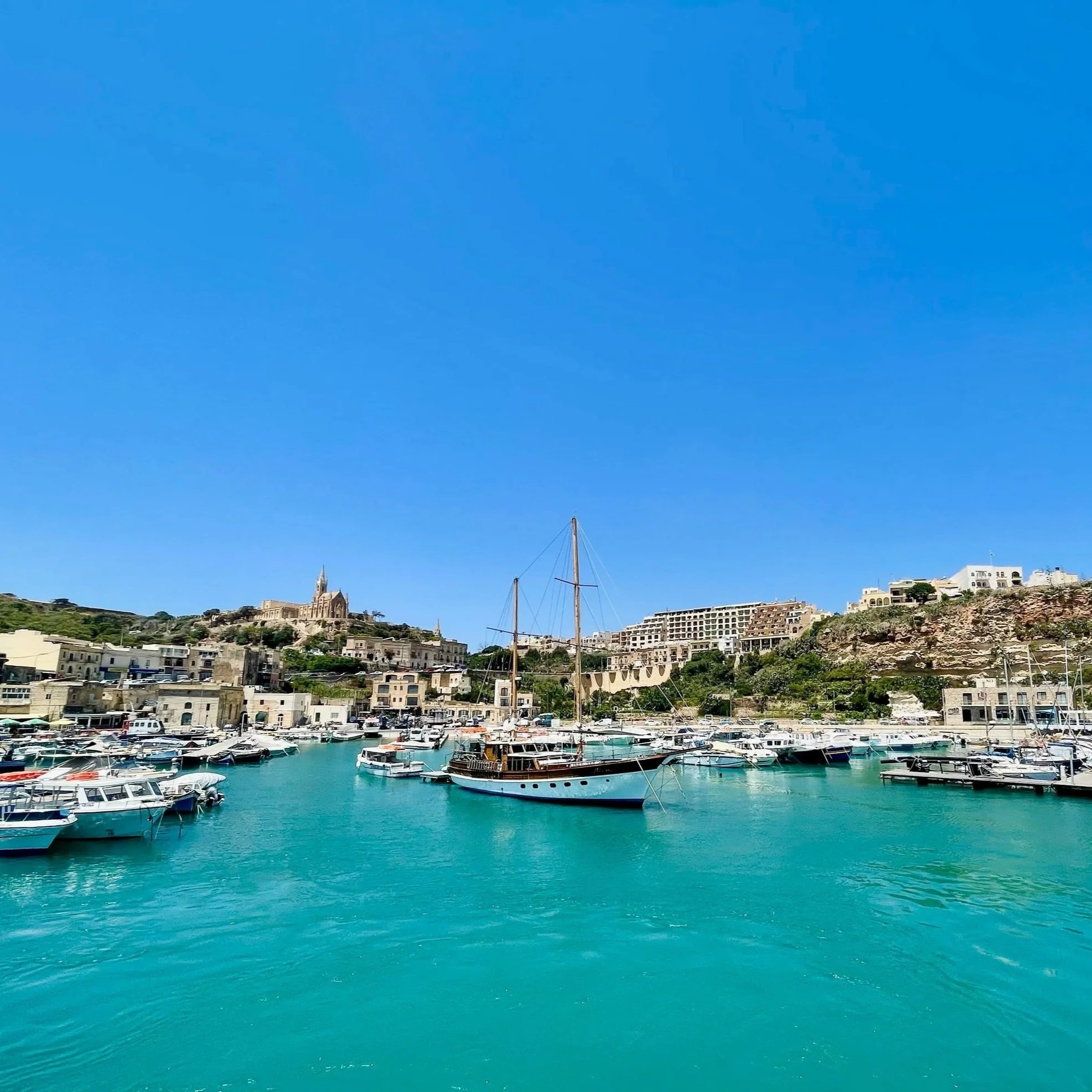
A private yacht charter around all three islands:
skip the crowded ferries, follow the coastline on your own schedule, and stop at the Blue Lagoon, the sea caves, and the coves no day boat reaches.
Photo©: unsplash/David Gil de la Canal
Ready to see Malta before everyone else does?
With Delta’s new nonstop from JFK now flying through October, there has never been an easier time to go. Let me build into every Malta itinerary the access and the timing that make these islands sing.
“Once we found Anna, all we had to do was enjoy. Every detail was handled, and we never thought about logistics once.”
- Naomi G., on planning with Olegana
When to go to Malta
Photo©: Olegana Travel Boutique
Late spring, May to mid-June: This is my top recommendation for most clients. The weather is warm and sunny, the water is beginning to warm up, the crowds are thin, and the locals are relaxed. Malta essentially does not see rain from April through August, so sunshine is close to guaranteed. Wildflowers are still in bloom across the countryside, and you will walk into any restaurant without a wait.
Photo©: Olegana Travel Boutique
October: This is the islands’ best-kept timing secret. The summer crowds have cleared, the air is still warm enough for the beach, the sea is at its warmest after a long summer, and the islands exhale. October is when I would go back myself, and the month I recommend most often to clients who have flexibility.
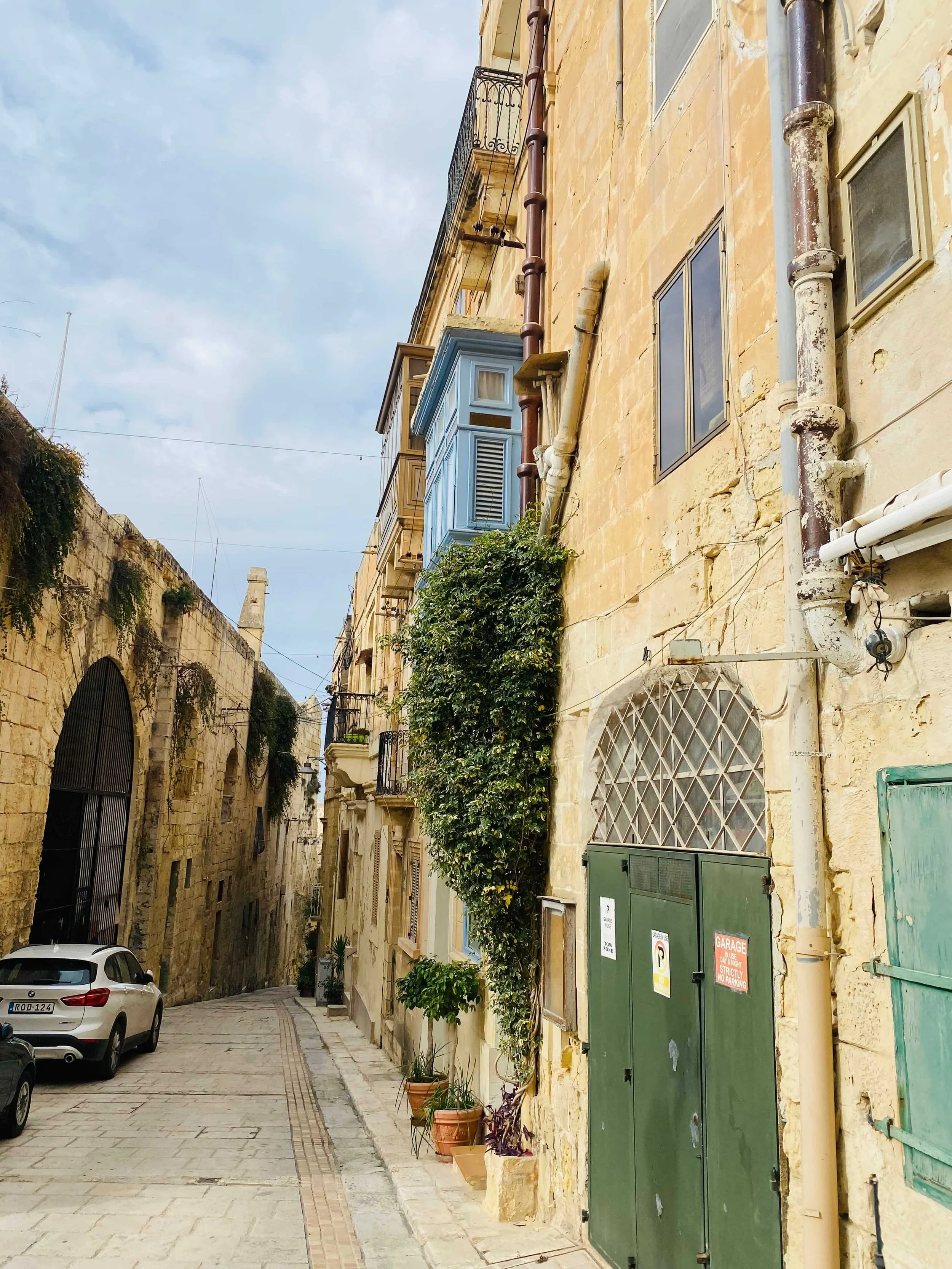
Photo©: Olegana Travel Boutique
September: Similar to October but a little busier and warmer. The Mediterranean holds its summer heat well into fall, so the sea is perfect for swimming while the air cools to a comfortable temperature for exploring. This is also when the cultural calendar picks up, with harvest events and the tail end of festa season.
July and August: Hot and lively, especially around the Blue Lagoon and Valletta’s waterfront, and the heart of festa season. If you travel in high summer, I build in early mornings, plenty of time on the water, and private boat access so you beat the heat and the crowds at the most popular spots.
Winter, November to March: Malta’s quietest season. Temperatures sit in the fifties and sixties, rain is occasional, and the islands are nearly empty. This is when I first went, and the mild weather was a welcome escape from a freezing New Jersey winter. Ideal for history lovers and food-focused trips, when you want the islands almost entirely to yourself.
Sample Malta itinerary: seven days
This is a sample of what a curated Malta trip might look like. Every detail is customizable, and your itinerary will be designed around your travel style, your pace, and what matters most to you.
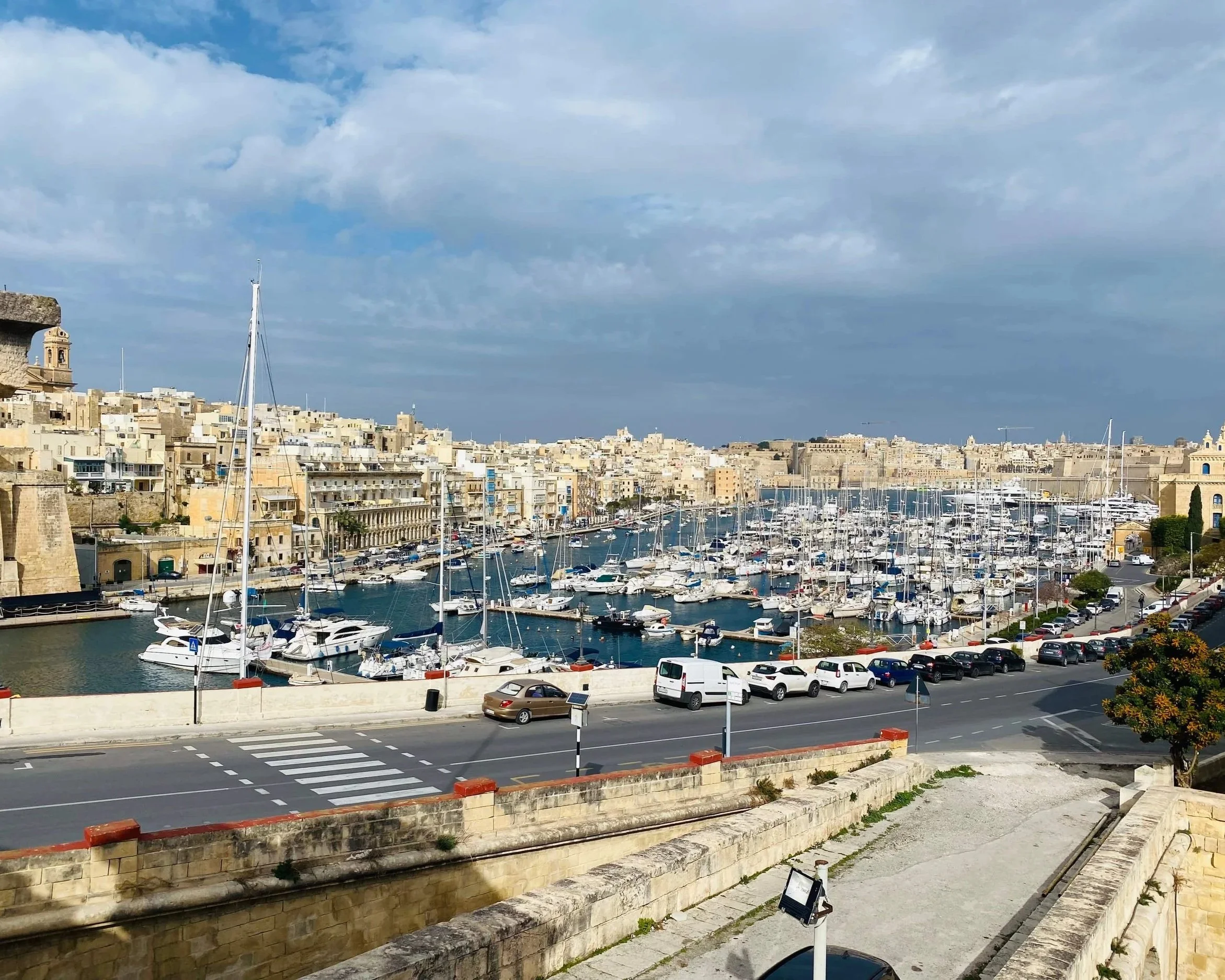
Day 1: Arrive in Malta
Arrive at Malta International Airport and transfer privately to your hotel inside Valletta’s fortified walls, a boutique stay with rooftop views over the Grand Harbour. Settle in, then take a sunset walk through the Upper Barrakka Gardens before dinner at one of the capital’s best waterfront tables.
Photo©: Olegana Travel Boutique
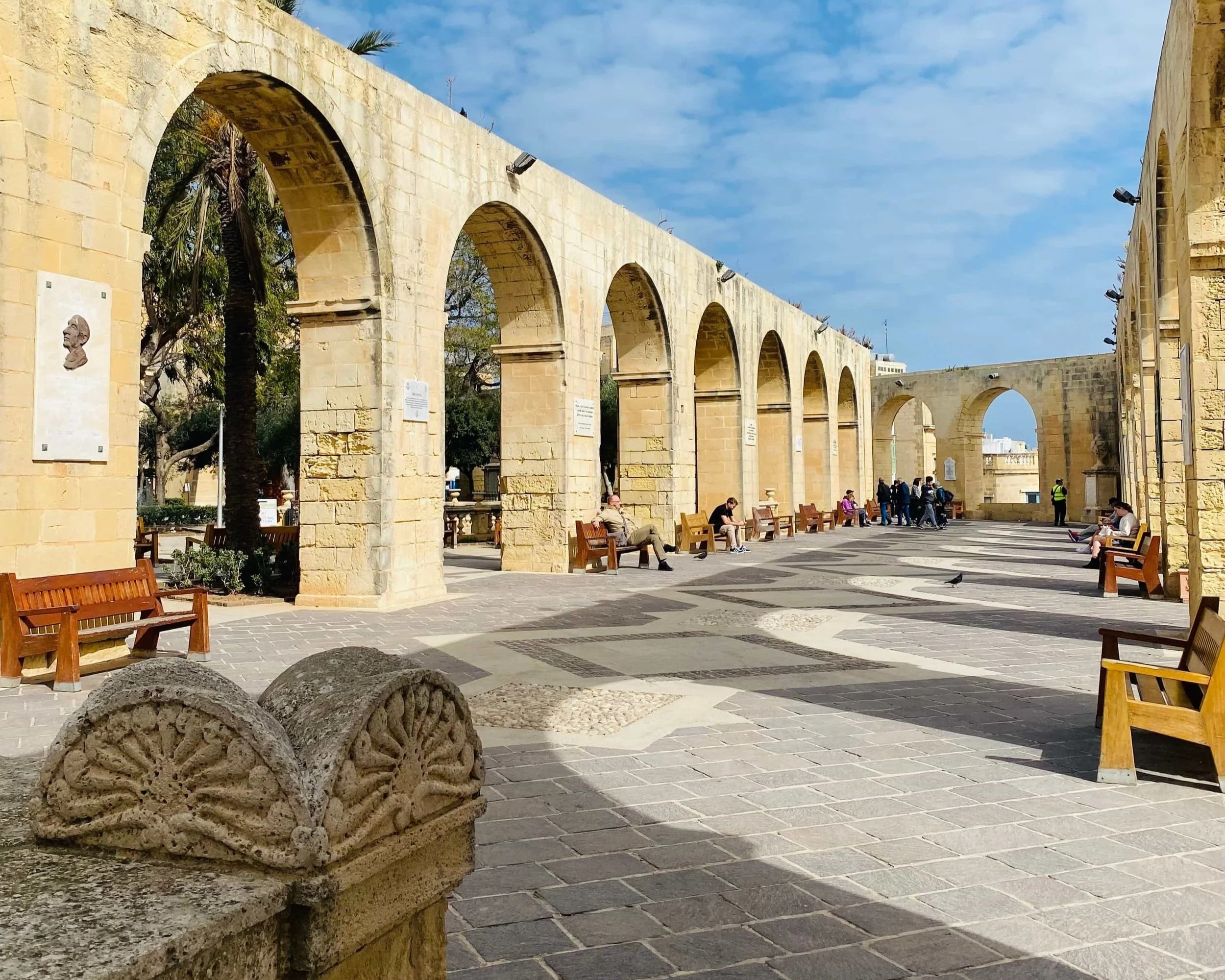
Day 2: Valletta deep dive
A full day in the capital with a private guide who knows the city inside out. Morning at St. John’s Co-Cathedral and the Grand Master’s Palace, followed by a food walking tour through the back streets: the bakeries, wine bars, and pastizzi windows locals actually use. Afternoon at leisure, then an evening meal inside a converted palazzo.
Photo©: Olegana Travel Boutique
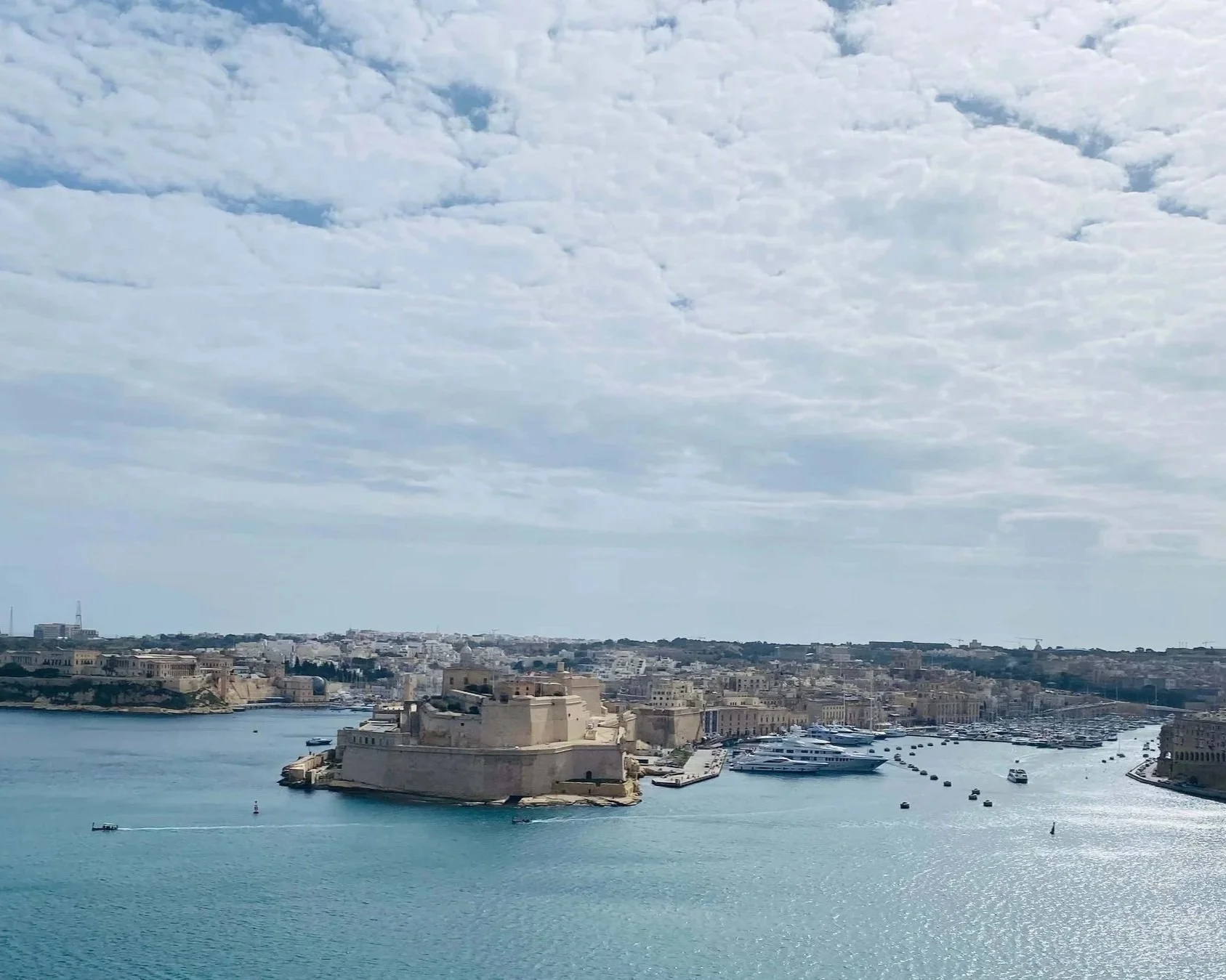
Day 3: The three cities and Birgu
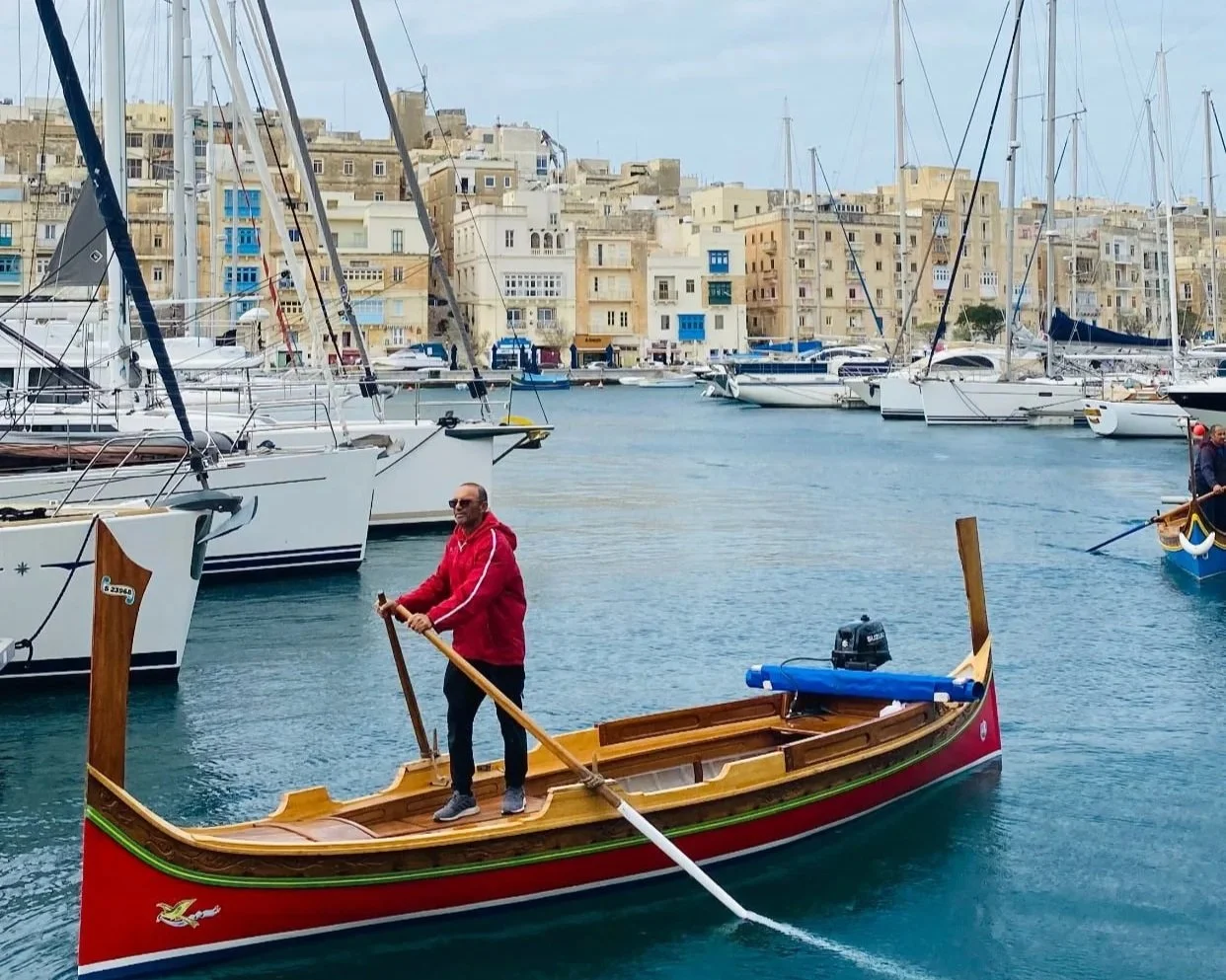
Cross the Grand Harbour by traditional water taxi to the Three Cities of Birgu, Senglea, and Cospicua, the atmospheric neighborhoods most visitors skip entirely. A private guided walk through Birgu’s medieval streets, a visit to Fort St. Angelo, and an evening inside one of Malta’s most exclusive historic venues.
Photo©: Olegana Travel Boutique
Day 4: Mdina and the heart of Malta
Transfer to Mdina, the Silent City and the original King’s Landing. Check into your hotel inside the medieval walls and explore at your own pace: the cathedral, the hidden gardens, the ramparts. As the day visitors leave, Mdina transforms. Dinner on a terrace above the island, with nothing but church bells and the distant shimmer of the coast.
Photo©: Olegana Travel Boutique
Day 5: Gozo by private ferry
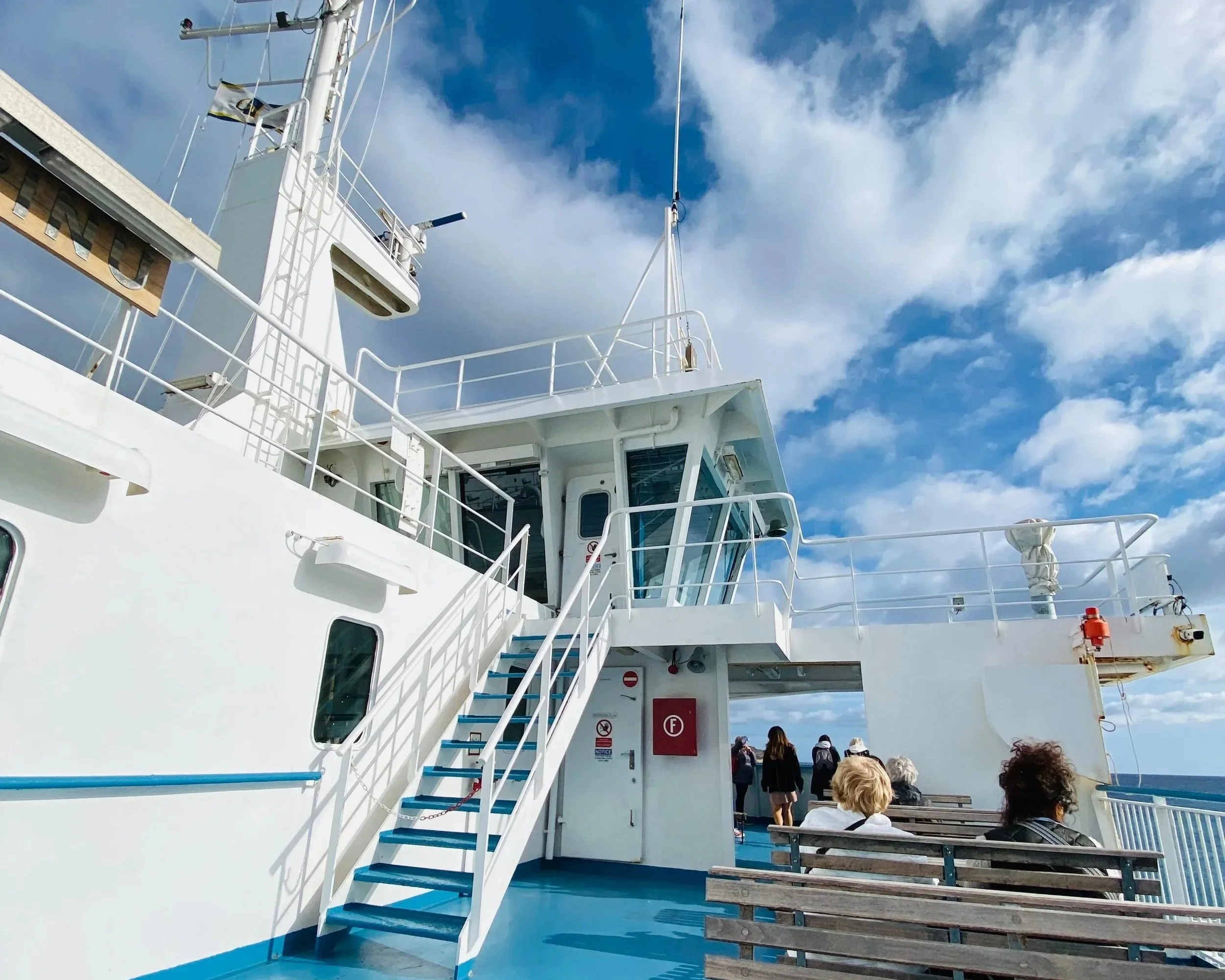
A private transfer to the Gozo ferry and a full day on the quieter island. Visit the Ggantija Temples, older than the pyramids, explore the Citadella in Victoria, and stop at a hillside vineyard for a tasting of indigenous Maltese wines. Lunch at a farmhouse restaurant where the menu follows whatever the kitchen garden produced that morning.
Photo©: Olegana Travel Boutique
Day 6: Private boat day
A full day on the water aboard a private charter, cruising the coastline toward Comino, slipping into the Blue Lagoon before the crowds arrive, swimming in hidden coves, and lingering over a packed gourmet lunch on board. This is the day my clients talk about most when they come home.
Photo©: Olegana Travel Boutique
Day 7: Final morning and departure
A slow morning in Valletta: coffee in your favorite spot from earlier in the week, a last walk through the gardens, and time for some Maltese sea salt, local olive oil, or artisan ceramics to take home. Private transfer to the airport for your flight.
Photo©: Olegana Travel Boutique
Who this trip is for
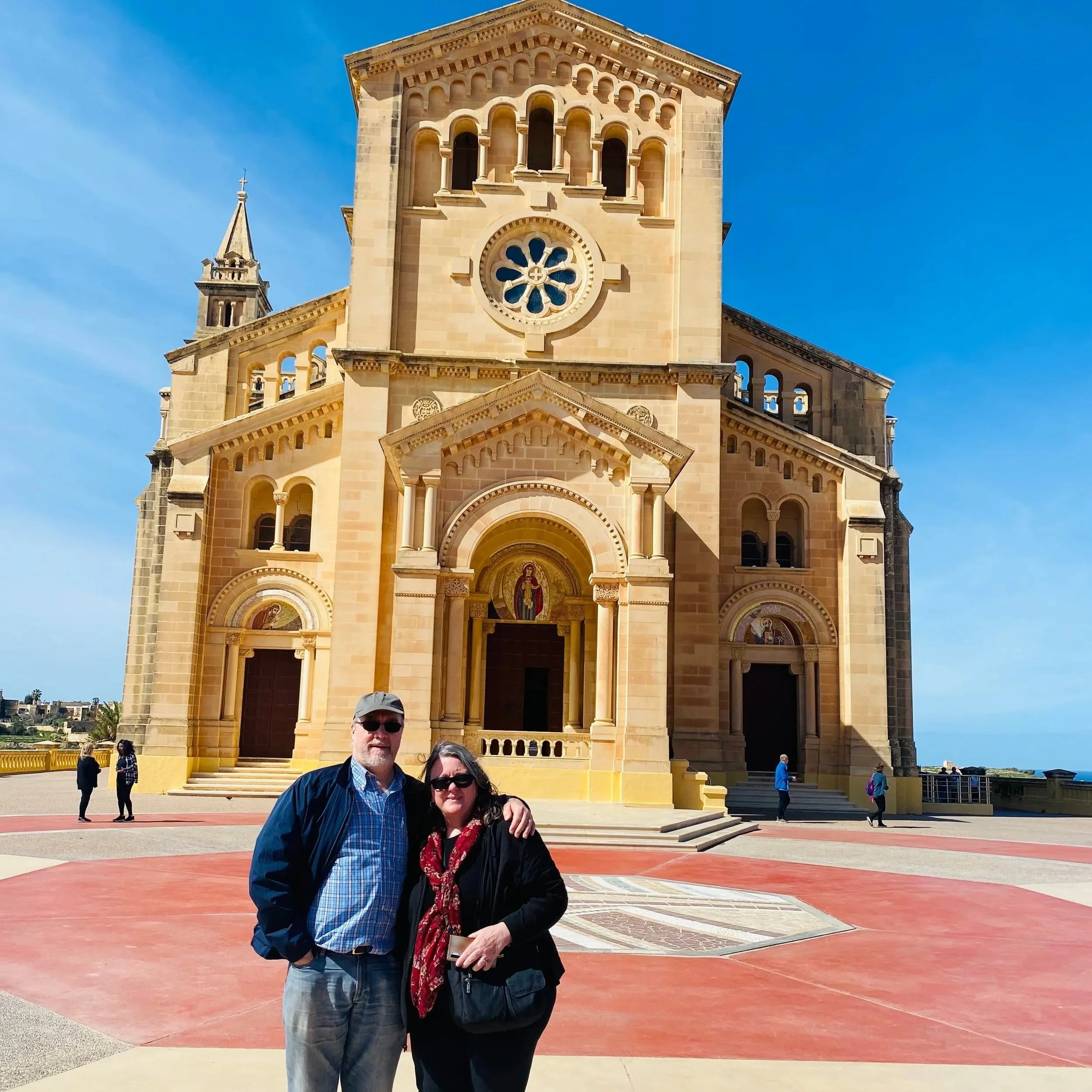
Couples looking for something different.
If you have done the Amalfi Coast, Santorini, and the South of France, Malta is the next chapter. It carries all the beauty and the food culture of those places without the crowds and without the sense that you are following someone else’s itinerary. It is romantic in the way only a place this steeped in history can be.
Photo©: Olegana Travel Boutique
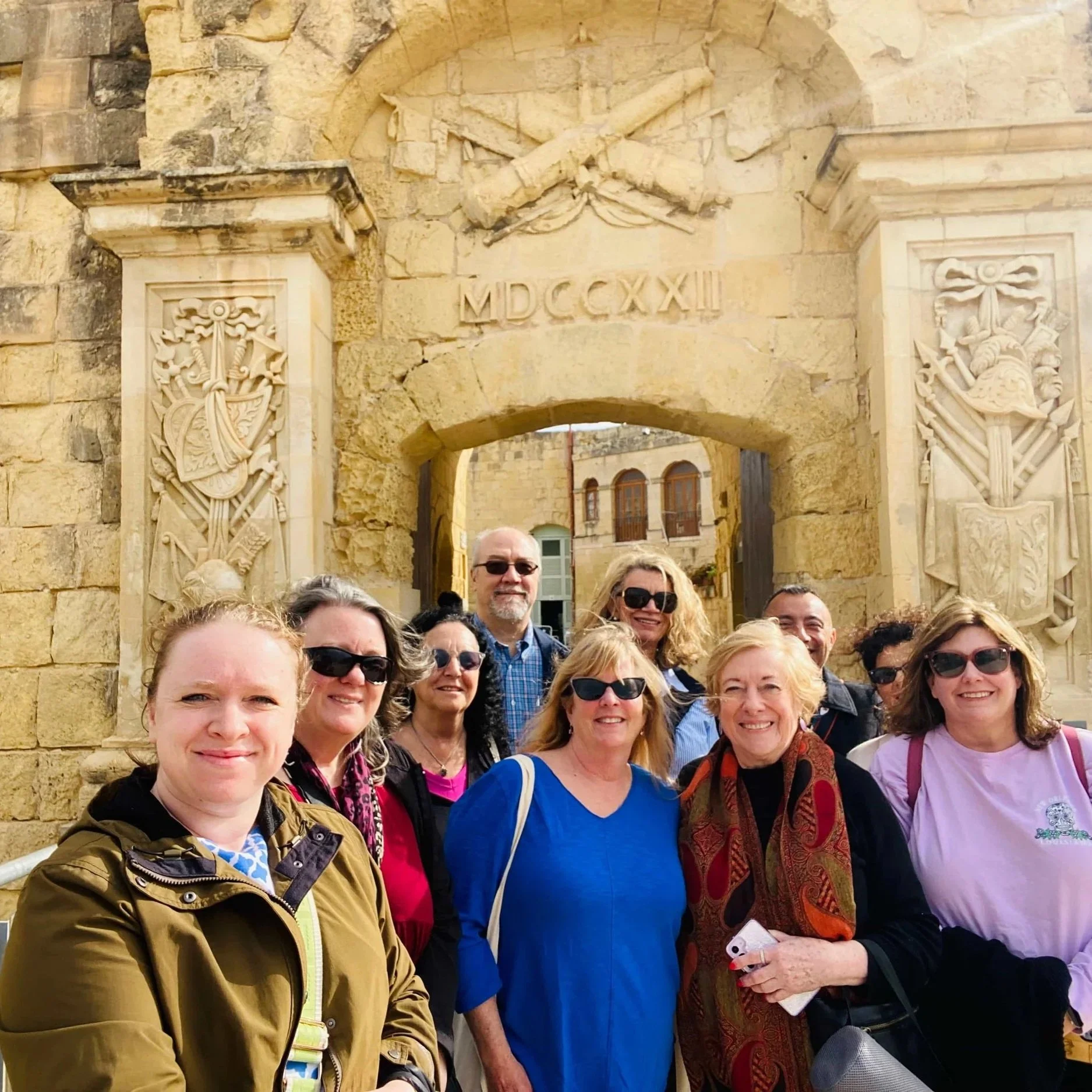
Families who love history and adventure.
Malta is wonderful with children. They are captivated by the knights, the fortresses, and the ancient temples, the swimming is superb, and the food is approachable enough for picky eaters while still exciting for the parents. I have designed Malta trips for families with children of every age, and the feedback is always the same: nobody wanted to leave.
Photo©: Olegana Travel Boutique
Travelers who have been everywhere.
If you are the person who has checked off most of Europe and is quietly hoping to be surprised again, Malta delivers. It is the destination I recommend to my most well-traveled clients, the ones who think they have seen it all. They come back telling me I was right.
Photo©: Olegana Travel Boutique
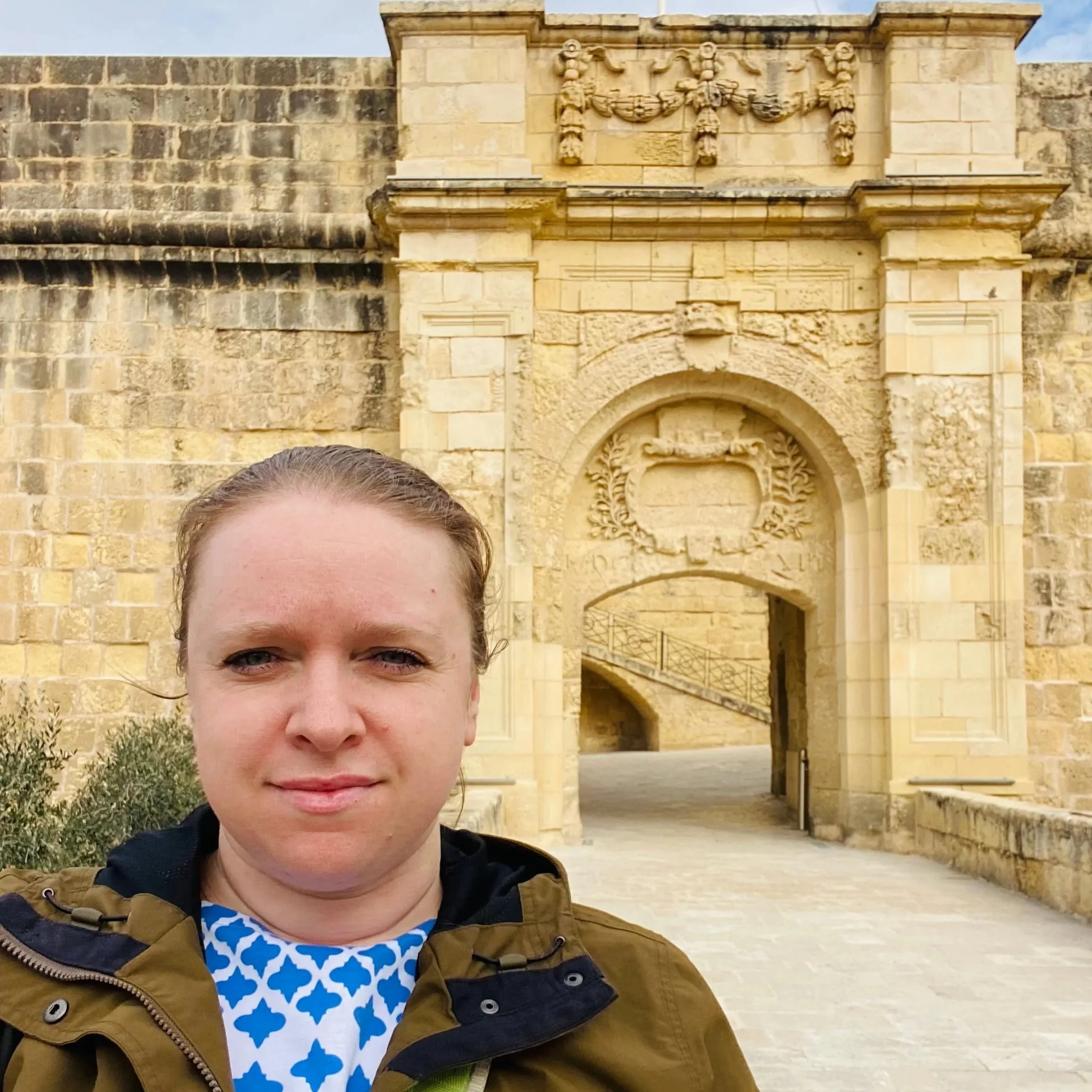
Film and history lovers.
Walk the streets that played King’s Landing, stand inside the fort that became the Colosseum, then have dinner in a palace older than most countries. For anyone who loves the stories behind the places, Malta is one long, layered reveal.
Photo©: Olegana Travel Boutique
Connecting destinations
Photo©: Olegana Travel Boutique
One of the quiet advantages of Malta is how easy it is to reach and to pair. English is an official language alongside Maltese, driving is on the left as it is in the UK, and the islands are a short hop from any major European hub. Rome is about ninety minutes by air, and Sicily is roughly an hour and three quarters away by fast ferry, which opens up some lovely combination trips. Three to four days on the islands is enough to fall in love. I often build Malta into a larger Italy itinerary as the unexpected highlight, and I am happy to show you what a curated Malta trip looks like as part of a wider Mediterranean journey through Italy or Greece.
Why work with a luxury travel advisor for Malta
Malta is still relatively unknown to American travelers, which is part of its charm, but it also means the information online is thin, dated, or generic. The gap between a good Malta trip and an extraordinary one comes down to knowing which neighborhoods to stay in, which restaurants to book months ahead, which guides carry the real stories, and which experiences only open up when you know the right person to ask.I have been to Malta myself. I have walked the streets, eaten in the restaurants, toured the palaces, and built the relationships on the ground that make these days possible. When you work with a luxury travel advisor who actually knows the destination, every hotel, every guide, and every reservation is chosen because it has been seen and vetted, not copied from a database. If you want to know how I work and the kind of travel I believe in, that is all there too.My clients do not plan logistics. They arrive, and the private transfers, the reservations, the museum tickets, the palace access, and the boat charters are already handled. All you have to do is be present.

Anna Fishman, the visionary and soulful force behind Olegana Travel Boutique, orchestrates transformative journeys where meticulously curated adventures meet authentic connection and exquisite, bespoke exploration.
Let’s start planning your Malta trip!
Custom itineraries for couples and families, every detail handled. Start planning and I will take it from there.
Grab a time on my calendar for a free consultation here!
What you need to know before you go
-
As of June 2026, Delta flies the first-ever nonstop service from New York JFK to Malta, operating three times a week through late October. Until now, the most common route was a connection through Rome, London, or Frankfurt. The direct service cuts travel time significantly and finally makes Malta easy to reach as a standalone destination rather than only an add-on.
-
I recommend five to seven days to do Malta properly: enough time for Valletta, Mdina, Gozo, and a day on the water without rushing. If you are adding Malta to a larger trip, three to four days gives you a rich taste of the islands.
-
Late spring, May to mid-June, and October are ideal. October is still warm enough for the beach, quieter, and one of the loveliest stretches of the year. Malta sees almost no rain from April through August. I have traveled there in winter and had a wonderful time, but if beach weather matters, aim for May through October.
-
Malta is one of the safest countries in Europe. English is an official language alongside Maltese, so you will have no communication difficulties at all. The currency is the euro, and the islands are part of the EU.
-
For my clients I arrange private transfers throughout. Malta is small enough that no drive takes more than about forty-five minutes, so a private driver means you are never thinking about parking or navigation. Driving is on the left if you do choose to rent, and the Gozo ferry runs frequently and is easy to manage.
-
Exceptional. Visibility regularly reaches thirty meters, which is rare in the Mediterranean, with reefs, underwater caves, and a fascinating set of World War II wrecks at varying depths. It is one of Europe’s best diving destinations, and I can arrange private excursions with certified guides.
-
Very. Children are fascinated by the knights, the fortresses, and the temples, the swimming is some of the best in the Mediterranean, and the food works for every age. The islands are compact and walkable, which makes traveling with kids genuinely relaxed.