
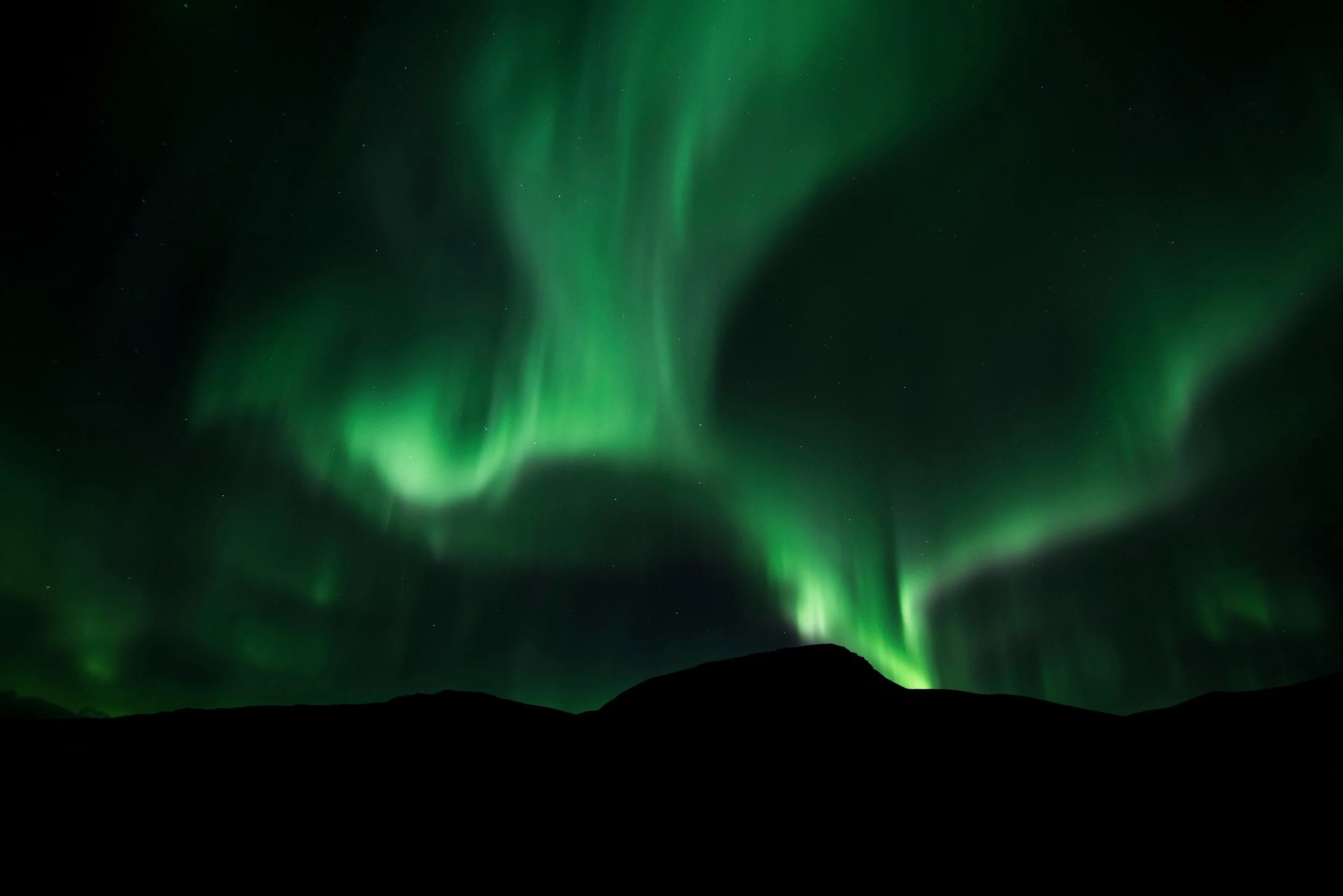
Luxury northern lights Iceland tour: winter adventure, ice caves and aurora hunting
There is nothing quite like Iceland in winter. The landscape goes quiet in a way that summer never allows. Snow covers the lava fields. Glaciers glow from within. And on a clear night, with the right conditions and the right guide, the sky fills with green and violet light that moves like something alive. Seeing the northern lights is not guaranteed anywhere. But the way this itinerary is built, you'll have the best possible chance, paired with some of the most extraordinary winter experiences Iceland has to offer.
This is a six-day private journey, designed for couples, families, and multigenerational groups who want to experience Iceland's winter seriously, not as a rushed highlight reel. Three nights are spent in a countryside hotel with minimal light pollution, positioned precisely for aurora hunting. Your private guide monitors forecasts daily and is available to drive you out at short notice if the lights appear. No shared coaches. No early wake-up calls that don't apply to you. Just your group, your guide, and Iceland in its most dramatic season.
The days are full: ice caves, a Superjeep expedition into a valley that standard vehicles can't reach, the Golden Circle under a winter sky, and a private culinary walking tour of Reykjavík. The nights are kept open, on purpose. The real show happens after dark.
This sample is built to inspire, not to lock you in. Picture your family here. Tell me what you love, and I'll design the rest. Start with the planning form below.
Every Olegana Travel Boutique northern lights trip includes:
Private coach, van, and driver throughout the entire journey
A dedicated private tour guide with deep local knowledge at every stop
Airport meet-and-greet and all in-country transfers
Hand-curated luxury accommodations (see Where You'll Stay below)
Blue Lagoon access on arrival, including the option to upgrade to the Retreat Spa
Curated dining: culinary walking tour of Reykjavík and select restaurant bookings
Pre-planned winter activities: natural ice cave, Þórsmörk Superjeep expedition, Golden Circle, Friðheimar lunch, Þingvellir, and whale watching (seasonal)
Daily northern lights forecast monitoring by your private guide, with evening drives on clear-sky nights
Three countryside nights specifically positioned for low light pollution and aurora access
24/7 support from Anna and the Olegana team throughout your trip
Not included: international airfare, travel insurance, meals at leisure, personal expenses, and gratuities for guides and drivers.
❋
Ready to chase the northern lights?
Start planning with us now!
This sample itinerary was designed around Iceland's winter season, when the nights are long, the ice caves are at their most vivid, and the aurora has its best chance to perform. It's here to inspire, not to lock you in. You might pick a few pieces and let me build something different around them. Your trip is yours, and we'll customize every detail until it fits.
Day-by-day itinerary
Day 1
A warm welcome to Iceland
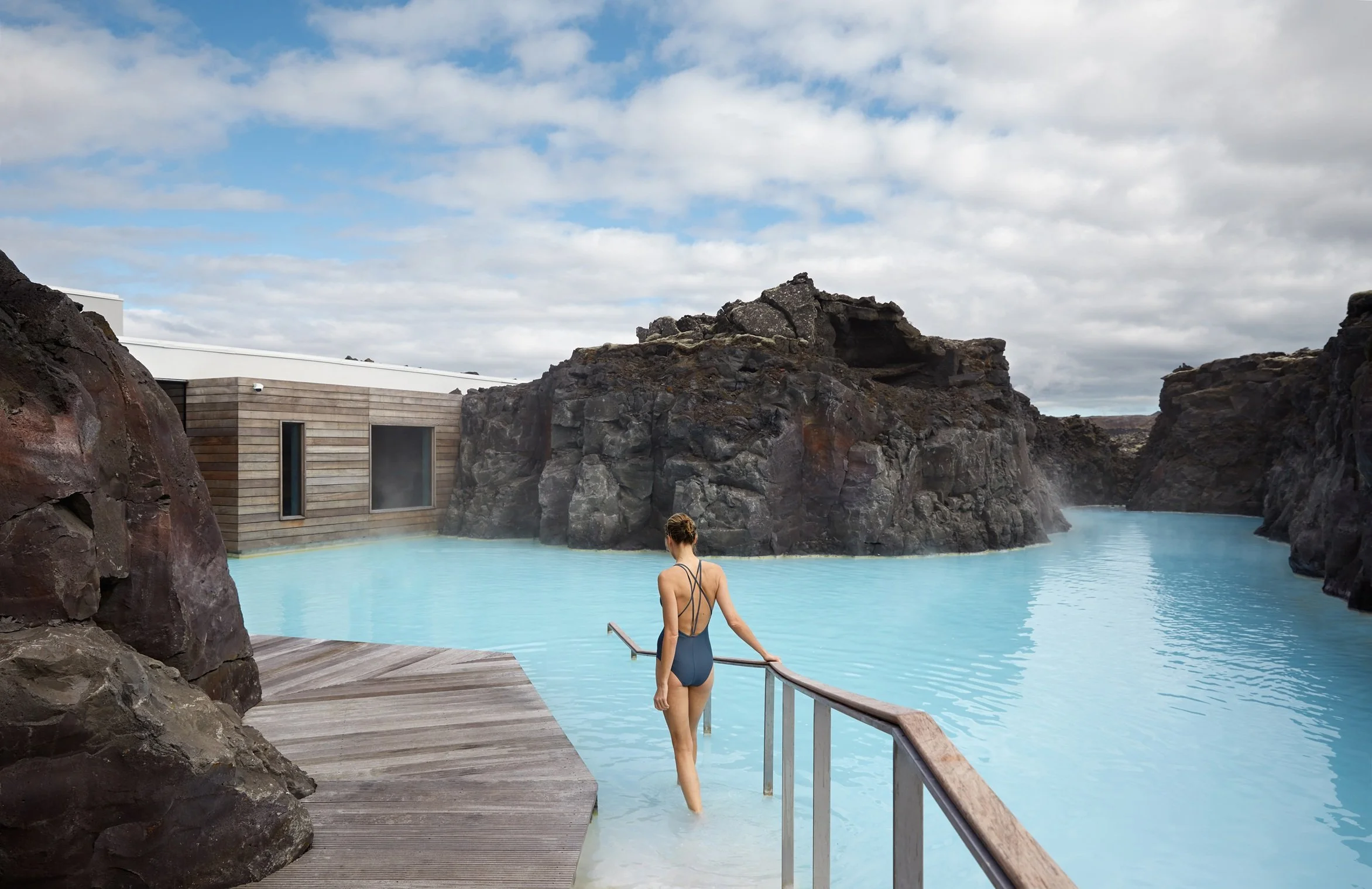
Your Iceland winter journey begins exactly as it should: at the Blue Lagoon. Your private chauffeur meets you at arrivals and drives you through a landscape of frost-dusted lava fields and drifting geothermal steam to one of the most extraordinary pools on earth. In winter, the experience takes on a different quality entirely. Rising steam catches the cold air, the water glows milky blue, and the sky overhead shifts between grey and pale gold depending on the hour. It's elemental and immediately unforgettable.
For those who want complete seclusion, the Retreat Spa offers private changing rooms, in-water treatments, and a level of calm that's hard to find at any latitude. From the Blue Lagoon, your driver continues to Reykjavík. The evening is yours: a centrally located boutique hotel in the capital, and your first real taste of the city at your own pace.
Photo©: Blue Lagoon Hotel
Day 2
Wonders of the South Coast
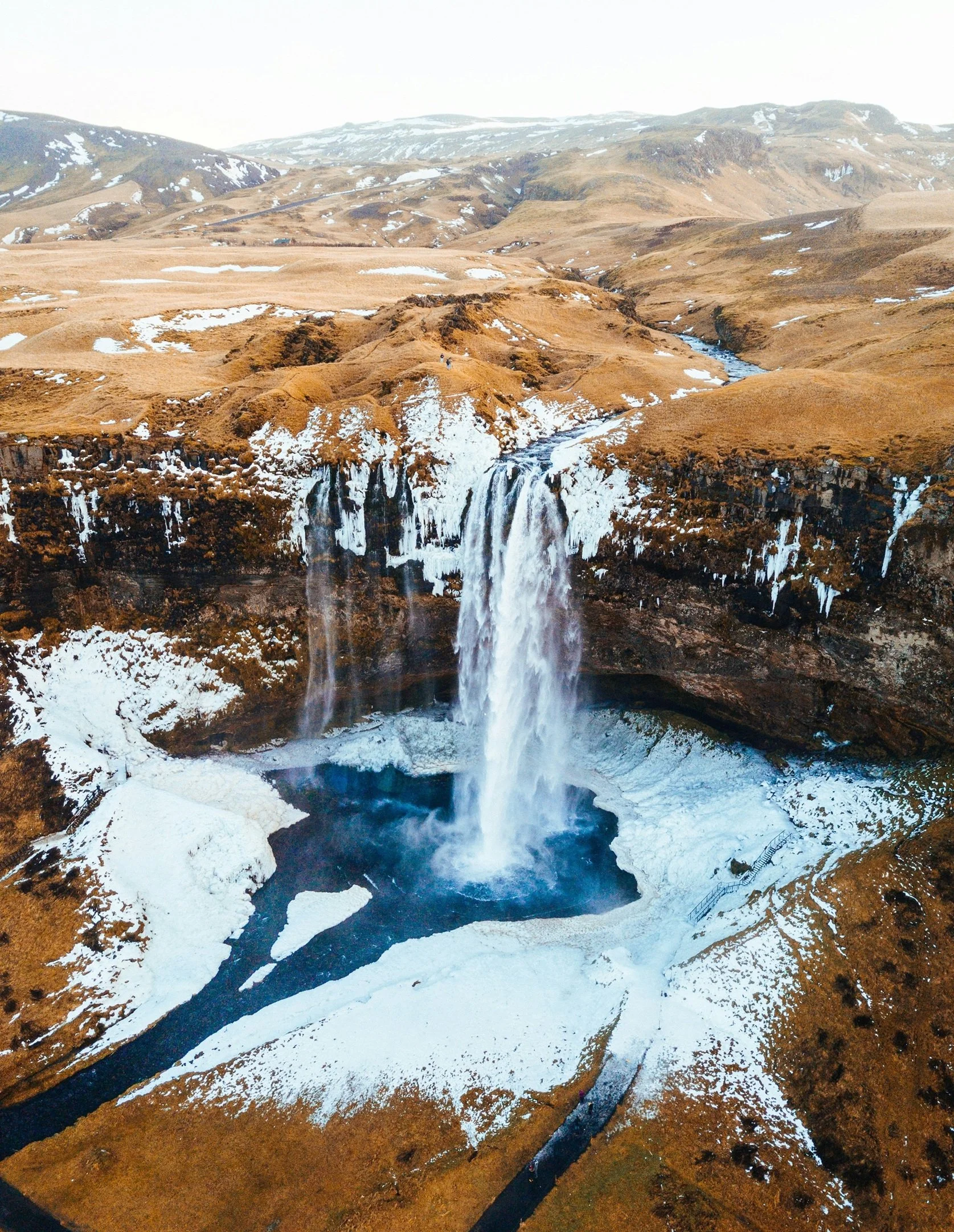
The south coast reveals a different face in winter. Seljalandsfoss and Skógafoss are framed in frost, the waterfalls running hard through snow-draped rock. The black sand beach at Reynisfjara is stark and wild in a way that summer doesn't quite match, the Atlantic crashing against the basalt columns with real force. Dyrhólaey's sea arch and the bird-filled clifftops round out the coastal panorama before the road turns inland toward the glacier country.
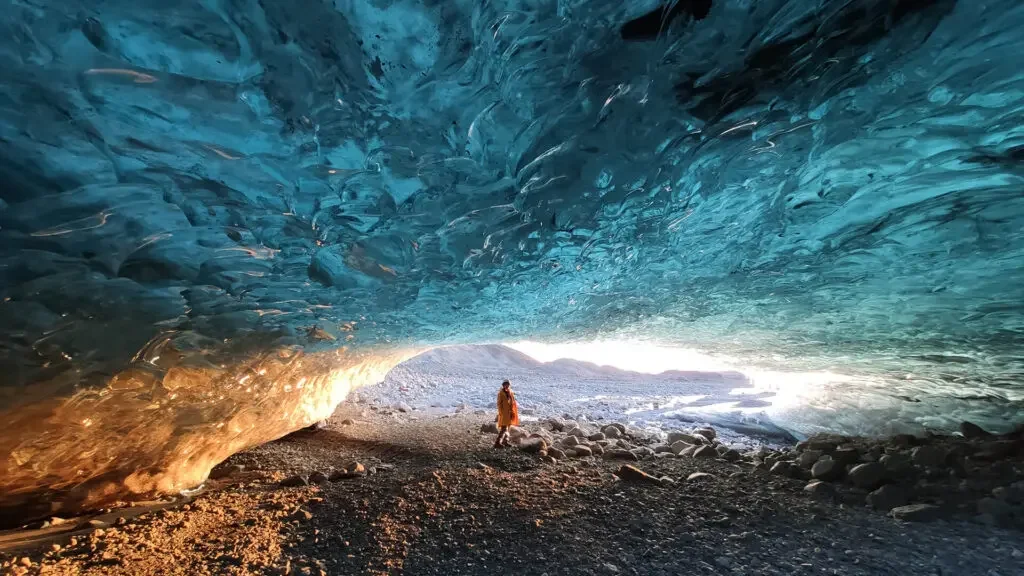
The highlight of the day is a guided exploration of a natural ice cave inside Vatnajökull, Europe's largest glacier. Sapphire-blue ice forms the ceiling and walls in cathedral-like chambers, shaped by meltwater and time. The colours shift as the light changes. It's one of those experiences that photographs don't fully capture. As dusk settles, you check into your countryside retreat, positioned in a low-light-pollution zone and perfectly placed for northern lights watching if conditions allow.
Photo©: Unsplash/Robert Bye
Day 3
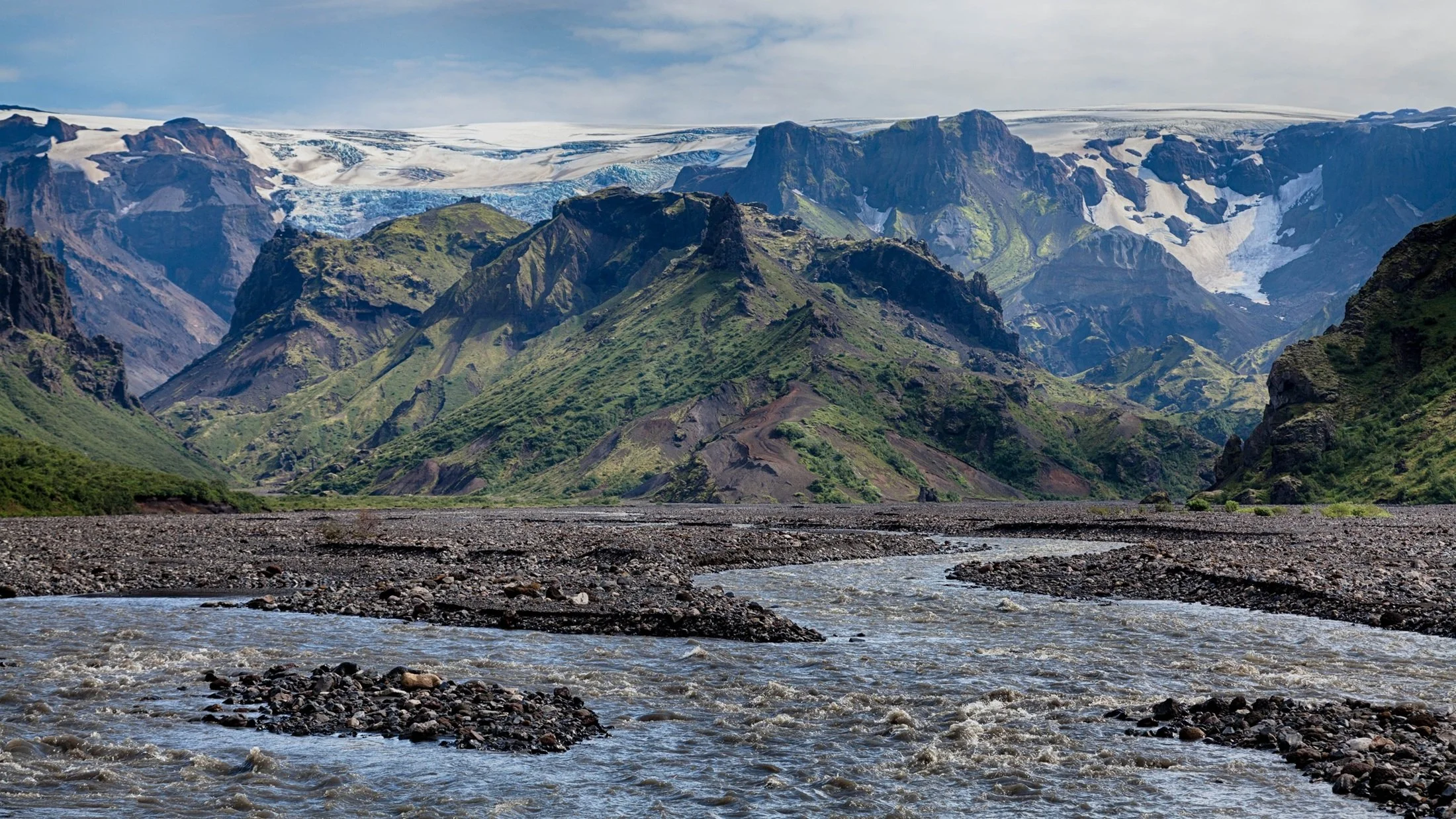
Venturing into the Valley of Thor
Today is built for adventure. A modified Superjeep carries you off-road into Þórsmörk, the Valley of Thor. A remote highland wilderness that standard vehicles simply cannot reach in winter. Crossing frozen rivers and snow-covered terrain, the landscape opens into something genuinely wild: ice-clad mountains, braided glacial rivers, untouched snowfields, and a silence that feels earned. Your expert guide reads the landscape with real knowledge, sharing Icelandic geology and mythology as the Superjeep navigates terrain that most visitors never see.
The evening returns you to your countryside base. Dinner, warmth, and another clear-sky opportunity for the northern lights, with your guide monitoring the forecast and ready to move if conditions look right.
Photo©: Volcano Trails
Day 4
The Golden Circle in winter light
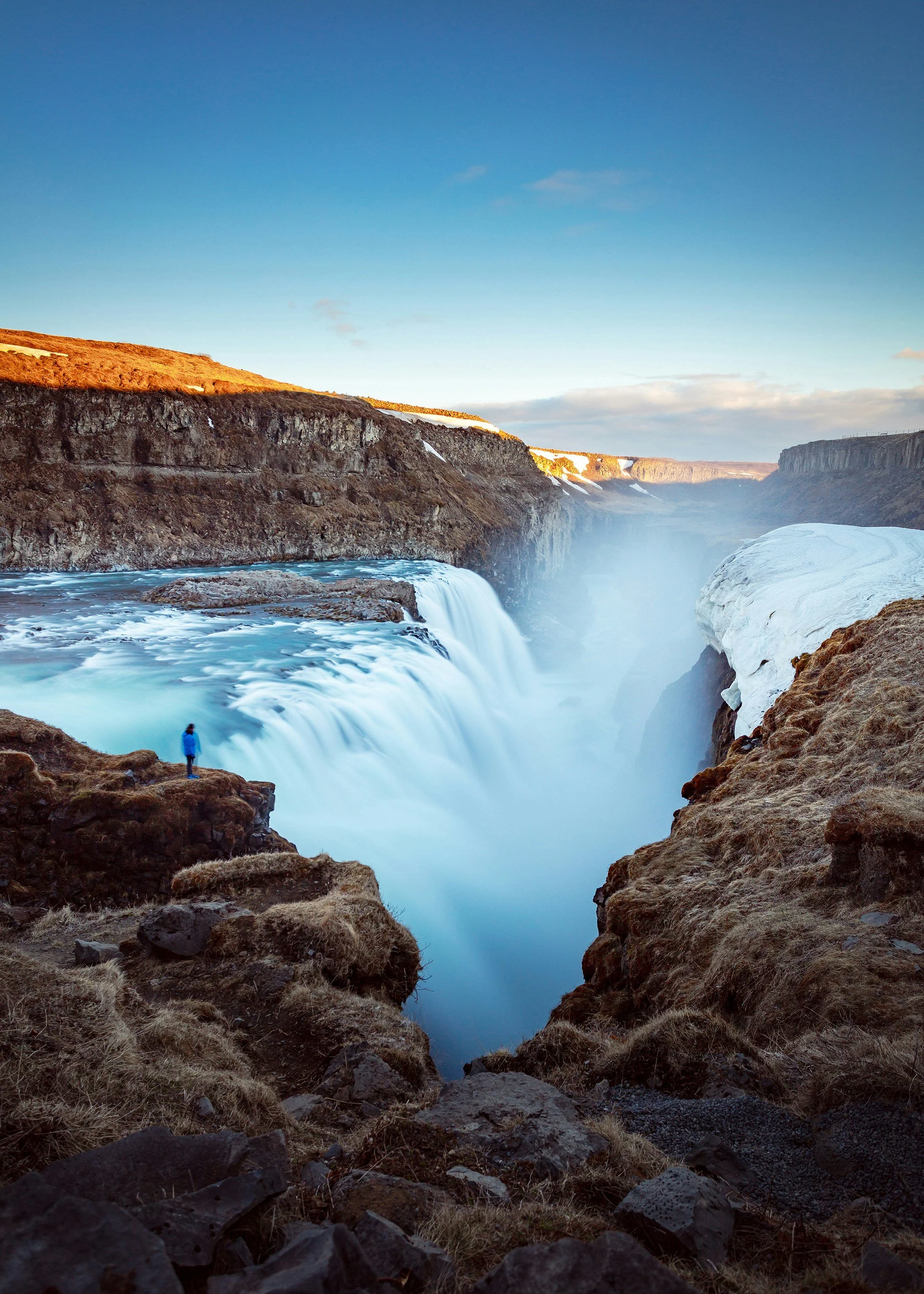
Iceland's legendary Golden Circle takes on a particular beauty under winter conditions. Snow softens the edges of Þingvellir National Park, where you walk the ancient Viking parliament site and stand between two tectonic plates in a landscape that feels prehistoric and entirely present at once. The Geysir Geothermal Area steams against the cold air, Strokkur erupting every few minutes in a column of water and vapour that catches the winter light. Gullfoss, Iceland's most powerful waterfall, thunders through its canyon with ice formations along the banks that only appear in the coldest months.
Lunch is at Friðheimar: a working greenhouse farm where tomatoes and herbs grow year-round under geothermal heat and grow lights, and where the soup, the bread, and the Bloody Marys are all made from what's growing around you. It's one of those quietly remarkable stops that stays with people long after the trip. The afternoon continues through Þingvellir before the route returns toward Reykjavík and a final evening of potential aurora hunting, if the sky cooperates.
Photo©: Freepik
Day 5
Cultural and culinary Reykjavík
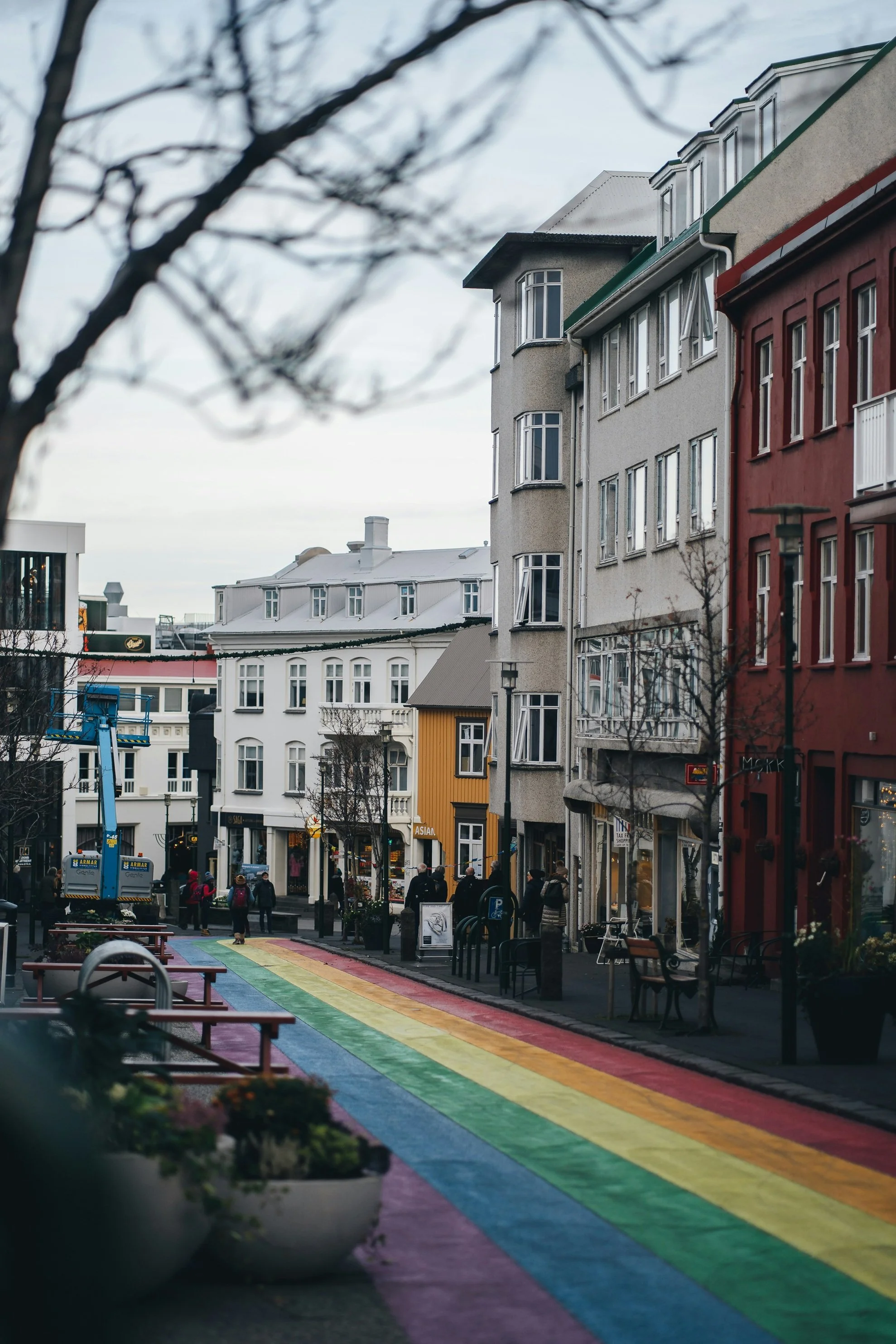
After days in the wilderness, Reykjavík earns its time. Your private guide leads you through the capital at a pace that lets you actually take it in: Nordic architecture, the harbor, boutique galleries, design shops tucked into side streets. The city is small enough to feel navigable and surprising enough to reward the unhurried afternoon.
The evening belongs to food. A curated culinary walking tour moves through some of Reykjavík's most celebrated restaurants and tasting venues, weaving traditional Icelandic flavors, skyr, lamb, arctic char, fermented shark if you're willing with the modern gastronomy that's made the city one of Europe's most interesting food destinations. It's an ideal final evening: warm, convivial, and full of the kind of specific detail that makes a trip memorable.
Photo©: Unsplash/Sitraka
Day 6
Departure
A private transfer to Keflavík Airport sees you off in the same seamless style you arrived. Iceland's winter has a way of staying with you: in the photographs, yes, but more in the particular quality of standing in a blue ice cave while the world above is frozen, or watching green light ripple across a dark sky from the warmth of a countryside hotel. Some trips are worth the cold.
Photo©: Ice Guardians
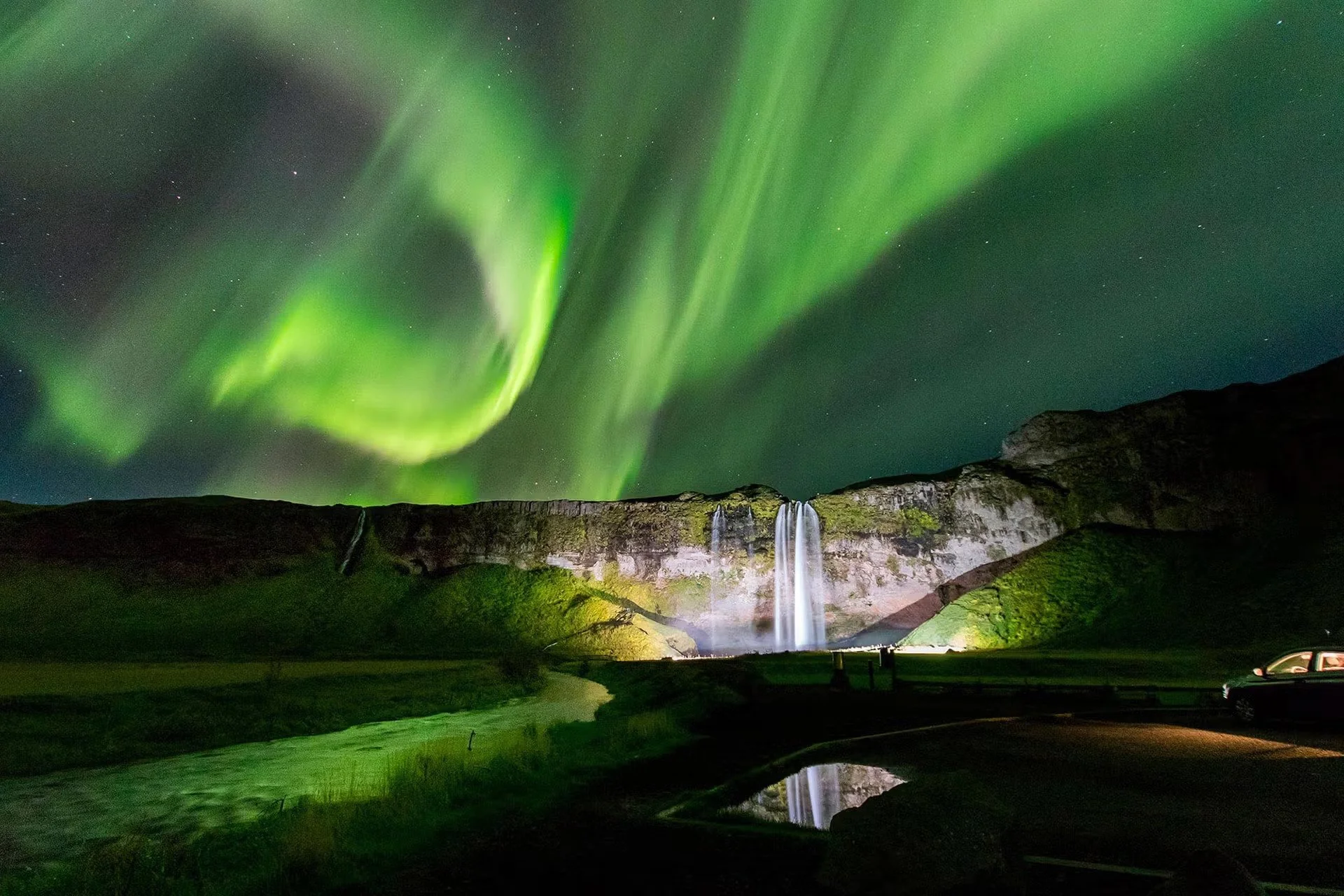
Northern Lights: what you need to know
The current live page lists aurora conditions as bullet points. Replace with the following paragraph version for better voice consistency. The factual content is preserved.
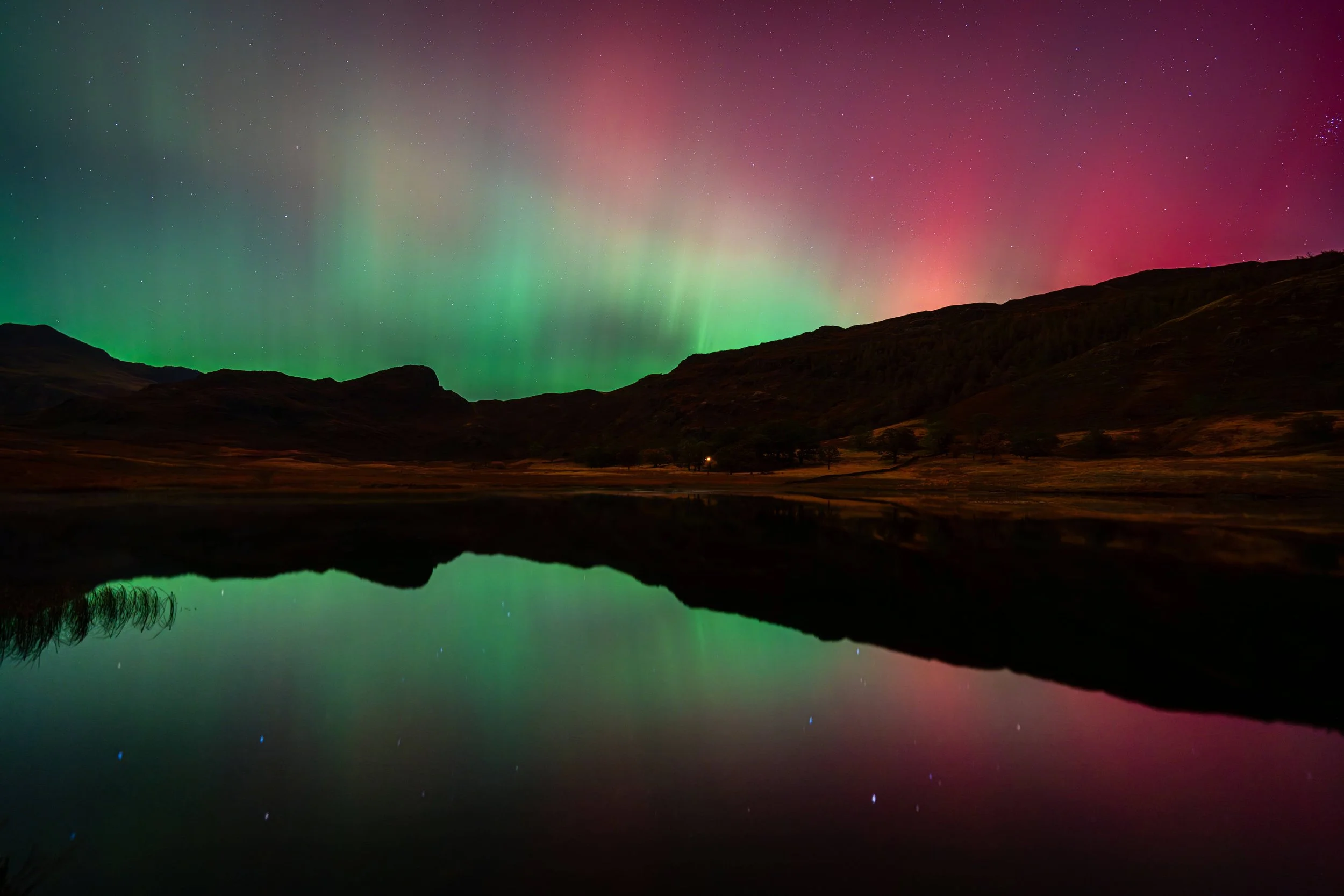
Northern lights season runs from September through March, when the nights are dark enough for the aurora to show. What determines whether you'll actually see them comes down to four things: darkness, a strong enough solar event, clear skies or at least a break in the clouds, and low light pollution. This itinerary is built specifically around the last two: three nights are spent in a countryside location well away from urban light, and your private guide monitors forecasting services daily and is available to drive you out in the evenings if conditions look promising. That's a meaningful advantage over staying in Reykjavík and hoping for the best.
No one can guarantee a sighting. But being in the right place with the right guide, for three consecutive nights, gives you the best realistic chance Iceland has to offer.
Photo©: Icelandic Mountain Guides
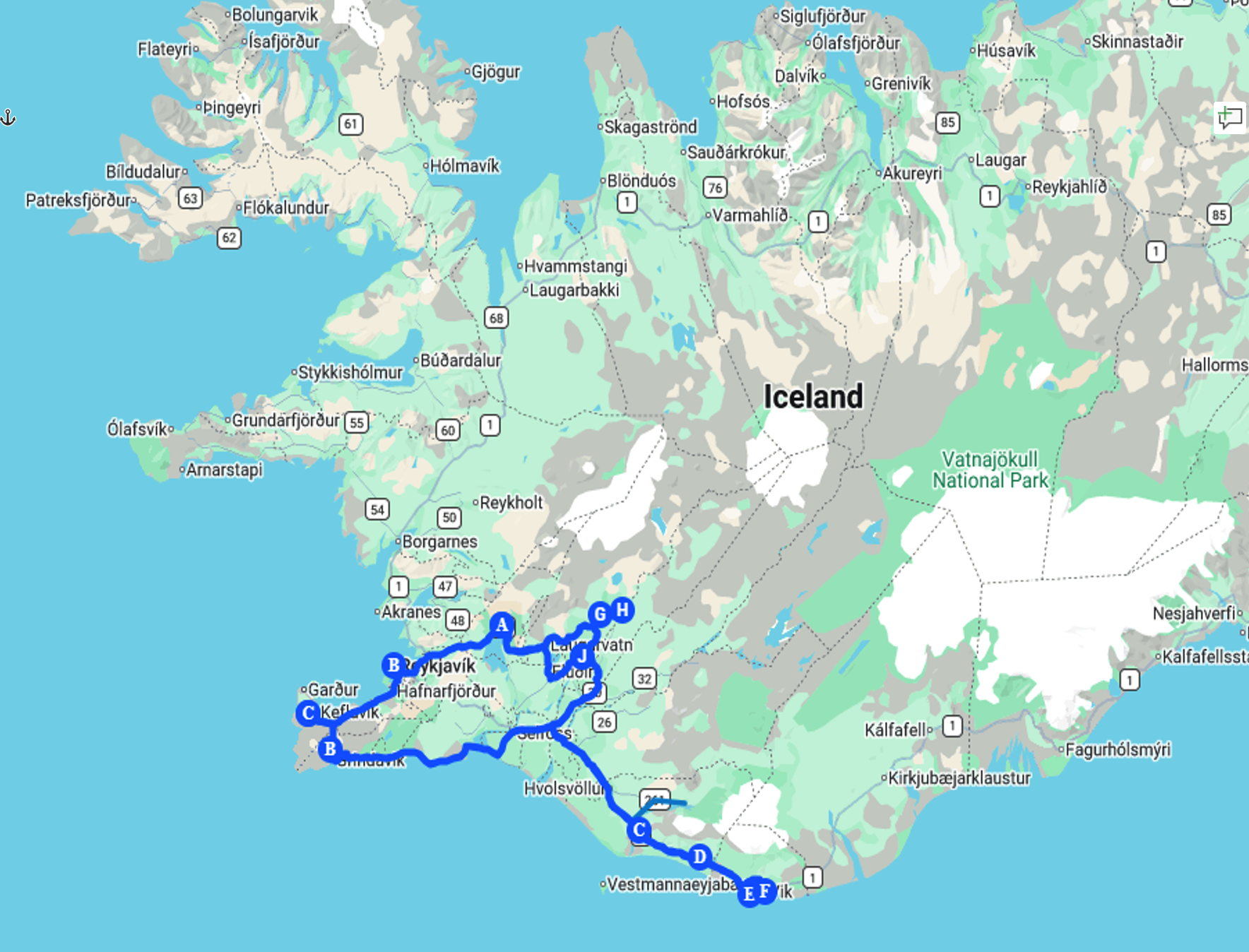
Route Map
Who this trip is perfect for
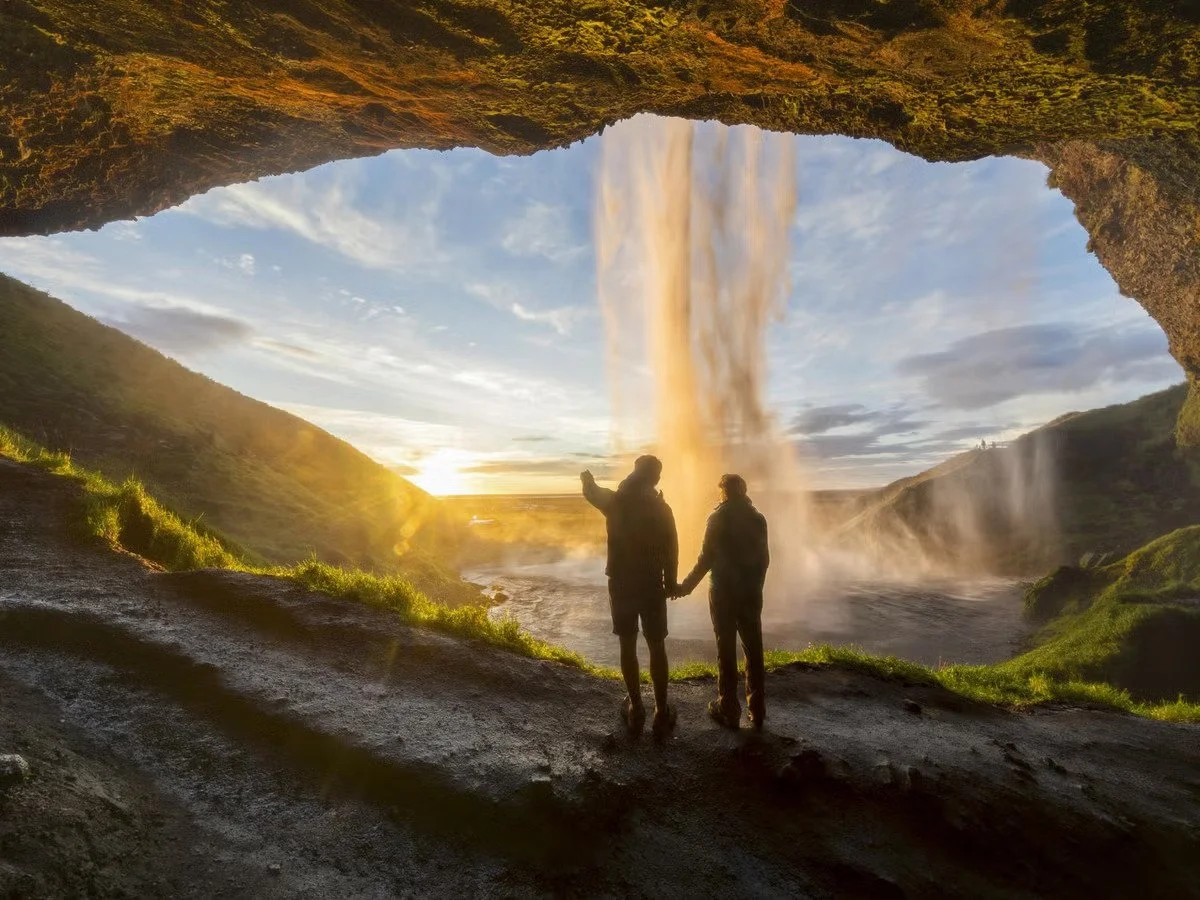
Couples seeking something extraordinary
Six days in Iceland's winter is one of the most romantic trips I put together: the ice caves, the aurora, the long dark evenings by the fire. The pace is private and flexible, and there's room to slow down wherever the landscape earns it.
Photo©: istock/DieterMeyrl
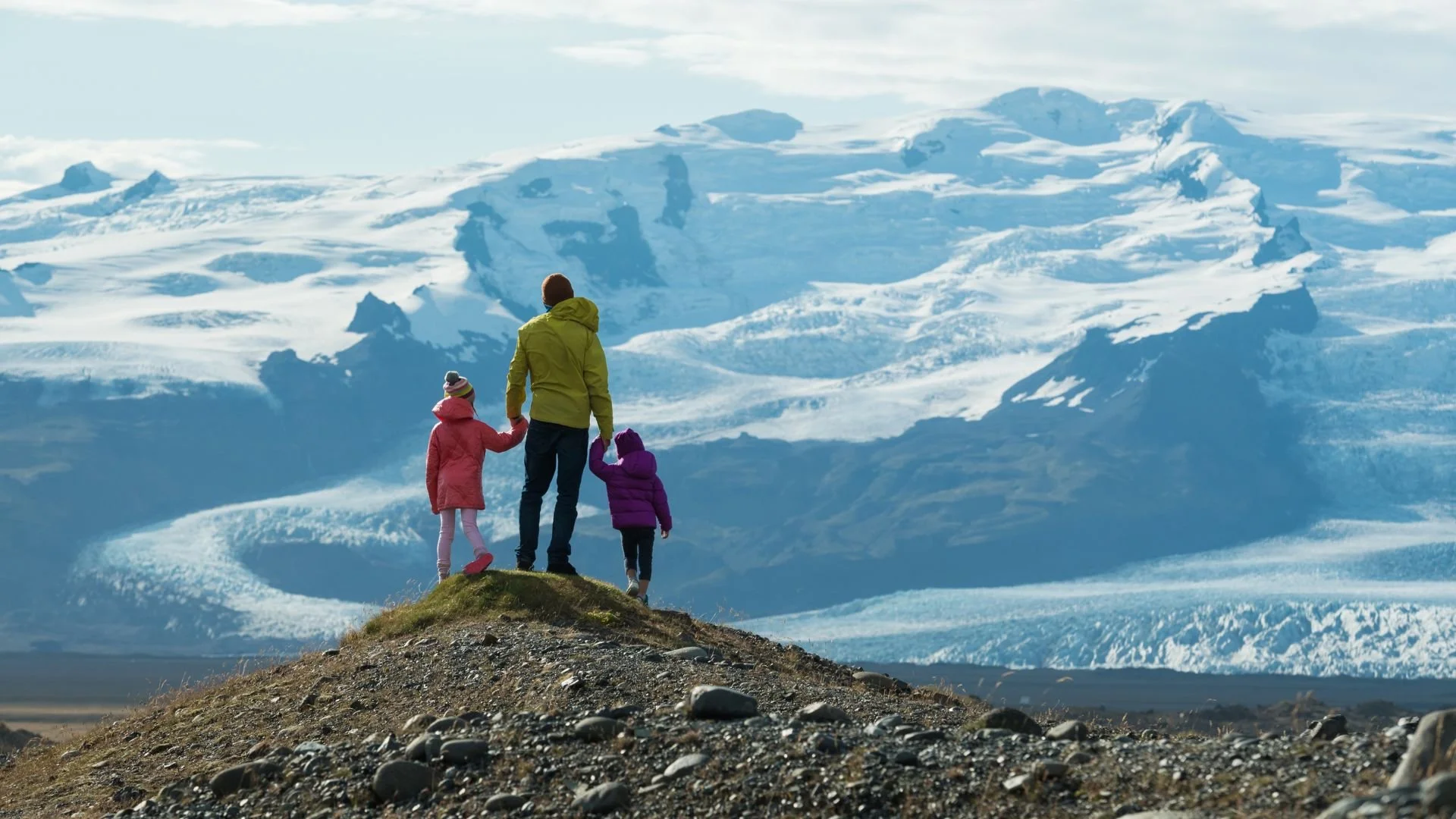
Families with older children and teens
Iceland in winter is genuinely thrilling for teenagers: the Superjeep expedition, the ice caves, the possibility of the northern lights appearing any night. The trip works best for families with children ages 10 and up, where everyone can engage fully with what's on offer.
Photo©: istock/AscentXmedia
Multigenerational groups
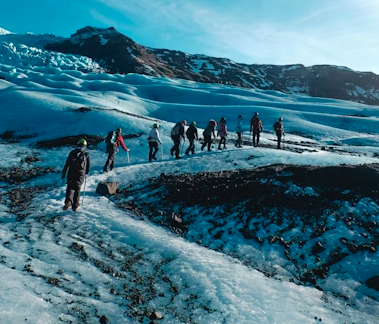
The itinerary moves at a private pace, which means it adapts to your group. The more active elements, like the Superjeep day, sit alongside gentler experiences: the Blue Lagoon, the culinary tour, the Golden Circle. We can calibrate what everyone does together and where individuals have options.
Photo©: unsplash/Gashif Rheza
Best time to visit Iceland for the Northern lights
Photo©: unsplash/Jonny Gios
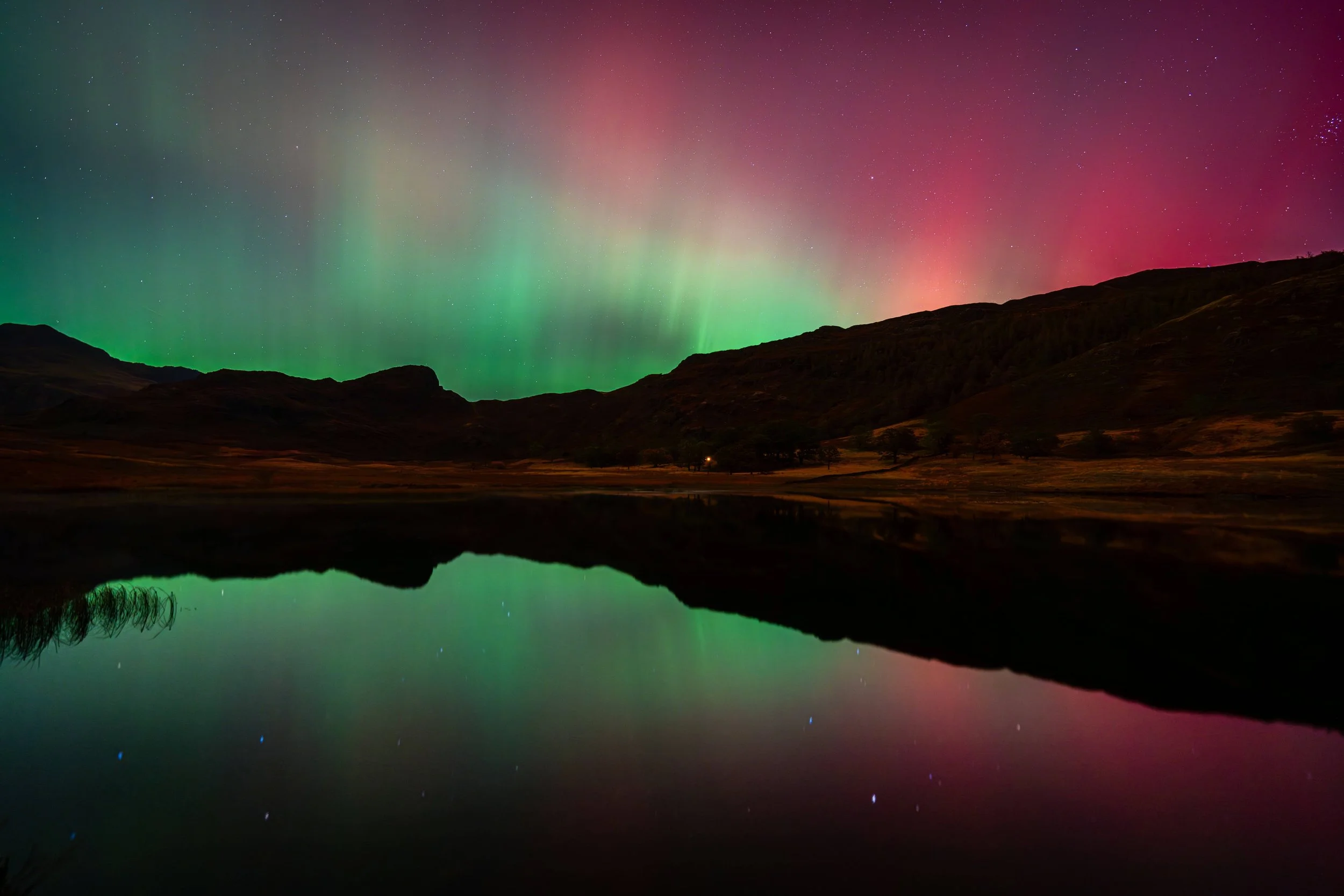
Northern lights season in Iceland runs from September through March. The sweet spot is November through February, when the nights are longest, darkness comes early, and you have the most hours of potential aurora window per day. December and January offer the longest nights of all, though they're also the coldest and the most variable for weather.
October and March are worth considering for travelers who want the aurora with slightly more daylight, milder temperatures, and fewer crowds at the most popular sites. The ice caves are accessible from November through March, depending on conditions, your guide will confirm timing and cave access as part of your trip planning.
If you're drawn to Iceland but prefer the midnight sun, wildflower fields, and long summer days, ask me about the Iceland Summer Adventure itinerary instead.

Love what you're reading?
This is a sample. Tell me who's coming and I'll build your Iceland winter trip around you.
Your questions, answered
-
No, and I'll never tell you otherwise. The northern lights require clear skies and strong enough solar activity, neither of which can be predicted or controlled. What I can control is where you stay, how long you're there, and having a private guide who monitors forecasts daily and drives you to the best viewing spots when conditions improve. Three nights in a low-light-pollution area, with a guide on call, gives you a realistic chance. Many of my clients see them. Some don't. If you're traveling specifically to see the aurora, I'd recommend building in at least five to six nights to improve the odds.
-
A six-day private Iceland winter itinerary through Olegana typically starts at $12,000 for a couple and increases based on group size, accommodation selections, and activity choices. I'll put together a detailed proposal after our call, so you'll know exactly what's included before anything is confirmed.
-
Yes, for families with children ages 10 and up. The Superjeep expedition and ice cave are genuinely thrilling at that age, and the pace is private enough to adapt to your group. Younger children can participate in most elements of the trip, but the full itinerary works best with kids who can handle a physically active day and the unpredictability of cold-weather travel. I'll adjust the plan to match your family when we talk.
-
Iceland's winter temperatures typically range from around -5°C to 5°C (23°F to 41°F), though wind chill can make it feel colder. The south coast is milder than the interior highlands. Your guide will brief you on what to wear for each day's activities. The right gear makes all the difference: waterproof outer layers, thermal base layers, and warm boots. I'll send a packing guide when your trip is confirmed.
-
Yes, with a certified guide, which is how this trip is organized. Natural ice caves are monitored by local operators who assess conditions daily before leading any group inside. Access can be cancelled if the cave is deemed unsafe, his is rare but possible. Your guide will have this confirmed as part of the daily planning. Helmets and crampons are provided for all ice cave visits.
-
All of it. The six-day northern lights itinerary is a starting point. If you want to add days, swap the culinary tour for something else, or focus more time on a particular part of the country, we'll build that together. Some clients want more time in the south, some want to push north toward Akureyri and Húsavík. Tell me what matters most and I'll design around that.
-
International flights are not included in the trip price, but I'm happy to advise on the best routings and timing from your home city. Icelandair flies direct from several US cities to Keflavík, including New York, Boston, Chicago, and Seattle. I'll make sure your arrival and departure times work smoothly with your ground itinerary.