
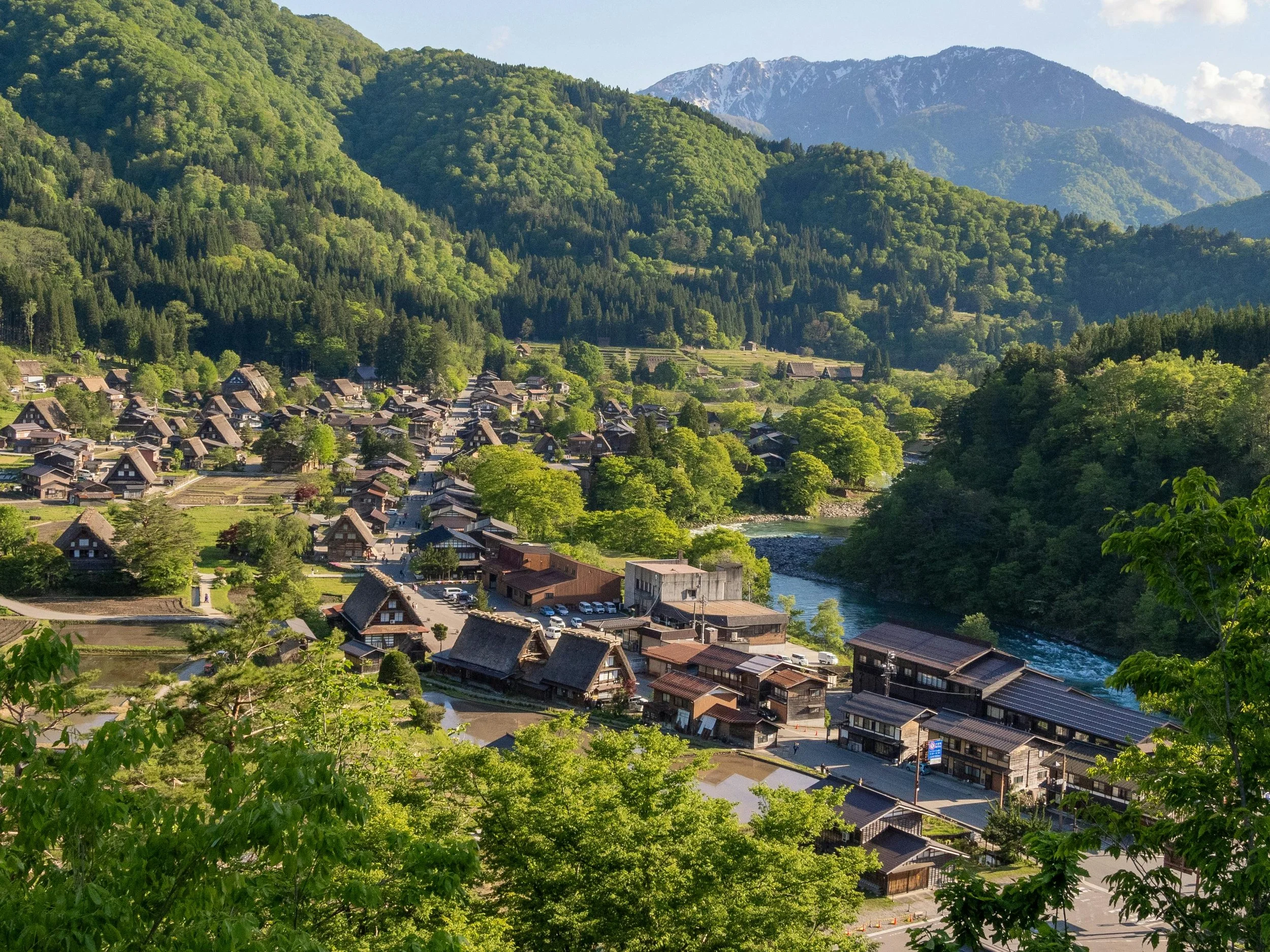
Luxury Kanazawa and beyond: food, craft and onsen in Japan’s Hokuriku region
Cooking with monks at a 700-year-old Zen temple. Filling your own bottle of whiskey straight from the cask. A private geisha dinner in your ryokan. And a farewell meal where every dish is served on local cast metal, wood, glass, or porcelain. This is the Japan that most travelers never discover.
Most people visit Tokyo. Some make it to Kyoto. Very few ever discover Hokuriku.
Tucked between the Japanese Alps and the Sea of Japan, this is the part of Japan that moves at a different speed. Where a 700-year-old Zen temple is still an active place of practice, where a master distiller hands you a valinch and lets you fill your own bottle of whiskey straight from the cask, and where a private geisha dinner feels less like a performance and more like a privilege.
This 5-day itinerary draws from three distinct worlds: gastronomy, craft, and wellness, woven together into one unhurried, deeply memorable journey through Fukui, Kanazawa, Kaga Onsen, and Toyama. It’s designed for travelers who’ve done Tokyo and Kyoto and want to go deeper, for couples and small groups who value intimacy over itinerary length, and for anyone who believes the most meaningful travel happens when you slow down.
Want us to plan it for you?
Photo©: pexel.com/NaturEye Conservation
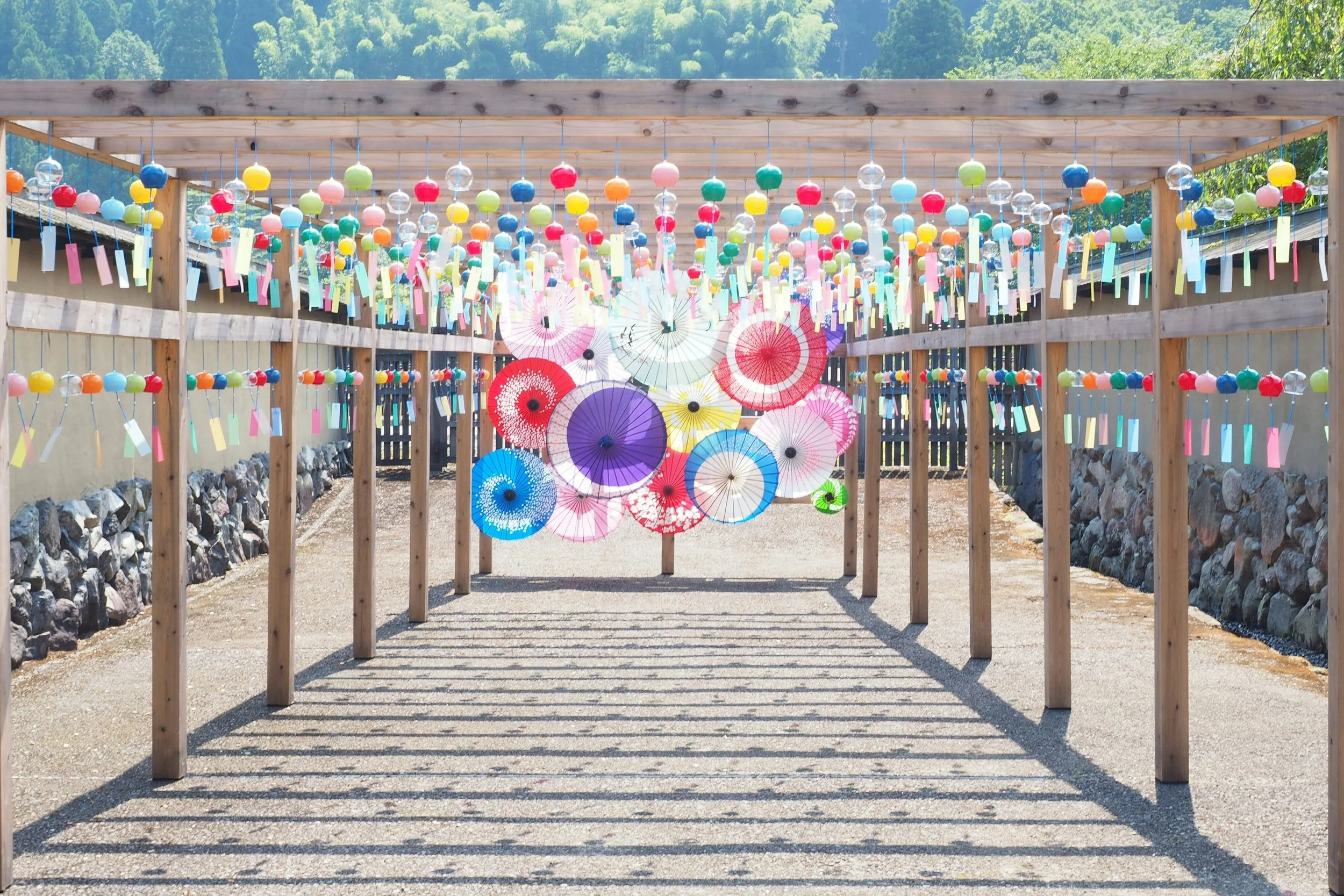
Day 1
Arrival in Fukui
From Tokyo: 3 hours by bullet train. From Osaka: 2 hours.
Your first morning begins before the day gets busy. At Kippo-ji Temple, you join monks in the meditative preparation of Shojin Ryori, traditional Zen vegan cuisine. This isn’t a cooking class. It’s cooking as a spiritual practice, and it sets the tone for everything that follows.
In the afternoon, visit Eihei-ji Temple, a 700-year-old head temple surrounded by ancient cedar forests. This is Japan’s living Zen tradition in a place where monks have been practicing for centuries. The profound stillness here is something you feel physically.
As the day winds down, gain rare access to the private sparkling sake cellar at ESHIKOTO, home of the legendary Kokuryu brewery. Then dinner at cadre, where Chef Hamaya transforms local game and seafood into French masterpieces rooted in Fukui’s natural landscape.
Photo©: Unsplash/Shino Nakamura
Day 2
Fukui to Kanazawa
Transfer: 30 minutes by bullet train.
Start the morning at Ryusen Hamono, the flagship gallery of Echizen’s world-renowned cutlery. Watch master blacksmiths at work and browse blades that fuse razor-sharp functionality with sculptural beauty. Then visit Taki Seishi, where master artisans craft oversized sheets of washi paper using pure mountain water and techniques unchanged for 1,500 years.
Lunch at Kaikatei, Fukui’s premier modern ryotei, where a master chef demonstrates how the sharpness of an Echizen forged blade transforms the texture and flavor of every dish. It’s a rare insight into the pinnacle of Japanese culinary craft.
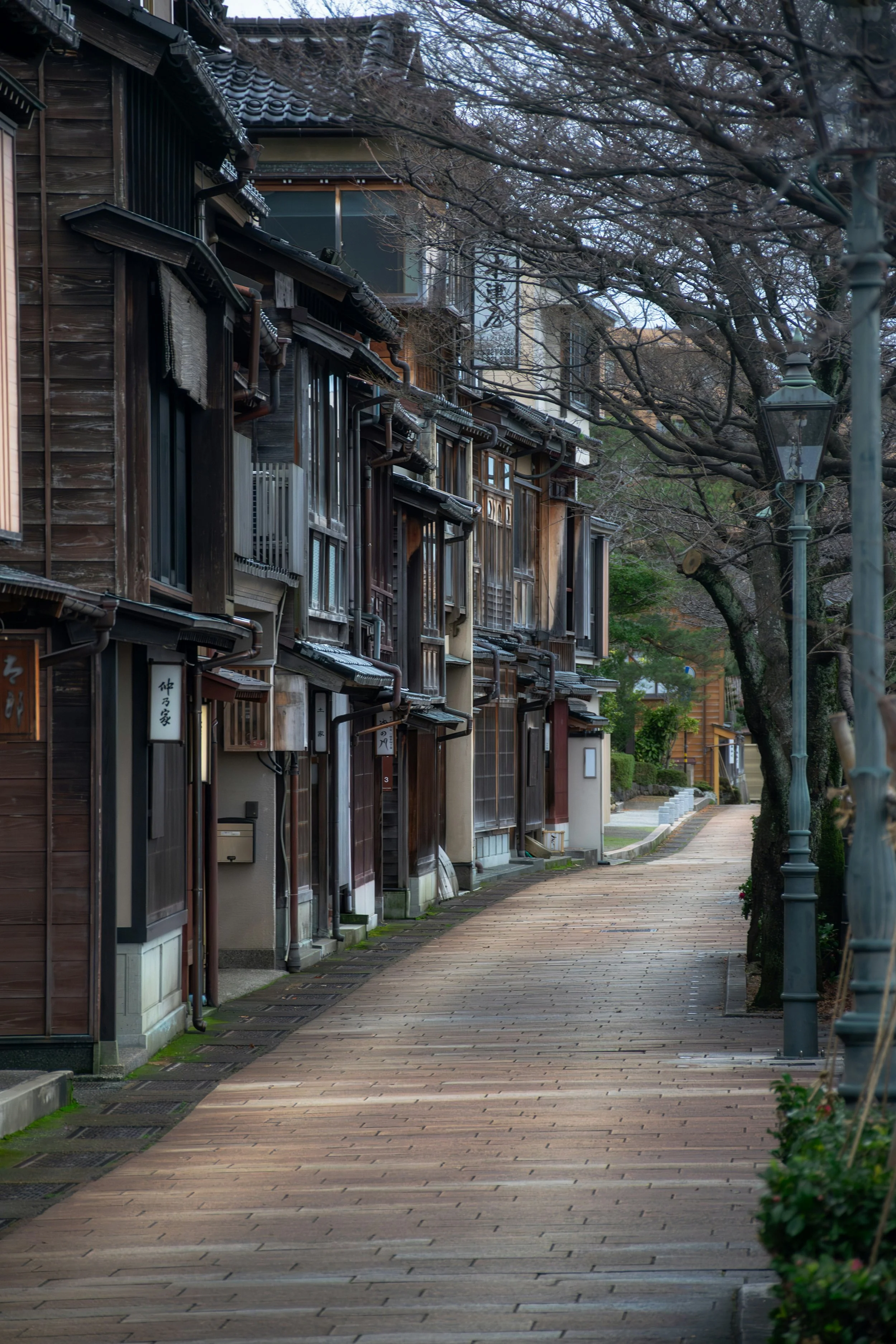
After transferring to Kanazawa, spend the afternoon wandering the cobblestone streets of Higashi Chaya, the city’s iconic historic geisha district. Then visit Nakada Kinen-gama for a private audience with Living National Treasure Kazuo Nakada, watching his extraordinary “Ginsai” silver-leaf technique applied to Kutani porcelain.
The evening ends with a private Chaji at Suzuoki, a full formal tea ceremony integrating kaiseki gastronomy, ritualized tea preparation, and seasonal Zen aesthetics.
Photo©: UnSplash/Filipe Freitas
Day 3
Kanazawa
A full, unhurried day in one of Japan’s most culturally rich cities.
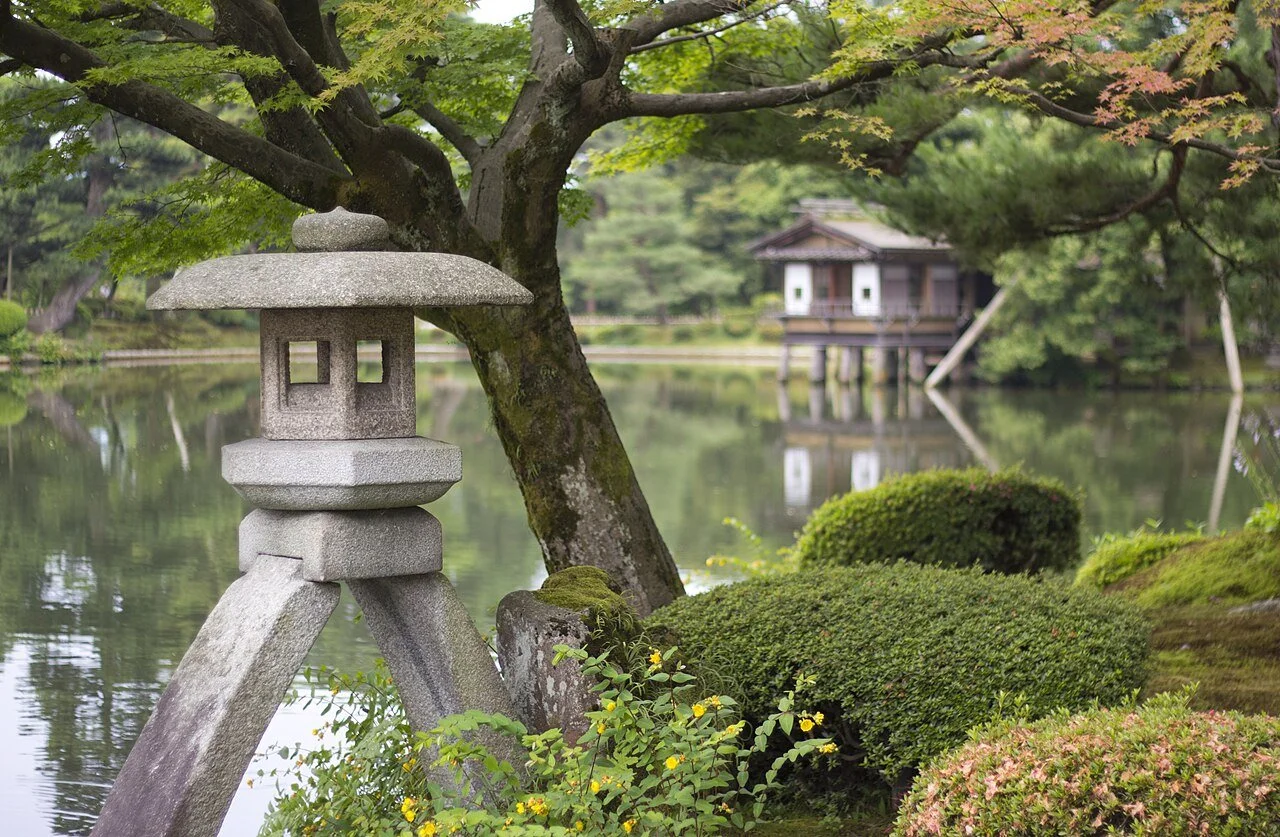
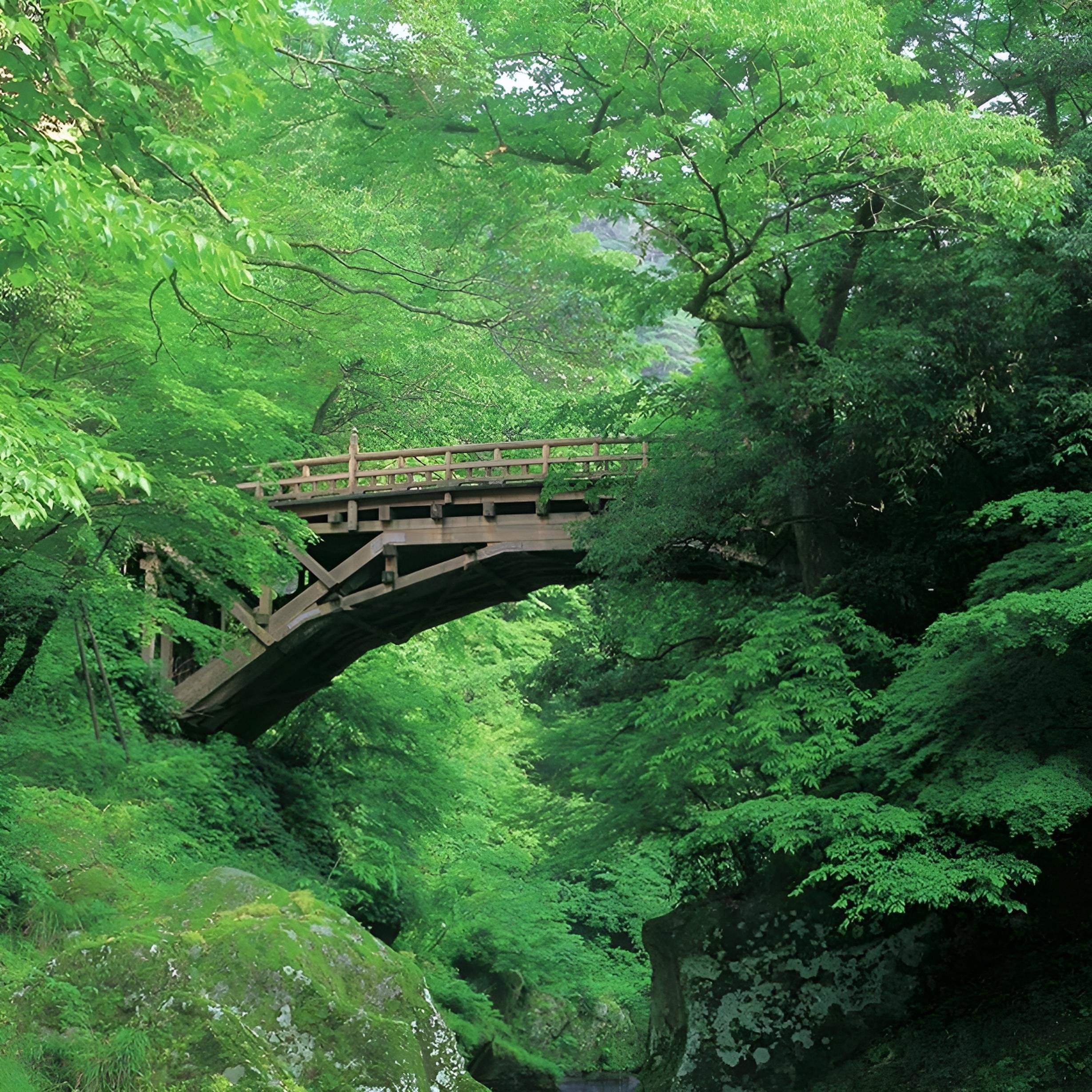
Rise early for an exclusive dawn stroll through Kenrokuen Garden, one of Japan’s three great landscape gardens, before the crowds arrive. Morning dew on stone lanterns, absolute silence, mist over the ponds. One of those mornings that stays with you.
Mid-morning, head to Saburomaru Distillery, Hokuriku’s oldest whiskey distillery and home to the legendary ZEMON cast-metal still. Gain exclusive access to the private hand-fill room and draw raw spirits directly from the cask using a traditional valinch, crafting your own one-of-a-kind bottle to take home.
Afternoon at MORI NO NIWA Distillery, blending your own botanical gin using local ingredients, followed by a refined farm-to-table lunch at the on-site Les Tonnelles restaurant.
Round out the day at Shijimaya-honpo, a 150-year-old institution where you’ll step into the dual world of samurai and merchant culture, view rare ancestral swords, and don traditional Iai-hakama attire for a professional portrait.
Photo©: wikipedia/Japanexperterna
Day 4
Kanazawa to Kaga Onsen
Transfer: 17 minutes by bullet train or 50 minutes by car.
This day is designed for one thing: restoration.
Begin with a meditative stroll through Kakusenkei Gorge, a lush emerald valley where the sound of the river and the cool forest air restore something that city life quietly takes away. A body-tuning lunch at Sugar Ray Dining & Bar follows, where home-grown vegetables from Kaga’s fertile soil take center stage, prepared by a chef with global culinary expertise.
The rest of the afternoon is yours. Check into your ryokan, sink into a private hot spring bath, and let the waters do their work.
As evening arrives, a private geisha dinner unfolds in your ryokan. Traditional dance, shamisen music, classic parlor games, and refined cuisine in a setting of quiet elegance. This is one of those experiences you don’t forget.
Photo©: FB Page/加賀 山中温泉 音楽イヴェント
Day 5
Kaga Onsen to Toyama and departure
Transfer to Toyama: 20 minutes by bullet train.
Your final morning begins with an e-bike ride through the foothills of Mount Hakusan, one of Japan’s three holiest mountains, guided through rice paddies and ancient pilgrimage paths with a local expert.
Lunch at Auberge “eaufeu,” a stunning restaurant born from a revitalized schoolhouse, where the youngest-ever Grand Prix winner of Japan’s premier culinary competition serves innovative satoyama cuisine made from pure mountain water and locally foraged ingredients.
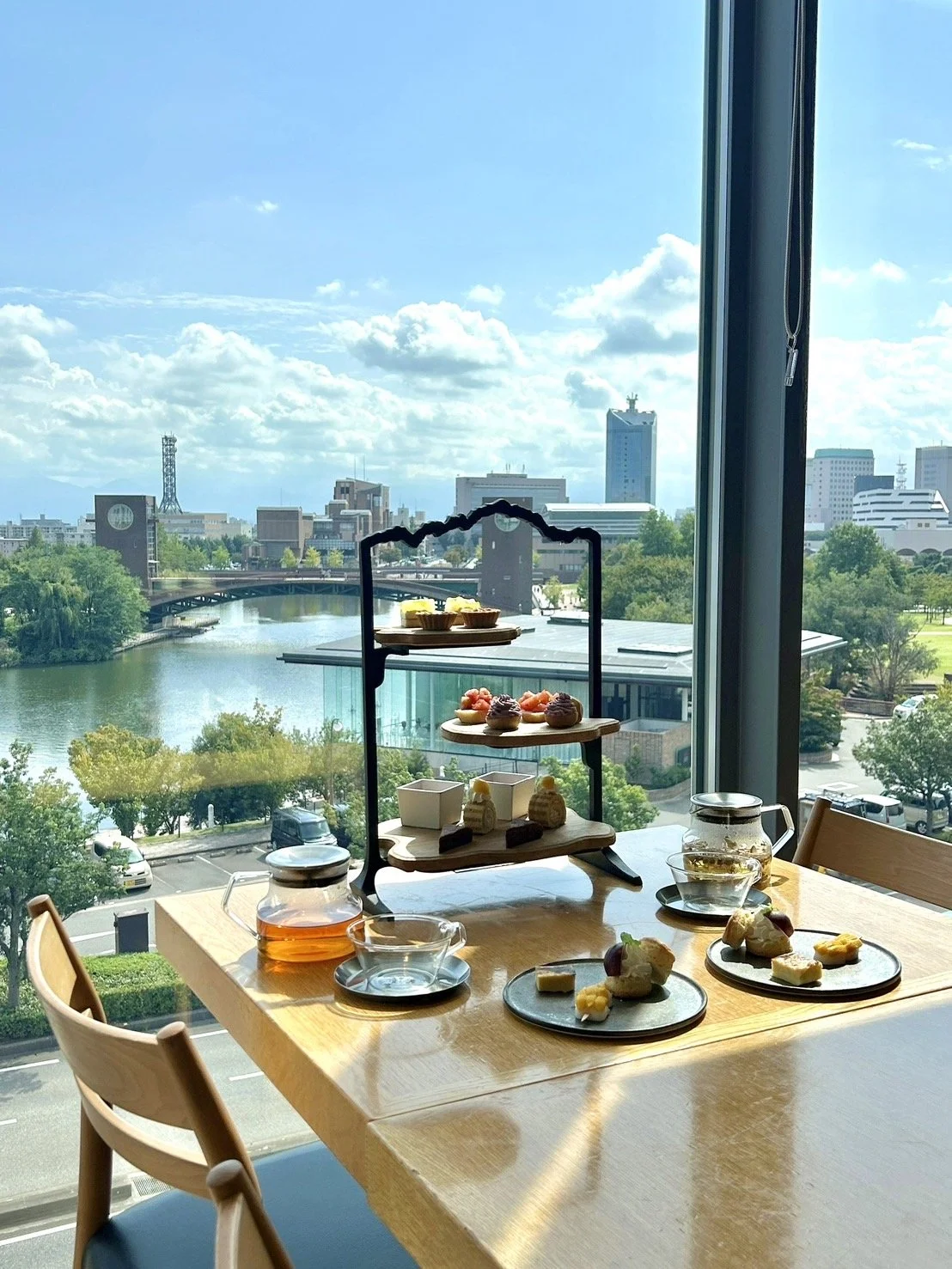
Conclude with a farewell dinner at BiBiBi & JURULi at the Toyama Prefectural Museum of Art and Design. Every dish is served on local cast metal, wood, glass, or porcelain, and the menu draws from all 15 municipalities of the prefecture. Food as art. A perfect final note.
Depart from Toyama Station: 2 hours to Tokyo, 3 hours to Osaka by bullet train.
Photo©: BiBiBi & JURULi
Mention “Olegana” when you book with Jennifer
& get $100 off your trip!
Who this trip is perfect for
Couples who’ve done Tokyo and Kyoto
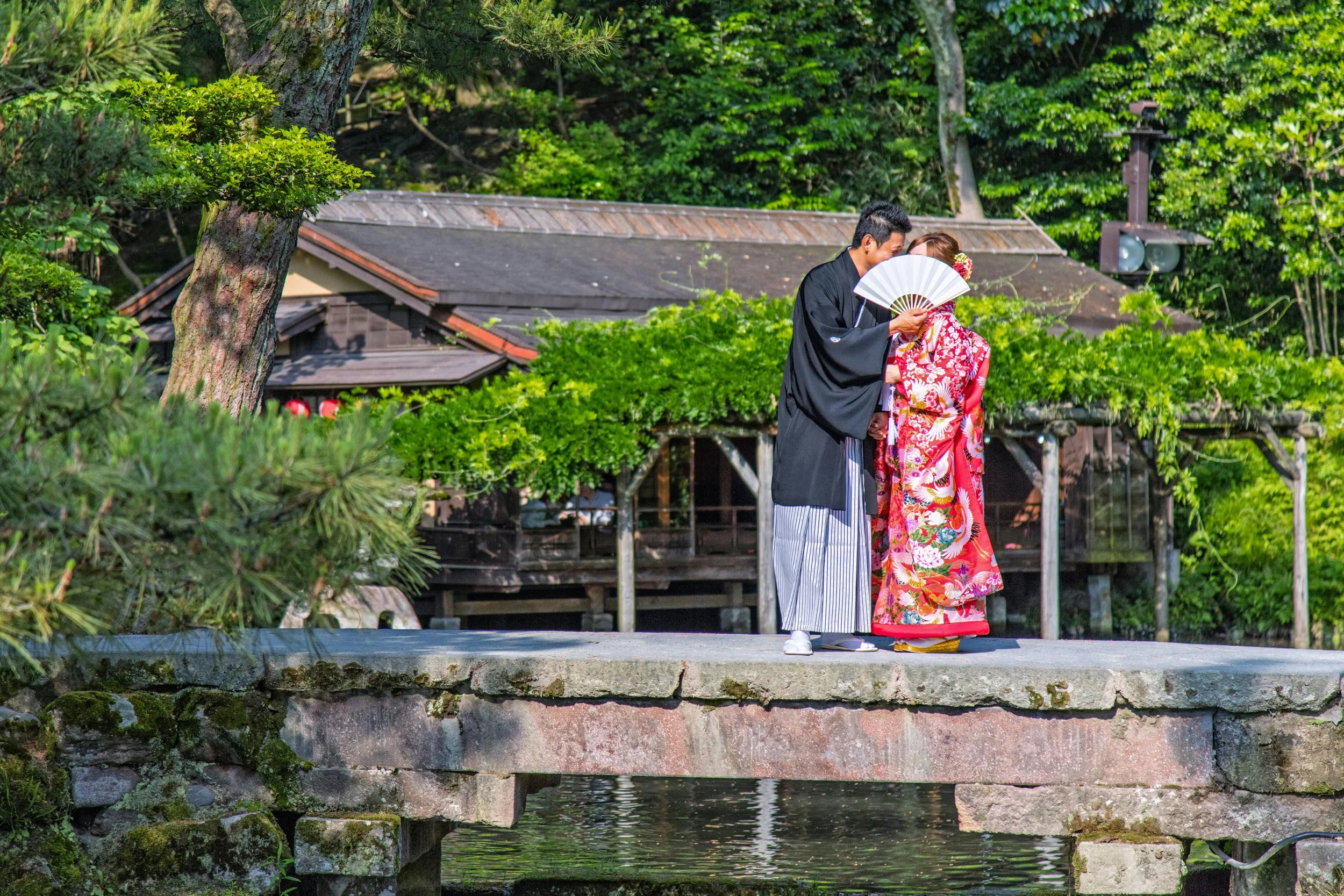
If you’ve already experienced Japan’s most famous cities and want to go deeper into a part of the country that most international travelers never reach, Hokuriku is the answer.
Photo©: pexels.com/Arnie Papp
Food lovers and culinary travelers
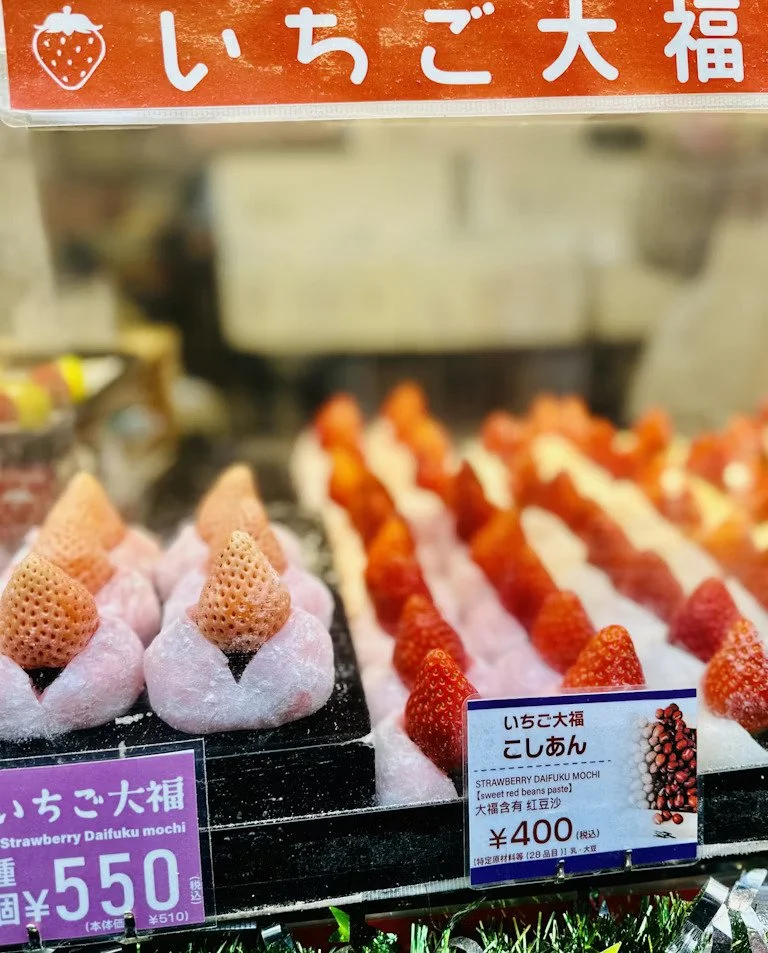
Zen temple cooking with monks, a master chef demonstrating how blade sharpness changes flavor, whiskey straight from the cask, a gin blending session, farm-to-table at a converted schoolhouse, and a farewell dinner where food becomes art. This itinerary is built for people who eat with intention.
Photo©: UnSplash/Deepavali Gaind
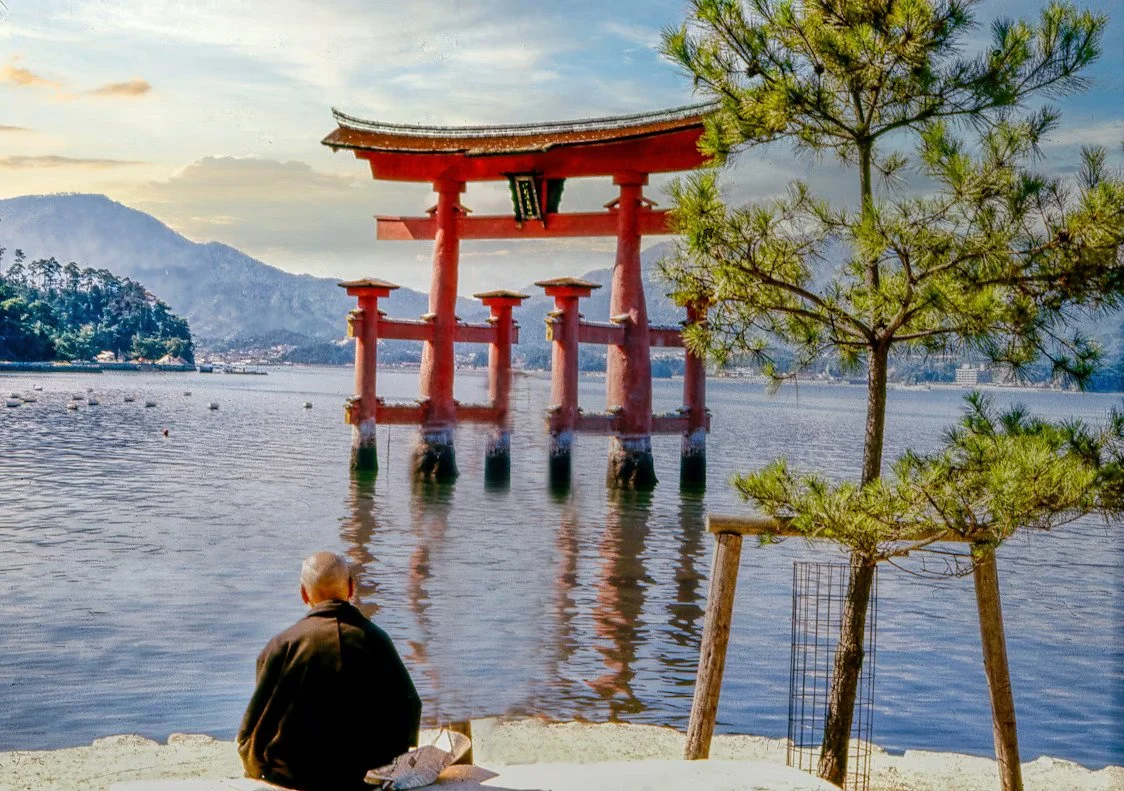
Travelers seeking wellness and stillness
The 700-year-old Zen temple, the hot spring ryokan, Kakusenkei Gorge, and the overall pace of this trip are designed for restoration. This is travel as a reset, not a checklist.
Photo©: UnSplash/Michael Hart
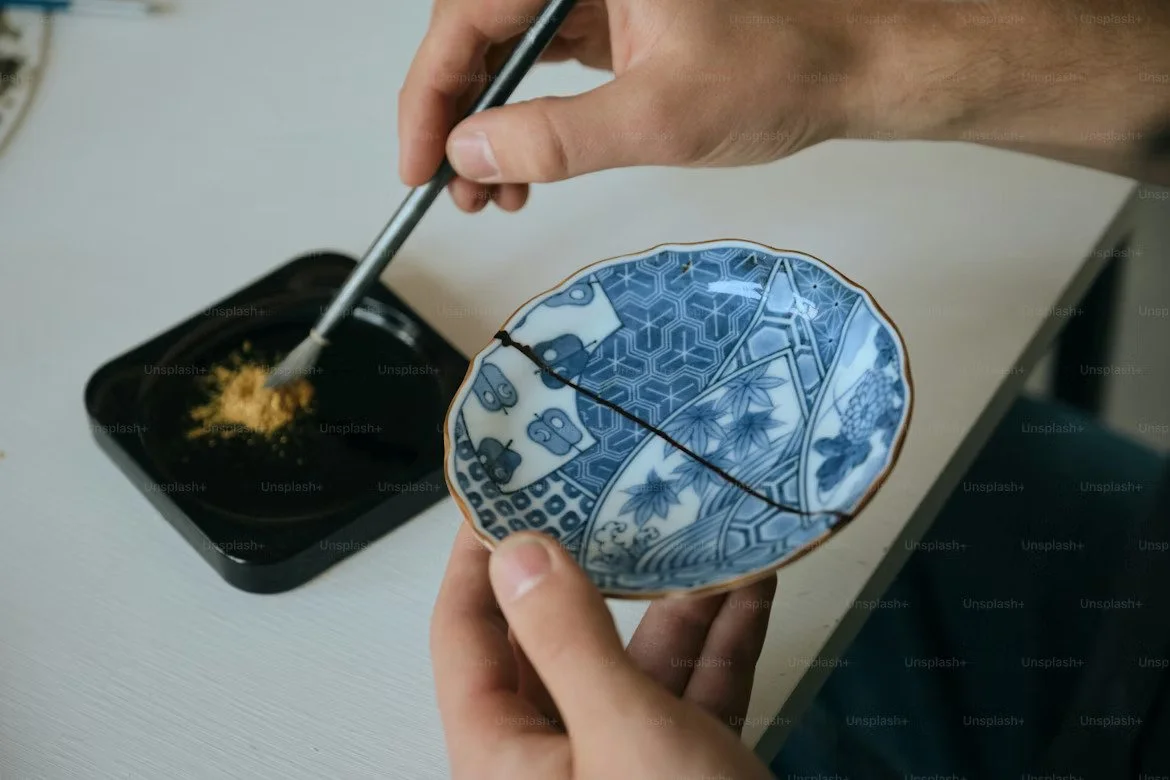
Art and craft enthusiasts
A Living National Treasure demonstrating silver-leaf porcelain. Master blacksmiths forging world-class cutlery. Washi paper artisans using 1,500-year-old techniques. Samurai swords and traditional dress. Hokuriku is Japan’s craft heartland.
Photo©: UnSplash/Andrej Lišakov
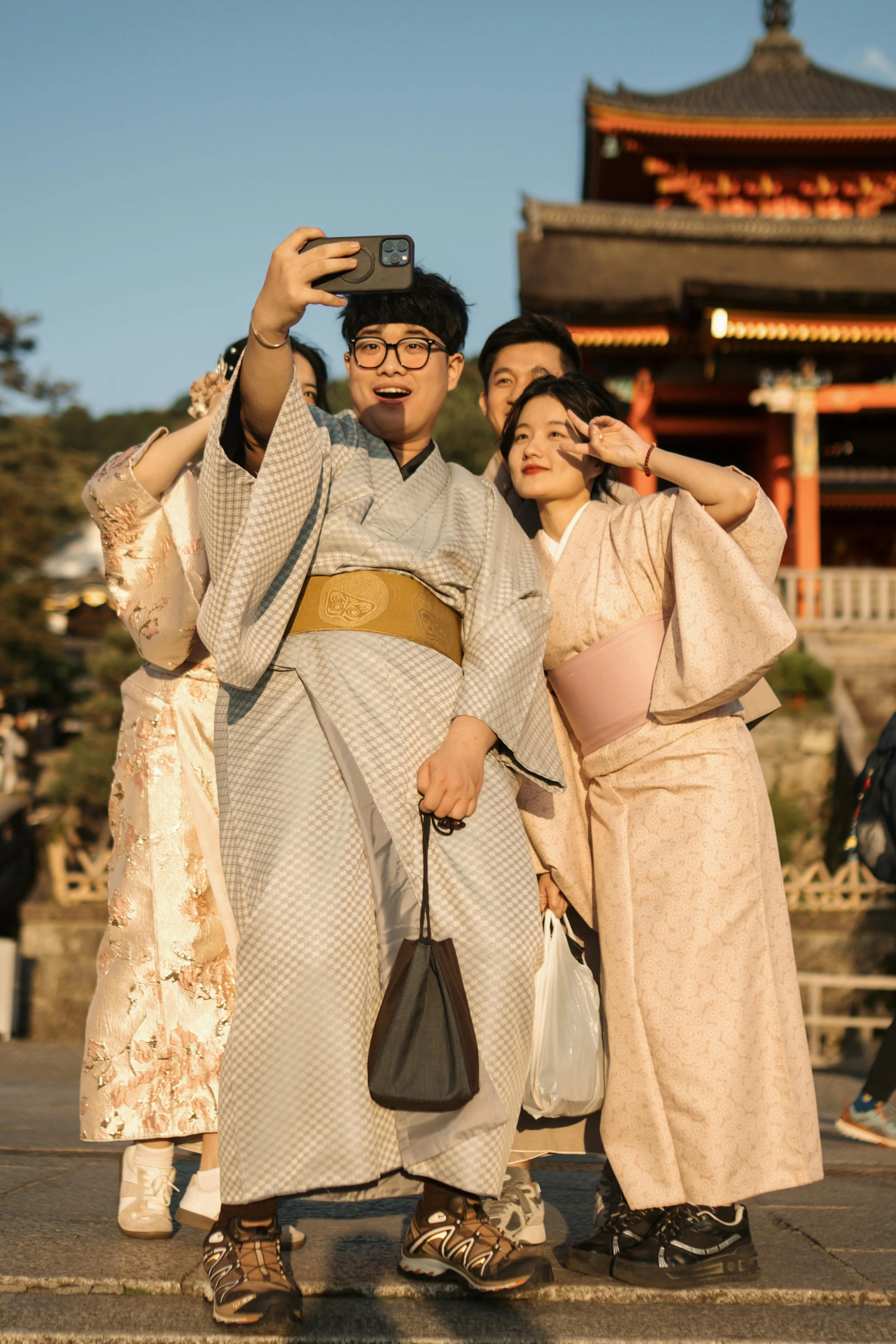
Small groups and milestone celebrations
The intimacy of this itinerary, five days, four cities, private access, makes it ideal for a small group of friends, a significant birthday, or an anniversary trip that’s genuinely unlike anything you’ve done before.
Photo©: pexels.com/Faruk Tokluoğlu
Why this trip needs a travel advisor
Hokuriku isn’t a destination you can plan from a guidebook. The private access to the Kokuryu sake cellar. The audience with a Living National Treasure. The geisha dinner in your ryokan. The hand-fill room at the distillery. These aren’t bookable online. They come from relationships that our Asia specialist Jennifer Day has built over nearly a decade of living and traveling across the region.
We handle every detail: bullet train tickets, ryokan selection, restaurant reservations, artisan access, and the pacing that turns five days into something that feels both full and unhurried. You arrive and fall into it.

Ready to discover Hokuriku?
If Japan’s hidden heart is calling to you, if you want the kind of trip where a monk teaches you to cook, a distiller lets you fill your own bottle, and a geisha performs in your private dining room, let’s have the conversation.
Jennifer Day will design every detail for you.
FAQ
-
Hokuriku is a region on Japan’s Sea of Japan coast, between the Japanese Alps and the ocean. It includes Fukui, Kanazawa, Kaga Onsen, and Toyama. Kanazawa is the cultural anchor, often called “little Kyoto,” and the entire region is connected by bullet train. It’s 2-3 hours from Tokyo or Osaka.
-
It can be, but most travelers pair it with Tokyo and/or Kyoto for context. Hokuriku shines brightest for those who’ve already experienced Japan’s famous cities and want to go deeper into craft, food, and wellness in a part of the country that feels genuinely undiscovered.
-
Five days is ideal for this itinerary, covering Fukui, Kanazawa, Kaga Onsen, and Toyama. You can extend by adding days in Kanazawa (the city rewards lingering) or pairing with Tokyo, Kyoto, or the Noto Peninsula.
-
Absolutely. Fukui is 3 hours from Tokyo and 2 hours from Osaka by bullet train. We can seamlessly add 2-3 days in Tokyo before the trip or continue to Kyoto afterward. We design the full Japan itinerary end to end.
-
Spring (cherry blossoms in Kanazawa’s Kenrokuen Garden), autumn (spectacular foliage), and winter (hot springs, snow-covered temples, and crab season) are all exceptional. Summer is warm and lush. Each season brings a completely different character.