
Luxury Croatia travel guide: the Dalmatian coast, islands, and Istria
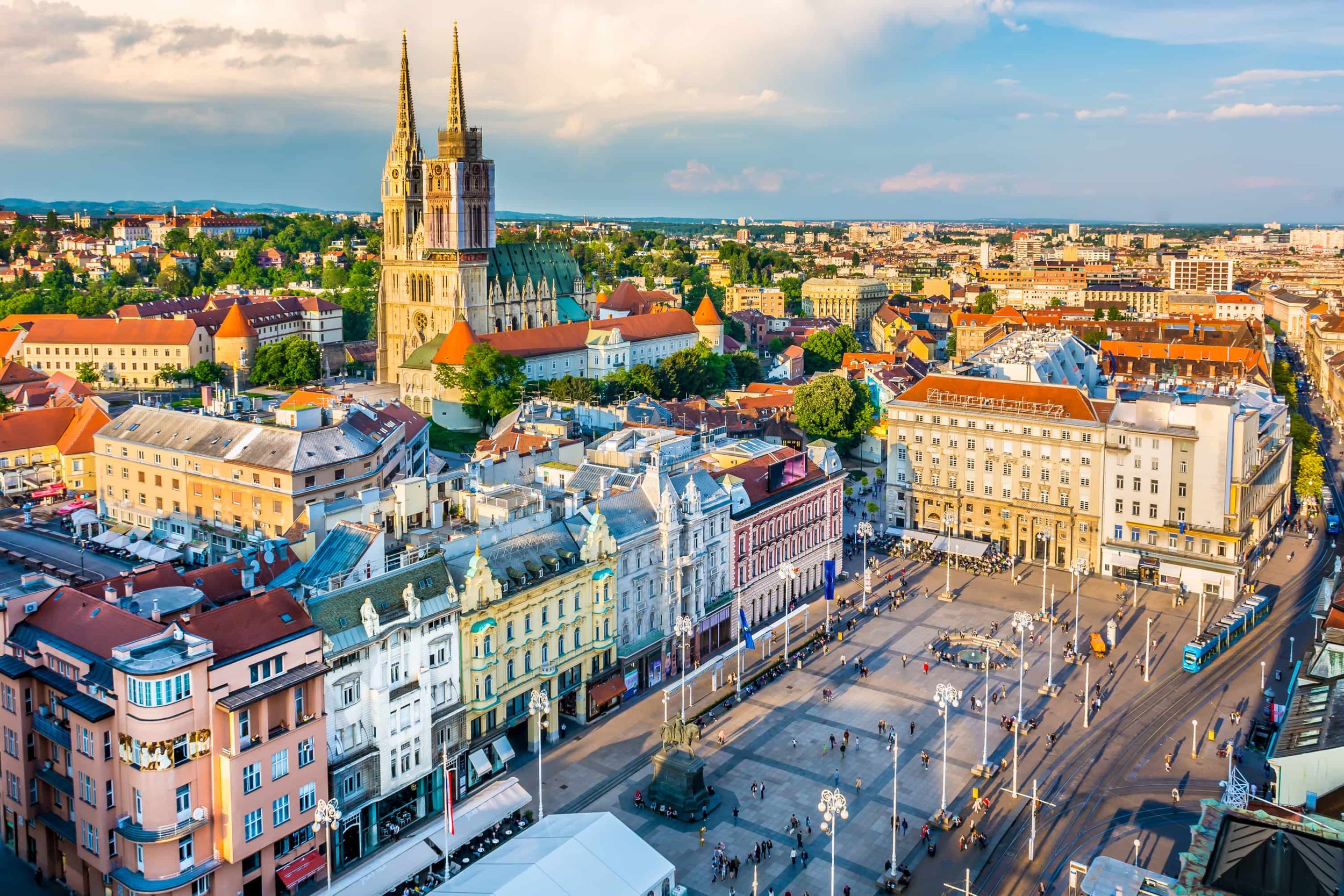
Zagreb, the capital and largest city of Croatia, resting along the Sava River at the base of Medvednica Mountain.
Photo©: Olegana Travel Boutique
The Croatia most people miss
Most people plan Croatia around Dubrovnik and stop there. I understand the impulse. Dubrovnik is stunning. But it’s also the most visited square mile in the country, and if that’s all you see, you’ll leave thinking Croatia is beautiful but crowded. You’d be wrong about the crowded part.
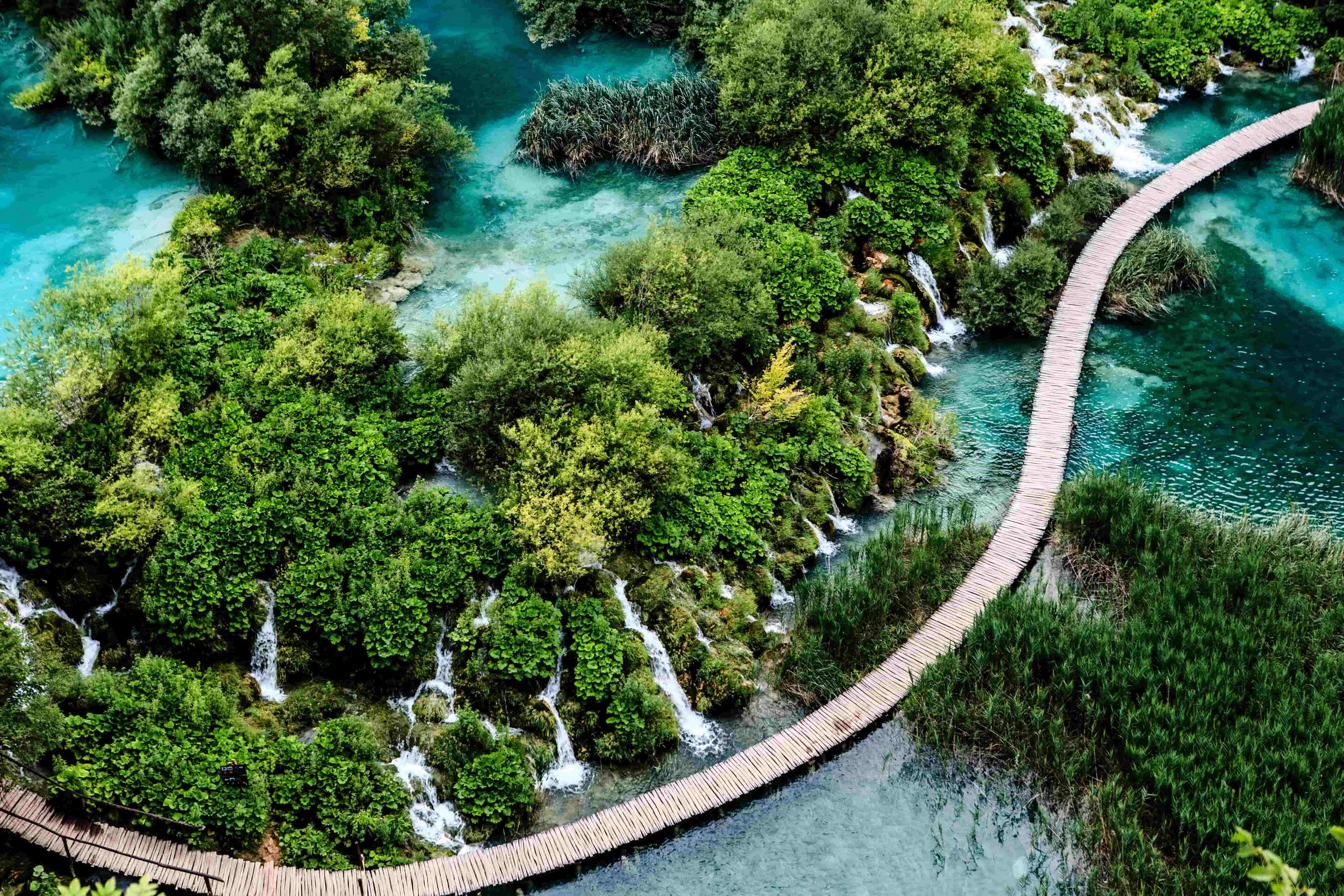
Plitviče Lakes National Park is a 295-sq.-km forest reserve in central Croatia. It's known for a chain of 16 terraced lakes, joined by waterfalls, that extend into a limestone canyon.
Photo©: Olegana Travel Boutique
I’ve been planning Croatia trips for clients who want the version of this country that doesn’t show up in a quick search: the Istrian hill towns where truffle hunters take you into the forest with their dogs, the islands where a local captain anchors your yacht in a bay with no one else in sight, the morning at Plitvice when the light comes sideways through the trees and you’ve the boardwalks to yourself. This is a country with more than 1,200 islands, a food and wine scene that rivals anything across the border in Italy, and a coastline that, when experienced properly, feels the way the Mediterranean felt 30 years ago. Here’s what Croatia actually offers when you go beyond the obvious.
The three Croatias: coast, islands, and Istria
The Dalmatian coast: Dubrovnik, Split, and the coastline between
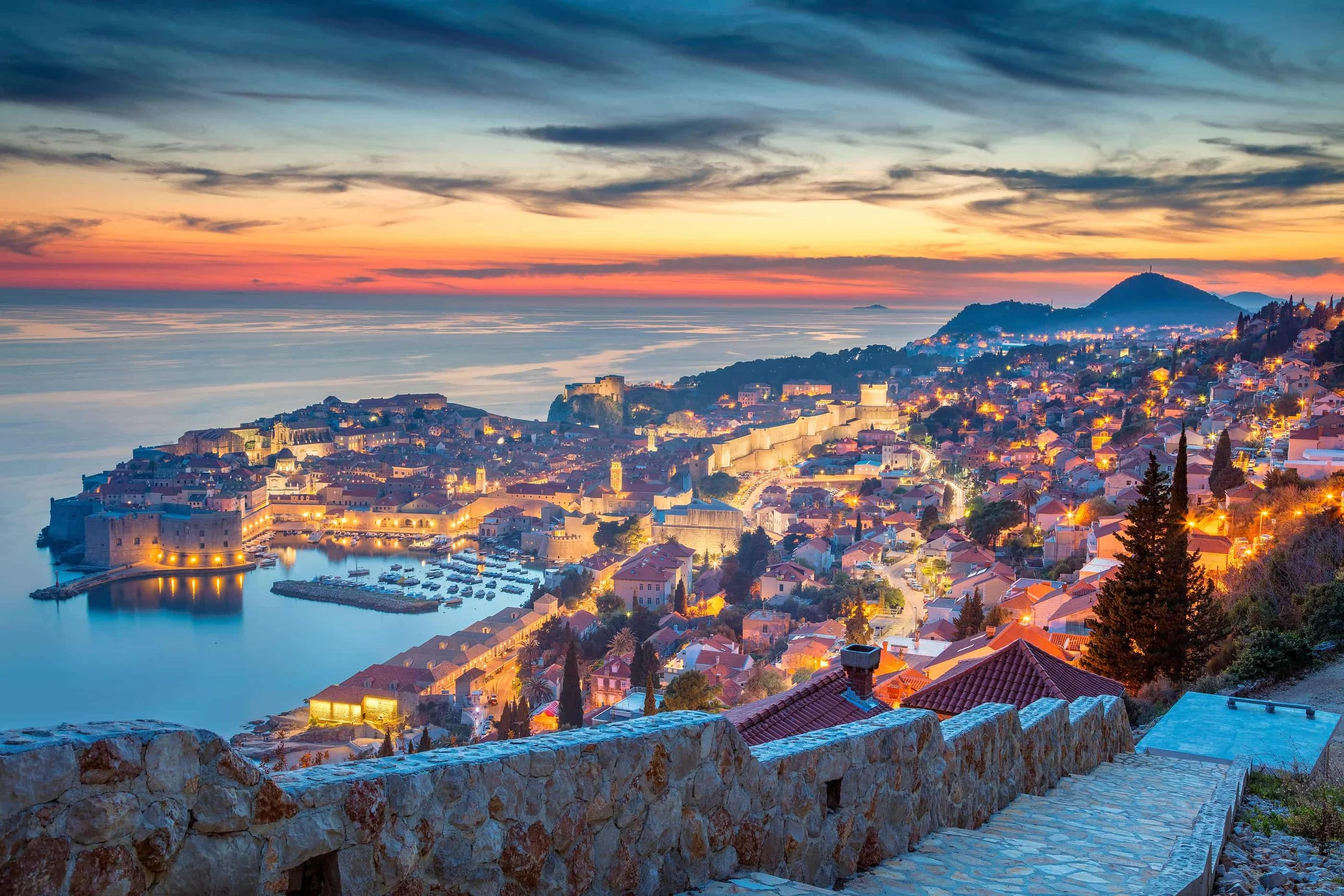
Dubrovnik city view at night.
Photo©: Olegana Travel Boutique
The Dalmatian coast is Croatia’s showpiece, and for good reason. But there’s a difference between visiting Dubrovnik and experiencing the whole coast. Most travelers land in Dubrovnik, walk the walls, take a Game of Thrones tour, and fly home. That’s fine, but it barely scratches the surface.
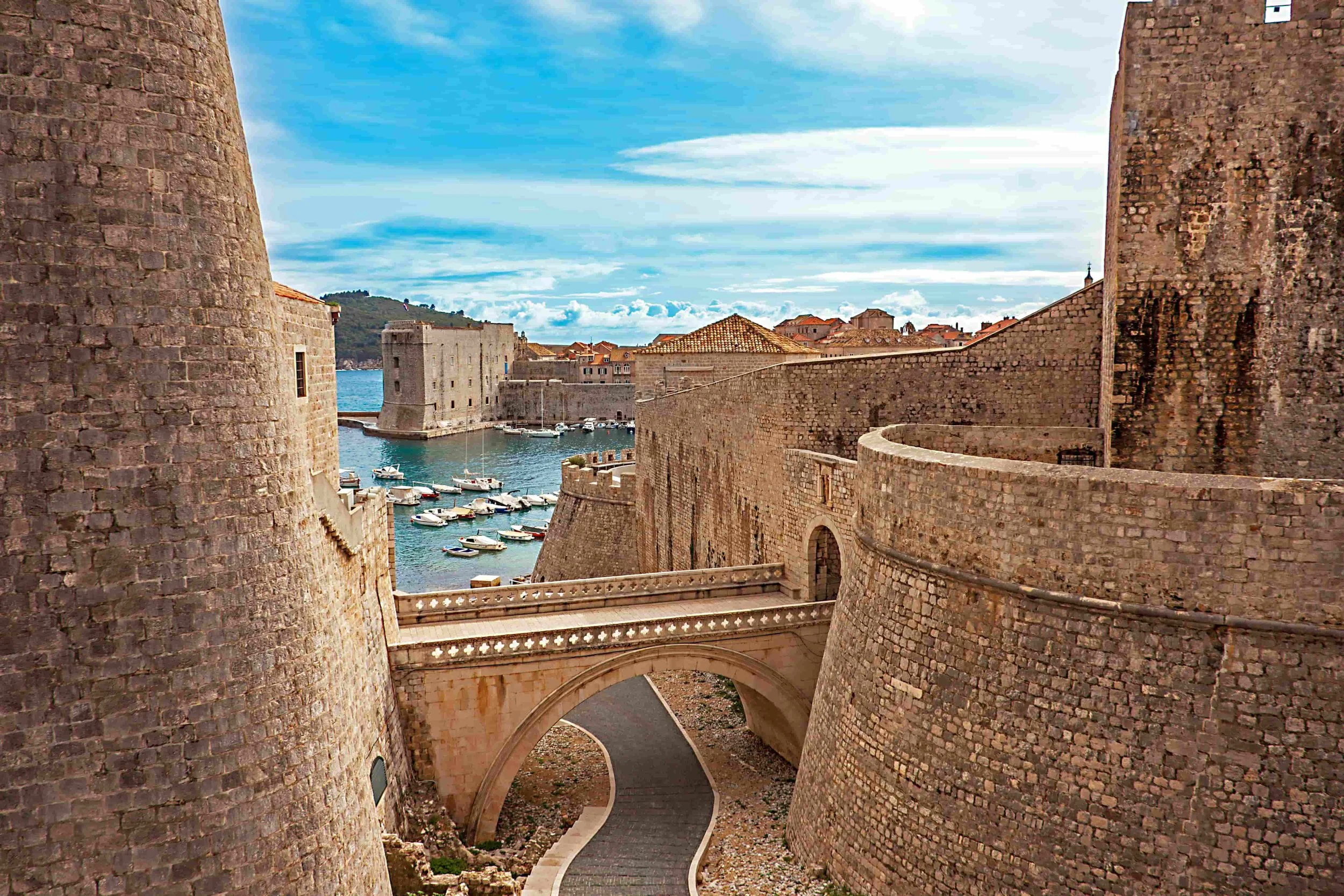
Dubrovnik, the famous for its UNESCO-listed Old Town, fortified limestone walls, and turquoise waters, it’s a must-visit Mediterranean destination that draws history buffs and Game of Thrones fans alike.
Photo©: Olegana Travel Boutique
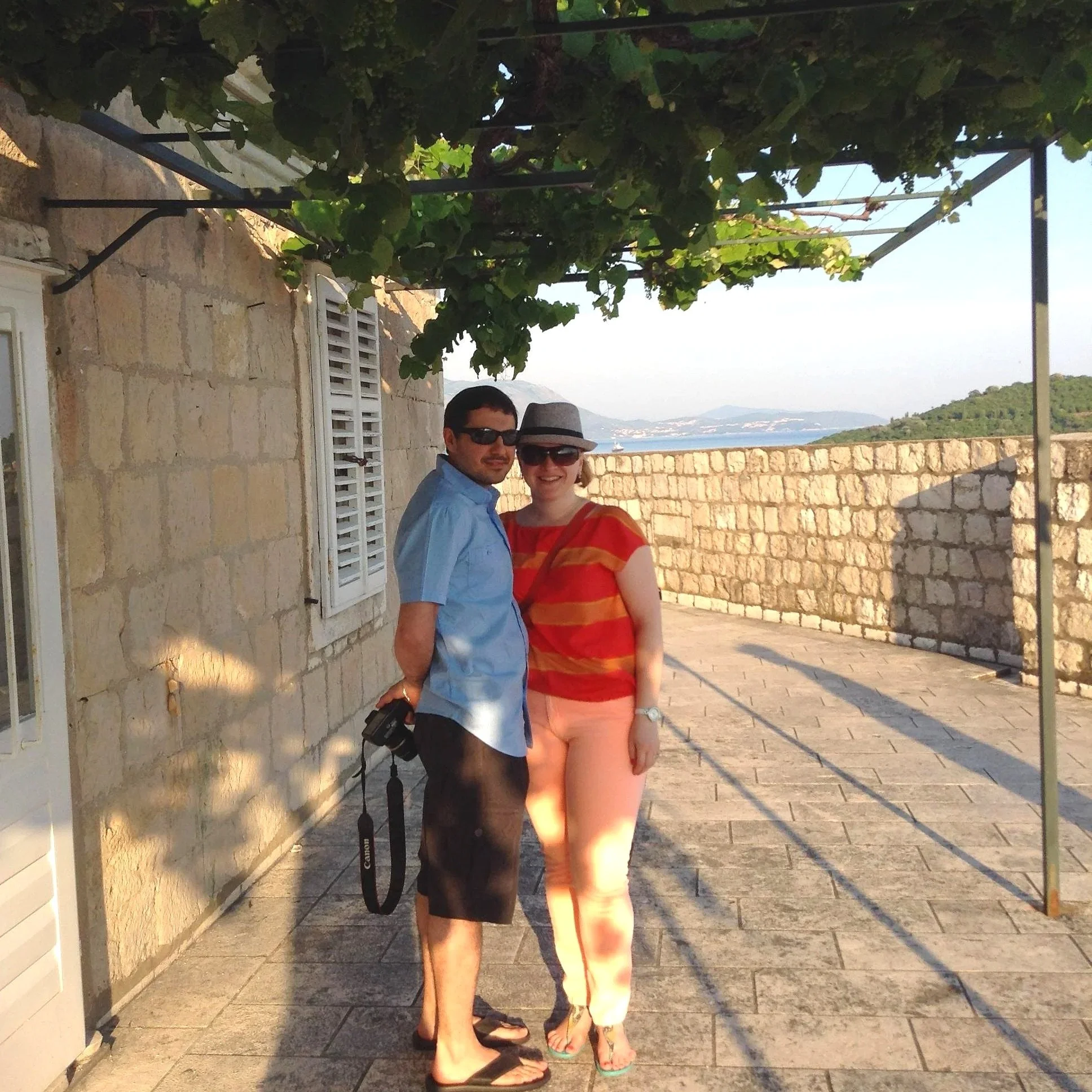
Dubrovnik’s old town is extraordinary, and the real magic is in the details most visitors miss: a private morning walk along the walls before the cruise crowds arrive, dinner at a restaurant tucked into the city walls where the chef sources everything from the morning market, a boat to the Elaphiti Islands for an afternoon that feels centuries removed from the main street.
Photo©: Olegana Travel Boutique
Split is the other anchor, and in many ways it’s more interesting for the kind of traveler I work with. Diocletian’s Palace isn’t a museum you walk through. It’s a living neighborhood: people live in it, restaurants operate inside Roman walls, and the energy is completely different from Dubrovnik’s polished tourism. I always tell clients to give Split at least two nights. One is never enough. Between the two cities, the coastline is dotted with small towns most visitors drive past on the highway: Trogir, Ston, the Makarska Riviera. These are the places where a private guide and a good plan make all the difference, because they reward the travelers who know to stop.
The islands: Hvar, Vis, Korcula, and the ones you have not heard of
Photo©: Balkan and more
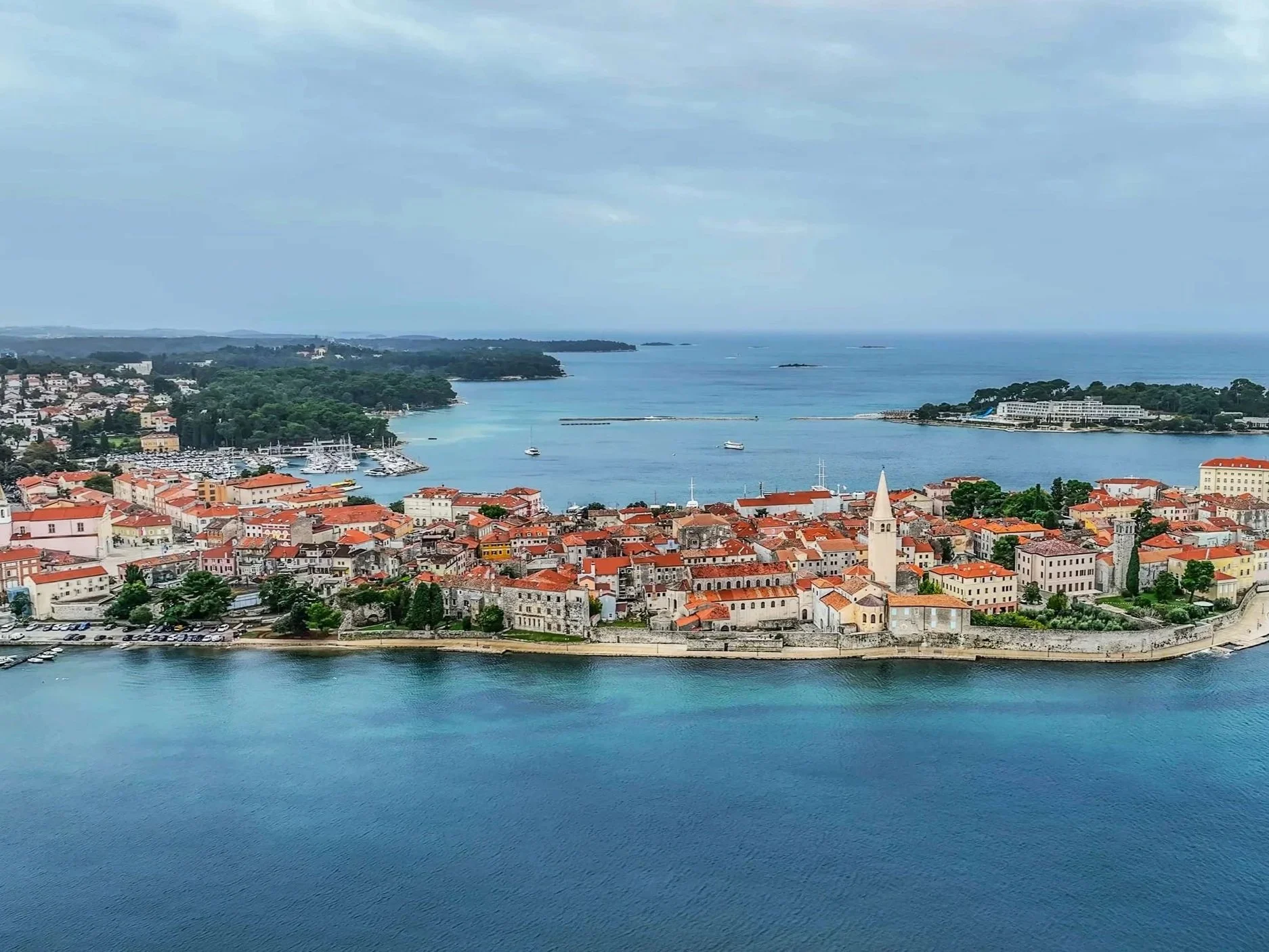
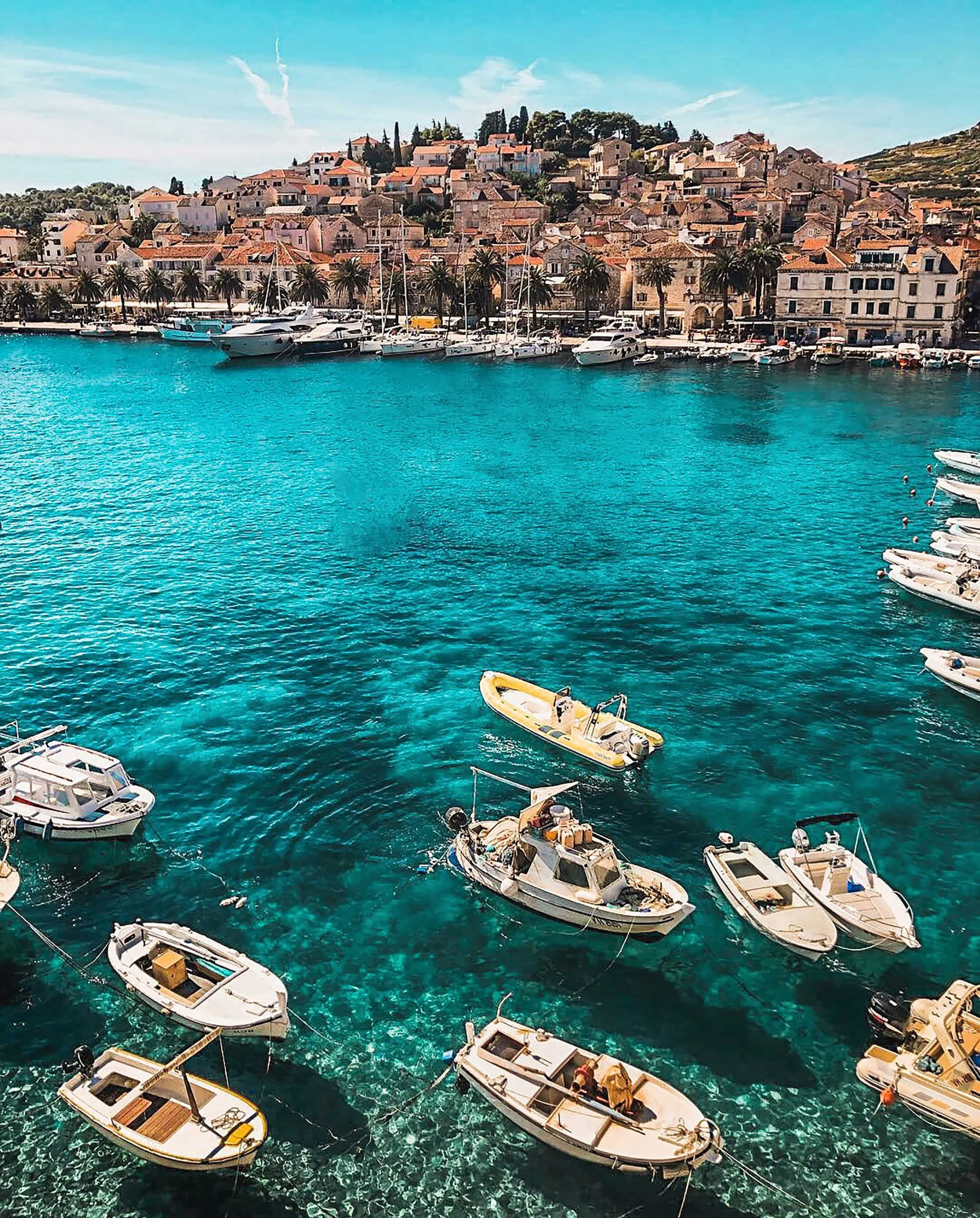
Croatia has more than 1,200 islands, and fewer than 50 are inhabited. That ratio tells you everything about what’s possible here. Island hopping by private yacht is the single best way to experience this country, and it’s more accessible than most travelers assume.
Hvar gets the most attention, and parts of it deserve it: the lavender fields, the hilltop fortress, the harbor restaurants that come alive at sunset. But Hvar also has a party reputation that doesn’t match what my clients are looking for, so the key is knowing which side of the island to stay on, which beaches are reachable only by boat, and where to eat dinner that’s not on the main promenade. Vis is my favorite island to recommend. It was a military base, closed to foreign visitors until the 1990s, which is why it still feels untouched in a way that’s almost impossible to find in the Mediterranean now. The restaurants serve fish caught hours ago, the vineyards produce wines you can’t buy anywhere else, and the Blue Cave on the nearby islet of Bisevo lives up to the photos. Korcula claims Marco Polo as a native son, and whether or not you believe it, the old town is one of the most beautiful in the Adriatic, smaller and quieter than Dubrovnik, with walled streets laid out in a herringbone pattern to catch the wind.
Photo©: pexels.com/Vincent Rivaud
One honest note about sailing here: most crewed charters run Saturday to Saturday from a home port like Split, and the boat has to be back by Saturday morning for the next guests. That single fact shapes a good route, and it’s the kind of logistics I sort out before anything is booked, so your week on the water flows instead of fighting the calendar.
Istria: Croatia’s food and wine country
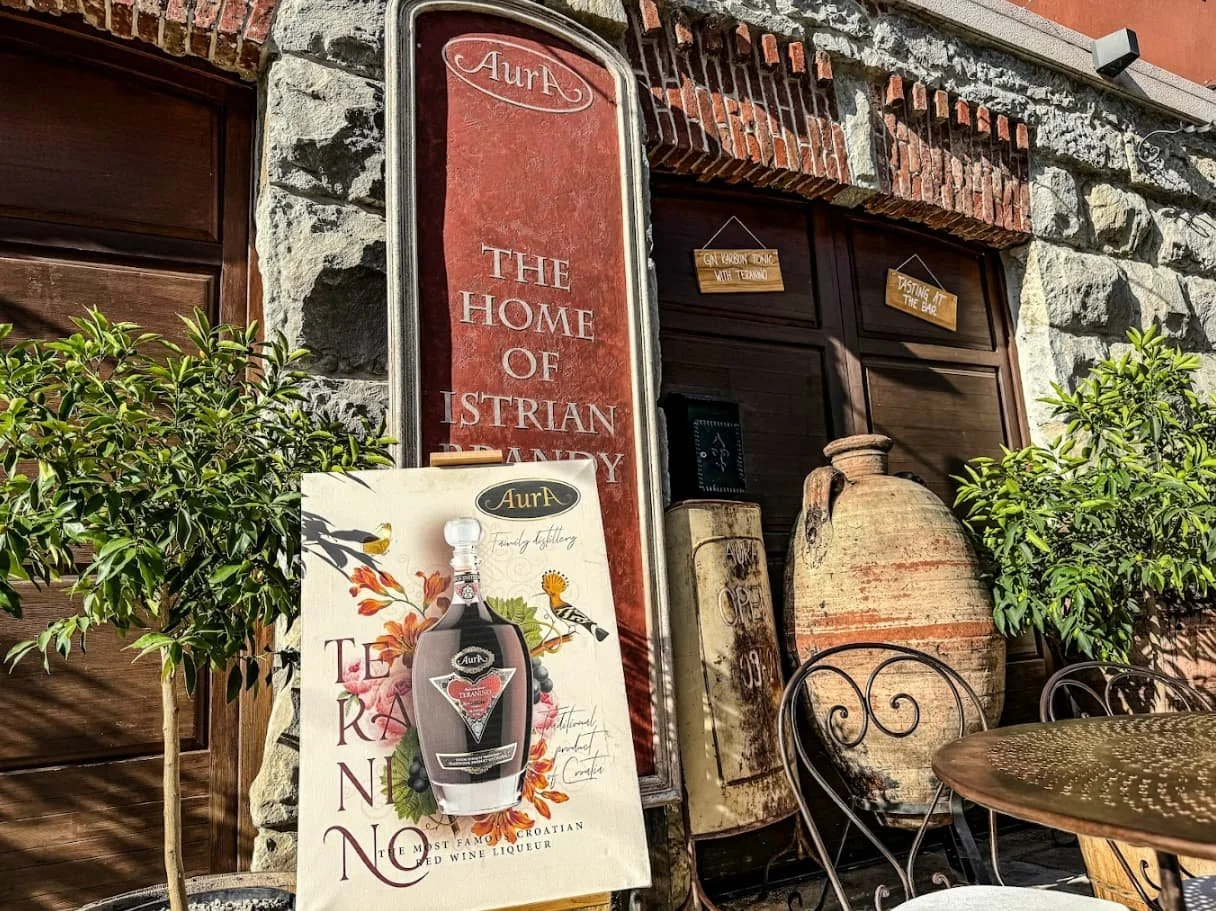
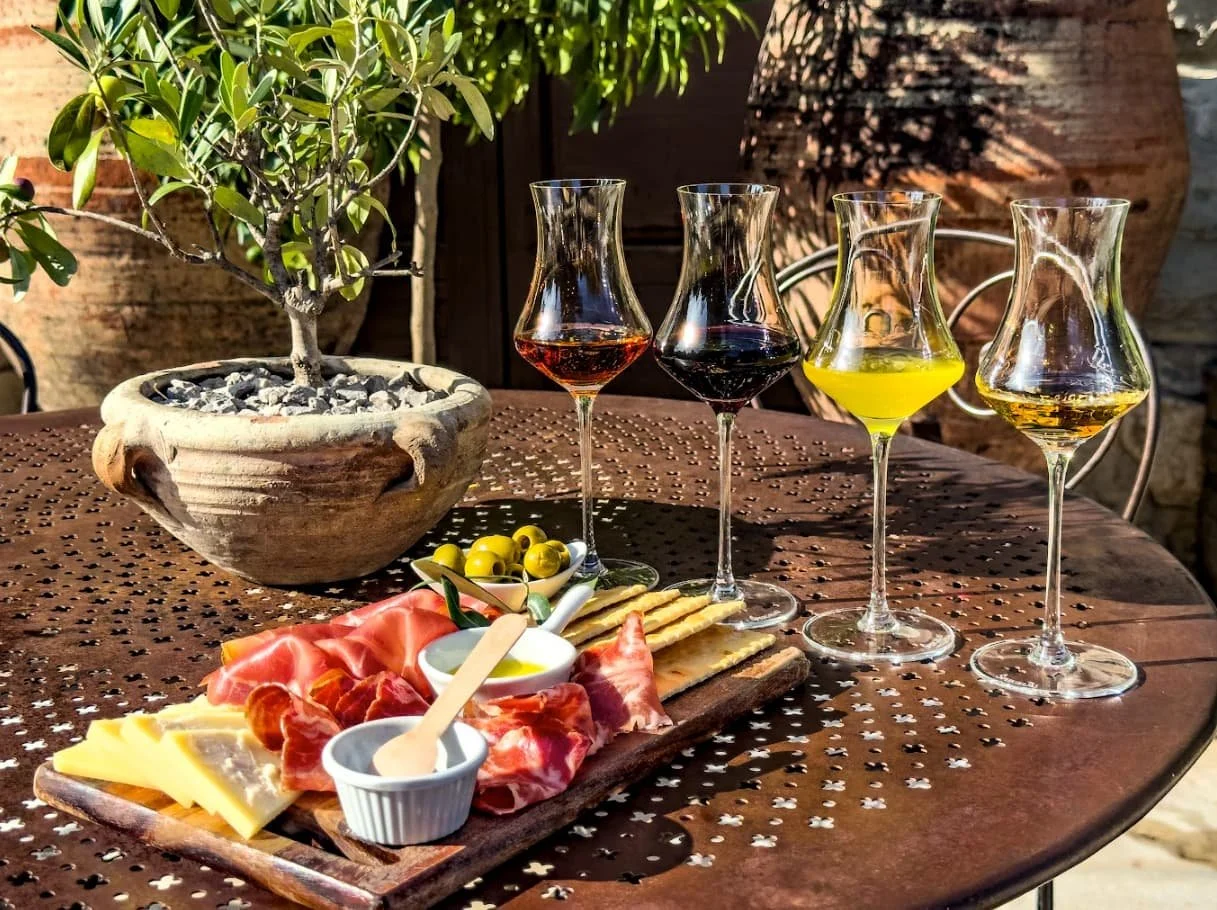
Aura Distillery (a famous maker of fruit brandies and Teranino). Both are premier producers in the Istria region of Croatia.
Photo©: Balkan and more
If the Dalmatian Coast is Croatia’s postcard, Istria is its quiet masterpiece. This northwestern peninsula shares more DNA with Tuscany than with the rest of Croatia: rolling hills, medieval hill towns, world-class olive oil, and a truffle tradition that rivals Piedmont.
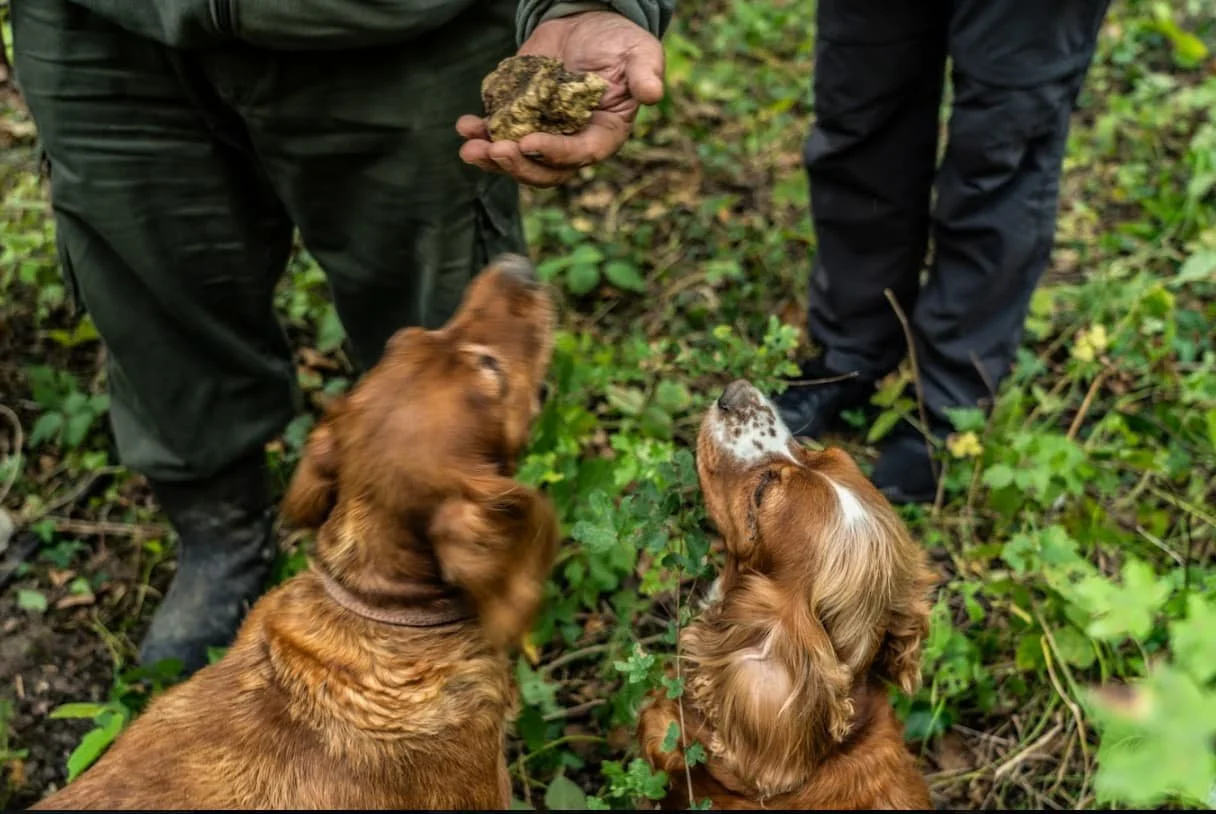
White truffle hunting in Croatia happens in the Motovun Forest in Istria. The rare white truffle grows deep underground. Hunters use trained dogs (like the Lagotto Romagnolo breed) to sniff them out
Photo©: Balkan and more
The truffles here are extraordinary. White truffles from the Motovun forest are harvested in autumn, and going into the woods with a hunter and his dogs is one of those mornings that changes how you think about food.
Photo©: Balkan and more
Istria’s wine is just as compelling. Malvazija, the region’s signature white, is fresh and mineral and made for the local seafood and olive oil, and the small producers don’t export much, so this is wine you taste in the cellar and remember long after. I’ll tell you what I tell my couples: a few great tastings, done slowly, beat a dozen rushed ones, even for serious wine people. The towns themselves are the reward. Rovinj, with its pastel waterfront, is often called the most photogenic town in Croatia. Motovun, perched above the truffle forest, feels frozen in the 14th century. Each one deserves a half day at least.
Experiences worth building a trip around
These are the moments my clients come back talking about. Not the sights, but the experiences that made the trip feel personal, the kind you can’t arrange from a search bar.
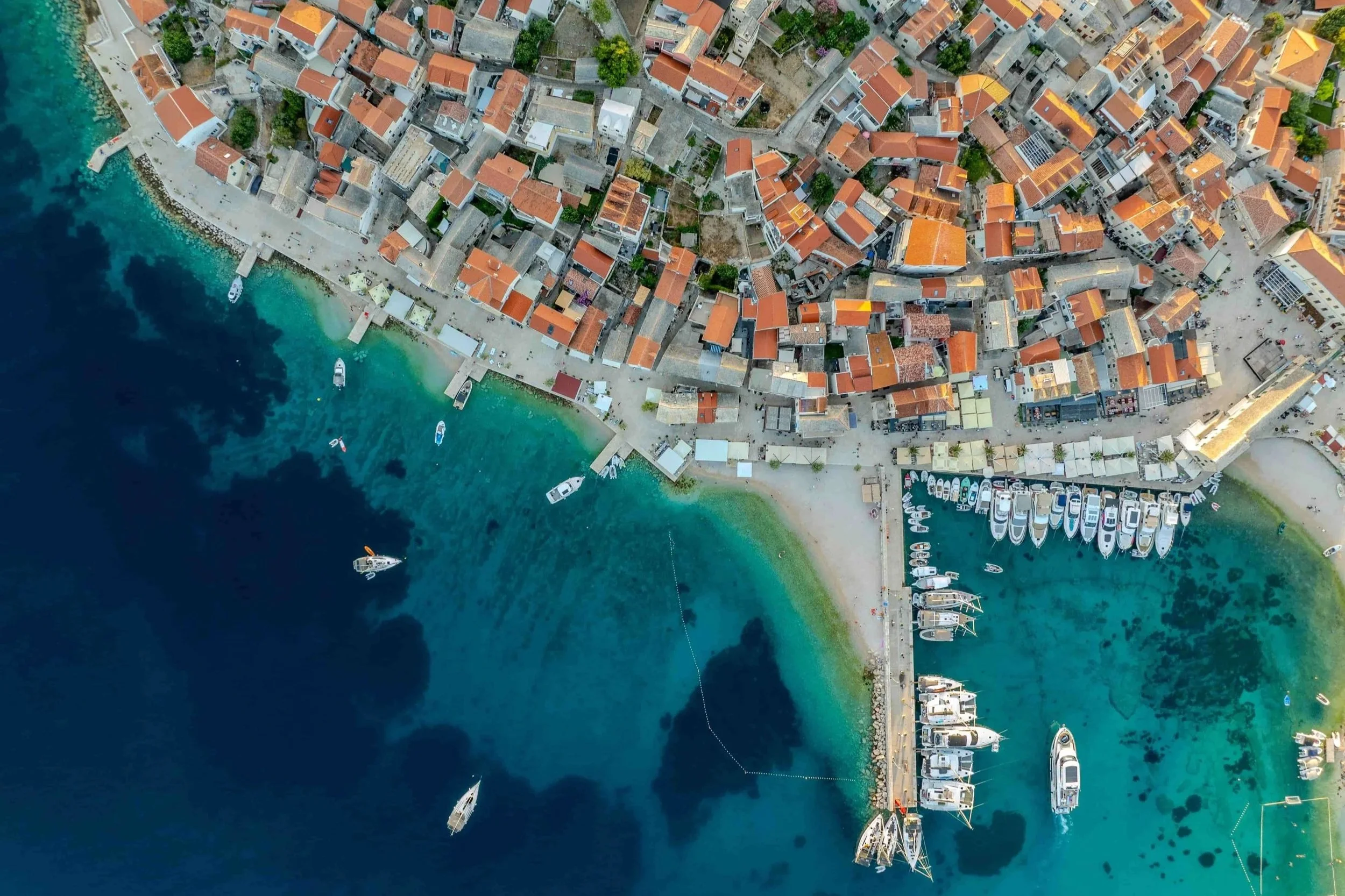
A private yacht charter along the Dalmatian Coast, with a captain who knows where to anchor for lunch in a bay you’ll have to yourselves. Routes are shaped day by day around the wind, the water, and what you feel like.
Photo©: unsplash/Vladimir Srajber
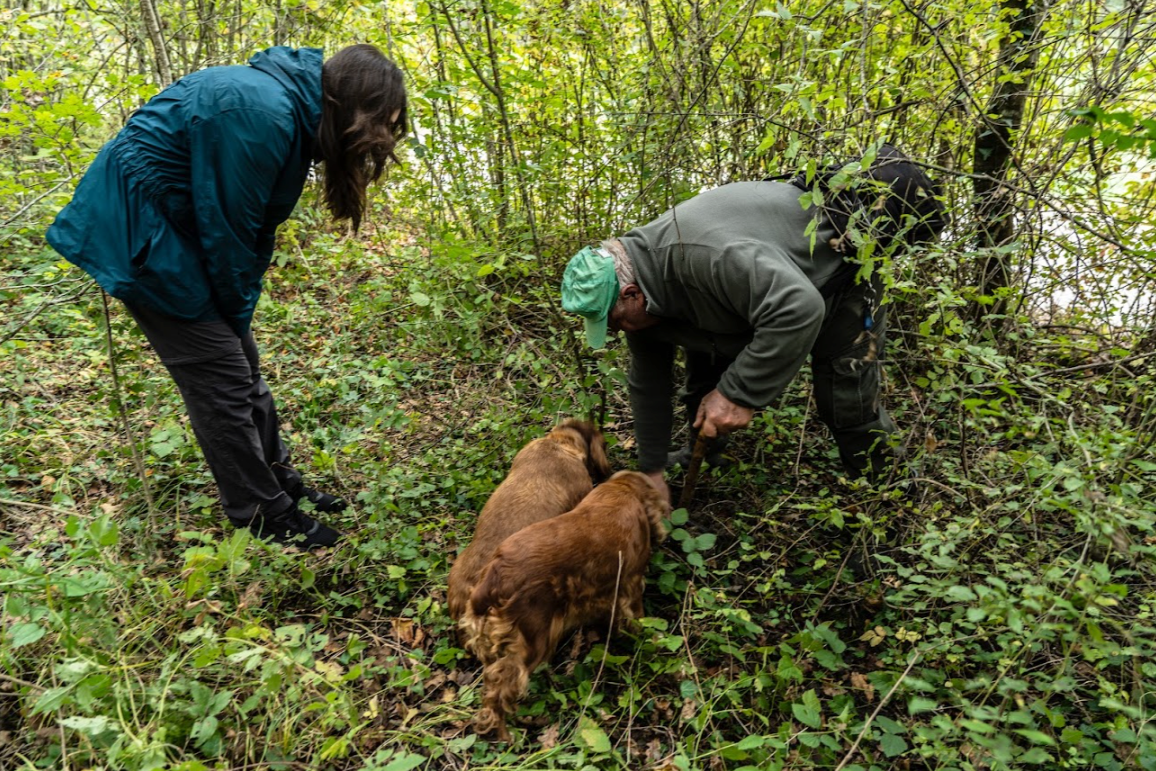
Truffle hunting in Istria’s Motovun forest, followed by a long lunch at a farmhouse table where the truffles you just found are shaved over handmade pasta. This isn’t a tourist attraction. It’s an introduction to a family who has been doing this for generations.
Photo©: Balkans and more
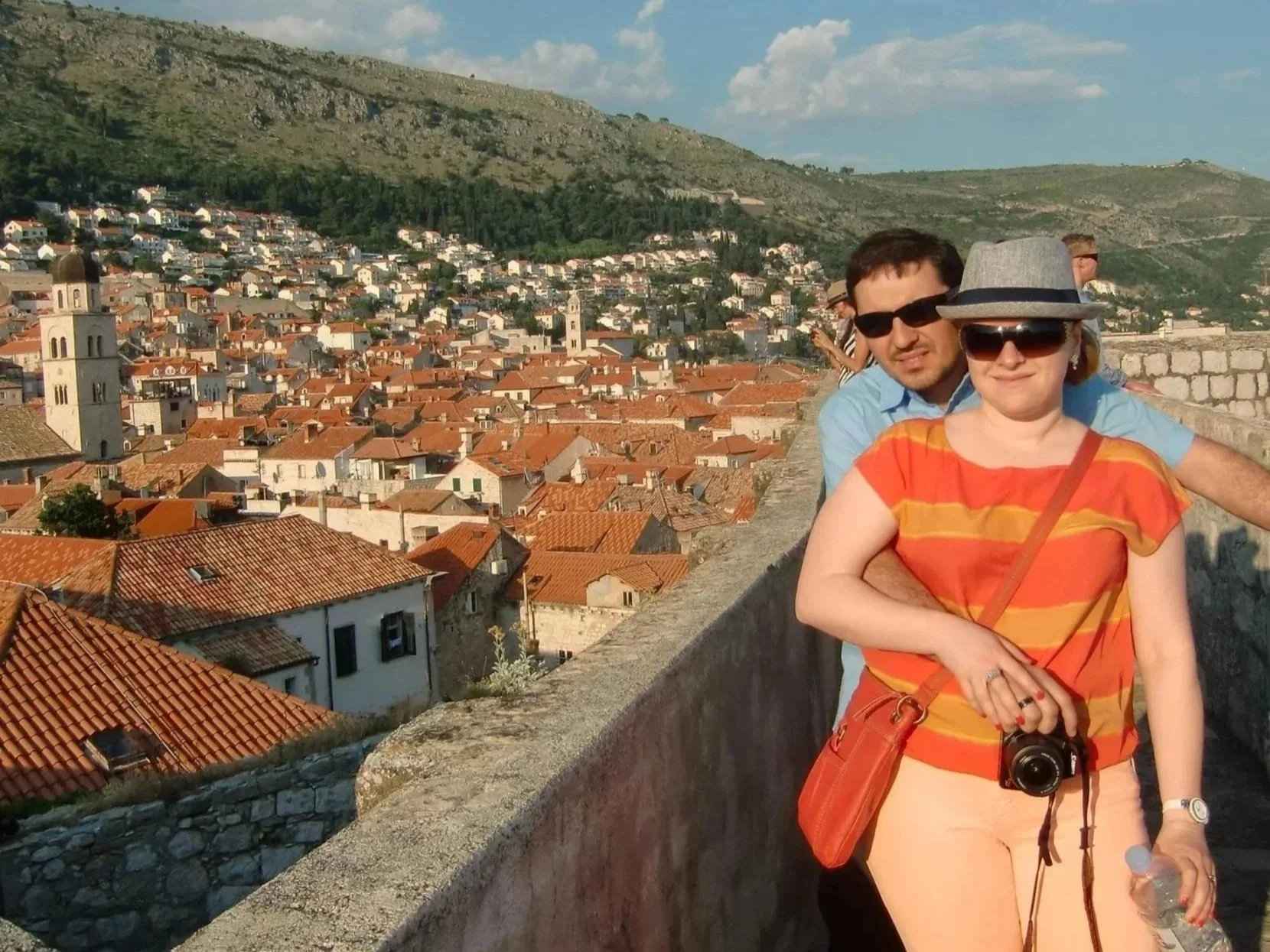
A private morning walk along Dubrovnik’s old town walls before the cruise ships dock, with a historian who knows every stone. The city at that hour is a completely different place from the daytime version.
Photo©: Photo©: Olegana Travel Boutique
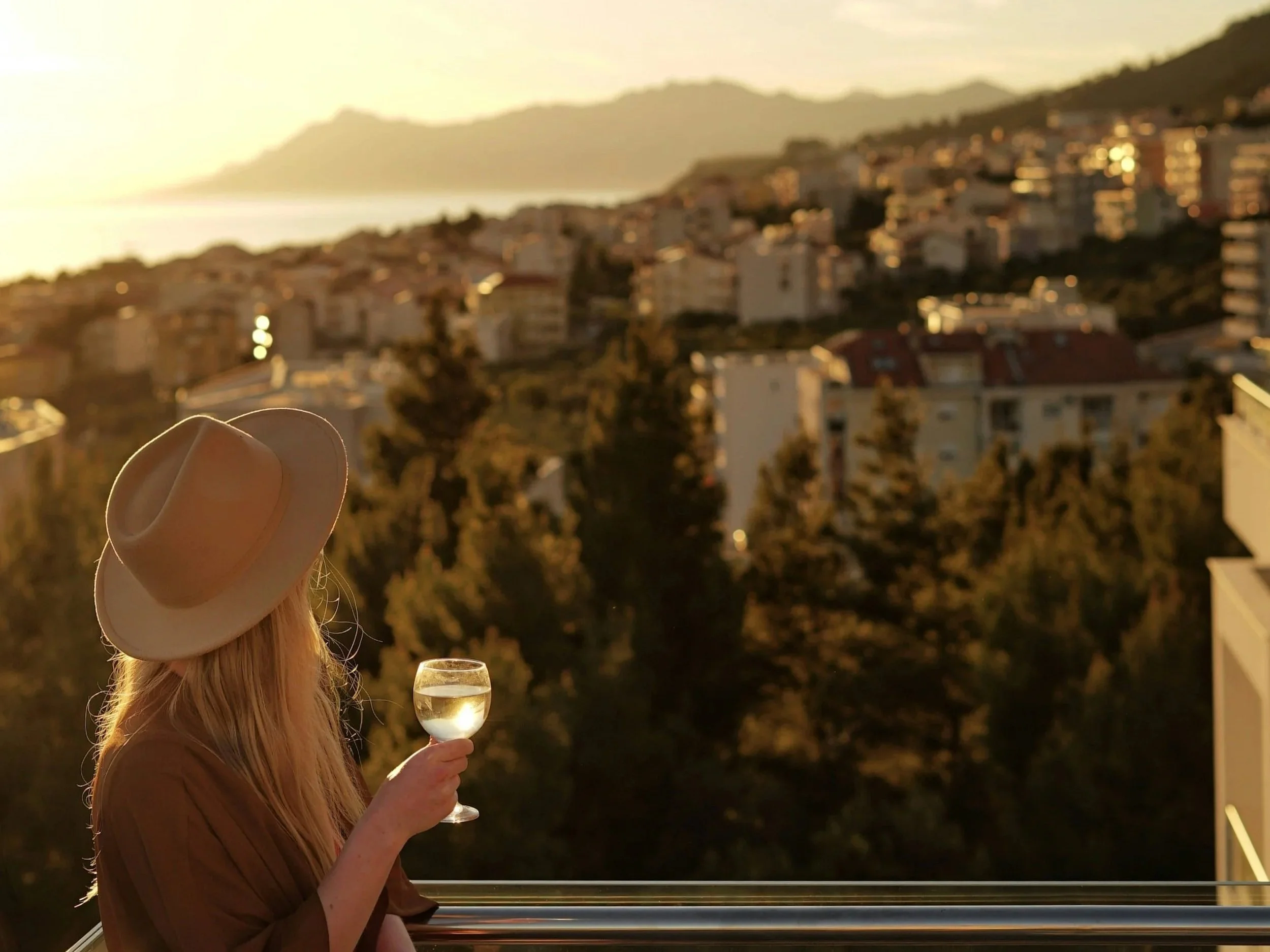
Wine tasting at small producers on the Peljesac Peninsula and on Korcula, where Grk, a white grape that grows nowhere else on earth, is poured by the people who farm it.
Photo©: unsplash/Marcelina Pawlikowska
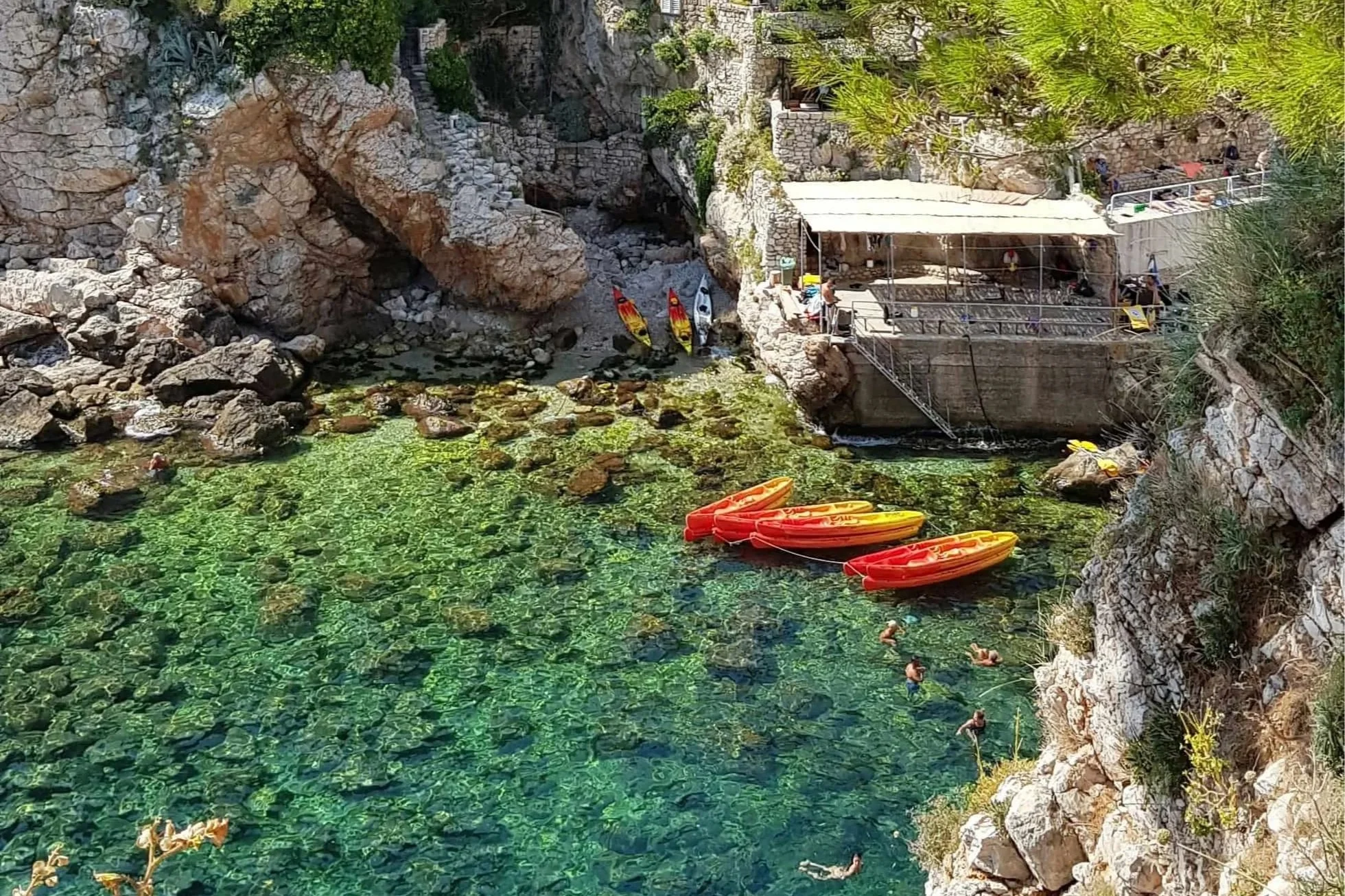
Sea kayaking through clear coves and sheltered bays near Dubrovnik or out on the islands, where the coastline reveals itself differently from the water than from the road.
Photo©: unsplash/Cat Bassano
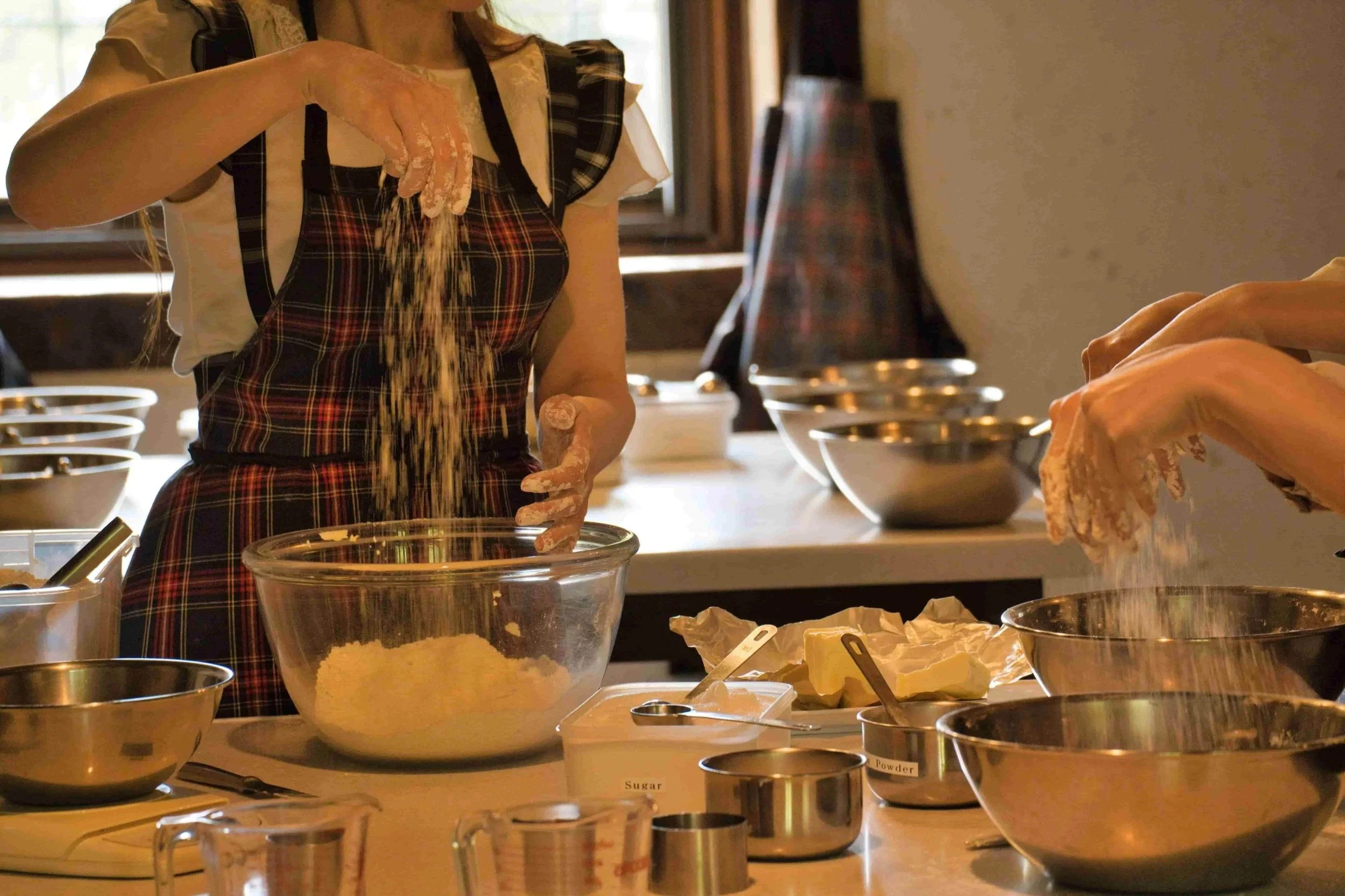
A cooking class with a local family in Dalmatia or Istria, learning dishes that don’t appear in cookbooks. For families, this is often the day the kids talk about for years.
Photo©: unsplash/Zain Abba
Thinking about Croatia?
I design custom Croatia itineraries for couples and families who want the version of this country most visitors never see. Private yachts, truffle hunts, the right islands, the right tables.
Book a call with Anna: anna@oleganatravelboutique.com
“It was mindless and so easy to navigate.”
Danielle B., Croatia, on planning with Olegana
When to go
Late spring (May and early June) brings wildflowers, mild days, the coast waking up before the summer rush, and Plitvice Lakes at full volume after the snowmelt. It’s one of my two favorite windows.
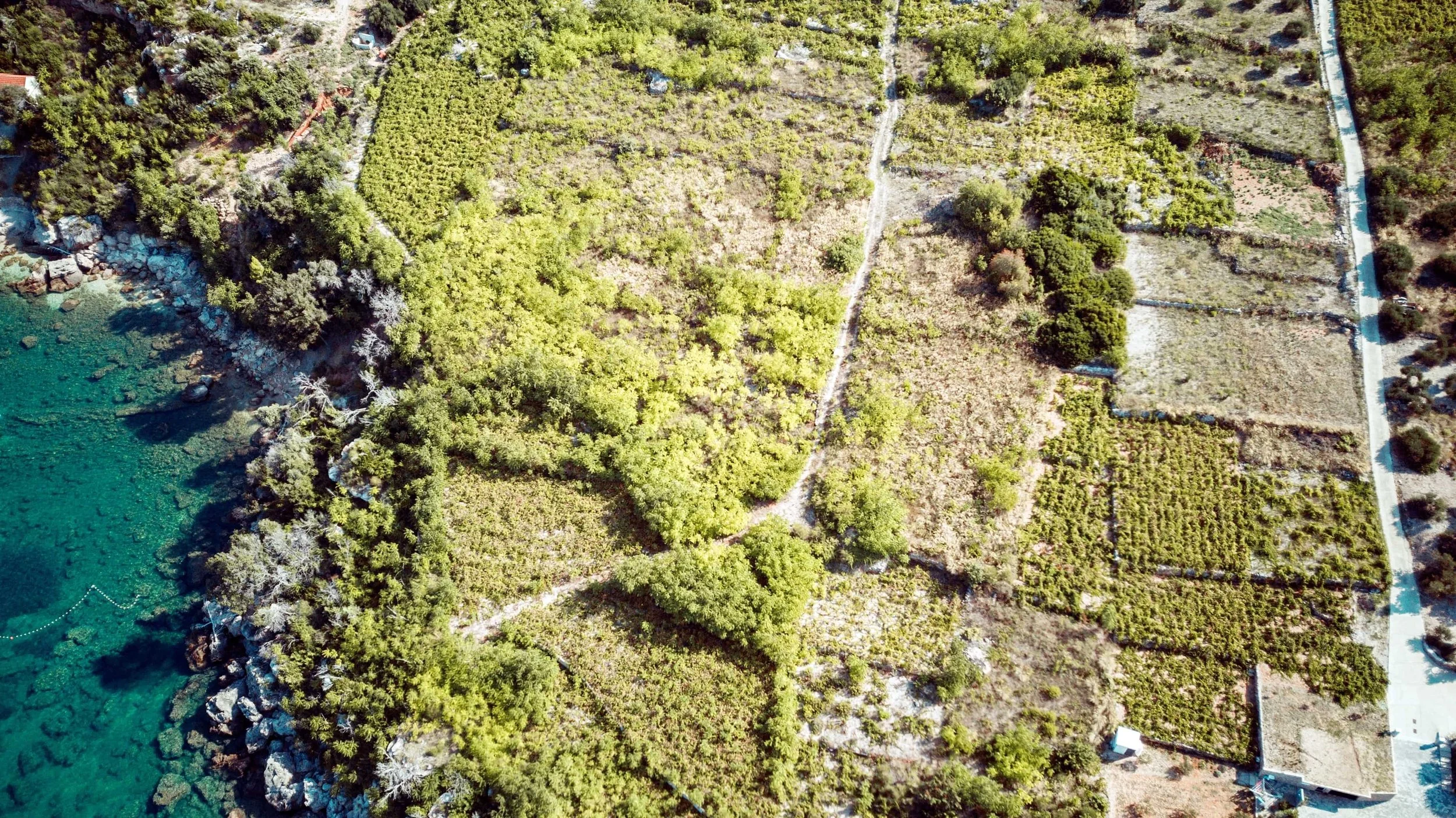
The Pelješac Peninsula is a 40-mile-long (65 km) strip of land in southern Croatia. It sits between Split and Dubrovnik. It is famous for its rugged mountains, fine red wines, and fresh oysters.
Photo©: olegana Travel Boutique
Summer (late June through August) is peak season, with warm water, long evenings, and the islands fully alive. July and August are the busiest, and the timing of each city tour matters more than ever, which is exactly what I plan around. I steer most clients toward June or September for the same weather with fewer crowds and better availability at the top properties.
Photo©: unsplash/Alexandra Smielova
Autumn (September through November) is the other favorite. September keeps the warm sea and quiet harbors; October and November bring truffle season in Istria and one of the finest food-and-wine windows in the Mediterranean, with golden light and a pace that slows down in the most wonderful way.
Winter is the time for Zagreb. Most travelers overlook Croatia’s capital entirely, but it has a rich museum scene, beautiful architecture, and one of the best Christmas markets in Europe. A completely different side of the country.
Sample itinerary: 10 days in Croatia
Every trip I build is different, but here’s a sense of what Croatia looks like when it’s planned with intention and depth.
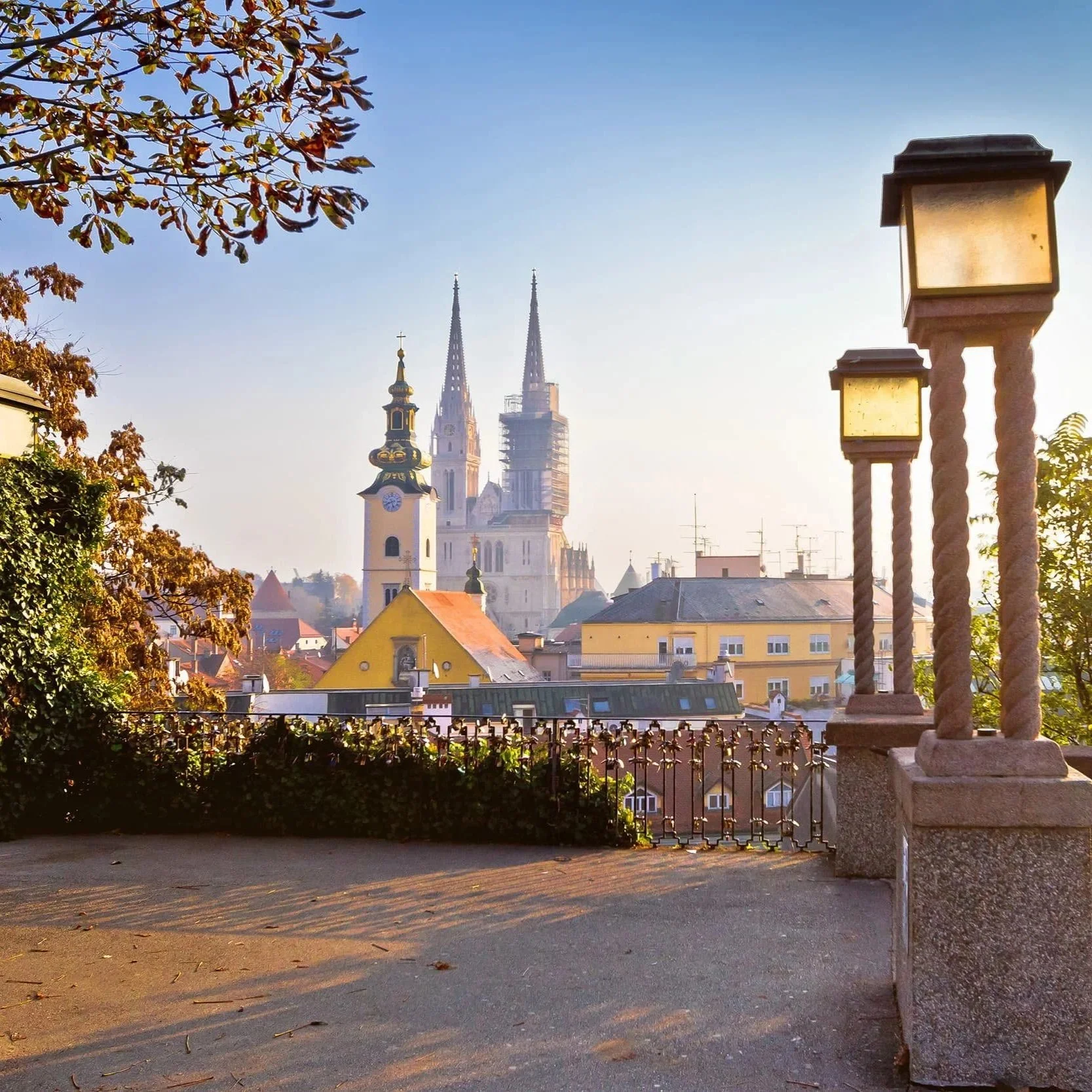
Days 1 and 2, Zagreb:
Settle into a grand historic property on a central square. A slow coffee on the main square, a walking tour of the upper town, and dinner at one of the city’s best tables to ease into Croatian time.
Photo©: Olegana Travel Boutique
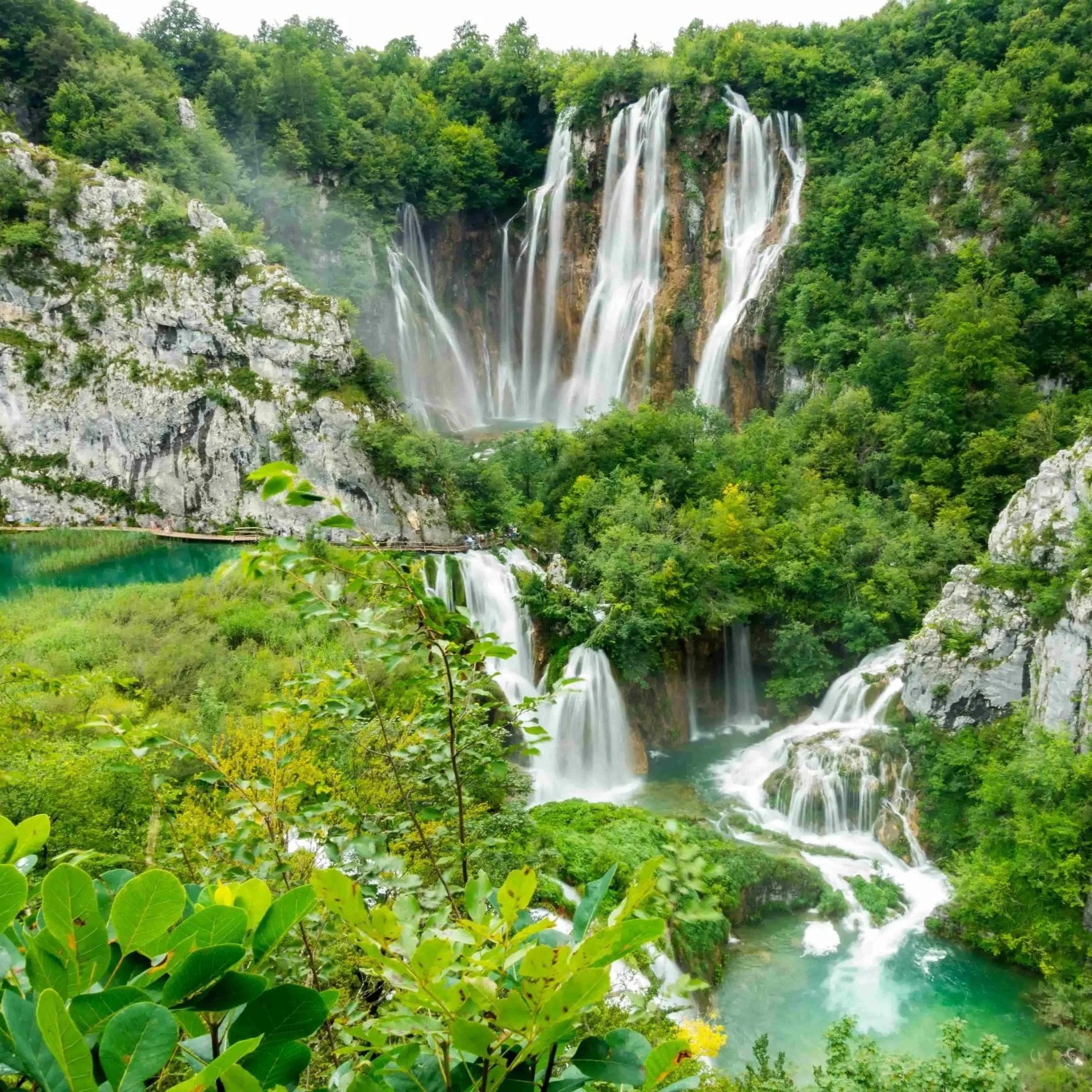
Day 3, Plitvice Lakes:
Drive south to the national park and stay the night in the forest, walking the boardwalks in the quiet late afternoon. Connecting Zagreb, Plitvice, and the coast in a single day is doable, but the overnight turns a long push into one of the loveliest nights of the trip.
Photo©: unsplash/Mike Swigunski
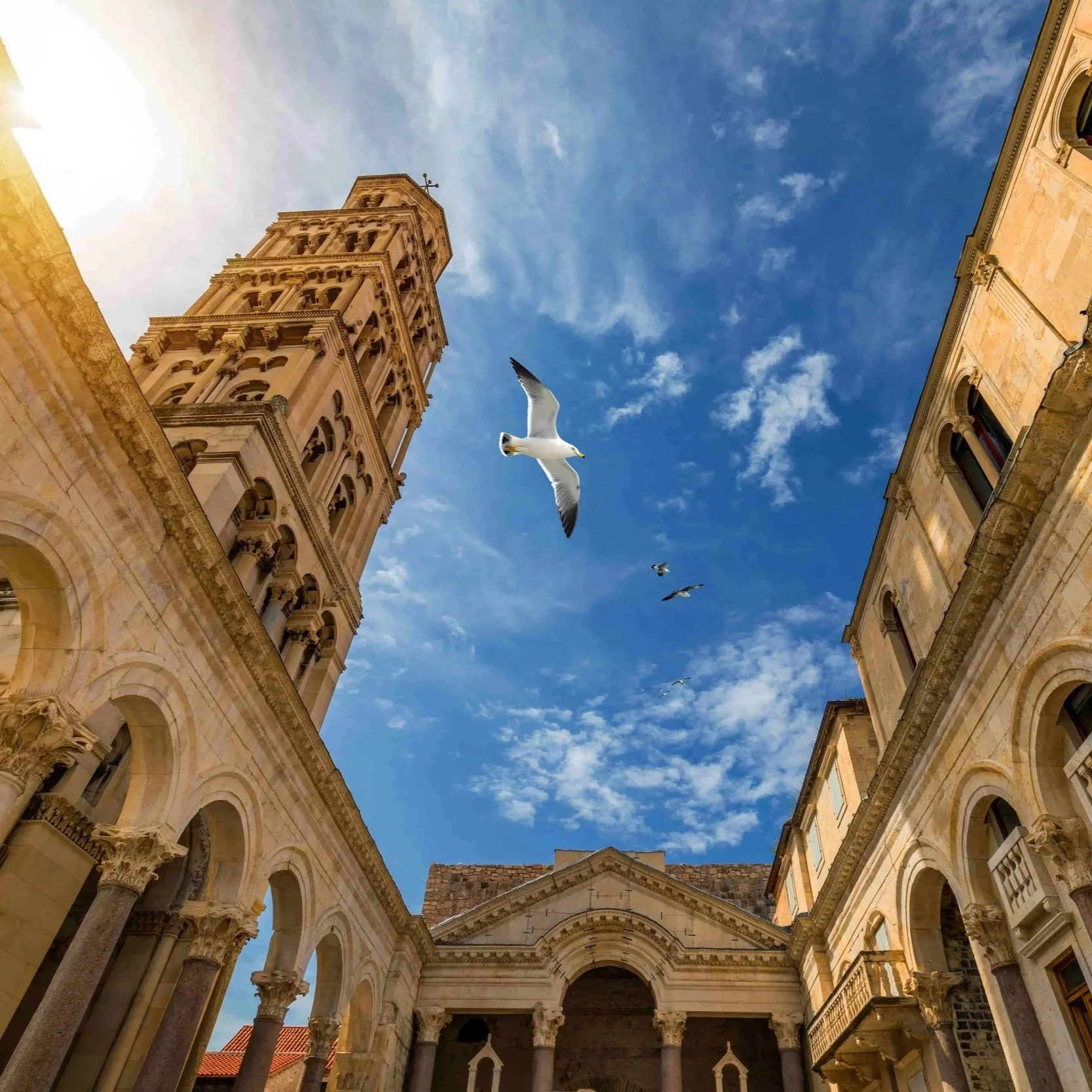
Day 4, to Split:
A morning walk through the upper lakes before the crowds, then on to Split. An evening wander through the Diocletian alleys.
Photo©: Olegana Travel Boutique
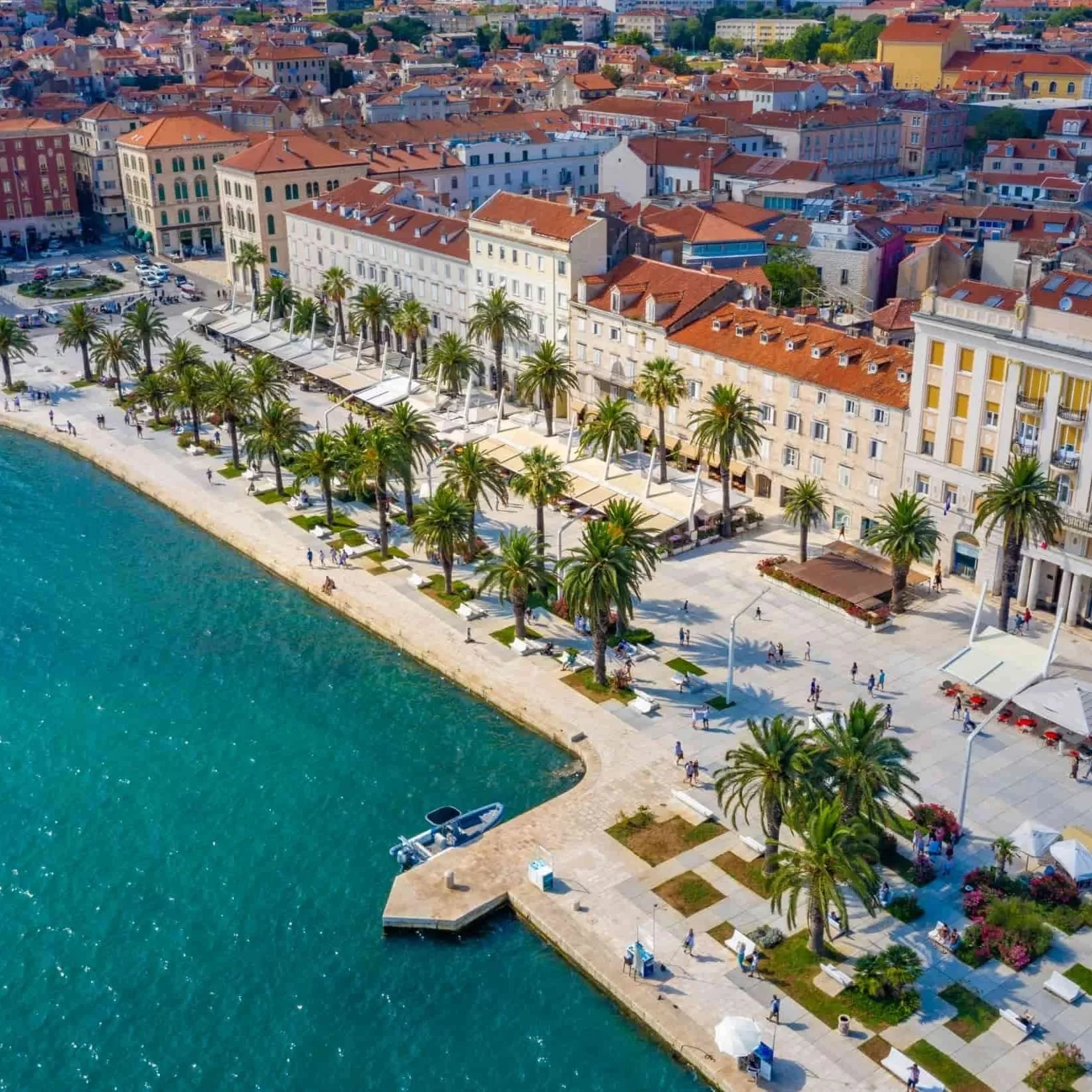
Day 5, Split:
Diocletian’s Palace with a local historian who brings the Roman city to life, then a free afternoon and dinner inside the palace walls.
Photo©: Olegana Travel Boutique
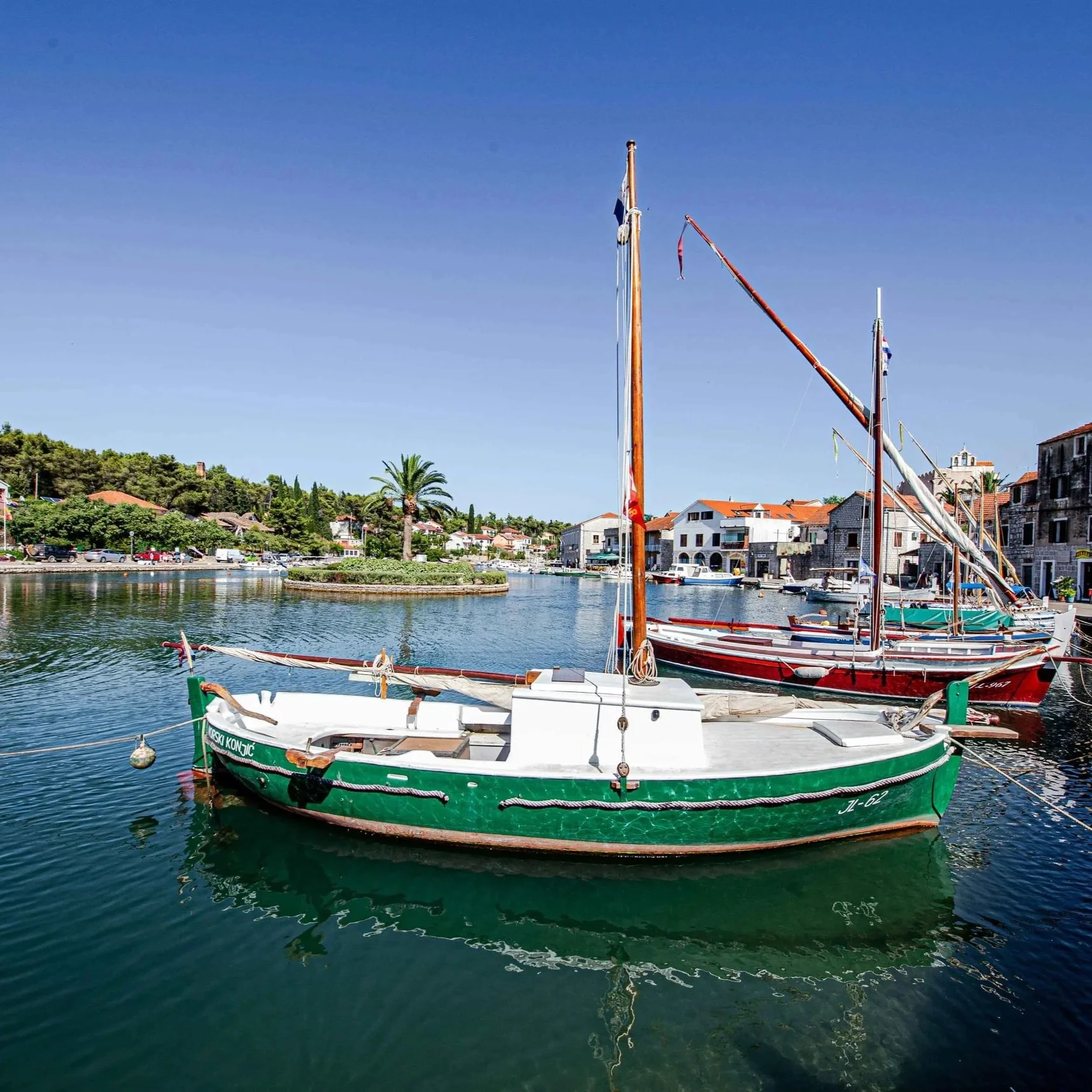
Day 6, private boat day:
A skipper takes you out to Hvar, Brac, or quiet Solta for swimming and a seafood lunch right at the water.
Photo©: unsplash/Håkon Grimstad
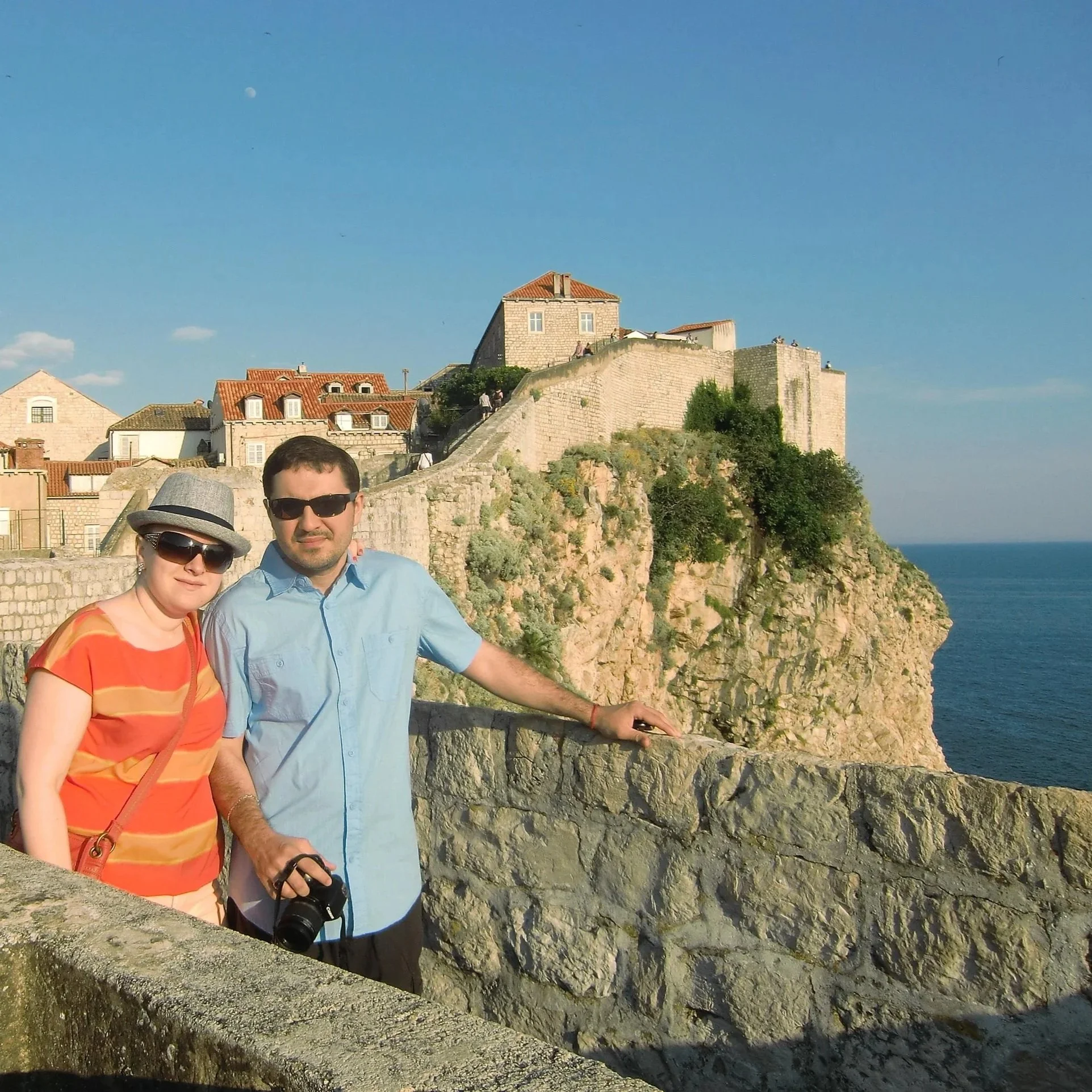
Day 7, south to Dubrovnik:
The coastal drive, broken up with a Peljesac wine tasting and oysters at Mali Ston, pulled from the bay a few feet from your plate.
Photo©: Olegana Travel Boutique
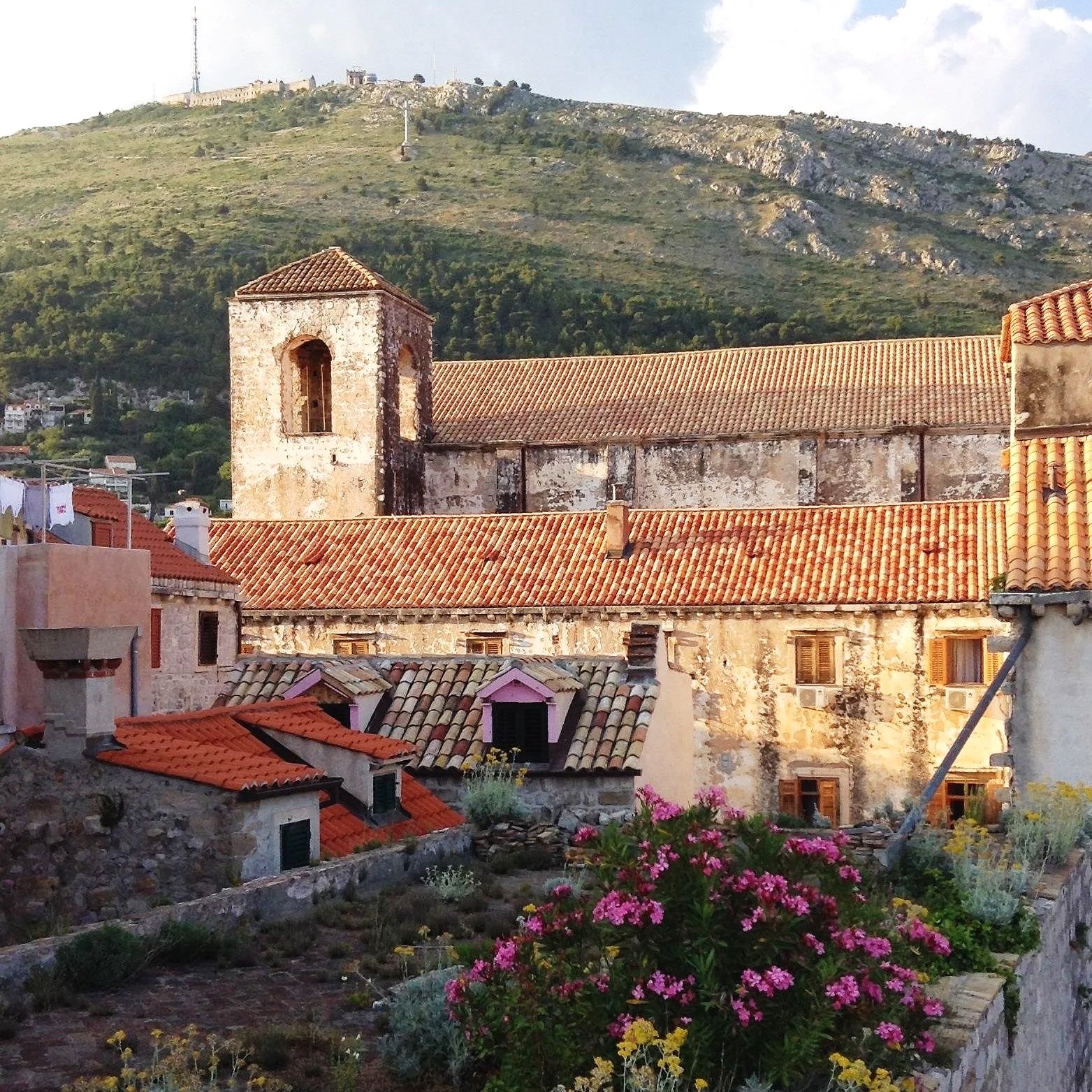
Days 8 and 9, Dubrovnik:
The walls at a quiet hour, an afternoon out to the Elaphiti Islands by private boat, and a farewell peka dinner cooked over embers.
Photo©: Olegana Travel Boutique
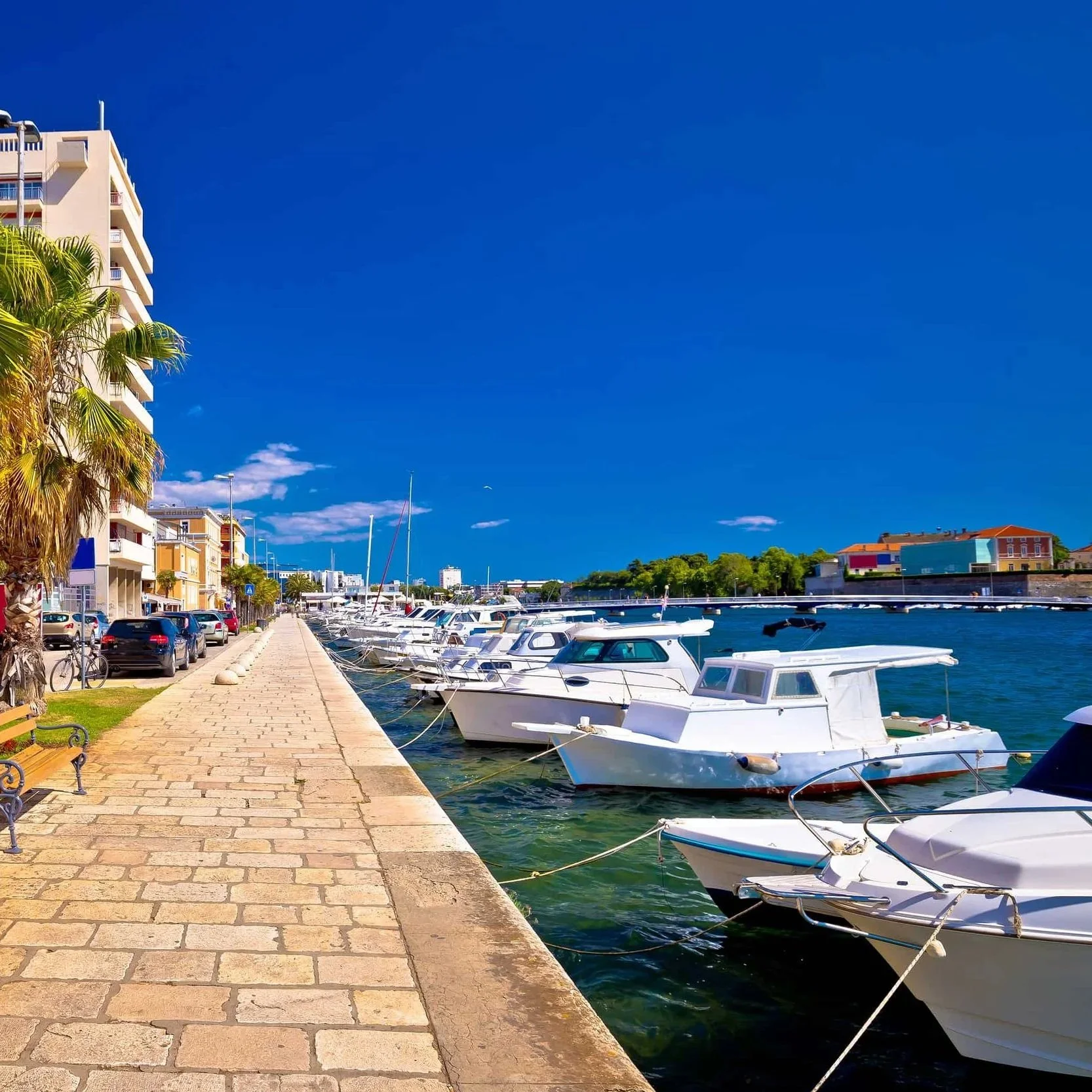
Day 10, departure.
With more time, I add Istria at the start for truffles and Malvazija, or continue south into Montenegro.
Photo©: Olegana Travel Boutique
Who this trip is for
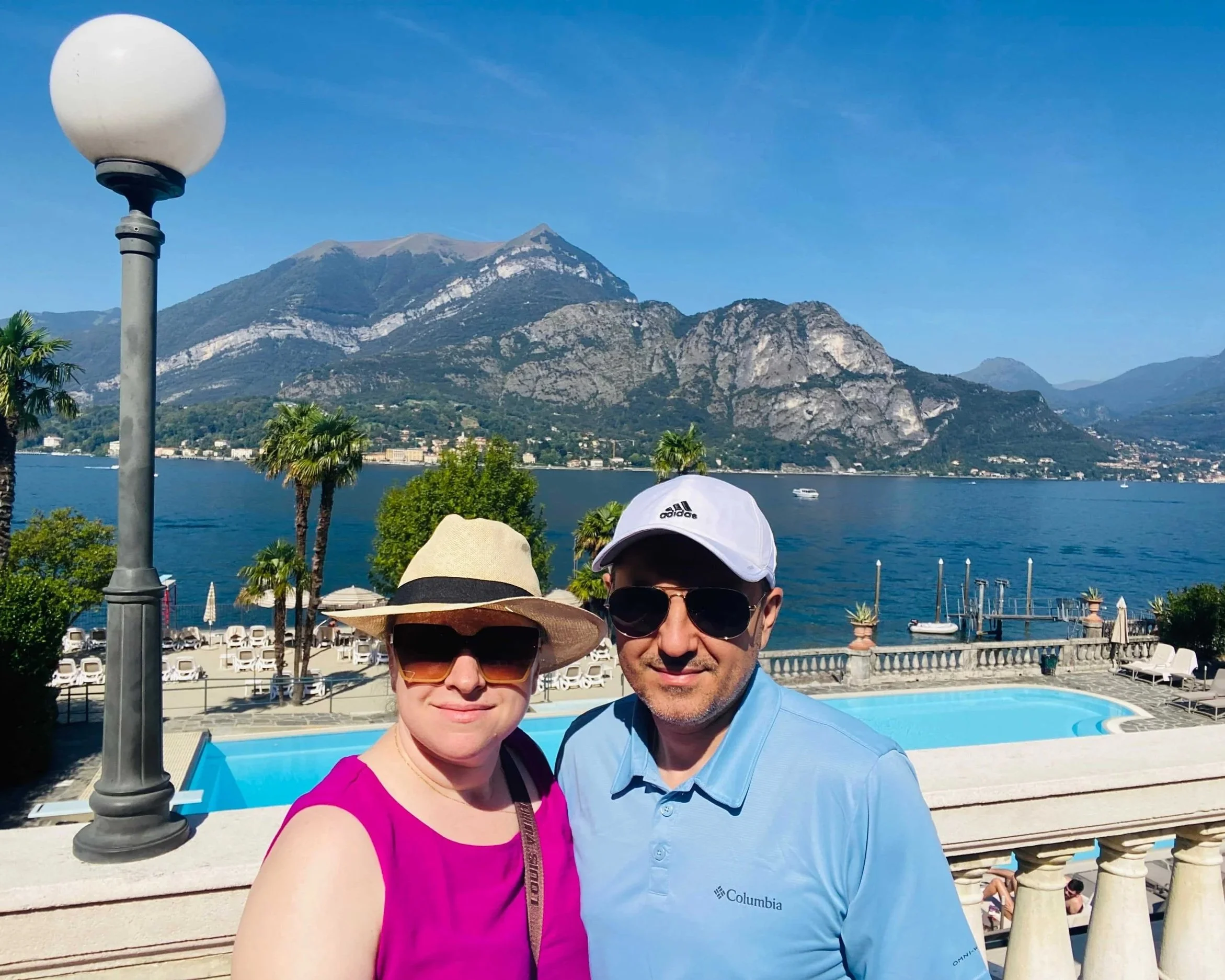
If you’re a couple looking for a Mediterranean trip that doesn’t feel like everyone else’s:
Croatia is the answer. The combination of coastline, islands, food, and history rivals Italy and Greece, but with a fraction of the crowds and a sense of discovery those destinations have largely lost.
Photo©: Olegana Travel Boutique
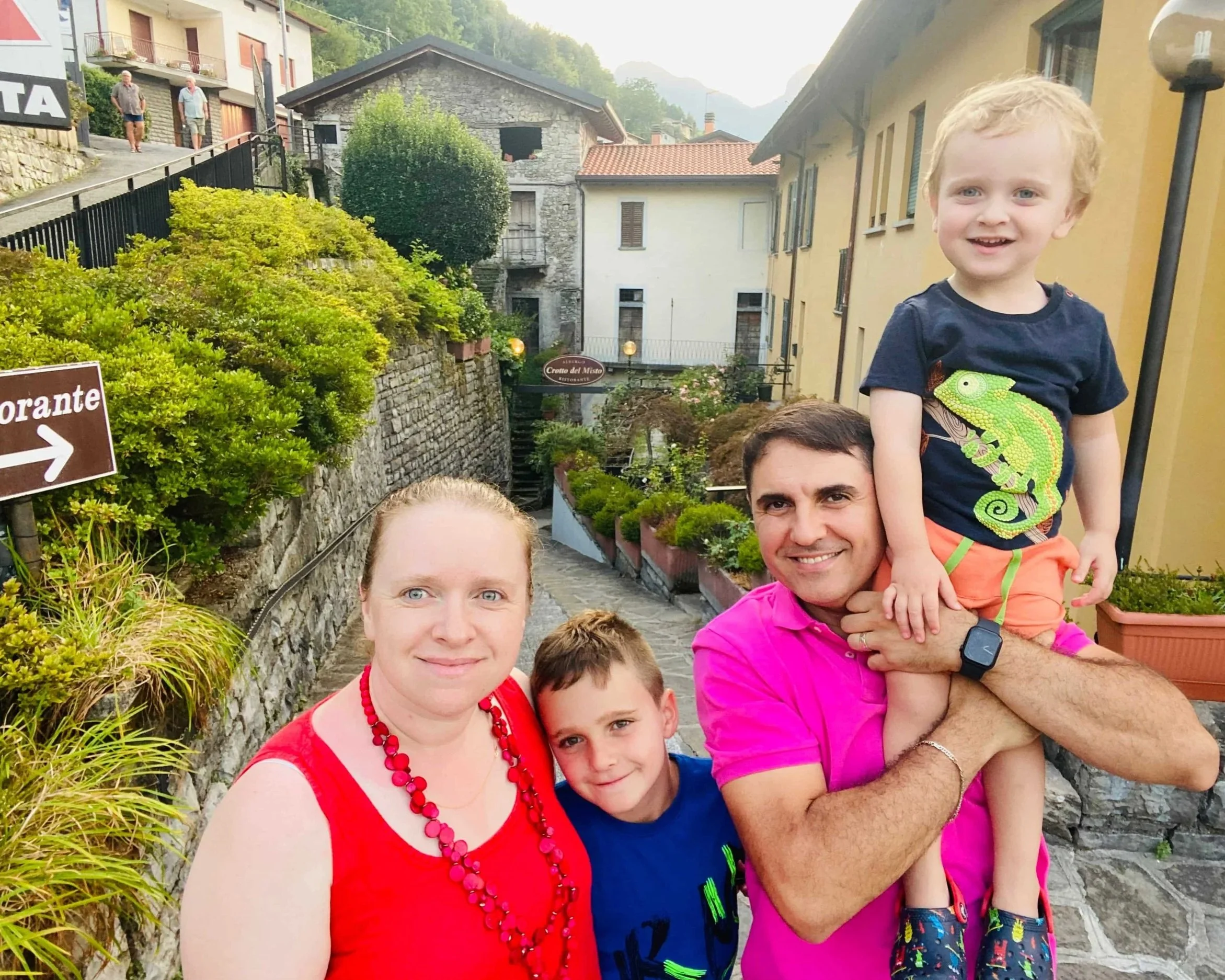
If you’re planning a family vacation and want adventure without the theme-park feel:
Croatia delivers. Kayaking, snorkeling, island hopping, truffle hunting with dogs in the forest, and food that even reluctant eaters tend to love. The pace is flexible, and every day feels different.
Photo©: Olegana Travel Boutique
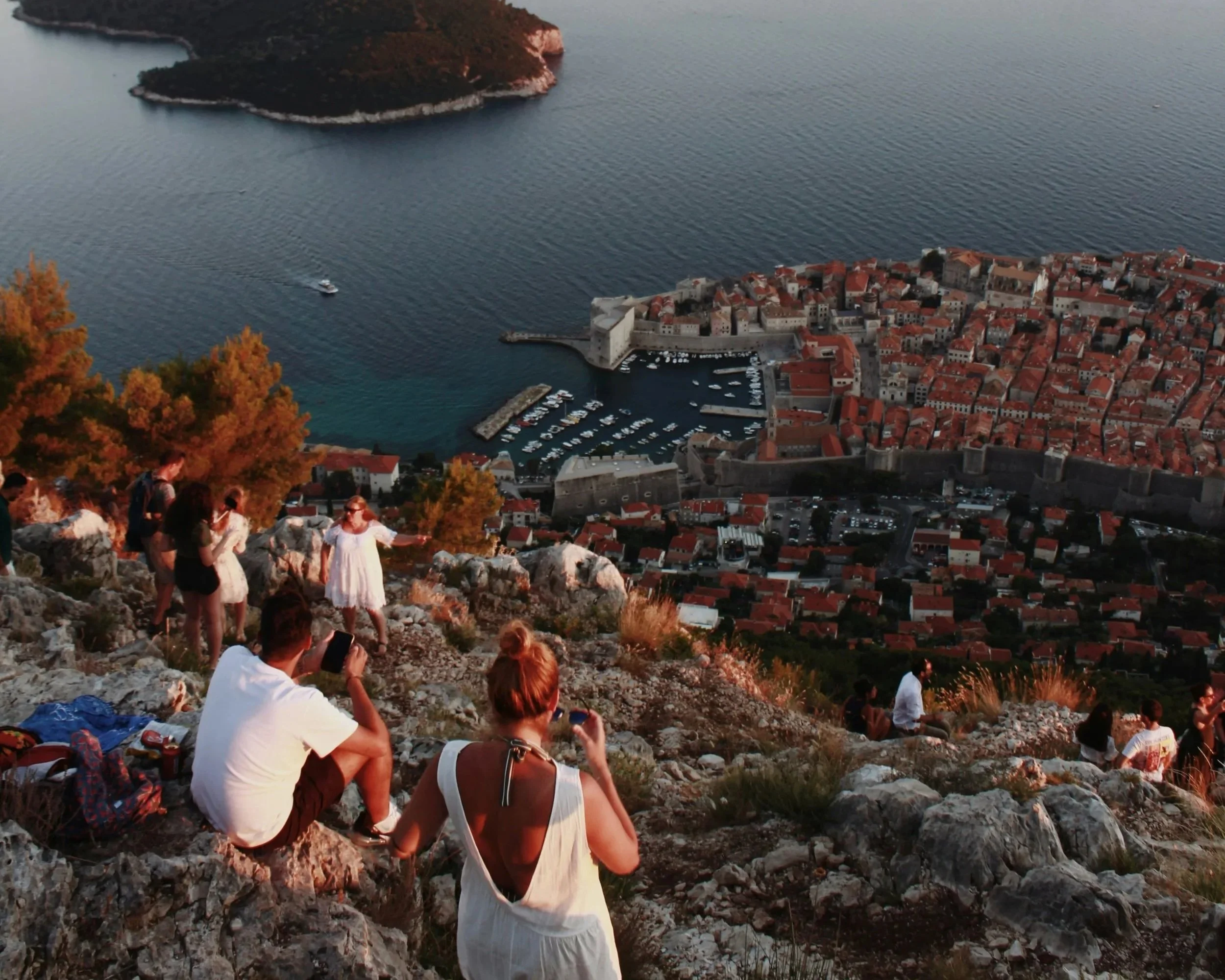
If you love food and wine and want something beyond the usual European regions:
Istria’s truffle and olive oil culture, the Dalmatian seafood tradition, and Croatia’s island wines are genuinely new ground for most American travelers. This is the trip for the food-obsessed who think they have tasted everything.
Photo©: unsplash/Ines Kopu
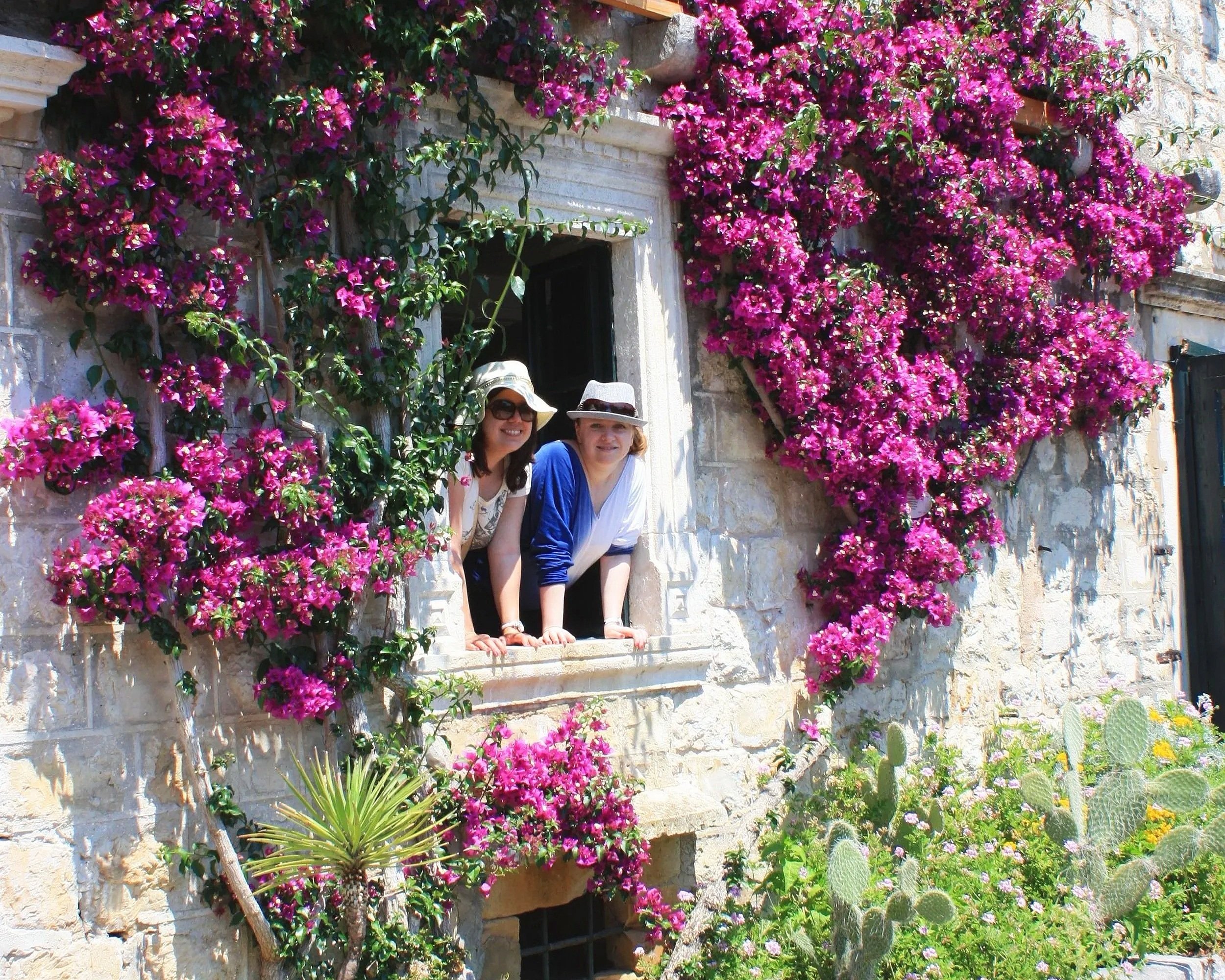
If you’re combining Croatia with other destinations
this country connects beautifully to Montenegro, Slovenia, Venice, and the Greek islands. I build multi-destination itineraries that flow so the transitions feel like part of the story.
Photo©: Olegana Travel Boutique
Connecting destinations
One of the things I love about planning Croatia is how naturally it connects to its neighbors.
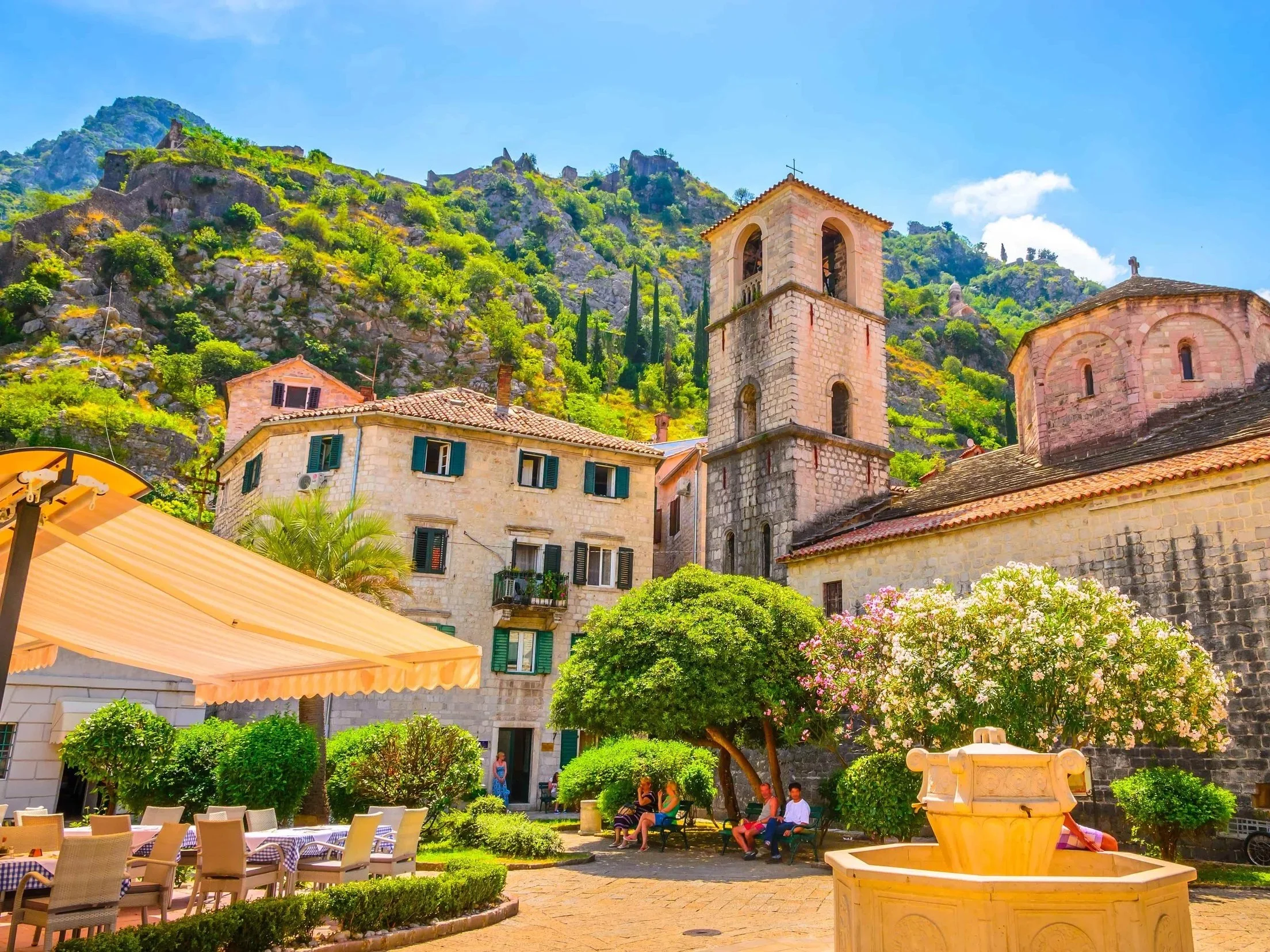
sits just south of Dubrovnik and feels like Croatia’s wilder, less-visited cousin. It pairs especially well with a continuation into Albania, where Ksamil’s island coves, the ruins at Butrint, and the Ottoman streets of Berat are the real rewards. One planning note for this stretch: the new EU border systems have lengthened waits at Croatian land crossings, so for a Croatia-plus-Montenegro-plus-Albania trip I now often fly clients into Tirana rather than relying on the Dubrovnik border, which makes the whole route smoother.
Photo©: Olegana Travel Boutique
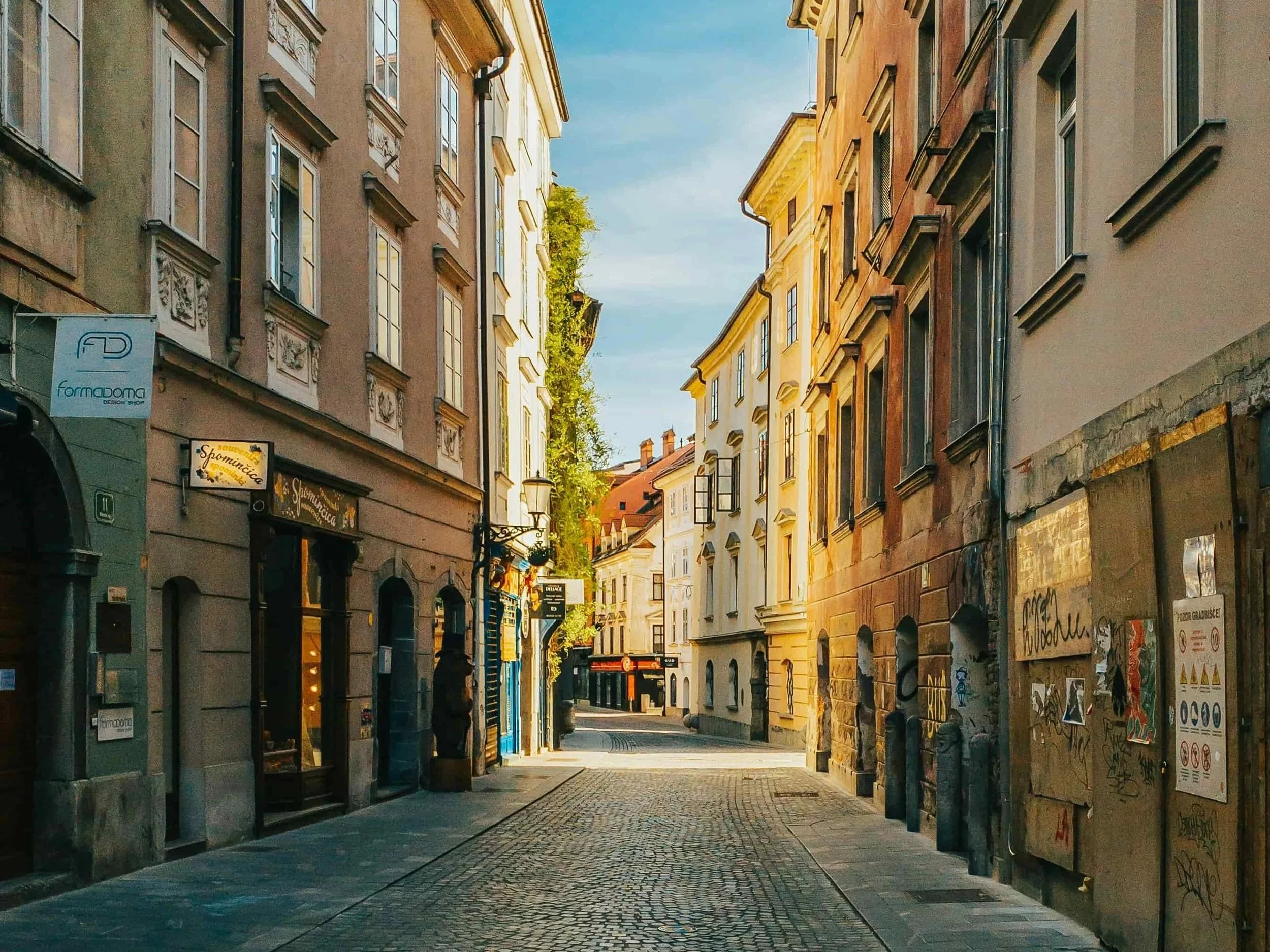
Slovenia (Ljubljana, Lake Bled)
connects seamlessly from Istria and adds an Alpine character to the trip.
Photo©: unsplash/Miha Rekar
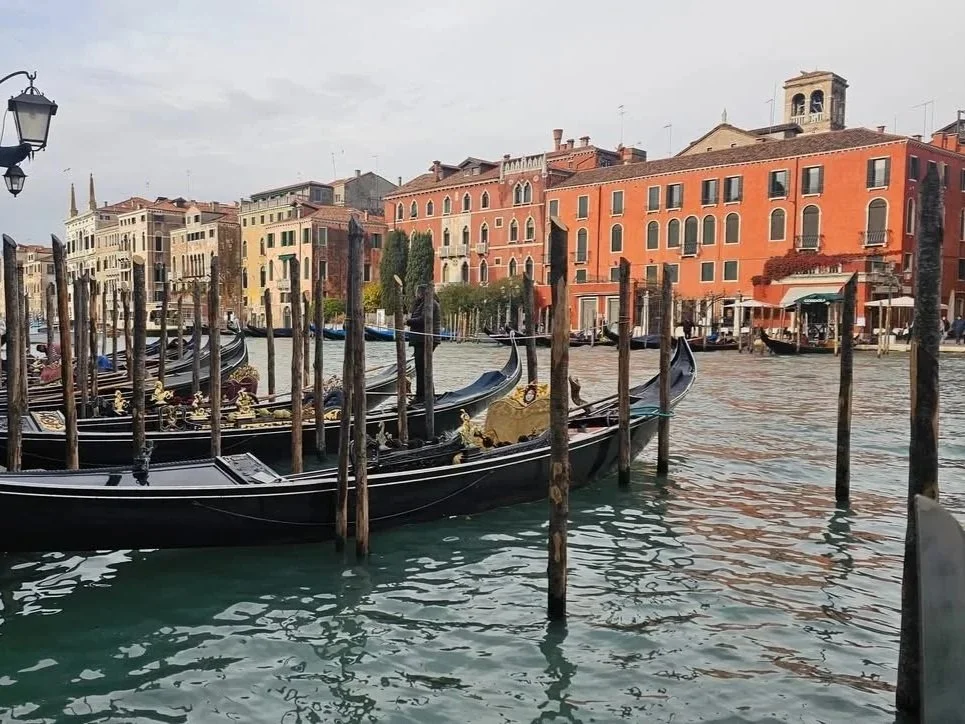
Venice
is a short flight or ferry from the Croatian coast, making an Adriatic circuit one of the most compelling two-country itineraries in Europe.
Photo©: Olegana Travel Boutique
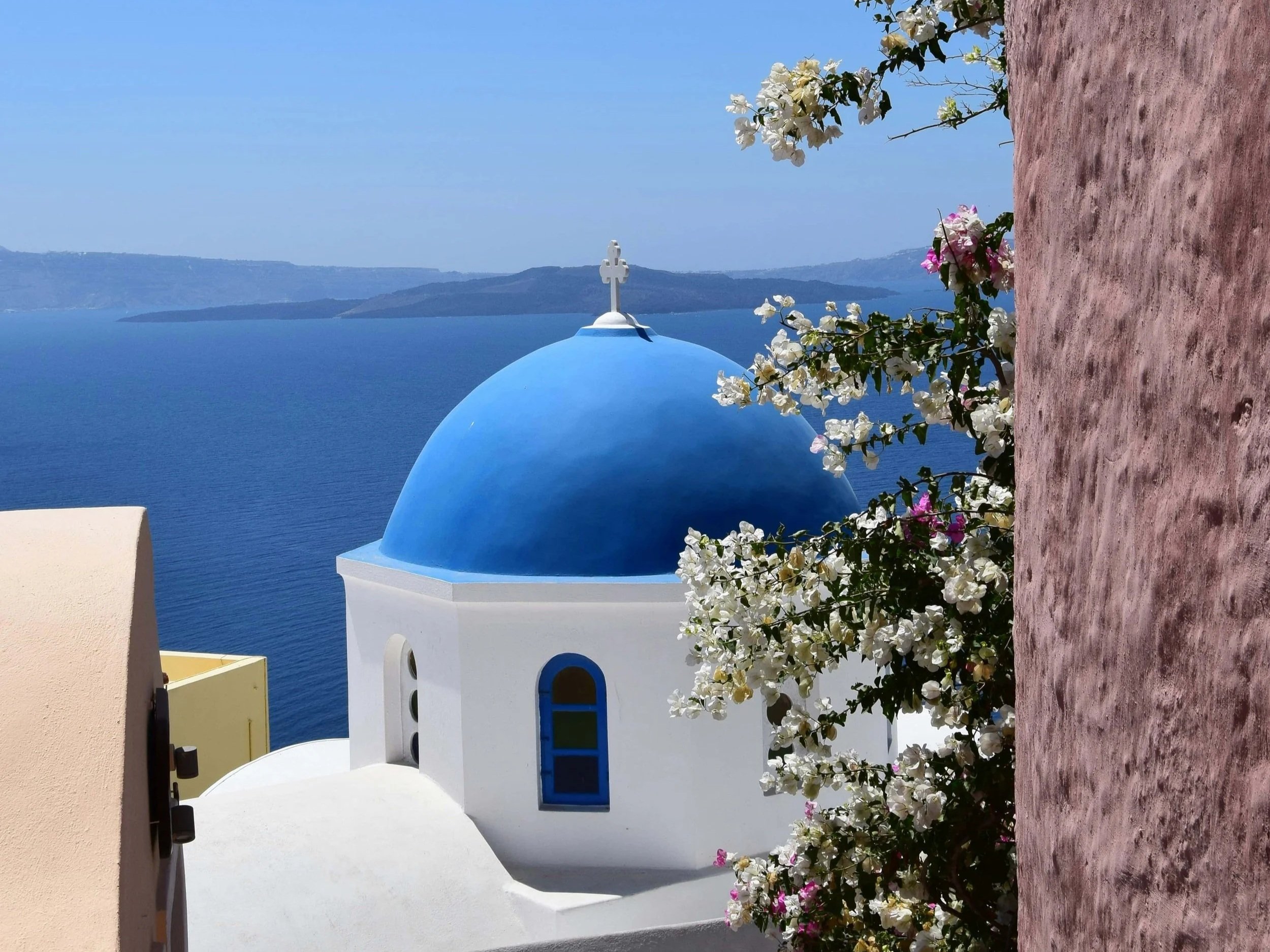
The Greek islands
can be added via a short flight from Dubrovnik or Split for a broader Mediterranean journey.
Photo©: unsplash/Matthew Waring
Why work with a luxury travel advisor for Croatia
Croatia isn’t a destination where you can book the top five search results and expect a great trip. The best experiences here, from the right yacht captain to the truffle hunter who doesn’t advertise to the restaurant with no website, come through relationships that take years to build.
I’ve built those relationships, and I keep boots on the ground with partners who live there and tell me what’s actually happening this season, which border is moving, which hotel just renovated, which charter weeks are realistic. When I plan a Croatia trip, I’m not pulling from a database. I’m connecting you with the people and places I trust, designing an itinerary around your pace and your interests, and handling every detail so you never think about logistics. That’s the difference between a trip that looks good on paper and one that feels the way you imagined it would.

Anna Fishman, the visionary and soulful force behind Olegana Travel Boutique, orchestrates transformative journeys where meticulously curated adventures meet authentic connection and exquisite, bespoke exploration.
Ready to plan your Croatia trip?
If Croatia has been on your radar, or if it just landed there, let’s talk. I’ll help you figure out the right regions, the right season, and the right pace, and every itinerary I build is completely custom.
Grab a time on my calendar for a free consultation here!
FAQ: Planning a luxury trip to Croatia
-
Ten days is ideal for a trip covering the coast, the islands, and Istria. With a week, I’d focus on either the Dalmatian Coast with island hopping or an Istria-and-coast combination. Less than five days means choosing one region and doing it well rather than rushing between them.
-
Dubrovnik and Split are the main Dalmatian gateways, and Zagreb works for an Istria-first itinerary. United flies a daily nonstop from Newark to Dubrovnik and several flights a week to Split in season. (There has been talk of a Zadar connection, but nothing is confirmed yet.) For multi-destination trips, I usually arrange open-jaw flights, into one gateway and out of another, so you never backtrack.
-
It’s one of the best family destinations in Europe. The coast is calm for swimming, the activities are genuinely adventurous (kayaking, snorkeling, truffle hunting), and the food culture is approachable. Kids who have done beach vacations often tell me Croatia was the trip that felt like a real adventure.
-
No. I build these trips with a private driver and guide, and for a couple or a small group that’s usually one knowledgeable driver-guide throughout. You taste, swim, and explore without anyone worrying about the road.
-
Parts of Dubrovnik’s old town fill up when cruise ships are in port. Beyond that, Croatia is far less crowded than you’d expect. The islands, the Istrian interior, and the smaller coastal towns feel uncrowded even in summer. Timing, routing, and local knowledge make the difference, and that’s exactly what I plan around.
-
Six to nine months ahead for summer travel. The best villas, yacht charters, and boutique hotels book early, especially for July and August. Shoulder-season trips have more flexibility, though Istria’s truffle season in October and November fills faster than you’d think.