
Luxury Milan travel: the Italy you haven't seen yet
There's a particular moment I've watched happen more times than I can count. A client tells me, with real affection, that they've already done Italy. Rome, Florence, Venice, the Amalfi Coast. The photographs are framed. The memories are lovely. And underneath the sentence is a quiet resignation: that Italy has been used up, and the next trip will have to be somewhere else.
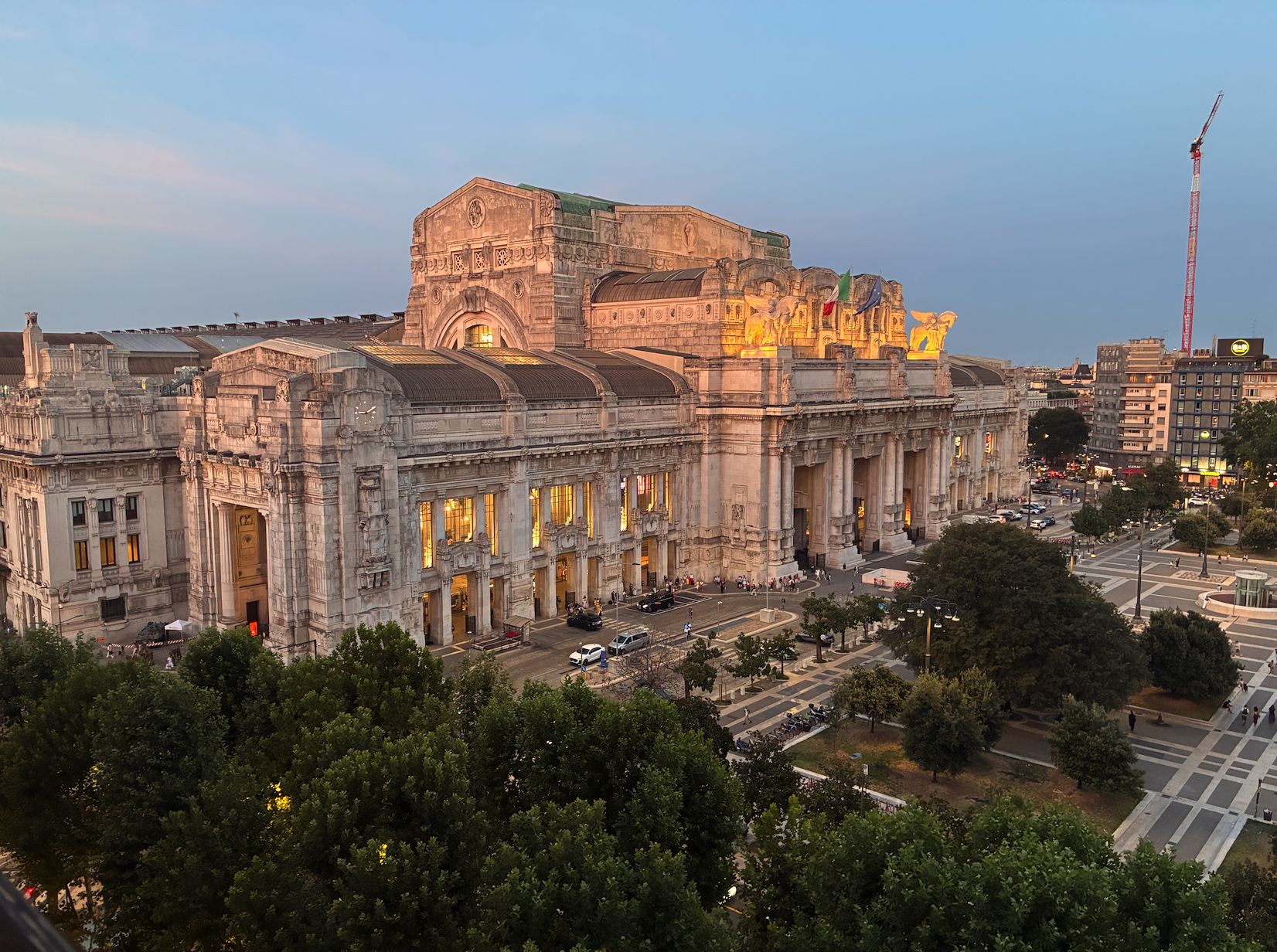
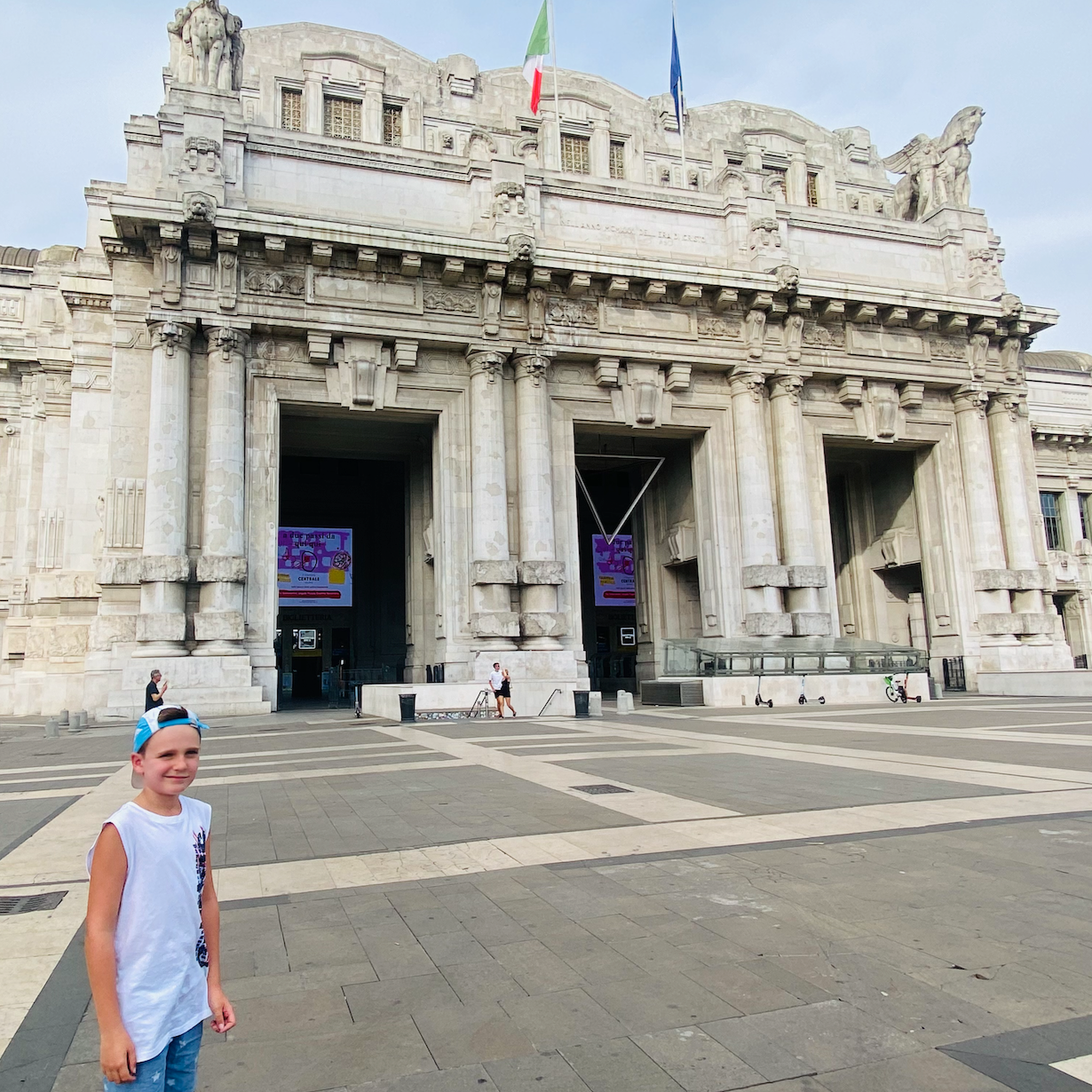
Milano Centrale (Milan Central Station) in Italy, a grand architectural landmark designed by Ulisse Stacchini and officially opened in 1931.
Photo©: Olegana Travel Boutique
I never argue with them. I just start talking about Milan.
Not the Milan of the two-hour layover, or the day trip squeezed in before the train to Lake Como.
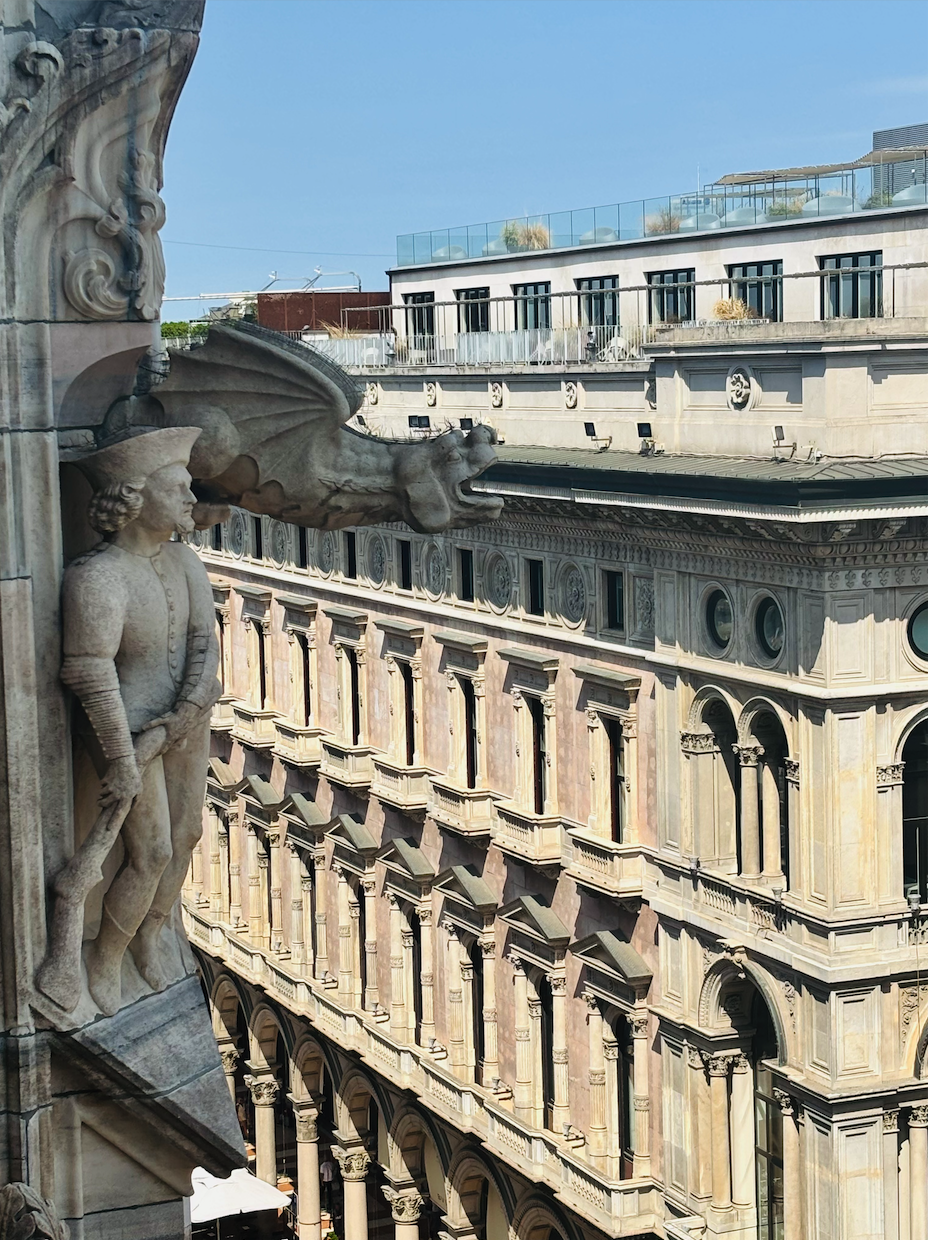
Photo©: Olegana Travel Boutique
Not the Duomo photographed from the same corner as everyone else, then a quick look at the Last Supper and out. Those are extraordinary, and I'll always make sure you see them properly. But they are the surface of a city that keeps its real life behind heavy wooden doors, in courtyards you can't see from the street, in workshops where a family has been doing the same exquisite thing for four generations.
Milan is not a city that performs for visitors. It doesn't hand itself over the way Florence does. It has to be introduced to you, and that introduction is the whole point. Once you have it, you're not visiting Italy again. You're finally being let in.
The five Milans most travelers never meet
I organize Milan by mood rather than by neighborhood, because the city changes character depending on what you came for. These are the five versions I build trips around.
The Milan of thread and scent
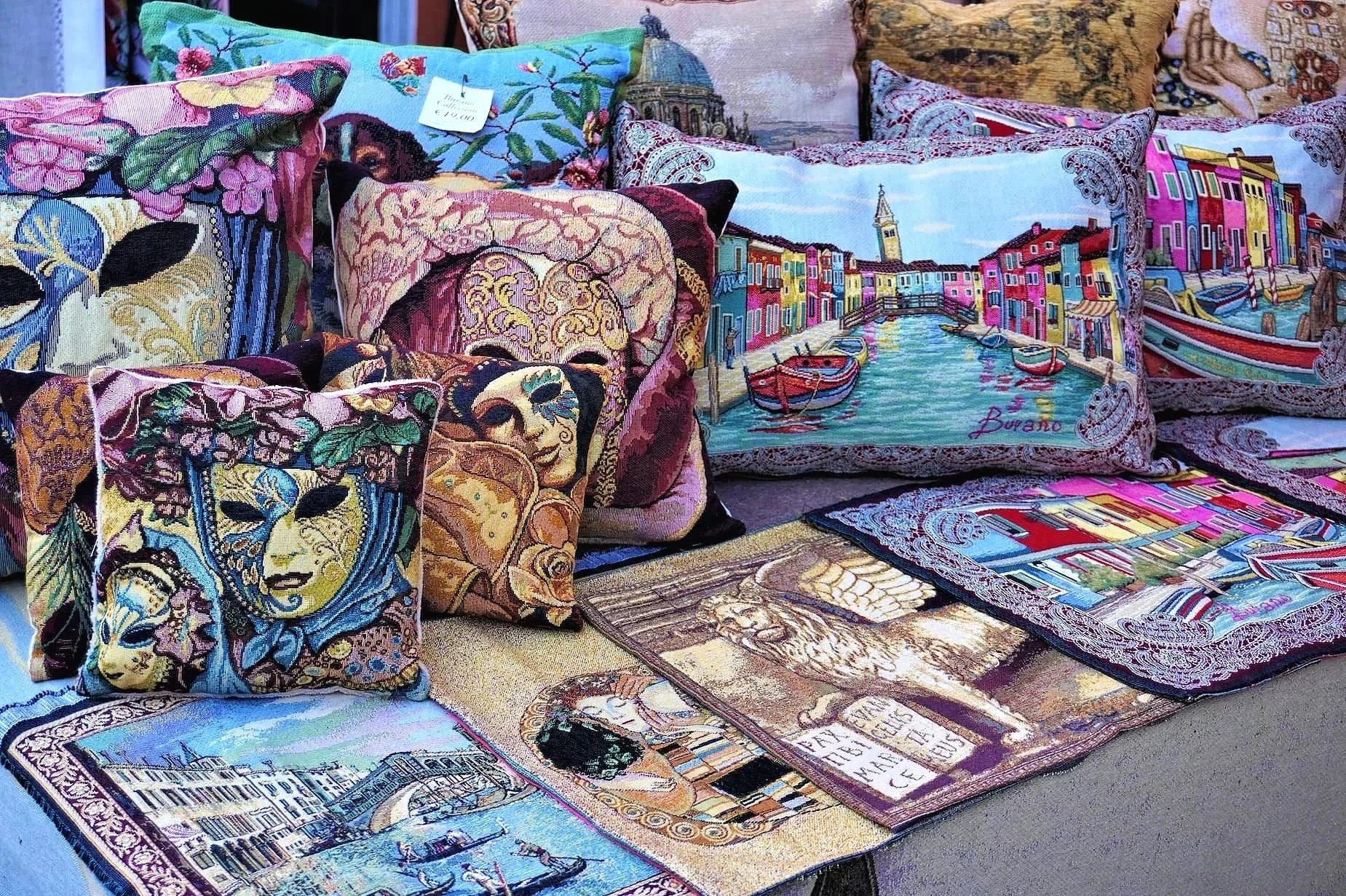
Photo©: unsplash/Dan Hadar
There is a family atelier in Milan where haute couture embroidery is still done by hand, the way it has been for generations, for the fashion houses whose names you'd recognize immediately. I can get you inside. You sit with the women who do the work, watch a single beaded panel take shape over hours, and understand for the first time why a garment costs what it costs. It reframes everything you thought you knew about Italian luxury.
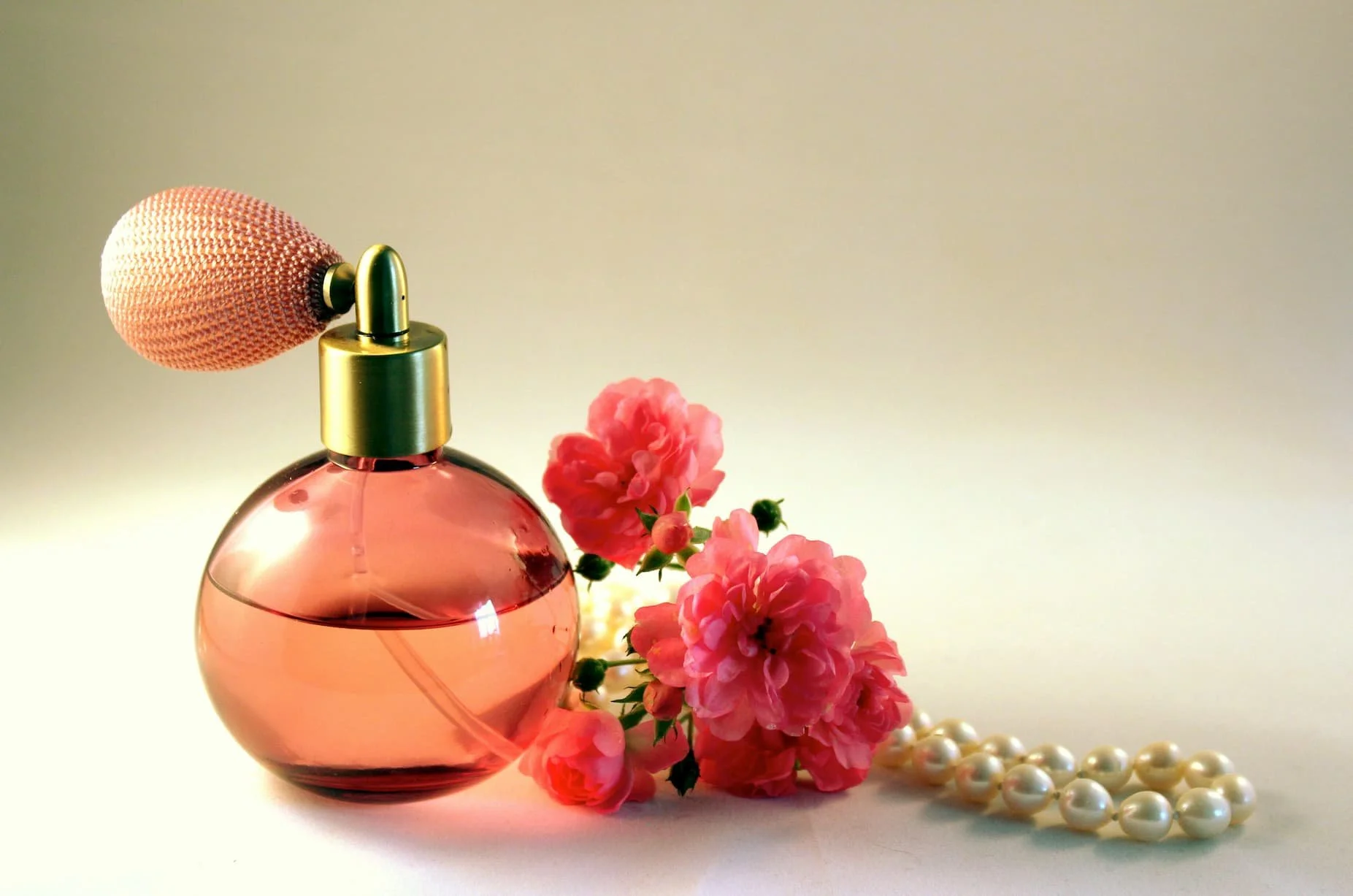
Photo©: pixabay/Lolame
From there I take clients into a former perfume factory for a sensory session that has nothing to do with a shop counter. You work through raw materials, learn what your own nose actually responds to, and start reading scent the way a sommelier reads wine. We finish at Armani/Silos, the designer's own archive housed in a converted grain warehouse, which is less a museum than a manifesto about restraint.
Liberty Milan: the art nouveau city hiding in plain sight
Photo©: Olegana Travel Boutique
Italy's Art Nouveau movement is called Liberty style, and Milan is its capital. Almost no one comes here for it, which is exactly why it's my favorite morning in the city. We walk Porta Venezia, where the facades of Casa Galimberti and Casa Guazzoni bloom with ceramic tile, wrought iron, and floral relief that looks like it's growing out of the plaster.
Photo©: Olegana Travel Boutique
Then we go inside Villa Necchi Campiglio, a 1930s villa built for a family of Lombard industrialists, with its swimming pool, its winter garden, and the faint sense that the owners have simply stepped out for the afternoon. It is one of the most quietly moving houses in Italy, and it tells you more about how Milanese money actually lived than any palazzo in Rome. Bring the film buffs. They'll recognize it.
The Milan you taste
Milanese food is the most underestimated cuisine in Italy, largely because visitors arrive expecting Tuscany and get something entirely different: butter instead of olive oil, rice instead of pasta, saffron, slow braises, and an aperitivo culture that is less a drink than a civic ritual.
Photo©: Olegana Travel Boutique
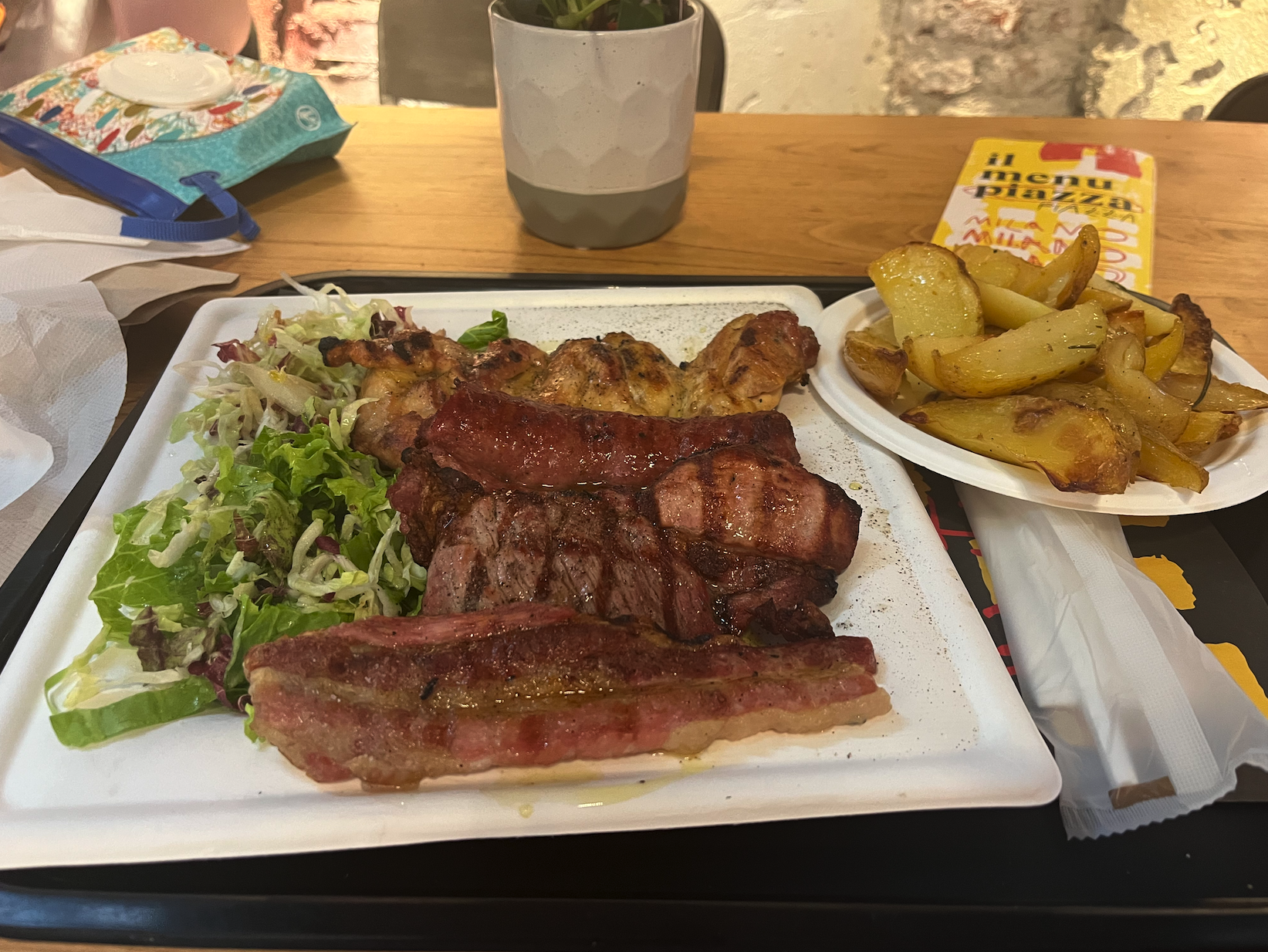
I build food days here around producers rather than restaurants. Aged Lombard cheeses tasted with the person who turned the wheels. Risotto alla milanese made properly, which takes patience and a great deal of butter. Cotoletta cut thick and served on the bone. Panettone from a pastry family that starts its Christmas dough in September. And then aperitivo, done in the Brera courtyards rather than the Navigli, where the crowd is younger and the Spritz is louder.
Photo©: Olegana Travel Boutique
If your travel is organized around what's on the plate, Milan will surprise you more than any other Italian city, because you arrived with no expectations at all.
Fashion Milan, beyond the shopping
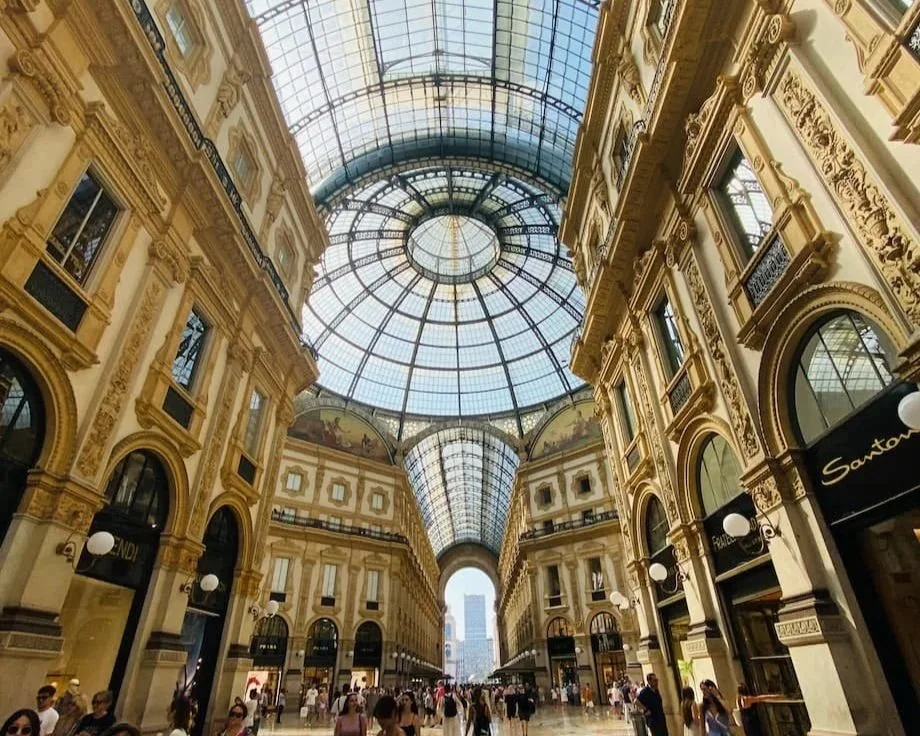
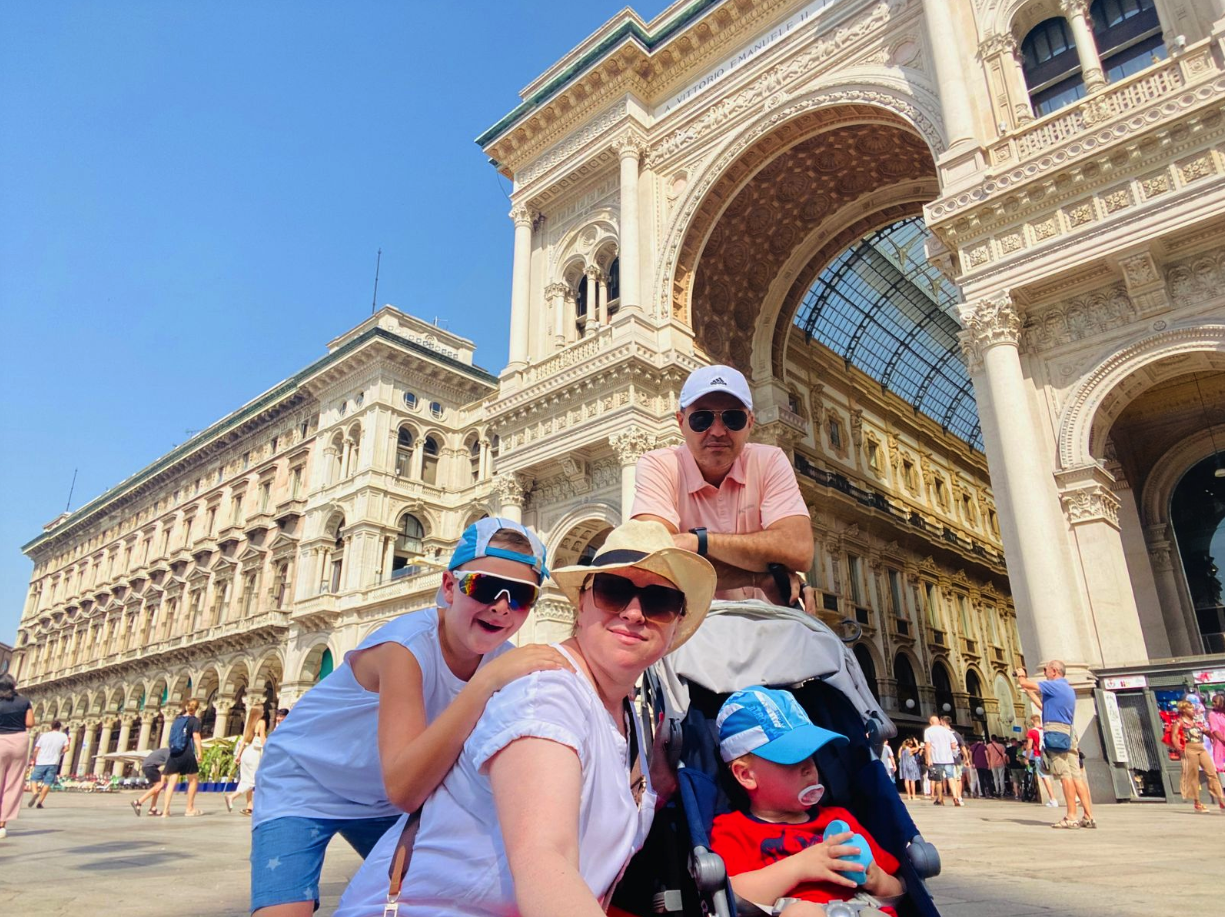
This iconic landmark is the Galleria Vittorio Emanuele II in Milan, Italy, a historic 19th-century shopping arcade.
Photo©: Olegana Travel Boutique
The Quadrilatero della Moda, anchored by Via Montenapoleone, is the obvious version. It's beautiful and I'll happily send you into it. But the fashion experience I actually design is a private one, tailored to what you care about: the archives if you love heritage, the emerging designers in the Isola and Porta Nuova studios if you want to see what happens next, the leather and shoemaking workshops if you want to understand the hand behind the label. Clients who have no interest in shopping often love this day the most, because it turns out fashion in Milan is really a story about craft, family businesses, and a city that rebuilt itself twice in a century.
Echoes of opera
Photo©: pexels.com/Alexandro D'Elia
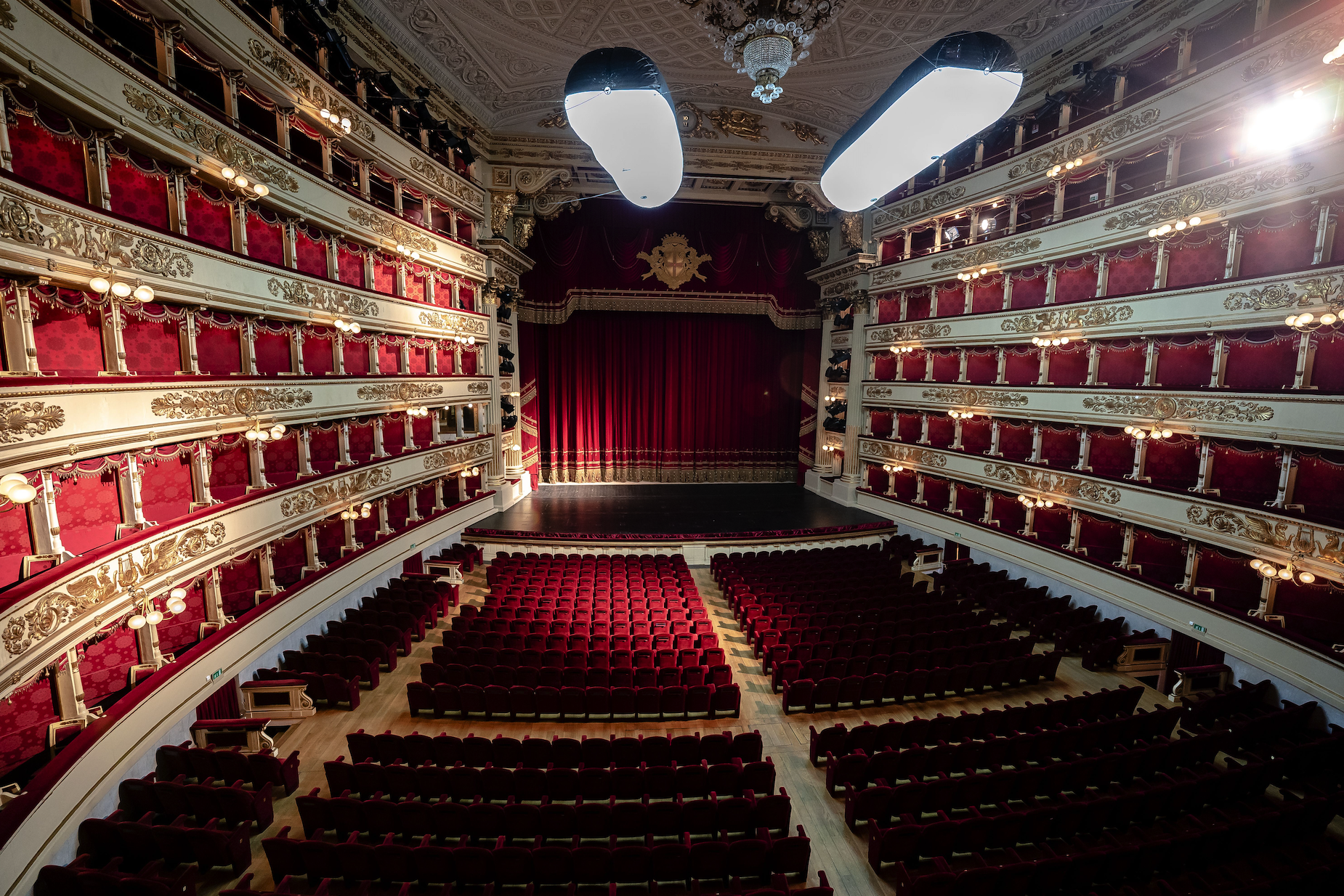
La Scala is a name people know and a building people photograph. What they miss is the city that produced it. Verdi lived here, died here in a hotel a short walk from the theater, and left his fortune to build a retirement home for musicians, where the residents still play in the afternoons. Puccini studied here. The Museo Teatrale holds the costumes, the letters, the small human wreckage of a hundred and fifty years of Italian opera.
I arrange private access to the world behind the curtain, with a musicologist who can explain why an audience at La Scala is the most feared in Europe and why singers still describe walking onto that stage as the longest few seconds of their lives. You don't need to love opera. You need to be curious about obsession.
Experiences worth building a trip around
Photo©: Olegana Travel Boutique
Private access to a family-owned haute couture embroidery atelier, with the artisans who supply the major fashion houses. Not a demonstration staged for visitors, an actual working studio.
A guided sensory session inside a former perfume factory, building a scent profile from raw materials rather than sampling from a shelf.
Photo©: Olegana Travel Boutique
A morning of Liberty architecture through Porta Venezia, ending inside Villa Necchi Campiglio before the general admission crowd arrives.
A producer-led tasting day: Lombard cheeses, saffron risotto, artisanal panettone, and a proper Brera aperitivo, with the people who make each thing.
Photo©: Olegana Travel Boutique
A privately curated fashion day shaped entirely around your interest, whether that is heritage houses, contemporary designers, or the workshops where the craft actually lives.
An opera immersion tracing Verdi and Puccini through the city, with musicologist access to the theatrical archive and, when the season allows, seats for a performance.
A day trip into Franciacorta, Italy's answer to Champagne, less than an hour east, where the cellars are family-run and almost no American traveler has been.
Ready to see the Italy you missed?
I design private Milan journeys for travelers who have already seen the postcard version of Italy and want something with more depth, more access, and a great deal more soul. Every experience above can be arranged privately and paced to suit you.
Email me at anna@oleganatravelboutique.com
or call (917) 345-5792 to start the conversation.
One of my Italy clients put it better than I ever could:
"Anna knows these places, has unique contacts that the average person does not have. You will see & eat & travel as the Italians do in their own regions!"
DJ A.
When to go
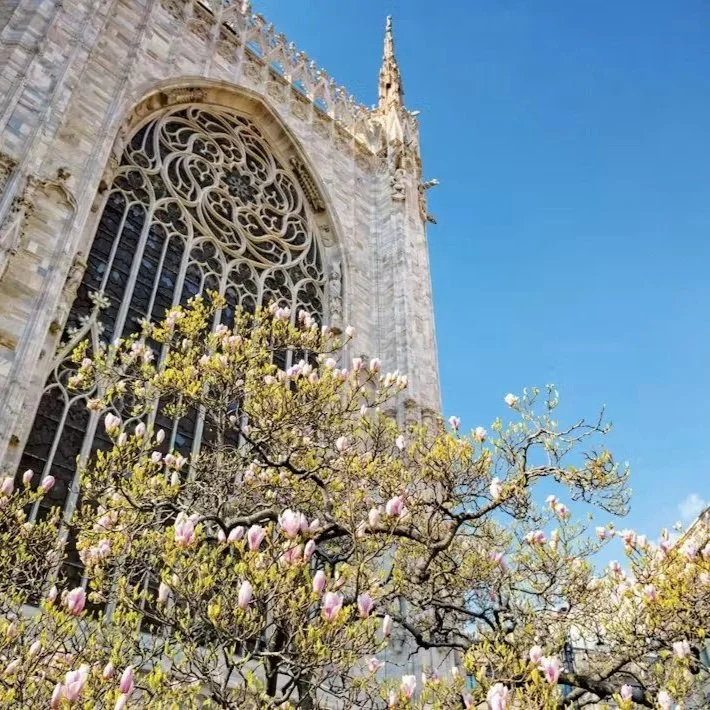
Spring (April to early June).
The city is at its best, the courtyards open, the aperitivo tables move outside. Note that Salone del Mobile, the design fair in April, effectively takes over Milan for a week. It is thrilling if design is your thing and difficult if it isn't, because the whole city is booked. I plan around it in both directions.
Photo©: istock/Martin Wahlborg
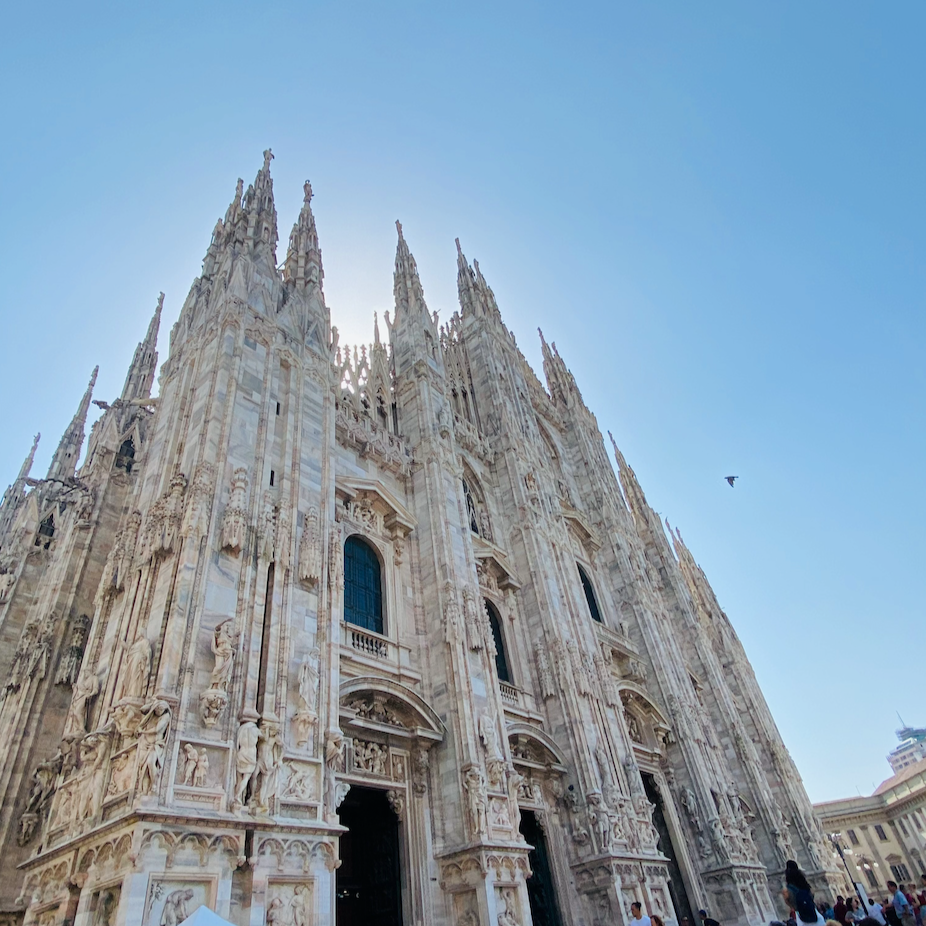
Summer (late June to August).
Hot, and increasingly humid. The Milanese leave in August and take a good number of the best kitchens with them. That said, the city empties out beautifully, and pairing a short Milan stay with the lakes or the Alps solves the heat entirely.
Photo©: Olegana Travel Boutique
Fall (September to November).
My favorite. The light turns golden, the food turns to braises and risotto, and the city returns to itself. Fashion Week in late September brings a particular energy and a very tight hotel market, so we book early or step just outside it.
Photo©: pixabay/alessandra 1barbieri
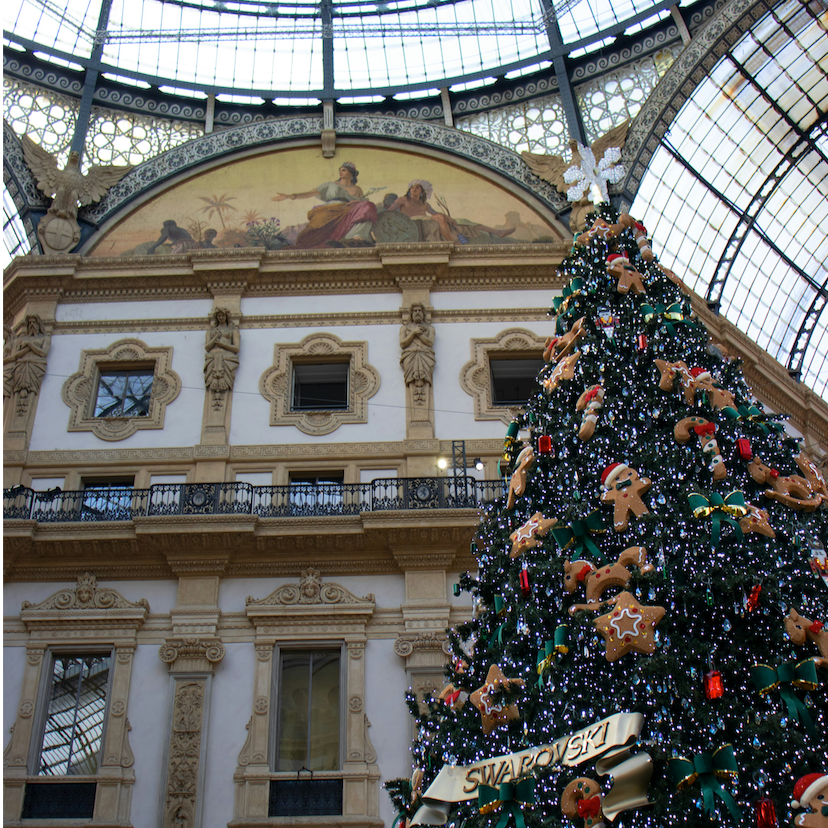
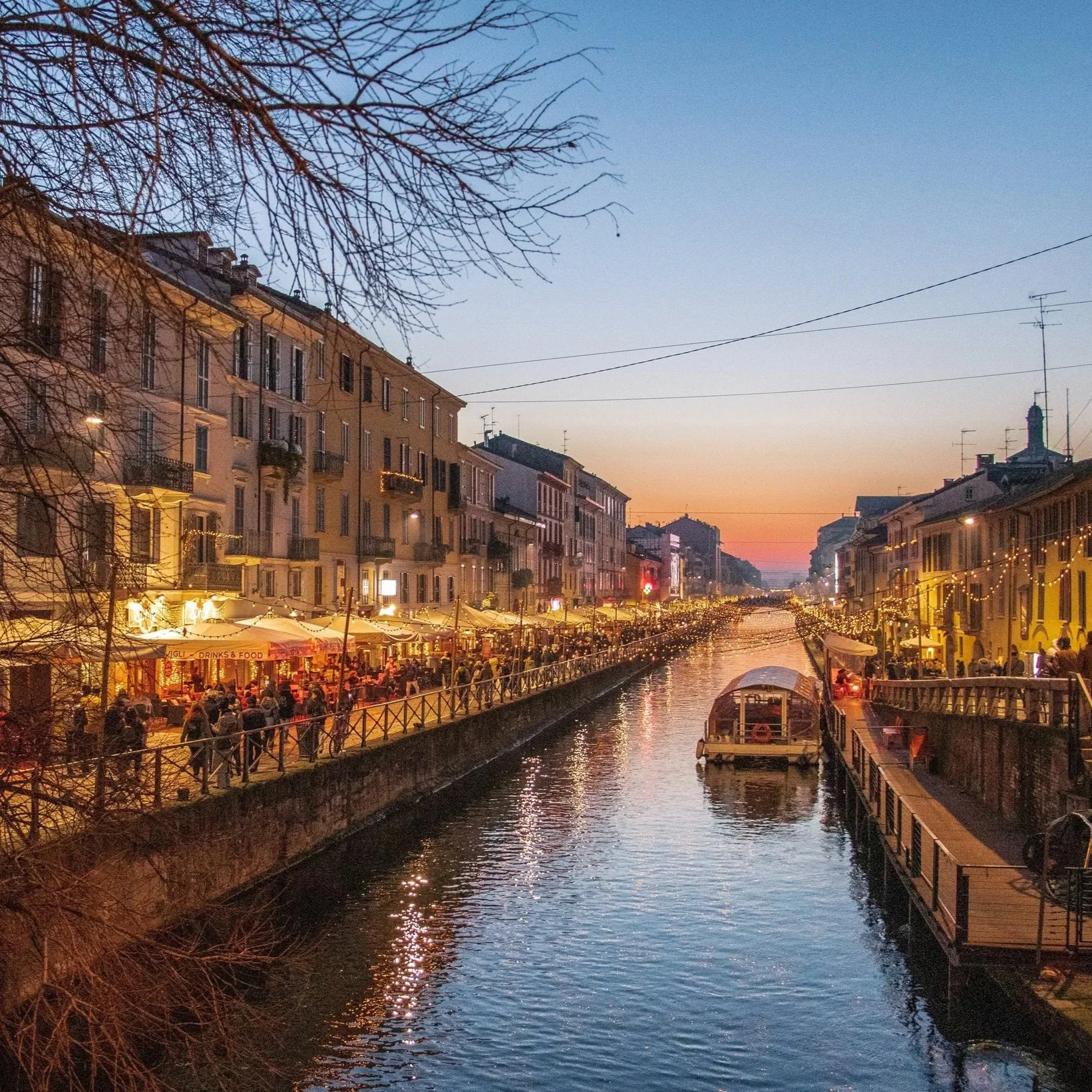
Winter (December to March).
December 7 is Sant'Ambrogio, the feast of the city's patron saint, and the night La Scala opens its season. It is the single most Milanese evening of the year. The Christmas markets are old-fashioned and unpretentious, the panettone is at its peak, and the museums are yours. January and February are cold and gray, which is precisely when the interiors, the ateliers, and the opera are at their most seductive.
Photo©: unsplash/maria herranz
A sample week: Milan and the lakes
This is one of the Italy itineraries I build most often for couples returning to a country they thought they'd finished. Seven nights, unhurried, with the city as the anchor rather than the afterthought.
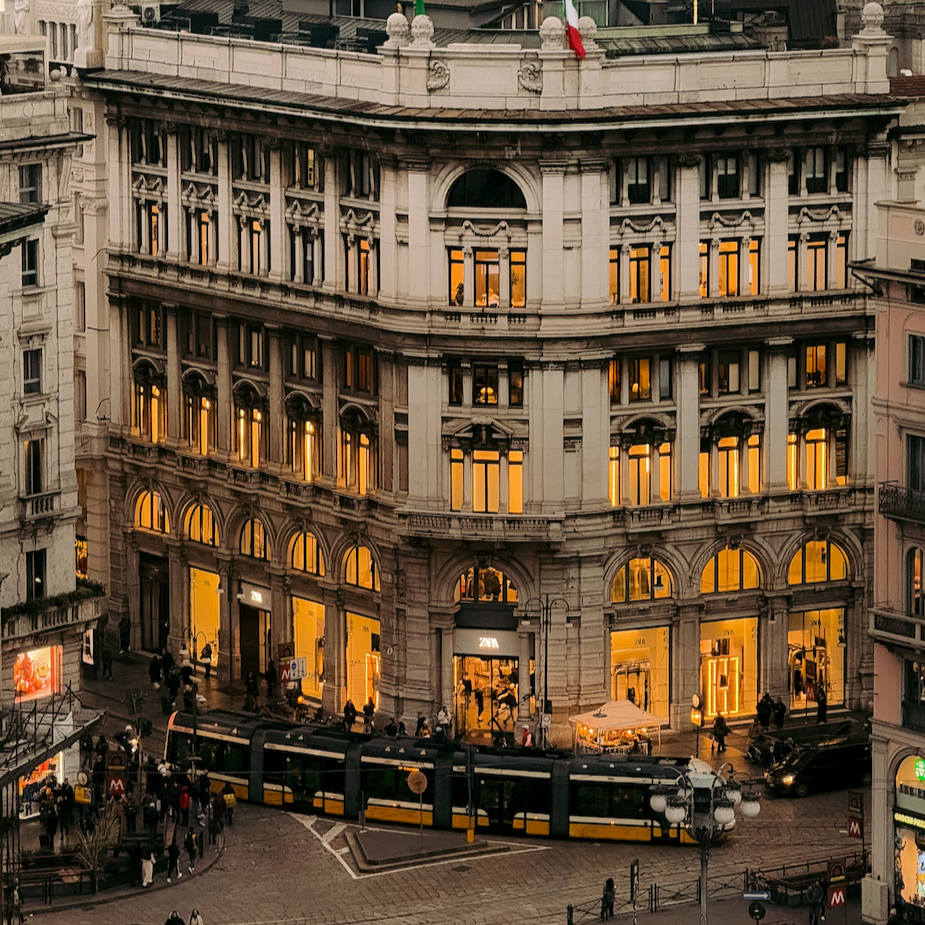
🛬 Day 1.
Arrive and settle into a quiet design-forward property in the Brera district, close enough to walk everywhere and calm enough to recover from the flight. A late aperitivo in a courtyard, an early dinner, nothing ambitious.
Photo©: pexels.com/Alisa Skripina
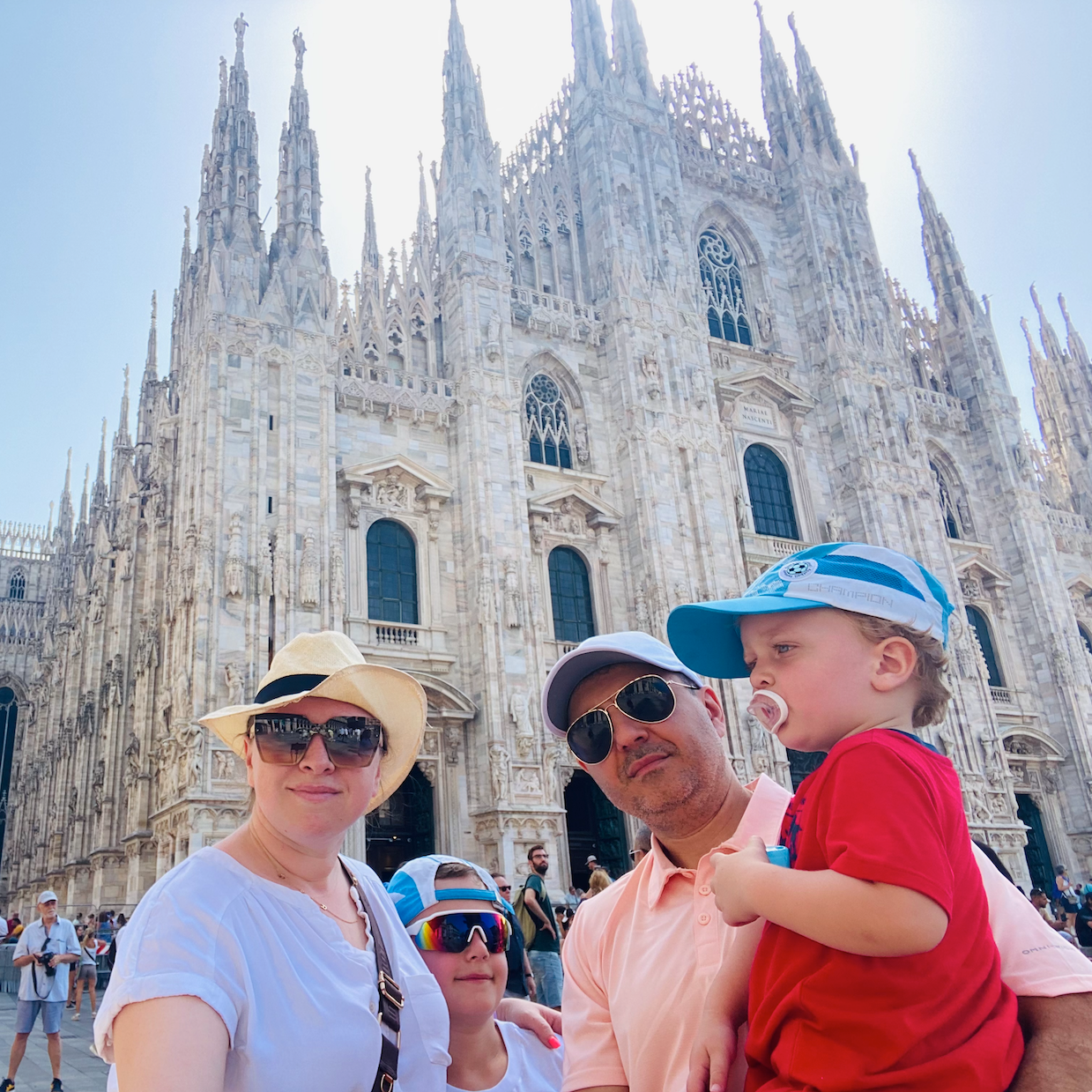
🏛️ Day 2.
The classics done properly. The Duomo before it opens to general admission, the rooftop with the terraces to yourself, then the Last Supper on tickets I hold well in advance. Afternoon in the Brera picture gallery. Aperitivo where the Milanese actually go.
Photo©: Olegana Travel Boutique
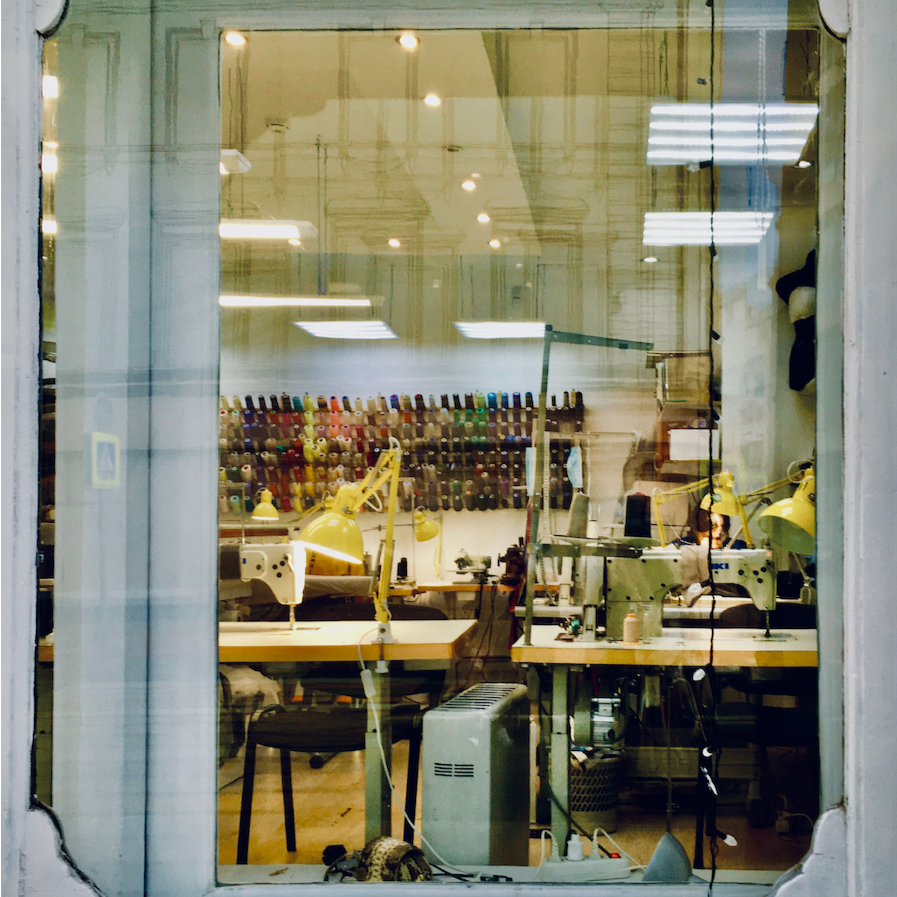
🧵 Day 3.
The embroidery atelier in the morning, the perfume factory after lunch, Armani/Silos before dinner. A day about the hand, the eye, and the nose.
Photo©: pexels.com/Mary Ulanovskaya
🎭 Day 4.
Liberty Milan. Porta Venezia on foot, then Villa Necchi Campiglio, then a slow lunch. Evening at La Scala if the season cooperates, or the theatrical archive if it doesn't.
Photo©: Olegana Travel Boutique
🚤 Day 5.
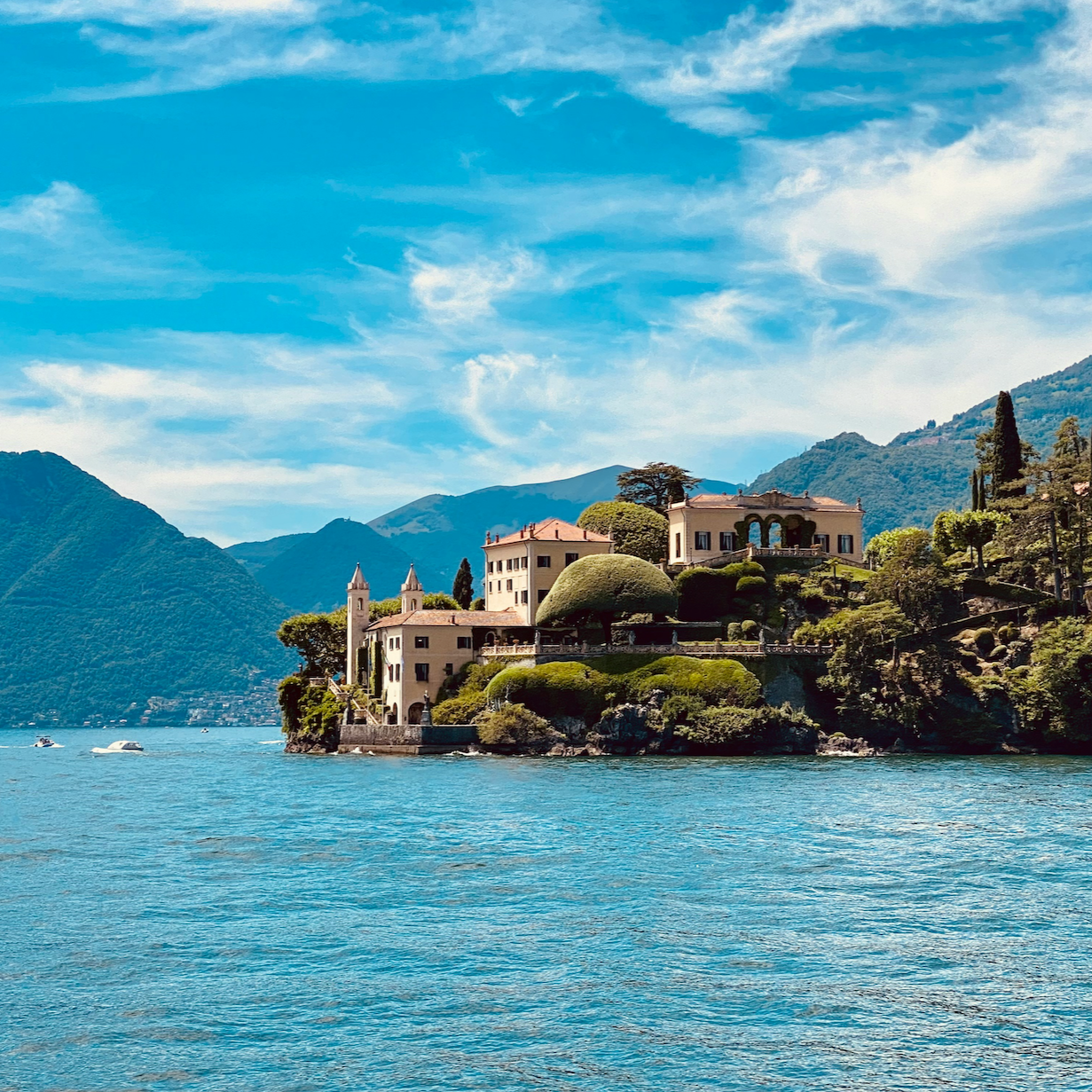
Transfer to Lake Como and into a lakefront property with gardens running down to the water. A private boat in the late afternoon, when the light goes amber and the day-trippers have gone.
Photo©: unsplash/Stanislav Gulei 🇺🇦
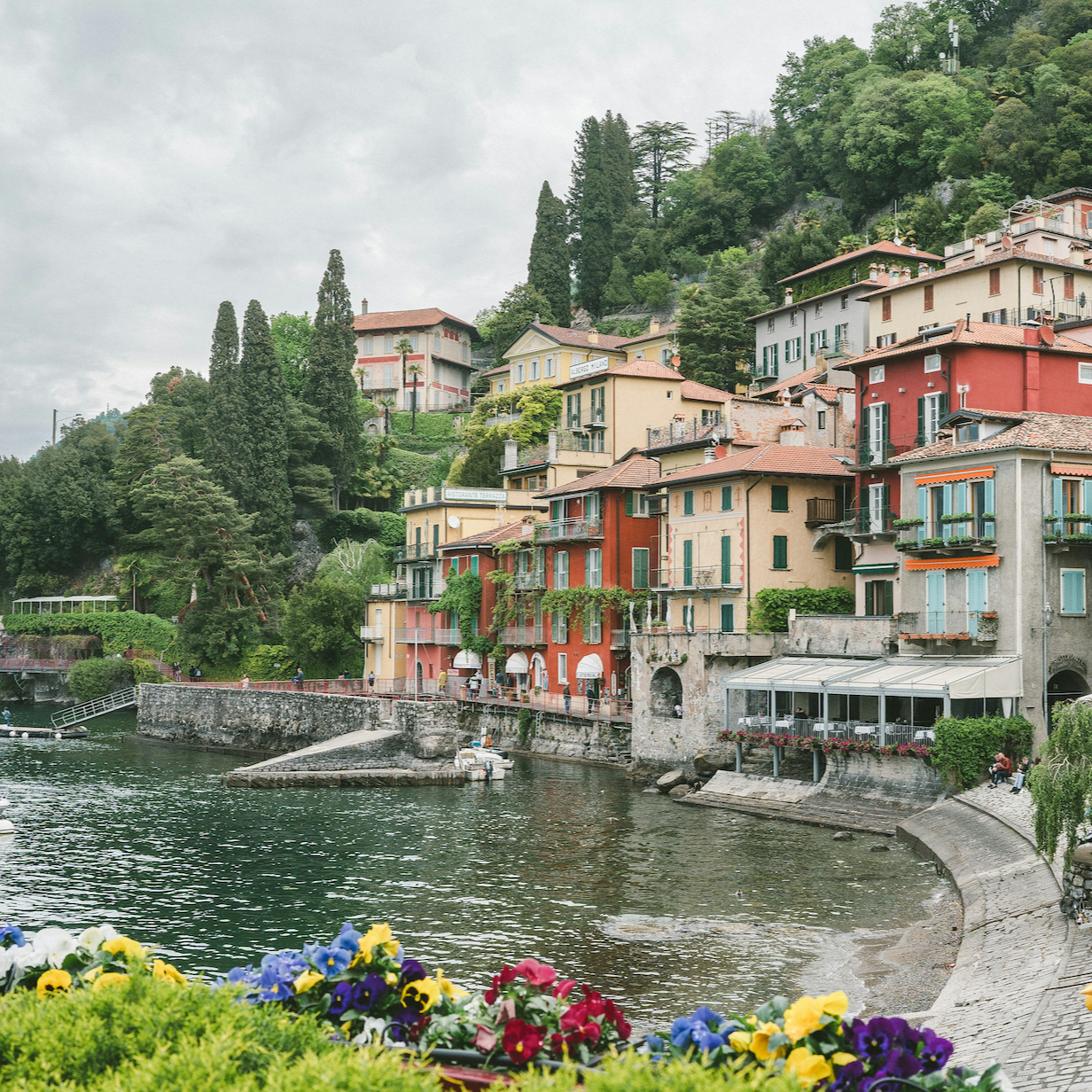
🌺 Day 6.
Bellagio and Varenna by water, a villa garden with a private guide, and dinner somewhere with a terrace and no menu in English.
Photo©: unsplash/Sies Kranen
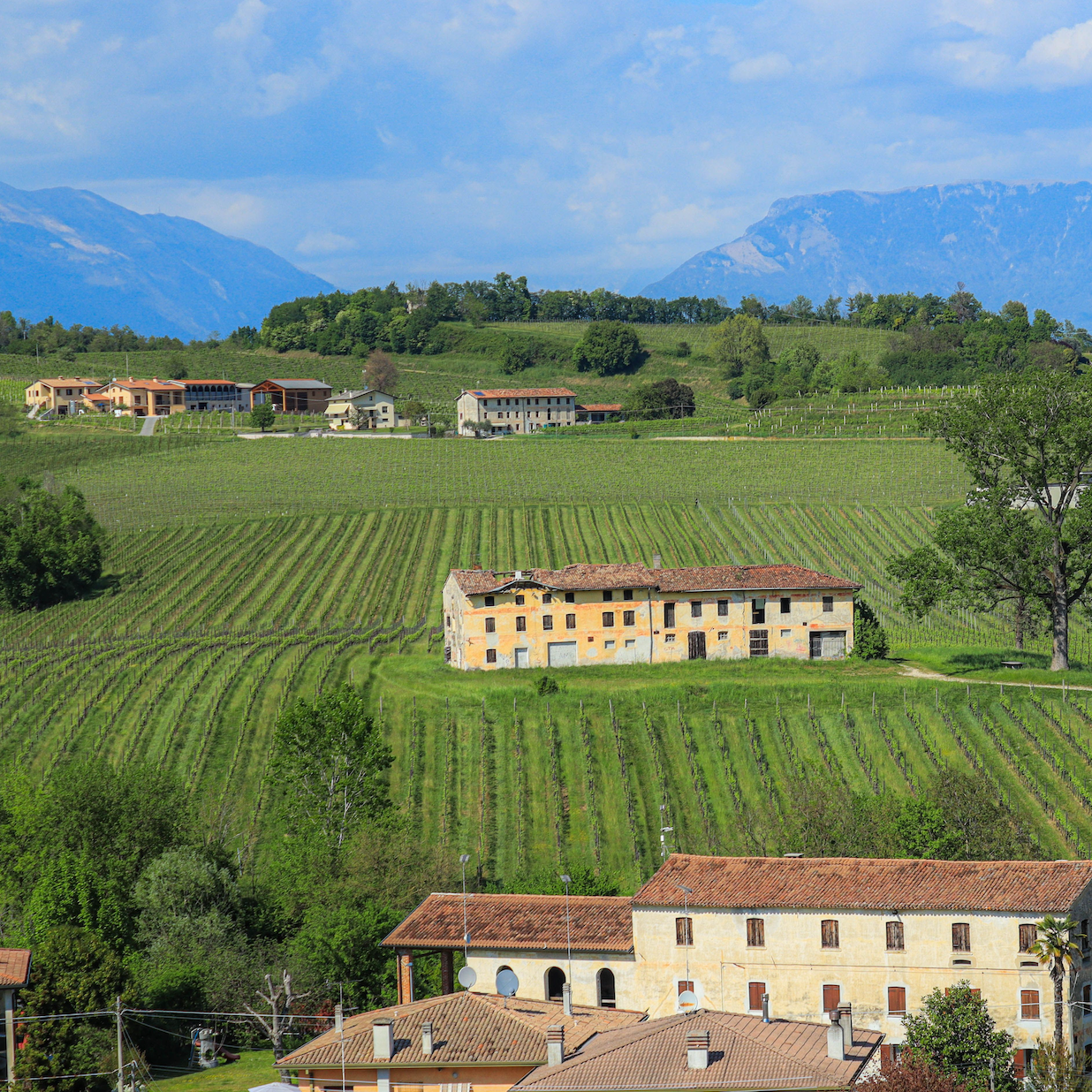
🍾 Day 7.
Franciacorta on the way back toward Milan. Two family cellars, a long lunch among the vines, and a final night in the city before the flight home.
Photo©: unsplash/Lorenza Magnaghi
Who this trip is for
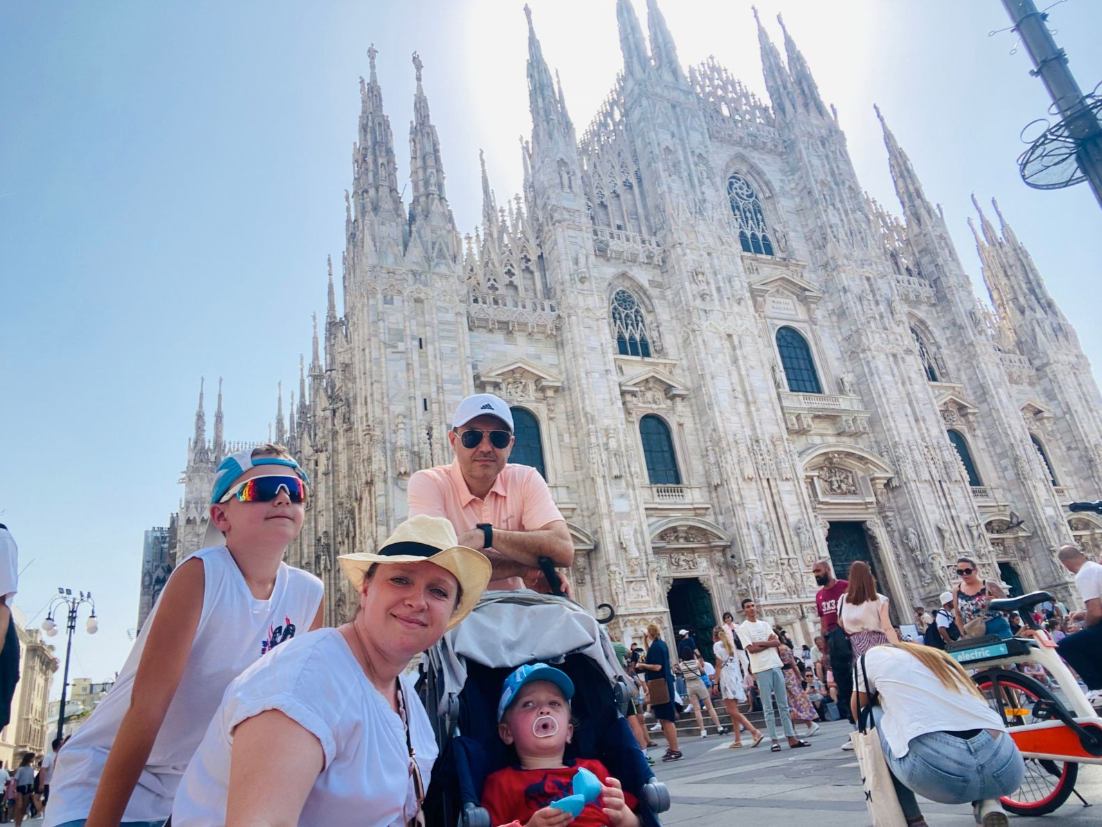
Families with older children.
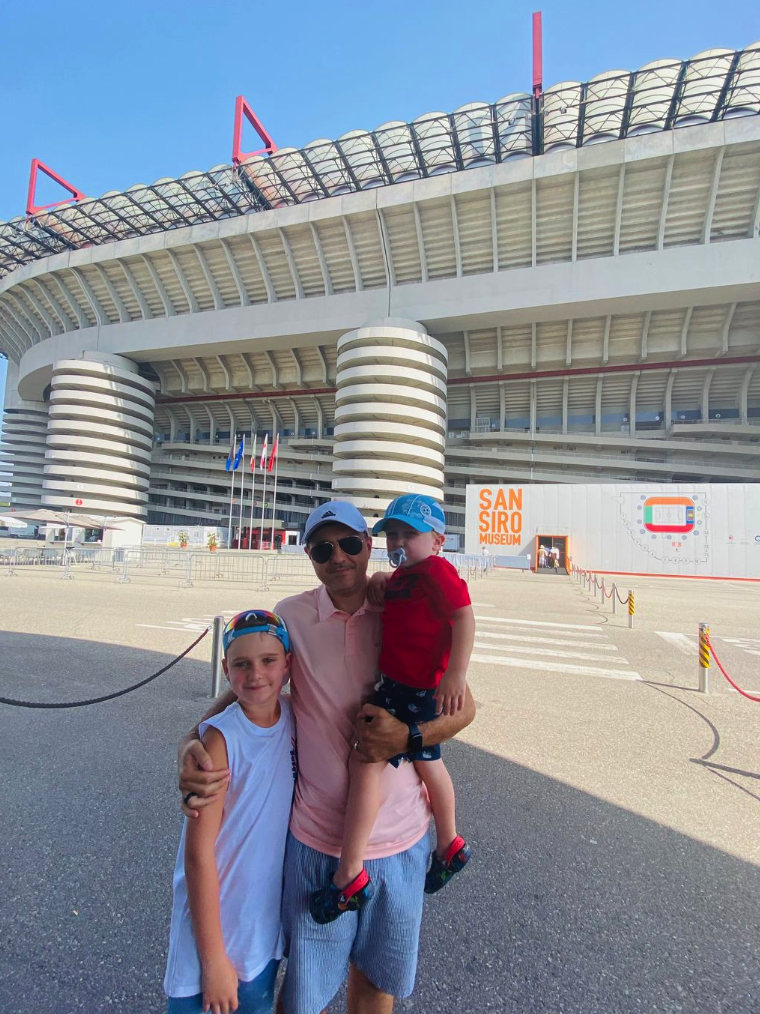
Teenagers who have been dragged through one too many churches respond to Milan. The design, the football, the food, the fashion. It feels like a real city rather than an open-air museum.
Photo©: Olegana Travel Boutique
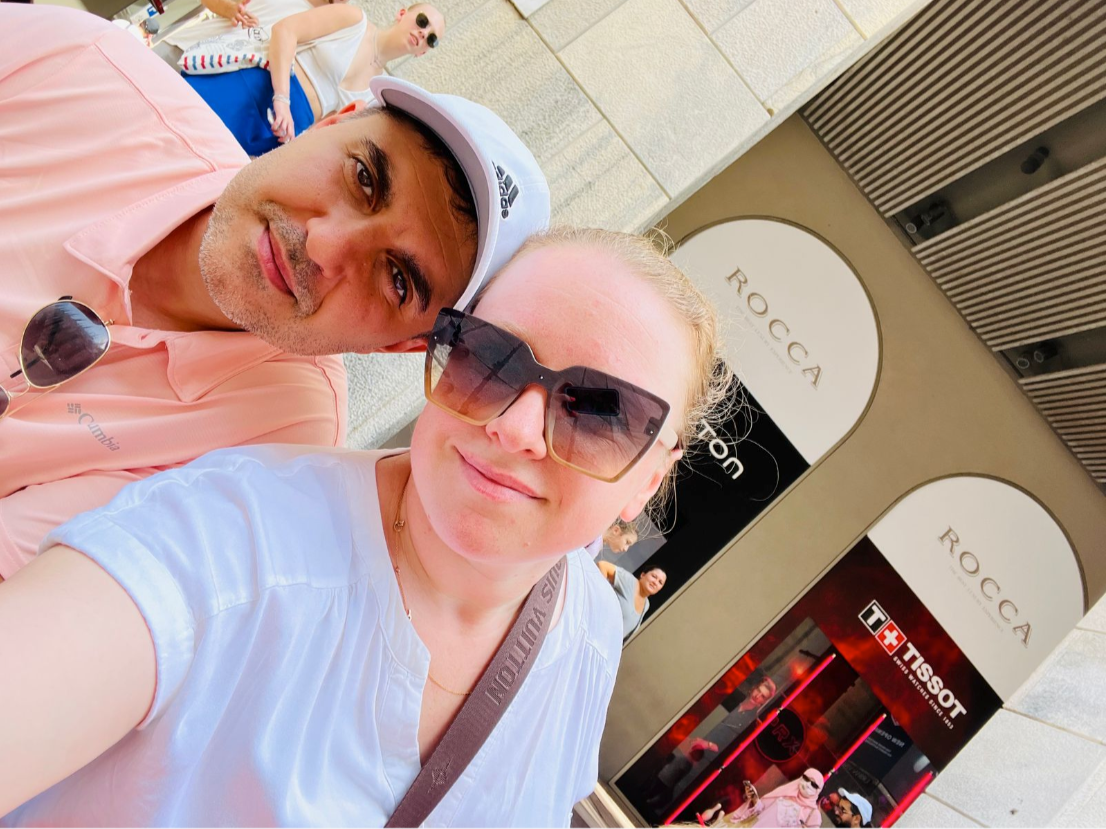
Couples who've done the classics.
If Rome, Florence, and the Amalfi Coast are already behind you, Milan is the most rewarding second act in Italy, because it asks something of you and rewards you for it.
Photo©: Olegana Travel Boutique
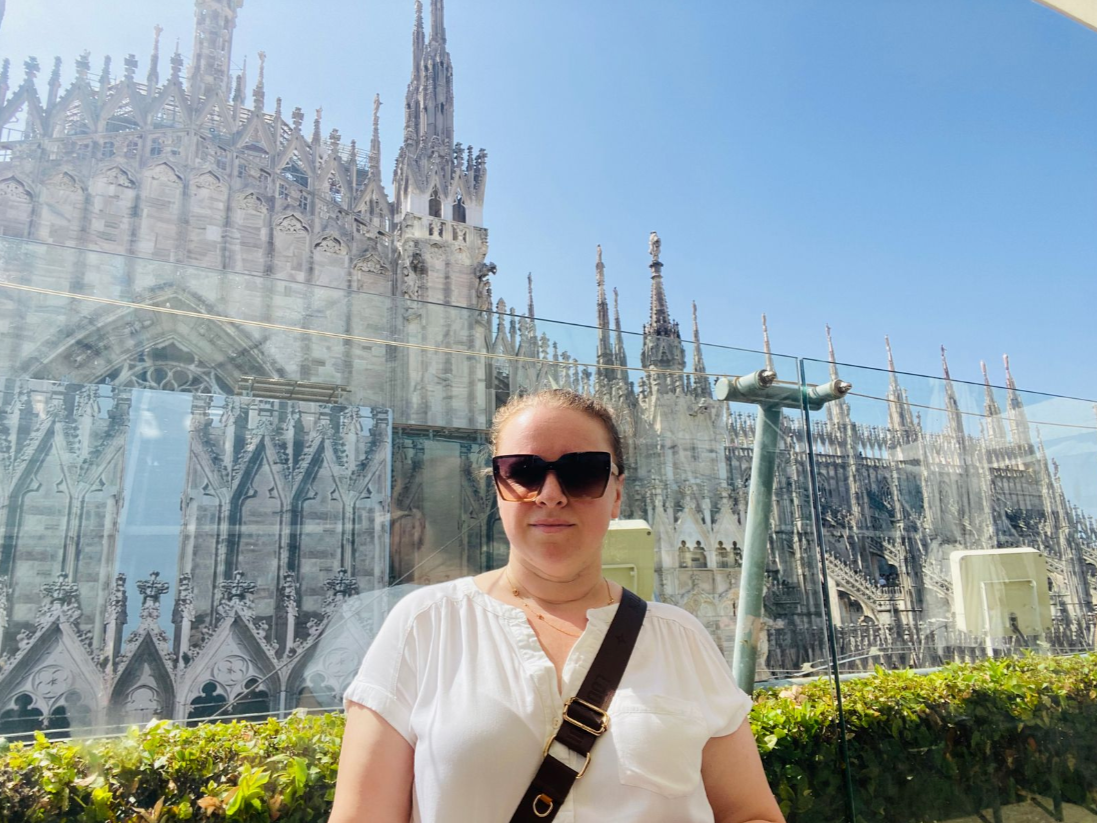
Design, fashion, and architecture lovers.
There is no European city where creative industry is more woven into daily life. You will spend the flight home reorganizing your own house in your head.
Photo©: Olegana Travel Boutique
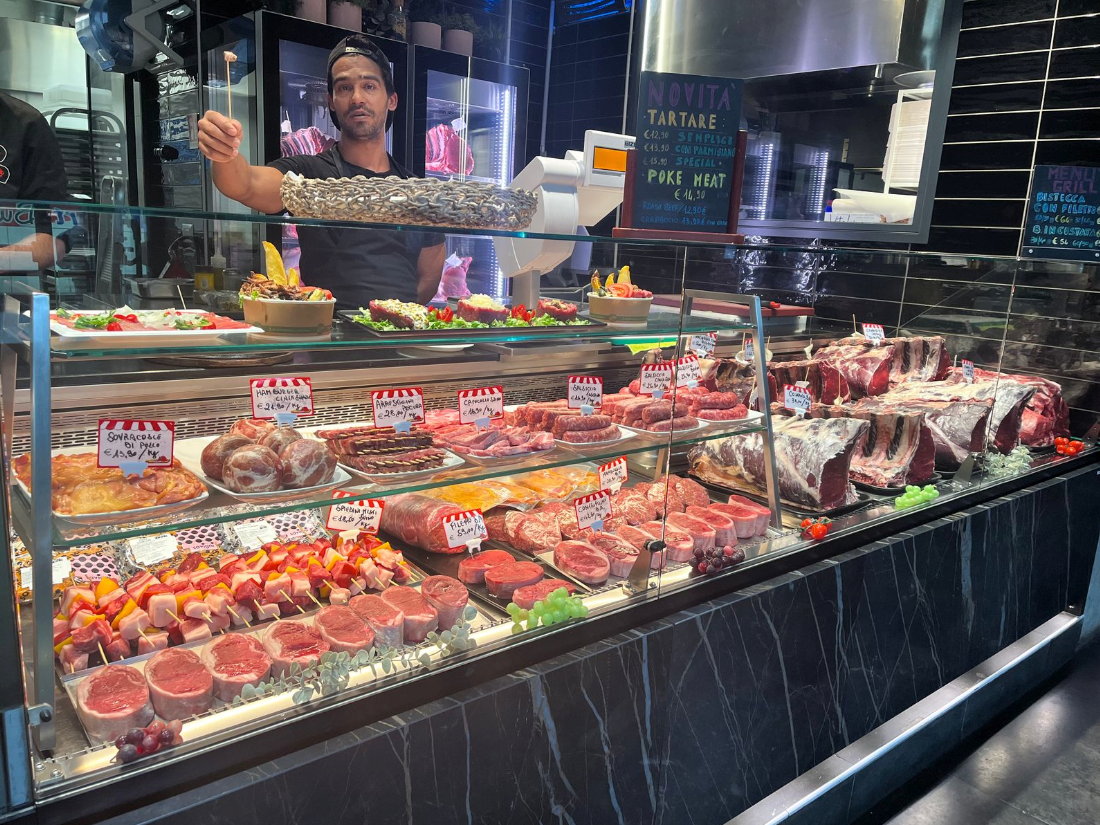
Food-led travelers.
Come without expectations and Milan will feed you better than the cities you came for. Butter, rice, saffron, and a ritual around the evening drink that no one exports properly.
Photo©: Olegana Travel Boutique
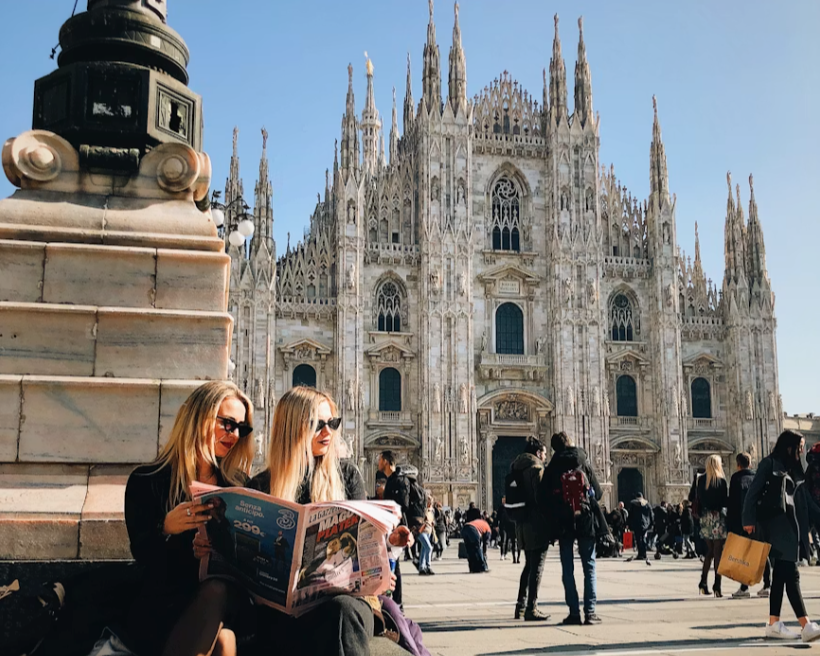
Women traveling together.
Milan works beautifully for a group of friends, and it's a natural fit for the same travelers who join my small-group women's tours through Italy. Walkable, safe, endlessly stylish, and full of the kind of days that turn into stories.
Photo©: unsplash/Vitaliy Zamedyanskiy
Connecting destinations
Milan's greatest practical advantage is that it puts almost all of northern Italy within reach of a morning drive, which is why I so rarely plan it as a standalone.
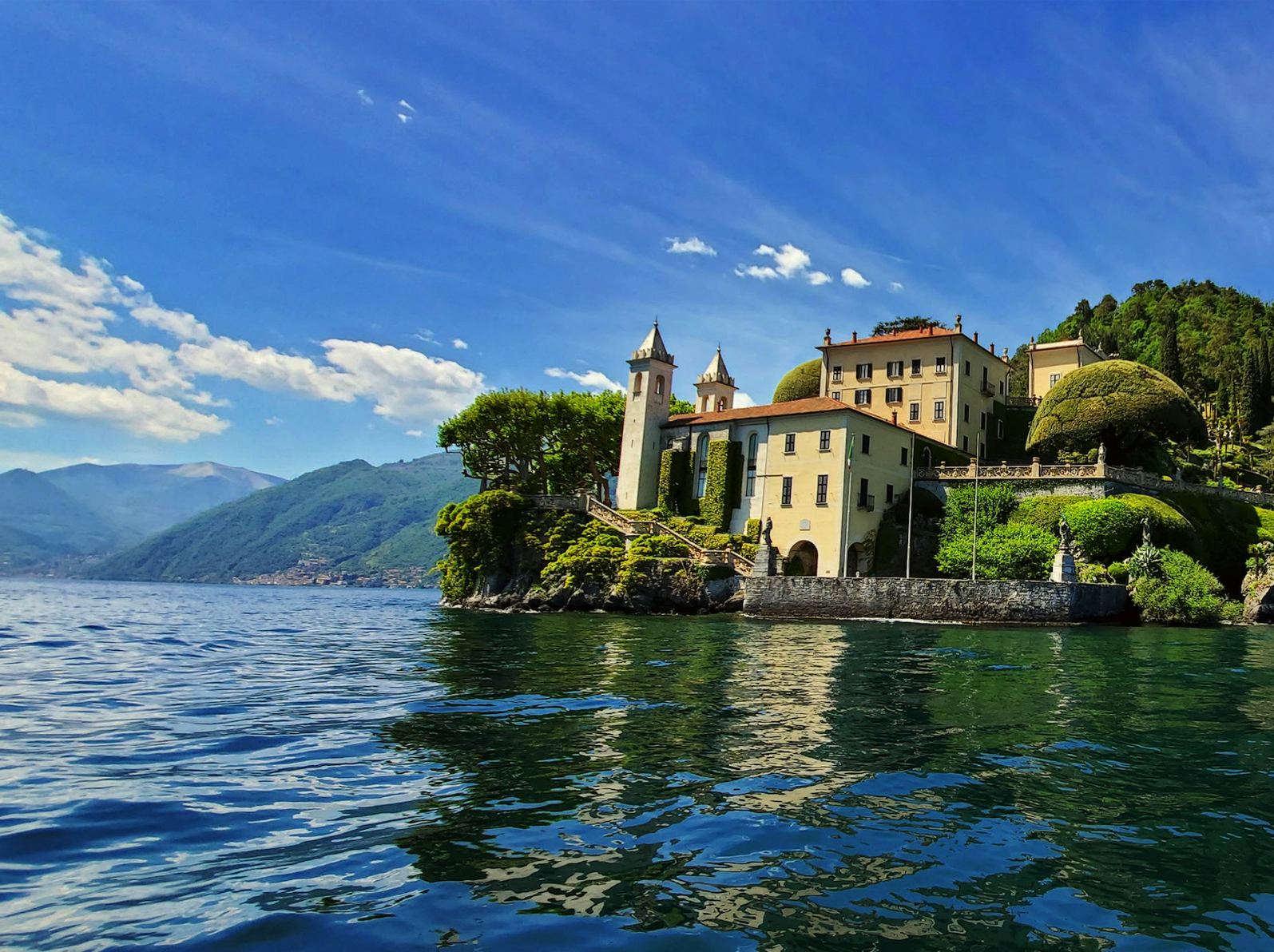
This scenic vista features the historic Villa del Balbianello located on the tip of the Dossoduro peninsula in Lenno, Lake Como, Italy.
Photo©: unsplash/Jane Morris
Lake Como and Lake Maggiore are under two hours away, and the pairing of a working city with a lake so slow it barely moves is one of the most satisfying rhythms in European travel. Bergamo's walled upper town is forty-five minutes east and almost no one goes. Franciacorta's sparkling wine estates sit just beyond it. Piedmont, Barolo, and the truffle country of Alba are two hours southwest. The Dolomites are a longer but spectacular drive northeast, and they turn a city trip into something genuinely alpine.
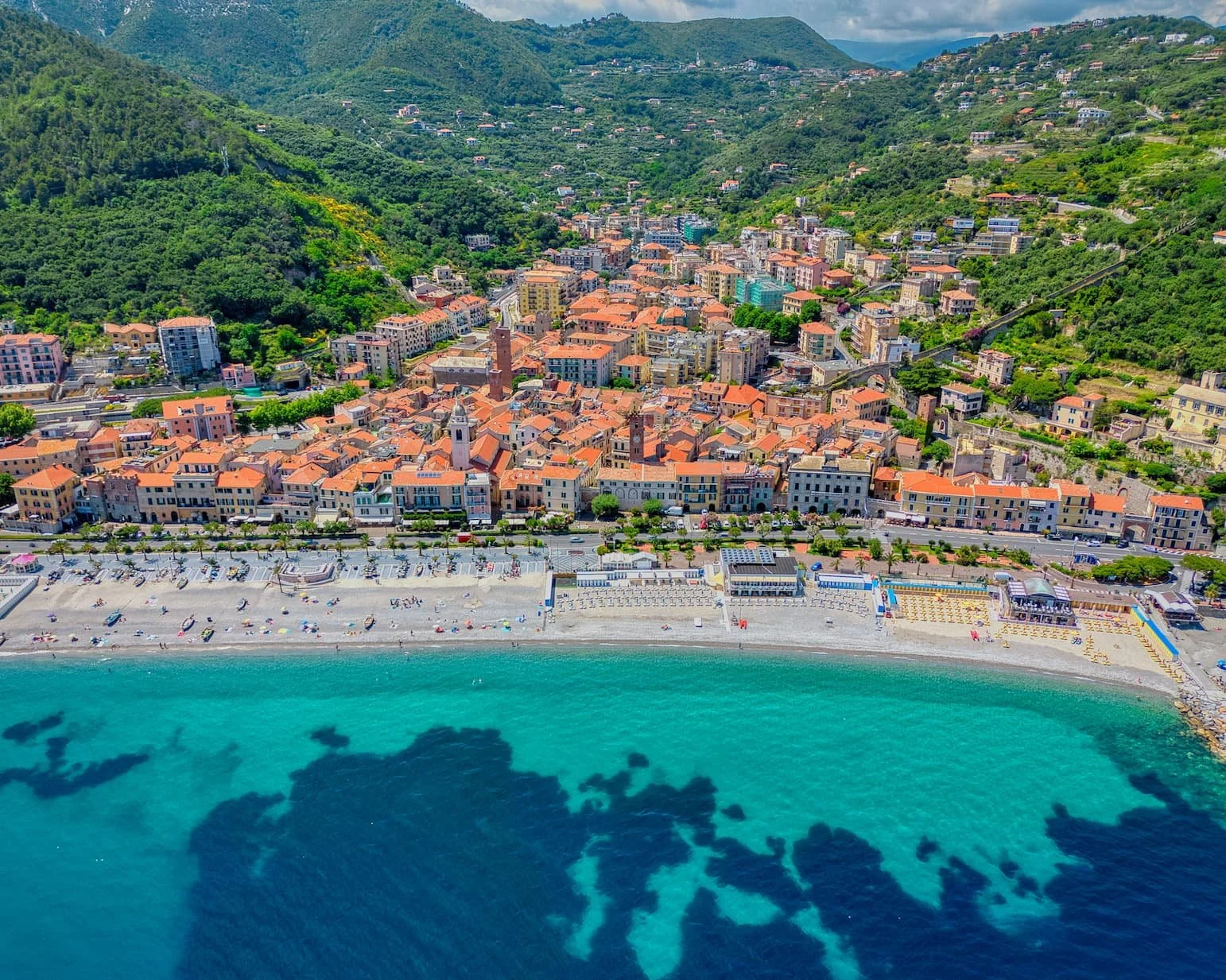
Aerial view showing the picturesque coastal town of Noli, Liguria, with its vibrant rooftops and azure sea.
Photo©: unsplash/FsPhoto
And if you want the sea, West Liguria is closer than you think, which means a single unhurried week can hold a great city, a great lake, and a coastline that most travelers drive straight past on their way to somewhere more famous.
Why this kind of trip needs an advisor
Everything I've described above sits behind a relationship. The embroidery atelier does not have a booking page. The perfume factory is not on a review site. The musicologist works with three advisors in the United States and I am one of them. The Last Supper tickets that appear online at ten in the morning are gone by ten past, and the ones that remain put you in a group of thirty with four minutes in the room.
This is what custom trip planning actually buys you: not a nicer hotel, though we'll do that too, but the version of the city that Milanese people would want you to see. Access that you cannot arrange from a laptop in New Jersey, sequenced so that the days build instead of colliding, with someone on the other end of the phone if something goes sideways at seven in the morning Italian time.
At Olegana Travel Boutique, I go to these places myself. I have sat in the atelier. I have walked Porta Venezia at eight in the morning before the shutters go up. That is the difference between a trip that is booked and a trip that is designed.
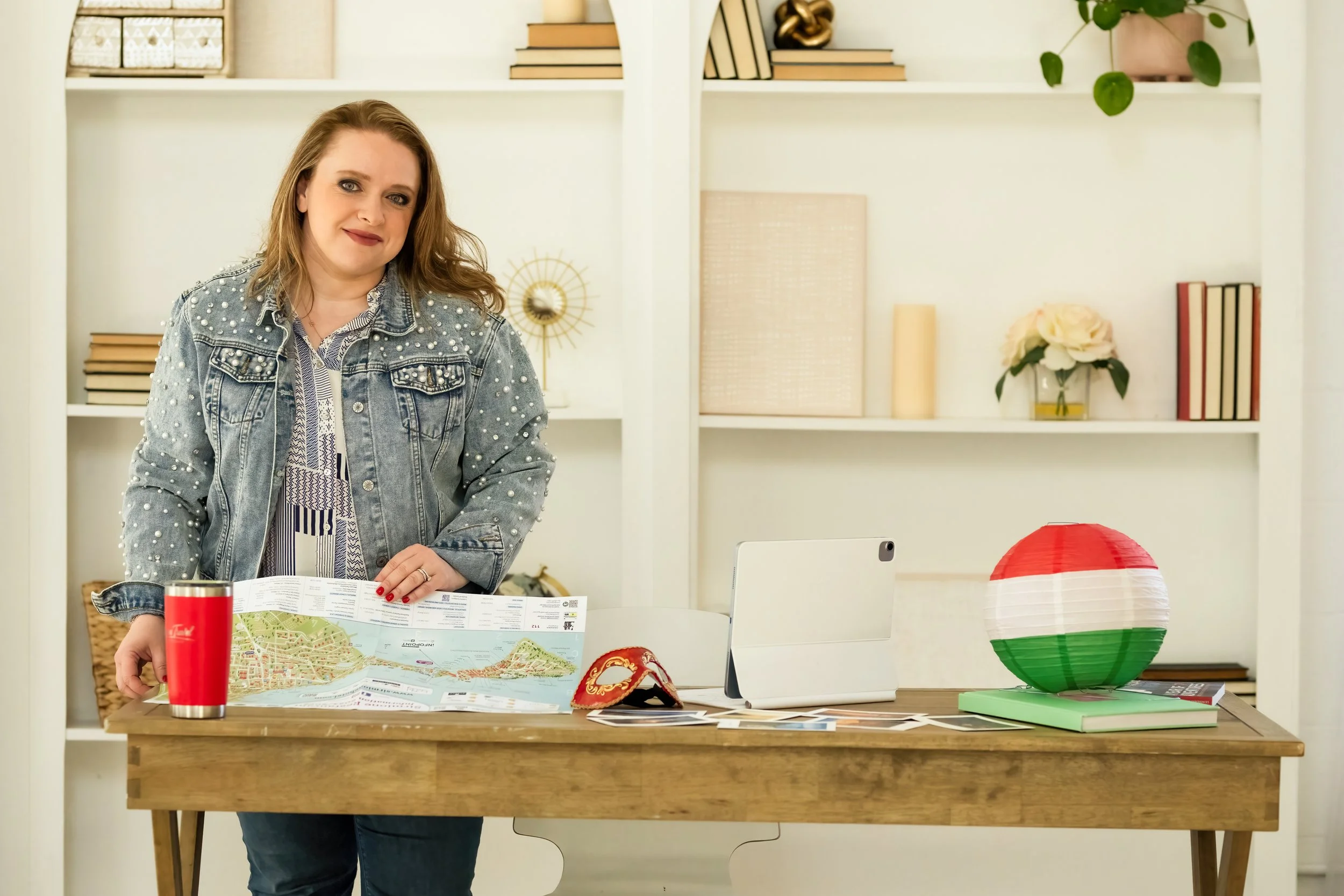
Anna Fishman, the visionary and soulful force behind Olegana Travel Boutique, orchestrates transformative journeys where meticulously curated adventures meet authentic connection and exquisite, bespoke exploration.
Let's plan the Italy you haven't seen
If Italy has started to feel finished, it isn't. It's just been introduced to you badly. Let me show you the version with the doors open.
Grab a time on my calendar for a free consultation here!
Frequently Asked Questions
-
Yes, and honestly the Duomo is the least interesting reason to return. The city rewards a three or four night stay, because everything worth doing here happens by appointment and behind a
door. A single day only gets you the surface.
-
Three nights is the minimum for the version of Milan I've described. Four is better. Beyond that, I'd rather move you to the lakes or Franciacorta and keep Milan as the sharp, dense, urban bookend.
-
Almost always, if we're planning far enough ahead. It requires timed entry, the slots release in batches, and they disappear in minutes. I hold these early. If we're planning inside of a few weeks, there are still ways in, but they involve a guide and a great deal of persistence.
-
If you are curious about how a city becomes obsessed with something, yes. And if a full performance feels like too much, the archive and the private access version gives you the story without the four hours in a seat.
-
Salone del Mobile in April and Fashion Week in late September, unless those are the reason you're coming. August, if you want the restaurants open. Otherwise the city is remarkably steady year round.
-
They're made for each other. Under two hours by private transfer, and the contrast between the two is the entire point. City energy, then absolute stillness. It's the pairing I recommend most often.
-
With older children and teenagers, very much so. With small children, I'd shorten the city portion and lean into the lakes, where the pace and the swimming carry the trip.