
Europe by rail: the most scenic train routes worth building a trip around
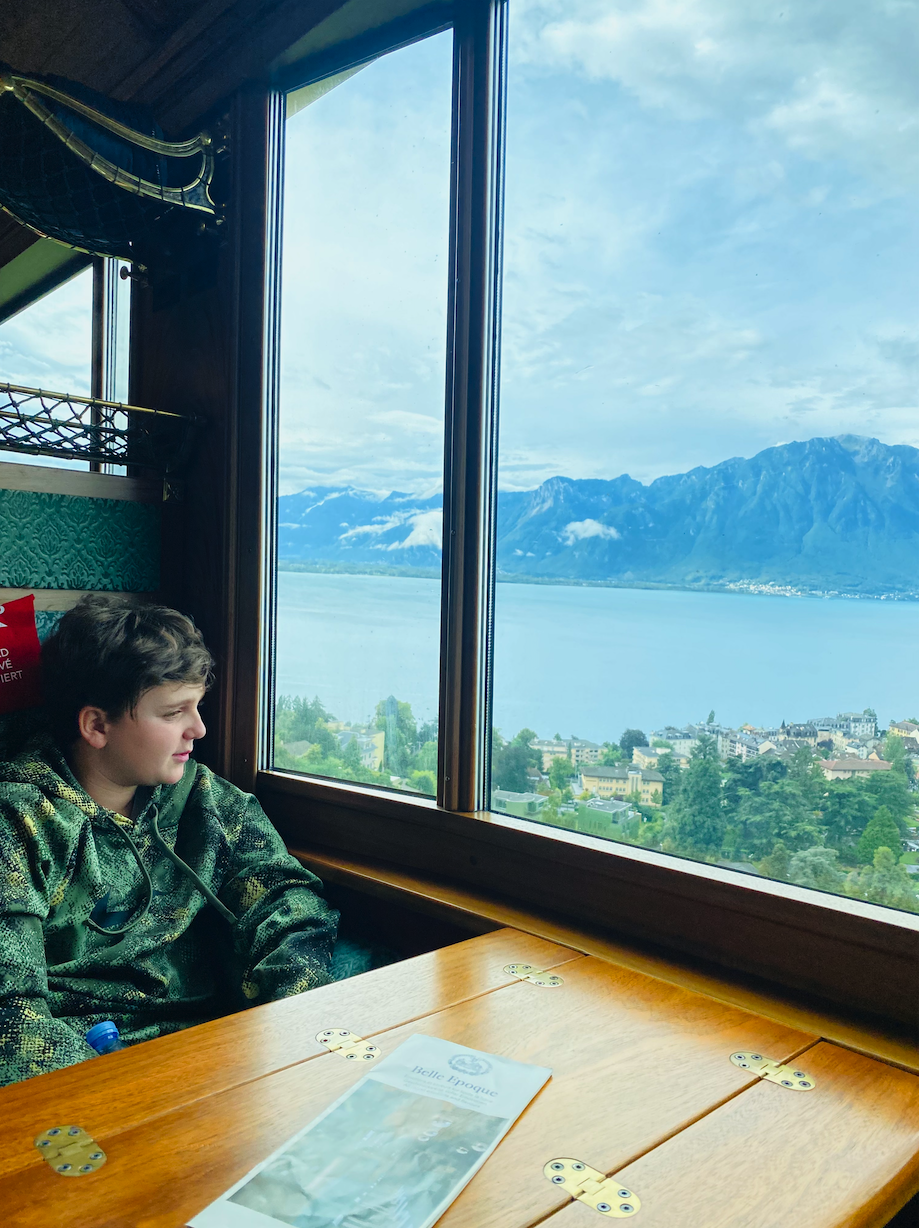
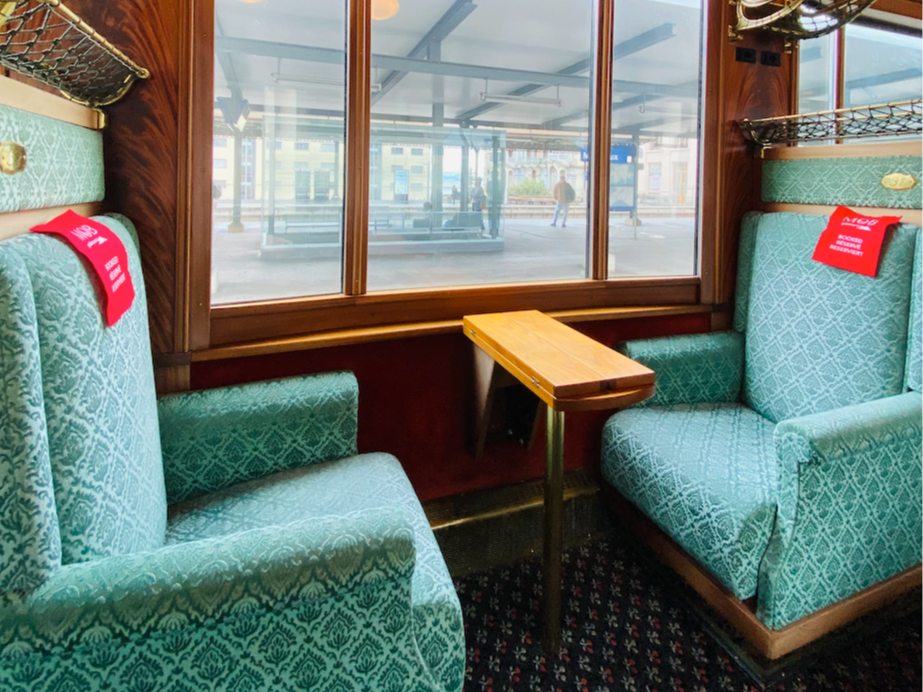
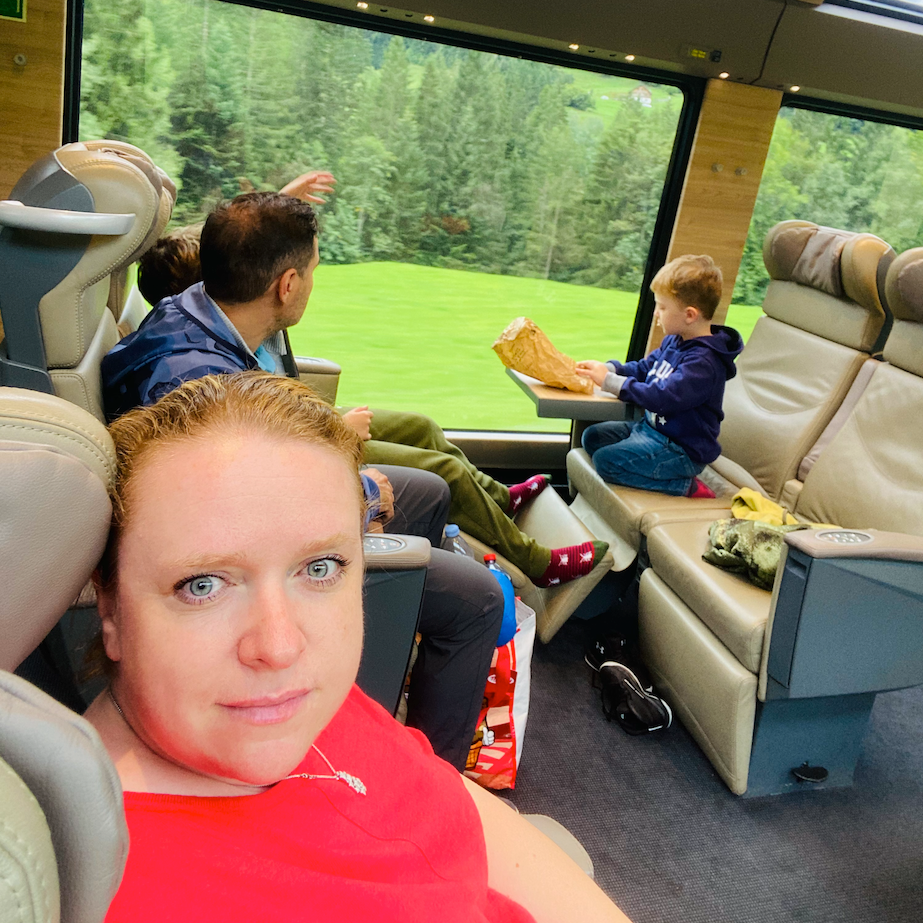
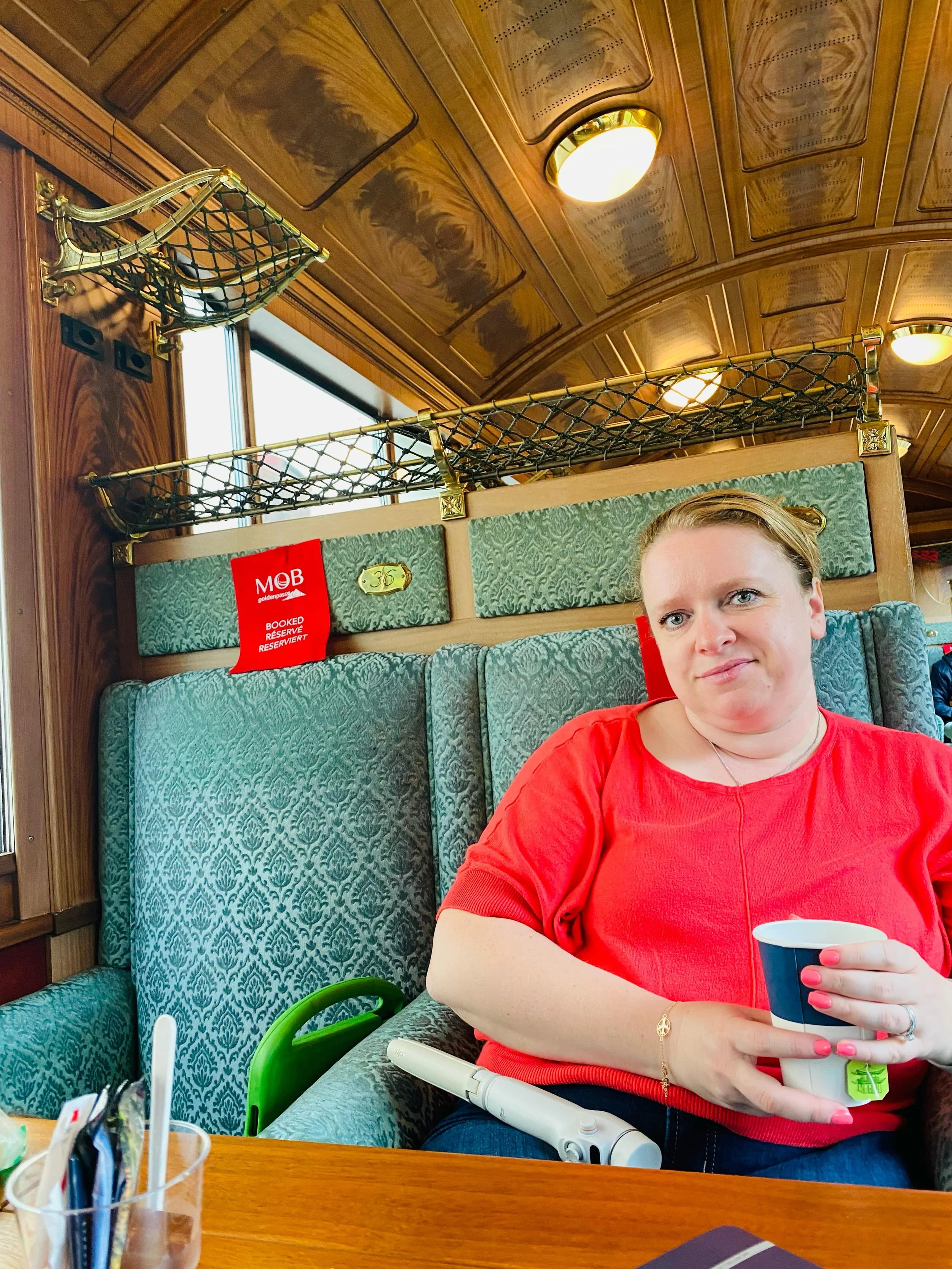
I can tell you the exact moment I became a train person. I was in a first-class carriage on the GoldenPass Belle Epoque, a restored vintage train with polished wood paneling and velvet seats, climbing out of Montreux and up through the Swiss vineyards toward Gstaad. My kids were pressed against the glass. Lake Geneva was dropping away below us, replaced by alpine pasture and chalets that looked like a set designer had placed them. Nobody was checking a phone. Nobody was asking how much longer. The train had quietly become the day.
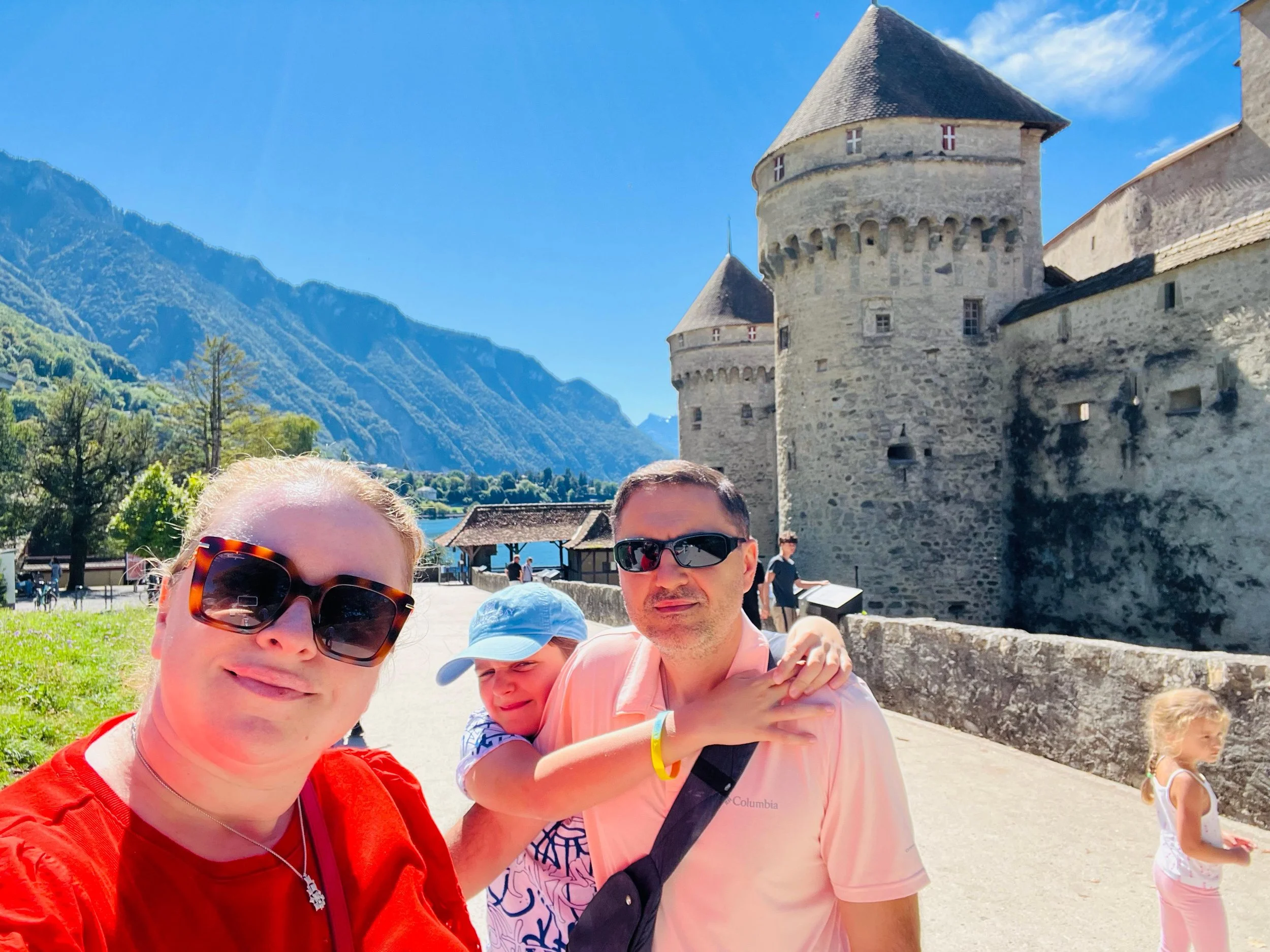
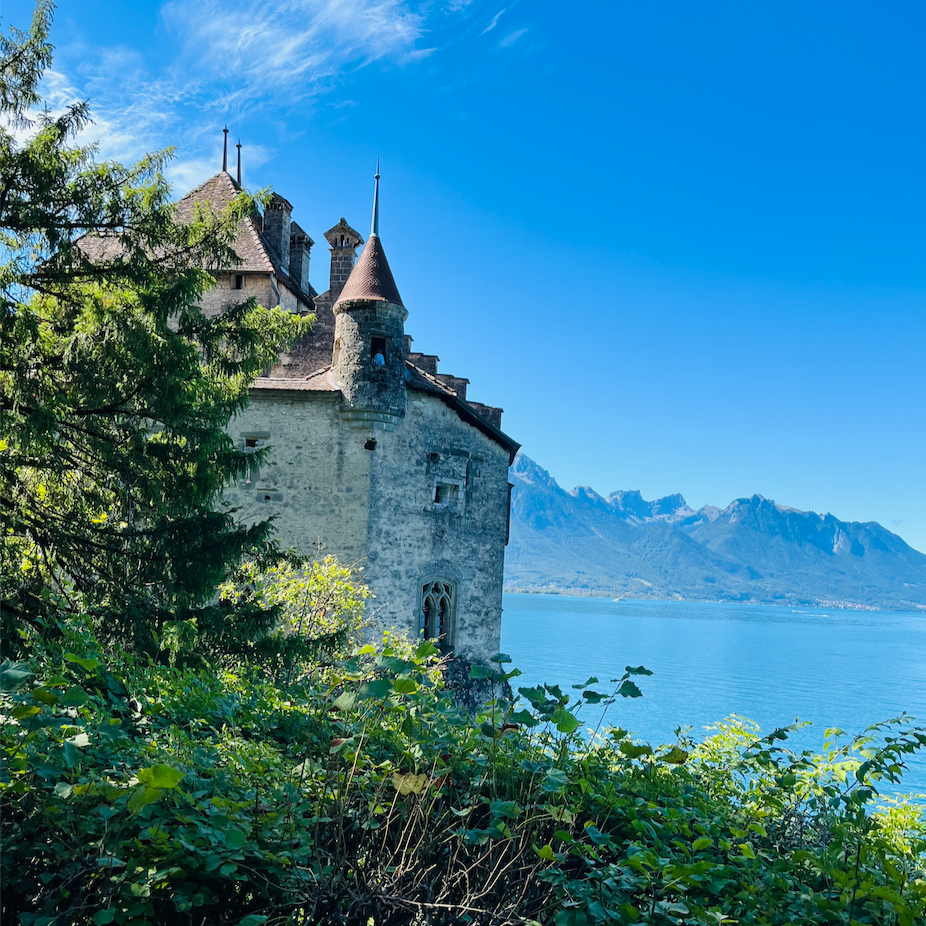
The historic Chillon Castle (Château de Chillon) located on the shores of Lake Geneva near Montreux, Switzerland. A medieval water castle and one of the most visited historic monuments in Switzerland, featuring a rich history dating back to the Bronze Age and the Dukes of Savoy.
Photo©: Olegana Travel Boutique
That afternoon we came back on the GoldenPass Express, the modern panoramic version with windows that run almost to the floor and Prestige Class seating angled toward the view. Same route, entirely different feeling. The vintage train felt like stepping into a 1920s novel. The modern one felt like watching the most beautiful film ever made from the best seat in the house.
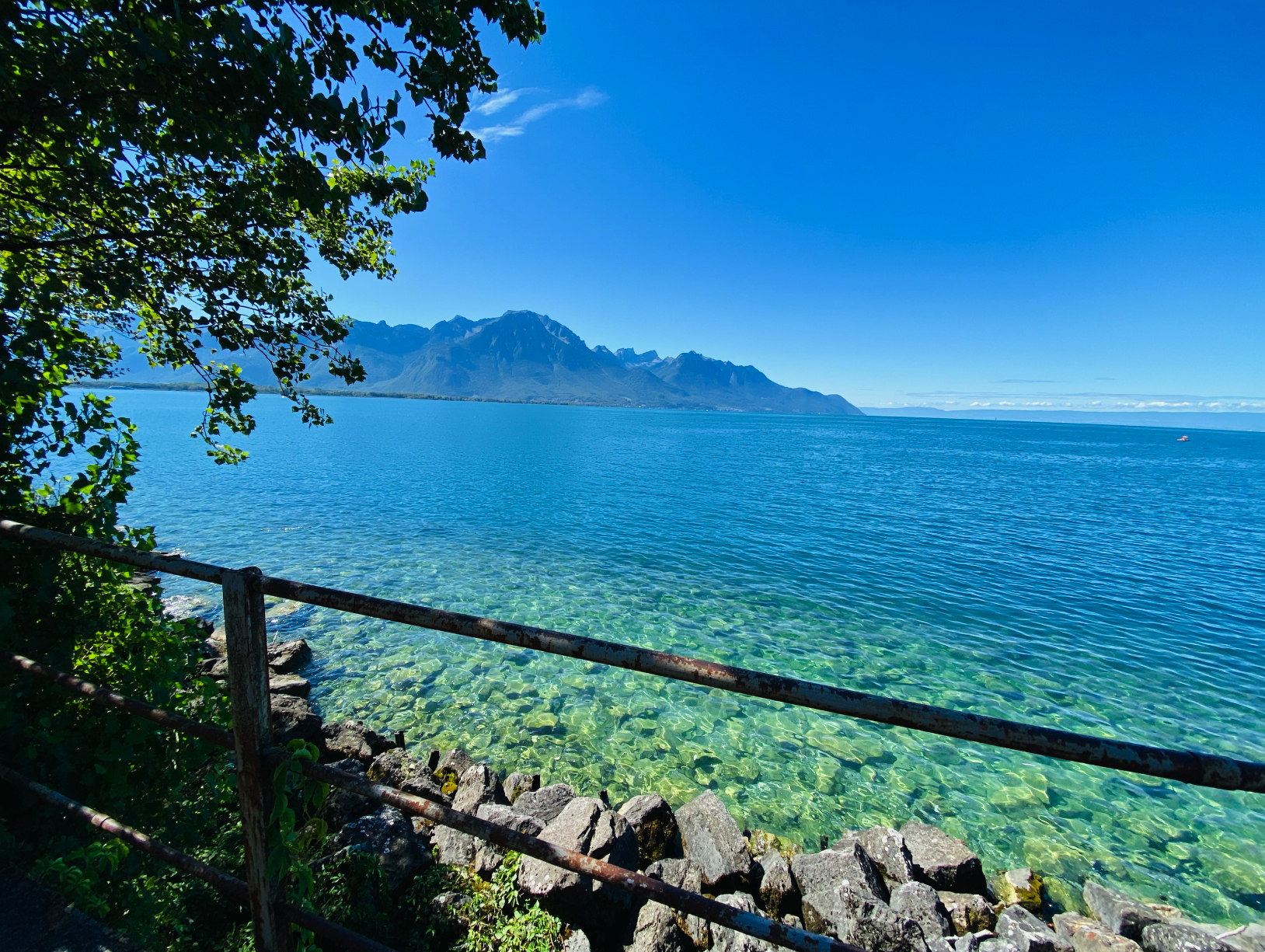
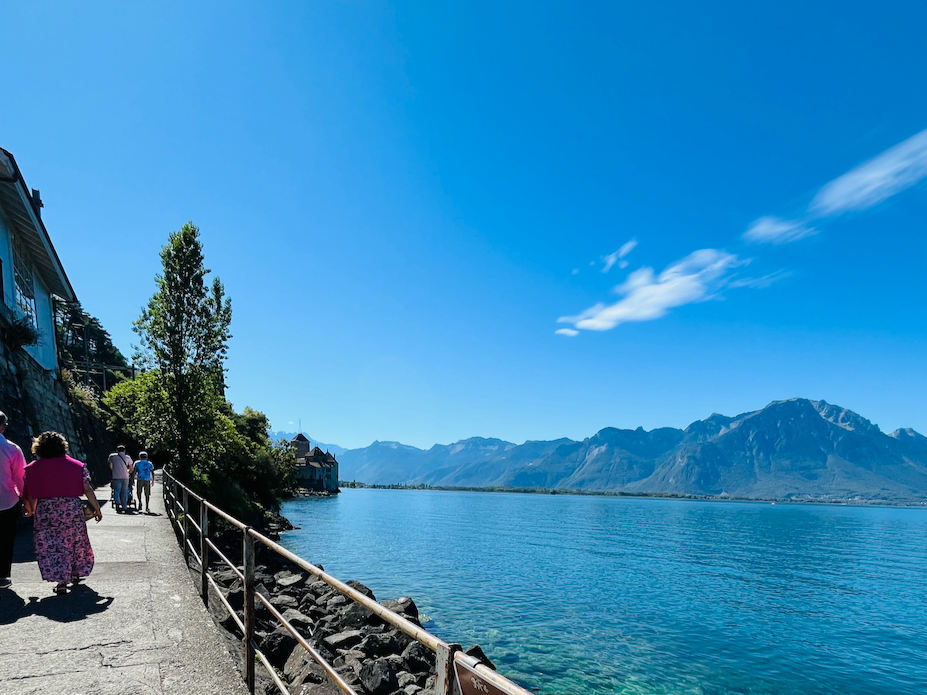
Lake Geneva (Lac Léman) framed by the Chablais Alps in the background, captured from the waterfront promenade near Montreux and Villeneuve in Vaud, Switzerland.
Photo©: Olegana Travel Boutique
That is the thing about European rail. It is not transportation. It is one of the most useful design elements I have when I am building an itinerary, because a train through the Alps or along the Ligurian coast does not simply move you from one place to the next. It hands you three uninterrupted hours of beauty that people are still describing to me a year later.
Photo©: Olegana Travel Boutique
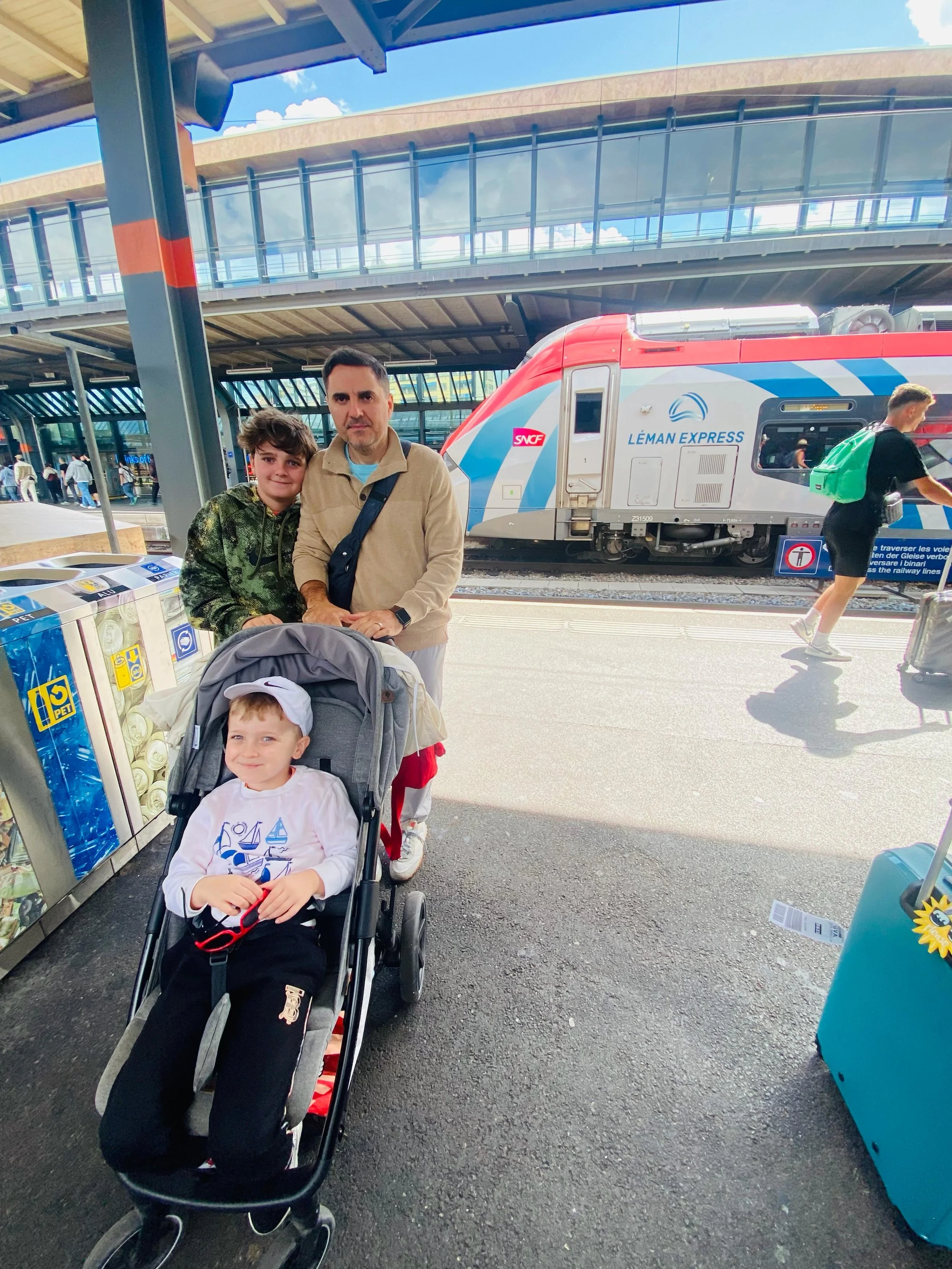
There is also no security line, no overhead bin negotiation, no luggage carousel. You step on with a coffee, settle in, and watch Europe arrange itself outside the window. For families it changes the entire shape of a trip. For couples it is quietly romantic. And for anyone who has ever felt that the hours between two cities are hours lost, this is the answer.
The scenic rail routes in Europe I actually plan around
Switzerland, where the network itself is the destination
Photo©: Olegana Travel Boutique
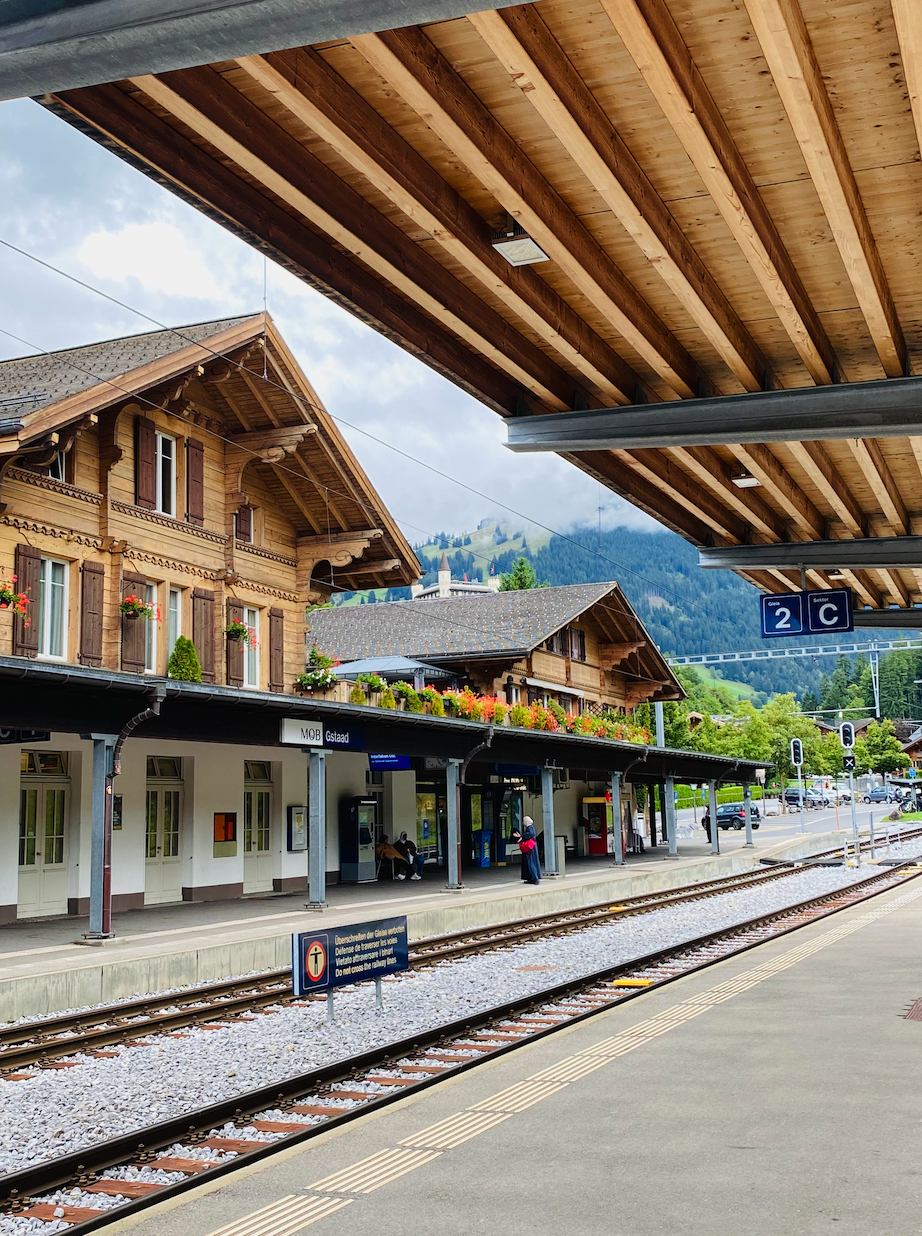
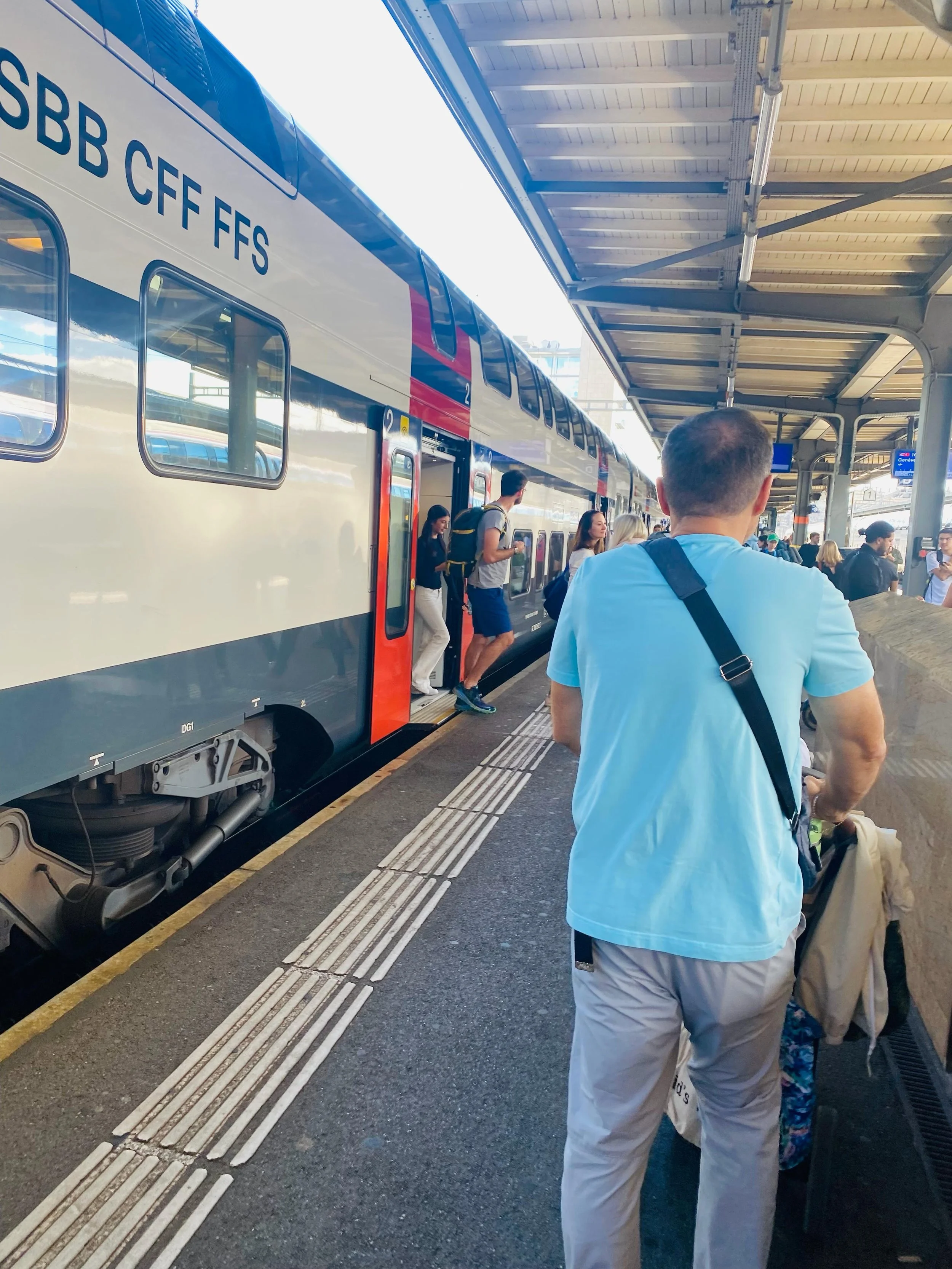
Switzerland has the finest rail network in the world, and I do not say that loosely. I have used it twice with my own family: once from a base in Lucerne, working out to Zurich, Interlaken and Bern, and again years later from a lakeside property on the French shore of Lake Geneva, crossing into the Swiss Alps by train for the day.
Photo©: Olegana Travel Boutique
The Swiss Travel Pass is what unlocks it. On our most recent trip we traveled on a six-day first-class pass covering unlimited trains, buses, lake ferries and the panoramic routes, plus entry to more than 500 museums. It also covers the Glacier Express, the Bernina Express and the GoldenPass lines, though each of those still requires a separate seat reservation. That reservation is the detail most travelers discover about three weeks too late, when the good seats are gone. These are the Switzerland and Italy combination trips that people remember years afterward, and they hinge on getting those small bookings right.
The GoldenPass Belle Epoque, Montreux to Gstaad
Photo©: Olegana Travel Boutique
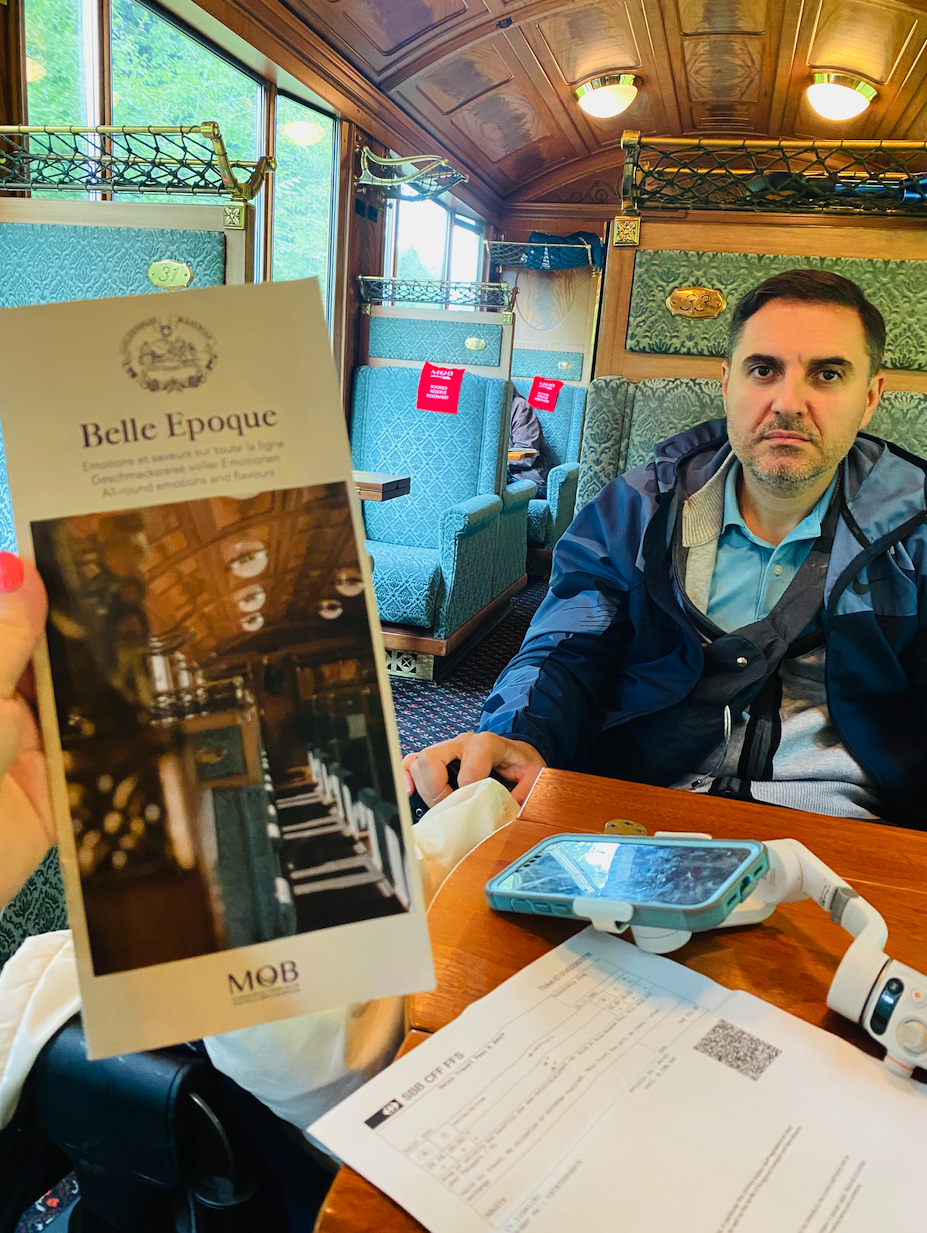
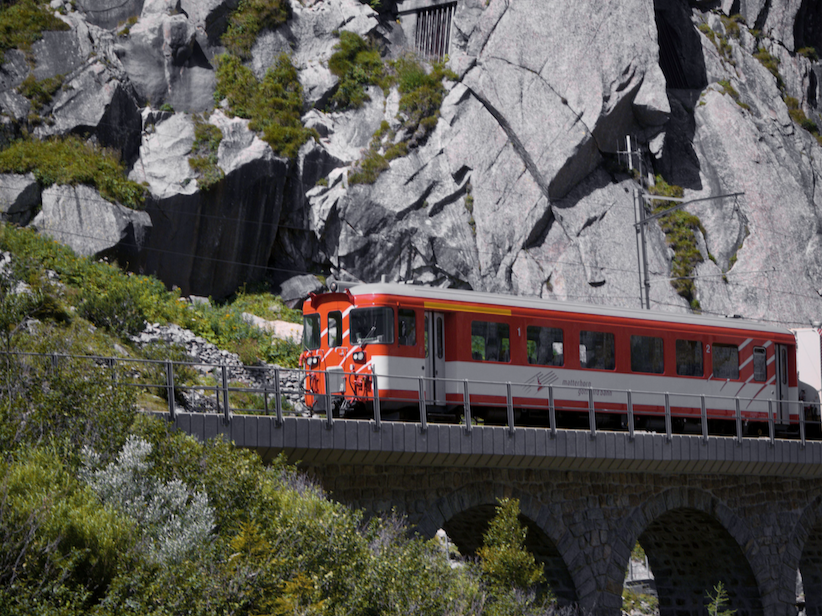
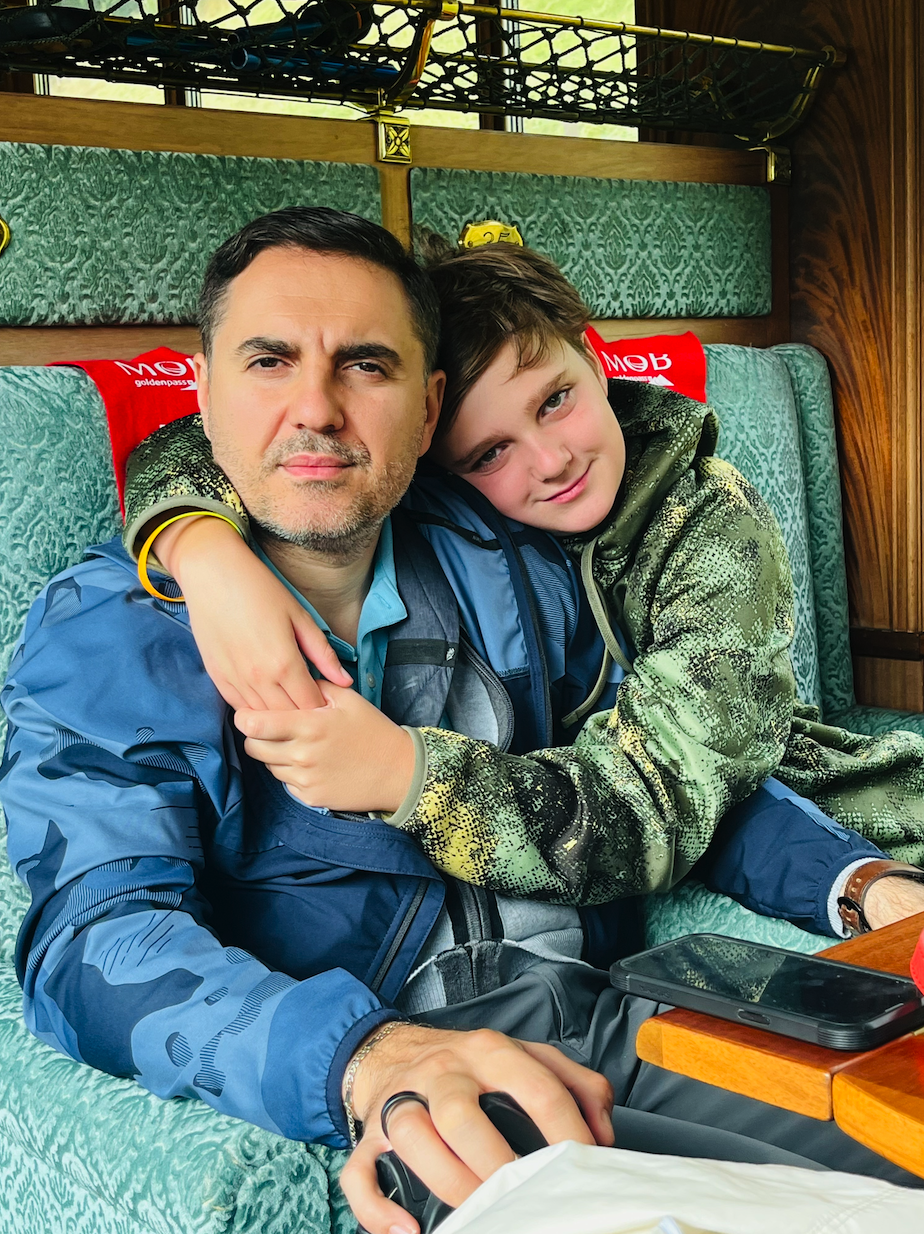
This is the route that converted me. The Belle Epoque is a lovingly restored vintage train: wood-paneled carriages, brass fittings, and the atmosphere of a different century. It leaves Montreux on the shore of Lake Geneva and climbs through terraced vineyards, past Chateau-d'Oex, where the sky fills with hot air balloons every January, and on into the alpine village of Gstaad. The ride takes just under two hours and every minute of it earns your attention. I booked our family into carriage 11 and my kids talked about it for weeks.
The GoldenPass Express, Gstaad back to Montreux
Photo©: Olegana Travel Boutique
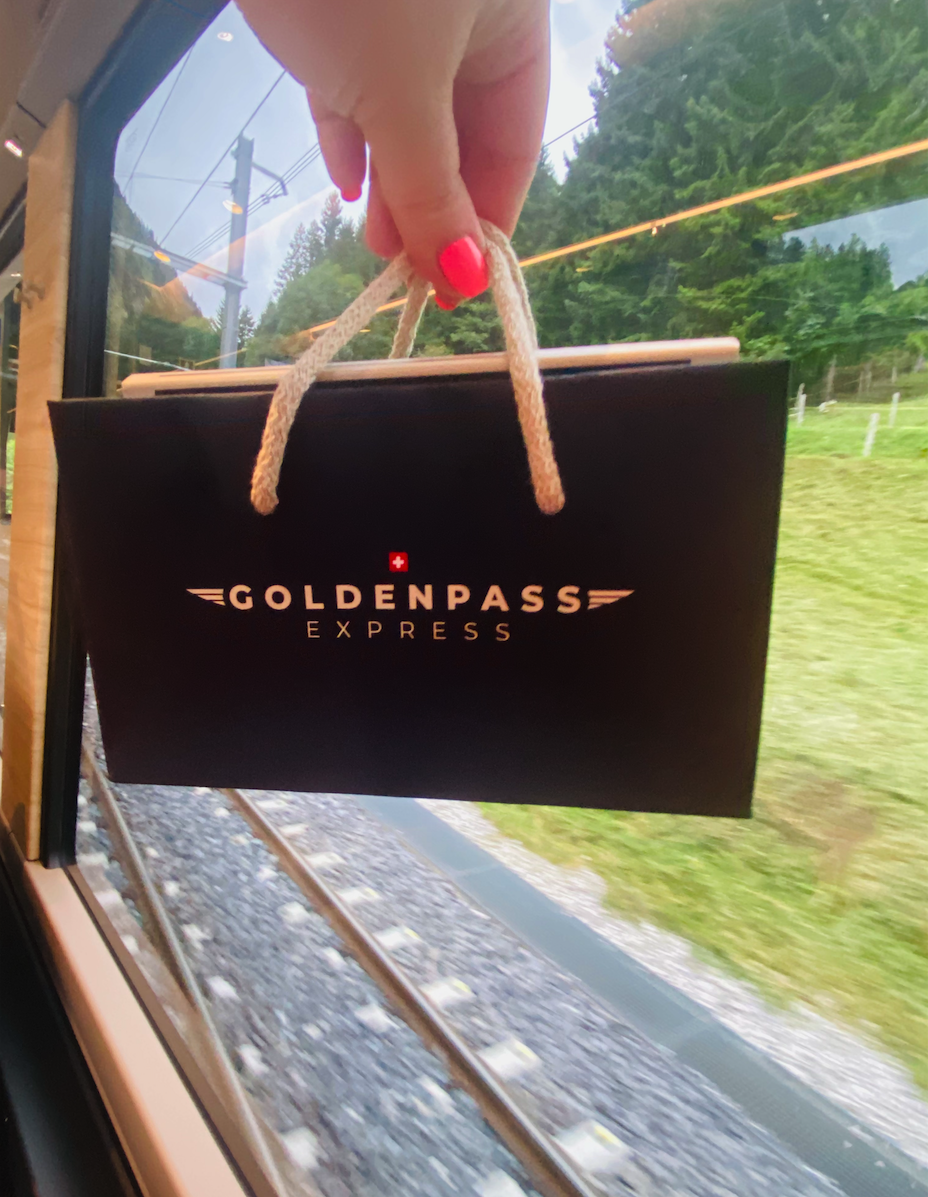
We came back on the modern train. Prestige Class on the GoldenPass Express has panoramic glass that reaches nearly to the floor, seats that rotate toward the view, and a quieter, more contemporary mood. Same scenery, different experience entirely. Riding out in the vintage train and returning in the panoramic one turns a half day into two distinct memories, and that kind of layering is exactly what I look for when I am designing a week.
The Glacier Express, Zermatt to St. Moritz
Photo©: istock/KvdB50
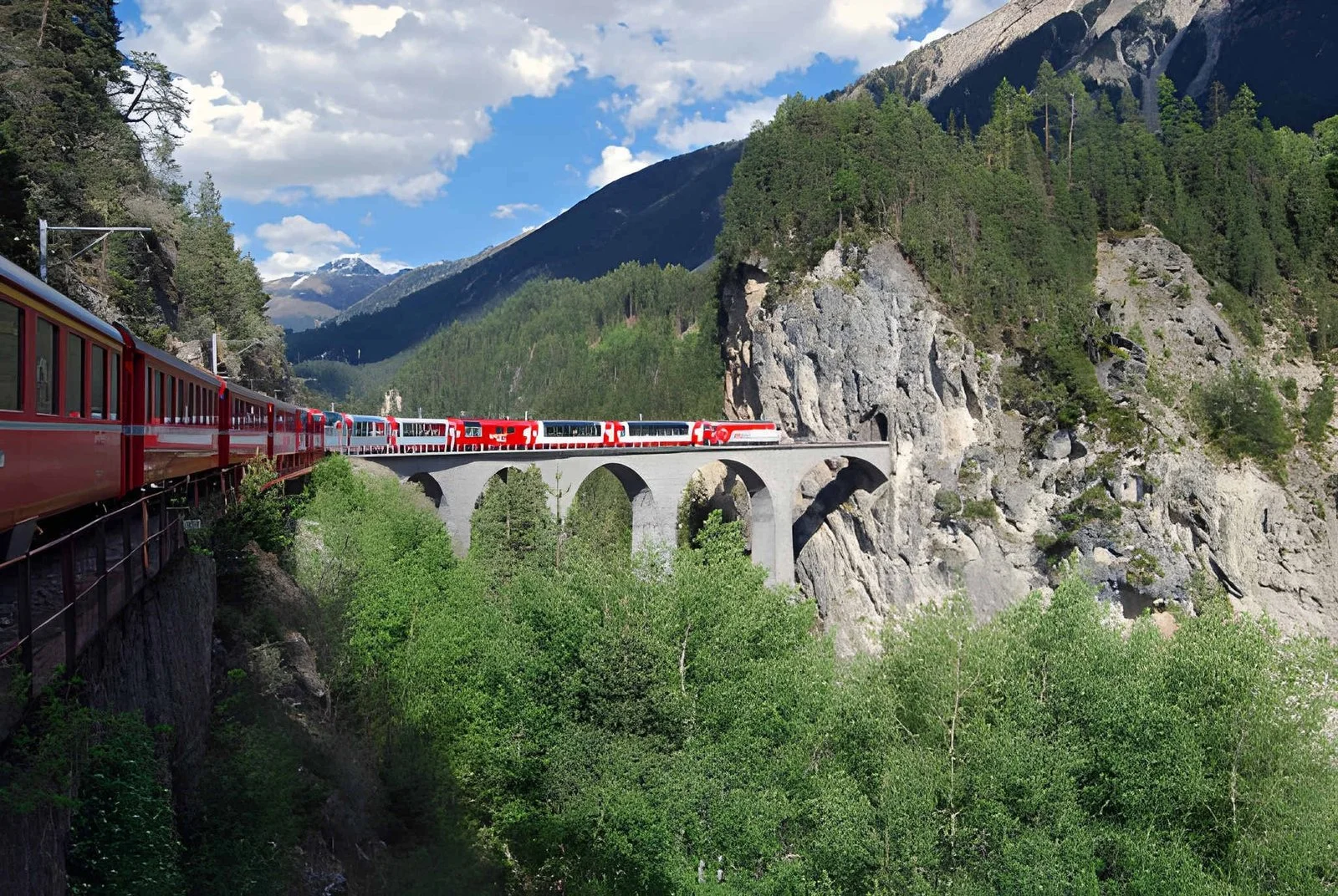
The Glacier Express is the most famous train ride in Europe and it holds up. Eight hours between Zermatt and St. Moritz, across 291 bridges and through 91 tunnels, with a three-course lunch served at your seat while the Alps move past the window. I recommend it to clients who want a full day to become the experience rather than the connection. Excellence Class puts you in a private carriage with a seven-course meal and a dedicated host, and it sells out further ahead than anything else in the country.
The Bernina Express, St. Moritz to Tirano
Photo©: Olegana Travel Boutique
This one crosses from Switzerland into Italy, and the line itself is a UNESCO World Heritage Site. You begin in the alpine landscape around Chur or St. Moritz, climb past glaciers and frozen lakes to more than 7,000 feet, then descend into the palms and vineyards of Tirano in northern Italy. Going from Swiss ice to Italian Mediterranean in a single afternoon is the most dramatic transition on the continent. I build it into itineraries constantly, because it turns what would have been a transfer day into the story of the trip.
Italy, where the train is part of the romance
Photo©: Olegana Travel Boutique
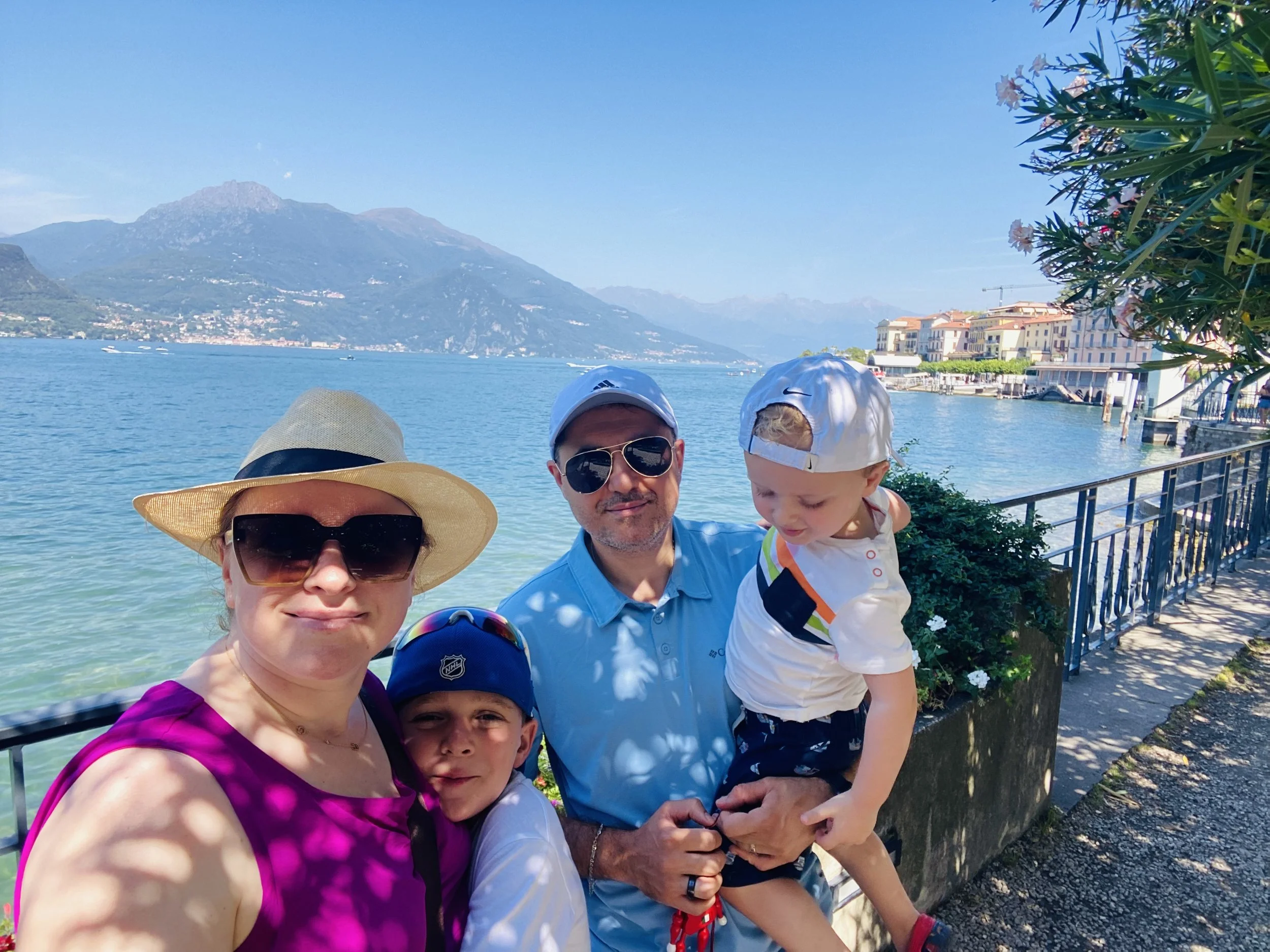
Italy has one of the best high-speed networks in Europe and it appears in almost every Italian itinerary I write. The Frecciarossa runs at up to 186 miles per hour, which puts Rome to Florence at ninety minutes, Florence to Venice at two hours, and Milan to Naples at under five. Business class is excellent and Executive class is genuinely luxurious, with lounge access and proper meal service.
Photo©: unsplash/Mike L
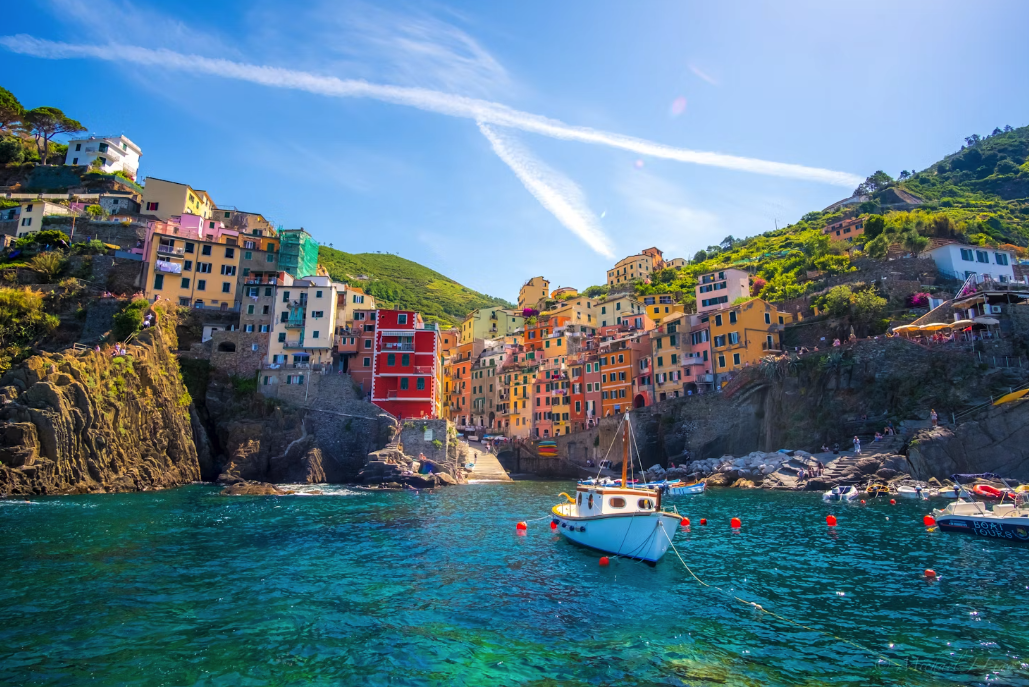
The regional lines are where the romance lives. The train along the Cinque Terre coast, hugging the cliffs above the Ligurian Sea, is one of the loveliest short rides anywhere, and the same railway carries on west into a stretch of the Italian Riviera that Americans rarely reach. The Circumvesuviana from Naples toward Sorrento is local, unvarnished and completely real. And the line through Puglia, running south past the olive groves of the Itria Valley, shows you a version of the deep south you cannot see from a car.
For families, Italian trains remove the two things that spoil Italian road trips: parking, and the ZTL restricted traffic zones that mail fines to your house three months after you get home. I have had clients spend half a vacation worrying about where they left a rental car. Step off a train in Florence, Venice or Rome and you are already standing in the middle of the city.
Norway, the fjord lines
Photo©: istock/maylat
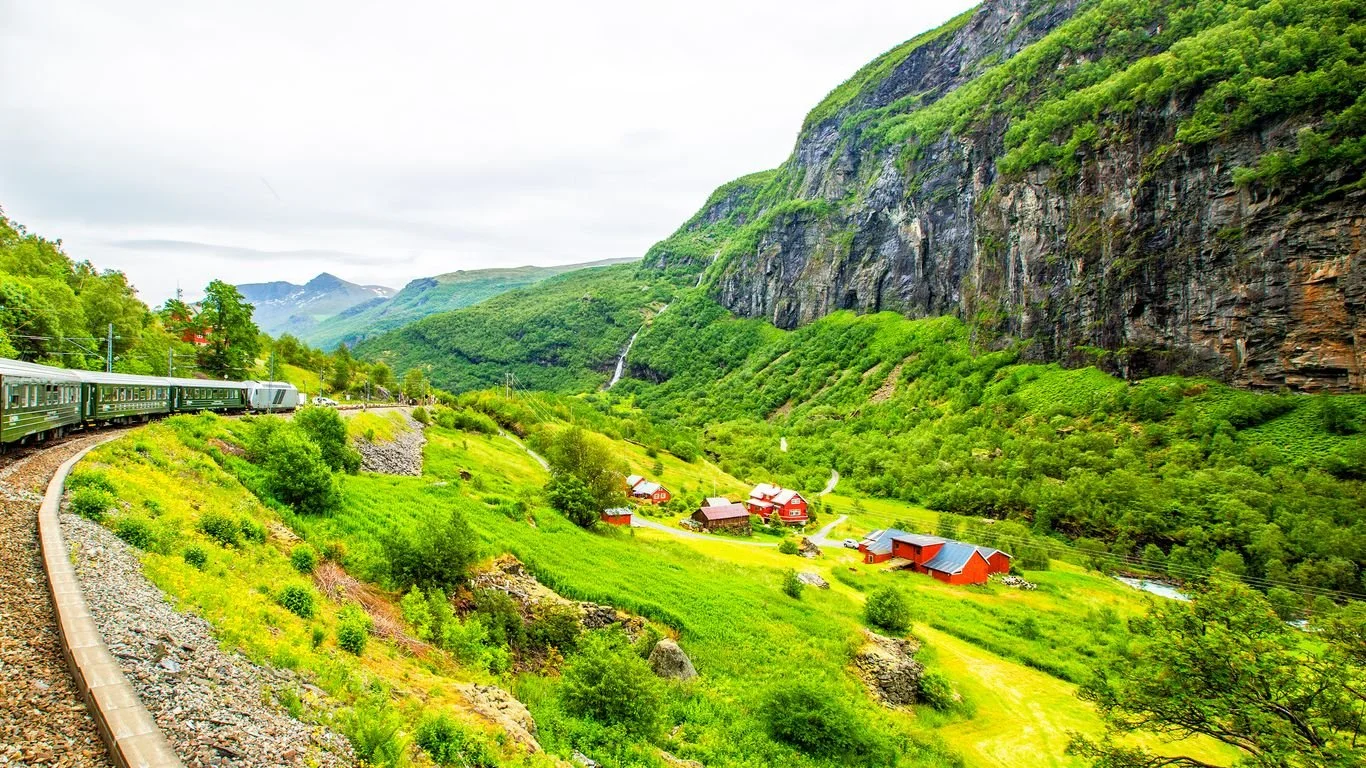
The Flam Railway covers twenty kilometers from the mountain station at Myrdal down to the fjord village of Flam, through tunnels cut by hand into the rock, pausing at the Kjosfossen waterfall long enough for you to step out into the spray. I use it inside a larger Norway in a Nutshell day that strings together rail, a fjord cruise and a mountain road into one of the most visually dramatic days of travel in Europe.
The Rauma Railway from Andalsnes to Dombas is far less known and just as good, running below the Troll Wall, the tallest vertical rock face in Europe, through country wild enough to explain why the Vikings decided their gods lived in the mountains.
The routes most travelers never hear about
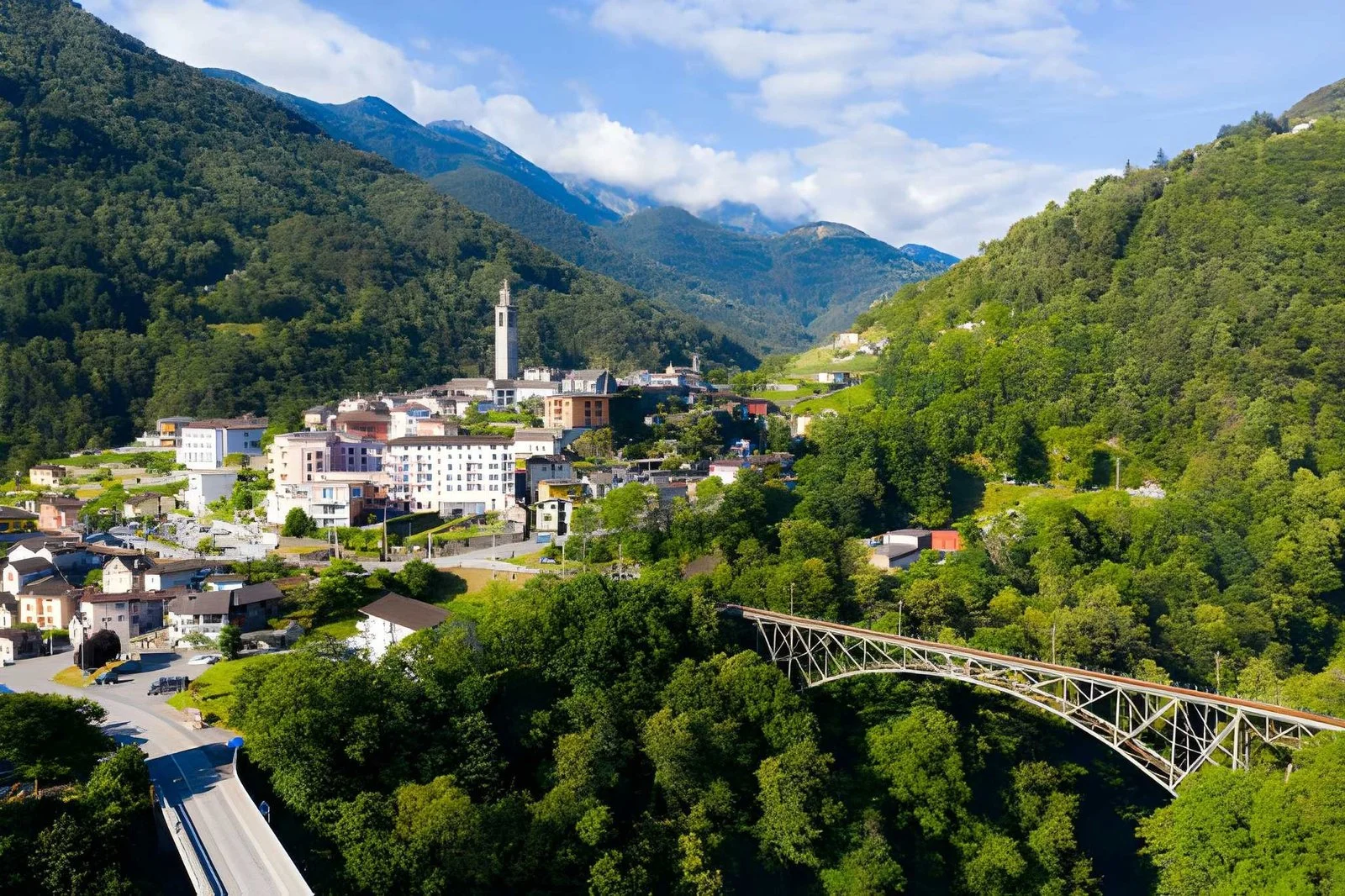
Photo©: istock/JackF
The Centovalli Railway, Domodossola to Locarno. One hundred valleys is not an exaggeration. The line crosses from Italy into Switzerland through stone cottages, chestnut woods, waterfalls and vineyards. It fits inside a half day, it can be the high point of a week in the Italian Lakes, and almost nobody in the American market has heard of it. I pair it with time on Lake Maggiore or in the Piedmont wine country.
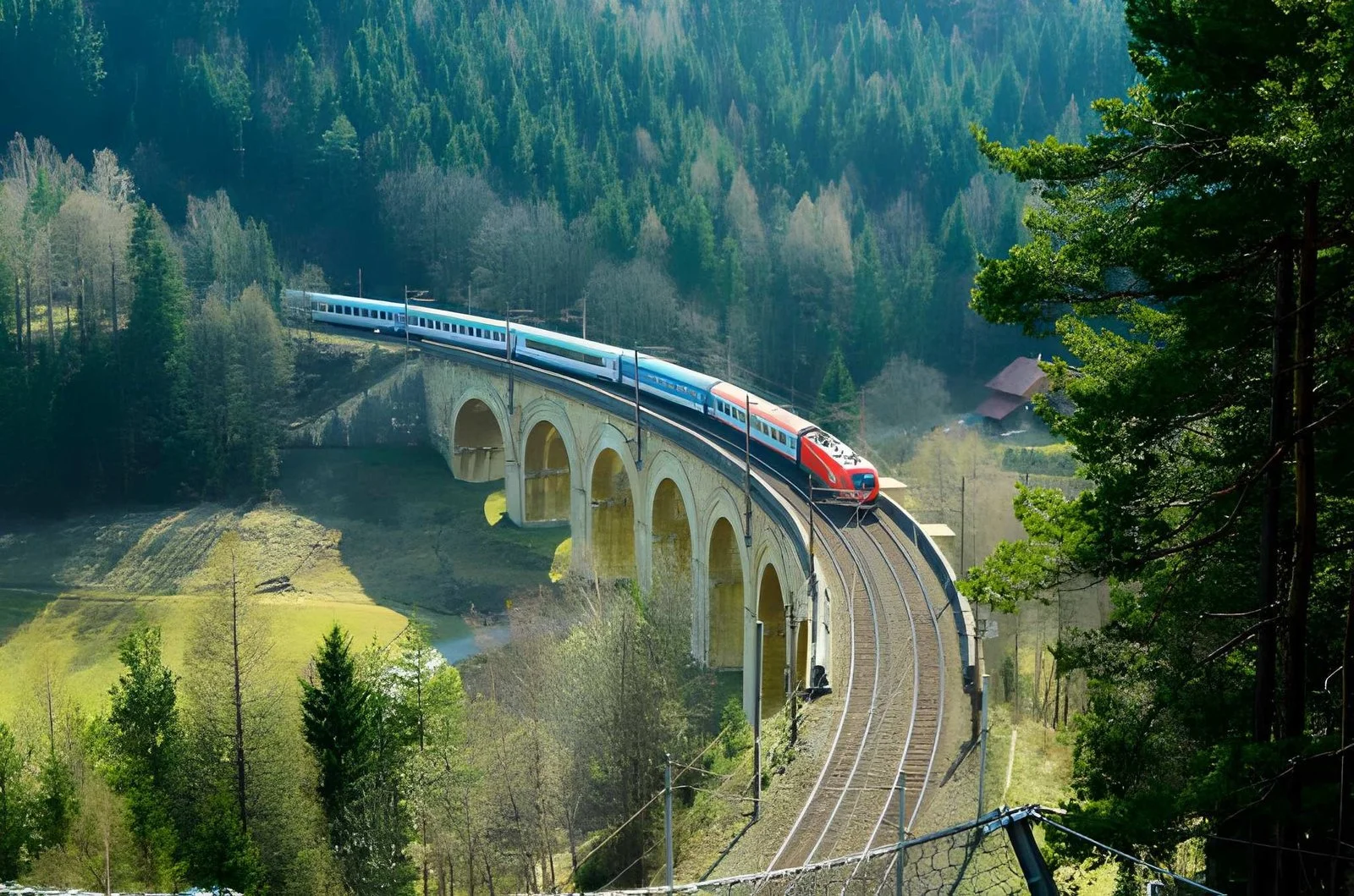
Photo©: istock/fotofritz16
The Semmering Railway, Austria. The world's first mountain railway, built in the 1850s and now a UNESCO World Heritage Site. More than one hundred curved stone bridges and a run of viaducts that proved high-elevation rail was possible at all. It slots easily into a Vienna or Salzburg itinerary and gives a trip that layered, slightly surprising quality I am always chasing.
The Black Forest Line, Offenburg to Konstanz. Southwestern Germany at its most timeless: ancient woodland, the steep Hoellental valley, and clear lakes before the line arrives at Lake Constance.
Madrid north to Oviedo. Out of the capital, across the meseta, up through the Picos de Europa and down into Asturias and the green, Atlantic-facing Spain that most itineraries never touch.
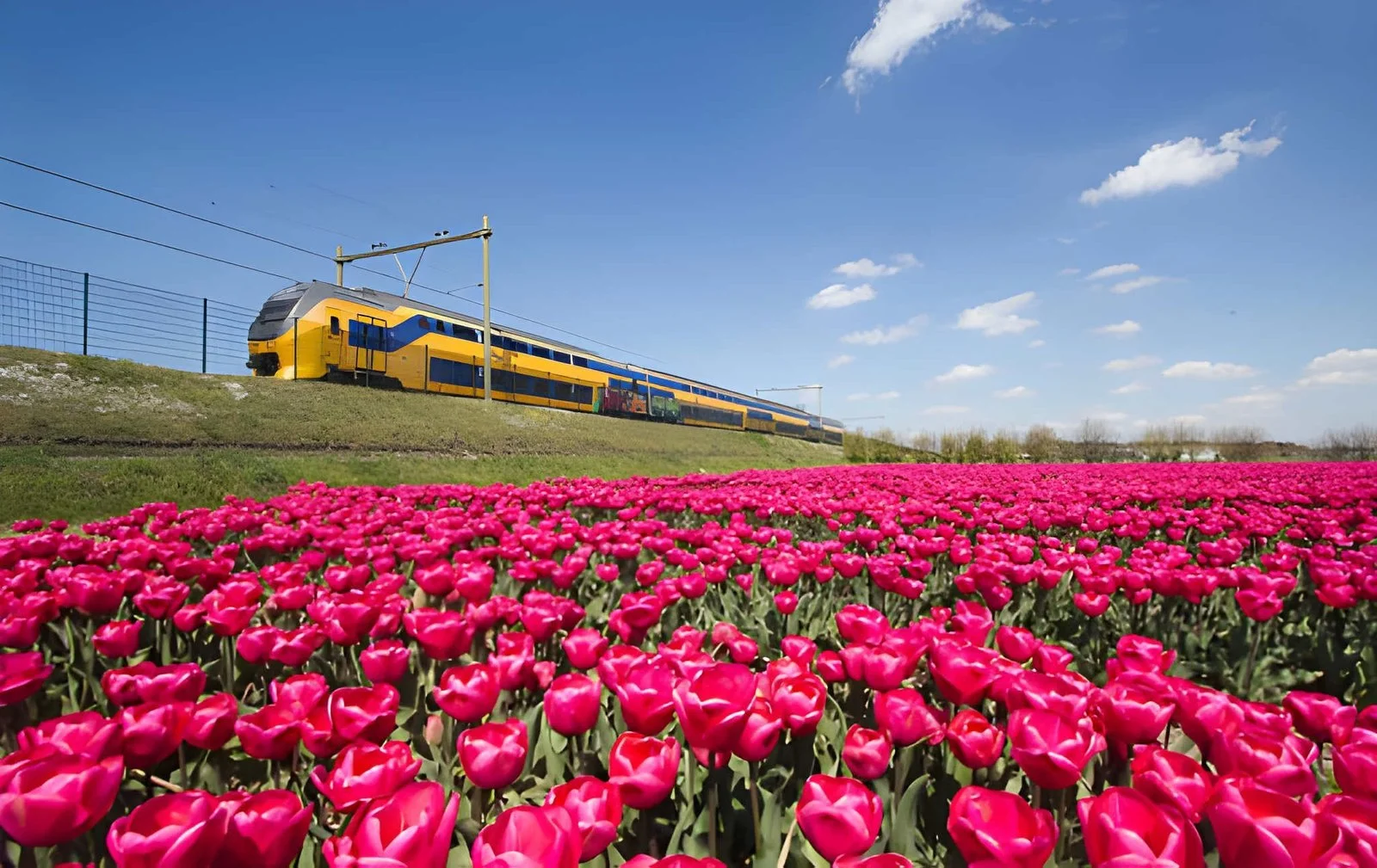
Photo©: istock/thehague
Amsterdam to Groningen in April. This one is entirely about timing. Ride it in the middle of April and the tulip fields, the windmills and the gardens at Keukenhof turn an ordinary regional route into something you photograph the whole way.
Britain's heritage lines. Steam and heritage railways thread through castle country in Northumberland, Kent and the Highlands, and they are one of my favorite ways to add texture to a UK trip built around castles and gardens.
Experiences worth building a trip around
These are the rail moments I actively design trips around, rather than the ones I slot in when the schedule allows.
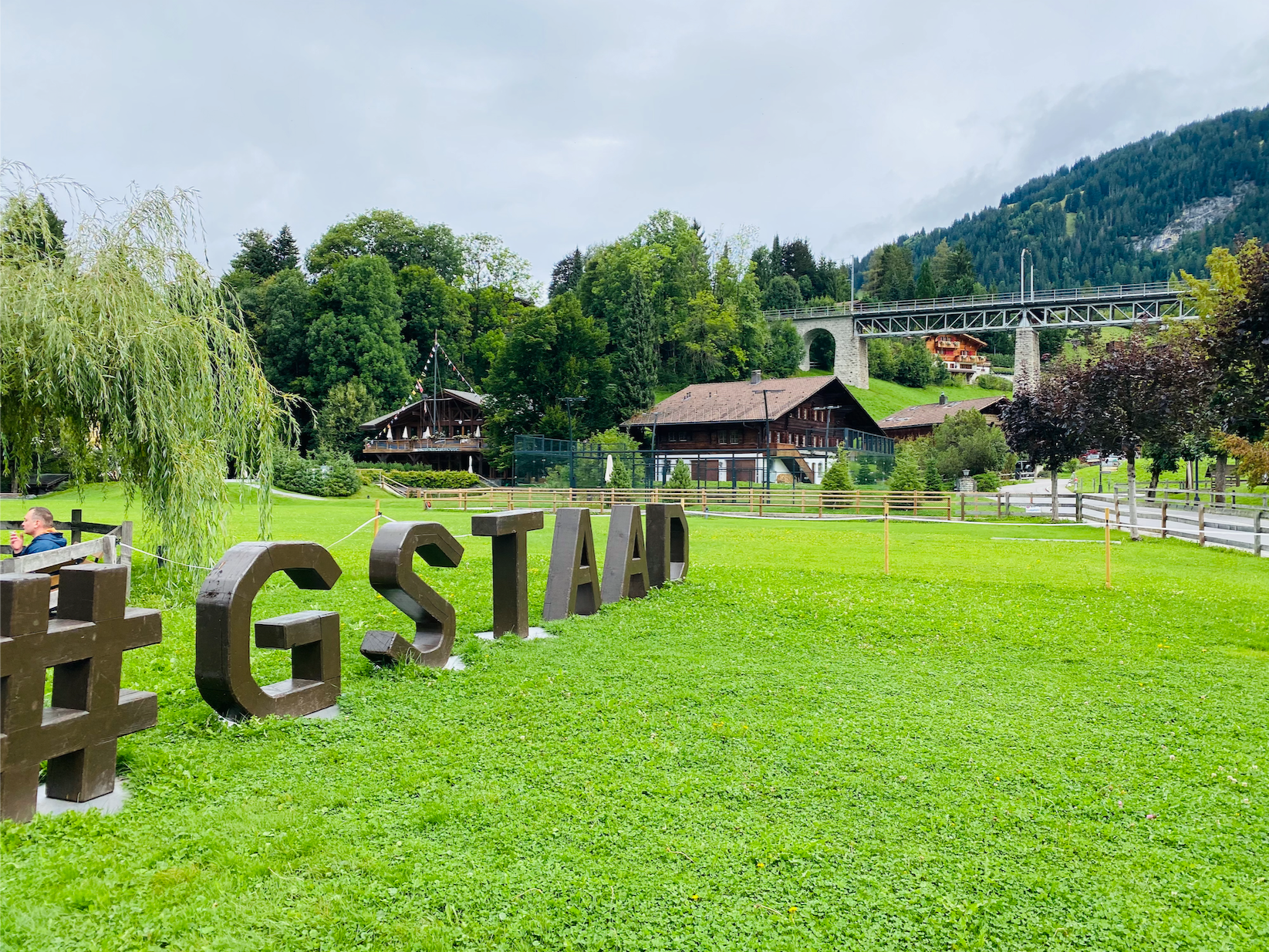
The GoldenPass double. The vintage Belle Epoque in one direction, the modern panoramic Express back, Montreux up to Gstaad and home again with the afternoon still ahead of you.
Photo©: Olegana Travel Boutique
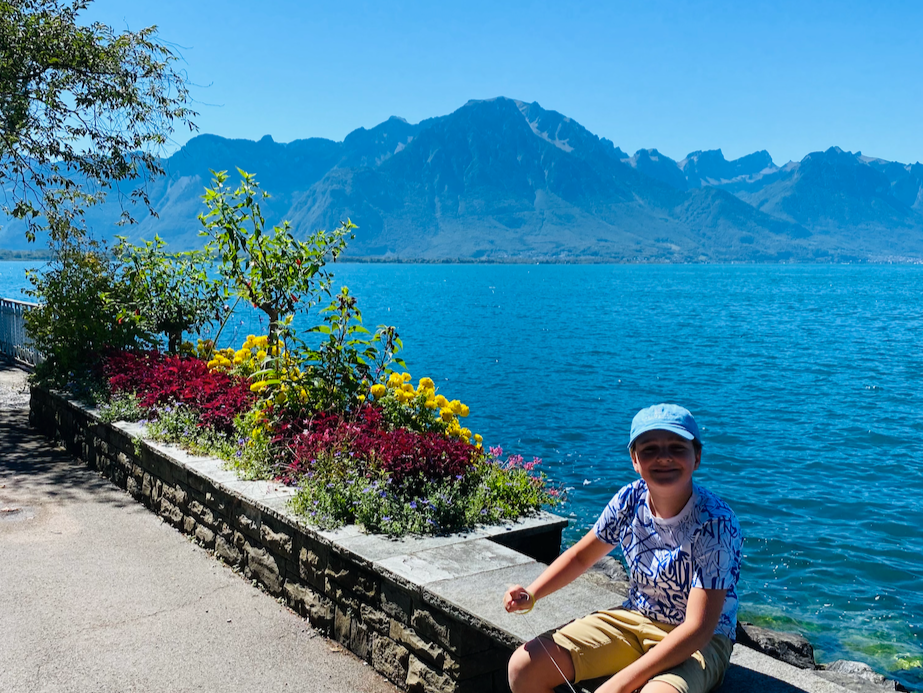
The vintage Belle Epoque in one direction, the modern panoramic Express back, Montreux up to Gstaad and home again with the afternoon still ahead of you.
Photo©: Olegana Travel Boutique
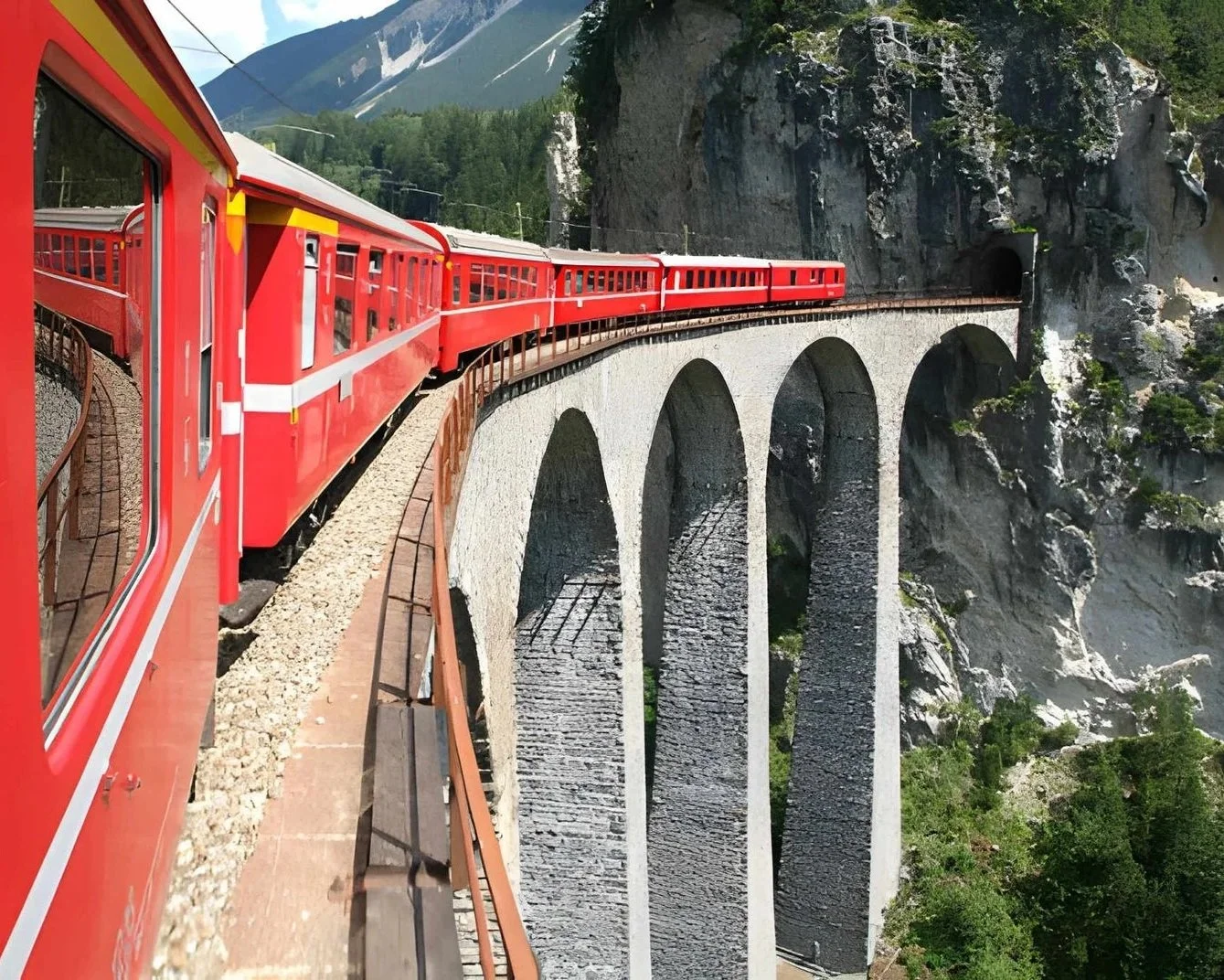
Glacier Express in Excellence Class. A private carriage, a dedicated host, and a seven-course meal served between Zermatt and St. Moritz while the Alps go by outside.
Photo©: Olegana Travel Boutique
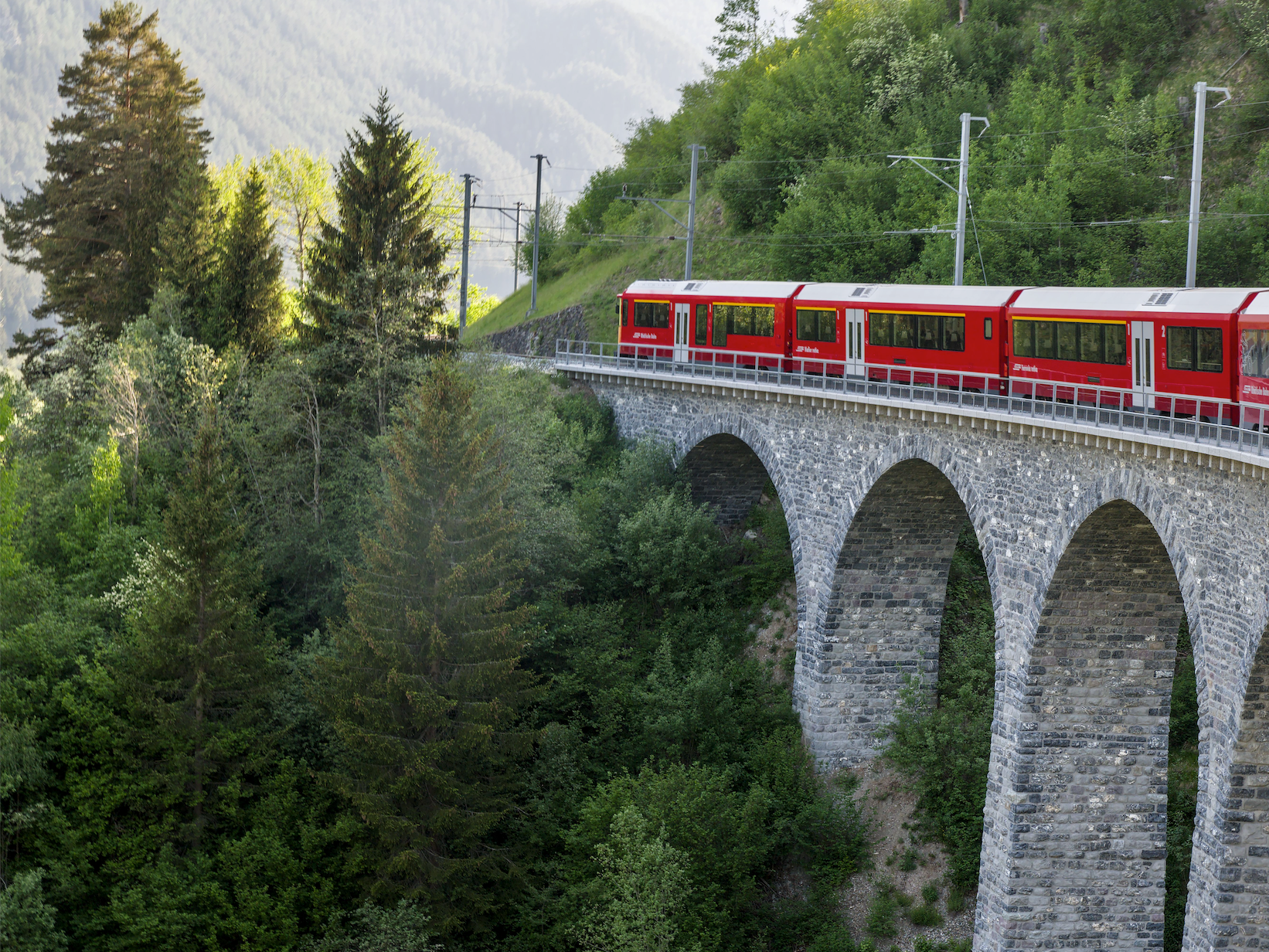
The Bernina crossing. Glaciers to palm trees on a UNESCO World Heritage line, arriving in a different country in time for dinner.
Photo©: pexels.com/Jean-Paul Wettstein
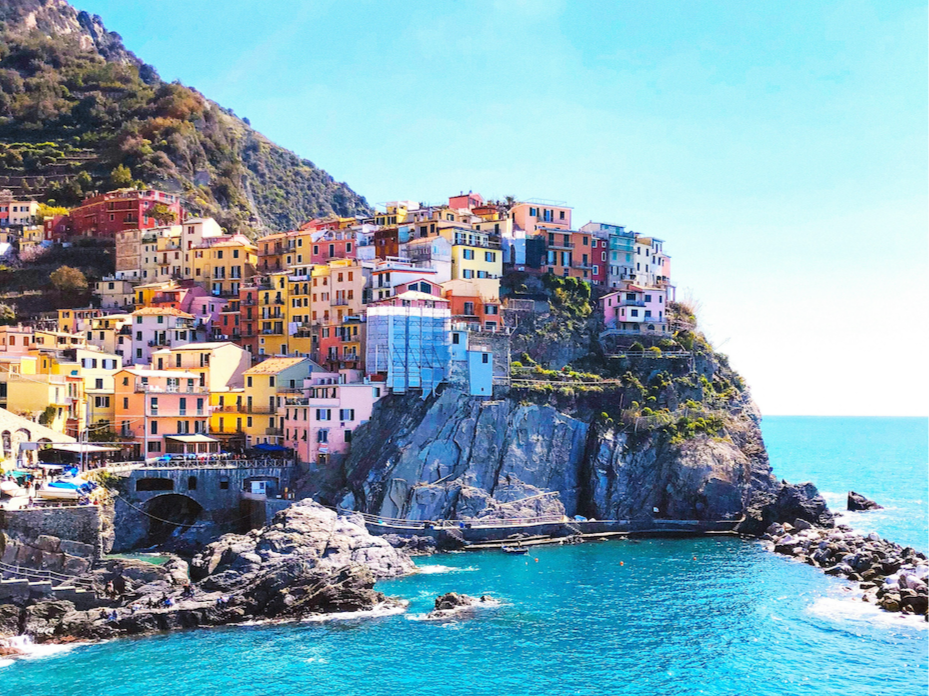
The Cinque Terre regional line. Moving between the five villages on a cliffside railway above the Ligurian Sea, with no car and nothing to park.
Photo©: unsplash/Rahul Chakraborty
Flam Railway inside a Norway in a Nutshell day. Rail, fjord cruise and mountain road in one sequence, timed so you never wait and never rush.
Photo©: pesels.com/Alexander Kondibko
First-class Frecciarossa between Italian cities. Rome to Florence in ninety minutes, a lounge before, the center of the city after.
Photo©: Olegana Travel Boutique
The Swiss Travel Pass used properly. Panoramic seat reservations made the week they open rather than the month you travel, and the mountain railway supplements sorted out in advance.
Photo©: Olegana Travel Boutique
The Lake Geneva ferry from the French shore to Lausanne. An hour on the water that feels nothing like public transport and is covered by the pass.
Photo©: Olegana Travel Boutique
Want the trains built into your trip?
I design European itineraries where the hours between destinations are as memorable as the destinations. Tell me where you have been dreaming of and I will show you what rail does to it.
“Every single detail... our every need was accounted for.”
Abbie G., family trip
When to travel Europe by train
Photo©: Olegana Travel Boutique
Late spring, May into mid-June
My first recommendation. The alpine routes are fully open, the wildflowers are out, the temperature is right for an open window at a station stop, and the trains are calmer than they will be in July. The Bernina Express and the Glacier Express are at their absolute best.
September into early October
The shoulder season sweet spot. Harvest turns the vineyards along both the Swiss and Italian lines gold, the crowds thin, and the scenery is unchanged. Our own family trip ran from late August into September and the timing was close to perfect.
Photo©: Olegana Travel Boutique
July and August
The busiest weeks of the year, especially on the marquee Swiss routes, where seats disappear well in advance. The Italian high-speed trains run full but first class stays comfortable throughout. I make every reservation for my clients long before departure for exactly this reason.
Winter
The Swiss panoramic routes in snow are a completely different trip. The Glacier Express through a white alpine valley bears no resemblance to its summer self, and the Bernina crossing over frozen lakes at 7,000 feet is otherworldly. Rail is also the cleanest possible backbone for a Christmas market trip across Austria, Germany and Switzerland, because you move city to city in the evening and wake up somewhere new.
A sample itinerary: Switzerland and Italy by rail, ten days
This is a sample of what a rail-led European trip can look like. Every detail is built around your pace and what matters to you, and hotels are chosen by character and location, in many cases by rooms I have slept in myself.
Days 1 to 3: Lake Geneva and Montreux
Arrive into Geneva and travel along the lake to Montreux. Two days for the Lavaux vineyard terraces, a UNESCO site that steps straight down to the water, the medieval lakeside castle just south of town, and slow evenings on the promenade. On the third day, the Belle Epoque up to Gstaad in the morning, the panoramic Express back in the afternoon, and the ferry across to Lausanne for dinner.
Photo©: Olegana Travel Boutique
Days 4 and 5: Lucerne and the alpine heart
Train to Lucerne, one of the loveliest cities in the country. The covered wooden bridge, the old town, and a cogwheel railway up Pilatus or Rigi for the view back down over the lake. Interlaken and Bern are both under two hours away and both covered by the pass.
Photo©: pixabay/TeeFarm
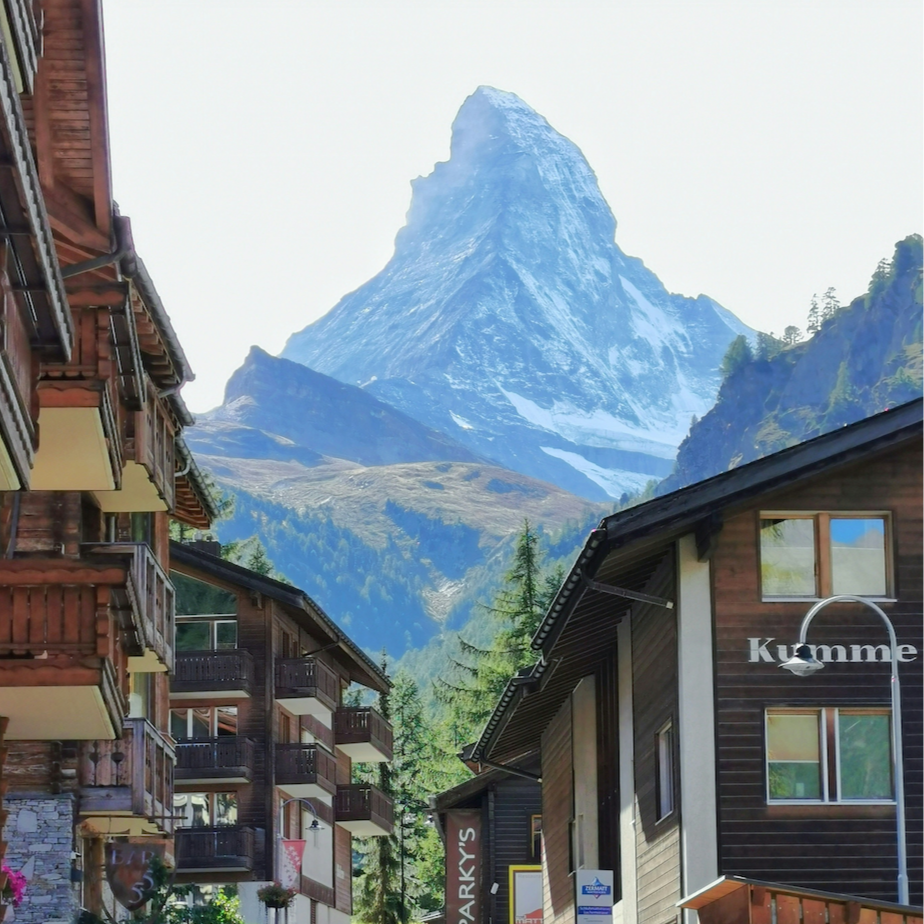
Day 6: On to Zermatt
A half day of regional rail into the Matterhorn valley, then an afternoon in a car-free village where the loudest sounds are the river and the cowbells.
Photo©: unsplash/Leah Wang
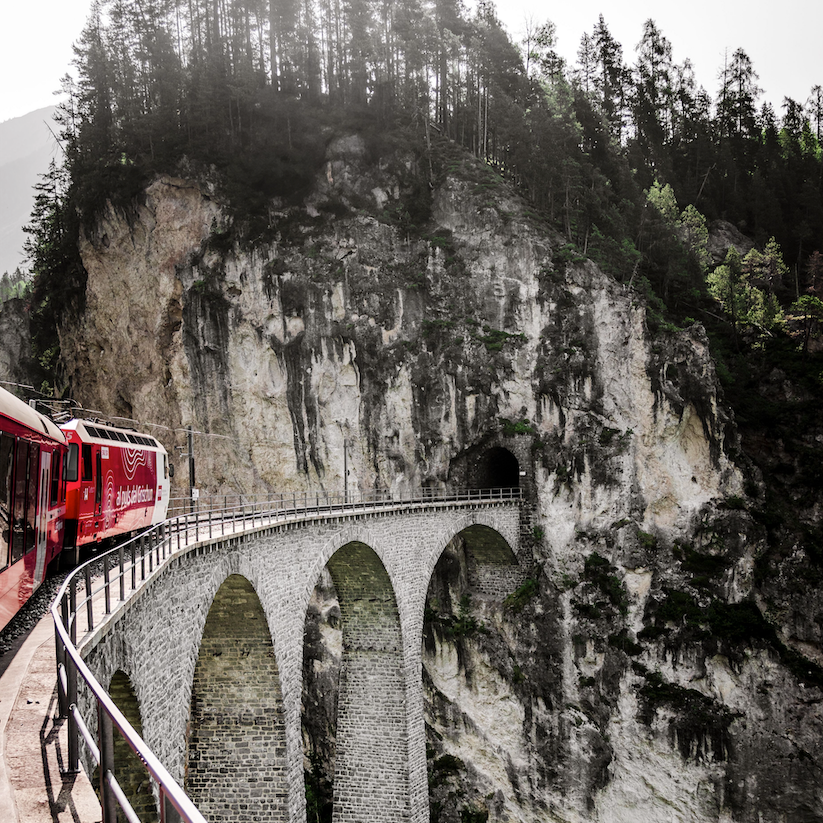
Day 7: The Glacier Express
Eight hours from Zermatt to St. Moritz with lunch at your seat, the Oberalp Pass, the Rhine Gorge and the Landwasser Viaduct along the way. You arrive in the Engadine with the evening still ahead of you.
Photo©: pexels.com/Luca Photo
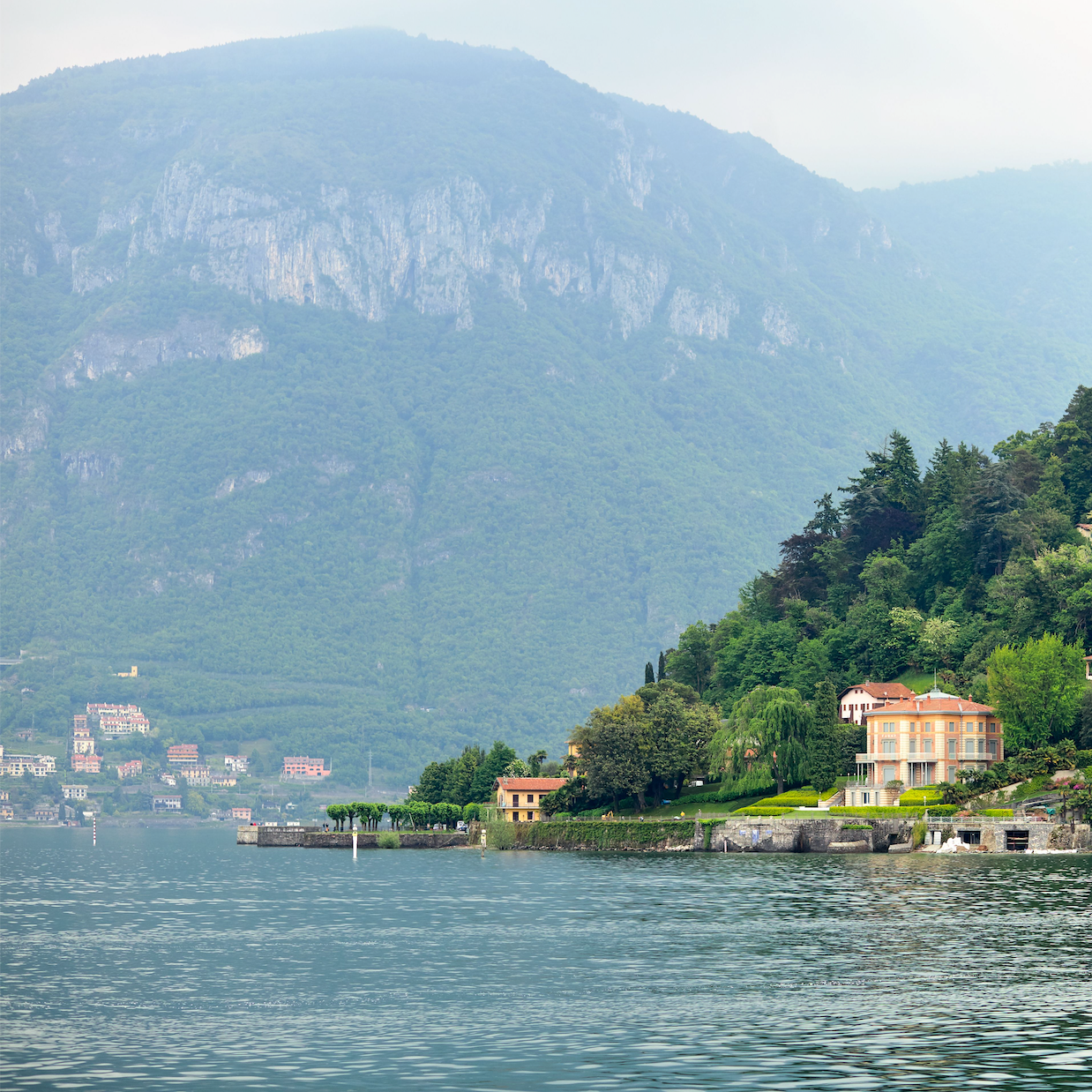
Days 8 and 9: The Bernina Express into Italy, then Lake Como
Over the Bernina Pass, past the Morteratsch glacier and around the Brusio spiral viaduct, down into Tirano. A private car or a regional connection carries you on to Lake Como for two nights of boats, gardens and long lunches on the water.
Photo©: pexels.com/Victor Katikov
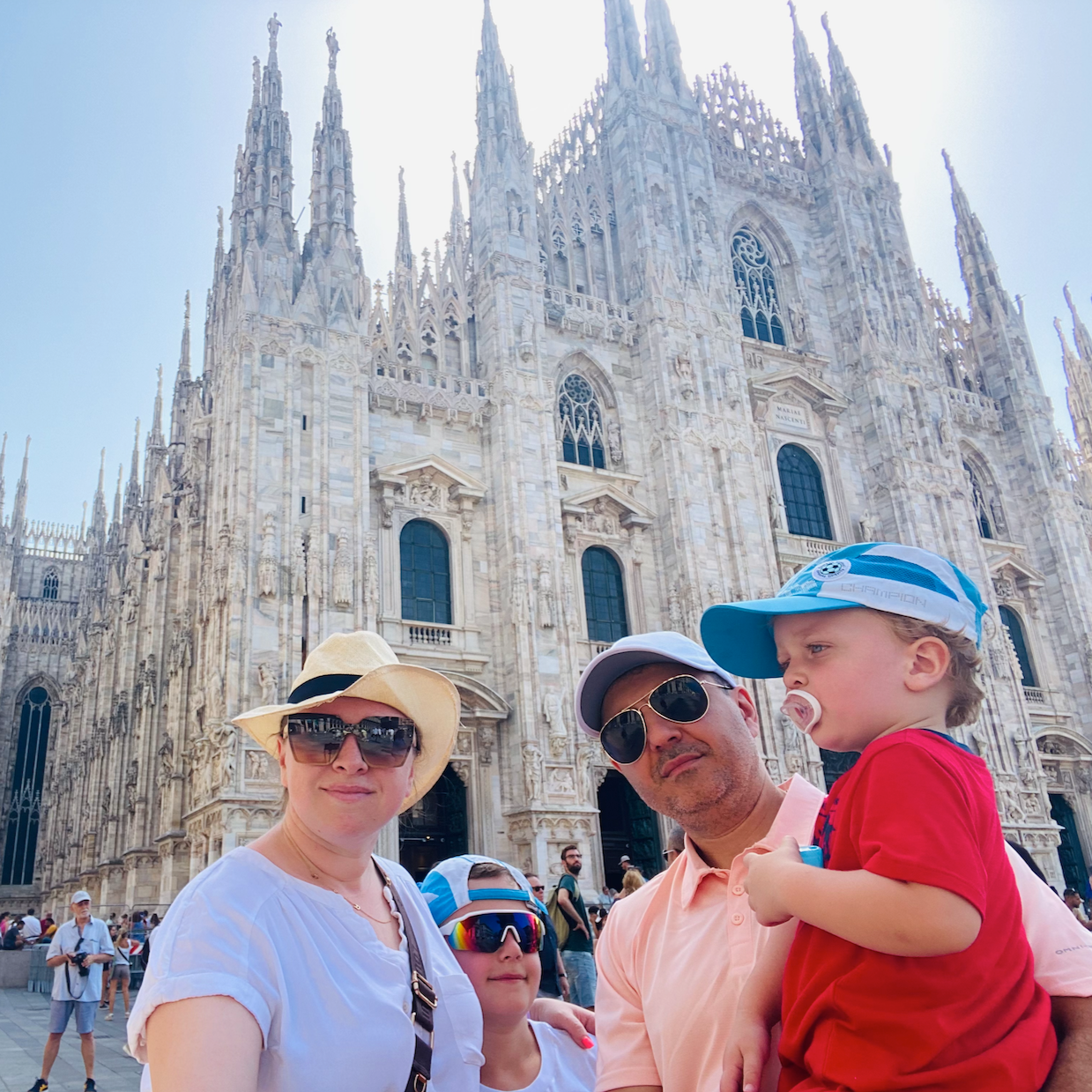
Day 10: Milan, and Florence if you want it
Milan in the morning, then the Frecciarossa south. Ninety minutes later you are in Florence with a whole evening in front of you, or you fly home from Milan with the country still moving past the window.
Photo©: Olegana Travel Boutique
Who this kind of trip is for
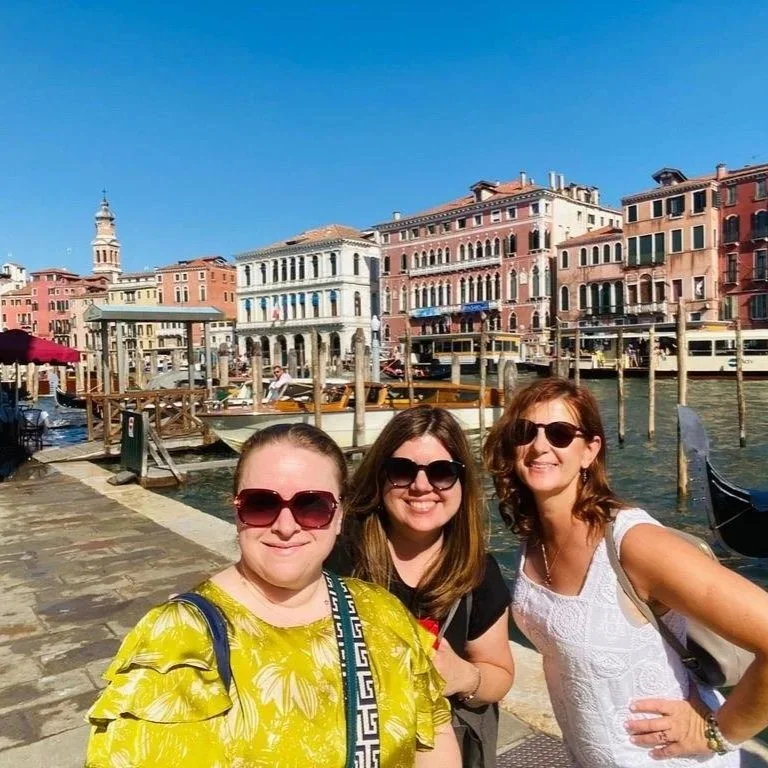
Women traveling together.
Several of the small group trips I run move by train for exactly these reasons. Nobody is driving, nobody is navigating, and the hours between towns become part of the trip rather than a gap in it.
Photo©: Olegana Travel Boutique
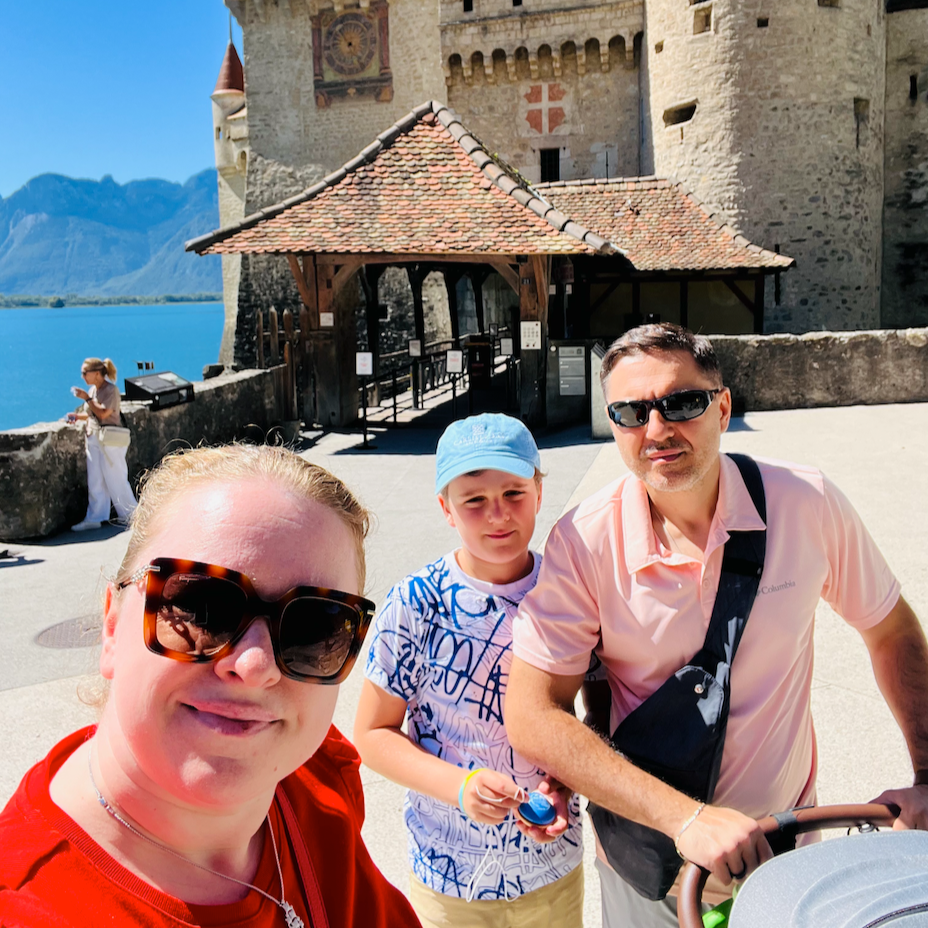
Families who want to skip the rental car entirely.
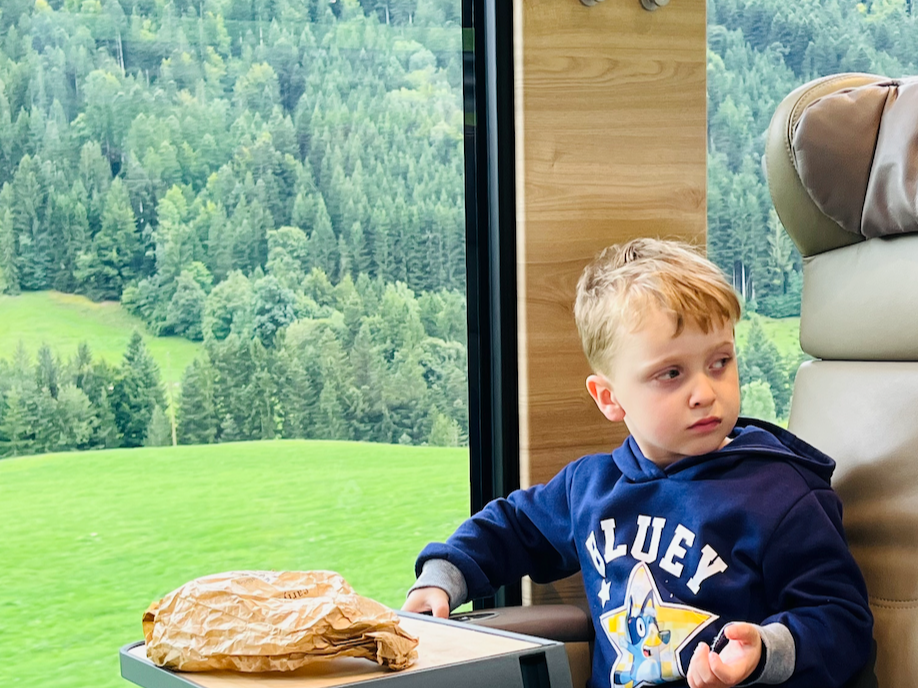
European rail is a revelation for families. There is no parking, no tolls, no ZTL fines, no roundabouts in a language you do not read. You arrive in the center of every city ready to walk. My own kids were four and ten on our most recent Swiss trip and the trains were their favorite part of it. Children under sixteen travel at no extra cost alongside a parent's Swiss Travel Pass, and the panoramic routes kept mine glued to the window for hours.
Photo©: Olegana Travel Boutique
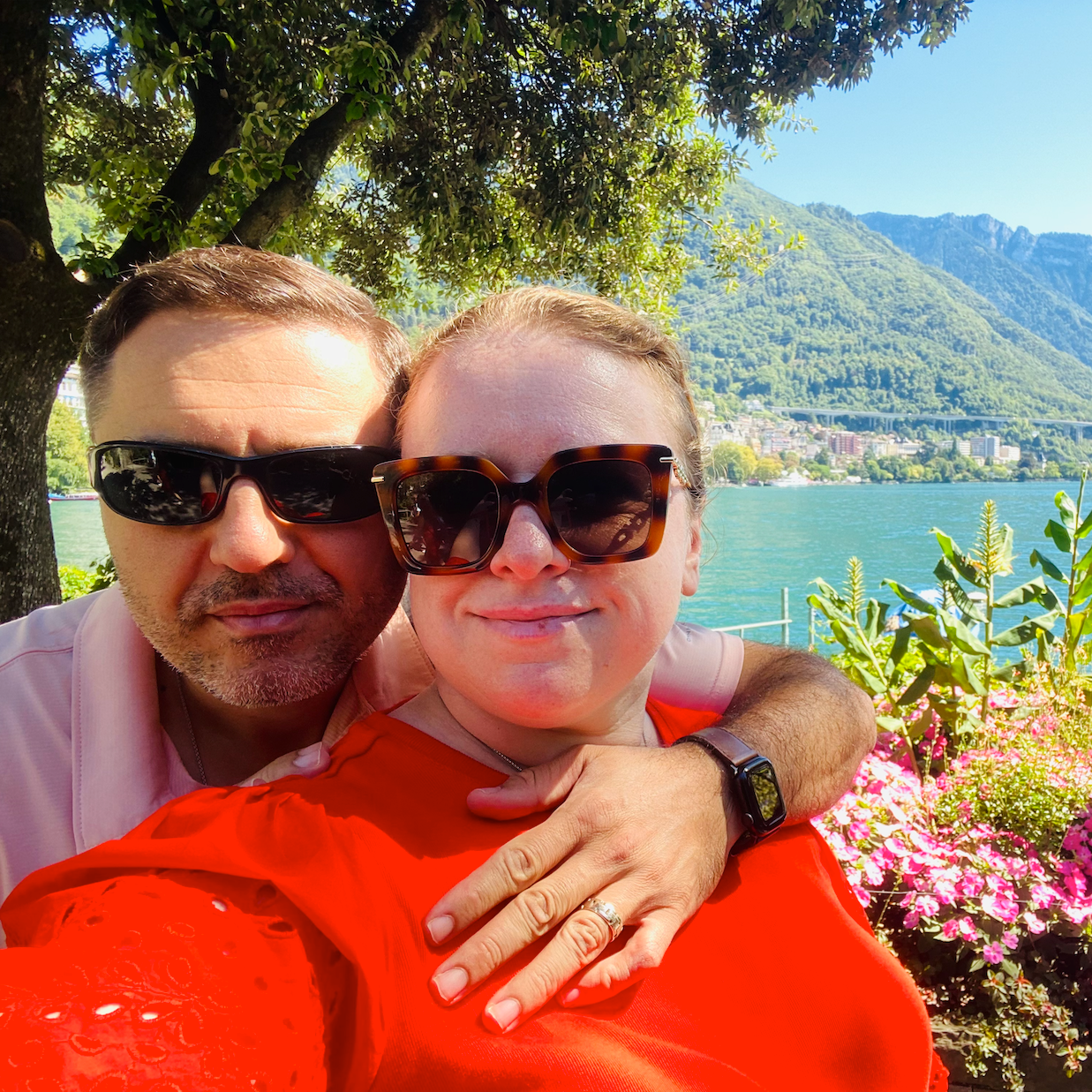
Couples who care about the hours in between.
There is something quietly romantic about watching the Alps unfold from a first-class seat with a glass of wine in your hand. No traffic, no navigation arguments, no highway rest stops. Just scenery, conversation, and the feeling of actually being present in the place you traveled so far to see.
Photo©: Olegana Travel Boutique
Travelers combining several countries.
Rail is the most elegant way to move around Europe. Zurich to Milan, Paris to London, Barcelona toward the south of France: the connections are seamless, the stations sit in the middle of town, and arriving by train is infinitely more civilized than arriving by airport shuttle.
Photo©: Olegana Travel Boutique
Anyone who has already done the capitals.
The best lines run through places most travelers never see: alpine villages, vineyard hillsides, fjord valleys and lakeside towns that do not appear in guidebooks. Rail opens a version of Europe that cars and planes simply do not reach.
Photo©: Olegana Travel Boutique
How these routes connect to everything else
Switzerland and northern Italy join up so cleanly by rail that I rarely plan one without at least considering the other. The Bernina Express is the obvious bridge, but it is not the only one. Milan to Zurich takes a little over three hours. Zurich to Munich puts Bavaria within reach. Paris to Geneva or Paris to Zurich takes a morning, which means a French week and a Swiss week can be joined without a single airport.
Photo©: Olegana Travel Boutique
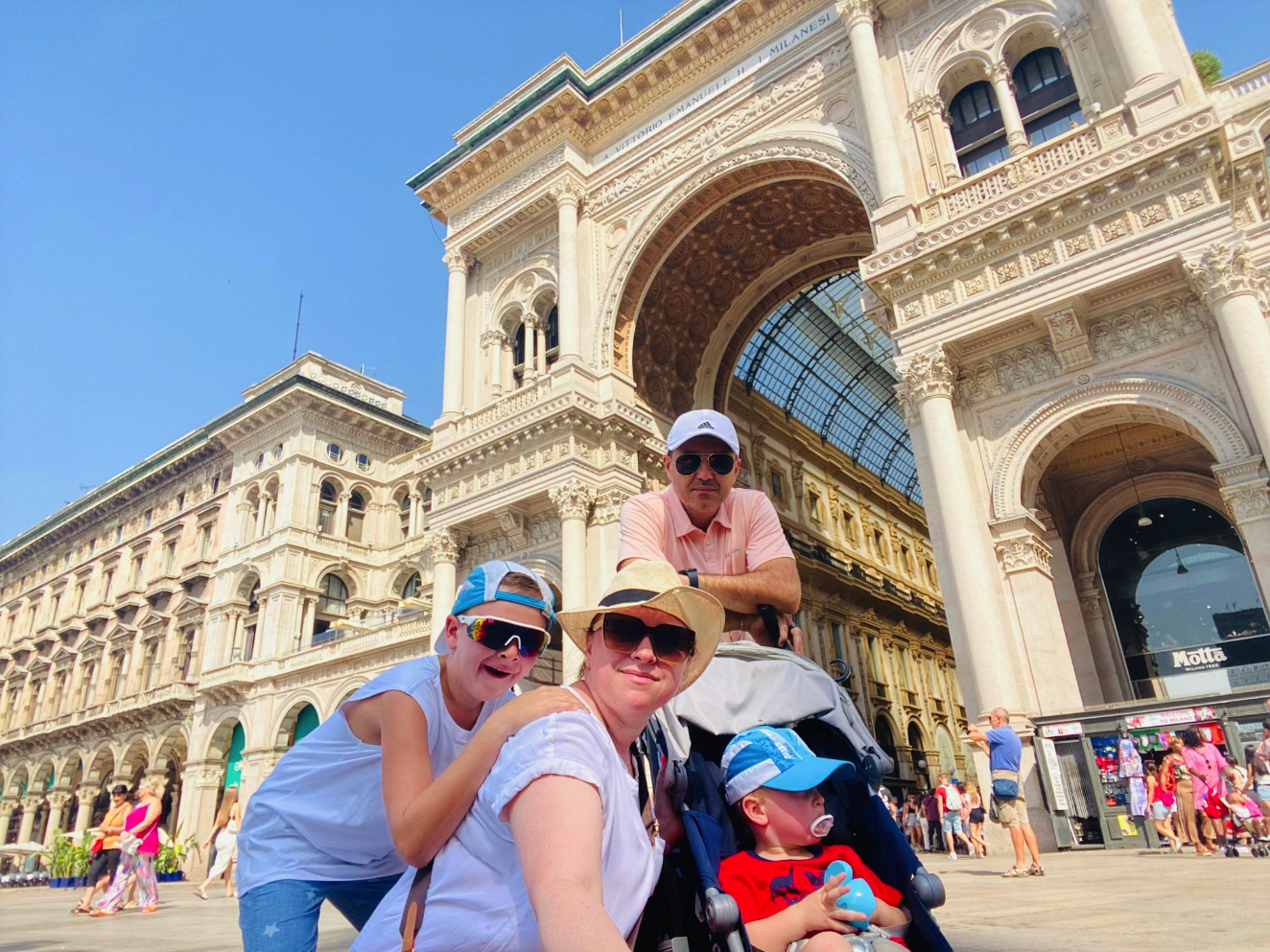
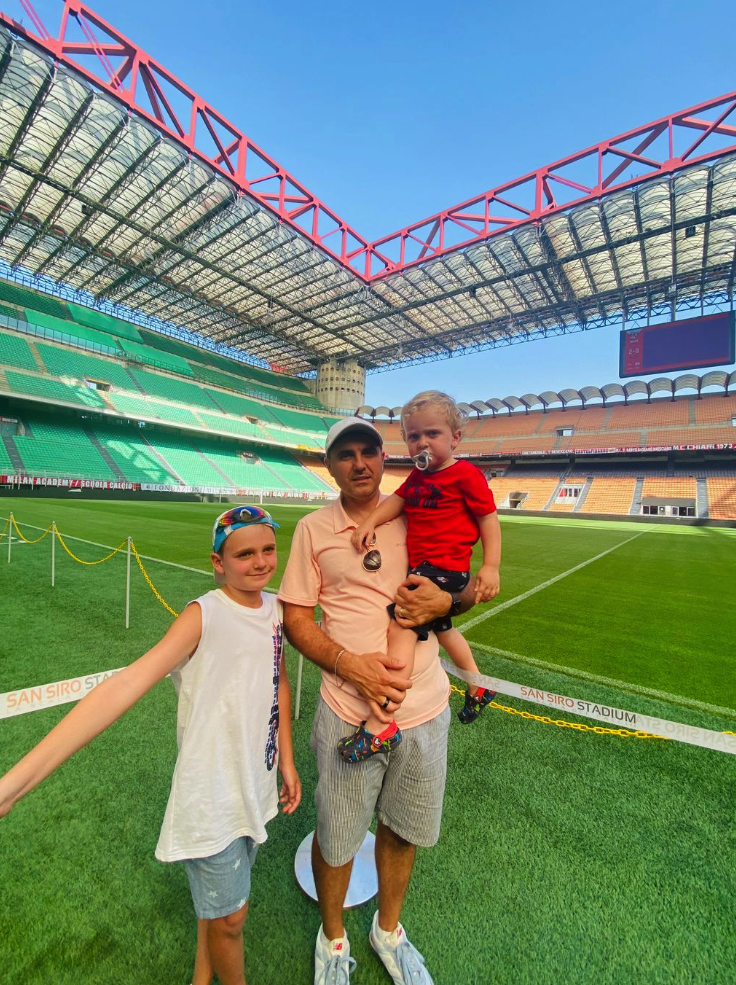
From northern Italy the connections keep going. the Dolomites are an easy add on, with the line running as far as Bolzano and a driver taking you into the valleys from there. Venice sits two hours east of Milan on the Frecciarossa. Genoa opens the whole Ligurian coast. Farther afield, London to Paris on the Eurostar is two and a half hours from city center to city center.
Photo©: Olegana Travel Boutique
It is worth knowing where rail does not work, too. Greece, the Croatian islands and most of Scandinavia outside the fjord corridor are better served by short flights or ferries. I would rather tell you that than pretend a nineteen-hour connection is charming.
Why work with a luxury travel advisor for European rail
Photo©: Olegana Travel Boutique
Here is what most people do not realize about European trains: the system is extraordinary, and navigating it alone is genuinely confusing. Every country has its own booking platform, its own reservation rules and its own class structure. The Glacier Express needs a seat reservation on top of your pass. Bernina Express first class goes weeks ahead in summer. Italian high-speed fares behave differently depending on which fare class you choose. And the Swiss Travel Pass covers some mountain railways outright, others at a discount, and a few not at all.
Photo©: Olegana Travel Boutique
I handle all of it. When I build a custom European itinerary, every ticket is booked, every reservation is made, every connection is timed with a real buffer rather than a theoretical one, and you receive a clear day-by-day plan telling you which platform and which carriage. I have done these routes myself, with my own family, with luggage and children and a stroller. I know which ones are worth the day and which ones look better in photographs than they do in person.
My clients do not stand in ticket lines. They do not download six different rail apps. They do not miss a connection because nobody mentioned the platform change. They show up, sit down, and watch Europe go past. If you want the longer version of what a travel advisor actually does, I have written about it separately.
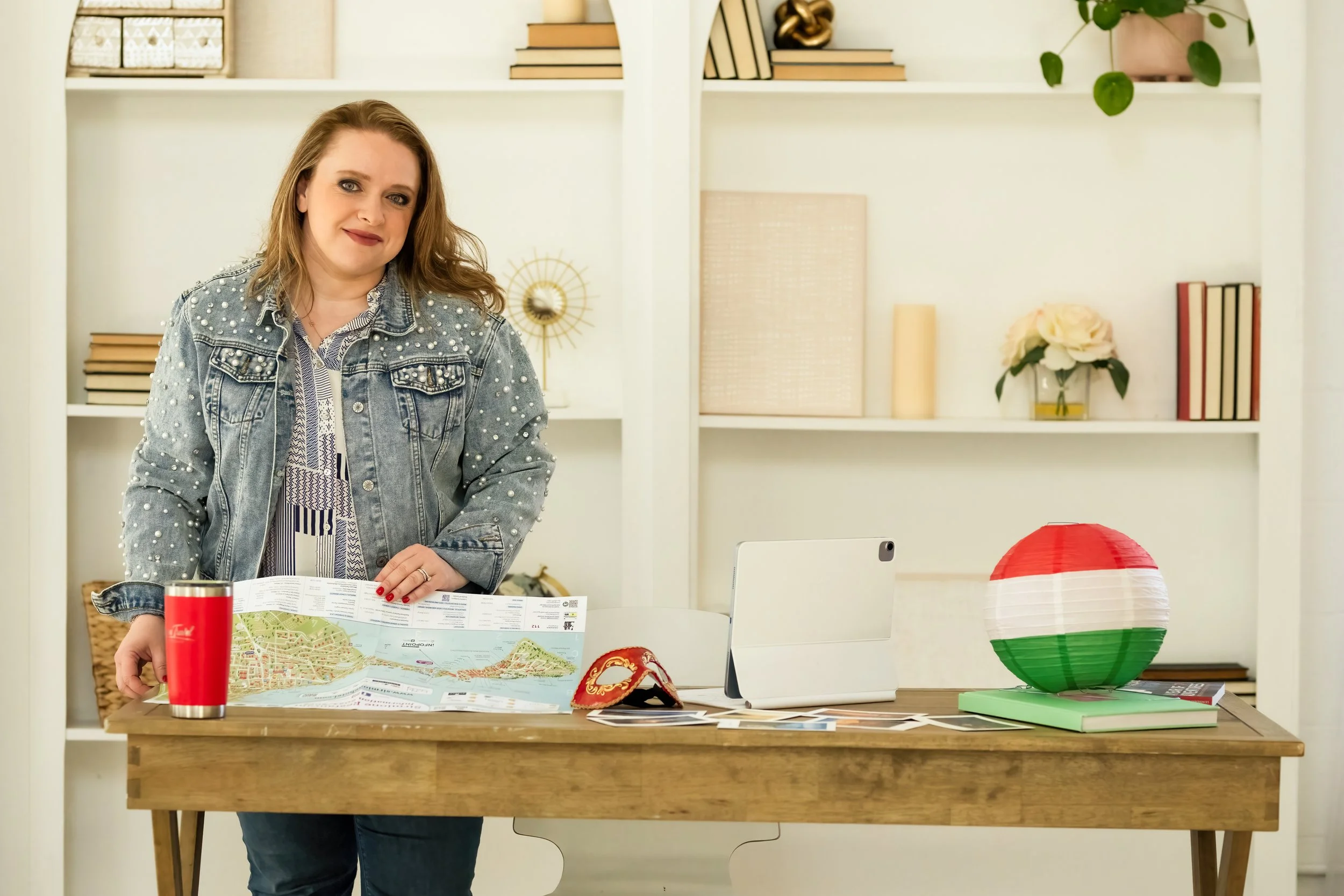
Anna Fishman, the visionary and soulful force behind Olegana Travel Boutique, orchestrates transformative journeys where meticulously curated adventures meet authentic connection and exquisite, bespoke exploration.
Let's design your European rail journey
Custom itineraries for couples and families, and small group departures for women traveling together. Every ticket, every reservation and every connection handled before you leave home.
Grab a time on Anna’s calendar for a free consultation here.
Frequently asked questions
-
It depends entirely on the route. The Swiss panoramic trains, the Glacier Express and the Bernina Express in particular, need seat reservations weeks ahead, especially between June and September. Italian high-speed trains are best booked early but can be picked up closer in. Regional and local trains in most countries need no reservation at all. I handle every booking for my clients, so you never have to work out which system applies.
-
It gives you unlimited travel on trains, buses, boats and city transit across Switzerland for a set number of consecutive days, plus entry to more than 500 museums and discounts on the mountain railways. It covers the routes the panoramic trains run on, but each of those still needs its own seat reservation, which is where people come unstuck. For any trip of four days or longer in Switzerland it is almost always the right choice, and children under sixteen travel alongside a parent's pass at no extra cost.
-
On the Swiss panoramic routes and the Italian high-speed lines, yes. First class means wider seats, more room, quieter carriages and often a meal at your seat. On the Glacier Express, Excellence Class adds a private carriage and a seven-course lunch. On the Frecciarossa, Business and Executive include lounge access and onboard dining. For short regional hops, second class is perfectly comfortable and I will tell you so.
-
That is exactly how I design most European itineraries. Trains for city-to-city legs and scenic routes, private drivers for countryside days in Tuscany, Provence or the Amalfi Coast, ferries for lake and coastal crossings, and flights only where distance genuinely demands one. The mix is what makes a trip feel effortless.
-
Very. My own children were four and ten on our most recent Swiss rail trip and the trains were the easiest part of the logistics. No car seats to wrestle with, no unfamiliar roads, room to walk around, and views that hold their attention in a way a highway never will. Strollers and luggage are manageable in first class, and the major stations have lifts and staff assistance.
-
Often, yes. Many of the best rail experiences work as a half day or a full day inside a larger itinerary. The GoldenPass round trip from Montreux is a perfect day excursion. The Bernina Express works as a one-day crossing from Switzerland into Italy. The Flam Railway takes about an hour. These are frequently the single element that lifts a whole trip.
-
For travel between June and September, nine to twelve months is comfortable, mostly because the panoramic seats and the properties I want for you go first. For spring and autumn, six to nine months is usually enough. If you are already inside that window, tell me anyway. I would rather look than assume.