
Luxury Croatia and Montenegro vacation: Zagreb to Kotor Bay, 12 days
This is the Adriatic in one unbroken sweep. Twelve days that begin with Zagreb coffee and a walk through the upper town, run down the whole Croatian coast through lakes, walled cities, and islands, and finish across the border in Montenegro with the drama of Kotor Bay, mountain ham cured the old way, and a tasting in a wine country almost no American has heard of. Two countries, one coastline, and a route most travelers split into two separate trips. This is the trip I love designing most for the curious.
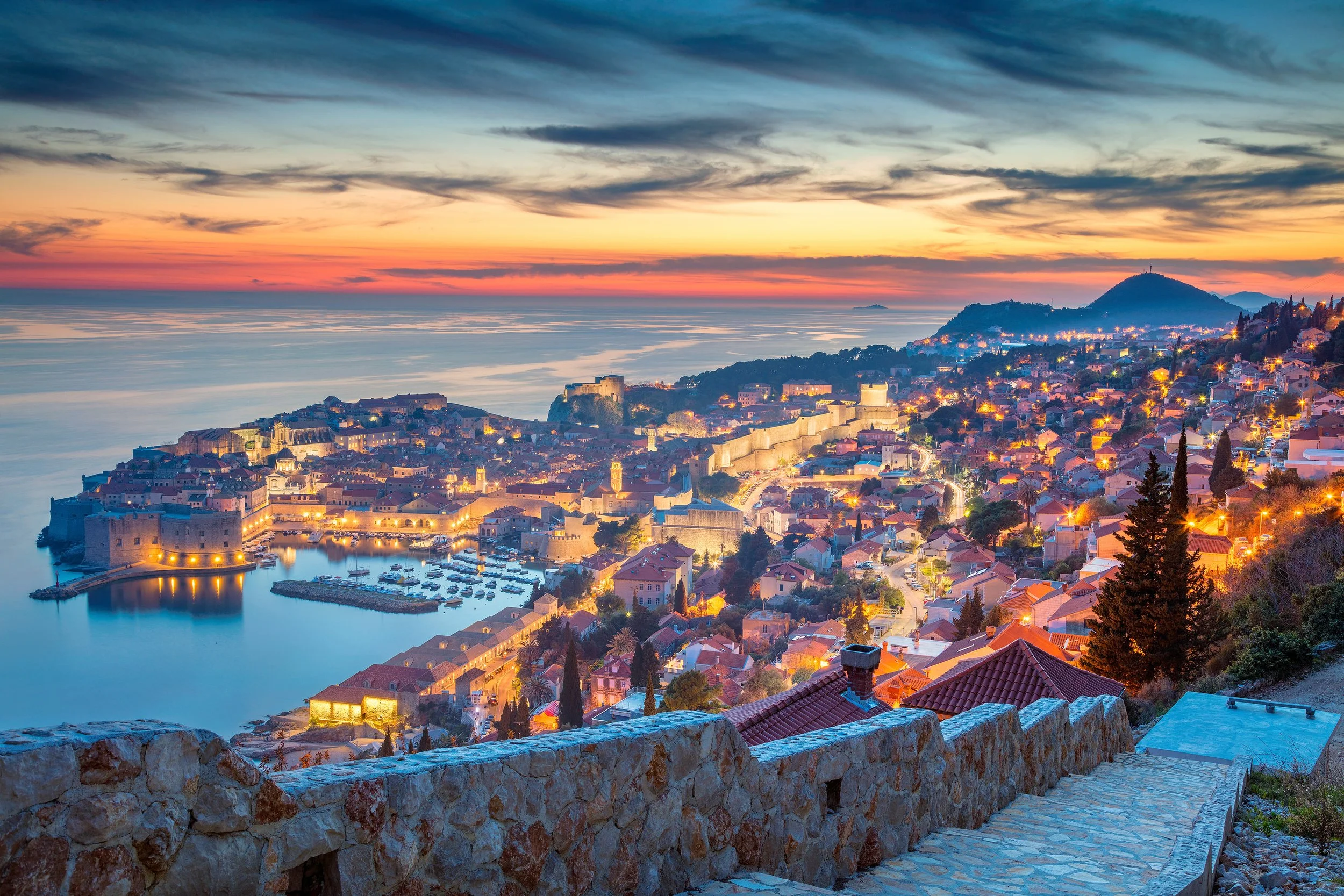
Photo: Dubrovnik, Croatia, glows at sunset along the Adriatic Sea, with its historic stone walls, terracotta rooftops, and picturesque Old Town creating a stunning panoramic view..
Photo©: Anna Fishman / Olegana Travel Boutique
You'll move down the Croatian coast first: Plitvice's turquoise lakes, Zadar's Roman forum and its famous sunsets, the islands of Kornati by boat, Diocletian's palace in Split, Korcula's medieval streets and island wine, and Dubrovnik's walls at the quiet hour. Then a single easy crossing into Montenegro, where Kotor Bay opens like a fjord and the food turns mountainous and rich: njeguski prsut cured in the Lovcen highlands, the cheeses of the same villages, and the deep Vranac reds of the Lake Skadar wine country.
I have been building and refining routes through these two countries for years, and the difference between a good trip and a great one here comes down to logistics most travelers never see: which guide brings a Roman city to life, which family winery is worth the detour, which crossing moves quickly, and which hotels were renovated last year versus which just market well. That is the work I do before you arrive. Every detail is handled: the transfers, the guides, the hotels, the reservations, the route. You just show up and live it. Picture yourself here. Tell me what you love, and I'll design the rest. Start with the planning form below.
Photo: The Walls of Dubrovnik in Dubrovnik, Croatia, are historic stone fortifications surrounding the Old Town and offering spectacular views of the Adriatic coast.
Photo©: Anna Fishman / Olegana Travel Boutique
What’s included?
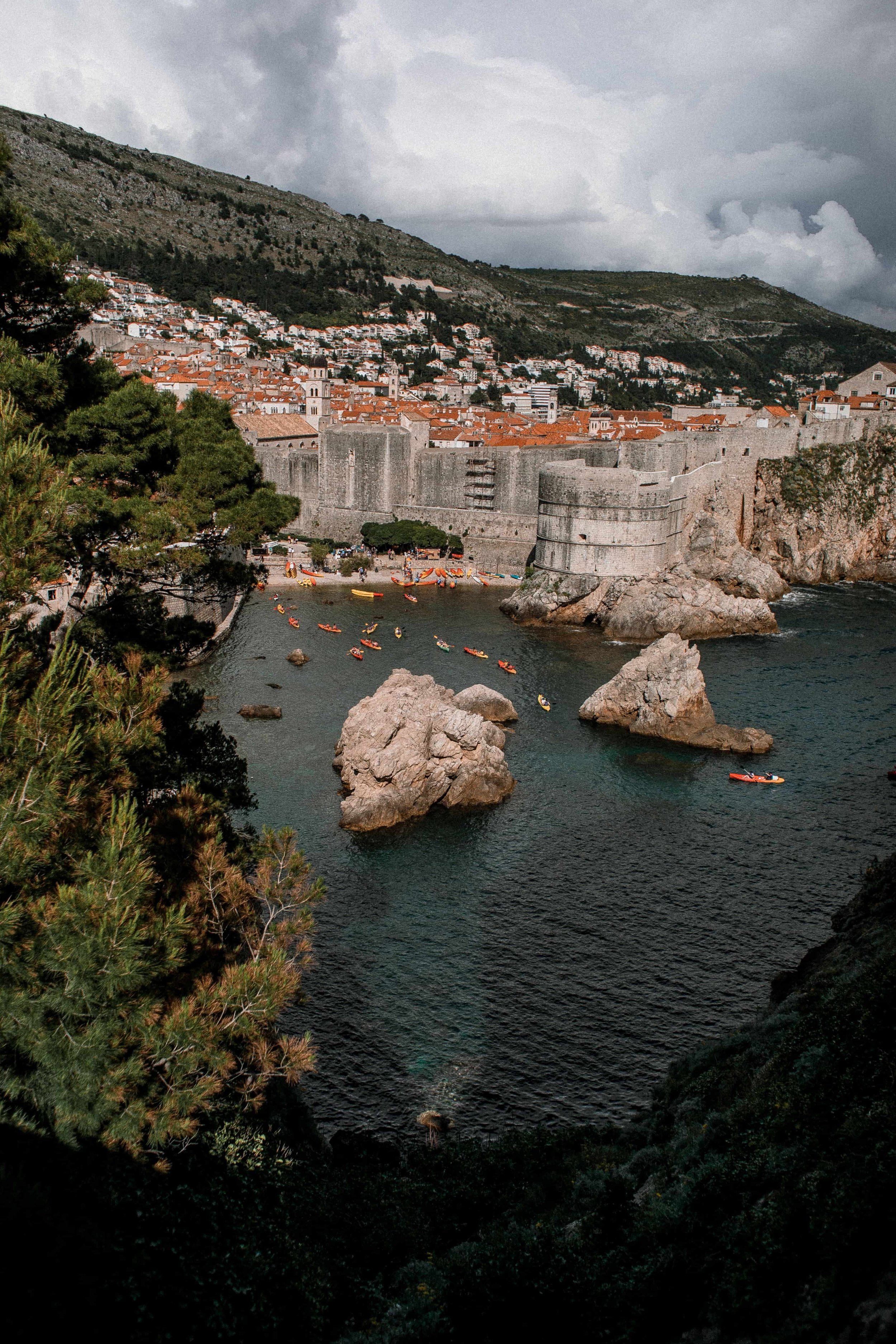
Photo: A scenic aerial view of Dubrovnik, Croatia, featuring its historic medieval walls, lush greenery, and stunning Adriatic coastline.
Photo©: Rachel Claire / pexels
Included
Private vehicle with a dedicated driver-guide throughout (for parties of up to six or seven, this is typically one person, which keeps the trip personal and the logistics simple)
Airport meet-and-greet and private transfers, including the Croatia-to-Montenegro border crossing and its paperwork
11 nights at hand-selected boutique and luxury properties in both countries, with breakfast throughout
Private guided walking tours with local experts in Zagreb, Zadar, Split, Korcula, Dubrovnik, and Kotor
a private guided walk through Zagreb's upper town and Dolac market, a private boat afternoon to Lokrum island and Cavtat, njeguski prsut and cheese tasting in the Montenegrin highlands, and a Lake Skadar wine-country tasting
Boat days on the Kornati and Elaphiti archipelagos and on Lake Skadar
The curated food-and-wine lunches and dinners noted in your itinerary
Curated restaurant recommendations and reservations throughout
24/7 concierge support and emergency contact from the moment you land
Not included
Leisure, personal expenses, tips and gratuities, and city tourist taxes payable directly at hotels.
Every itinerary I design is priced individually. Once we have talked through your dates, your pace, and how the two countries balance for you, I'll follow up with a detailed quote. There is no set package price, because no two of these trips are the same.
Ready to start planning?
Tell me about your travelers and what matters most. I'll build from there.
How many days do you need for Croatia and Montenegro?
Twelve days is the sweet spot for pairing Croatia and Montenegro on one trip. It gives you the full Croatian coast, from Zagreb and Plitvice down through Zadar, Split, Korcula, and Dubrovnik, plus a proper two-night finish on Montenegro's Kotor Bay and in its wine country, without doubling back. With less time, focus on the Dalmatian coast alone. With more, extend south into Albania.
Photo: The Walls of Dubrovnik in Dubrovnik, Croatia, surround the historic Old Town, offering views of its iconic terracotta rooftops and Mount Srđ.
Photo©: Anna Fishman / Olegana Travel Boutique
Your day-by-day itinerary
This sample itinerary was designed around the Adriatic's two most rewarding food and wine countries. It's here to inspire, not to lock you in. You might pick a few pieces and let me build something different around them. Your trip is yours, and we'll customize every detail until it fits.
Photo©: Anna Fishman / Olegana Travel Boutique
Day 1
Arrival in Zagreb, Croatia
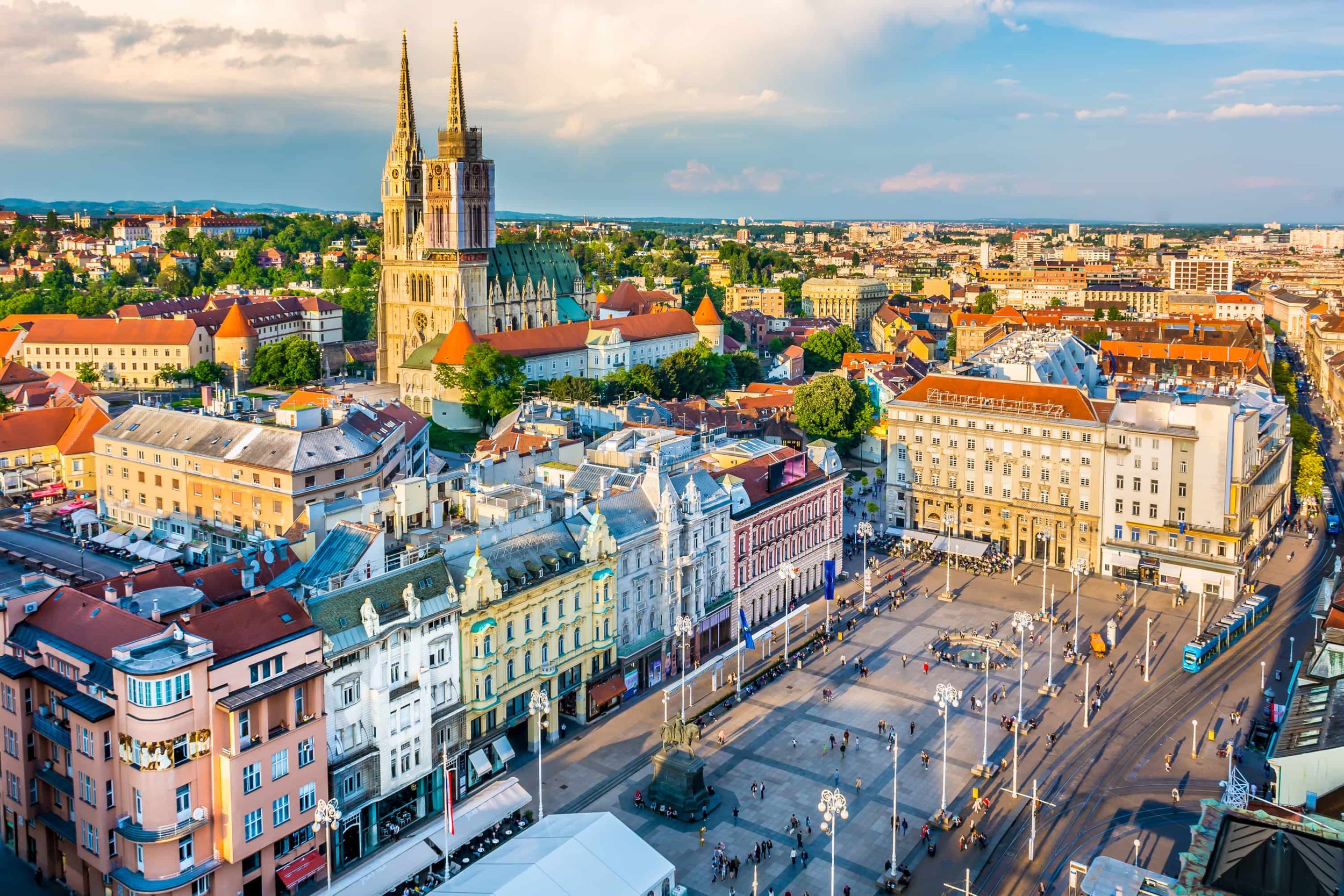
Welcome to Zagreb, a capital more than a thousand years old that most travelers skip and regret skipping. You'll be met at the airport and transferred privately to your hotel, a grand historic property on a central square. After a long travel day, the spa and a quiet afternoon are the right way to land. Tonight, a welcome dinner at a traditional restaurant where the kitchen still cooks from recipes that go back centuries and the owner builds every course around the wine. A gentle introduction to how Croatia eats.
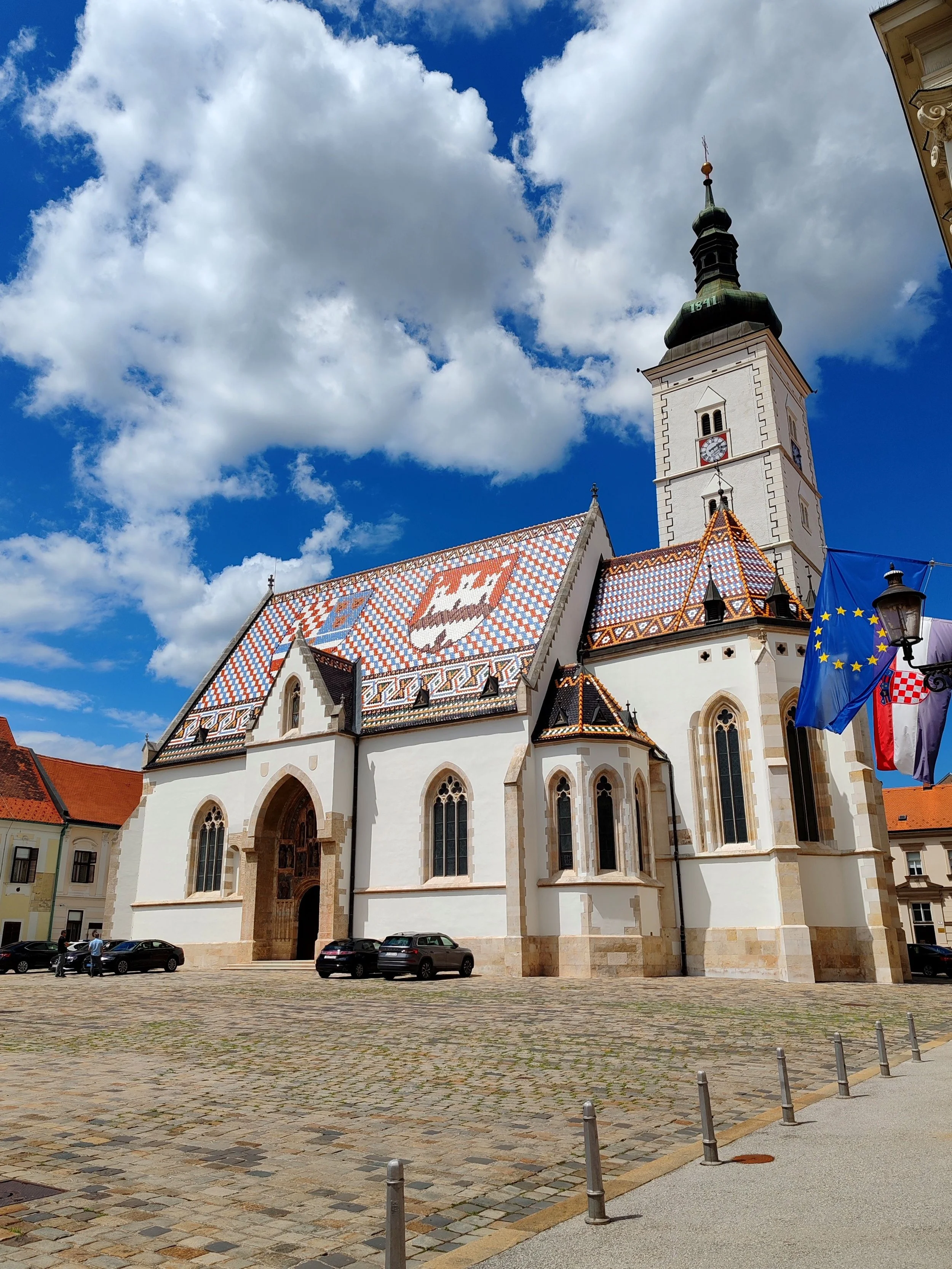
Photo: St. Mark’s Church in Zagreb, Croatia, is a historic landmark known for its iconic colorful tiled roof featuring the coats of arms of Zagreb and Croatia.
Photo©: Davide Menegatti / pexels
Day 2
Zagreb, Upper Town and Market
Start with a coffee at the oldest cafe in Zagreb, on the main square overlooking the statue of Ban Jelacic. Croatians treat coffee as an unhurried ritual, and a slow pavement table is how the day is meant to begin. A morning walk with a local guide takes in the upper town: the cathedral, the Stone Gate with its candlelit shrine, St. Mark's church with its tiled roof, and the Strossmayer promenade for the view over the lower city.
The afternoon is for Dolac market, the open-air market above the main square where the city's chefs shop every morning and where your guide will steer you to the right cheese stall and the right bakery for strukli, the baked cheese pastry that Zagreb considers its own. Dinner tonight at one of the city's most celebrated restaurants, where the wine list reads like a tour of Croatia's best producers.
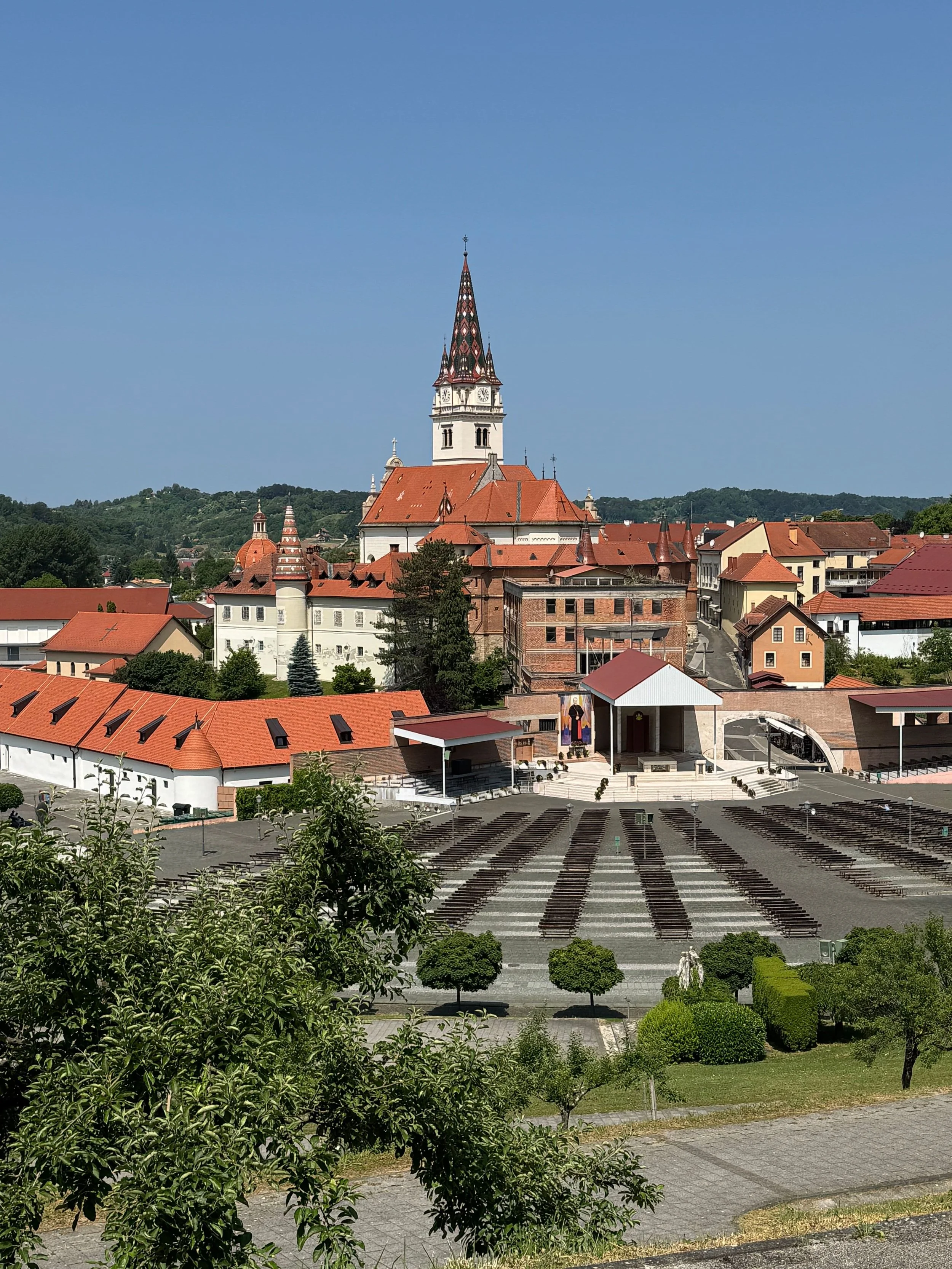
Photo: The Croatian National Shrine of Our Lady of Marija Bistrica in Marija Bistrica, Croatia, is a historic pilgrimage site known for its distinctive church tower, red-tiled roofs, and peaceful outdoor sanctuary.
Photo©: Lis K / pexels
Day 3
Plitvice Lakes and on to Zadar
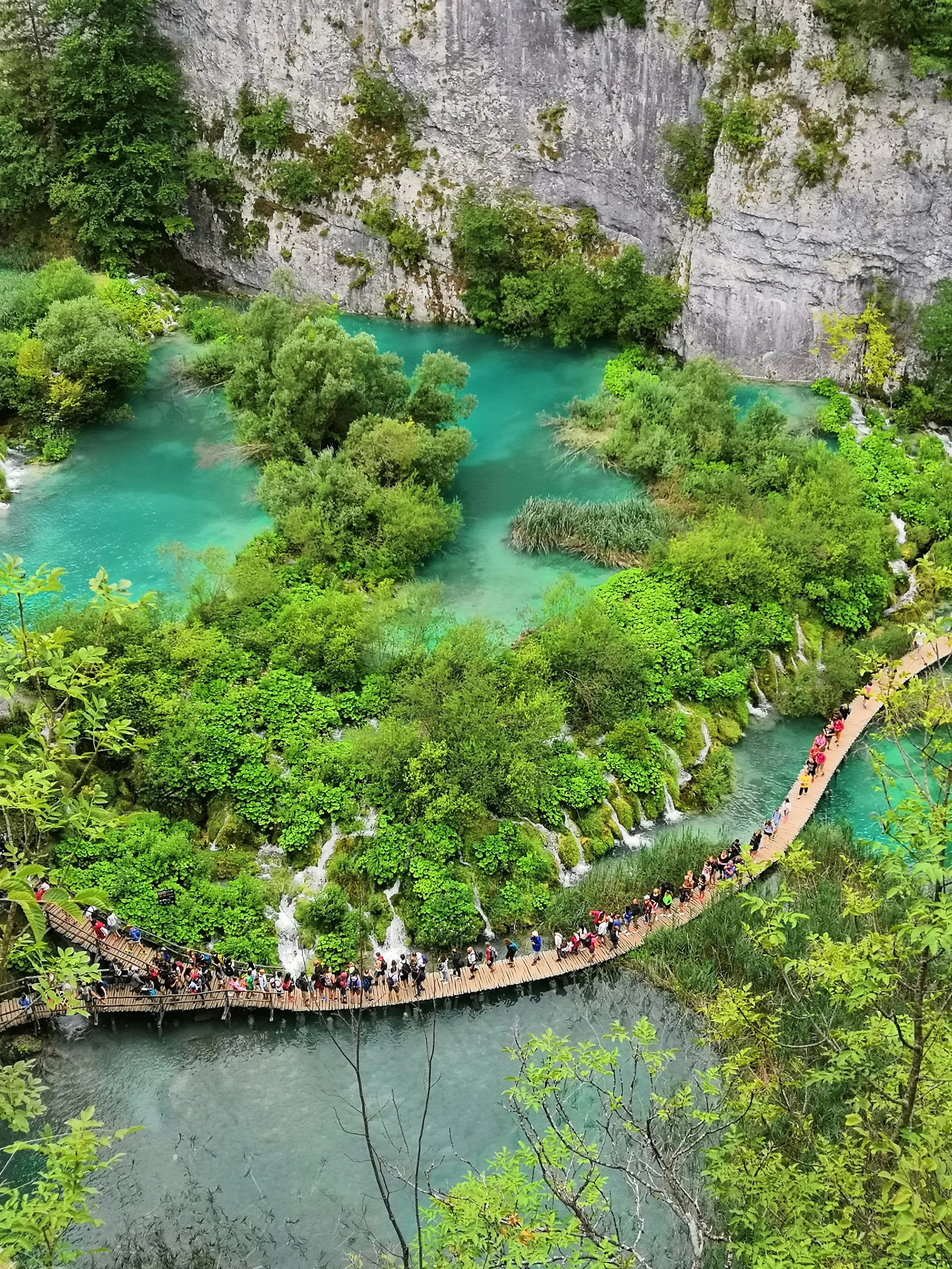
This morning we drive to Plitvice Lakes National Park, sixteen turquoise lakes linked by waterfalls and wooden footbridges, set in deep woodland where bears, wolves, and rare birds still live. A walk with a local guide leads you through it, and tradition says a wish made under the largest waterfall comes true. Lunch at a traditional Lika house at the edge of the park.
For travelers who would rather not rush, this is a natural place to slow down and stay the night in the forest. There are no five-star hotels inside the park, so it is a comfortable, characterful stay rather than a grand one, but waking up to the boardwalks before the buses arrive is worth it. Otherwise we continue to Zadar, the walled coastal city famous for its Roman forum and its sea organ.
Photo: Plitvice Lakes National Park in Croatia is known for its turquoise lakes, cascading waterfalls, lush forests, and scenic wooden boardwalks winding through the park.
Photo©: Kévin Pottier / unsplash
Day 4
Zadar, Croatia
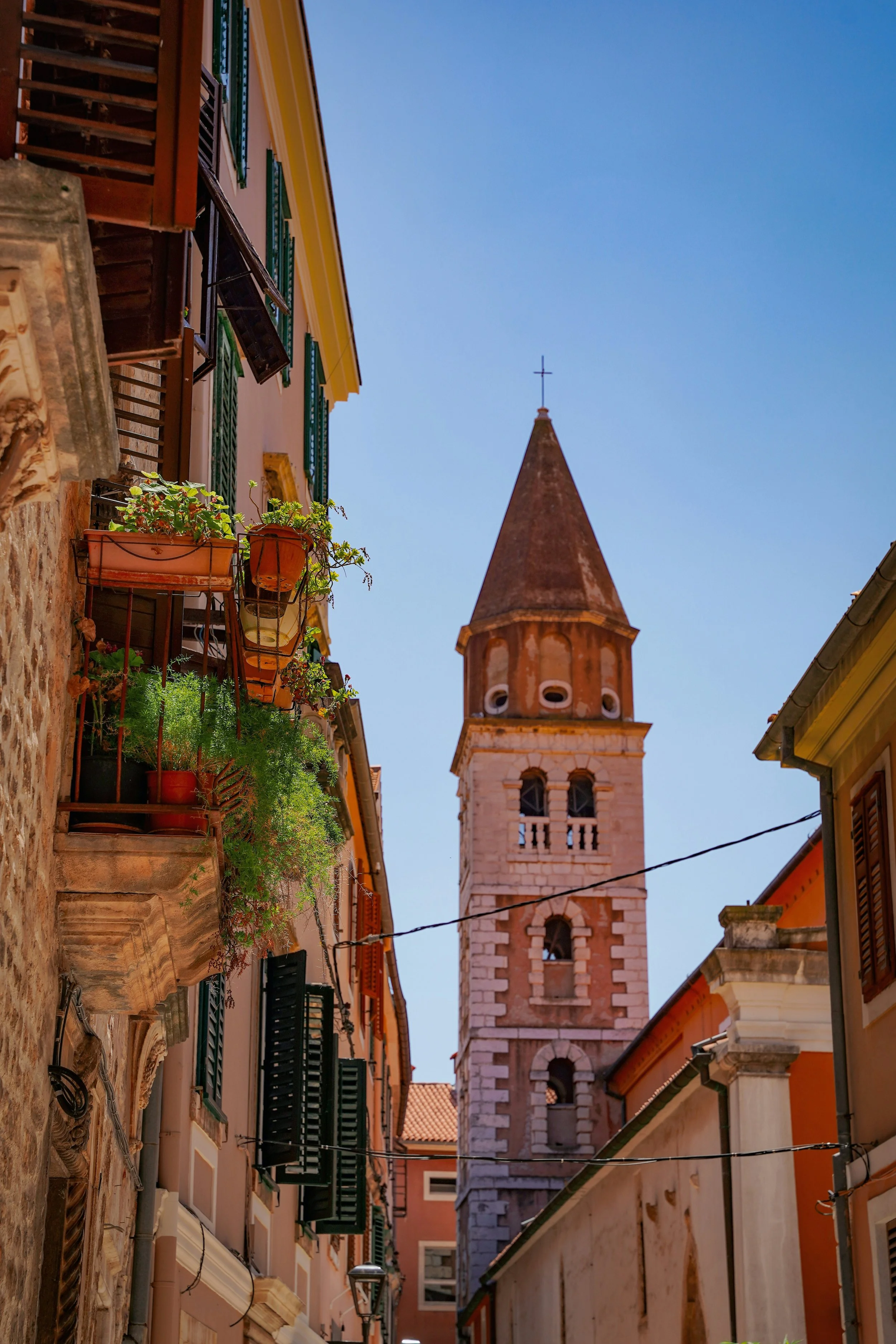
A morning with a local guide through Zadar's old town: the ancient Roman forum, the round church of St. Donat, the city walls and the Land Gate, the Square of Five Wells, and the People's Square. Zadar's two modern marvels sit right on the waterfront, the Sea Organ, which turns the waves into music, and the Greeting to the Sun, which lights up at dusk.
Alfred Hitchcock once said Zadar has the most beautiful sunset in the world, and the evening is built around finding out whether he was right, with the sea organ playing under your feet. Dinner at a restaurant in the old city.
Photo: The bell tower of Zadar Cathedral of St. Anastasia rises above a narrow historic street in Zadar’s Old Town, Croatia, showcasing the city’s distinctive Romanesque architecture.
Photo©: Nazrin Babashova / unsplash
Day 5
The Kornati Islands by boat
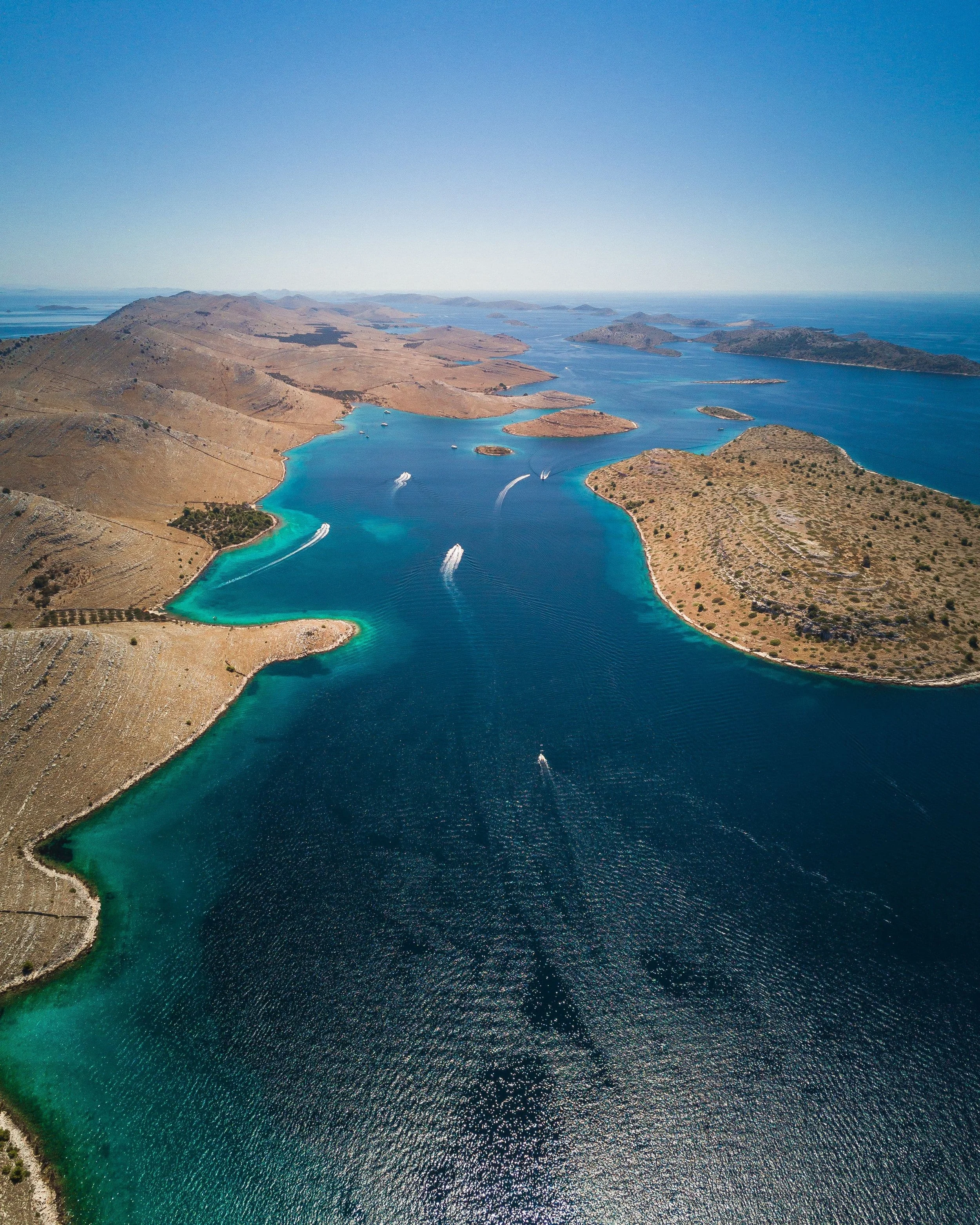
A day on the water. You'll board a boat and sail into the Kornati archipelago, 140 islands scattered across a national park of crystalline coves and bare, beautiful limestone, the densest cluster of islands in the Mediterranean. Swim in water so clear it barely looks real, anchor for a long lunch of grilled fish and island wine, and let the day move at the pace of the sea. A sunset sail back to Zadar, and a quiet evening in the old town.
Photo: Kornati National Park in Croatia features a dramatic archipelago of rugged limestone islands surrounded by deep blue Adriatic waters.
Photo©: Ivica Džambo / pexels
Love what you're reading?
This is a sample. Tell me about your travel style and I'll build your Croatia and Montenegro trip from scratch.
Day 6
Split and the sail to Korcula
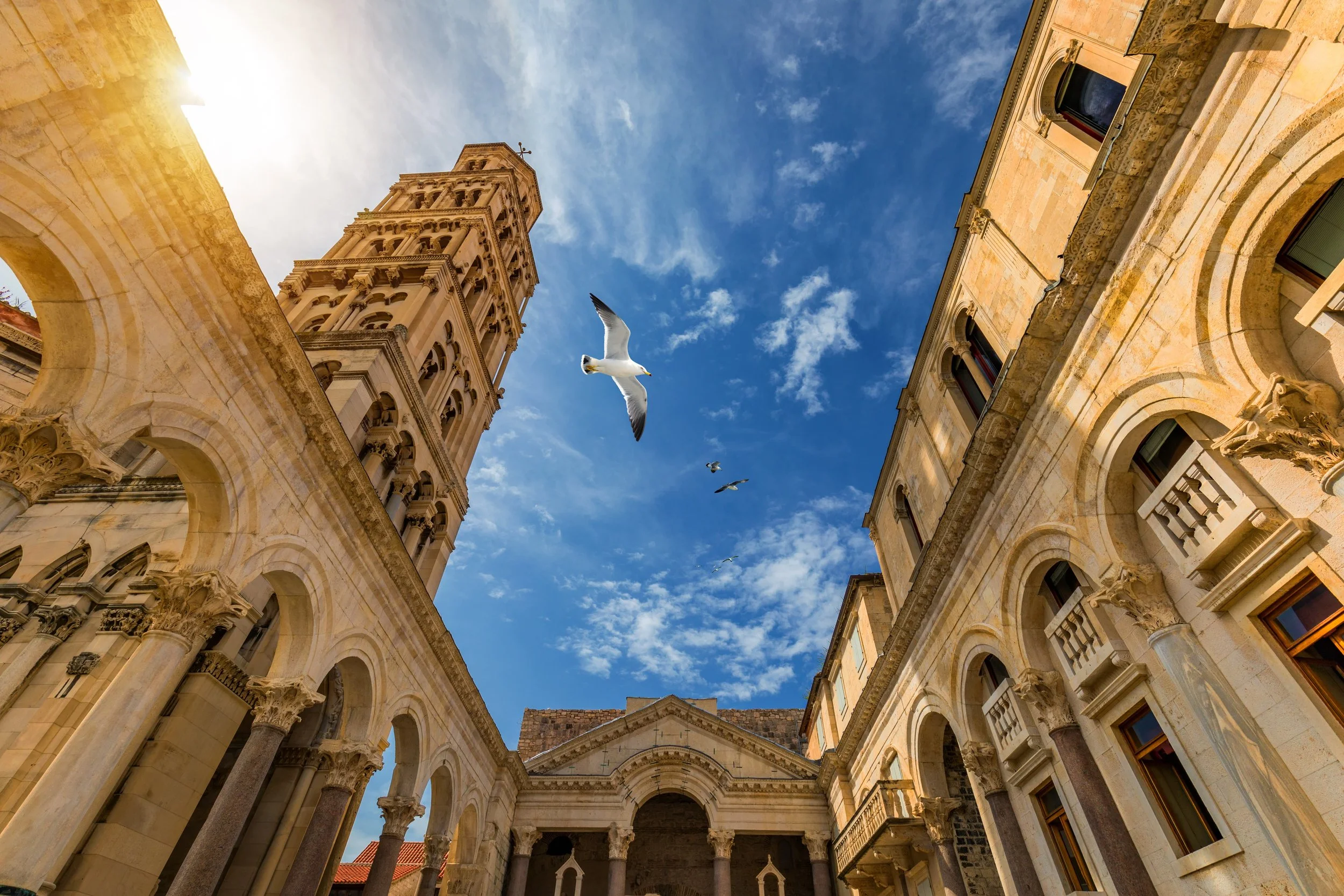
South to Split, a city built inside a palace. With a local guide you'll walk the 1,700-year-old complex the Roman emperor Diocletian built for his retirement, still woven into the living city: the Cathedral of St. Duje, the ancient cellars, the Peristyle at its heart, and the famous Golden Gate. Lunch in a local restaurant in the old town.
In the afternoon, board a catamaran for the island of Korcula, all vineyards, olive groves, and quiet coves, with a glorious walled old town at its heart. Check in to a seaside hotel looking across the water
Photo: The Peristyle courtyard of Diocletian’s Palace in Split, Croatia, features ancient Roman architecture with the striking bell tower of the Cathedral of Saint Domnius rising above it.
Photo©: Anna Fishman / Olegana Travel Boutique
Day 7
Korčula, Croatia
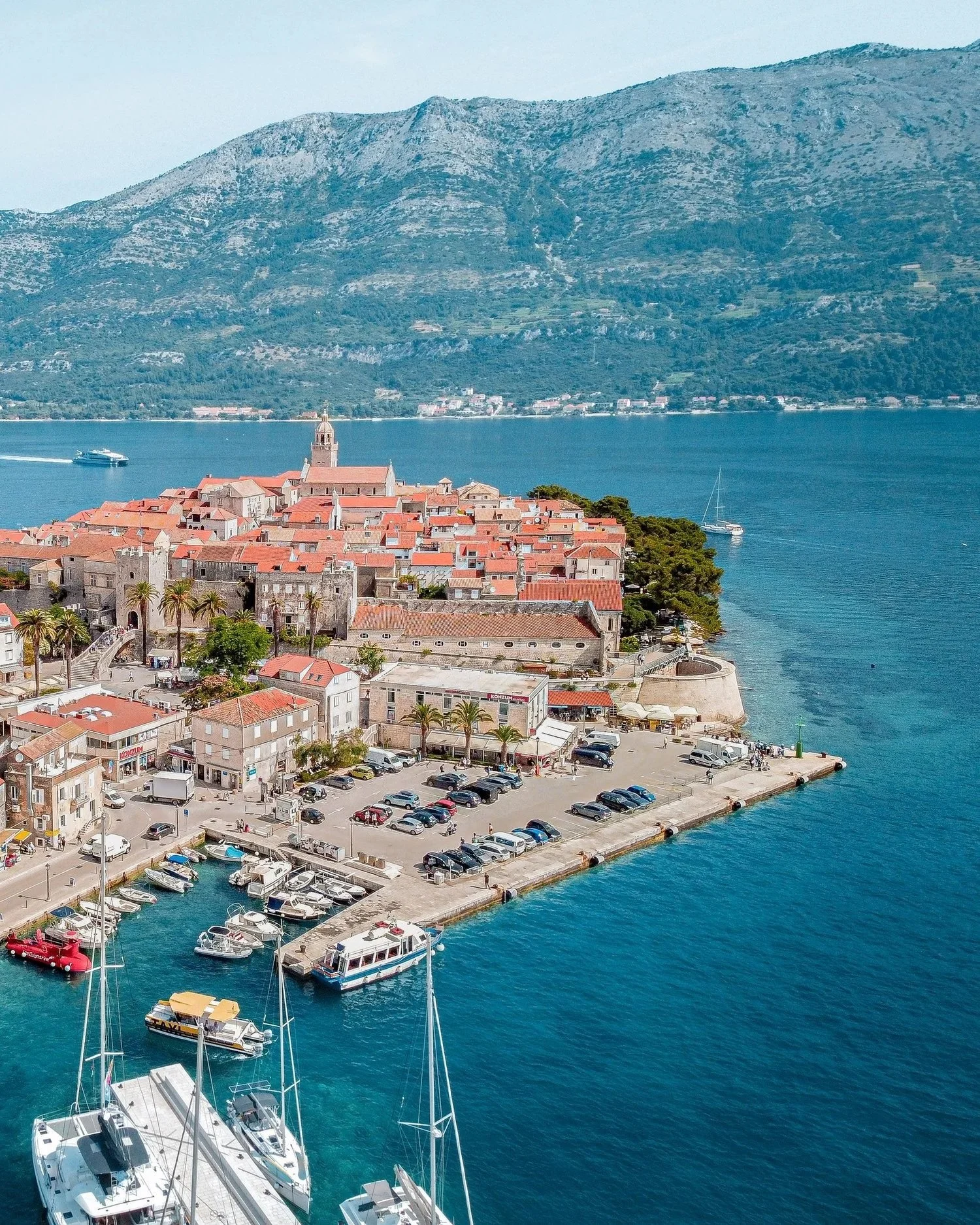
A morning walk through Korcula's old town with a local guide. The whole place is a miniature of medieval Dalmatia, wrapped in walls and towers, its streets laid out in a herringbone pattern to catch the wind. You'll see the cathedral, the 1214 Statute of Korcula (one of the oldest legal codes in the Slavic world), and the house where Marco Polo is said to have been born.
In the evening, dinner at a family ranch in the olive groves outside town, where the food is homemade from what is fresh and the setting is tranquil. Back to the hotel for the night.
Photo: Korčula Old Town in Croatia is a historic medieval walled city known for its Venetian-style stone buildings, terracotta rooftops, and picturesque Adriatic setting.
Photo©: Lukas Kosc / pexels
Day 8
The Coast Road to Dubrovnik
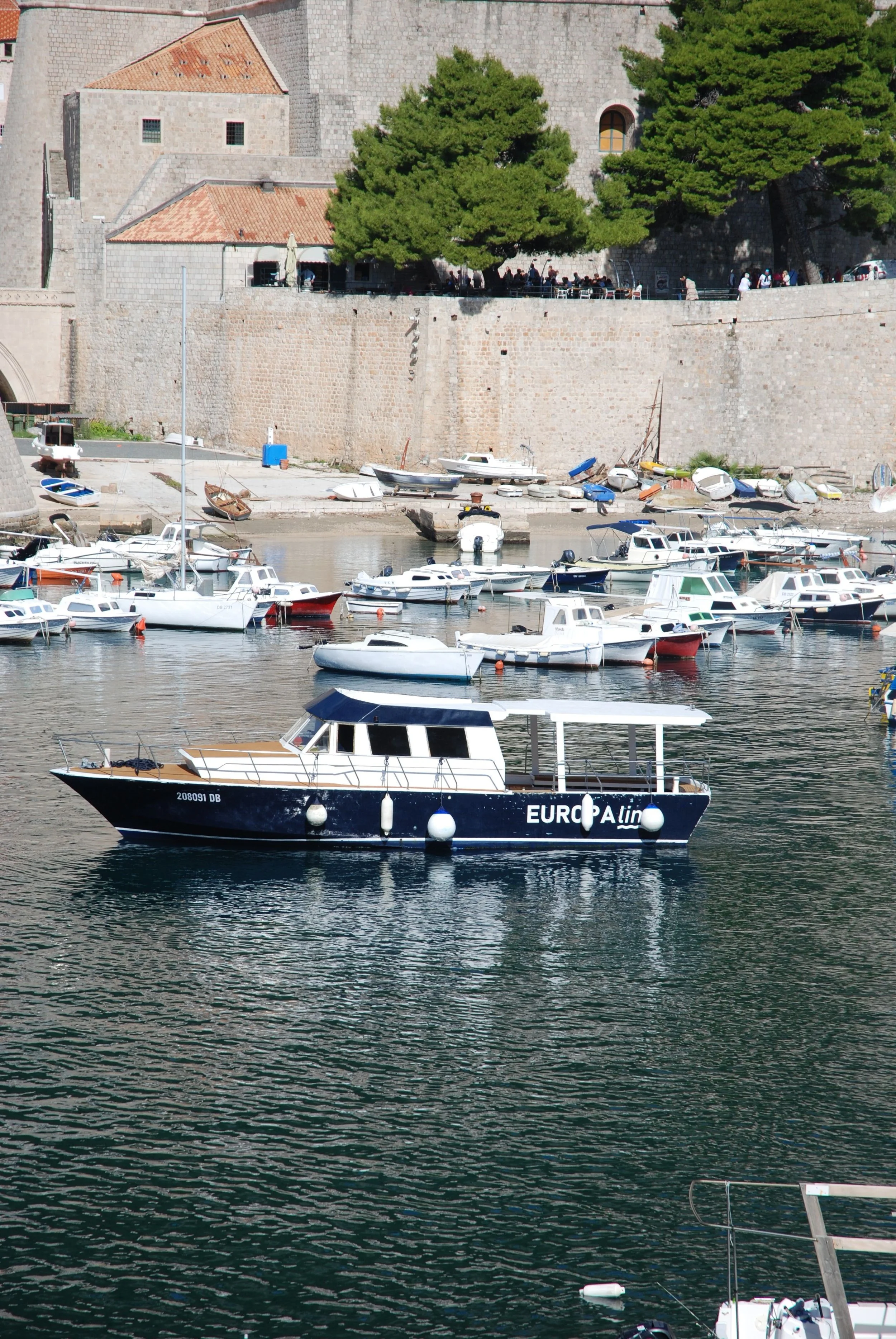
A morning ferry from Korcula back to the mainland, then south along one of the great coastal drives of Europe. The road runs the length of the Peljesac channel with the island falling away behind you, crosses the new bridge that finally joined the Dubrovnik coast to the rest of the country, and drops into Dubrovnik from above, the old town appearing all at once below the road like a stage set.
Arrive by early afternoon. Check in to a cliffside property just outside the old town walls, with terraces over the sea. The rest of the day is yours: a swim from the hotel rocks, a first wander down the Stradun before the evening light, and dinner at a restaurant inside the walls where the menu is whatever the fishermen landed that morning.
Photo: Dubrovnik’s Old Harbour in Croatia features traditional boats along the Adriatic coast, with the historic city walls rising in the background.
Photo©: Elien / pexels
Day 9
Dubrovnik and the Elaphiti Islands
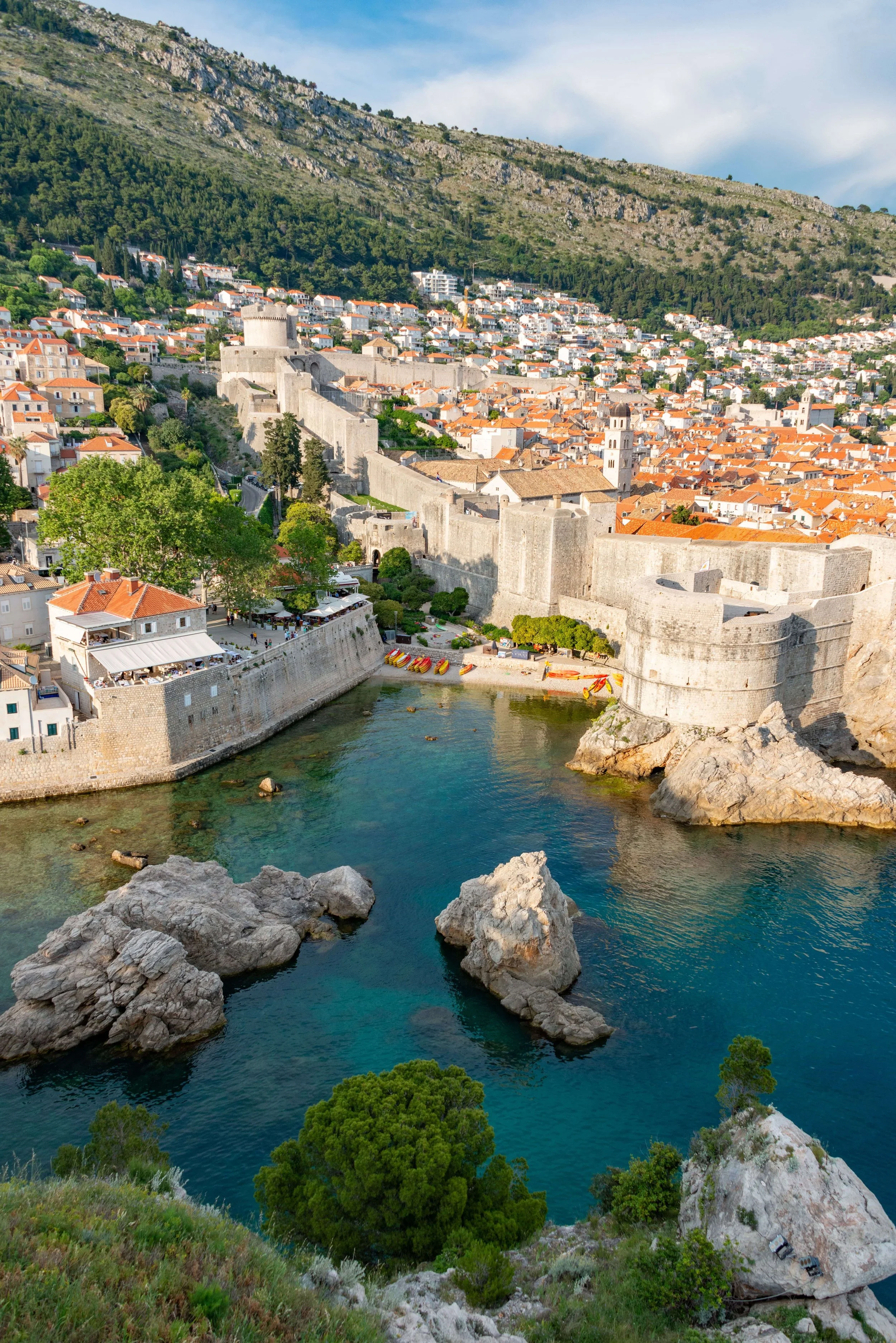
A morning with a local guide along Dubrovnik's UNESCO-listed city walls and through the old town's narrow streets and small squares, timed for the quieter hours before the cruise crowds thicken.
In the afternoon, a private boat from the old harbor to Lokrum, the forested island ten minutes offshore where Dubrovnik goes to swim, with a walk through the botanical garden and the ruined Benedictine monastery, then on down the coast to Cavtat, a quiet harbor town of stone houses and palm trees where the Dubrovnik nobility built their summer villas. A late lunch on the Cavtat waterfront, and back to Dubrovnik for a farewell-to-Croatia dinner at a table on the old harbor. (If you would like a slower pace here, this is the easiest place to add a leisure night, and I usually recommend it.)
Photo: Dubrovnik’s historic Old Town in Croatia features medieval stone walls, the scenic West Harbour, and Fort Lovrijenac overlooking the Adriatic coast.
Photo©: Diego F. Parra / pexels
Day 10
Into Montenegro, Kotor Bay and the Highlands of Njegusi
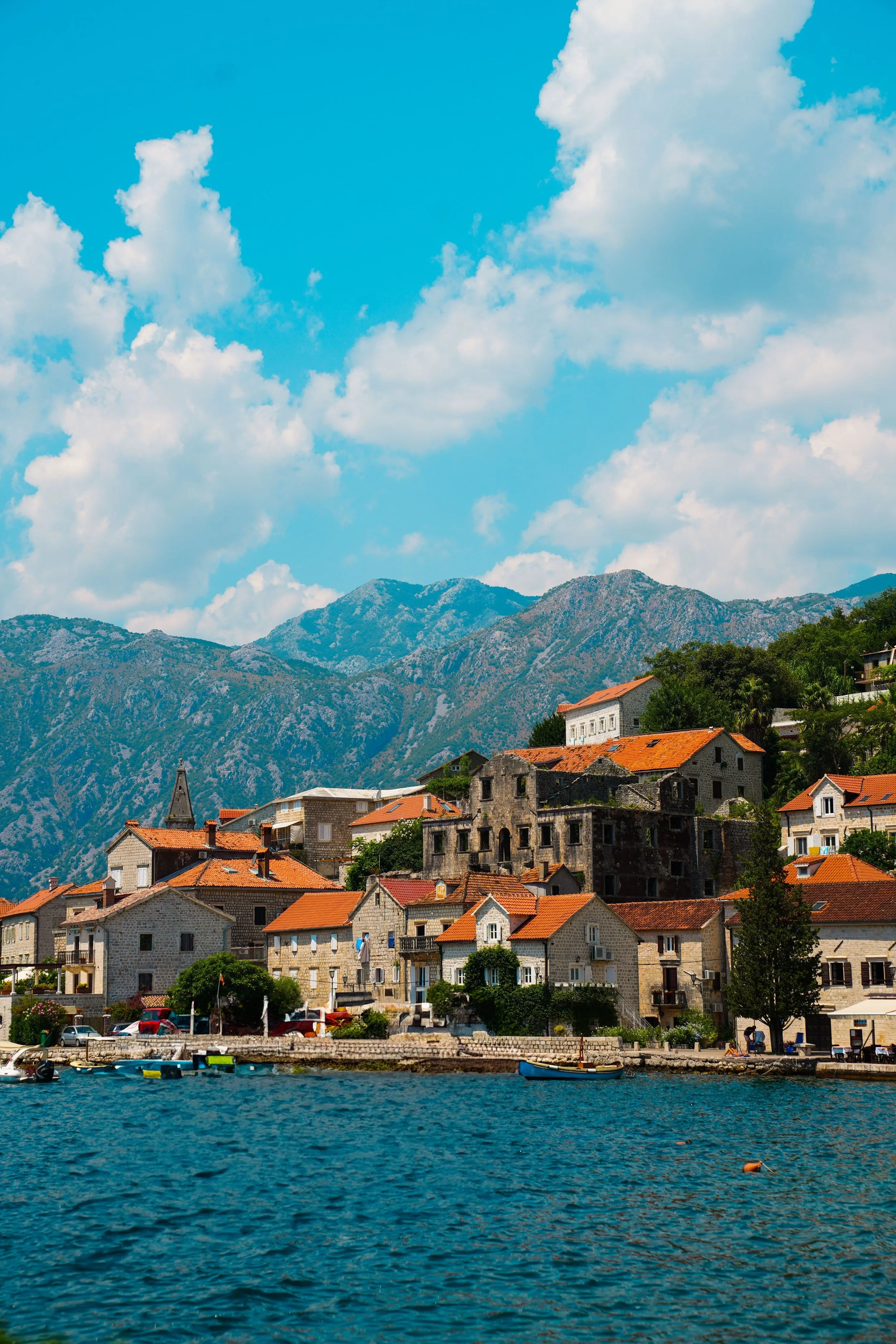
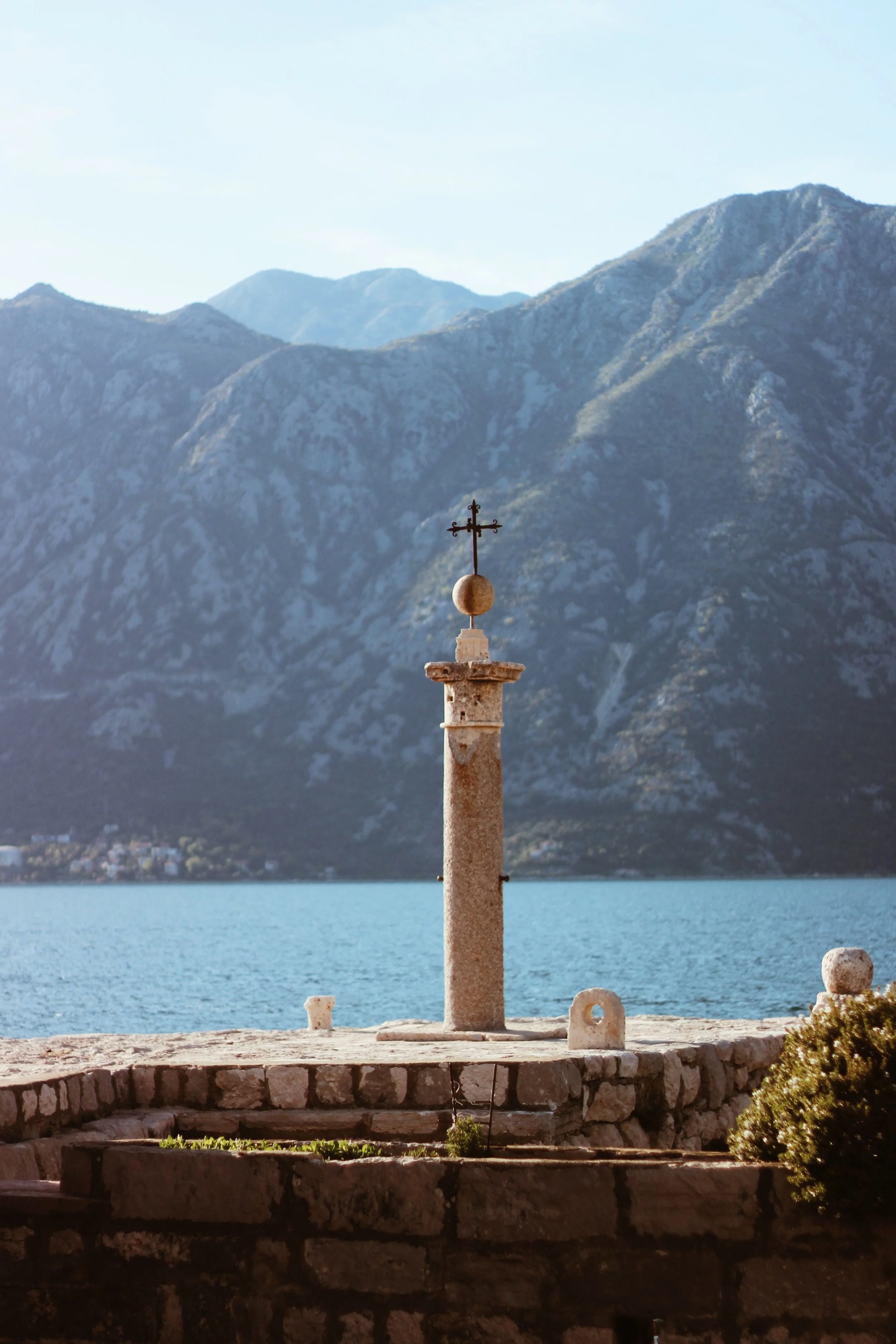
This morning we make the one border crossing of the trip, into Montenegro. Crossing times can vary, so we build the day with margin and handle the paperwork in advance. Soon Kotor Bay opens up, a long fjord-like inlet ringed by mountains that rise straight from the water, with a UNESCO-listed walled city at its head. A local guide walks you through Kotor's medieval lanes, and there is time for the Baroque village of Perast and the little island church of Our Lady of the Rocks out on the bay.
Then we climb the switchbacks into the Lovcen highlands to the village of Njegusi, the home of njeguski prsut, the air-dried smoked ham that is Montenegro's most famous food, and the sharp mountain cheese that goes with it. A tasting here, with a glass of local wine and the valley falling away below you, is the food memory of the Montenegro leg. Overnight on the bay or in Budva.
Photo: Perast in Montenegro is a historic coastal town on the Bay of Kotor, known for its Baroque stone buildings, charming waterfront, and dramatic limestone mountains.
Photo©: Tuba Din / pexels
Day 11
Lake Skadar wine country and the Budva Coast
A morning in Montenegro's wine country around Lake Skadar, the largest lake in Southern Europe and a national park of lily pads, pelicans, and island monasteries. A boat out onto the water, then a tasting at a family winery in the Crmnica hills, the historic heart of Montenegrin wine, where the deep red Vranac and the crisp white Krstac are poured by the people who grow them.
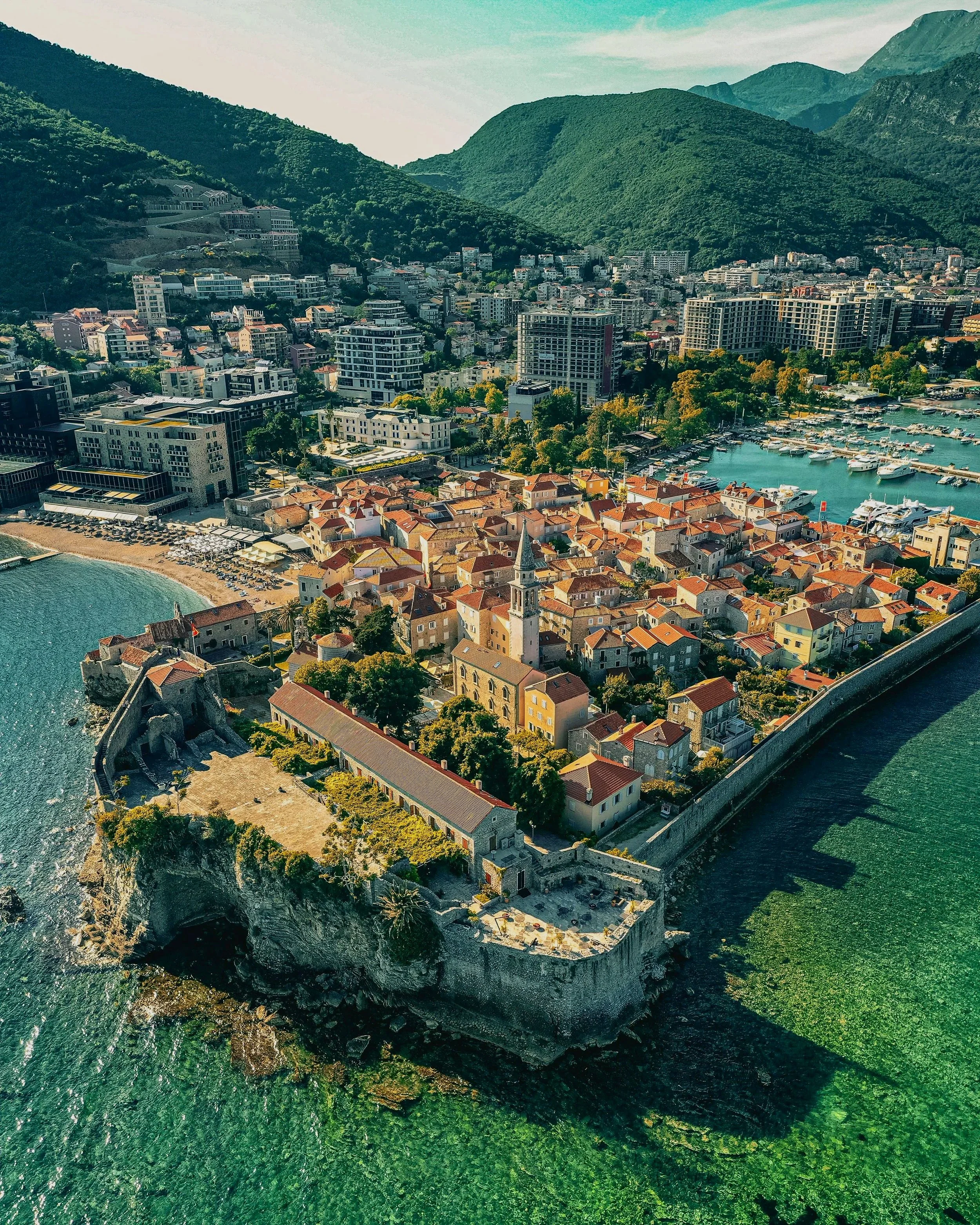
In the afternoon, the coast: a stop above Sveti Stefan, the photogenic islet-village that has become the symbol of the Montenegrin Riviera, and time to wander the stone-walled old town of Budva, more than 2,500 years old. A final dinner on the coast. Overnight in Montenegro
Photo: Scenic aerial view of Budva’s historic Old Town along the Adriatic coast in Montenegro.
Photo©:
Day 12
Departure from Montenegro
A relaxed final morning: one more coffee on the bay, a last look at the mountains dropping into the water, and a private transfer to Tivat Airport for your flight home. Twelve days, two countries, one easy border, and a stretch of the Adriatic that travelers usually split across two separate trips.
Photo: A cross monument overlooking the stunning Bay of Kotor and surrounding mountains in Montenegro.
Photo©: Sena Aykut / pexels
Who this trip is perfect for
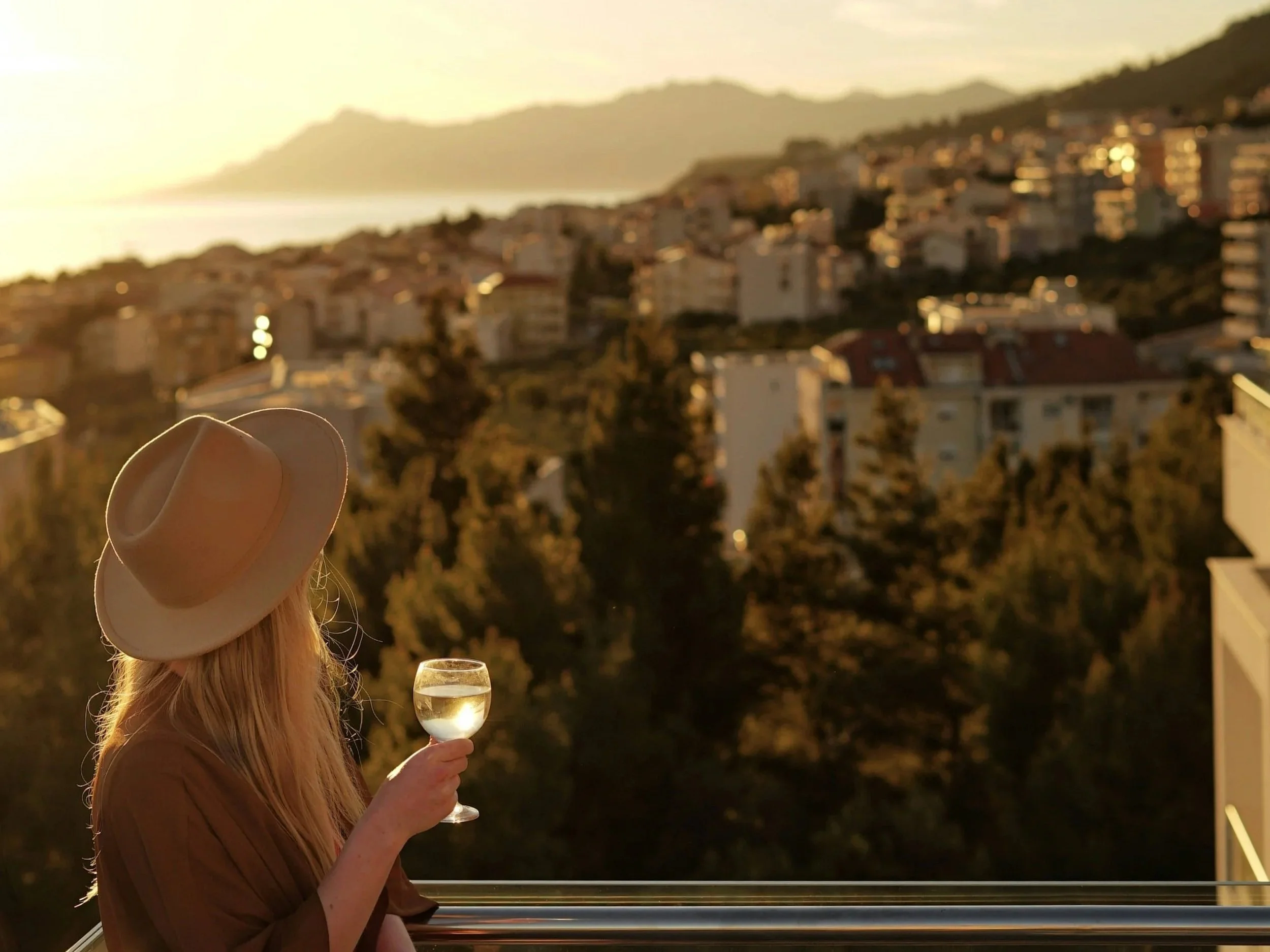
Serious food and wine travelers:
If you plan your trips around what you'll eat and drink, this route threads it down two countries: a Zagorje harvest, Peljesac reds, Mali Ston oysters at the source, a Korcula island ranch, peka over embers, Njegusi mountain ham, and the Vranac reds of Lake Skadar. Every producer and every table is a personal relationship.
Photo©: Marcelina Pawlikowska / unsplash
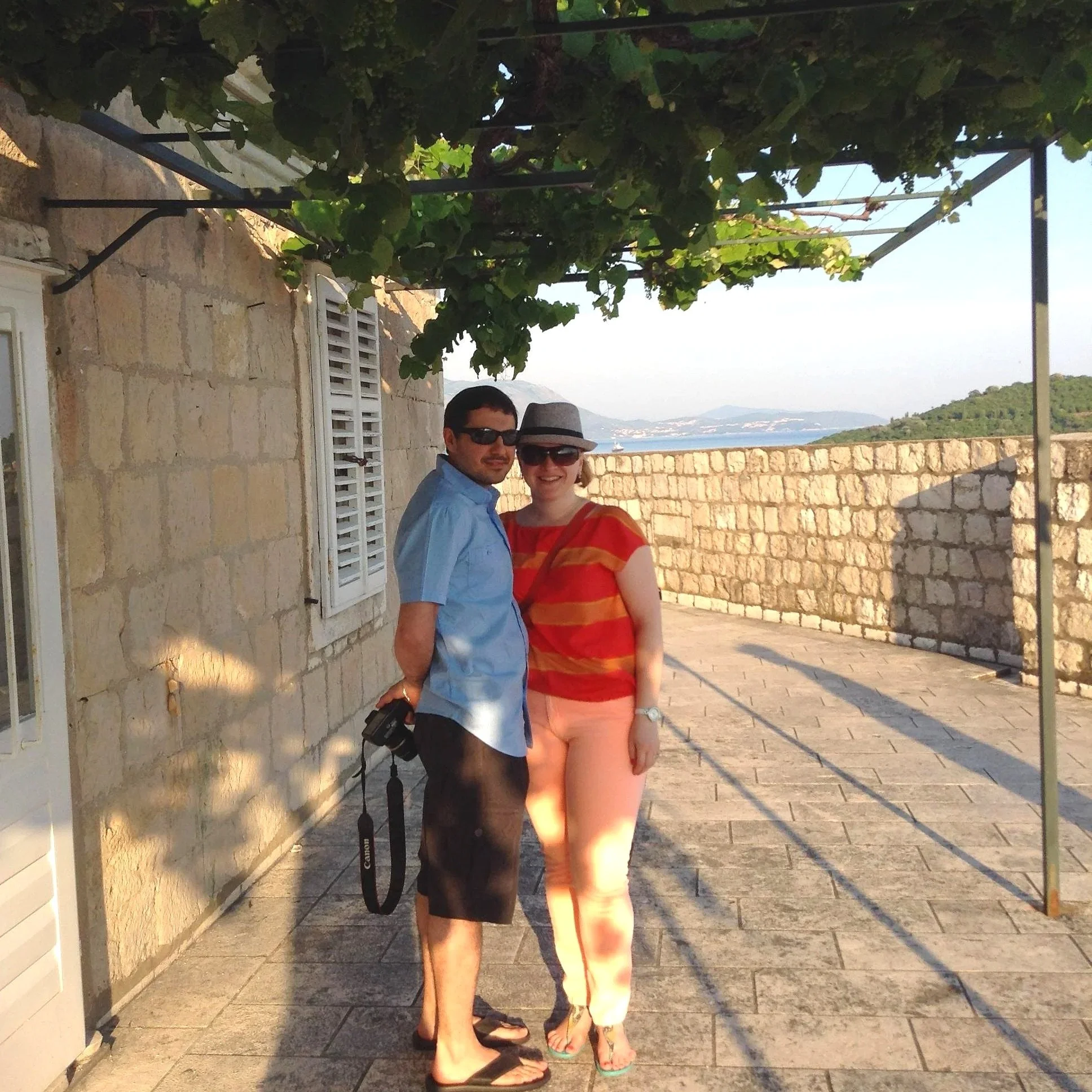
Couples who have done the classic Mediterranean:
If you've already done Italy, Greece, and the headline parts of Croatia, the Montenegro finish shows you what is next door and barely touched, while the crowds have not caught up.
Photo©: Anna Fishman / Olegana Travel Boutique
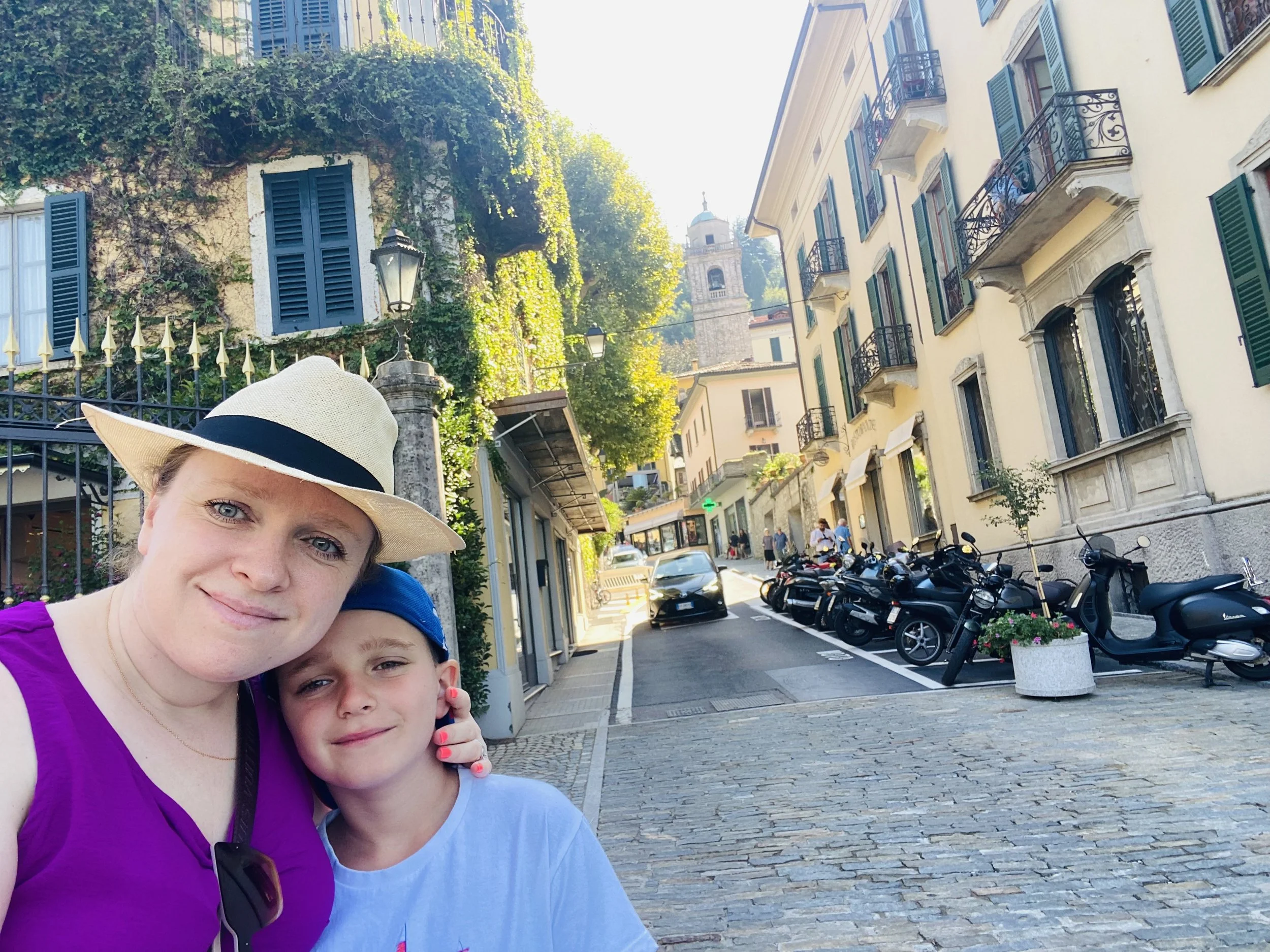
Culturally curious explorers:
Romans, Venetians, and the old mountain kingdoms all left their mark on this coast, and this trip reads like a walk through all of it. If you want to understand the places you visit, not just photograph them, the two-country sweep rewards you.
Photo©: Anna Fishman / Olegana Travel Boutique
Travelers who want one trip, not two:
Doing Croatia and Montenegro separately means two sets of flights and two sets of planning. Done as one designed route, the border disappears and the whole coastline becomes a single story: the walled cities of Dalmatia, the islands, and then a country that feels like the Adriatic thirty years ago, all without doubling back.
Photo©: Anna Fishman / Olegana Travel Boutique
Where you’ll stay
Zagreb, 2 nights. A grand historic hotel on a central square, with high-ceilinged rooms, an elegant spa, and a generous breakfast. Everything in the old town is a short walk.
Zadar, 3 nights. A boutique hotel in or beside the walled old town, walking distance to the forum, the waterfront, and the sea organ. Breakfast included; the standout is a rooftop terrace for the famous sunset.
Korcula, 2 nights. A seaside hotel on the island, with rooms looking across to the old walled town, an olive-grove setting, a pool by the water, and breakfast on the terrace.
Dubrovnik, 2 nights. A cliffside property just outside the old town walls, with terraces over the sea, a seawater pool, and breakfast with a view of the walls. Easy to extend by a night for a slower finish to the Croatian leg.
Montenegro (Kotor Bay or Budva), 2 nights. A boutique property on the bay or a seafront hotel near Budva's old town, with breakfast included and a waterfront terrace or spa, well placed for Kotor, the Njegusi highlands, Lake Skadar, and the coast.
If you choose the optional overnight at Plitvice, note there are no five-star hotels inside the national park; the appeal there is the forest setting, not the hotel tier.
Best time to visit Croatia and Montenegro
Shoulder season: May through mid-June and mid-September through late October. This is the trip's natural window. Daytime temperatures sit in the 70s, the sea is warm enough to swim from June and still swimmable into October, and the waterfalls at Plitvice run full in spring. October layers in grape harvest in both Croatia's and Montenegro's wine country. If you can choose your dates, choose these.
Peak summer: July and August. Beautiful, but hot, with temperatures in the high 80s and low 90s on the coast, and busy, especially in Dubrovnik and Kotor when cruise ships are in port. If summer is your only option, I build the walled-city days around early mornings and late evenings and put the middle of the day on the water.
Off-season: November through April. Cooler and quieter, with some ferry routes and island restaurants closed and shorter days on the road. The cities are atmospheric and empty, but this is a coast-and-islands itinerary at heart, so I recommend holding it for the shoulder months and choosing a city-focused trip for winter.
One practical note on flights: I route your international flights as an open jaw, into Zagreb at the start and out of Tivat in Montenegro at the end, so you never backtrack.

Let's design your Croatia and Montenegro trip
Every itinerary I build starts with a conversation. Twelve days, two countries, one easy border, and a stretch of the Adriatic most travelers never connect into one journey. Tell me what excites you and I'll take it from there.
Frequently asked questions
-
Every itinerary is priced individually. The total depends on the season, the room category you choose, the size of your party, and the experiences we add or subtract, so there is no set package price. Once I know what you are looking for on our first call, I'll follow up with a detailed quote.
-
Twelve days is the sweet spot. It gives you the full Croatian coast plus a proper two-night finish in Montenegro without doubling back. With less time, focus on the Dalmatian coast alone. With more, add nights on the islands or extend into Albania.
-
Yes. Montenegro and Albania together make a natural extension south from this route, and I build it as a separate sample itinerary, Hidden Adriatic, that joins onto this trip seamlessly. Tell me you want it and I'll route the border logistics so the join is effortless.
-
No. This is a touring itinerary with real driving days, all in a private vehicle with your driver-guide and built with stops. If you would like an even gentler pace, I'll add nights and shorten the daily distances.
-
I route flights as an open jaw: into Zagreb at the start and out of Tivat in Montenegro at the end. United flies a daily nonstop from Newark to Dubrovnik and several flights a week to Split in season, with onward connections to Zagreb, and Tivat connects easily through European hubs. If you would rather fly home from Dubrovnik, that works too; we simply build in a buffer for the border on the way back.
-
May through mid-June or mid-September through late October. Those windows give the best combination of weather, light, and small crowds, and October adds harvest season in both countries. July and August are hot and busy.
-
Always. Some travelers do Croatia alone, some want a Croatia food and wine trip with Istria and the Peljesac wineries, some extend into Albania. Tell me what you love, and I'll rebuild the shape of the trip around it.
-
Yes. International airfare and travel insurance are not included in the itinerary, but I strongly recommend coverage for any multi-country trip and quote it separately through Travel Guard once the itinerary is set.
-
Six to nine months ahead for May, June, September, or October travel. The boutique hotels on this route are small, the best guides book early, and the harvest-season dates go first.