
Hidden gems in Portugal: 5 places most visitors never reach
Lisbon and Porto are wonderful. They are also where everyone goes. These five places sit an hour or two off the main route, and they are the ones my clients end up talking about a year later.
Here is something I have noticed after years of designing Portugal trips. The itinerary people arrive with is almost always Lisbon, Porto, maybe Sintra, maybe the Algarve. The itinerary they come home raving about is the one with a detour in it.
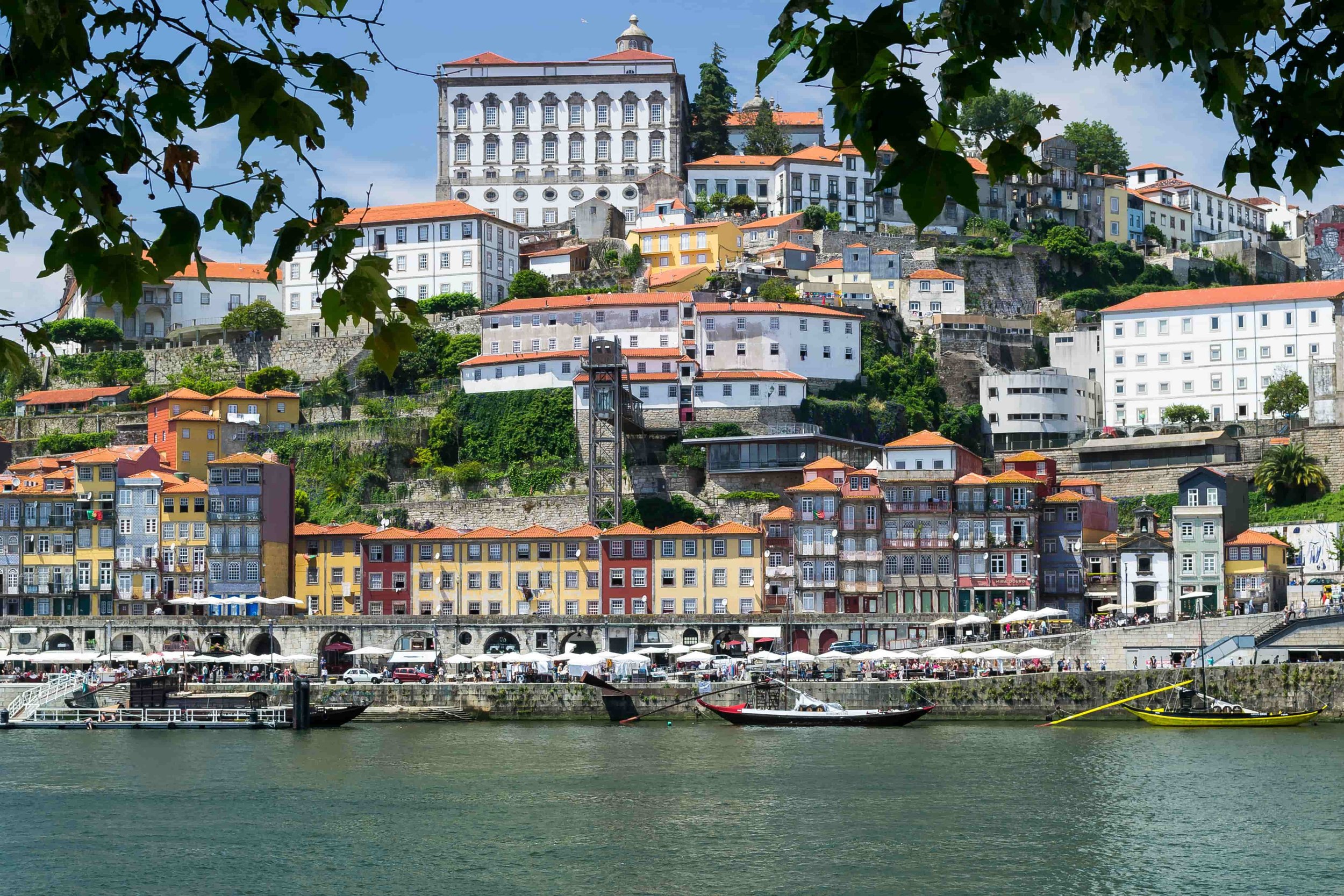
The colorful Ribeira district of Porto, Portugal, rises along the banks of the Douro River, known for its historic buildings and picturesque riverside setting.
Photo©: nathsegato / pixabay
That is not a criticism of the big cities. Lisbon deserves its reputation and Porto might be my favorite small city in Europe. But Portugal is a country where the distance between "famous" and "empty" is often about ninety minutes of driving, and most visitors never cover that ninety minutes.
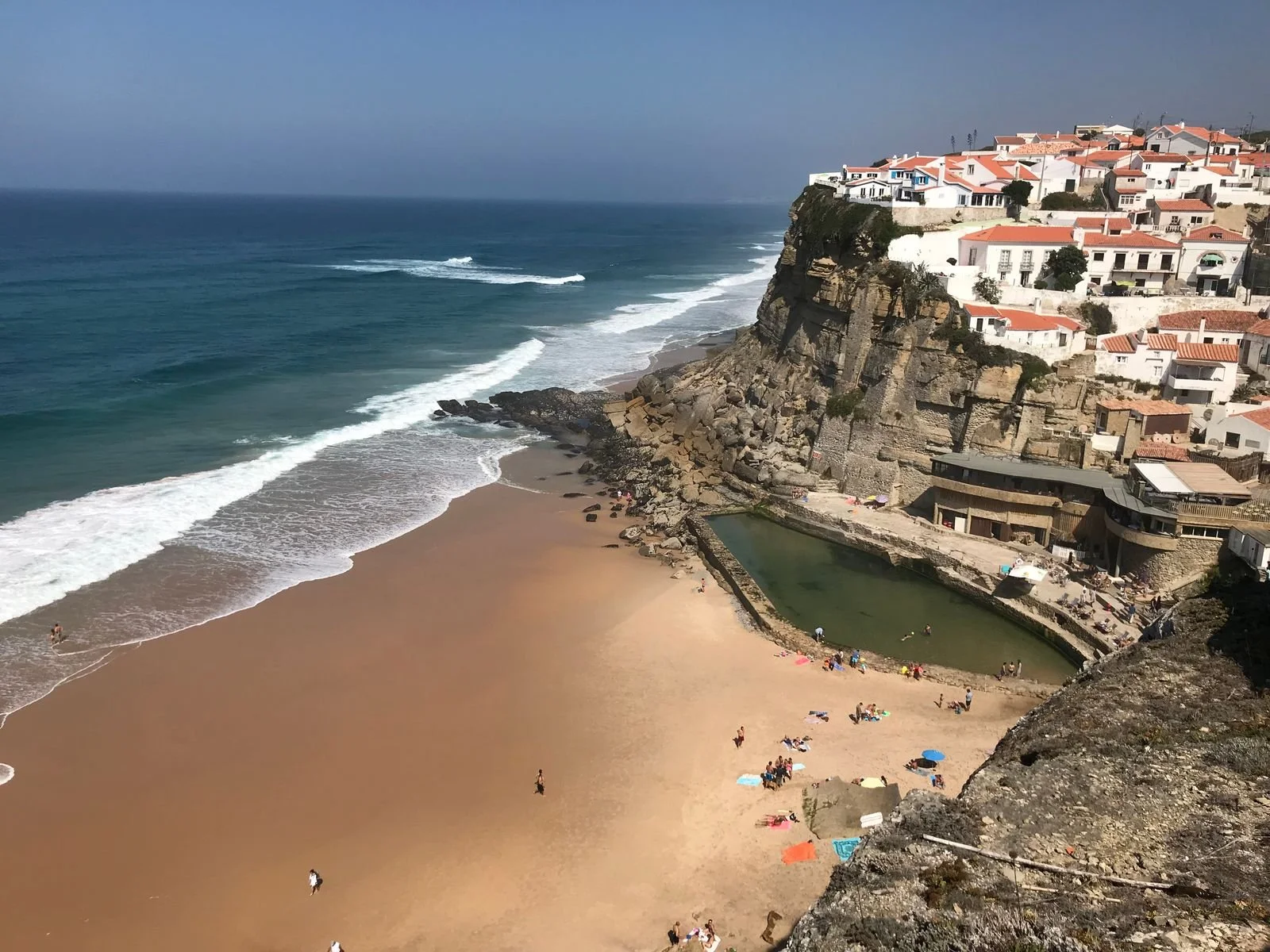
Azenhas do Mar in Colares, Sintra, Portugal, is a picturesque cliffside village known for its whitewashed houses, red-tiled roofs, and natural seawater pool along the Atlantic coast.
Photo©: Anna Fishman / Olegana Travel Boutique
These are five of the places I send people when they tell me they want the version of Portugal that does not appear in every guidebook. Some of them I have stayed in myself. All of them have shown up in client feedback with the kind of enthusiasm that tells me they landed.
1. Nazaré, the fishing village with the biggest waves on earth
I stayed in Nazaré for a few nights on a drive between Lisbon and Porto, and it turned out to be one of those stops that quietly becomes the point of the trip.
Nazaré is a working fishing village on the Silver Coast, and it is famous among a very specific group of people for one reason: Praia do Norte produces some of the largest surfable waves ever recorded. We are talking about walls of water the height of a ten-story building. Even standing on the cliff in calm weather, you can feel why surfers fly here from around the world.
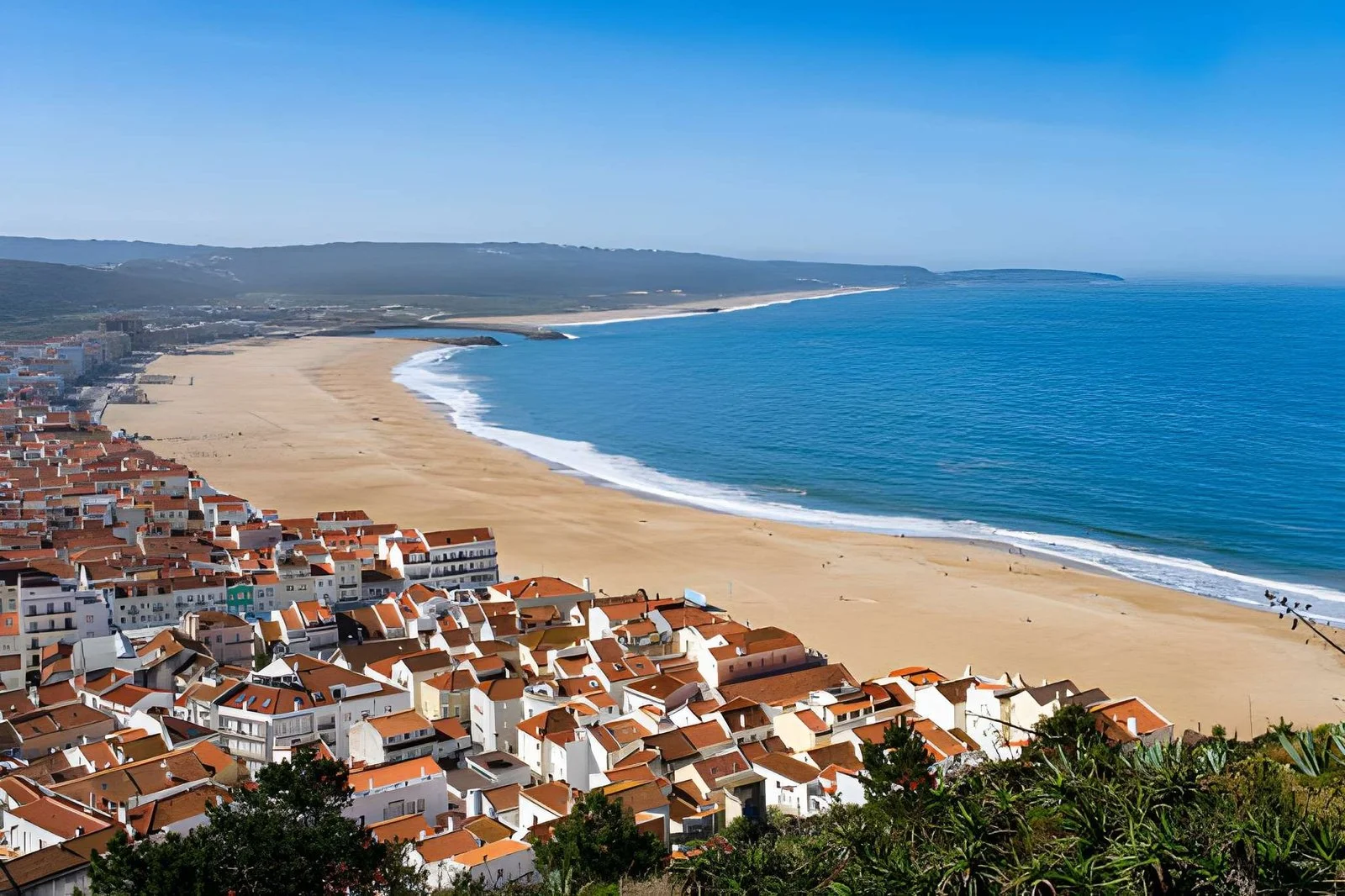
A top view of Nazaré, Portugal, known for its long sandy beach, dramatic coastline, and world-famous giant waves that attract surfers from around the globe.
Photo©: Flavio Vallenari / istock
The place to see it from is the Forte de São Miguel Arcanjo, which was first built in 1577 and rebuilt and expanded several times since. It now works as a lighthouse and houses a small museum given over largely to the surfing. You reach it by taking the funicular up from the center of the village, which is worth doing on its own for the view on the way.
Beyond the waves, Nazaré is simply a lovely place to slow down. The beach is broad and swimmable in summer, the seafood comes off boats you can watch come in, and it makes an ideal base for breaking up the long drive between the north and the south rather than doing it in one exhausting push.
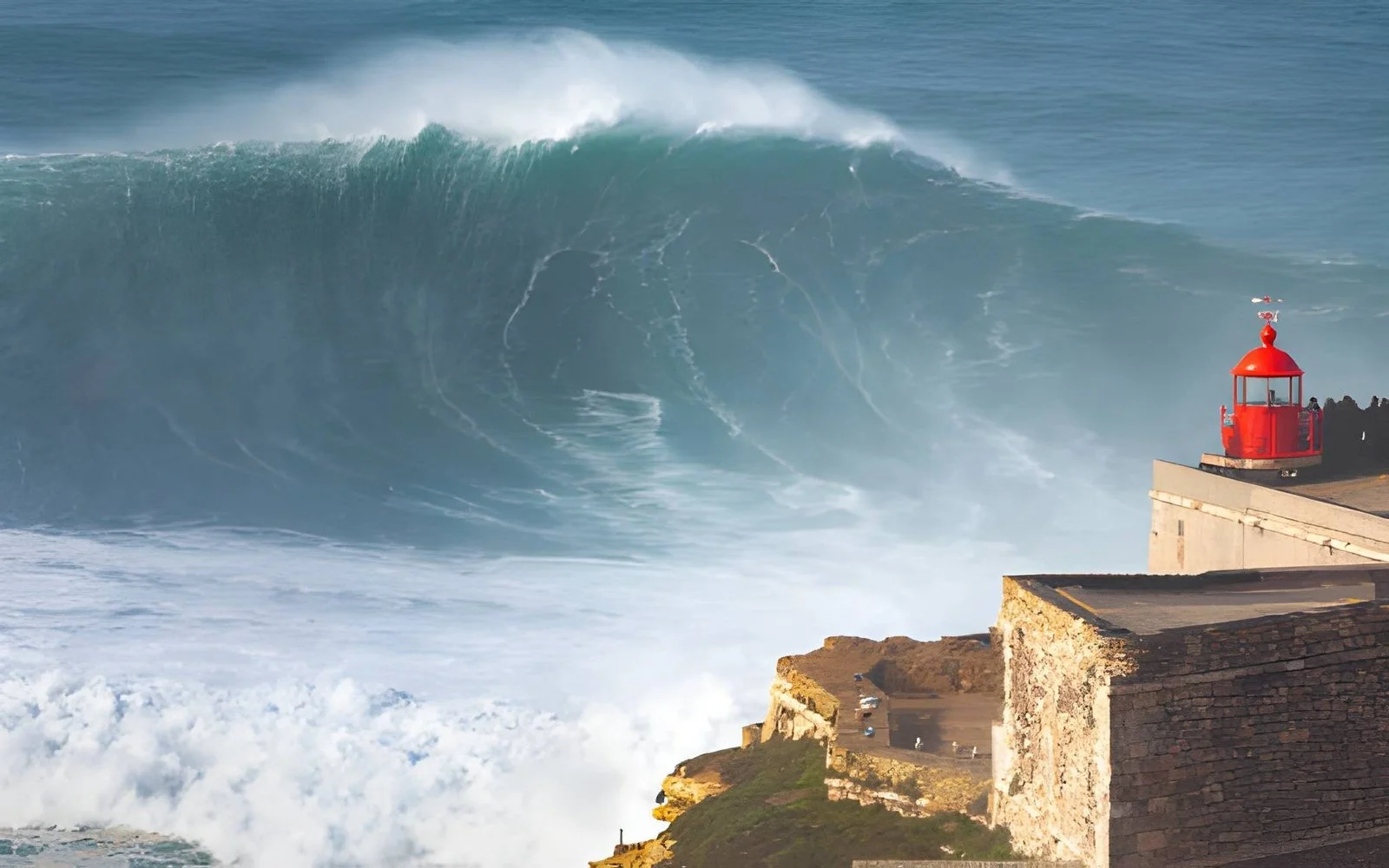
The Nazare Lighthouse (Farol da Nazaré) at the Forte de São Miguel Arcanjo in Nazaré, Portugal, is famous for its dramatic cliffs and massive Atlantic waves.
Photo©: RichardALock / istock
One honest note. Nazaré is authentic rather than polished. If you are looking for a five-star resort experience, this is not that, and I would rather tell you now than have you discover it on arrival. What it offers instead is a village that still belongs to the people who live in it. For most of my clients that trade is an easy yes.
Where it fits: Nazaré sits naturally on the Lisbon to Porto drive, which is exactly how it appears in my Lisbon, Porto and Douro Valley itinerary.
2. São Miguel, the Azores island that looks like nowhere else in Europe
If you want to understand how much Portugal there is beyond the mainland, spend a few days on São Miguel.
The largest of the nine Azorean islands sits in the middle of the Atlantic, and the landscape is volcanic in a way that genuinely surprises people. Sete Cidades is a village sitting inside a collapsed volcanic crater, with twin lakes below it, one blue and one green, that you look down on from the ridge above. Lagoa do Fogo, over in the Água de Pau massif, is a crater lake reached by a walk down through vegetation that feels closer to the tropics than to Europe.
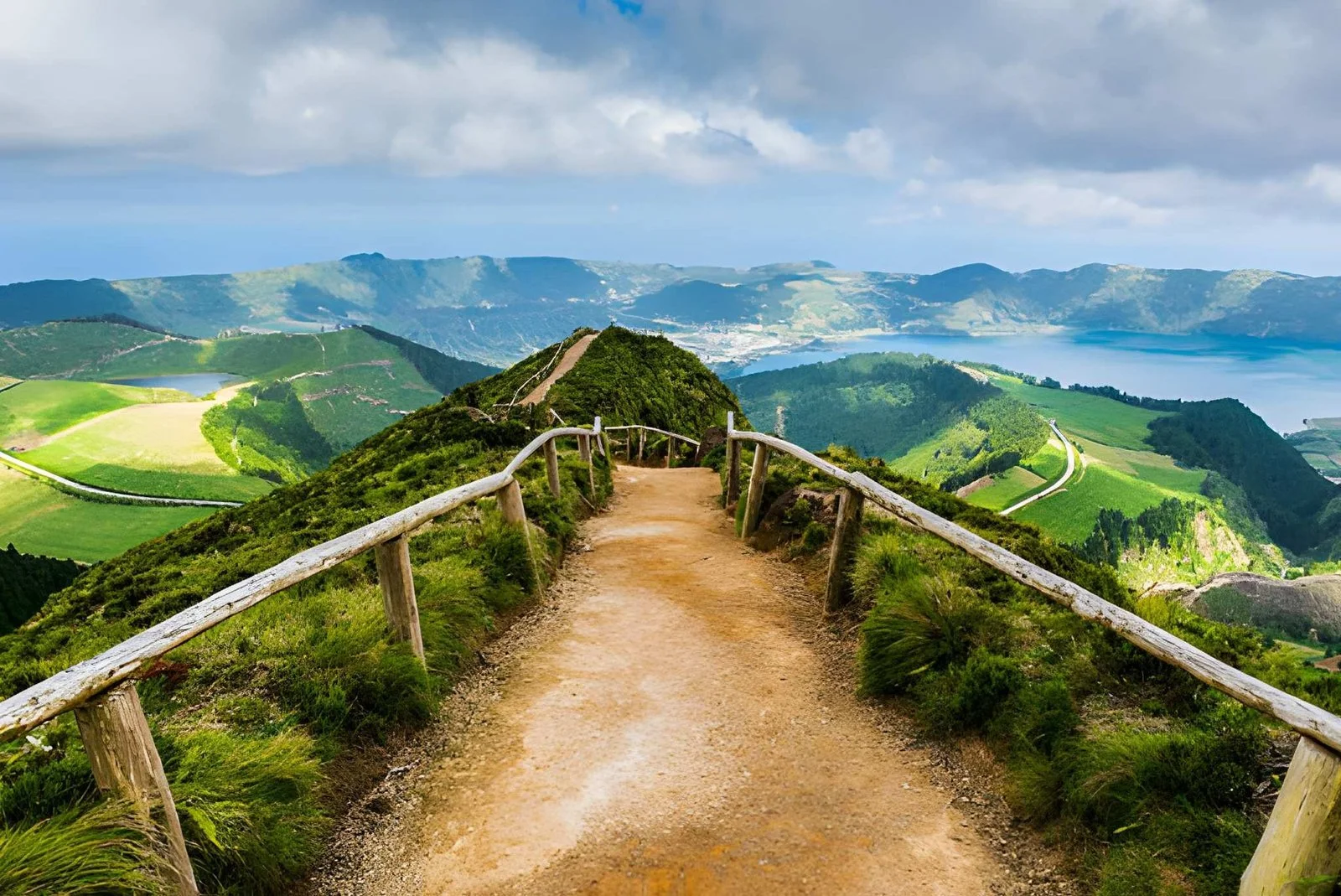
The Miradouro da Boca do Inferno on São Miguel Island, Azores, offers panoramic views of the Sete Cidades volcanic caldera and its surrounding lakes.
Photo©: VickySP / istock
There are hot springs you can sit in, tea plantations (the only ones in Europe), waterfalls at the end of forest trails, and a coastline of black volcanic rock. The island is compact enough to explore properly in four or five days and empty enough that you can have a viewpoint to yourself if you time it right.
São Miguel also pairs beautifully with the mainland. It is a short flight from Lisbon, which makes it easy to add on either end of a trip rather than treating it as a separate holiday.
If Atlantic islands appeal to you, São Miguel is not the only one worth the flight. I wrote a full guide to Madeira, Portugal's other island, covering the levada walks, the spring Flower Festival and where to stay.
3. Comporta, an hour from Lisbon and a world away
Comporta is roughly an hour south of Lisbon, and it is the closest thing Portugal has to a quiet secret hiding in plain sight.
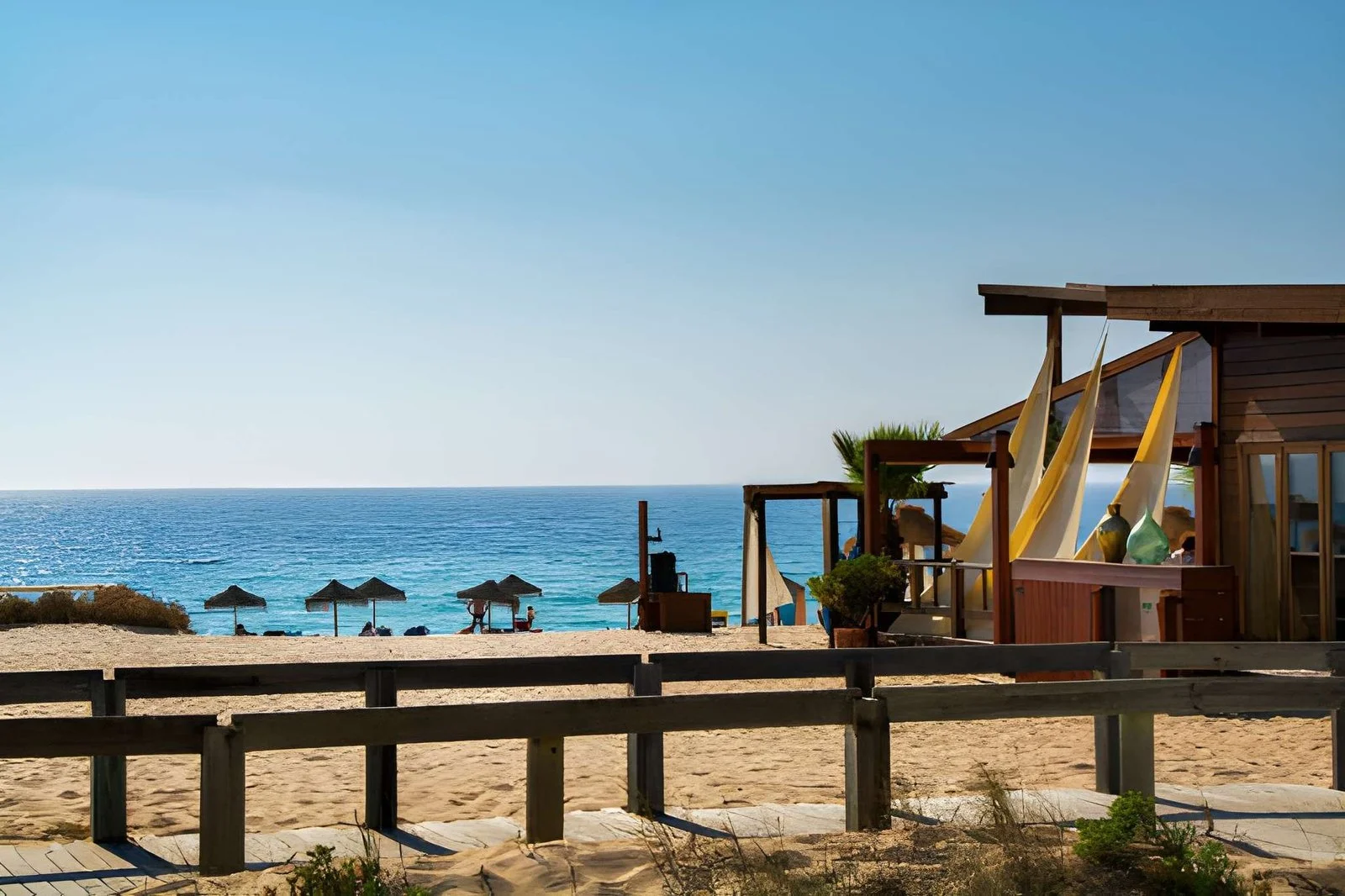
Praia da Comporta in Portugal’s Alentejo region is known for its pristine sandy dunes, wide beach, and peaceful Atlantic coastline.
Photo©: studiof22byricardorocha / istock
The setting is unusual: a long stretch of pale Atlantic beach backed by rice paddies and umbrella pine forest, with a village of low whitewashed buildings and not much else. The population is small. The pace is slow. There is a specific kind of understated wealth here, the sort that arrives without announcing itself, and the area has quietly become a favorite of people who could go anywhere and choose this.
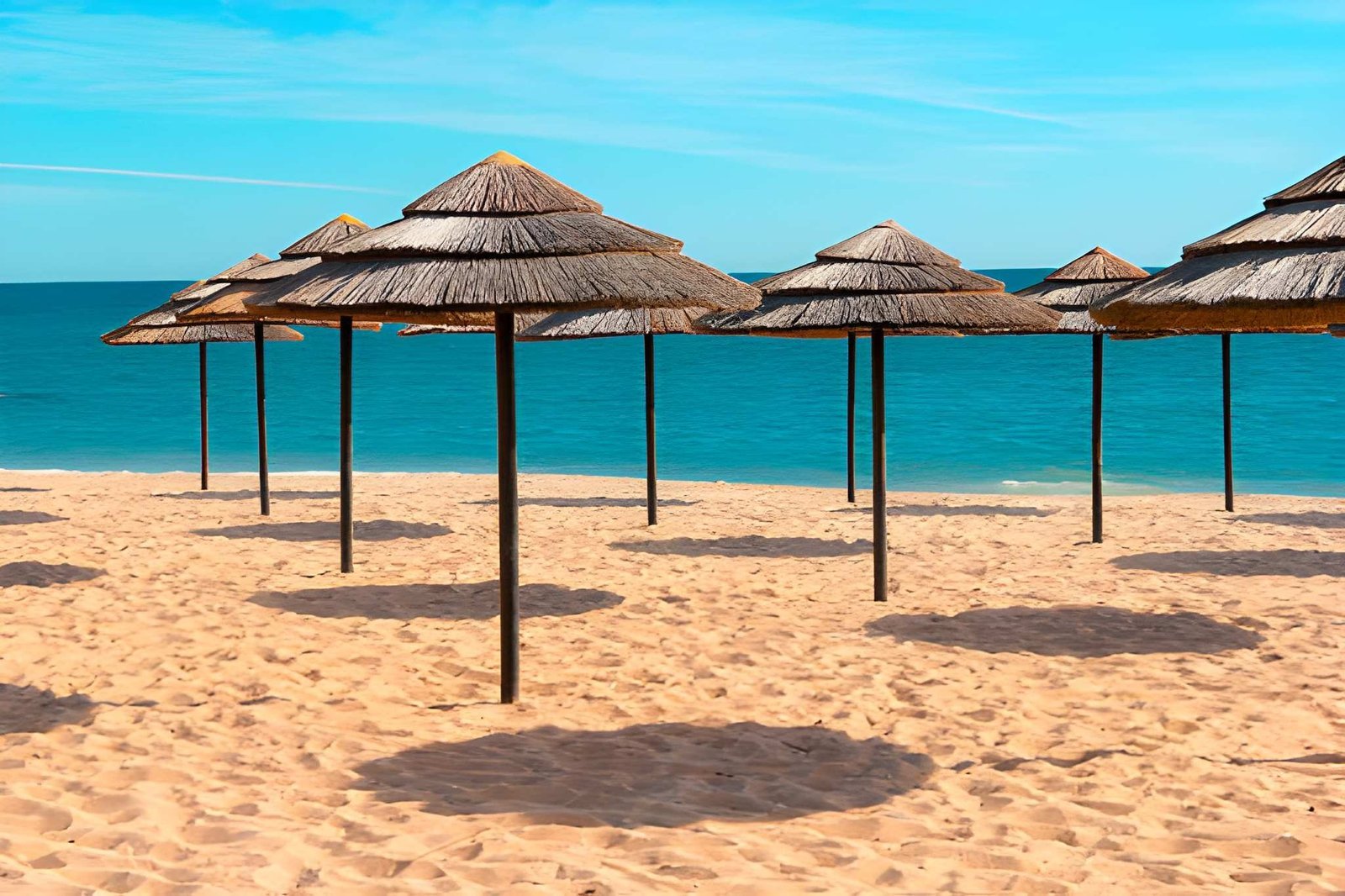
Comporta Beach in Portugal, known for its golden sands, turquoise waters, and iconic straw umbrellas along the peaceful coastline.
Photo©: Daisy Renders / istock
What makes Comporta work is what it refuses to do. There is no strip of high-rise hotels, no boardwalk, no crowds pressing onto the sand. You walk out onto a beach that runs for kilometers and you can find your own stretch of it without trying.
It is an easy addition to any Lisbon stay, and it is one of my favorite recommendations for couples who want a few genuinely restful days without a long transfer.
4. Peneda-Gerês, Portugal's only national park
Most people are surprised to learn that Portugal has exactly one national park. Peneda-Gerês was established in 1971 in the far northwest of the country, pressed up against the Spanish border, and it covers around 70,000 hectares, which is roughly 270 square miles.
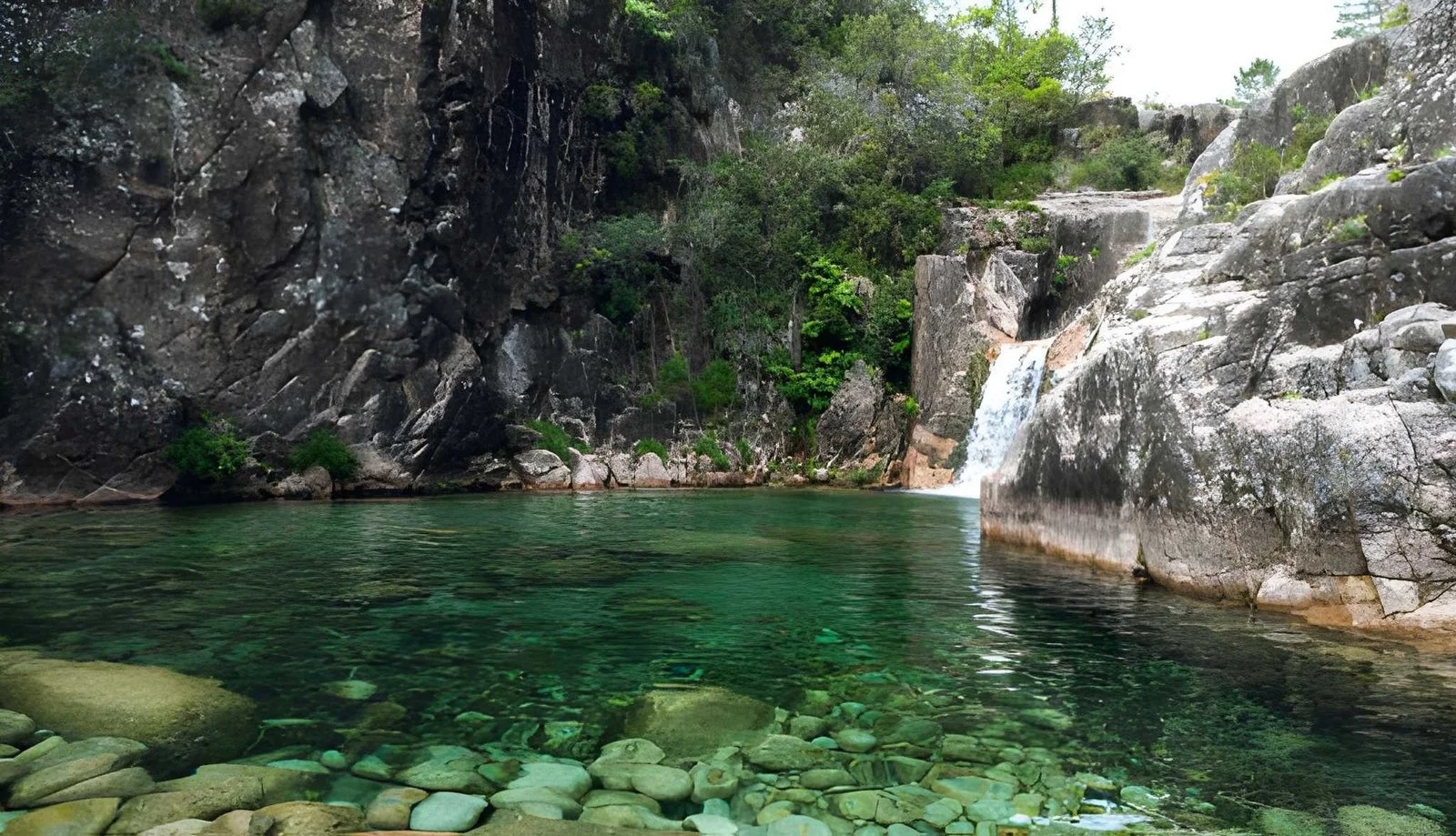
Cascata da Portela do Homem in Peneda-Gerês National Park, northern Portugal, is known for its crystal-clear turquoise pool and scenic waterfall.
Photo©: Vertigo3d / istock
Inside it: granite mountains rising above 1,500 meters, ancient oak forest, rivers full of trout, and waterfalls that drop into natural swimming pools you can actually get into. There are wild Garrano horses on the slopes, Iberian wolves in the more remote reaches, and around twenty granite villages that have not changed much in centuries.
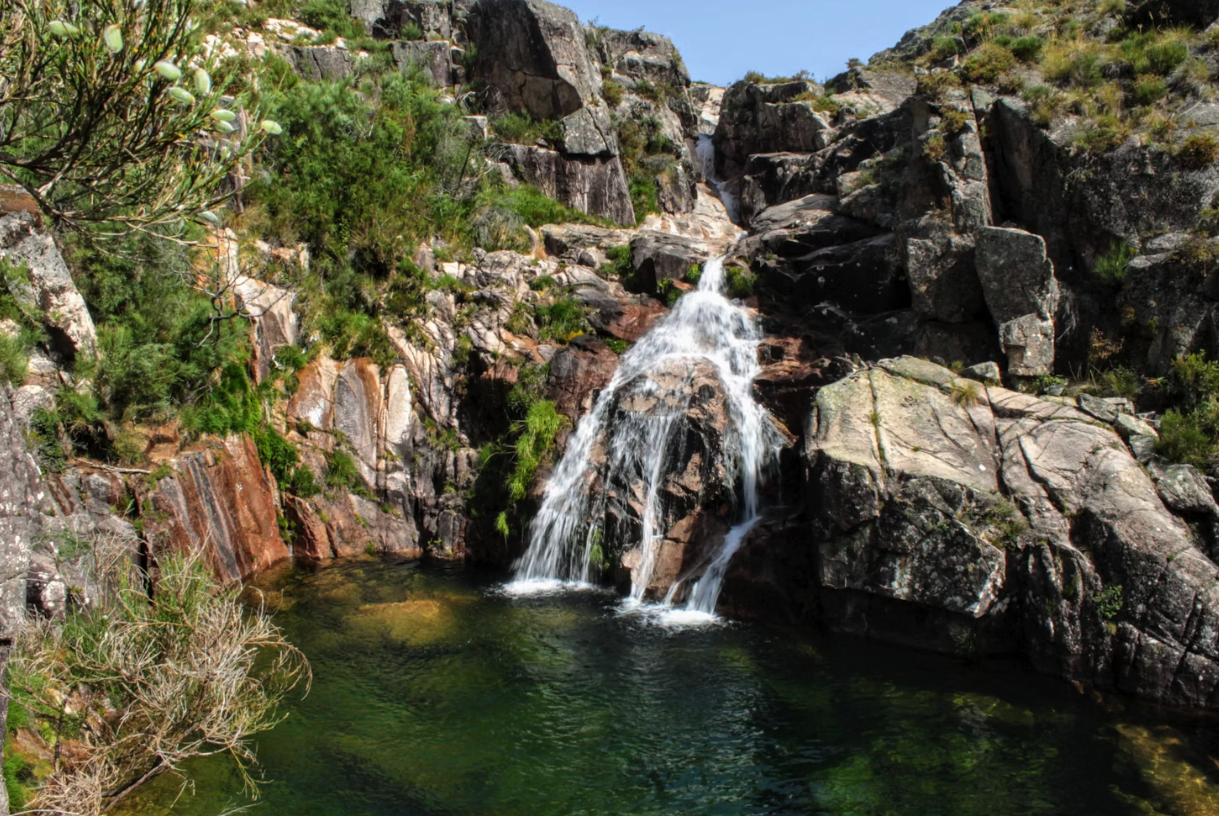
A mountain waterfall in Peneda-Gerês National Park, northern Portugal, surrounded by rugged landscapes and lush greenery.
Photo©: Micael Rodrigues / unplash
You can do it as a day trip from Porto, roughly ninety minutes to two hours by car, or from Braga in under an hour. But the park rewards more than a day. Staying a night or two in one of the villages, hiking to Cascata do Arado or Cascata Tahiti, eating smoked meats in a taberna where nobody speaks English, is the version I would recommend to anyone who is comfortable with a little roughness around the edges.
For anyone who has been to Portugal for the cities and the coast and thinks they know it, the north is the part that changes their mind.
Thinking about a Portugal trip that goes beyond the obvious big cities?
Tell me what kind of traveler you are and I will design the rest around it, detours included.
5. The southwest coast, where the Atlantic runs wild
The Costa Vicentina and the southwest Alentejo hold Europe's largest protected coastal park, and it feels nothing like the Algarve resorts an hour to the east.
This is a coast of high cliffs, empty beaches reached down wooden staircases, and fishing villages that still run on fishing. Aljezur, with its tenth-century Moorish castle above the town, is the anchor most people use. One of my clients spent an afternoon there and came back with a restaurant recommendation and the line: "Definitely tell others to go there, they won't regret it."
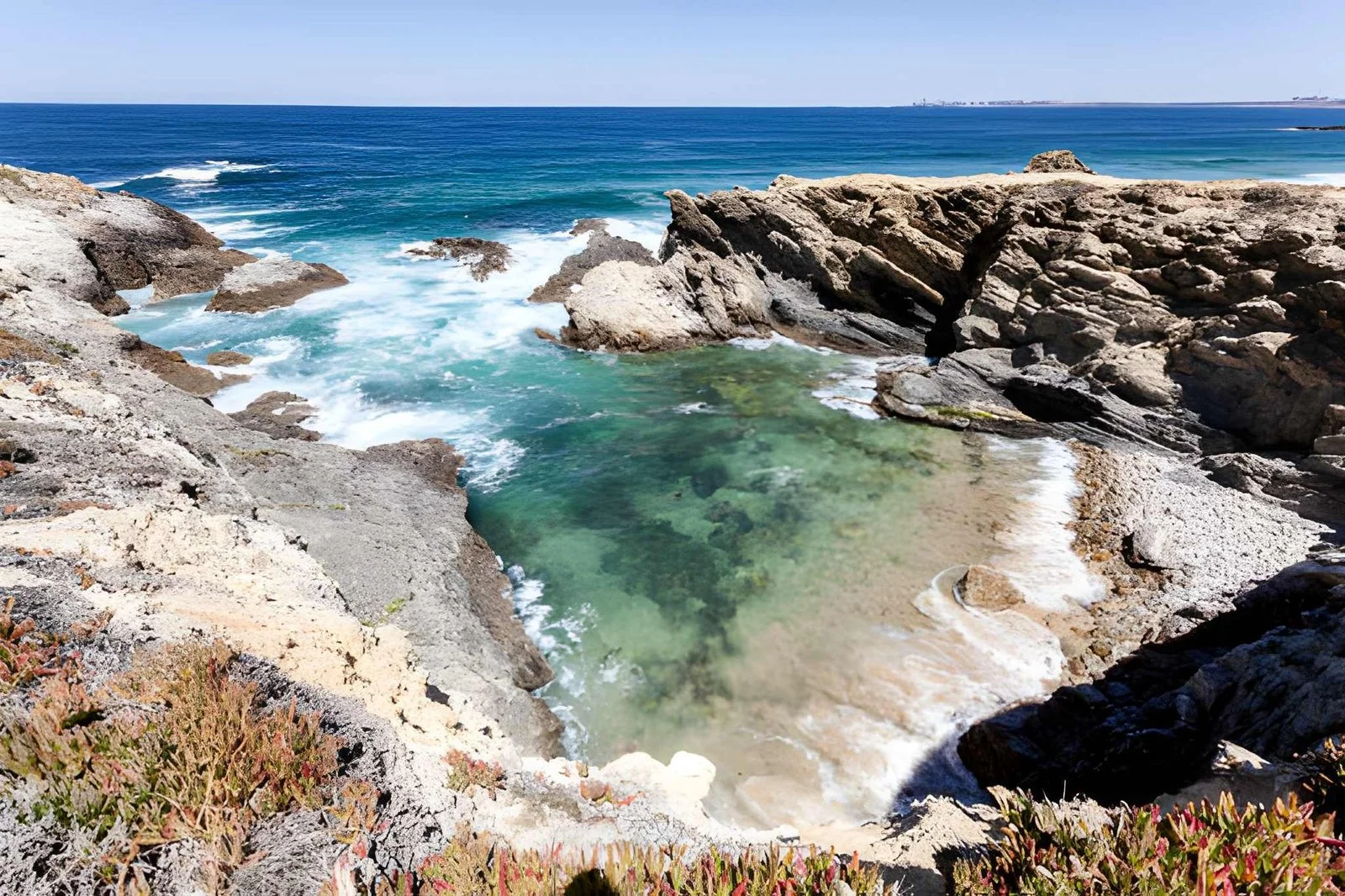
A secluded cove along the Fishermen’s Trail in Southwest Alentejo and Vicentine Coast Natural Park, Portugal, known for its turquoise waters, smooth stone shore, and rugged schist cliffs.
Photo©: :MPS / istock
The area suits people who want the coast without the crowd. You can walk sections of the Rota Vicentina, eat percebes at a place with six tables, and drive twenty minutes without passing another car. Families do well here too, because there is space to let kids roam in a way the busier beaches do not allow.
One thing I always tell clients before they book: the Atlantic here is cold. Not bracing, cold. Even in August, the water on this coast and along the Alentejo runs considerably colder than the Mediterranean, and people who arrive expecting Greek-island swimming are caught off guard. It does not make it less beautiful. It just means I plan your beach days around walking and looking rather than swimming, unless you are the sort who genuinely enjoys the shock.
Where it fits: the southwest coast slots naturally into a Lisbon and Algarve route, which is how I build it into my Lisbon, Algarve and Cascais itinerary, and the family version of the same coast appears in my Portugal family itinerary.
Who these places are right for

Families with kids who need room to move.
The southwest coast and Peneda-Gerês both offer the kind of space that lets children be children, which is harder to find on the busier stretches of the Algarve.
Photo©: Anna Fishman / Olegana Travel Boutique
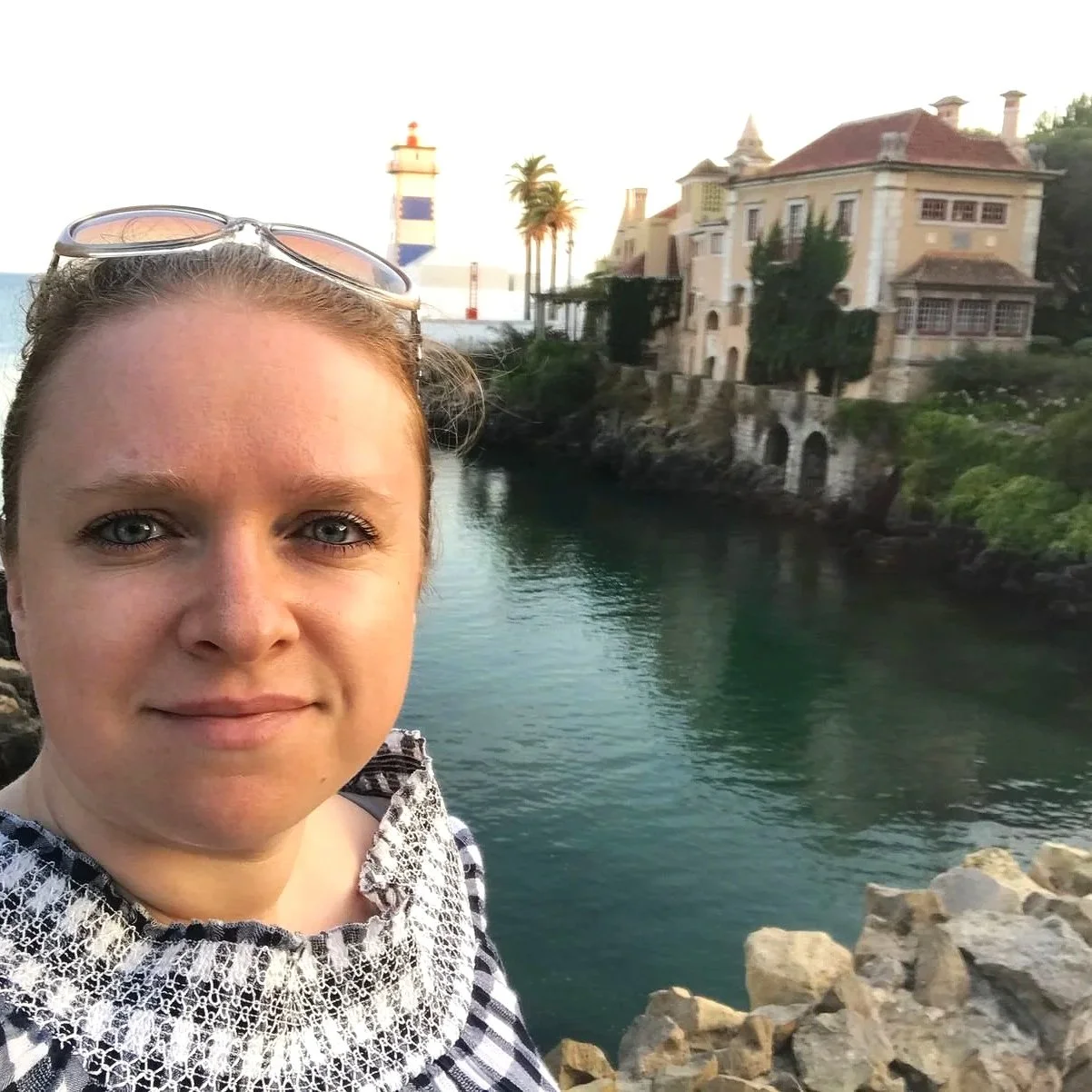
Repeat visitors to Portugal.
If you have already done Lisbon, Sintra and Porto and you are wondering whether a second trip is worth it, this is the answer. The second trip is usually better than the first.
Photo©: Anna Fishman / Olegana Travel Boutique

Couples who want quiet more than they want a checklist.
Comporta and the southwest coast in particular are for people whose idea of a good day involves a long lunch and a walk, not four museums.
Photo©: Anna Fishman / Olegana Travel Boutique

Anyone who travels to feel like they found something.
That is really the thread running through all five of these. None of them are undiscovered. All of them are uncrowded, which in 2026 is the rarer thing.
Photo©: Anna Fishman / Olegana Travel Boutique
"We have been working with Anna for years. She is always full of ideas from destinations to unique things to do while traveling. Working with her means we don't have to stress out about every detail because she would think of everything necessary to make a trip extraordinary. It's not about getting from point A to point B, it's about what happens in between."
Danelle D., past client, honeymoon and family trips to Hawaii, Italy, Greece and Portugal
Why work with us
Places like these are the reason a travel advisor earns their keep, and I say that knowing how self-serving it sounds.
Booking Lisbon is easy. Anyone can do it in an afternoon. Building a route that gets you to Nazaré on the right day, into Peneda-Gerês with somewhere decent to sleep, onto São Miguel without wasting a day on connections, and out to the southwest coast with a car that suits the roads, all while keeping the drives reasonable and the pace human, takes knowing the country rather than reading about it.
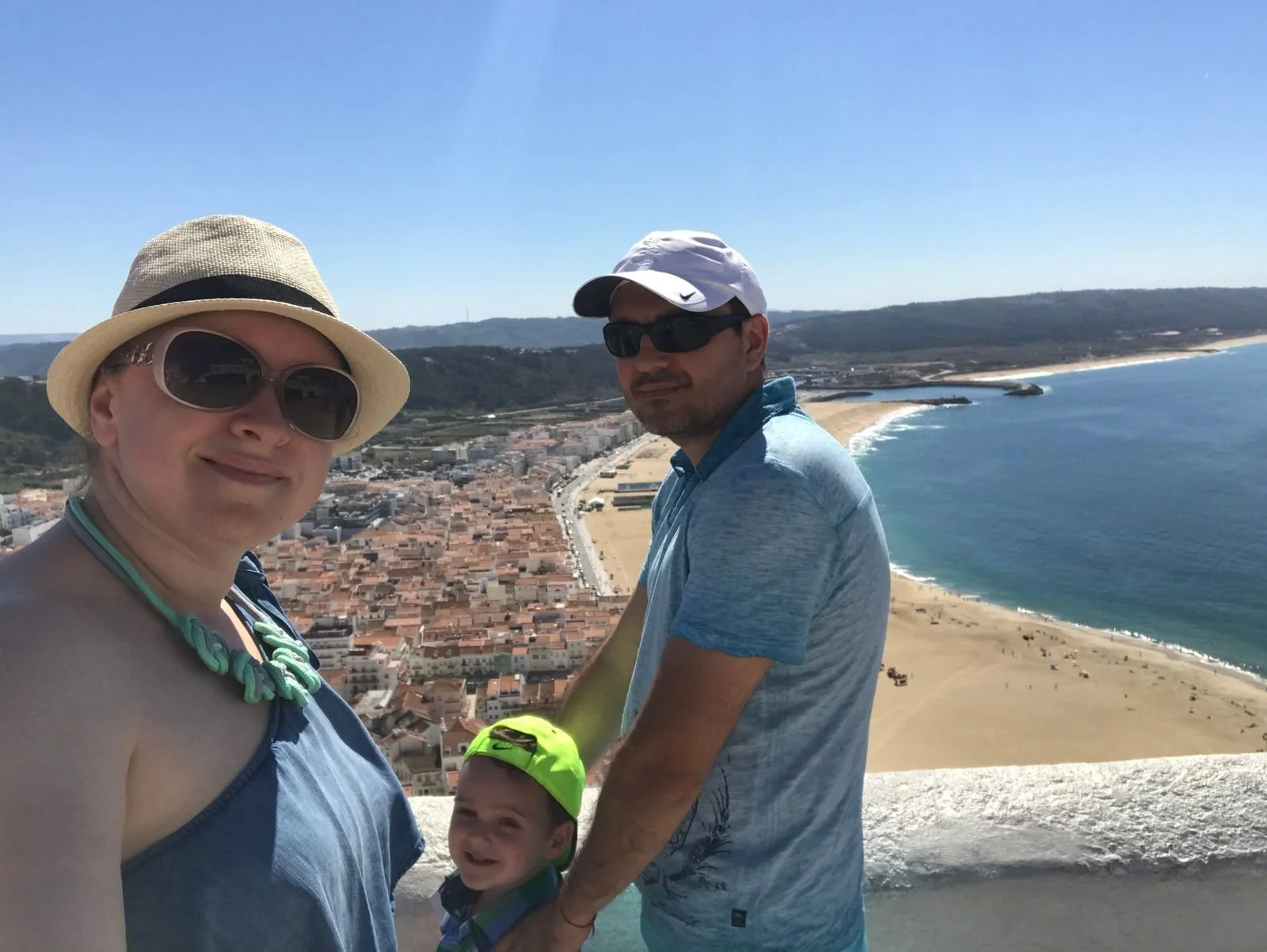
Panoramic view of Nazaré, Portugal, from the O Sítio clifftop, overlooking Praia da Nazaré and the Atlantic coast, famous for its giant waves.
Photo©: Anna Fishman / Olegana Travel Boutique
It also takes knowing what to warn you about. The water temperature. The fact that Nazaré is charming rather than luxurious. Which beaches are reachable and which require a staircase you will not enjoy carrying a cooler down. Which Sintra tours are worth the money and which will cost you half a day in a queue. Those details are not on booking sites, and they are the difference between a trip that works and one that mostly works.
Every itinerary I build starts with a conversation about how you actually like to travel. Then I build the route around that, and I handle the transfers, the guides, the reservations and the timing so that you can simply show up.

Anna Fishman, the visionary and soulful force behind Olegana Travel Boutique, orchestrates transformative journeys where meticulously curated adventures meet the unwavering focus on authentic connection and exquisite, bespoke exploration.
Photo©: Dania Sander / Unique Focus Photography
Ready to plan a Portugal trip worth the detour?
If the version of Portugal you want is the one with the empty beach and the village taberna in it, that is the trip I most enjoy building.
Grab a time on Anna’s calendar for a free consultation here.
Or take a look at the full range of luxury Portugal itineraries to see how the pieces fit together.
Frequently asked questions
-
The five in this post are where I start: Nazaré on the Silver Coast, São Miguel in the Azores, Comporta south of Lisbon, Peneda-Gerês National Park in the far north, and the southwest coast around Aljezur and the Costa Vicentina. Each sits within a couple of hours of a major city, which is what makes them practical to add rather than a separate trip.
-
Yes, and it is easier to add than most people expect. Lisbon to Ponta Delgada is a short flight, and four or five days is enough to see the island properly. I would suggest it particularly if you have already done the mainland, or if volcanic landscapes and hot springs appeal more than cities.
-
May, June, September and early October. The weather is warm, the crowds are lighter, and the north is at its greenest in spring. July and August work but the coast gets busier and the interior gets genuinely hot. Peneda-Gerês is best from late spring through early autumn, since the north gets the highest rainfall in mainland Portugal.
-
You can, but you should know what you are getting into. The Atlantic along the west and southwest coasts is cold year round, noticeably colder than the Mediterranean even in August. The Algarve's south-facing beaches are the warmest. If swimming matters to your trip, tell me and I will plan around it.
-
Ten days lets you do the two cities plus two of these detours without rushing. Twelve to fourteen gives you room to add São Miguel or a proper stay in the north. Under ten and I would suggest picking one detour and doing it well rather than trying to cover everything.
-
It is about ninety minutes to two hours by car, so a day trip is possible. But the park is large and the driving inside it is slow, so a night or two in one of the villages gets you far more out of it. I would recommend it to anyone comfortable with simple accommodation in exchange for genuinely wild scenery.