
Luxury Italy Vacation: the Amalfi Coast & Capri, 9 days
Part of our luxury Italy trips.
The drive from Rome down to the coast takes the better part of four hours, and most of it is motorway. You will not be doing that. Forty minutes after your helicopter lifts off you are setting down beside Pompeii with the whole day still ahead of you, and by evening you are on a boat to Capri. That is the shape of this entire trip: the dull parts taken out, the good parts given room.
Nine days, and the coast reveals itself from the water rather than from the road, which is the only way it makes sense. Capri first, and properly: a shopping morning with somebody who knows which of the island's ateliers are the real ones, a lunch inside a private Caprese villa rather than a restaurant, and a sunset cruise as the day ferries pull out and the island goes quiet. Then a helicopter along the coastline to Positano, where shoes are still cut and stitched to measure while you wait. A day inland at Tramonti for mozzarella and provolone del Monaco and a long winery lunch, in a town the coast road never takes you to.
Ravello for its ceramics and the gardens at Villa Cimbrone. A pizza class in a villa above Sorrento, and an afternoon in Naples, which is nobody's idea of restful and should be seen anyway. And on the last day Amalfi itself: the cathedral, a private lemon garden with a honey class, a boat along the cliffs, and dinner inside a thirteenth-century watchtower before you move to a table set on the rocks at the water's edge.
Nine days in all. Every detail is handled: the helicopters, the boats, the transfers, the guides, the reservations. You just show up and live it. Picture yourself here. Tell me what you love, and I'll design the rest. Start with the planning form below.
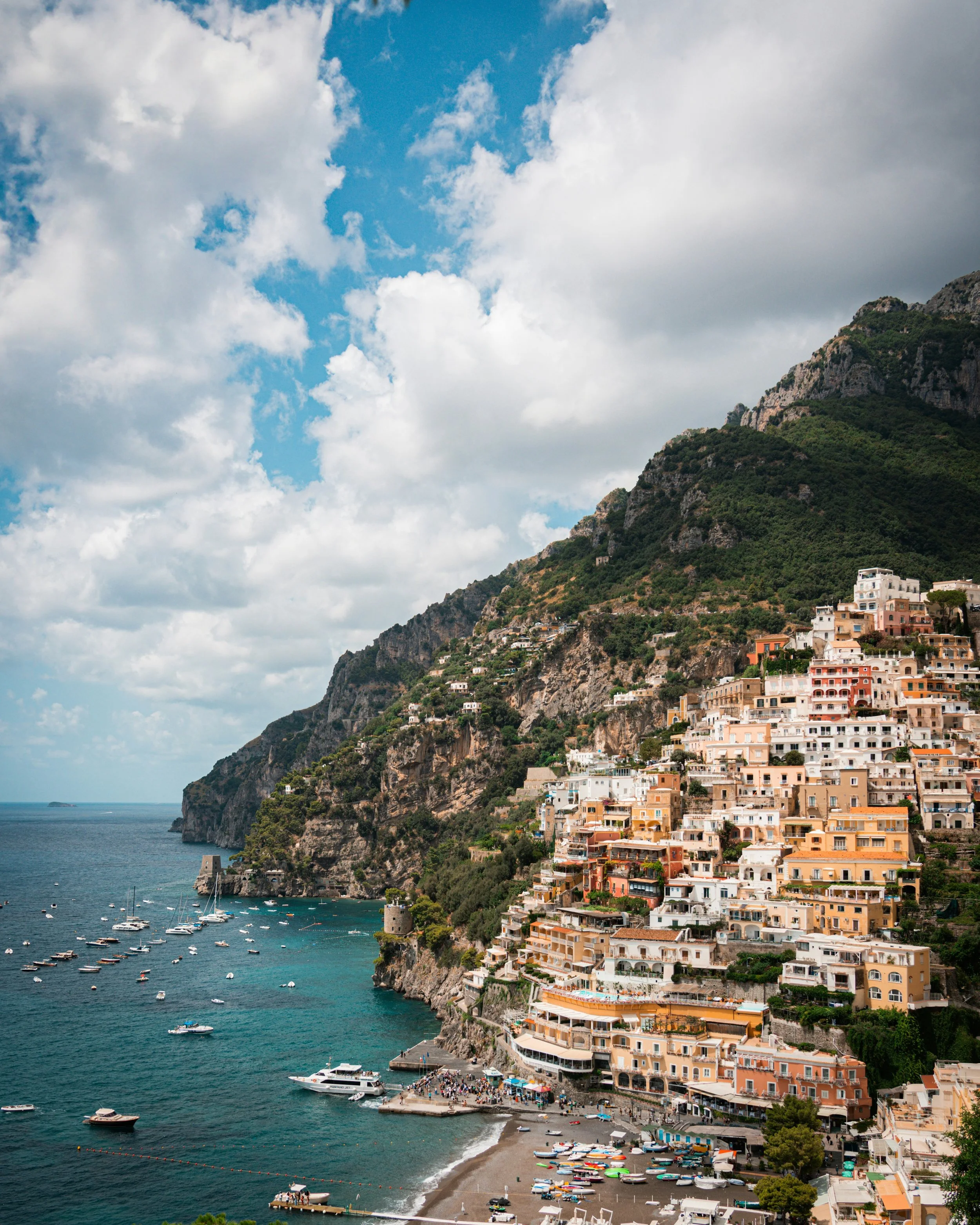
Photo: Positano, a breathtaking cliffside village on southern Italy's Amalfi Coast
Photo©: Narbeh Arakil / unsplash
What’s included?
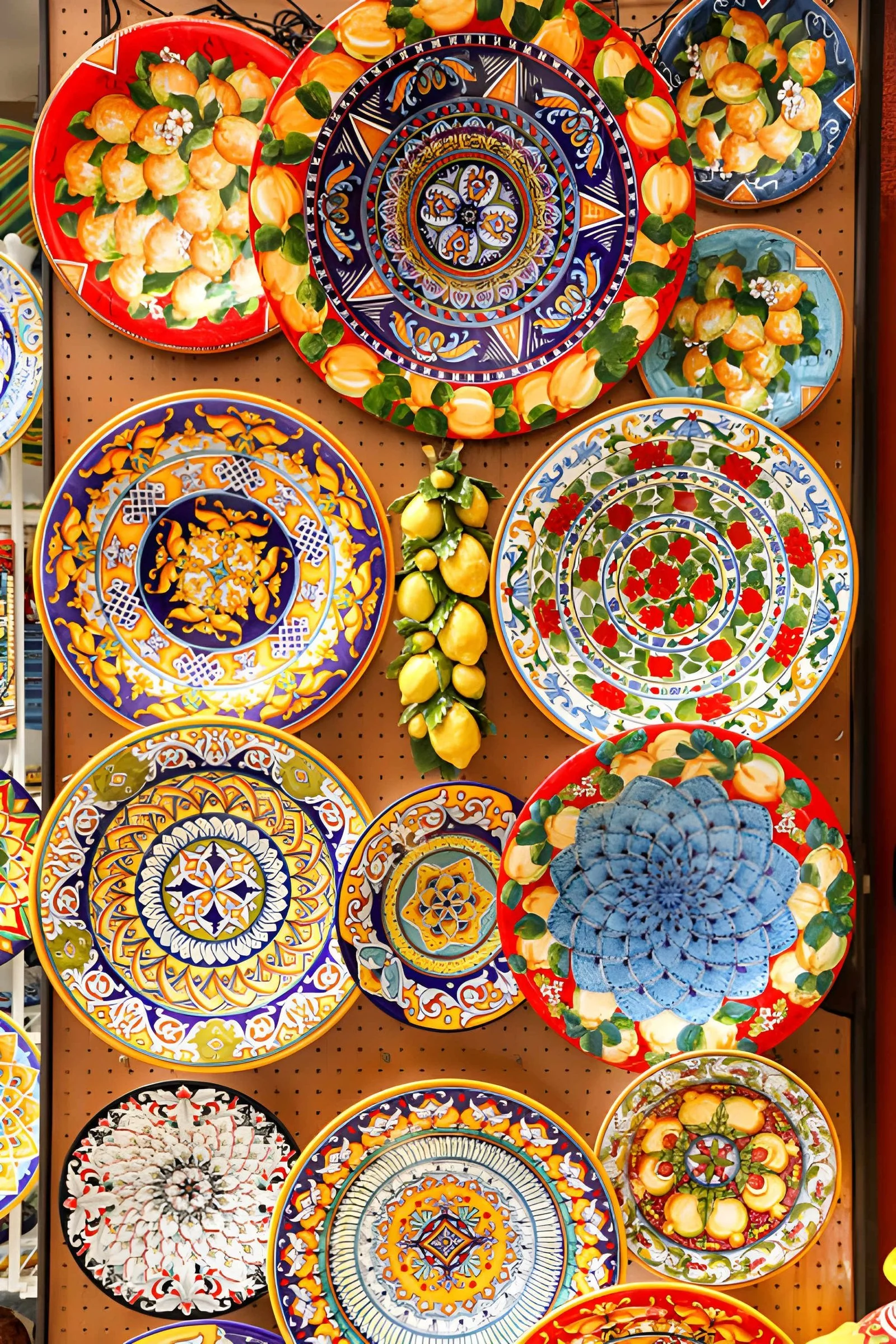
Photo: Amalfi, Campania, Italy: Colorful traditional ceramic
Photo©: Anna Fishman / Olegana Travel Boutique
Included
Private helicopter transfer from Rome to the Pompeii area on arrival, or a private car transfer from Naples if you fly in nonstop, plus a panoramic helicopter flight along the coast to Positano
Private boat transfers to and from Capri
8 nights of boutique hotel accommodation with breakfast throughout
Private transfers throughout, including to and from Naples on departure
A private visit and lunch at a historic winery beside the Pompeii archaeological site, in a section of the vineyard reserved for your party
Guided entry to the Pompeii archaeological site
A shopping morning on Capri with a personal fashion expert, tailored to your taste
A private sunset cruise with an aperitif on board
An exclusive lunch in a private Caprese villa
A private car and guide for three hours across Capri and Anacapri
A made-to-measure shoe experience in Positano, with workshop visits
A cheese and wine day in Tramonti: a working dairy farm, a tasting, and a light lunch at a local winery
A pizza making class with a Neapolitan pizzaiolo in a panoramic villa above Sorrento
A half-day panoramic tour of Naples with a private guide
Ravello, its ceramics workshops, and the gardens at Villa Cimbrone
A guided walk through Amalfi town, including the cathedral
A private lemon garden tour with a honey class and a tasting of cheese, honey and wine
A private boat tour along the Amalfi coastline
Dinner in a thirteenth-century watchtower at Maiori, and a candlelit dinner at a table set on the rocks
Curated restaurant recommendations and reservations throughout
24/7 concierge support and emergency contact
Not included
international airfare, travel insurance (quoted separately through Travel Guard), meals at leisure, personal expenses, tips and gratuities, and city tourist taxes payable directly at the hotels.
Ready to start planning?
Tell me about your travelers and what matters most. I'll build from there.Tell me about your travelers and what matters most. I'll help you figure out the right starting point, and then design the trip around it.
How many days do you need for the Amalfi Coast and Capri?
Nine days is right for both without rushing either. Three on Capri, then five based on the coast for Positano, Ravello, Amalfi, Tramonti and a day out to Sorrento and Naples, with a travel day home at the end. Seven days works if you drop Naples and one inland day. Fewer than six and you spend the trip on boats and in transfers. With more time, add Rome at the start or Ischia at the end.
Your day-by-day itinerary
This sample itinerary was designed around the Amalfi Coast seen from the water instead of the road. It's here to inspire, not to lock you in. You might pick a few pieces and let me build something different around them. Your trip is yours, and we'll customize every detail until it fits.
Day 1
Pompeii from the air, and a boat to Capri
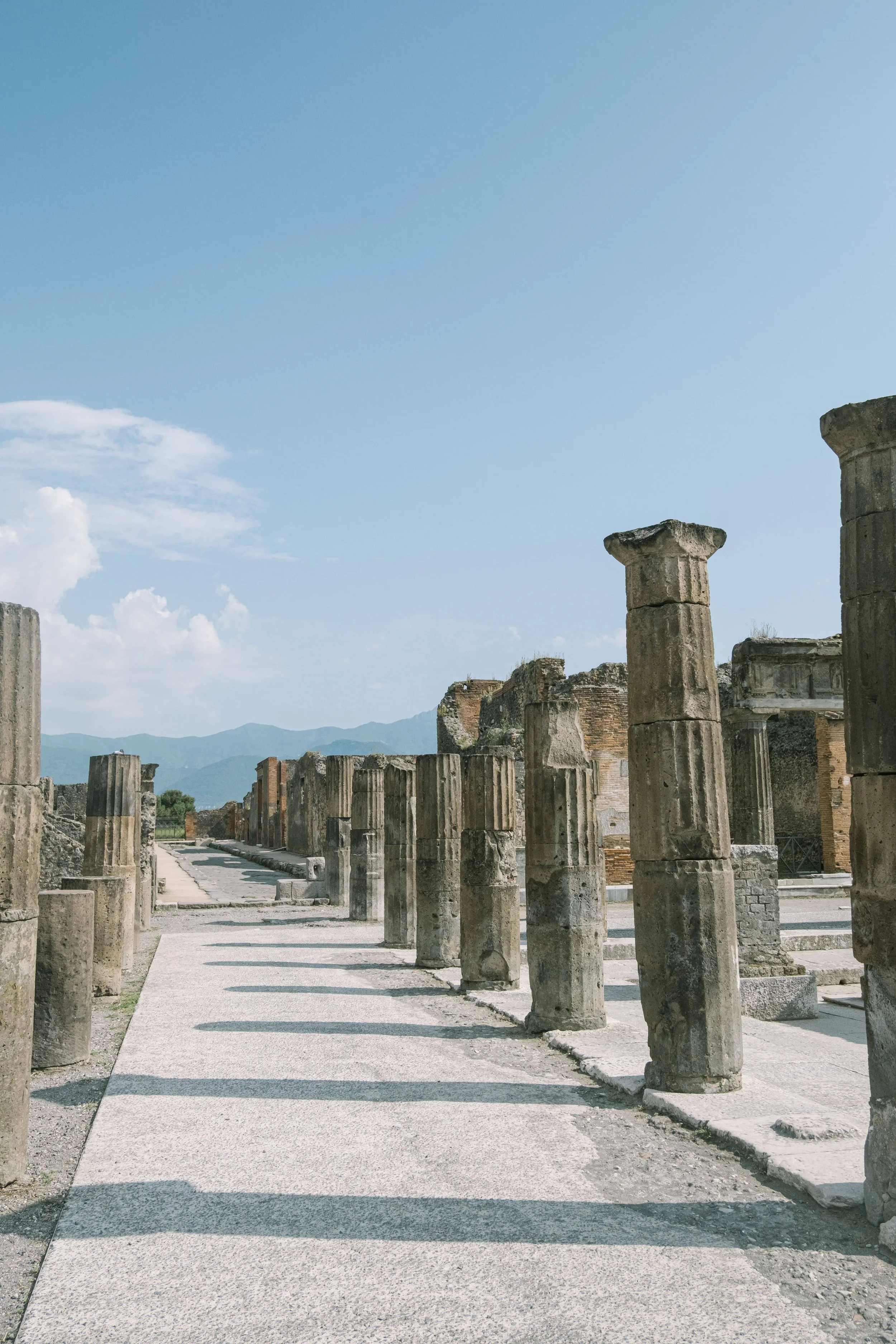
You land in Rome and transfer straight to a helicopter, which turns a four-hour drive into forty minutes and puts you at Pompeii mid-morning instead of exhausted at dinner. Sixty-six hectares of a Roman town stopped mid-sentence in 79 AD: the shops, the bakeries, the bathhouses, the ruts worn into the paving by cart wheels.
A guide makes the difference between rubble and a city you can picture people living in. Lunch is next door at a winery founded by a branch of the Medici family, in a part of the vineyard kept private for your party, which after a transatlantic flight is a considerably better idea than a restaurant. Then down to the water and a private boat across to Capri, arriving as the light goes long. Dinner is near the hotel and early, because tomorrow is the island's best day.
Photo: The ancient Roman ruins at Pompeii, Italy
Photo©: Grisha Besko / pexels
Day 2
Capri, and the island after the ferries leave
Capri has two personalities and the switch happens at about five in the afternoon. The morning is yours with a fashion expert who knows the island's workshops: linen, sandals, the small producers worth the time, and the shops that exist purely for the day-trip trade. You are not being sold to, you are being shown. The afternoon is slow on purpose.
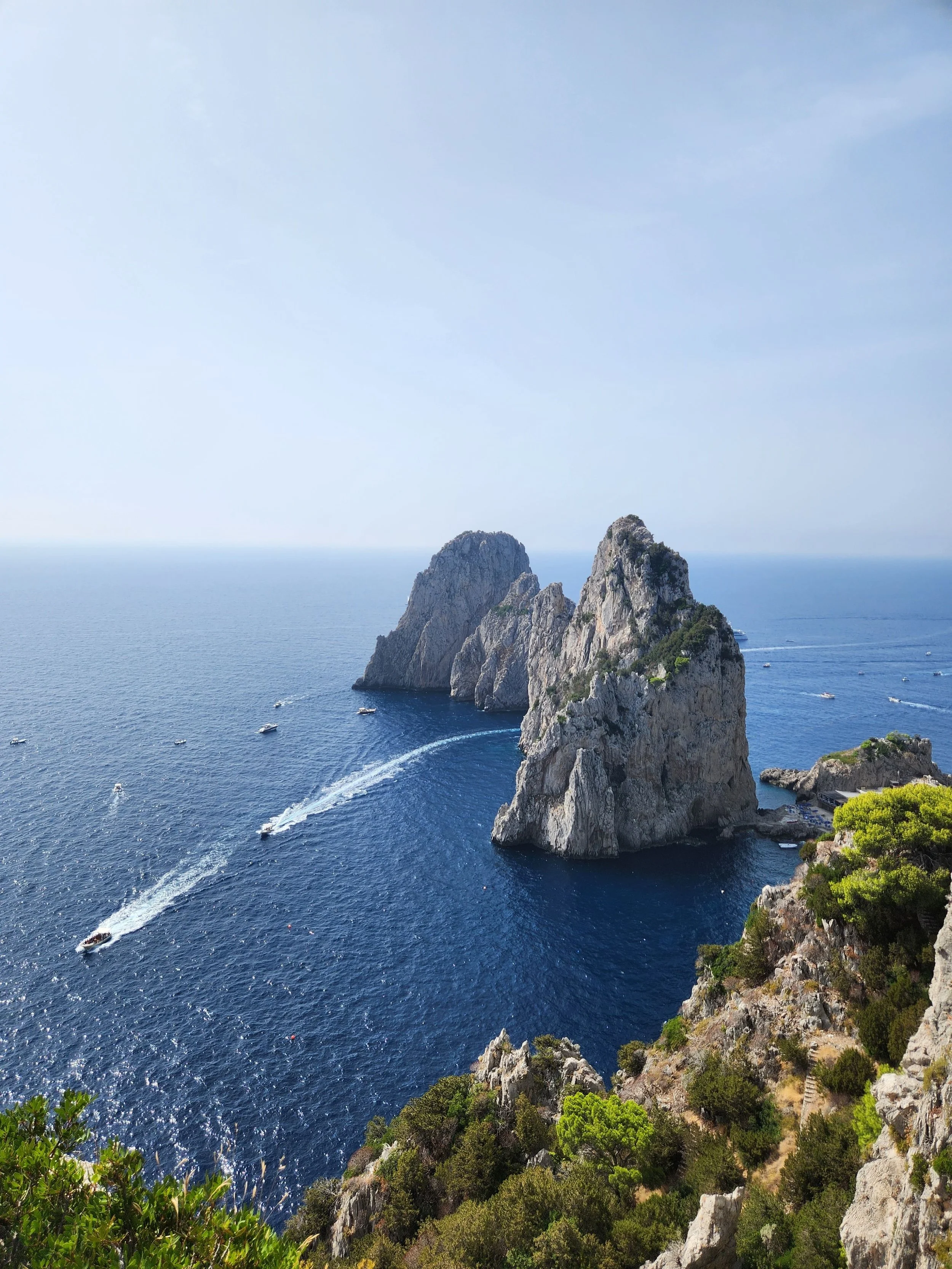
Then in the evening a private boat for a sunset cruise with an aperitif on board, which is also when Capri empties: the hydrofoils take the day visitors back to Naples and Sorrento, the Piazzetta thins out, and the island becomes the place people pay to stay on. You will see the Faraglioni from the water with the sun behind them, which is the photograph everyone takes and is still worth taking.
Photo: Faraglioni rock formations of Capri, Campania, Italy
Photo©: Small Steps / pexels
Day 3
A villa lunch, and the other side of the island
Lunch today is in a private Caprese villa rather than a restaurant, at somebody's own table, with the kind of food that gets cooked for family. It is the quietest thing on the itinerary and it is consistently what people describe first when they get home. Afterwards a car and a private guide for three hours across Capri and Anacapri, which is the half of the island most visitors never reach: higher, greener, slower, with the views back down over the cliffs that the Piazzetta crowds never see.
Anacapri is where the island still feels like somewhere people live rather than somewhere people arrive. The evening is unstructured. Most people walk, eat late, and stay out longer than they planned.
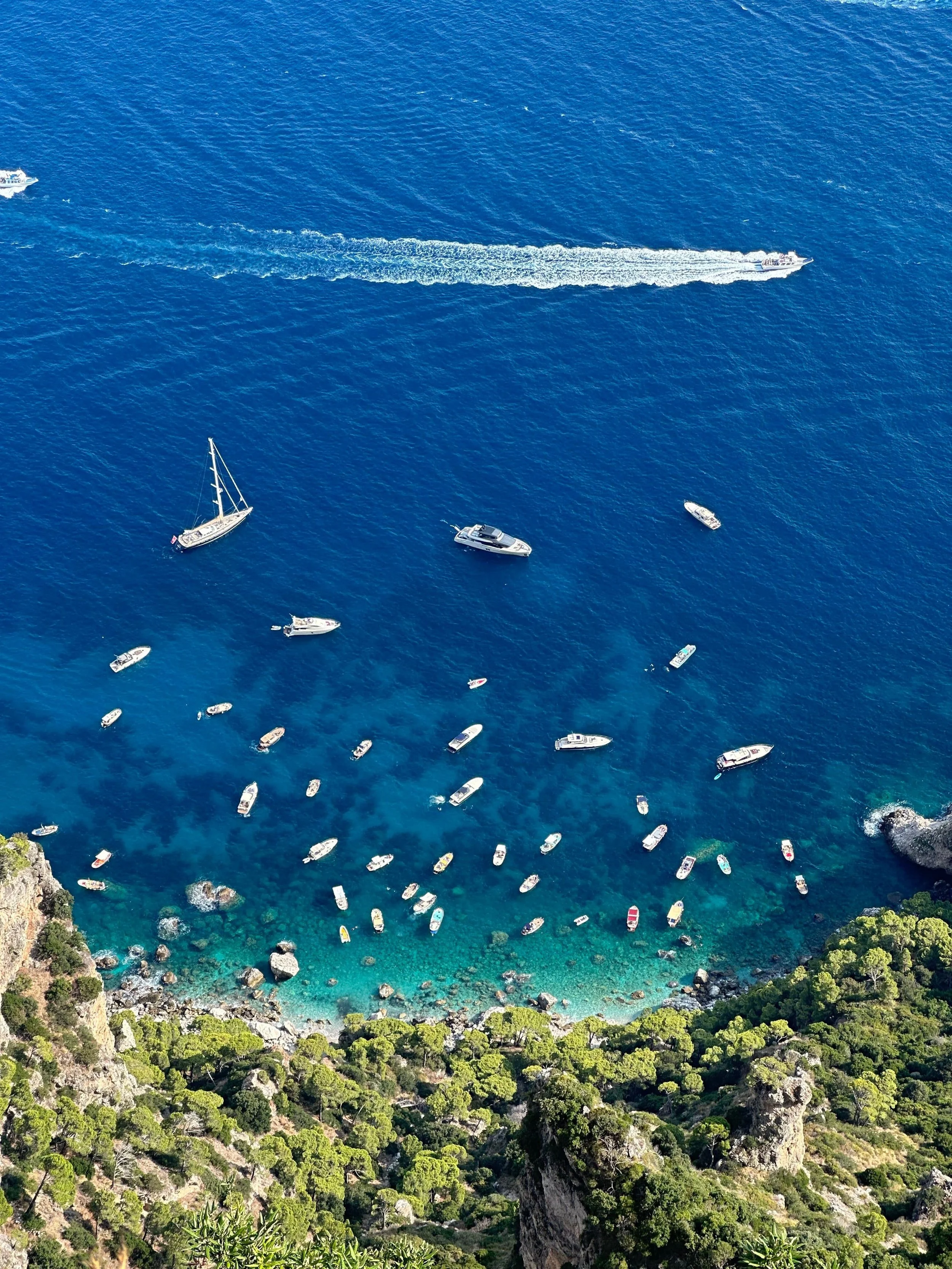
Photo: Boats and yachts at Anacapri, Campania, Italy
Photo©: Sam Teano / pexels
Day 4
Along the coast by helicopter, and shoes made to your feet
You leave Capri by air. The flight runs the length of the coast with the cliffs on one side and the water on the other, and it lands you on the coast itself, which means you see in twenty minutes the stretch that takes two hours and a strong stomach by road. Positano for the rest of the trip, stacked up its hillside in pink and ochre. In the afternoon, the shoemakers.
Positano has made sandals to measure since the fifties, and the workshops are still workshops: you choose the leather, they cut to your foot, and they are ready before you leave. It sounds like a souvenir and it is not. People wear them for years and tell the story every time.
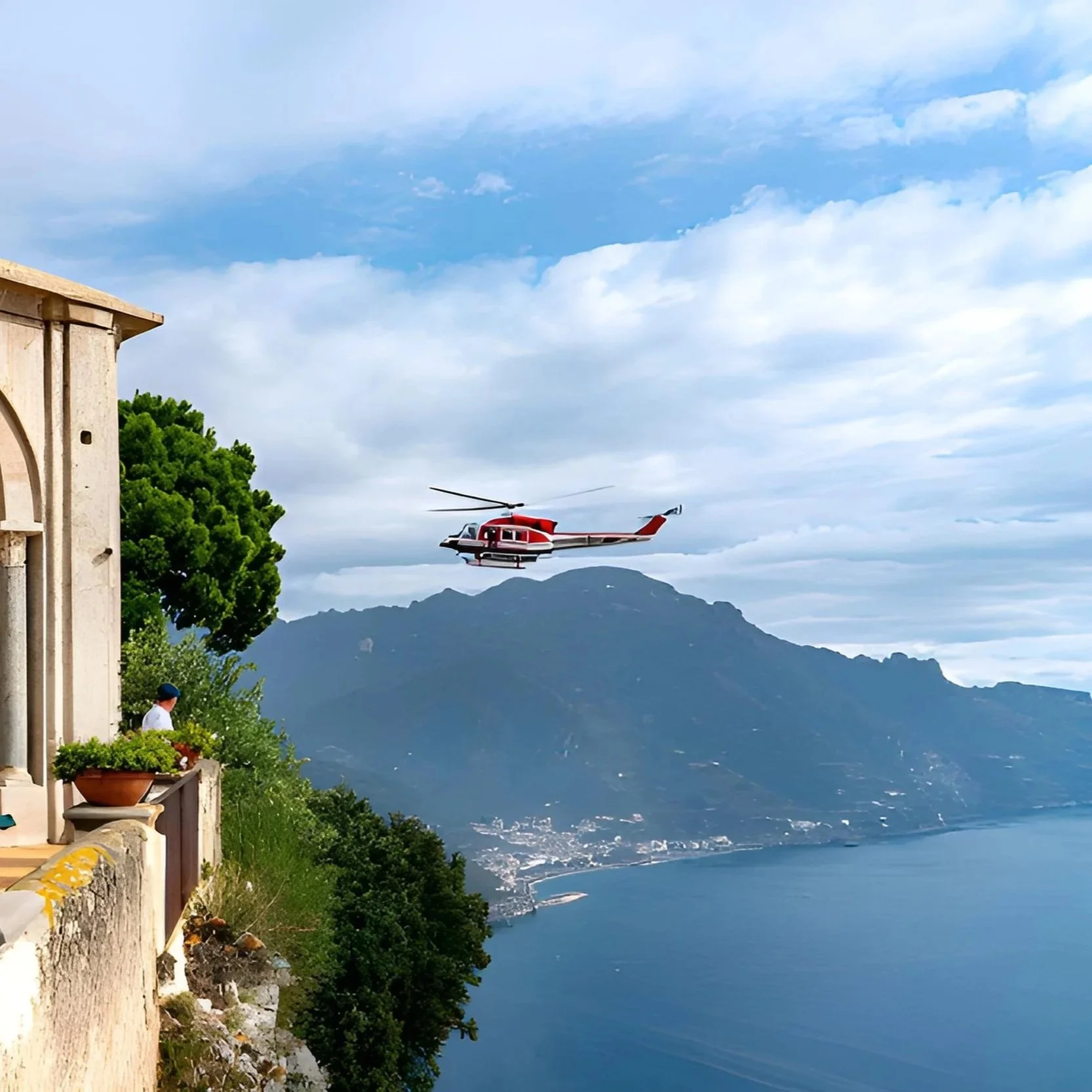
Photo: Helicopter Tour over Positano, Amalfi Coast, Italy
Photo©: jimfeng / istock
Love what you're reading?
This is a sample. Tell me about your travel style and I'll build your Italy trip from scratch.
Day 5
Inland to Tramonti, which the coast road misses
Thirteen hamlets in the hills behind the coast, and almost nobody goes. Tramonti is where the food on the coast actually comes from. You walk its alleys in the morning, then visit a dairy farm to watch mozzarella made and taste provolone del Monaco, which is a protected cheese from these hills that is aged for months and does not travel. Chestnut honey with it.
Then a local winery for a light lunch and a tasting of wines made from grape varieties grown nowhere else. The last stop is a garden the owners call the Secret Garden of the Soul: lemon groves, roses, herbs and vines, on a terrace above the valley. After three days of island glamour this day resets the whole trip.
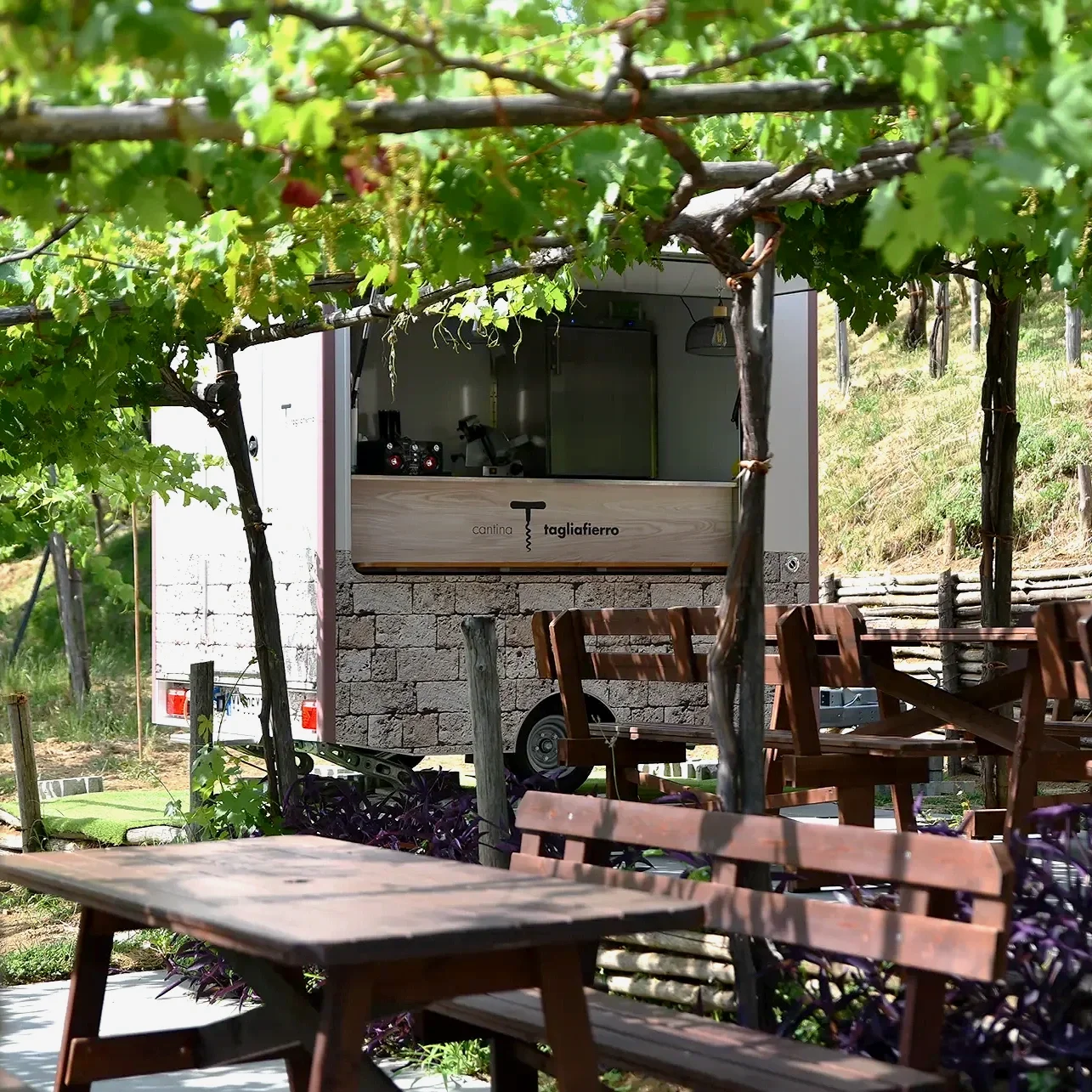
Photo: Cantina Tagliafierro winery, Tramonti, Amalfi Coast, Italy
Photo©: Cantina Tagliafierro
Day 6
A pizza oven above Sorrento, and an afternoon in Naples
The morning is in a panoramic villa above Sorrento with a pizzaiolo, making a real Neapolitan pizza: the dough, the stretch, the thirty seconds in a wood oven at four hundred degrees. It works as well for a nine-year-old as it does for her grandmother, which is rarer than it sounds. In the afternoon, Naples. It is loud, crowded and the opposite of restful, and leaving it off the itinerary would be a mistake. A half-day panoramic tour takes in Castel dell'Ovo out on its island, the bay from above, and Spaccanapoli, the dead-straight Greek street that slices the old city in two and is still lined with workshops, churches and food. You will either love Naples or be glad you saw it. Nobody is indifferent.
Day 7
Ravello, and dinner worth dressing for
Ravello sits a thousand feet above the coast and has been the place artists and writers came to work since the Grand Tour. It is cooler, quieter and considerably more composed than the towns below it. The morning is its ceramics tradition, which is centuries old and still practised in workshops you can walk into.
Then the gardens at Villa Cimbrone, and specifically the Terrace of Infinity at the end of them, which is a stone balustrade lined with busts and a drop straight down to the sea. It has been photographed a million times and it still stops people.
Dinner tonight is at a Michelin-starred restaurant (not included, payable directly). Book the early sitting and watch the light go down over the water while you eat.
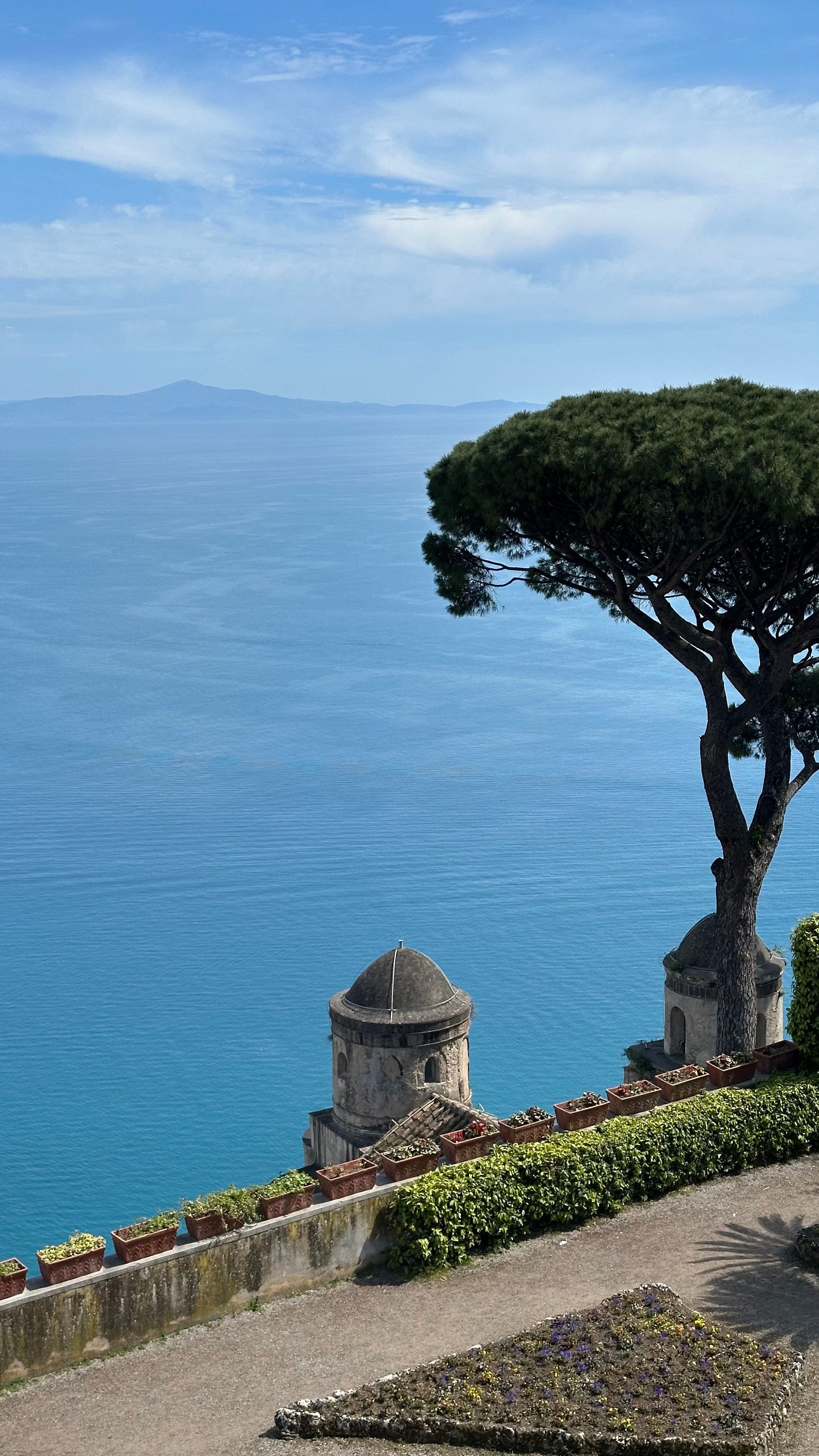
Photo: Mediterranean Sea of Ravello, Amalfi Coast, Italy
Photo©: Pexels User Poliakova / pexels
Day 8
Amalfi, a lemon garden, and a table on the rocks
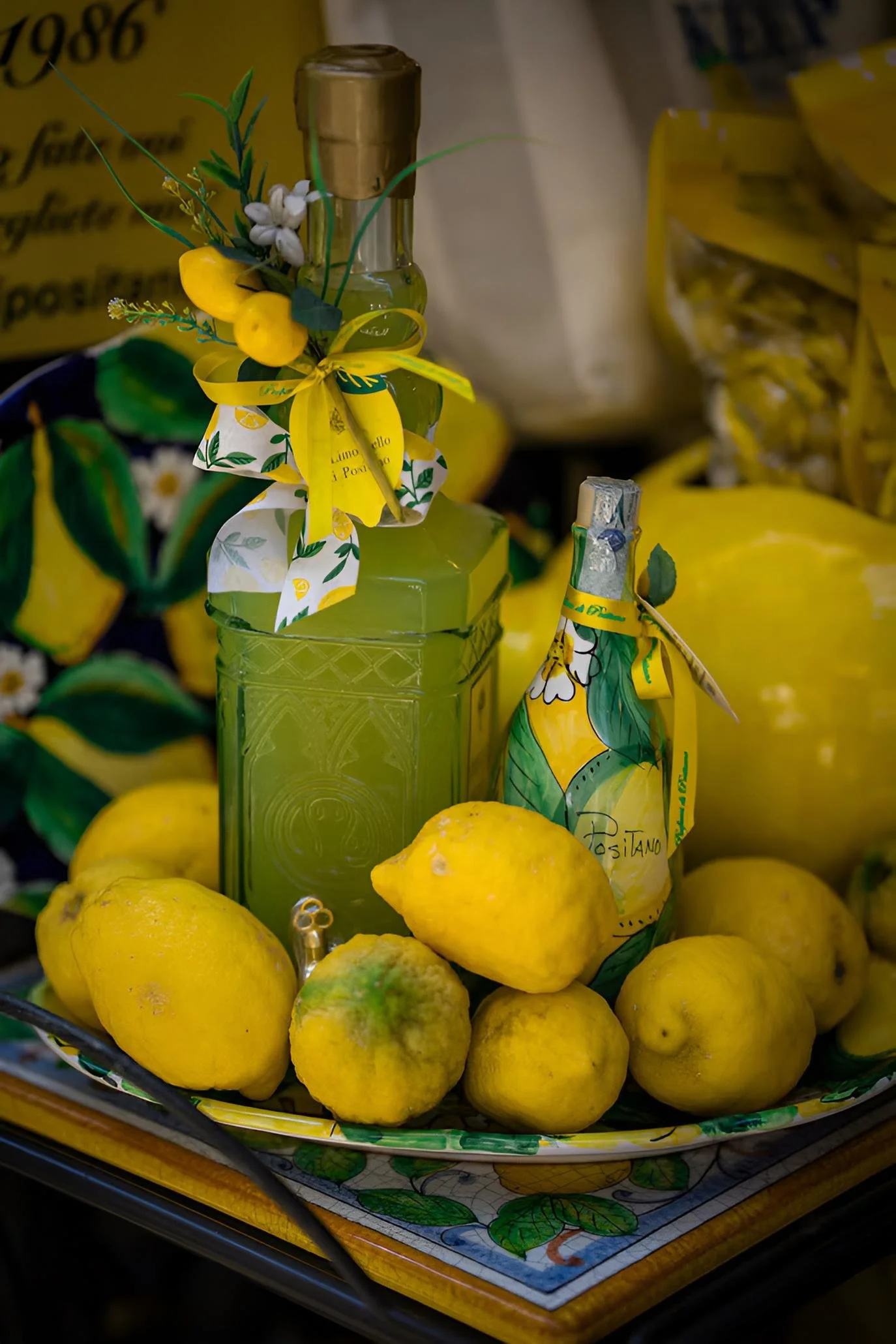
The last full day is the town the coast is named after. A walk through the centre with a guide, including the cathedral, which is Arab-Norman and striped and reached by a flight of steps that is the town's living room. Then a private lemon garden, terraced into the hillside the way they have been for a thousand years, with a honey class and a tasting of cheese, honey and wine under the trees. In the afternoon a private boat along the coast, seeing the villages from the only angle that makes sense of them.
Dinner begins in a watchtower at Maiori built between 1250 and 1300 as a lookout against pirates, and finishes at a table set on the rocks at the water's edge, candles, champagne, and the sea a few feet away. Nobody has an early start tomorrow.
Photo: Limoncello bottles and fresh lemons from Sapori e Profumi di Positano on Italy’s Amalfi Coast
Photo©: Jakub Tomasik / unsplash
Day 9
Home from Naples
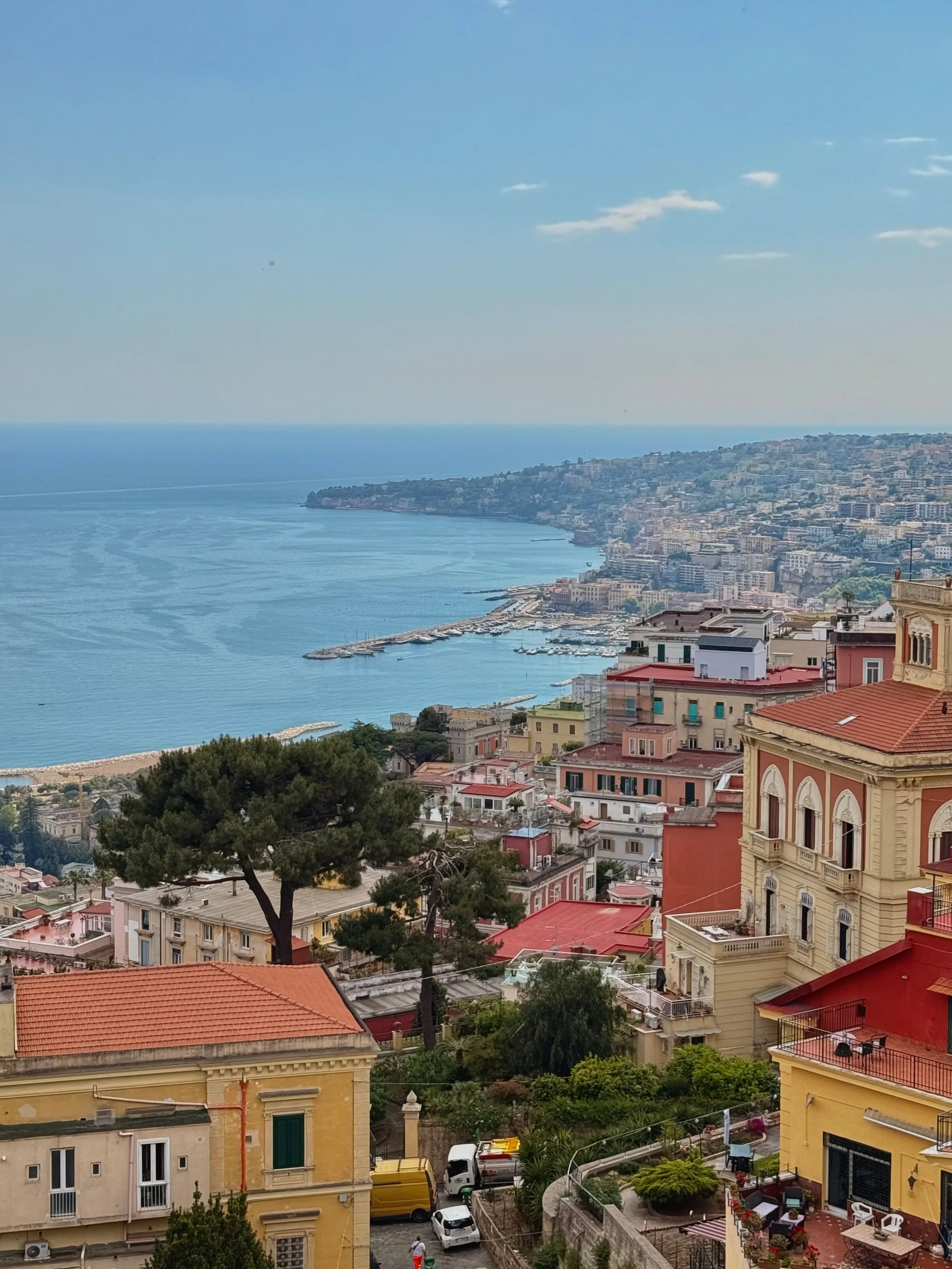
Breakfast, and then a private transfer up the coast road to Naples, which takes about ninety minutes. No connections to make and nothing to work out, which on the last morning of a trip is worth more than it sounds.
If your flight is late in the day there is time for one more swim before you go, and I would take it.
Photo: The city’s colorful architecture of Naples, Italy
Photo©: Vera Rishkevich / pexels
Who this trip is perfect for
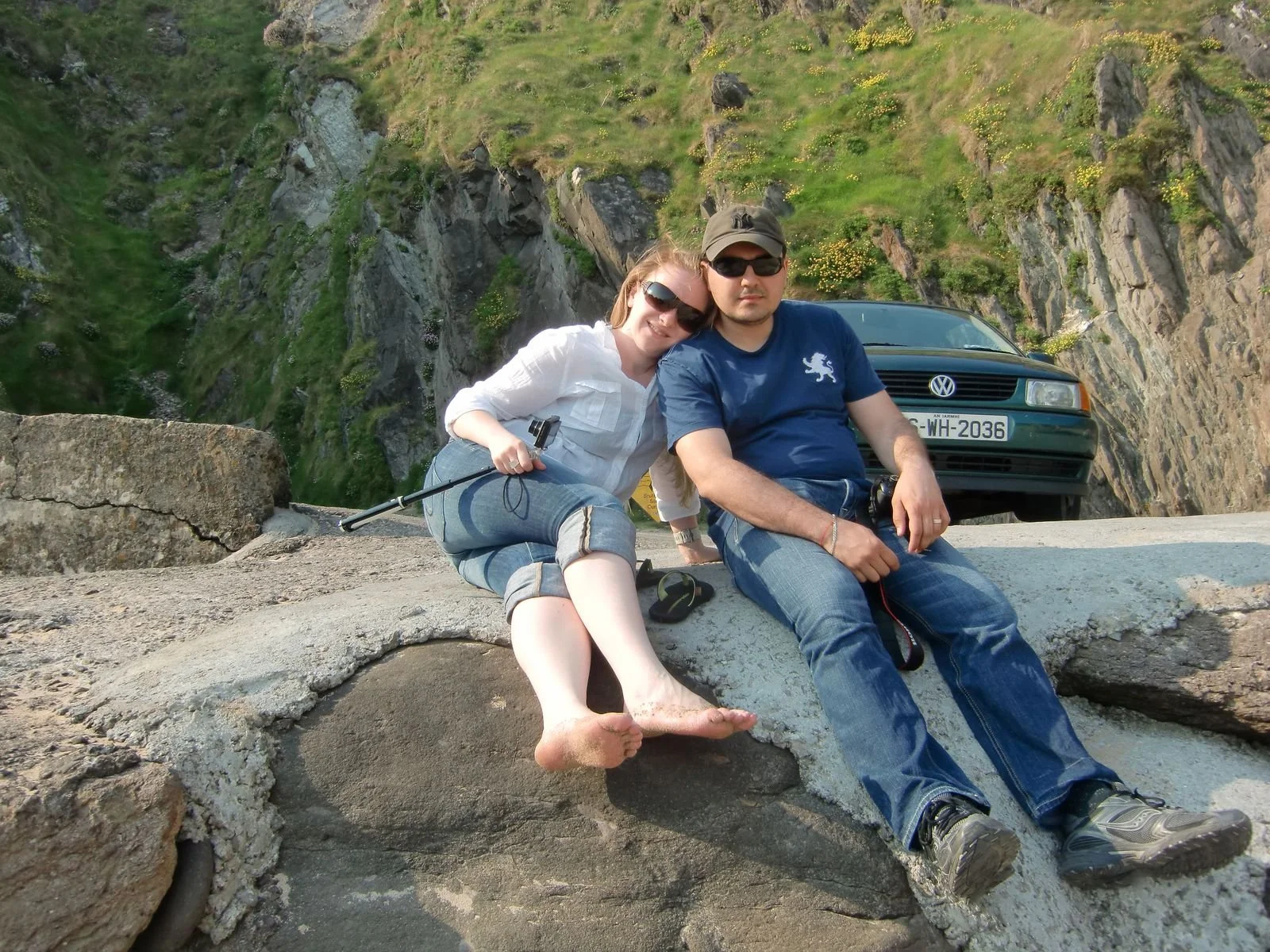
Couples marking something.
An anniversary, a milestone birthday, a delayed honeymoon. The last night exists for exactly this and so does the villa lunch on Capri.
Photo©: Anna Fishman / Olegana Travel Boutique
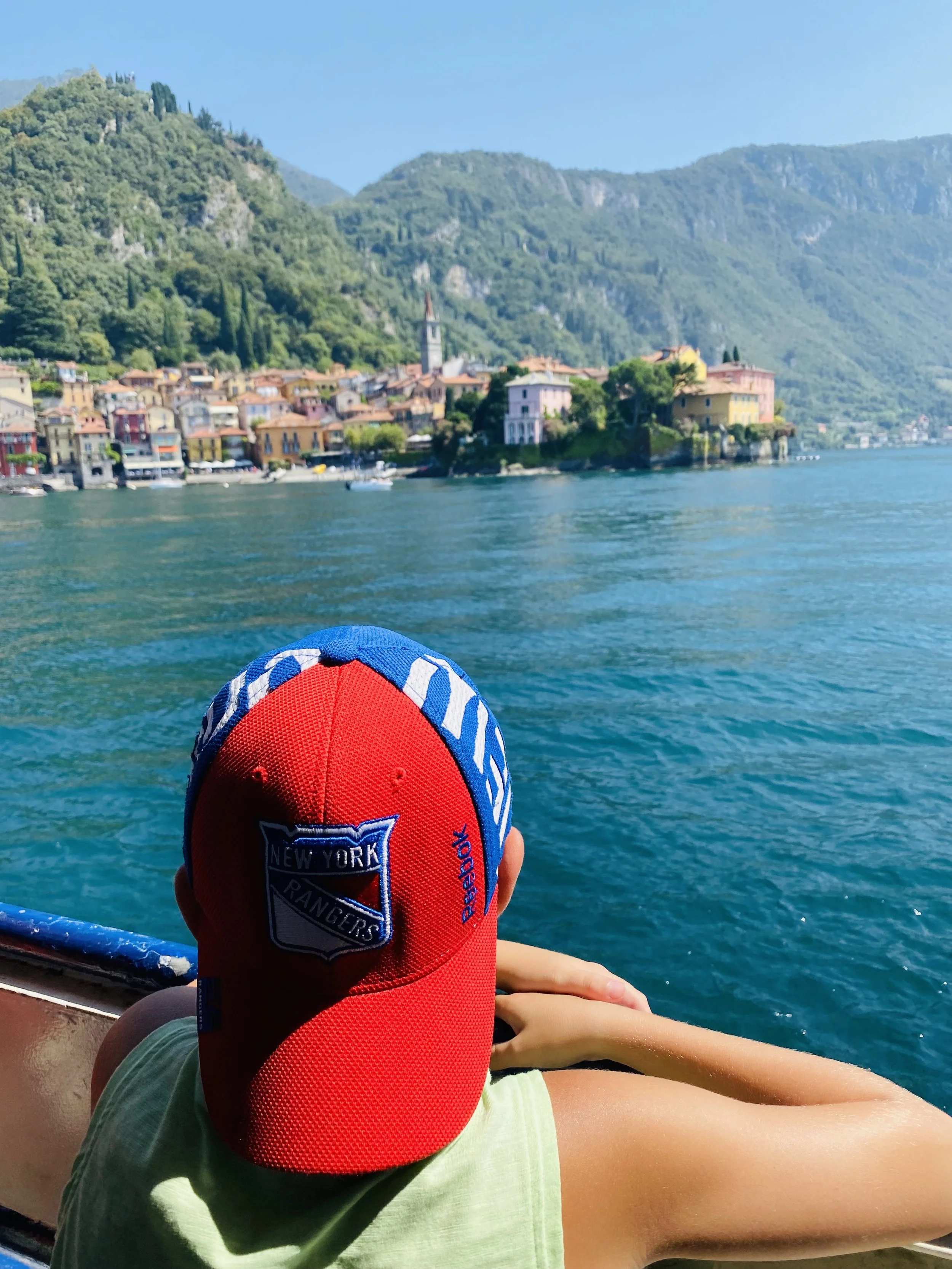
Travelers who have done Italy's cities and want the other half.
If Rome, Florence and Venice are behind you, this is the natural second trip, and it moves at a completely different speed.
Photo©: Anna Fishman / Olegana Travel Boutique
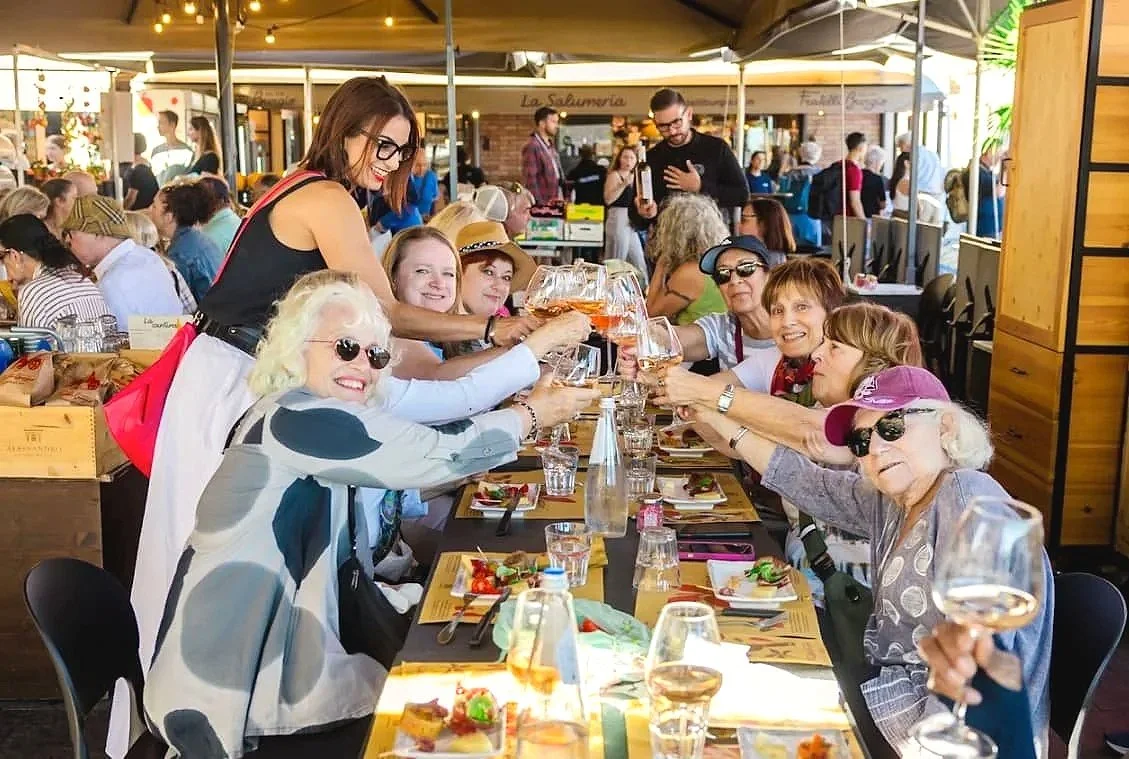
People who travel for food.
Four of the days are built around it, and three of those put you in a kitchen, a dairy or a garden rather than at a table watching.
Photo©: Anna Fishman / Olegana Travel Boutique

Anyone who has been told the Amalfi Coast is ruined.
It is, on the main road in August. From the water, from the air, and from the hill towns, it is not, and this route is built to prove it.
Photo©: zoff-photo / istock
Where you’ll stay
On Capri, a boutique property away from the Piazzetta, so that the evening quiet the island is famous for actually reaches you. Breakfast is included. Capri is vertical and almost entirely car-free, so ask about the walk from the funicular when you book.
In Positano, a hotel built into the hillside, as everything there is, with the town and the water below you. Breakfast is included and there is a terrace to take a drink to. Everything in Positano involves steps, which is part of its character and worth knowing in advance if anyone in your party would rather it did not.
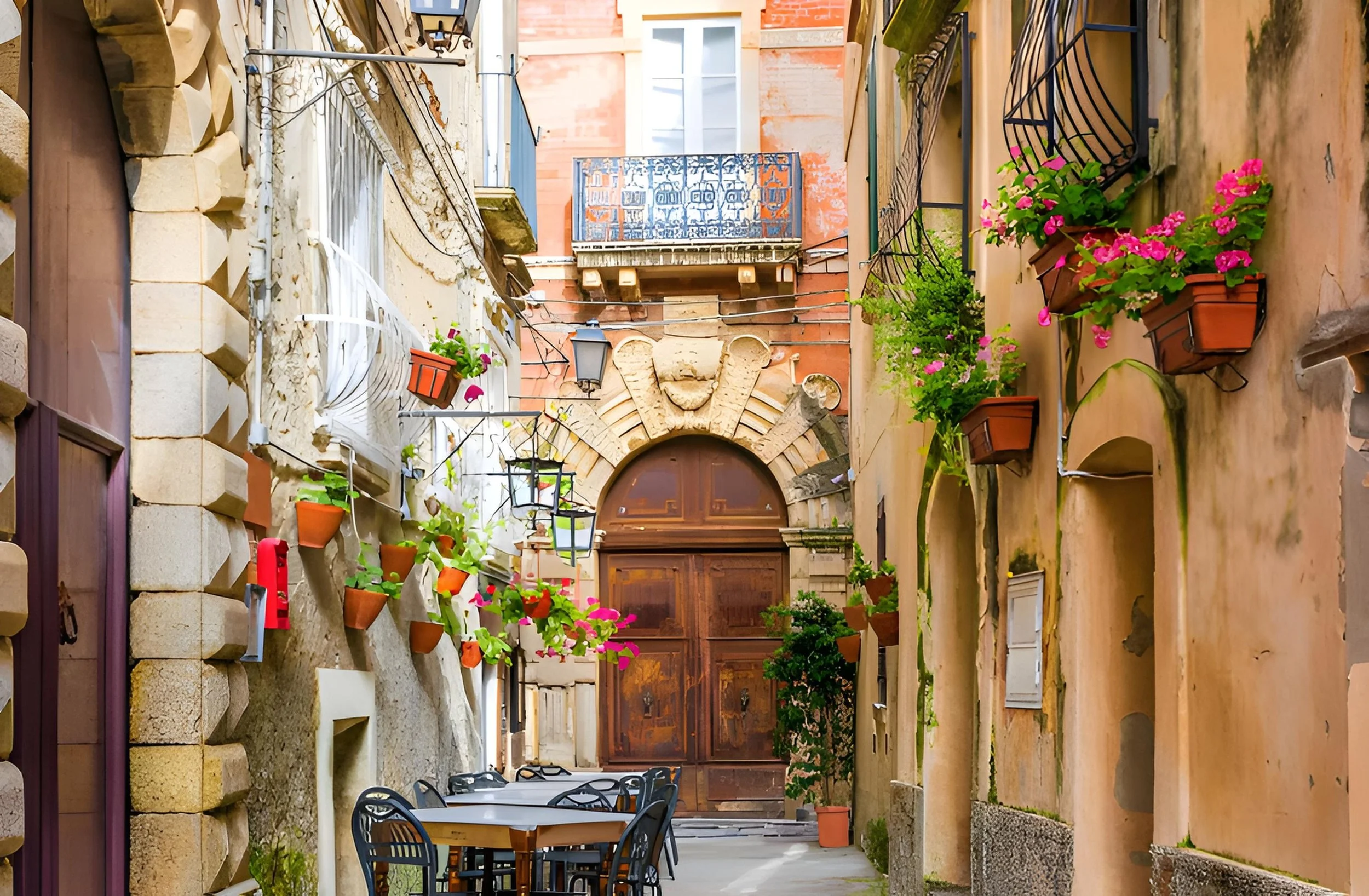
Photo: Positano, Campania, Italy: Cozy outdoor café tables and chairs line a charming old street, surrounded by traditional architecture in this picturesque Amalfi Coast town.
Photo©: samael334 / istock
Best time to visit the Amalfi Coast
May, June, September and early October. This is the window, and it is not close. The water is warm enough to swim from June, the lemon groves are in fruit, the hill towns are green rather than scorched, and the coast road is passable rather than gridlocked. Late September is my own favourite: the sea is at its warmest after a summer of heating up, the day-trip crowds have thinned, and the light turns gold earlier in the evening. Book these months furthest ahead, because the better rooms and the private boats go first.
July and August. Hot, and the coast road becomes genuinely difficult, with transfers taking twice as long as they should. Positano and Amalfi fill with day visitors from mid-morning until the last ferry. The water is beautiful and the energy is high, and if August is the only month you can travel I build the trip differently: more time on boats, more time inland at altitude, early starts, and long afternoons out of the sun.
November through March. Much of the coast genuinely closes. Hotels shut for the season, the smaller restaurants with them, and the boat services thin out to almost nothing. It is beautiful and empty and I will not pretend otherwise, but a winter trip here is a different proposition and a shorter one. If those are your only dates, I would point you at Rome, Naples and Pompeii instead and save the coast for a warmer year.
“Our trip was incredible, wish it could be longer and yearly.”
- Joanne W., Amalfi Coast
Frequently asked questions
-
Every itinerary I build is priced individually, because no two are the same. Once we have talked through your dates, your pace and the kind of hotels you want, a detailed quote follows the first call.
-
Yes, and the split matters more than the total. Three days on Capri and five on the coast gives each one its own rhythm, with a travel day home at the end. Trying to do both from a single base is the most common mistake and it costs you hours a day in boats and transfers.
-
No, and please do not. The coast road is one lane in each direction, carved into a cliff, and in season it does not move. Capri is almost entirely car-free. Everything here runs on private transfers, boats and two helicopter legs, which is both faster and a great deal more pleasant.
-
Completely. This is a sample, not a package. A custom Italy trip is what I actually do, and most clients keep three or four days from a sample and rebuild the rest around what matters to them.
-
Naples is the airport for this coast. There is seasonal nonstop service from the US, though the routes and the months change from year to year, so check with your airline for current seasonal nonstops when you are ready to book. Otherwise you connect through Rome or a European hub. Flying straight into Naples is the simplest way to do this trip, because a private car has you on the coast within about ninety minutes of landing.
-
I quote it separately through Travel Guard, and I recommend it on every trip of this value, particularly one with this many weather-dependent boat and helicopter legs.
-
Six to nine months for May, June, September and early October. The constraint is not flights, it is the small number of genuinely good rooms on Capri and in Positano, which go a long way out.
-
No, and there is now a simpler route that avoids the question. The arrival helicopter exists because this sample opens in Rome, and Rome to the coast is four hours by road.
If you fly nonstop into Naples instead, you skip that problem entirely: a private car puts you on the coast in about ninety minutes, and Pompeii becomes a short drive rather than a flight. It is also the cheaper way to begin. I build the trip both ways, so tell me which airport you would rather use and I will shape the first two days around it. The coastal flight on Day 4 is a separate thing and I would keep it either way, because it shows you in twenty minutes what the road shows you in two hours of switchbacks.
-
Both are the extensions I am asked for most. Three or four nights in Rome before you come south fits naturally, since you are landing there anyway. At the other end, Ischia or Procida add two or three slower days. Tell me on our call and I will build it in.

Let's design your Amalfi Coast trip.
I'm Anna Fishman, and the coast is the part of Italy I am asked for most. Every itinerary I build starts with a conversation. Tell me what excites you and I'll take it from there.