
Luxury Croatia food and wine vacation: Istria, Korcula & Dubrovnik, 12 days
There's a version of Croatia most travelers never meet. It's the one where you spend a morning in an oak forest with a truffle hunter and his dogs. Where the olive oil you're tasting beat half of Tuscany's at last year's New York competition. Where the white wine in your glass is made from a grape that grows on one island in the world, and this island is where you're standing. This is the trip I love designing most.
This is the Croatia trip built for travelers who plan their vacations around what's on the plate. Twelve days, four distinct food regions, and a pace designed for couples who want to sit at long lunches, have second glasses of wine, and linger over dinners the way you're supposed to when you're in Europe. Zagreb's grand coffee culture and a harvest day in the Zagorje wine country. Istria, for the truffles and the Malvazija hills and the olive oil that quietly wins international awards. Down the coast to Korcula, where the winemakers are working with grapes you've likely never heard of and should have. A private wine day on the Peljesac Peninsula, an oyster tasting at the source in Mali Ston, and three nights in Dubrovnik to close with peka cooked over embers at a traditional konoba, the old Dalmatian way.
I've been sending couples on versions of this trip for years, and the feedback is always some variation of the same thing: they came for Dubrovnik and ended up more in love with Istria. They thought they knew Mediterranean food and discovered an entire world of it. Every detail is handled: the transfers, the guides, the tastings, the reservations, the route. You just show up and live it. Picture the two of you here. Tell me what you love, and I'll design the rest. Start with the planning form below.
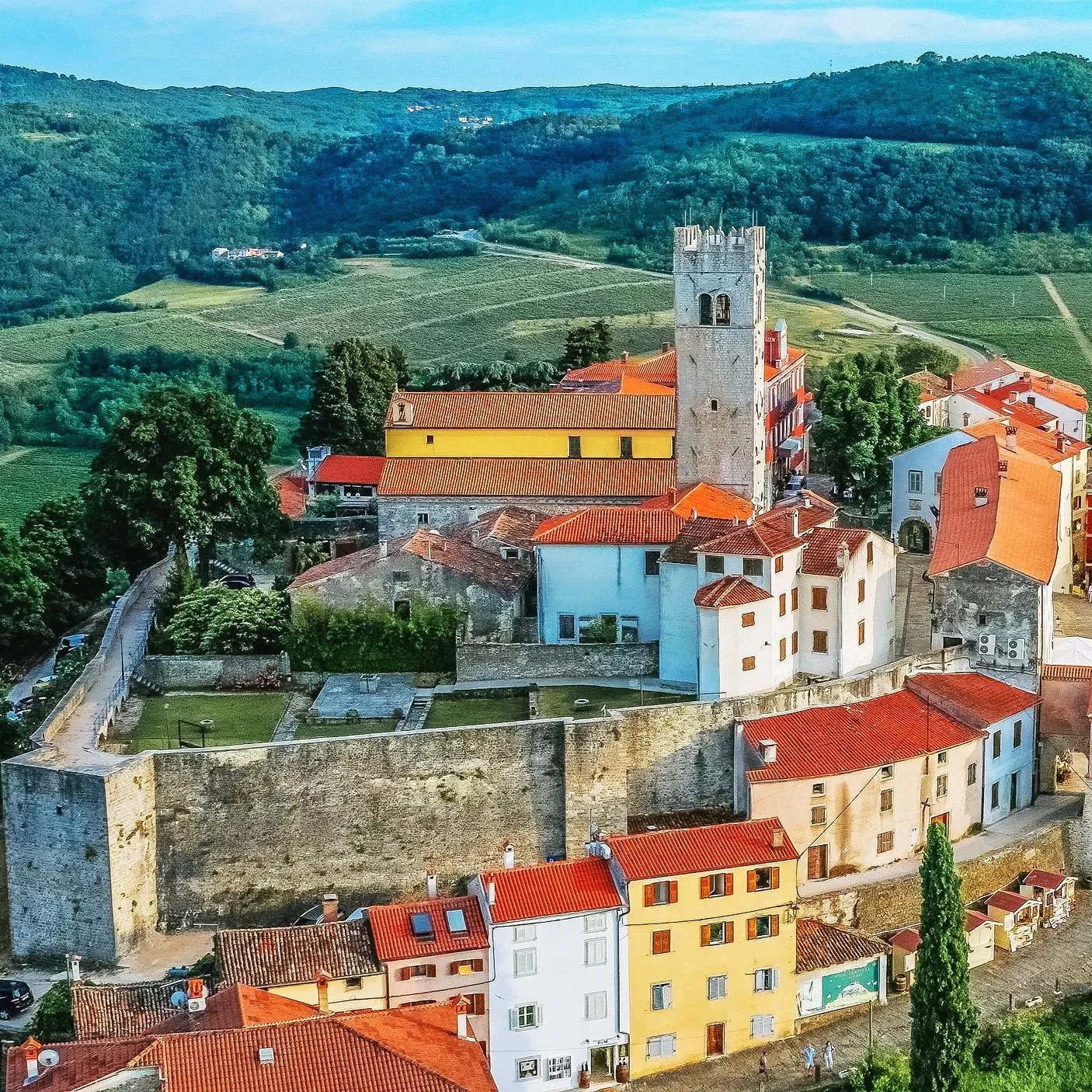
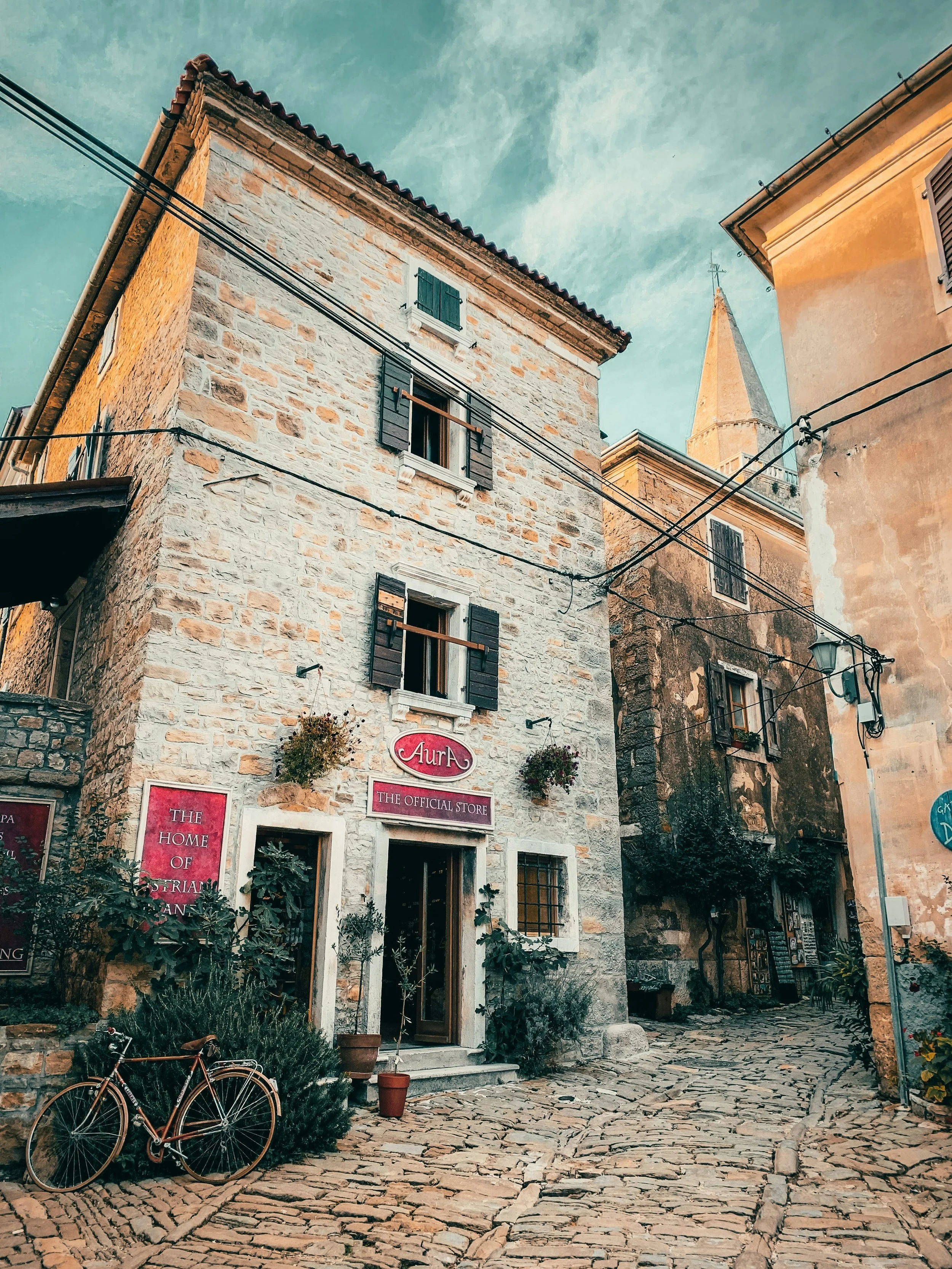
Photo: Motovun in Istria, Croatia, is a historic hilltop town perched above the Mirna River Valley, known for its medieval walls, Venetian-style architecture, and surrounding truffle-rich forests.
Photo©: Anna Fishman / Olegana Travel Boutique
What’s included?
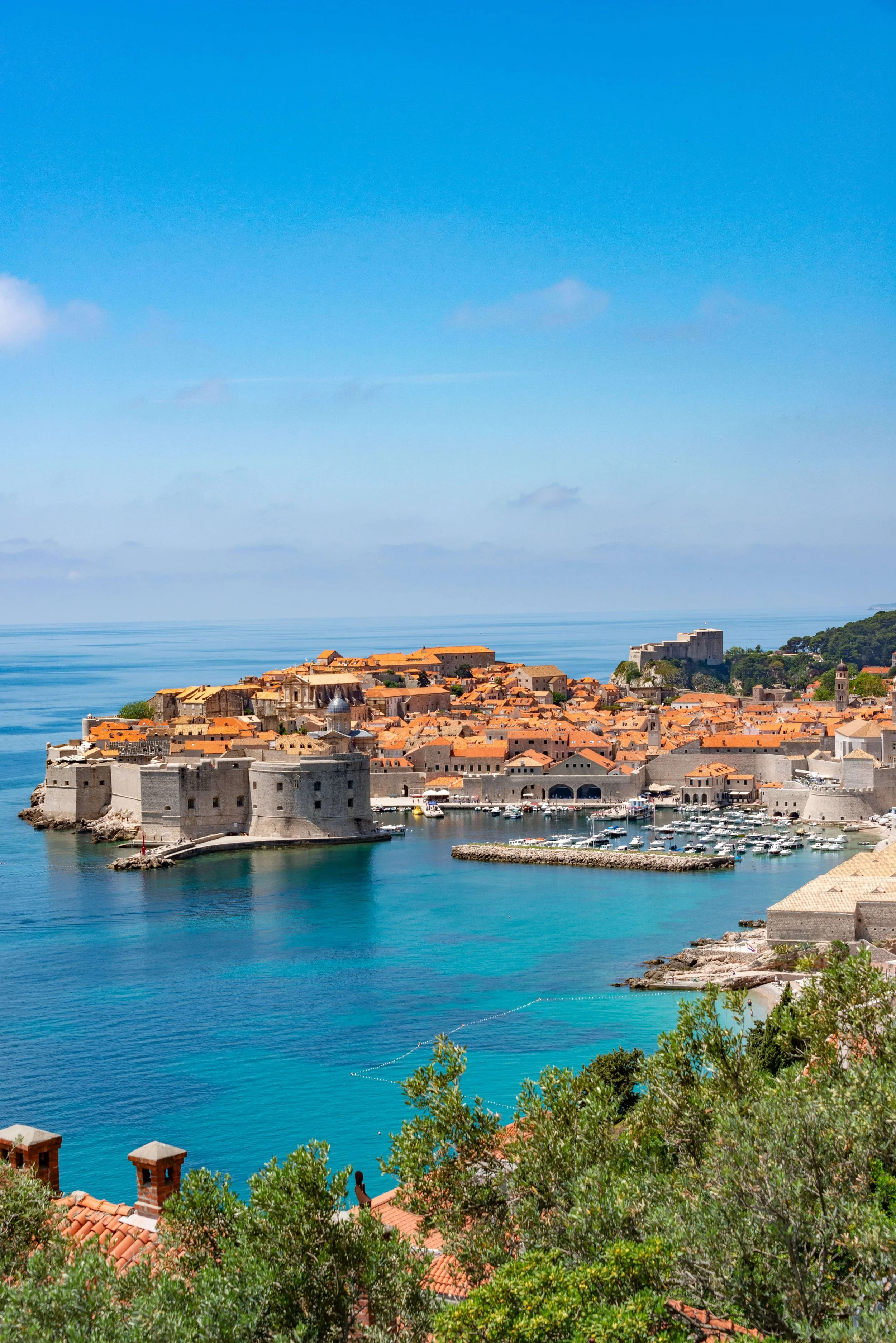
Photo: A breathtaking aerial view of Dubrovnik, Croatia, featuring its historic architecture along the sparkling Adriatic Sea.
Photo©: Diego F. Parra / pexels
Included
Private vehicle and driver throughout, with a dedicated guide who knows every producer personally
Airport meet-and-greet and private transfers, plus one domestic flight from Pula to Dubrovnik
11 nights at hand-selected boutique and luxury properties, with breakfast throughout
A truffle hunt in the Motovun forest with lunch at the hunter's family restaurant
An olive oil tasting at a working mill in the Buje hills
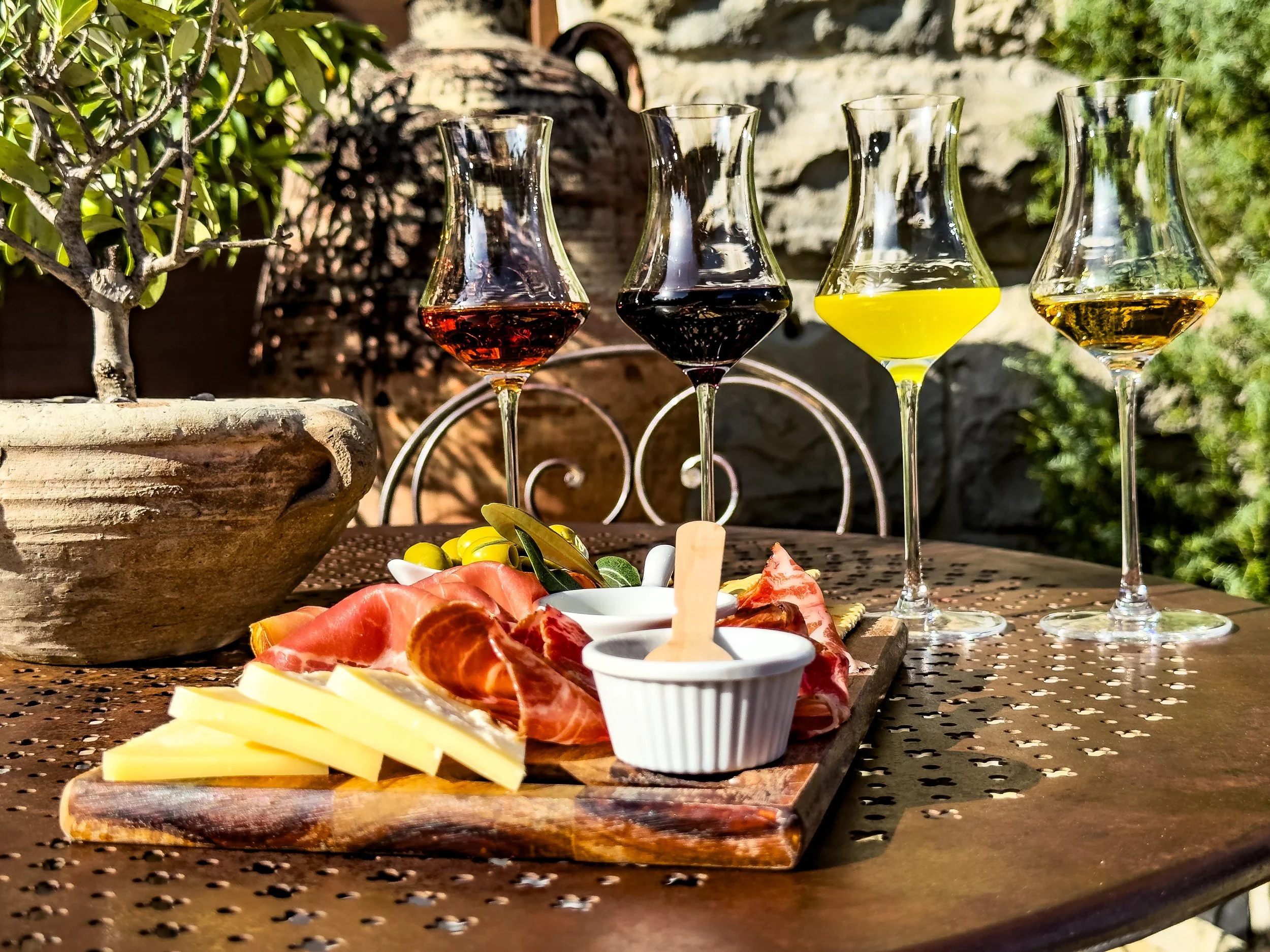
Private winery tastings in Zagorje, Istria (Malvazija and Teran), Korcula (Grk), and Peljesac
An oyster tasting at Mali Ston Bay
A private cooking class with a local chef on Korcula
A private walking food tour of Dubrovnik
Private guided walking tours in Zagreb, Rovinj, Korcula, and Dubrovnik with local experts
The curated wine-paired lunches and dinners noted in your itinerary
24/7 concierge support and emergency contact from the moment you land
Not included
international airfare, travel insurance (quoted separately through Travel Guard), meals at leisure, personal expenses, tips and gratuities, and city tourist taxes payable directly at hotels.
Every itinerary I design is priced individually. Once we have talked through your dates, the regions that matter most, and how deep you want to go on the wine side, I'll follow up with a detailed quote. There's no set package price, because no two of these trips are the same.
Ready to start planning?
Tell me about your travelers and what matters most. I'll build from there.
How many days do you need for a Croatia food and wine trip?
Twelve days is the right length, because it takes that long to properly experience four distinct food and wine regions, Zagorje, Istria, Korcula, and Peljesac, without cutting any of them short. You want room for long lunches and second glasses, not a tasting schedule that feels like work. A ten-day version without Zagreb works for couples who just want the coast and Istria. With more time, add Slovenia or Venice on the way in.
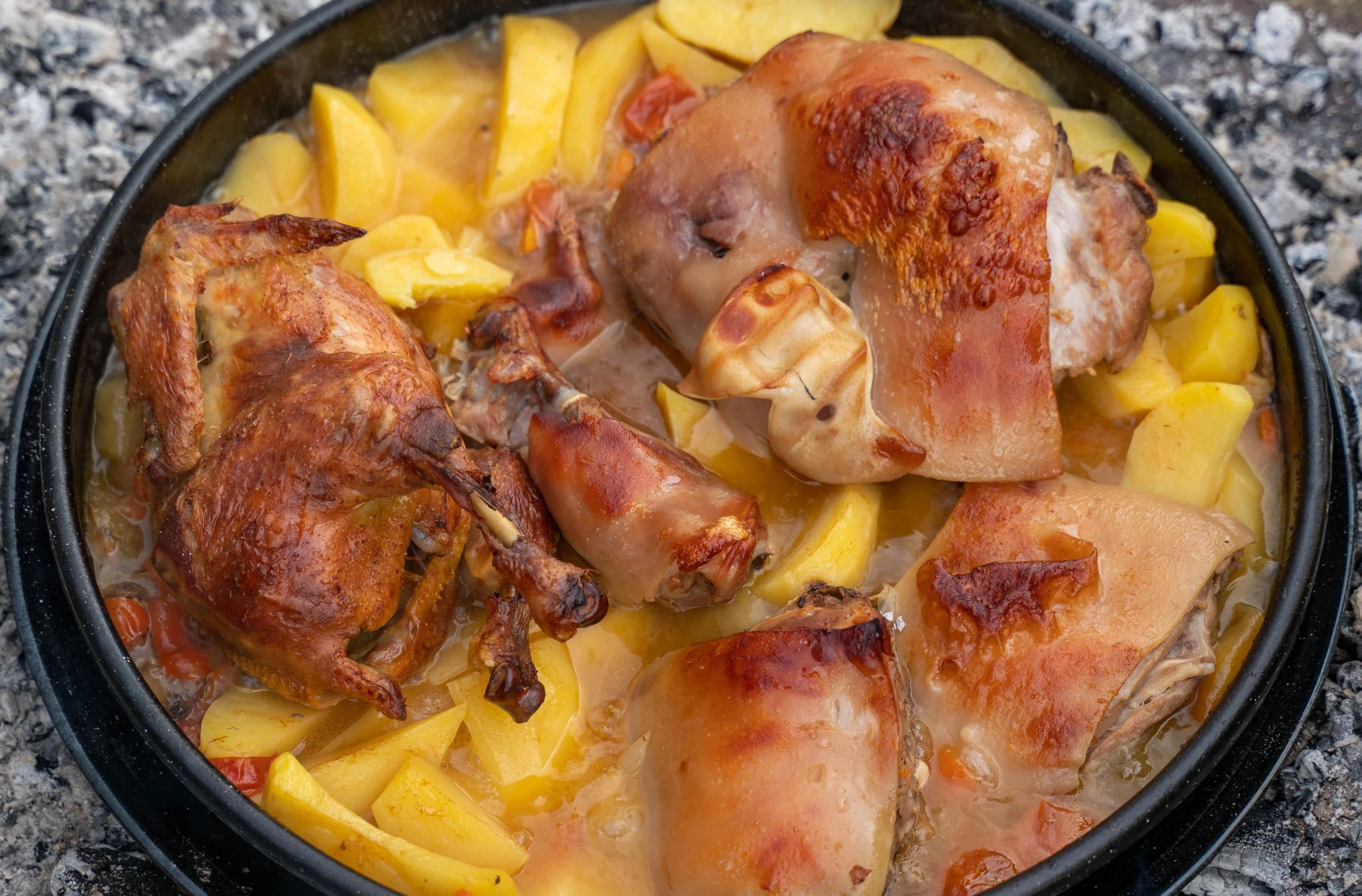
Photo: Traditional Croatian peka, featuring roasted meat and potatoes slow-cooked under a bell-shaped dome over hot embers.
Photo©: Vladimir Srajber / pexels
Your day-by-day itinerary
This sample itinerary was designed around Croatia's four great food and wine regions. It's here to inspire, not to lock you in. You might pick a few pieces and let me build something different around them. Your trip is yours, and we'll customize every detail until it fits.
Photo©: Anna Fishman / Olegana Travel Boutique
Day 1
Arrival in Zagreb
Welcome to Zagreb, the capital that eats better than its reputation suggests. You'll be met at the airport and transferred privately to your hotel, a grand property on a central square with a spa worth the afternoon.
Dinner tonight is a soft landing and a statement of intent. A table at a small chef-led restaurant a few blocks from the hotel, where the kitchen works with seasonal Croatian ingredients, the wine list runs deep into local producers, and the sommelier knows every one personally. Tomorrow is when the trip really starts.
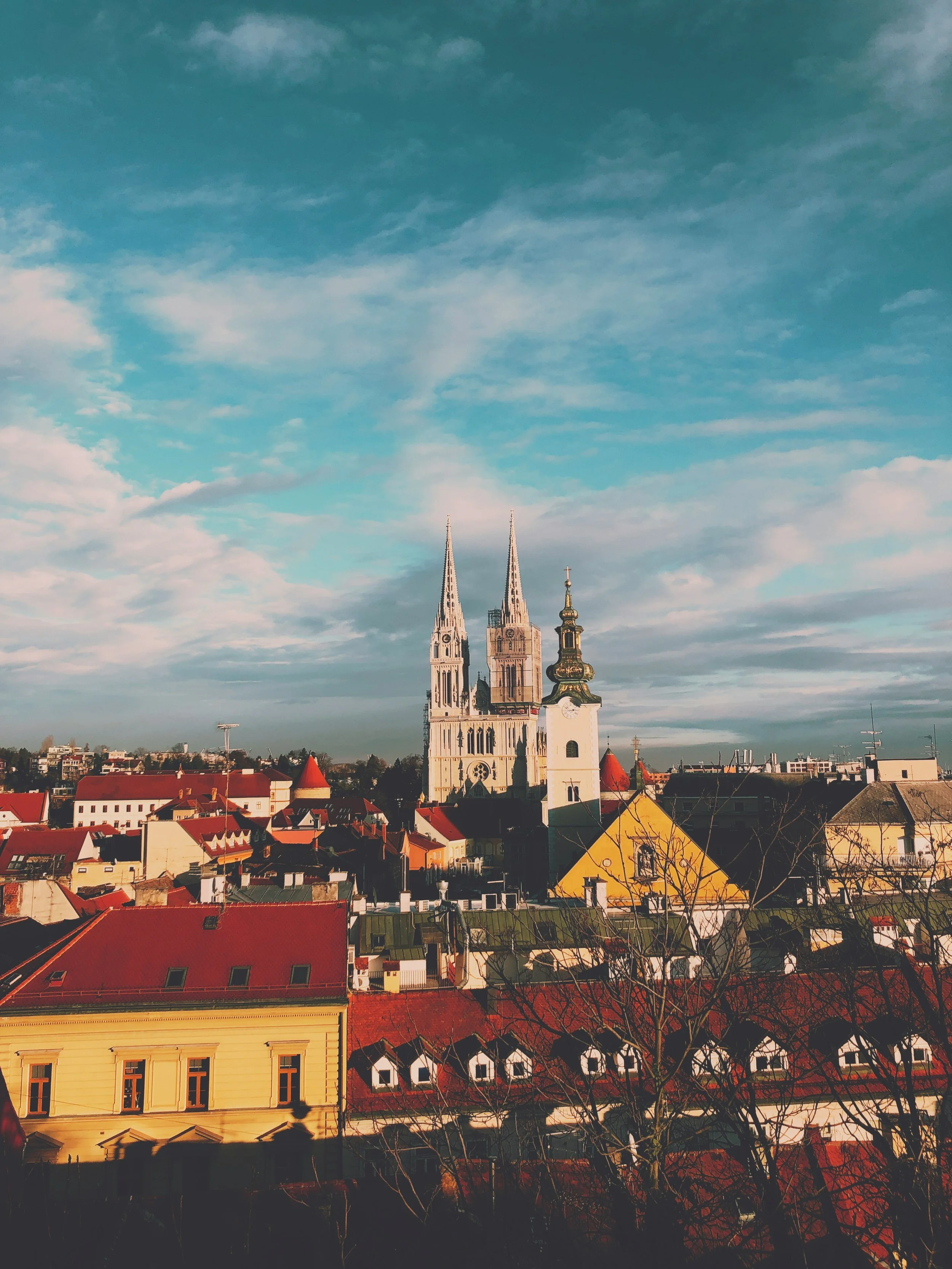
Photo: Panoramic view of Zagreb, Croatia, featuring historic rooftops and the iconic twin spires of Zagreb Cathedral in the background.
Photo©: Domagoj / unsplash
Day 2
Zagreb coffee culture and Zagorje wine harvest
Zagreb's morning ritual is the spica, the late-morning coffee promenade when the whole city seems to be at a pavement table, and you'll join it on the main square. Then a short walk with a local guide that is really a food walk: Dolac market, where the city's chefs shop, the strukli bakeries of the upper town, and a cheese counter or two.
In the afternoon, we drive north into the rolling hills of Croatian Zagorje, a landscape of tiny castles and storybook vineyards. You'll spend the afternoon at a family-run winery that has been making wine in these hills for generations, joining the harvest if the timing is right, learning how the Grasevina and Pinot wines are made, and sitting down to a long candlelit dinner with traditional folk music. Late return to Zagreb.
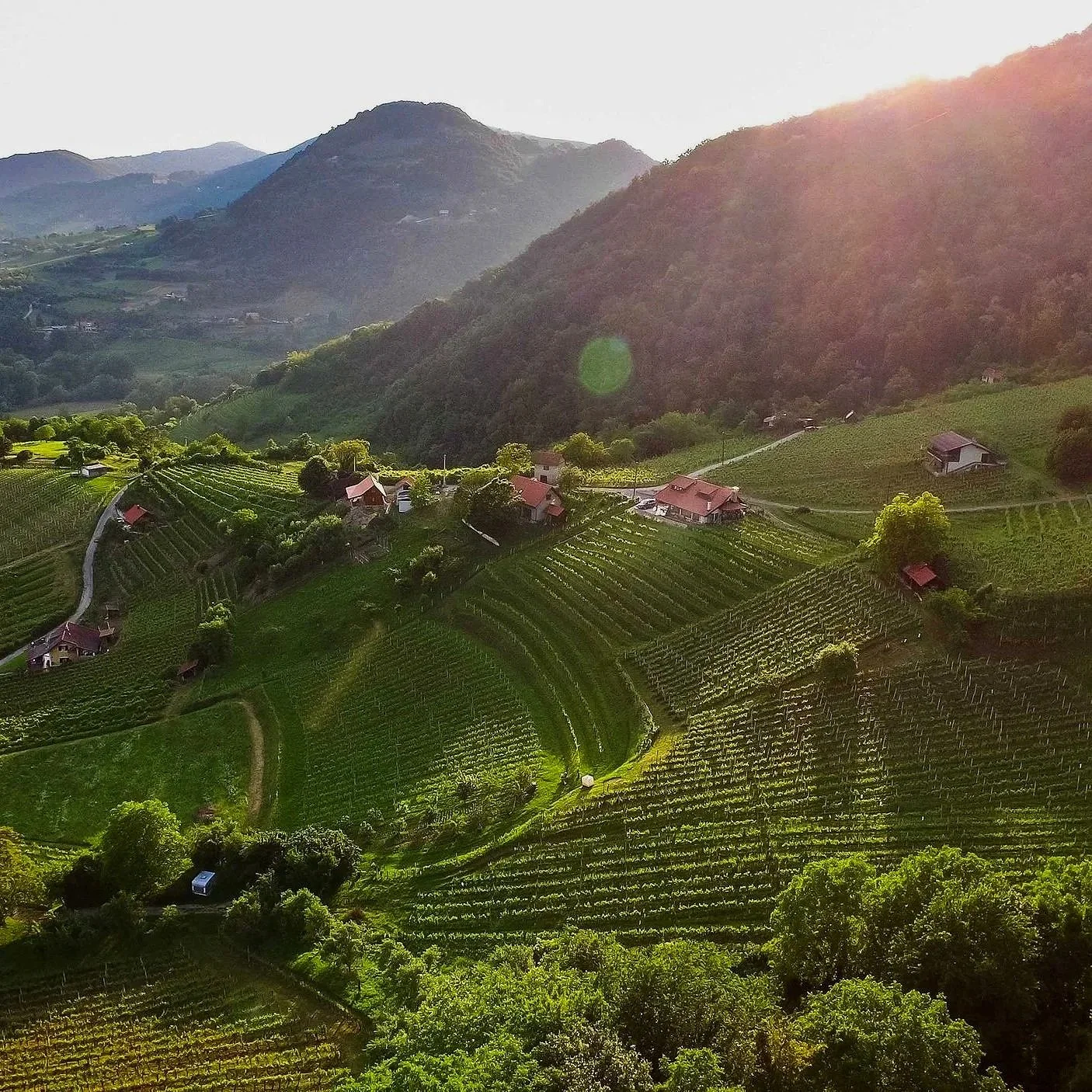
Photo: Strahinjčica Mountain in Zagorje, Croatia, is a beautiful scenic destination known for its lush forested slopes and hiking trails.
Photo©: Croatian National Tourist Board
Day 3
The drive to Istria and the Coast of Rovinj
This morning we drive west to Istria rather than flying, because the road is part of the trip and a quick hop to Pula would only put you in a different airport, not in Rovinj any faster. The route runs through green hills and down toward the Adriatic, with a stop for coffee or an early lunch in Opatija, the elegant old Habsburg seaside resort, and an optional tasting at a winery along the way to ease you into Istrian wine before you've even unpacked. (If you'd rather add a country to the trip, this is also the leg where a night in Ljubljana, an hour east, or in Venice, a short way west, slots in beautifully. I'll walk you through both.)
You arrive in Rovinj by mid-afternoon, a Venetian port town of pastel houses crowding a small peninsula, with a church tower rising above the old city and the Adriatic on three sides. Check in to a waterfront boutique hotel with rooms overlooking the harbor and the archipelago beyond. Dinner tonight is at a konoba in the old town, the Istrian version of the Italian osteria, where the menu is driven entirely by the season and the morning's catch. Your first taste of Istrian Malvazija, the dry white that defines the peninsula.
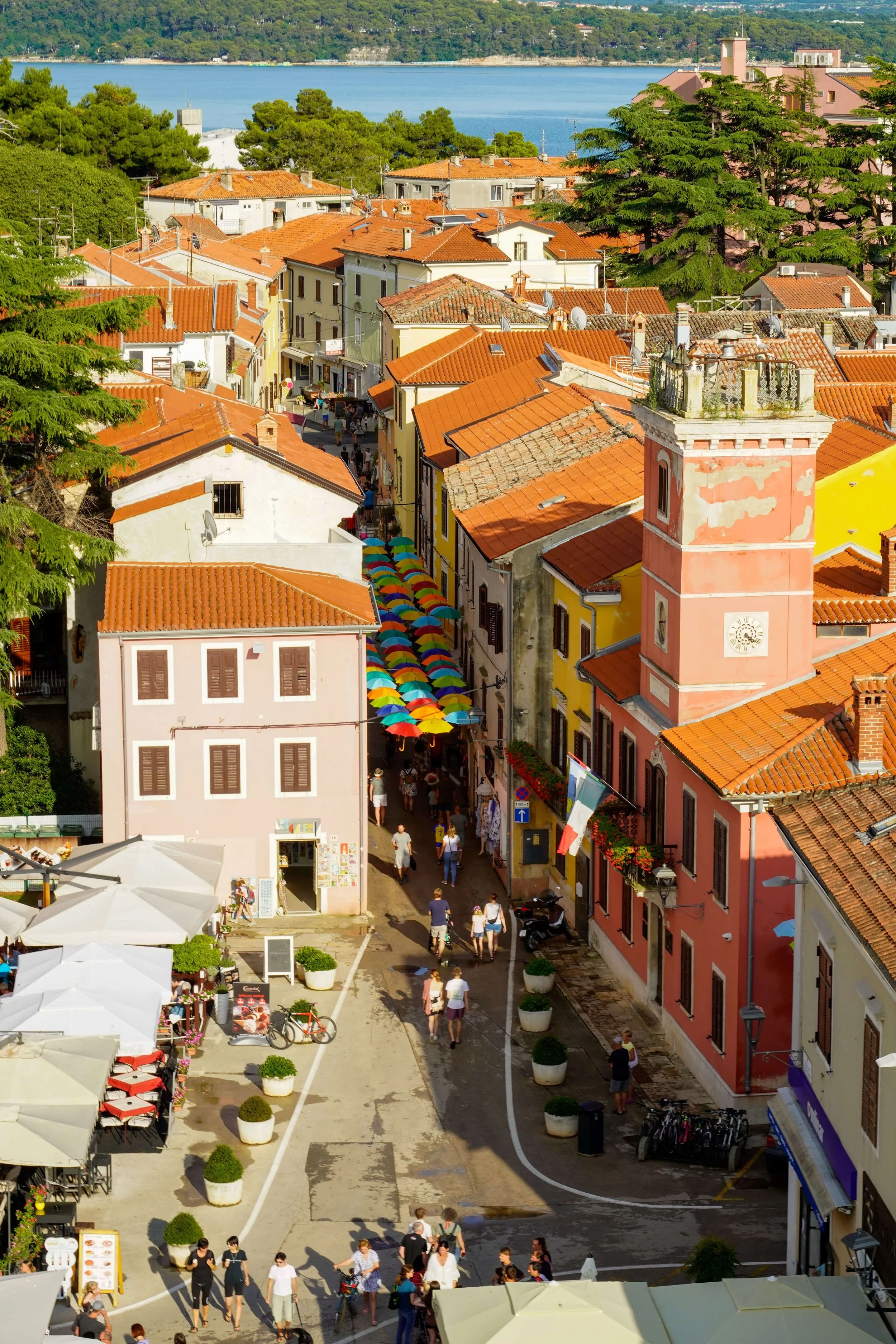
Photo: Novigrad on Croatia’s Istrian Peninsula features a colorful cobblestone street lined with pastel buildings, terracotta rooftops, and the bell tower of St. Pelagia Church overlooking the Adriatic Sea.
Photo©: Damir K / pexels
Day 4
Truffle hunt, Motovun, and Istrian olive oil
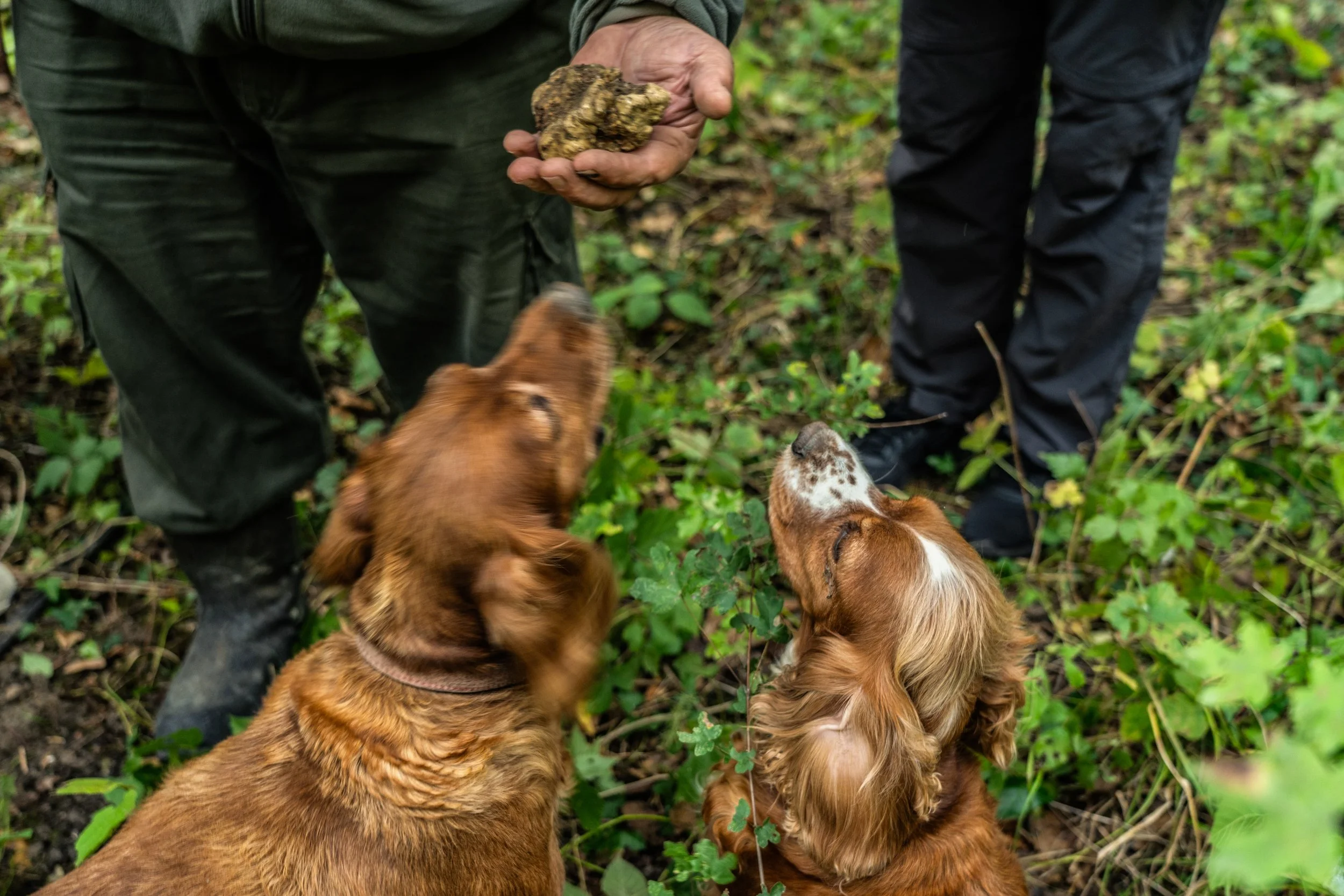
Today is the day that sells the trip. A morning drive inland to Motovun, a medieval hilltop town at the edge of an oak forest that produces some of the best truffles in the world. You'll meet a local truffle hunter and his dogs at the edge of the forest, follow them in as they work, and if the ground cooperates, watch them uncover fresh white or black truffles depending on the season. Afterward, time to wander Motovun itself, the views over the Mirna valley from the ramparts, and a long lunch at the hunter's family restaurant, where the truffles you just found are shaved generously over handmade fuzi pasta.
In the afternoon, we visit a working olive oil mill in the Buje hills. Istrian olive oils have quietly won more international awards in the last decade than any other region in the world, and tasting the single-variety oils straight from the producer is a different experience from anything you'll find on a supermarket shelf. Back to Rovinj for a late seafront dinner.
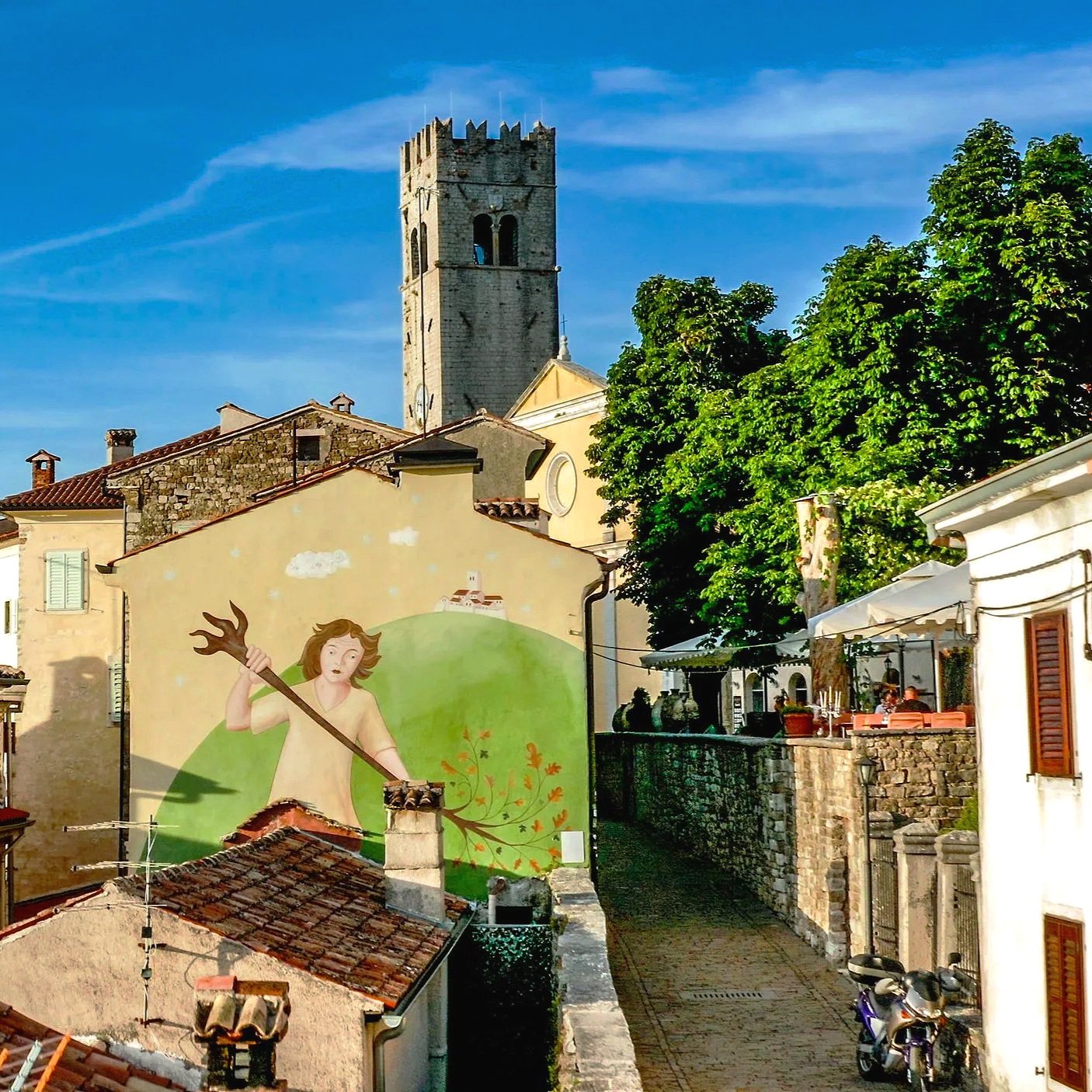
Photo: Motovun in Istria, Croatia, is a medieval hilltop town known for its cobblestone streets, historic stone architecture, and a mural of the legendary local giant Veli Jože.
Photo©: Anna Fishman / Olegana Travel Boutique
Day 5
Malvazija, Teran, and the Hilltop villages
With Motovun behind you, today moves to a different corner of the peninsula. A private tasting at one of the Buje area's most respected Malvazija producers, followed by a visit to a second small winery working with Teran, Istria's distinctive red. Both are producers I know personally, both will show you their best wines, and both will ship a case home if you ask.
Lunch in Groznjan, a tiny hilltop village that a community of artists and musicians have quietly turned into one of the most charming places in Europe, with galleries tucked into stone houses and music drifting out of open windows in summer. The rest of the afternoon is deliberately unscheduled: a swim from the rocks below Rovinj, a nap, a slow walk through the old town as the light goes gold. A wine-paired dinner tonight back in Rovinj at the kind of small restaurant where the chef comes out to say hello.
Photo: Grožnjan in Istria, Croatia, is a charming medieval hilltop town known for its historic stone buildings, narrow alleys, and cobblestone streets.
Photo©: Aldeen Li / unsplash
Day 6
Rovinj morning and transfer South
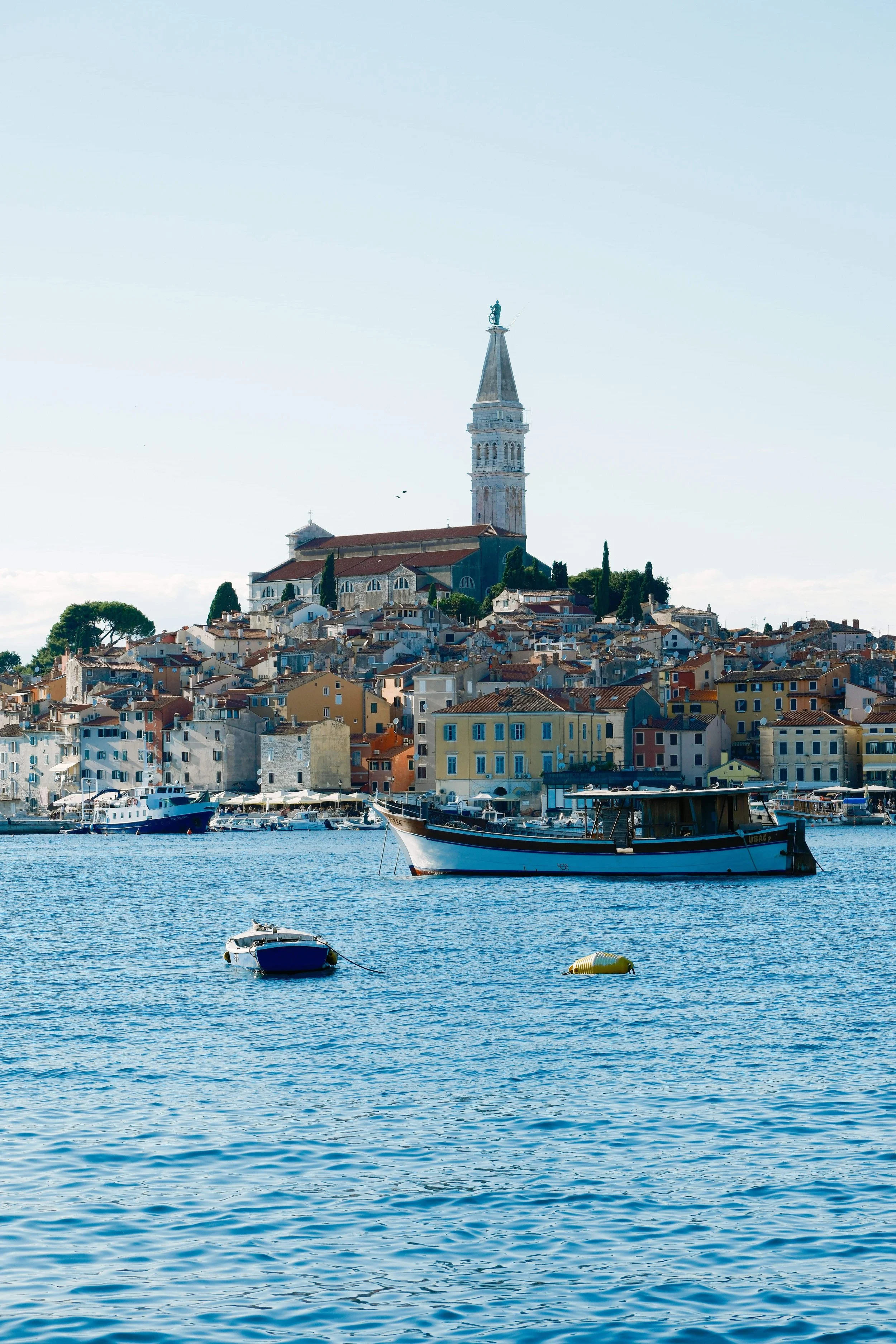
A slow morning in Rovinj is what you'll remember. Walk the seafront, swim from the rocks below town, find a cafe on the main square, or follow the narrow lanes uphill to the church for a view over the red rooftops. A farewell Istrian lunch of fresh fish and cold Malvazija before we continue south.
A short afternoon flight from Pula to Dubrovnik, then a private transfer and a late-afternoon ferry to the island of Korcula. Check in to a seaside hotel with rooms looking across the water to the old walled town. A quiet island dinner to close the day.
Photo: Rovinj, Croatia, is a picturesque coastal town known for its colorful waterfront, historic stone buildings, and iconic Church of St. Euphemia.
Photo©: Ramon Karolan / pexels
Love what you're reading?
This is a sample. Tell me about the two of you and I'll build your Croatia food and wine trip from scratch.
Day 7
Korcula old town and cooking class
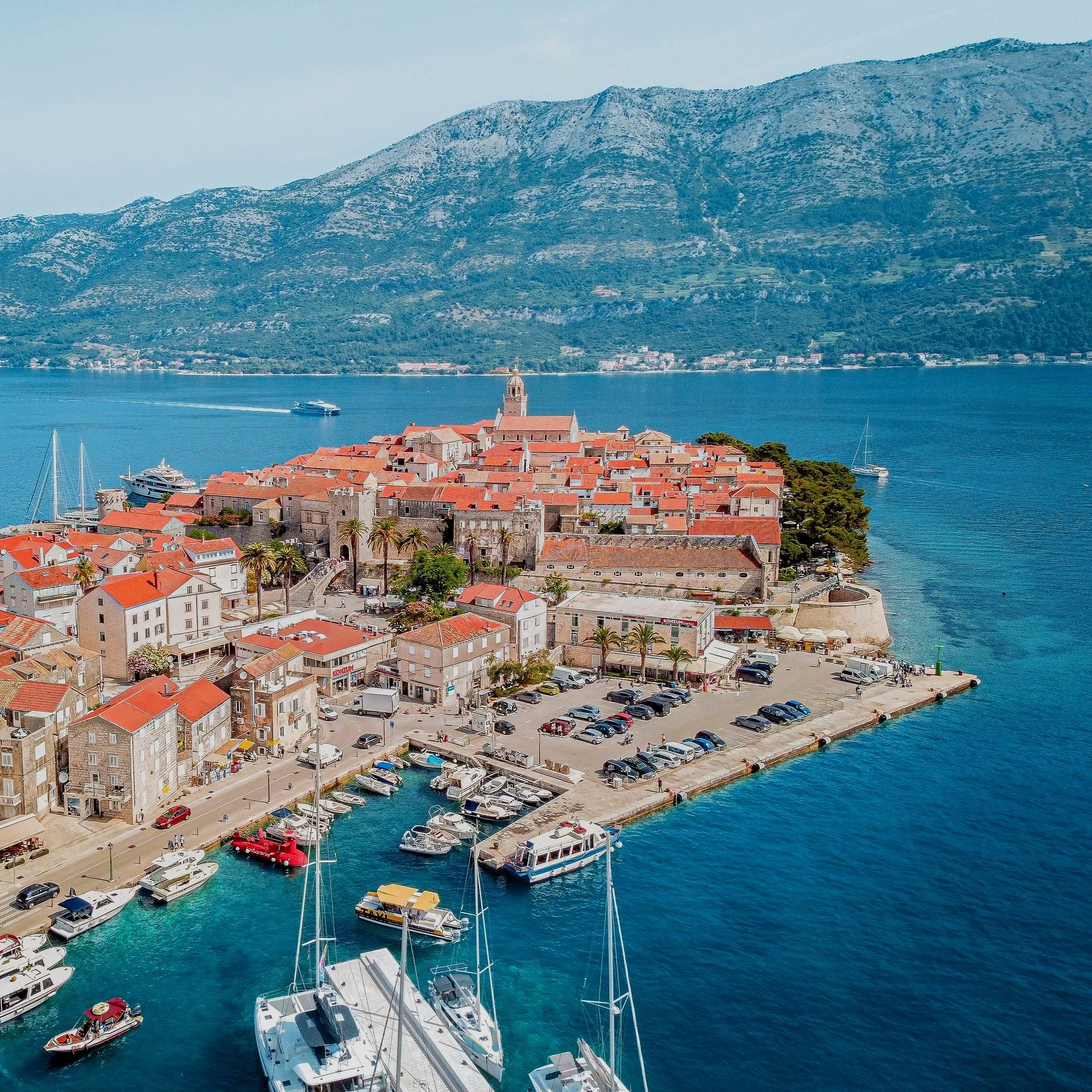
Korcula's old town was built by people who understood weather. A morning walk with a local guide explains the plan: a single main street down the spine of the peninsula, side streets angled to let the summer maestral in and keep the winter bura out, and a cathedral at the top with a treasury of Venetian paintings. The Marco Polo house is here too, and your guide will tell you exactly how much of that story to believe.
In the afternoon, a private cooking class with a local chef at a family home, where you'll make traditional Dalmatian dishes (handmade pasta, a slow-cooked lamb peka, a classic soparnik swiss chard pie) and eat what you cooked for a long dinner overlooking the water.
Photo: A stunning aerial view of Korčula Old Town and its marina along the Adriatic Sea in Croatia.
Photo©: Lukas Kosc / pexels
Day 8
Korcula wine and an easy afternoon
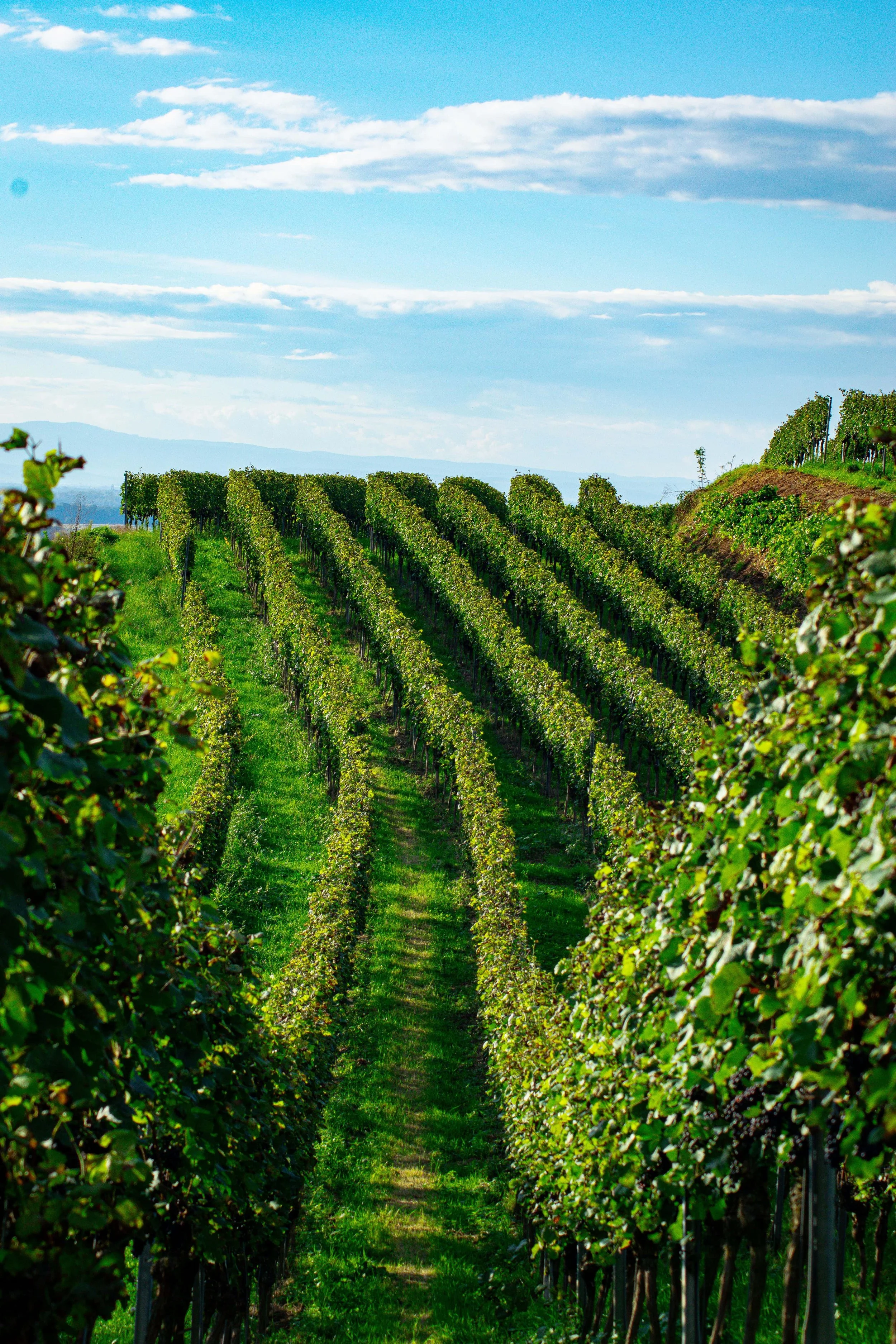
The two great white grapes of Korcula are Grk and Posip, and Grk in particular grows nowhere else on earth. A morning drive to the Lumbarda peninsula on the east end of the island, where a handful of small producers work sandy-soil vineyards that have been in their families for centuries. A single, unhurried tasting and a long lunch in a family cellar, with time to talk wine with people who know it to its roots. One good tasting, done slowly, tells you more than three rushed ones.
The afternoon is left open on purpose: a swim, a nap, a wander through Korcula's lanes. In the evening, dinner at a family ranch in the olive groves outside town, where the lamb and the vegetables come from the property, the wine comes from the neighbor, and the pace of the meal is set by an island that knows what it has.
Photo: The picturesque vineyards of Korčula Island, Croatia, are known for indigenous grape varieties such as Grk, Pošip, and Plavac Mali.
Photo©: Fabrice Büsching / pexels
Day 9
Peljesac wine and Mali Ston Oysters, to Dubrovnik
A morning ferry across the channel to the Peljesac Peninsula, the home of Croatia's great reds. Plavac Mali is the grape, Dingac and Postup are the steep seaside slopes where it grows best, and today is built around one standout producer rather than a string of tastings: a private tasting and a walk through the terraced vineyards with the person who farms them, so you understand what's in the glass and why it costs what it does. A relaxed lunch follows.
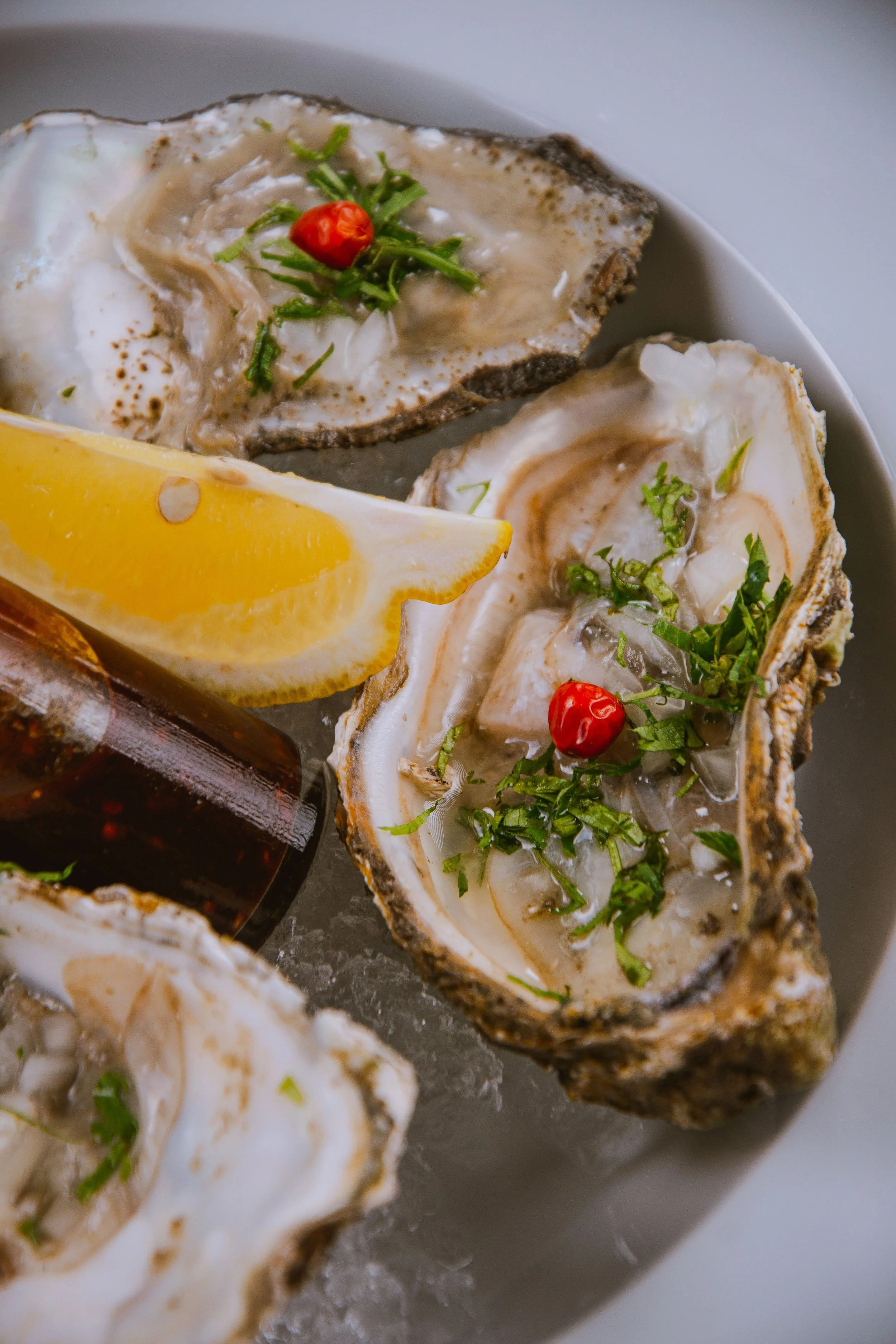
In the late afternoon, Ston, the salt-pan town at the neck of the peninsula whose medieval walls climb the hillside for five kilometers, and the oyster beds of Mali Ston Bay, where the European flat oyster has been farmed since Roman times and is eaten within minutes of leaving the water. A tasting at the source, with a glass of Posip, before we continue into Dubrovnik by evening. Check in to a cliffside property just outside the old town walls.
Photo: Mali Ston oysters, known as Malostonske kamenice, are prized European flat oysters cultivated in the protected waters of Mali Ston Bay, Croatia.
Photo©: César O'neill / pexels
Day 10
Dubrovnik walking food tour
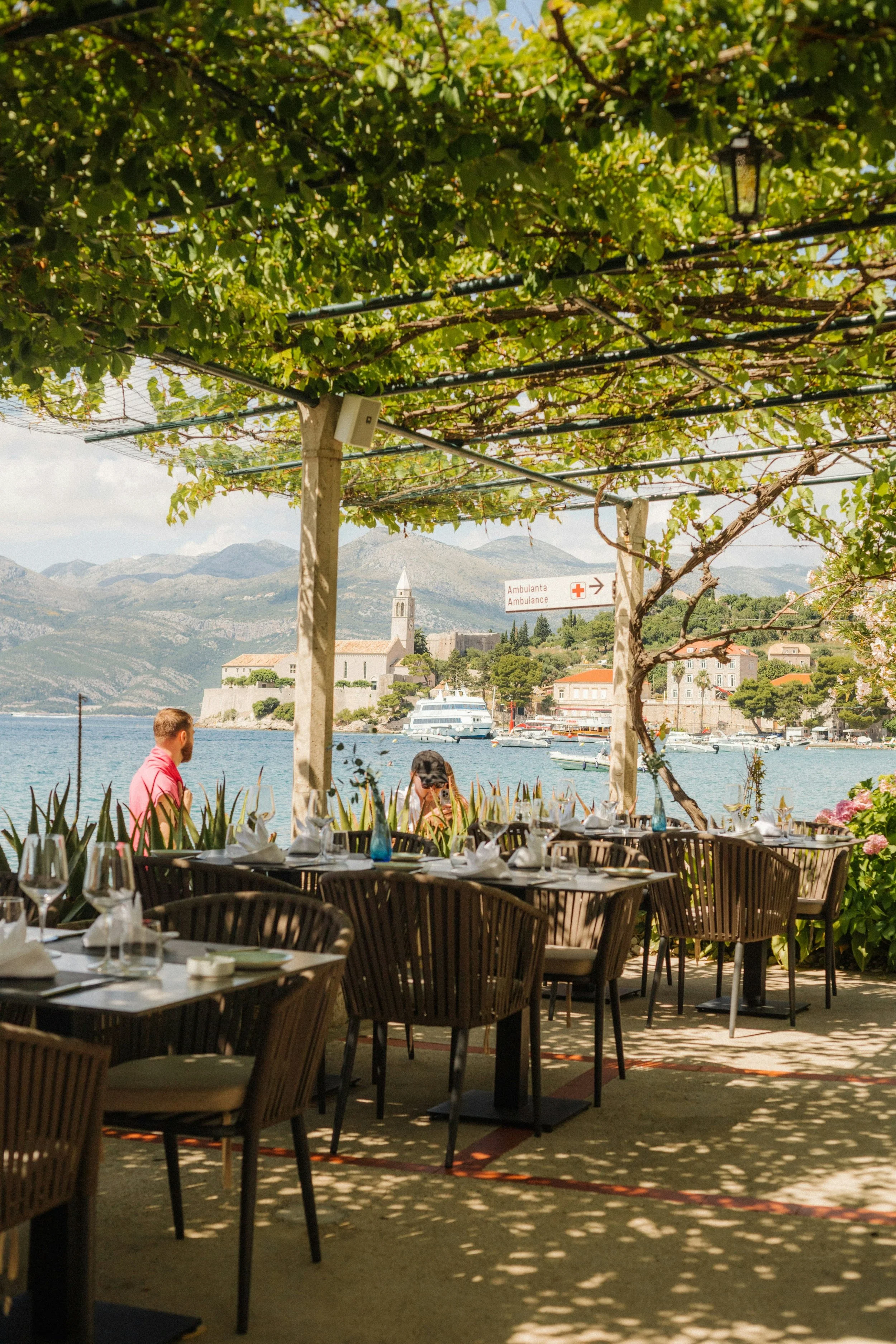
Dubrovnik is a city that rewards travelers who arrive with someone who knows it. A private guide takes you on a morning walking food tour through the old town, hitting small places most visitors never find: a family bakery famous for local savory pastries, a cheese shop run by a Dubrovnik family for four generations, a wine bar where the owner curates only small Croatian producers, and a lunch at a restaurant just outside the walls where the chef is doing the most serious modern Dalmatian cooking on the coast.
In the afternoon, the city walls at a quiet hour, a swim from the rocks at Banje Beach if the weather is right, and a relaxed evening back at the hotel terrace with a glass of local red and the lights of the old city across the water.
Photo: Restaurant in a coastal town near Dubrovnik, Croatia, with a scenic Adriatic Sea setting.
Photo©: Roy Tsong / unsplash
Day 11
A day that is yours, then Peka
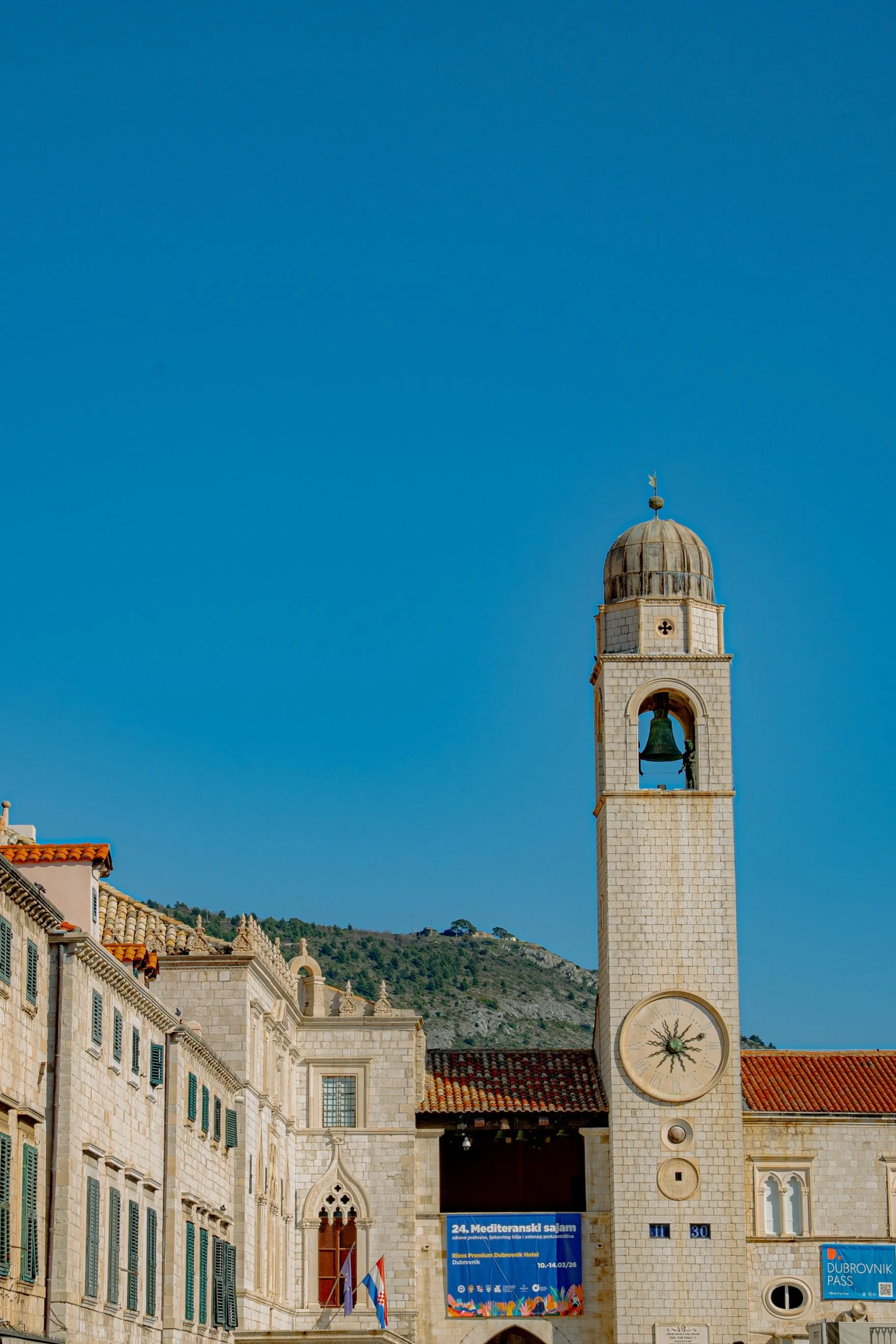
A day with no plan, by design. Sleep in. Walk the walls at dawn without the crowds. Find a cafe on the Stradun and stay there. I can arrange a day trip to the quiet coastal village of Cavtat, a private boat afternoon around the Elaphiti Islands, or a cellar visit at a winery in the Konavle valley just outside the city if you want something on the schedule, but the day is built for rest.
Tonight is the farewell dinner, outside the old city at a traditional Dalmatian konoba, where peka (meat and vegetables baked under a dome of iron and embers) is cooked over three hours the way it has been cooked in this region for centuries. It's the trip's final meal, and most of my clients say it's the one they talk about years later.
Photo: Stradun, Dubrovnik’s iconic main street in Croatia’s historic Old Town, leads toward the historic Dubrovnik Bell Tower.
Photo©: Božo Gunjajević / pexels
Day 10
Departure
A private transfer to Dubrovnik Airport for your flight home. Twelve days, four food regions, and the kind of trip that changes how you think about a Mediterranean menu for the rest of your life.
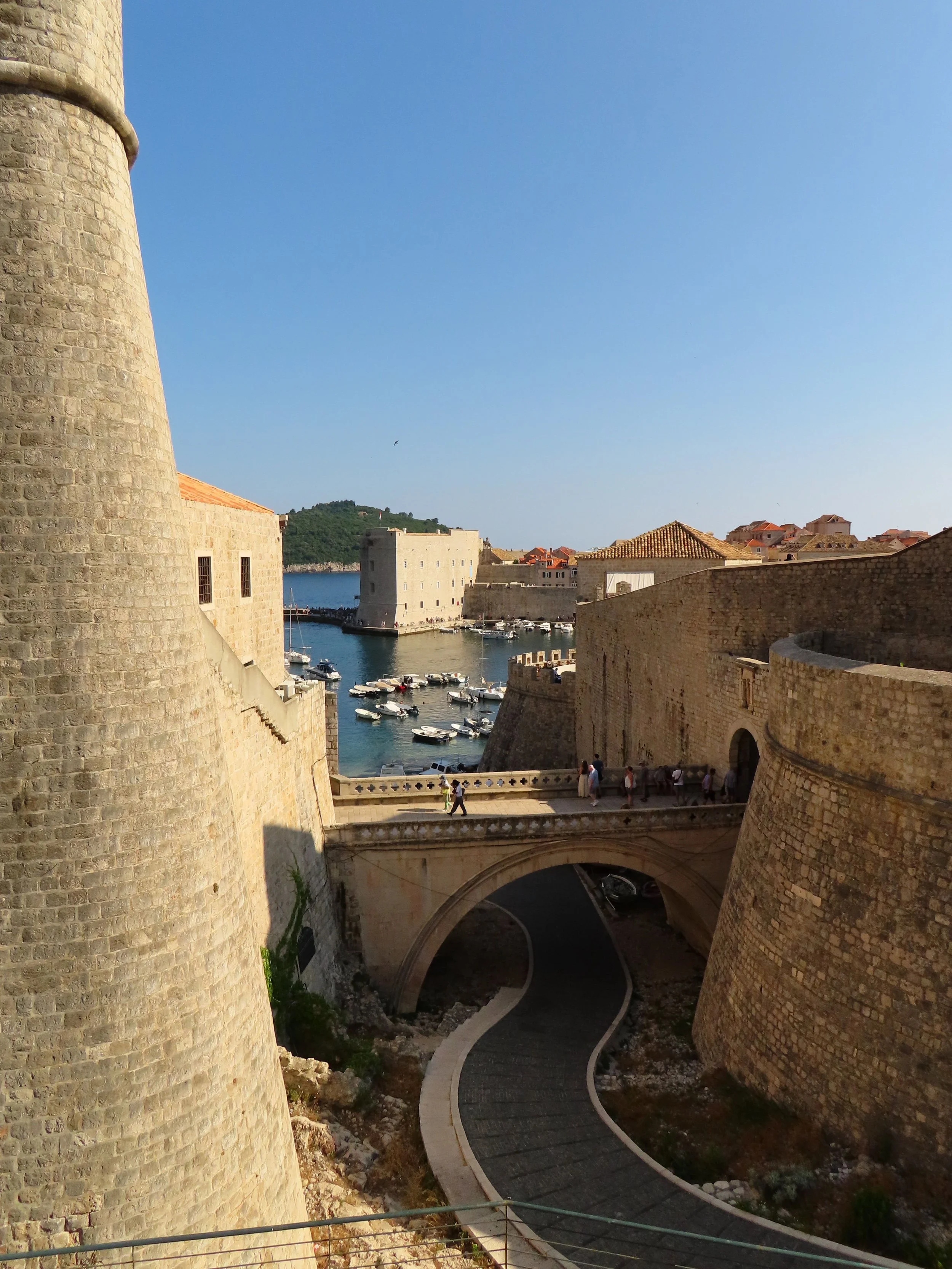
Photo: Dubrovnik’s historic walls in Croatia overlook the marina and the city’s iconic stone architecture.
Photo©: Vitória Zanella / pexels
Who this trip is perfect for
Serious food and wine travelers.
If you plan your trips around what you'll eat and drink, this is the Croatia trip I'd book you. A truffle hunt, an olive oil mill, private tastings across four of Croatia's best wine regions, a cooking class with a local chef, oysters at the source, peka cooked over embers. Every meal is its own story, and every producer we visit is a personal relationship.
Photo©: Anna Fishman / Olegana Travel Boutique
Couples who want depth, not a checklist.
The pace is slow. You'll spend three nights in Istria, three on Korcula, three in Dubrovnik. Long lunches, second glasses of wine, time to actually absorb the places you're in. This isn't a sampler trip. It's a trip that lets you live inside very different corners of Croatia.
Photo©: Anna Fishman / Olegana Travel Boutique
Travelers who have done Italy and want the next thing.
Istria in particular is what travelers who love Tuscany are going to love next. Same Mediterranean sensibility, much less polished, a fraction of the crowds. Most of my food-and-wine clients say Istria is the part of the trip they didn't expect and won't stop talking about.
Photo©: Anna Fishman / Olegana Travel Boutique
Where you’ll stay
Zagreb, 2 nights. A grand hotel on a central square where the breakfast room alone justifies the choice: local cheeses, cured meats, and pastry from the upper town bakeries. Spa on site, and the market is a five-minute walk.
Rovinj, Istria, 3 nights. A waterfront boutique hotel on the old town peninsula, with sea-view rooms, a swimming terrace cut into the rocks, and a restaurant working with the morning's fish market. Breakfast included, on the terrace.
Korcula, 3 nights. A seaside hotel on the island, with rooms overlooking the old walled town and the Adriatic, an olive grove setting, a pool by the water, and a restaurant that knows what to do with Korcula's own olive oil. Breakfast included.
Dubrovnik, 3 nights. A cliffside property outside the walls where the terrace restaurant does the best breakfast in the city and the wine cellar is stocked with the Peljesac reds you tasted two days earlier. Seawater pool and a walk to the old town gate. Breakfast included.
Best time to visit Croatia for food and wine
Shoulder season: late May through mid-June and October through mid-November. These are the two windows built for this trip. Late spring is the warm-weather version, with swimming, long evenings, and temperatures in the 70s. October is the food traveler's season: grape harvest in Zagorje and Peljesac, fresh white truffle season at its peak in Istria, fewer tourists, and a quieter coast all at once. If you can travel in October, do.
Peak summer: July and August. Beautiful but busy, with coastal temperatures in the high 80s, and the truffle experience isn't at its best in high summer (black summer truffles only, and the forest is dry). The producers are also at their busiest with visitors. If summer is your only option, we shift the weight of the trip toward the coast and the cellar visits.
Off-season: December through April. Winter closes parts of Istria and ferry service to Korcula runs on a reduced schedule, so this is a shoulder-season trip by design. The reward for traveling in the shoulder months is that the producers have time to sit with you, which is the whole point.

Let's design your Croatia food and wine trip
Every itinerary I build starts with a conversation. Twelve days, four regions, producers you'd never find on your own, and an unhurried pace built for the two of you. Tell me what you love, and I'll design the rest.
What past Olegana guests have said…

“We felt really well taken care of."
– Svetlana I., on the hotels and service Anna arranged
Frequently asked questions
-
Every itinerary is priced individually. The total depends on the season, the room category you choose, the size of your party, and the experiences we add or subtract, so there's no set package price. Once I know what you're looking for on our first call, I'll follow up with a detailed quote.
-
Twelve days is the right length, because it's the minimum time needed to properly experience four distinct food and wine regions (Zagorje, Istria, Korcula, and Peljesac) without cutting any of them short. You can shorten it. A ten-day version without Zagreb works well for couples who have done city trips and just want the coast and Istria.
-
Because flying doesn't actually save time on this leg. A hop from Zagreb to Pula lands you at an airport that still leaves a transfer to Rovinj, while the drive runs through some of the prettiest country in the region and can be broken up with a coffee or lunch stop in Opatija and a winery tasting along the way. It's the rare case where the scenic route is also the efficient one. If you want to add a country, this is the leg where a night in Ljubljana or Venice fits naturally.
-
No. You need to be curious, which is different. The producers we visit aren't interested in turning tastings into lectures, and neither am I. The schedule is built around a few excellent tastings done slowly, not a marathon, which is what even our most wine-obsessed couples tell us they actually want. If you love good food and enjoy a glass with dinner, you'll love this trip.
-
No. The trip is run with a private driver and guide throughout, and the only flight is one short domestic hop between Istria and the south. The rest is a scenic drive, a ferry to Korcula, and a ferry back to Peljesac, all handled for you, so you can taste freely without anyone needing to drive afterward.
-
Always. Some couples want to add a truffle cooking class in Motovun. Some want to swap Zagreb for a few days in Venice on the way in. Some want to skip Zagorje and spend longer in Istria. Tell me what you love, and I'll rebuild the shape of the trip around it.
-
International airfare and travel insurance aren't included. One domestic flight (Pula to Dubrovnik) is included to avoid a very long drive across the country. United operates a daily nonstop from Newark to Dubrovnik and several flights a week to Split in season, which helps with the international routing. Travel insurance is quoted separately through Travel Guard, and I'll guide you on coverage once the itinerary is set.
-
Nine months ahead for an October trip. White truffle season is short, the truffle hunters and the best Istrian producers take a limited number of private visits, and the Rovinj waterfront hotel has very few rooms. Late spring has a little more room, but six months is still the minimum.