
Cooking classes in Italy: the one day my clients never stop talking about
Five families. Five different regions of Italy. Five trips that had almost nothing in common, and one line I have now heard so many times that I have stopped being surprised by it.
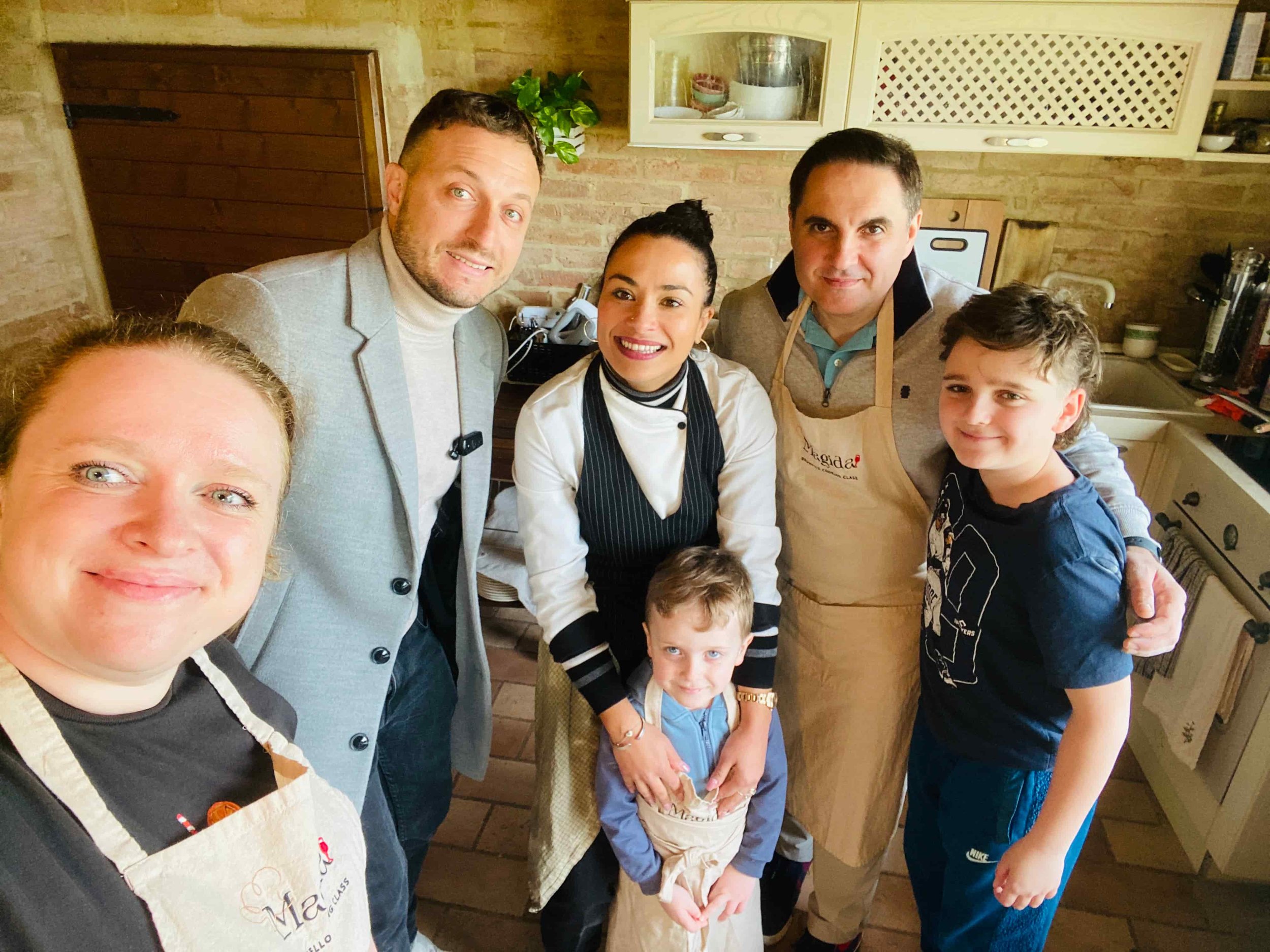
Photo©: Anna Fishman / Olegana Travel Boutique
The cooking class was our favorite part.
Not the favorite part of that day. The favorite part of the trip.
Here is what makes that remarkable. When a client comes to me wanting Italy, the cooking class is almost never the thing they ask for. They ask for the Colosseum. They ask for Florence in the last hour of light. They ask for the Amalfi drive with someone else at the wheel. The cooking class is usually something I add, quietly, into a soft afternoon between the bigger moments, because I know what it does to a trip.
And then they come home, and that is the thing they want to tell me about first.
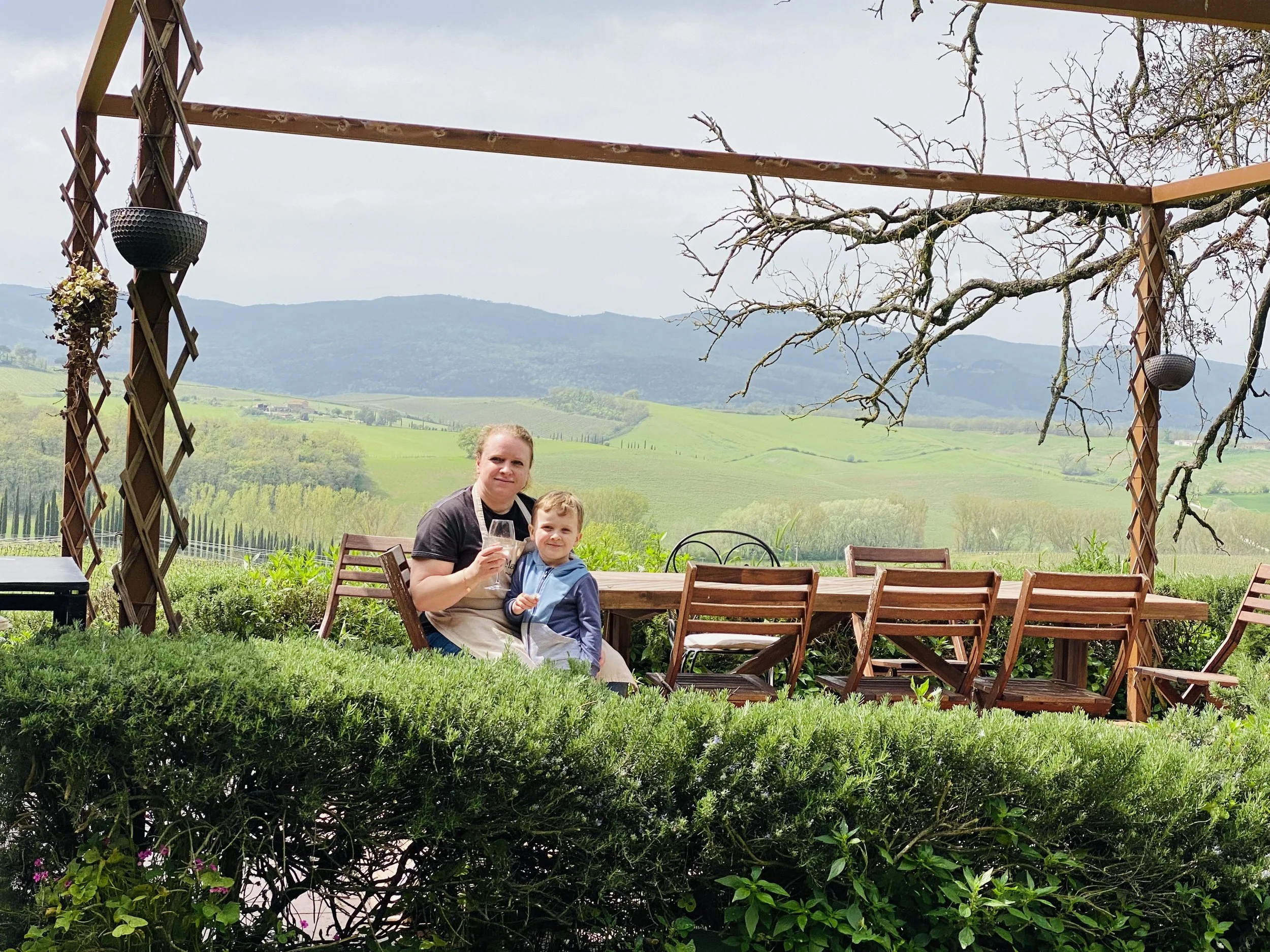
Photo©: Olegana Travel Boutique
I have a theory about why. A cooking class in Italy, when it is the right one, is the single moment on a trip when you are genuinely and unhurriedly invited into someone else’s actual life. You are not at a restaurant being served. You are not at a monument being informed. You are standing in a kitchen with a woman who has made this same dough since she was seven, or a chocolate maker whose family has worked with the same stone method for generations, and she is teaching you something she loves. That is a different kind of access, and people feel the difference immediately.
This is also why the cooking day is built into every one of my women’s small group trips, and why I keep a short list of the classes I trust in each region rather than booking whatever is available. The right class turns a good week in Italy into a week people describe for years. The wrong one is a tourist demonstration with an apron.
Where the great cooking classes actually are, region by region
Italy does not cook as one country. It cooks as twenty regions that happen to share a passport, and the class you take should reflect where you are standing. These are the regions where I place clients most often, and what the kitchen actually gives you in each one.
Tuscany and the Val d’Orcia
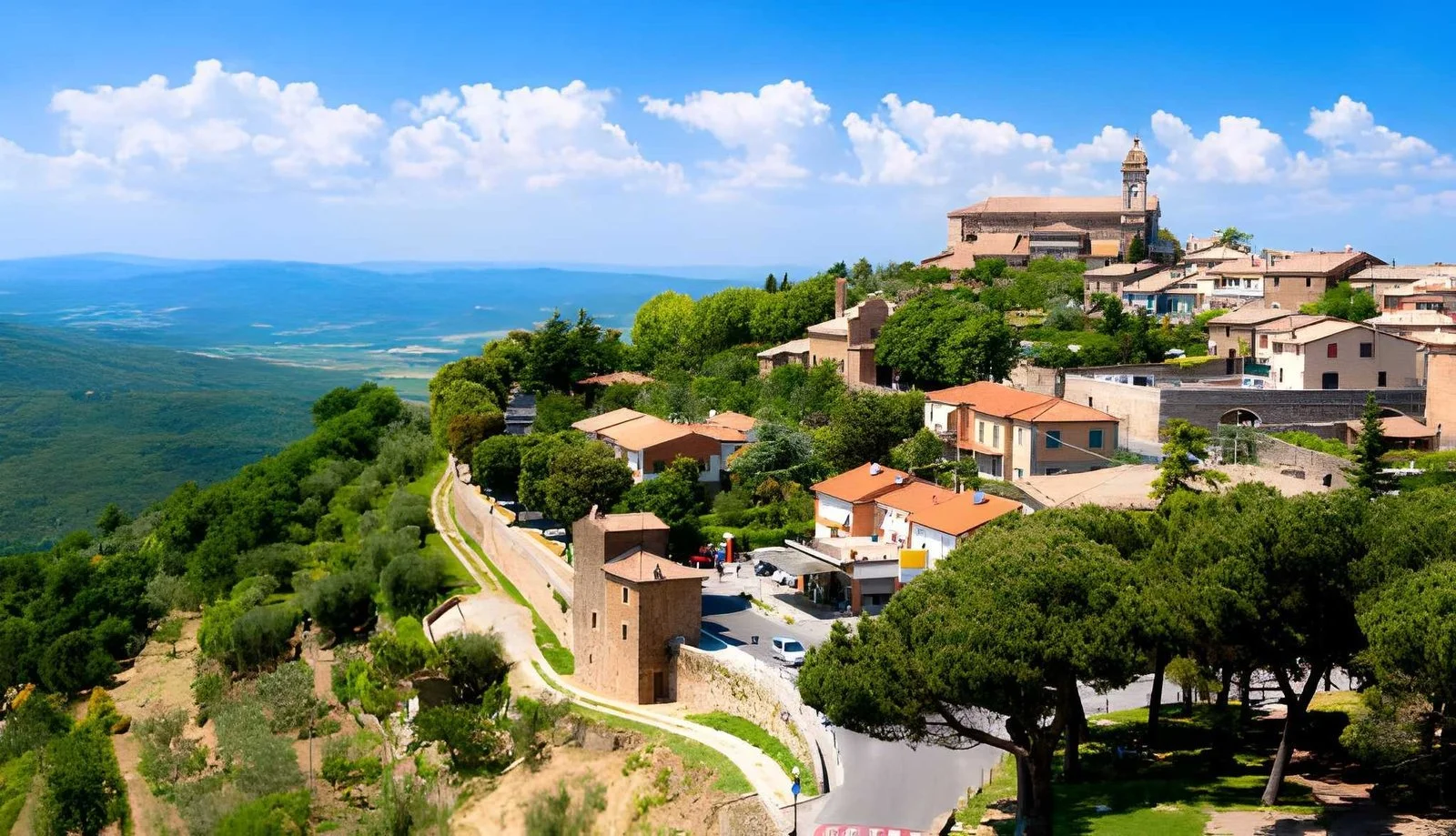
Photo©: istock/swetta
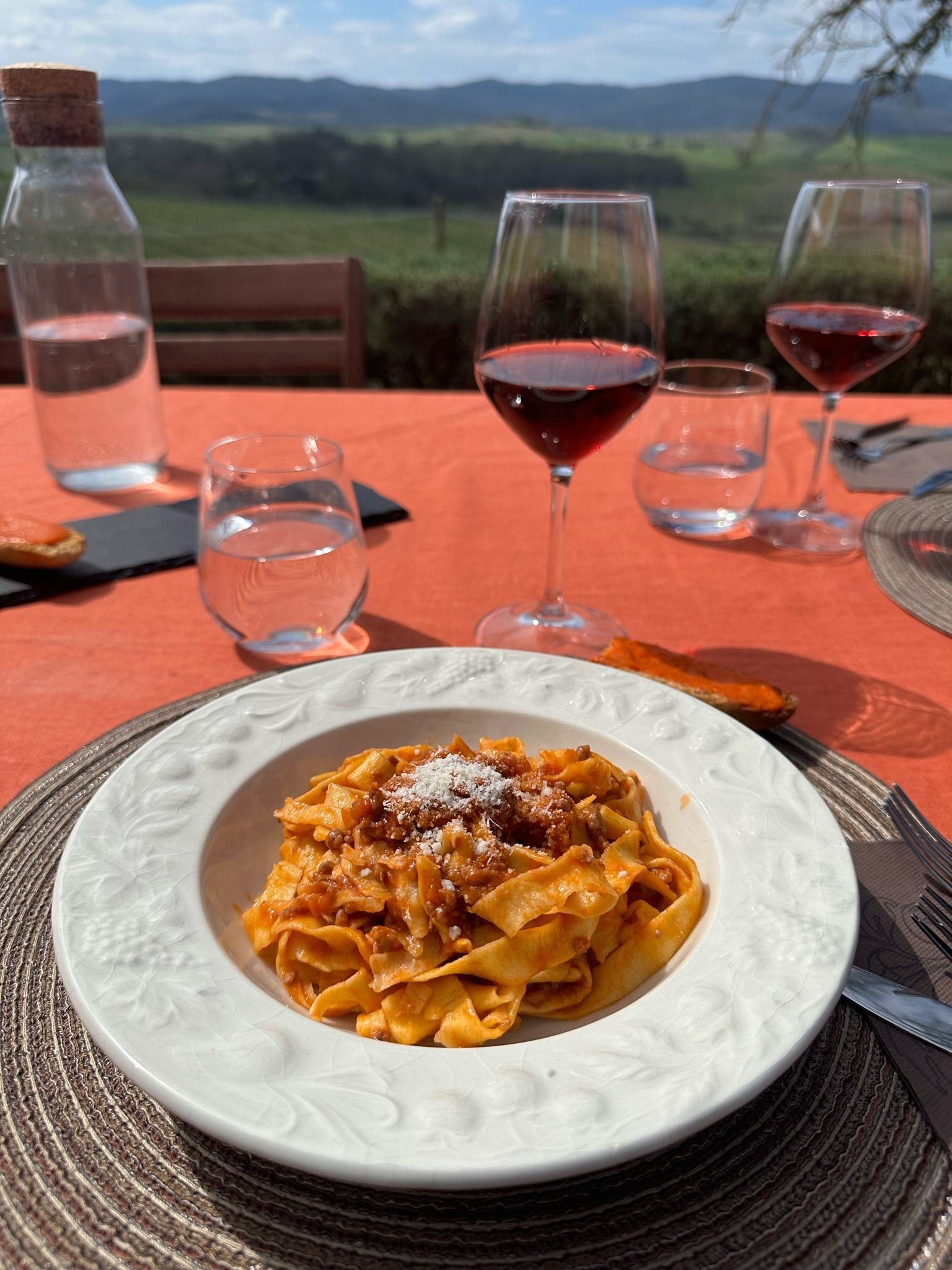
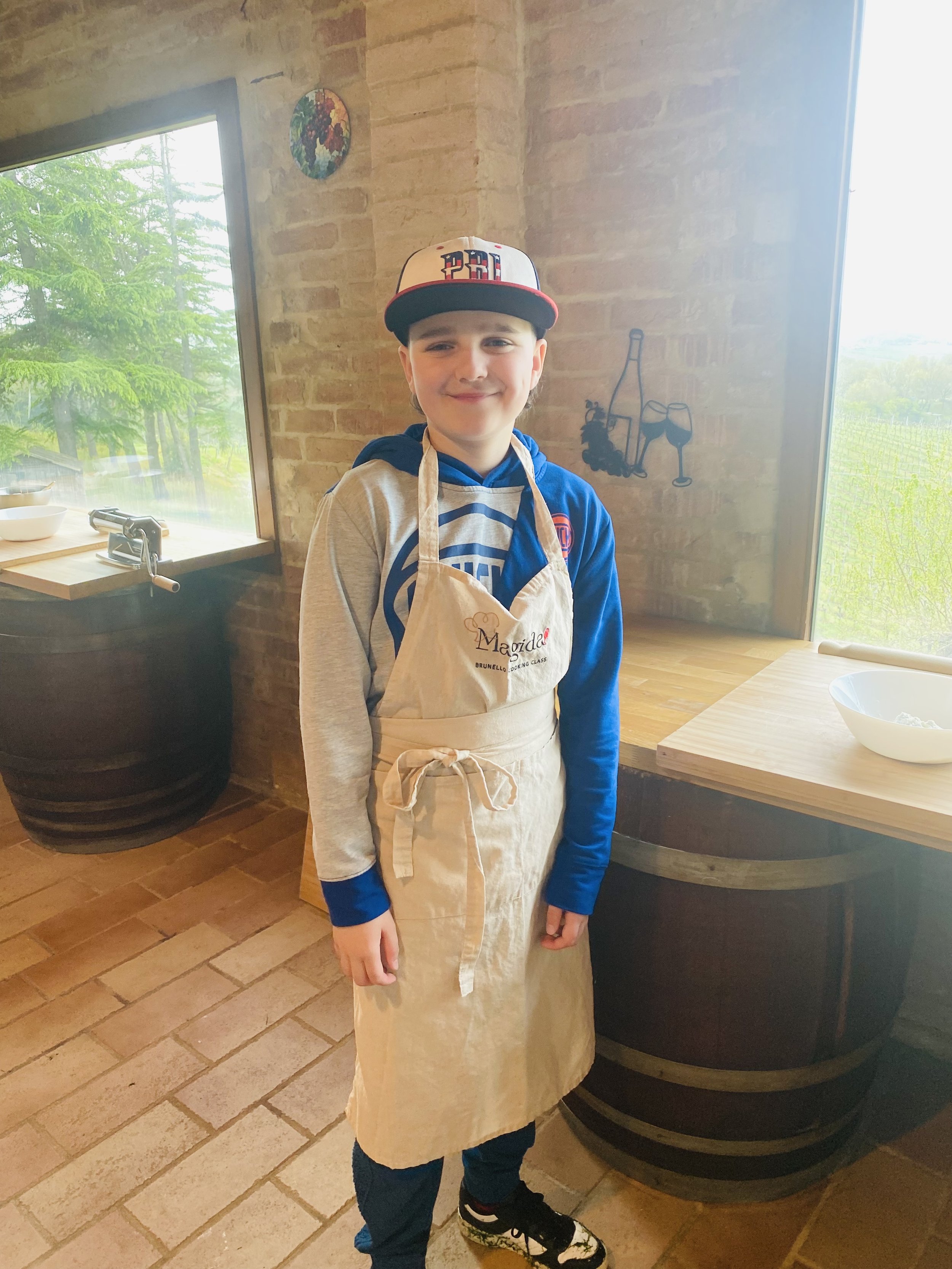
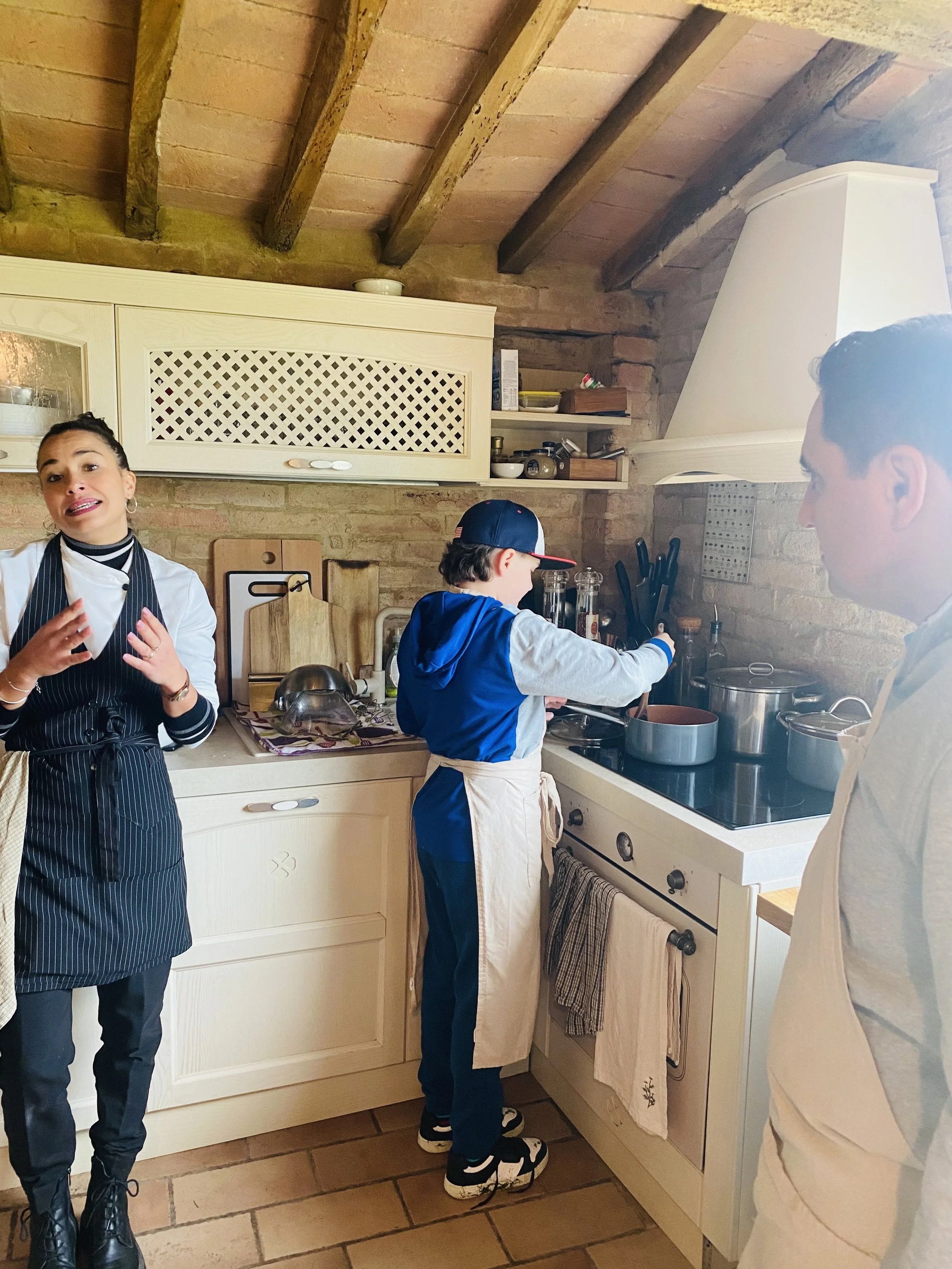
Everyone thinks they know Tuscan cooking, and then they spend an afternoon in a farmhouse kitchen outside Montalcino learning that pici is rolled by hand without a machine, one strand at a time, and that the tomato sauce takes four ingredients and three hours. The teacher I use there is named Alexandra, and I request her by name every time, because the class is really the teacher. The Brunello estates are ten minutes away, so the wine on the counter while you work is the wine growing on the hill you can see from the window. For families, this region is unmatched, because the pasta board is the one activity where a nine year old and a grandmother are equally useless at the start and equally proud at the end.
“This may have been our favorite.”
Capri and the Amalfi Coast
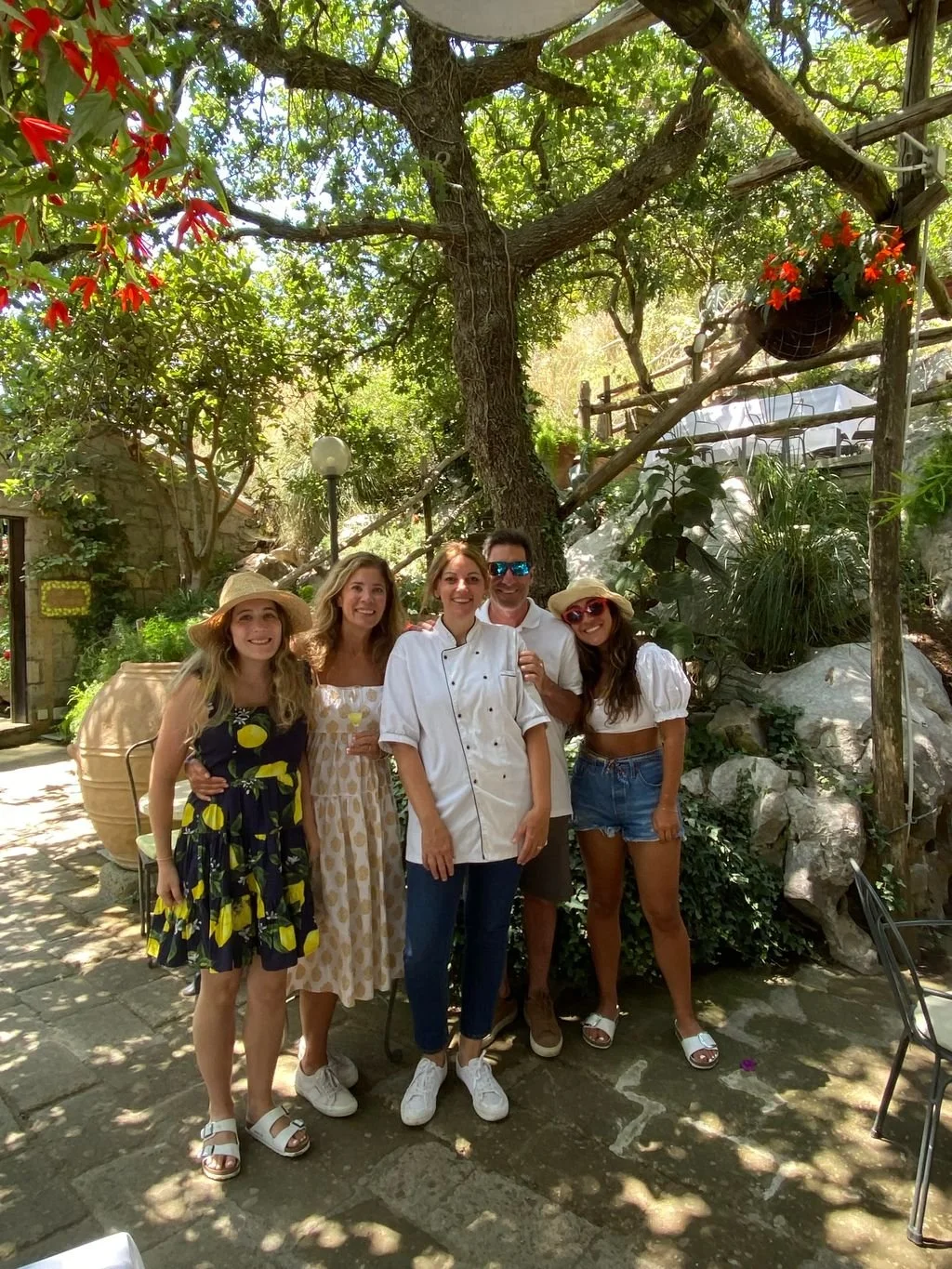
Photo©: Olegana Travel Boutique
The Amalfi kitchens I use are built around the lemon groves, and the lemons here are the size of a grapefruit with a pith sweet enough to eat plain. A morning class becomes a walk through terraced groves that have been farmed by the same family since before the road was cut into the cliff, and then a table under the trees. My clients almost always tell me afterward that they wish I had given them the whole day rather than the morning. I now build it that way by default.
“A definite highlight of the trip.”
Sicily, and the chocolate of Modica
Photo©: Olegana Travel Boutique
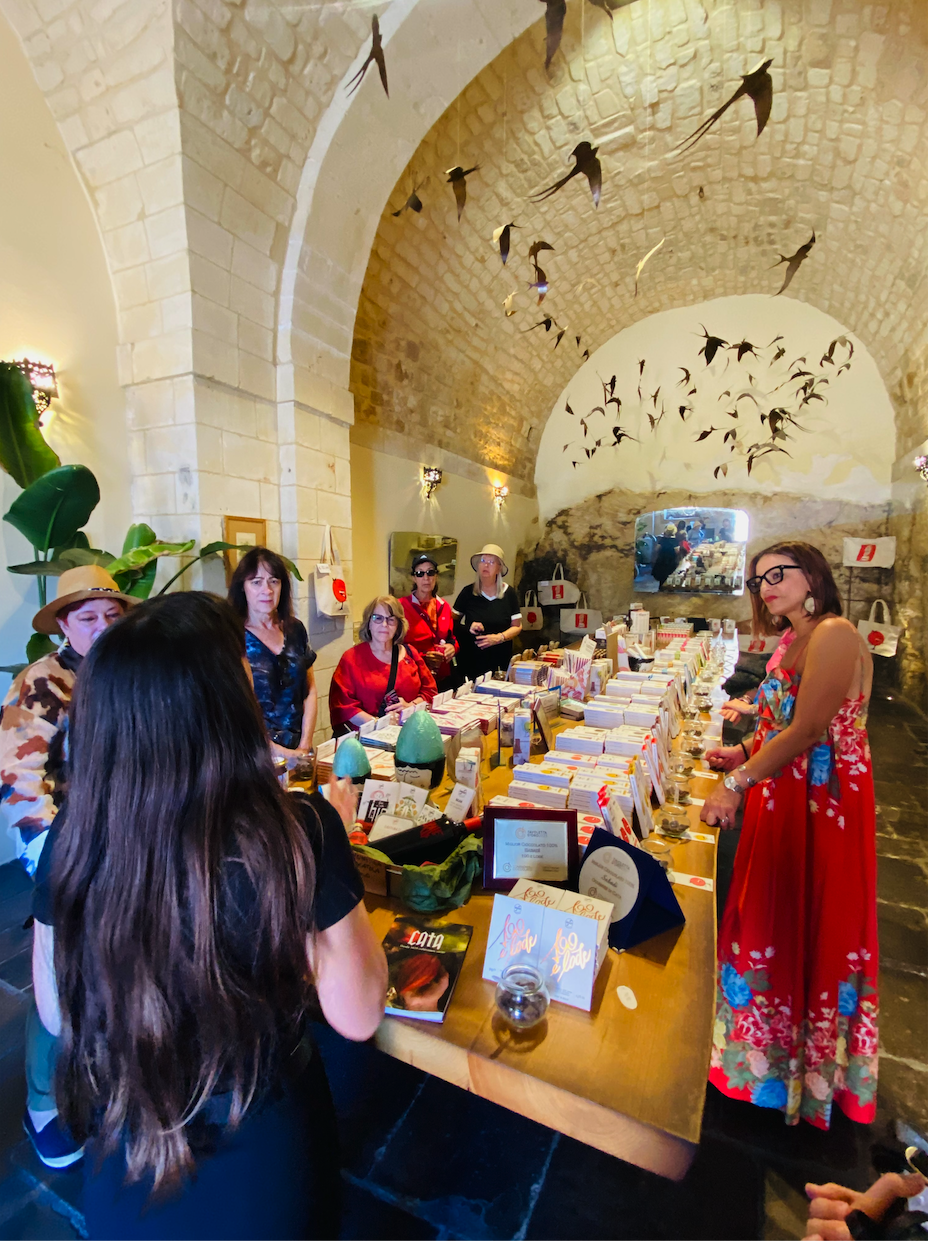
Modica is the class that surprises people the most. The technique came to Sicily with the Spanish and traces back to the Aztecs, and it is cold worked, so the sugar never melts and the finished bar has a grain you can feel on your tongue. The maker I send clients to is a genuine scholar of the method, funny about it, generous with it, and completely uninterested in performing. One family I sent to Sicily came home talking about that hour more than they talked about Etna.
“A world of knowledge and fun.”
Piemonte and the Langhe
Photo©: istock/lenta
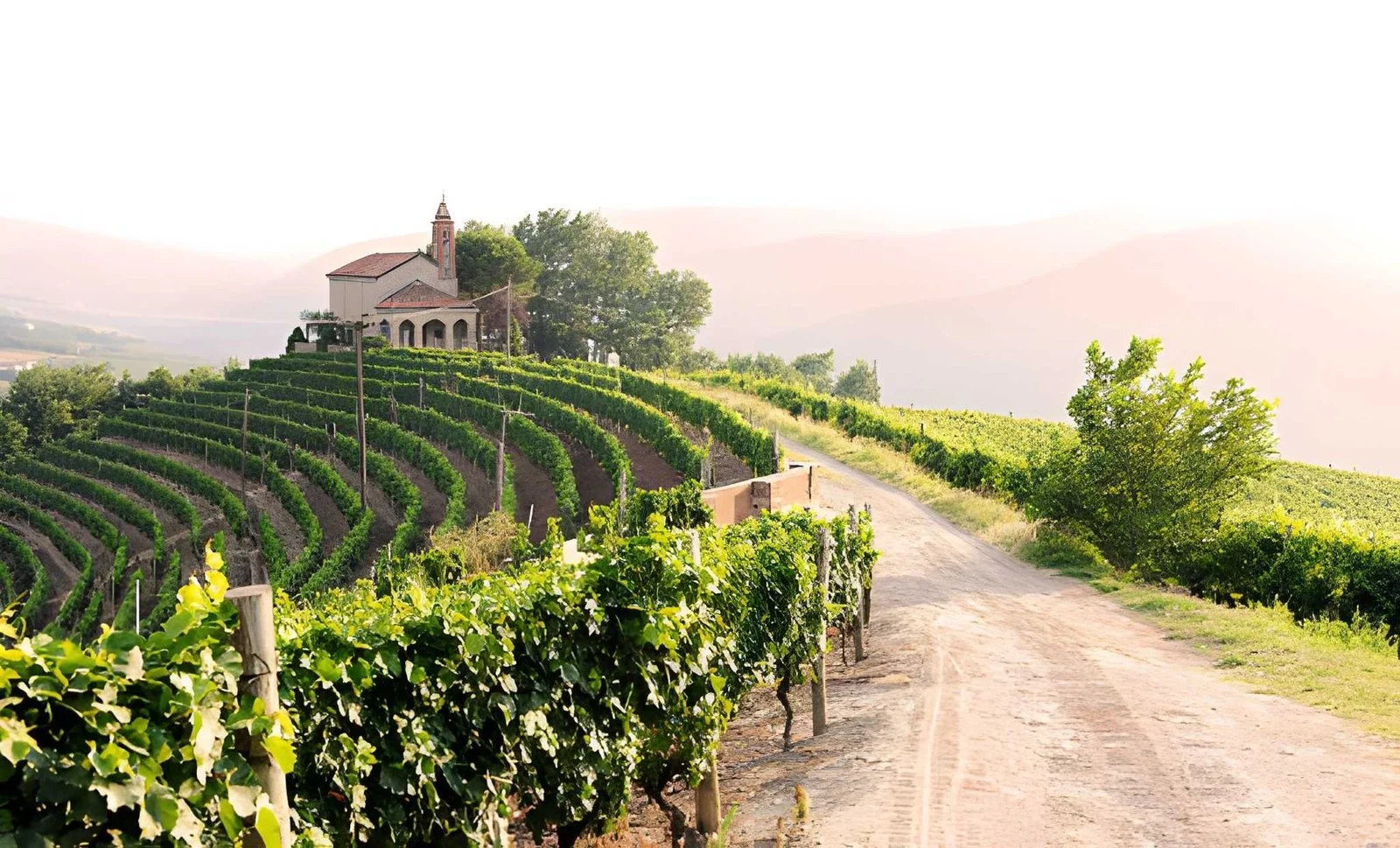
Agnolotti del plin are pinched closed with a thumb and forefinger, forty to a row, and there is no way to fake competence at it. That is exactly why it works. In autumn the class comes with white truffle shaved over the finished plate and Nebbiolo poured from a bottle the family did not have to buy. Piemonte is where I send couples who have already done Tuscany and want to know what is behind the next hill.
“Very special place that I would recommend to anyone.”
Puglia, and why the group trips always cook
Photo©: Olegana Travel Boutique
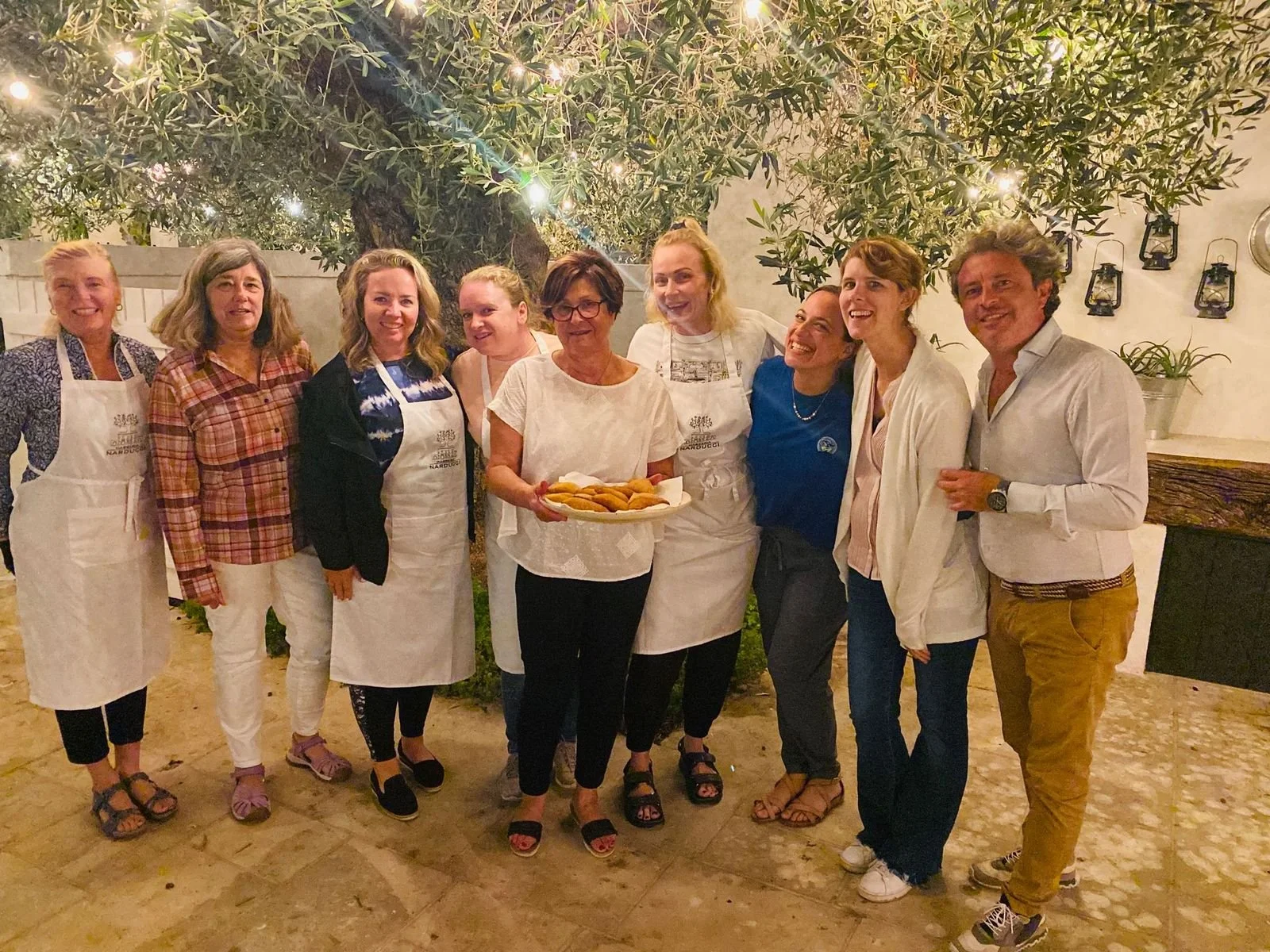
In Puglia the pasta is orecchiette, pressed with a table knife and turned over a thumb, and it is made by women who have been doing it in the same doorway on the same street their whole lives. This is the reason every food focused departure I run through the south of Italy has a hands-on kitchen day written into the itinerary rather than offered as an optional add on. When you put twelve women around a floured table with a glass of primitivo, something happens to the group that no dinner reservation can produce. The Foodie Adventure through Southern Italy is built on exactly that idea.
“The food is very unique to that region.””
“The trip was so well organized, our guide Melina was beyond excellent.”
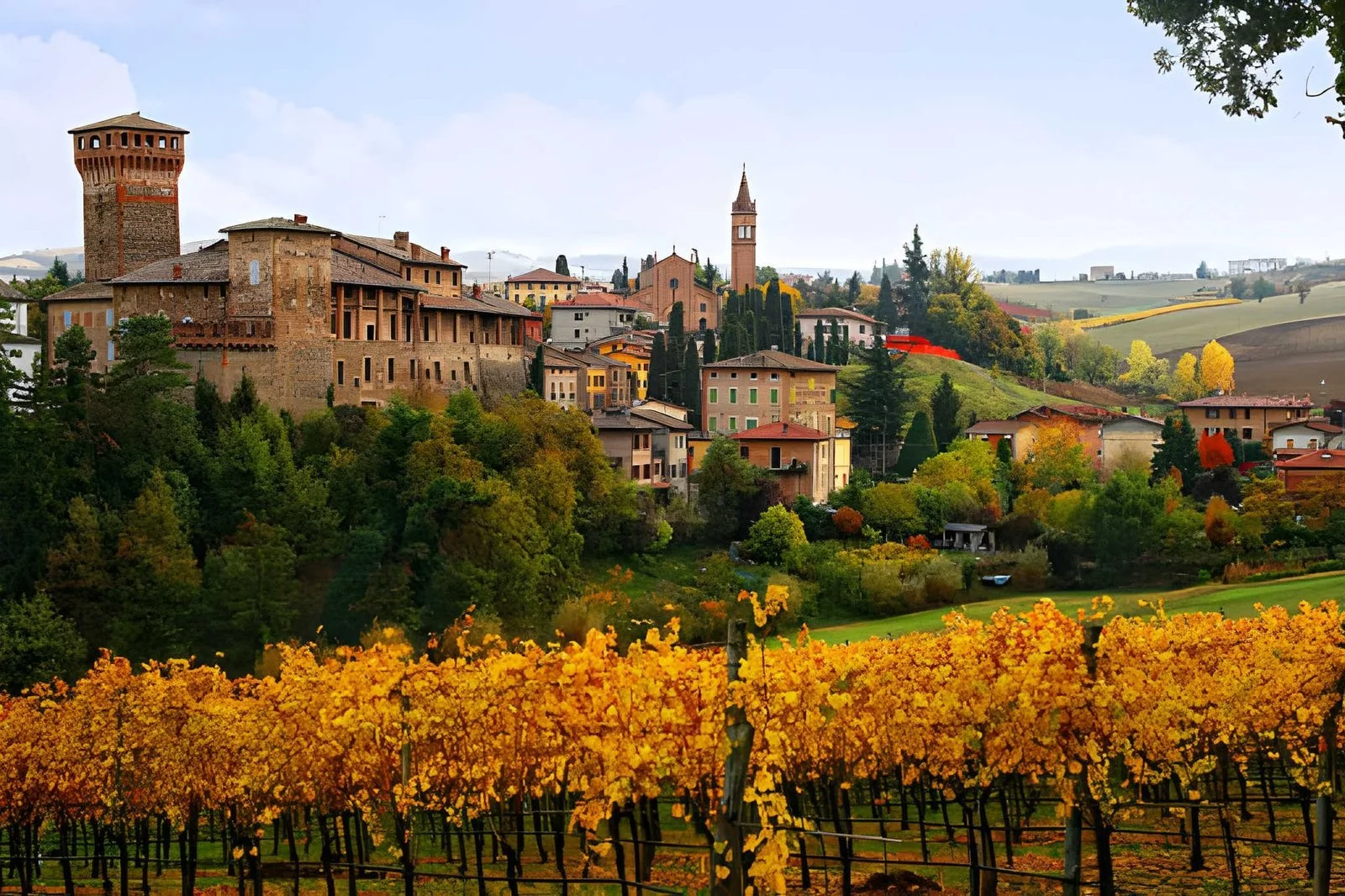
Emilia Romagna, for the ones who want to go deeper
Photo©: istock/StefanoVenturi
Some travelers do not want an afternoon. They want the whole thing. Emilia Romagna is where
Italy keeps its parmigiano, its prosciutto, its balsamico and its tortellini, and it is where Chef Melina welcomes small groups for a week long Italian cooking retreat built on foraging, seasonal produce, visits to the cheesemakers and artisans she has known for years, and dinners in places that appear in no guidebook. She works entirely in the slow food tradition, and she teaches the way an Italian mother teaches, which is to say by handing you the bowl. Her own line for it is that she wants guests to learn to live like an Italian, love like an Italian, and be Italian. I have sent clients to her precisely because a week in her kitchen is a different proposition from a class inside a larger trip.
The cooking experiences worth building a whole trip around
Photo©: Olegana Travel Boutique
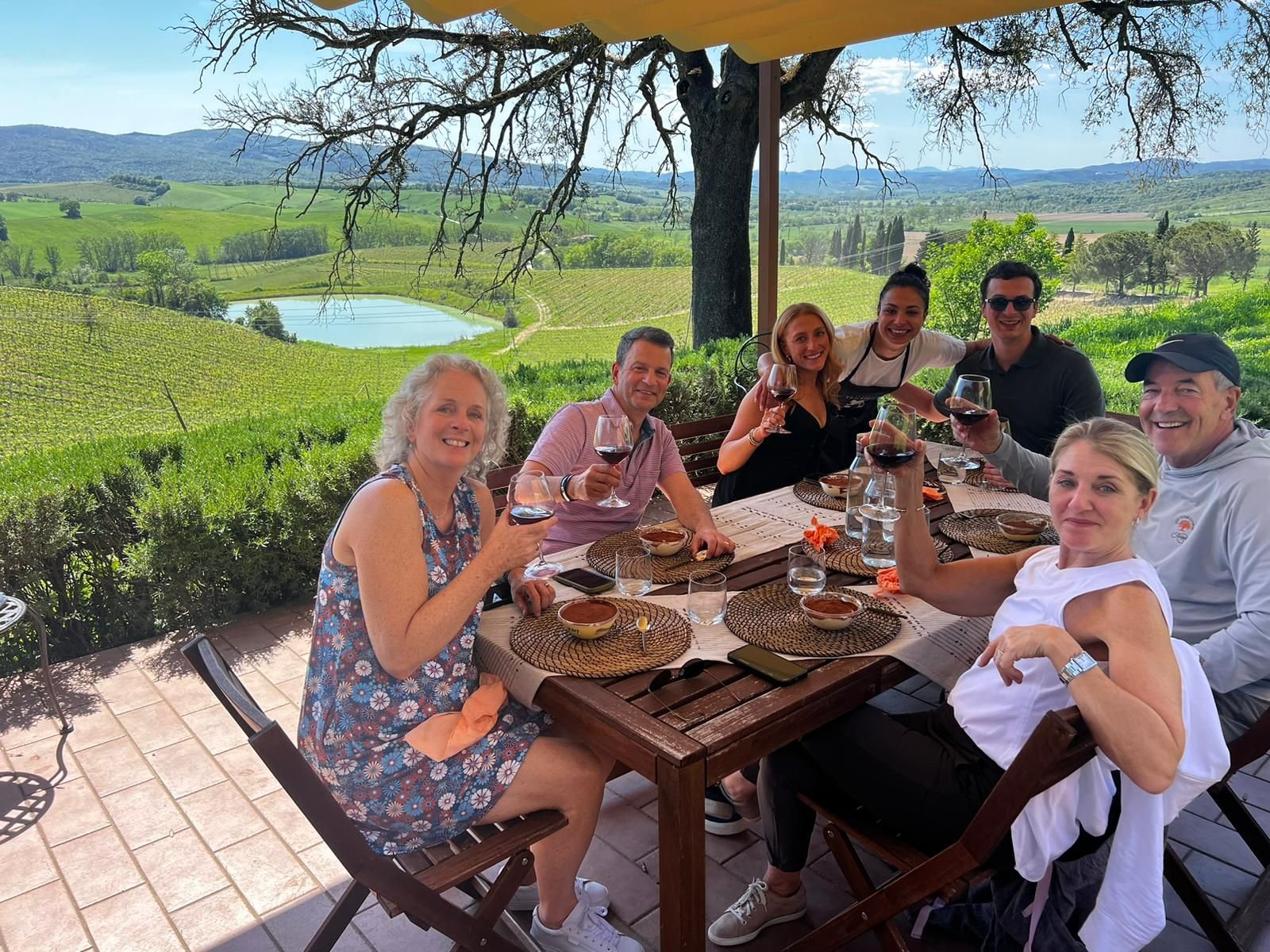
These are not bookable on a search engine. Each one exists because of a relationship, and in most cases because I have stood in that kitchen myself or sent enough clients through it to know exactly who should go.
Photo©: Olegana Travel Boutique
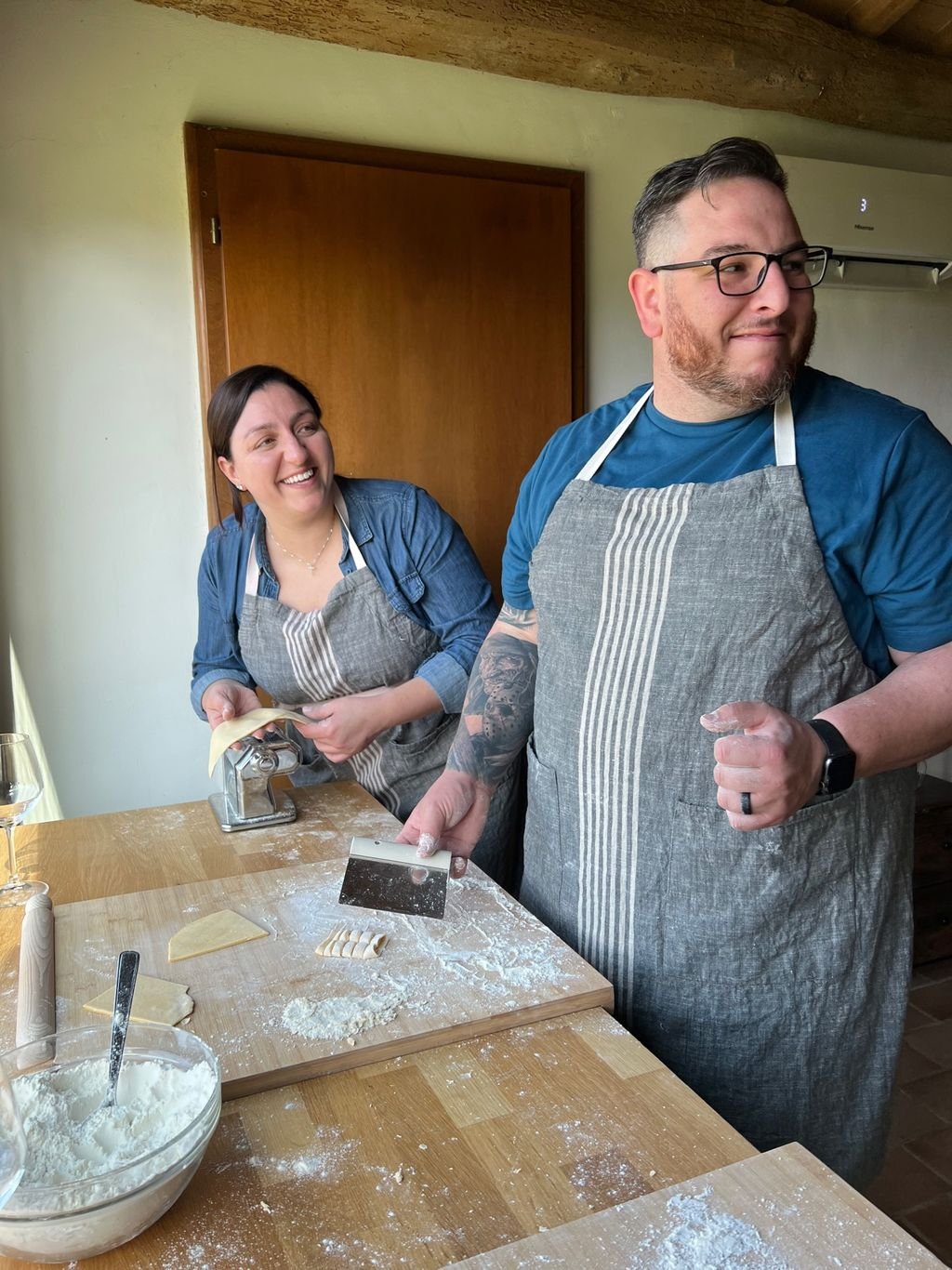
A private pasta afternoon in a Val d’Orcia farmhouse, with the family’s own Brunello open on the counter and no other guests in the room.
A lemon grove morning above the Amalfi Coast, harvesting with the family who farms the terraces, then cooking and eating under the trees rather than moving indoors.
A cold worked chocolate session in Modica with a maker who will explain the Aztec lineage of the technique and then let your teenager run the stone.
An agnolotti del plin table in the Langhe during truffle season, with the shaving done at your plate and the wine poured by the person who grew it.
Photo©: Olegana Travel Boutique
An orecchiette morning in a Puglian street kitchen, hands only, with the neighbourhood women correcting your thumb technique without mercy.
A foraging walk in Emilia Romagna that ends with everything you gathered on the table, which is the format of the week long retreat rather than a single class.
A market to table day in Sicily or Rome, where you choose the fish at six in the morning with the chef and understand by lunch why the menu changed.
That is the whole ambition. Not to watch Italy eat, but to eat the way it does, in the region where the dish belongs.
Planning Italy for next year?
Tell me who is travelling and how you like to spend a day, and I will build the kitchen into the week where it belongs, with the right teacher for your group rather than the one with availability.
Start here: custom Italy itinerary planning, or book a free consultation here.
One of my clients put the whole idea better than I ever could:
“You will see and eat and travel as the Italians do in their own regions.”
DJ A., Amalfi Coast and Puglia
When to go for the best cooking in Italy
The kitchen changes completely with the calendar, and this is one of the few areas where timing matters more than the destination.
Photo©: Olegana Travel Boutique
Spring, March through May
Artichokes, fava, wild greens and the first of the herbs. Kitchens are relaxed because the season has not yet turned busy, teachers have time to talk, and the countryside is at its greenest. This is my favourite window for a first trip to Tuscany or Puglia.
Summer, June through August
Tomatoes, aubergine, stone fruit, and the coast at full volume. Classes move outdoors and often start early to stay ahead of the heat. Good for families travelling on a school calendar, provided the day is designed to protect the middle hours.
Photo©: Olegana Travel Boutique
Autumn, September through November
The serious food season. Grape harvest, olive pressing, porcini, and from roughly October the white truffle in Piemonte. If your traveller is a genuine food person, this is the window I push for, and it is the reason so many of my food focused departures fall in the autumn.
Winter, December through February
Quiet, indoor, and underrated. Braises, ragu, citrus in Sicily, and the kind of long kitchen afternoon that only makes sense when it is cold outside. Fewer travellers means the teacher is entirely yours.
A sample week in Tuscany, designed around the kitchen
This is how a trip looks when the cooking day is treated as the anchor rather than an afterthought. It is one of several sample Italy itineraries I shape to the traveller, and the accommodation here is described by character rather than by name because the right property depends entirely on who is going.
Day one.
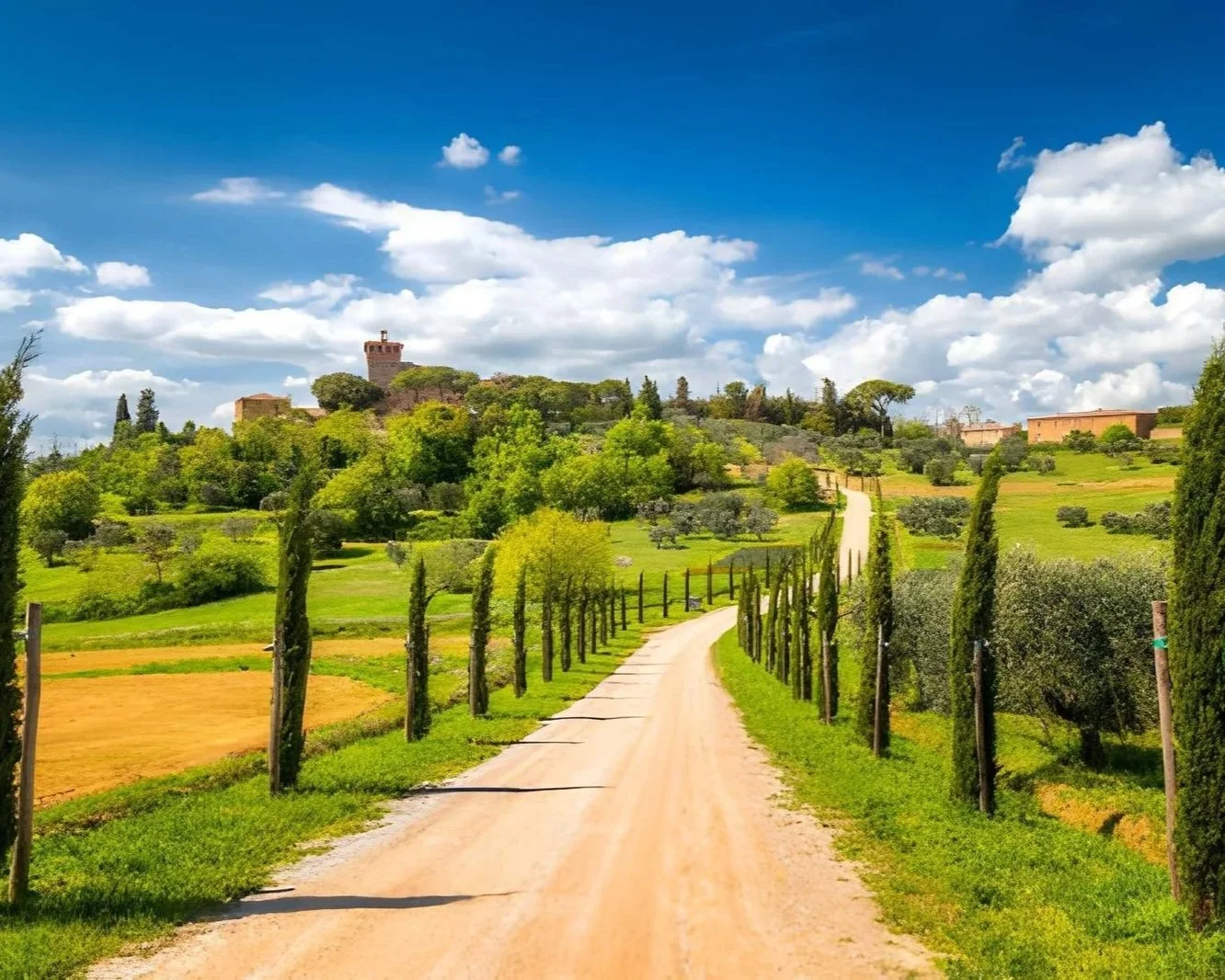
Arrival into Florence, private transfer south into the Val d’Orcia, and a converted farmhouse estate with fourteen rooms and a long table where dinner happens whether or not you booked it. Nothing scheduled. The trip starts by slowing you down.
Photo©: istock/xbrchx
Day two.
Pienza and Montepulciano in the morning with a guide who knows the cheese makers rather than the postcard viewpoints. Afternoon free. Early evening tasting at a small Brunello producer who does not receive walk-ins.
Photo©: istock/ViliamM
Day three.
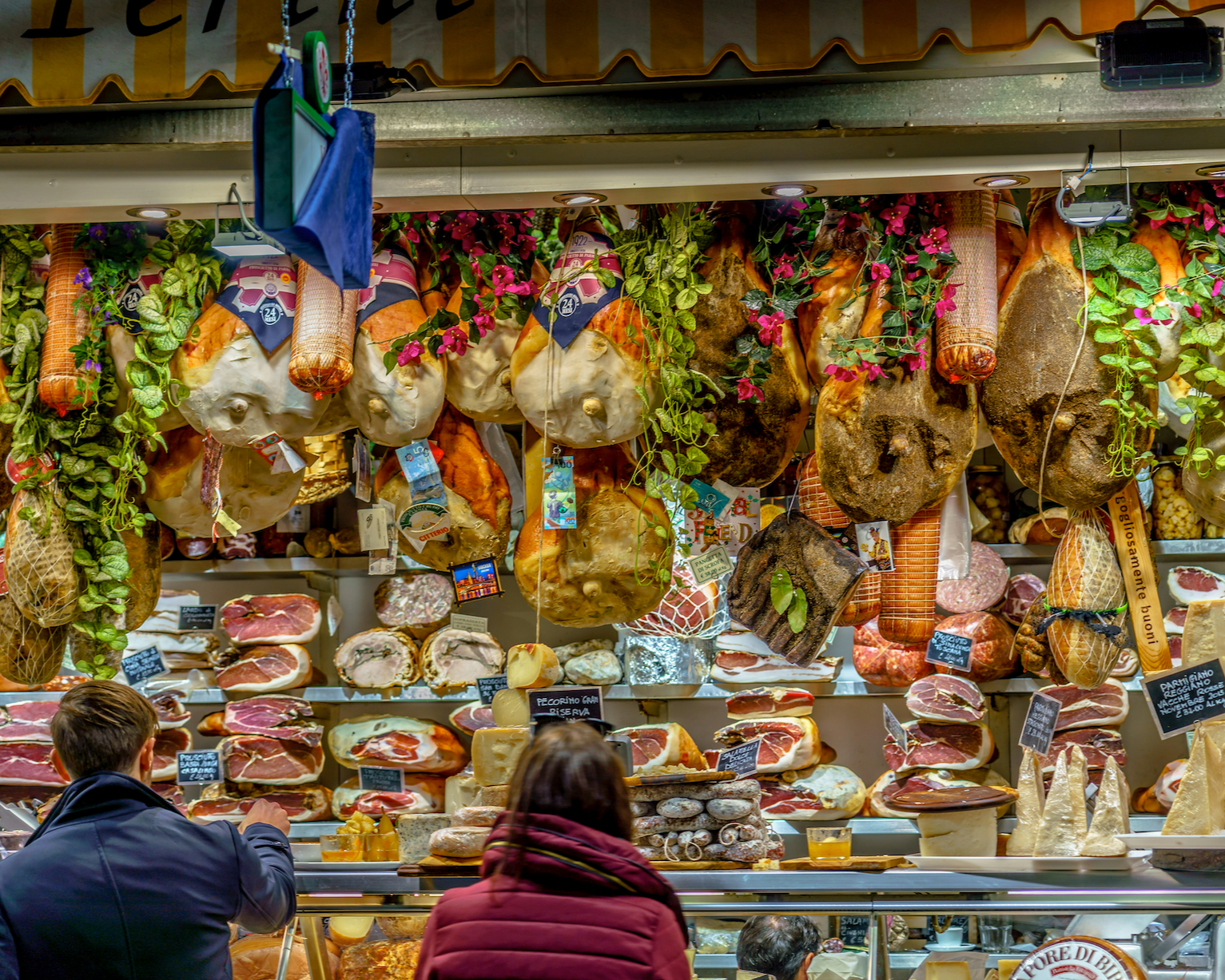
The kitchen day. Market first, then the farmhouse table, pici and sauce and something with the season in it, and a long lunch of what you made. This is the day people describe when they get home, which is why it sits early enough in the week that the group is comfortable and late enough that they have relaxed.
Photo©: unsplash/Richard Hedrick
Day four.
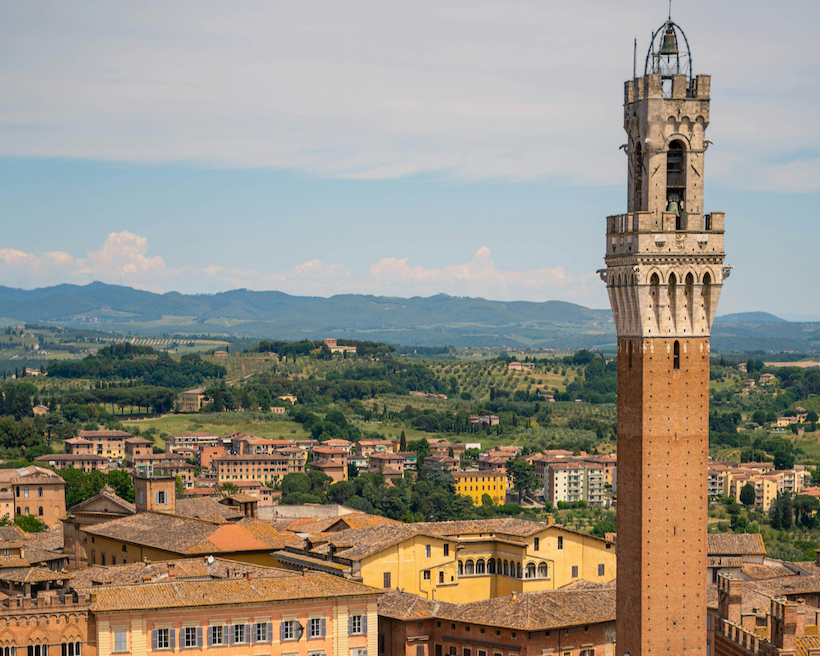
Siena with private access before the crowds arrive, then the afternoon in the pool or in the hammock, depending on the traveller.
Photo©: unsplash/Alessandro Stech
Day five.
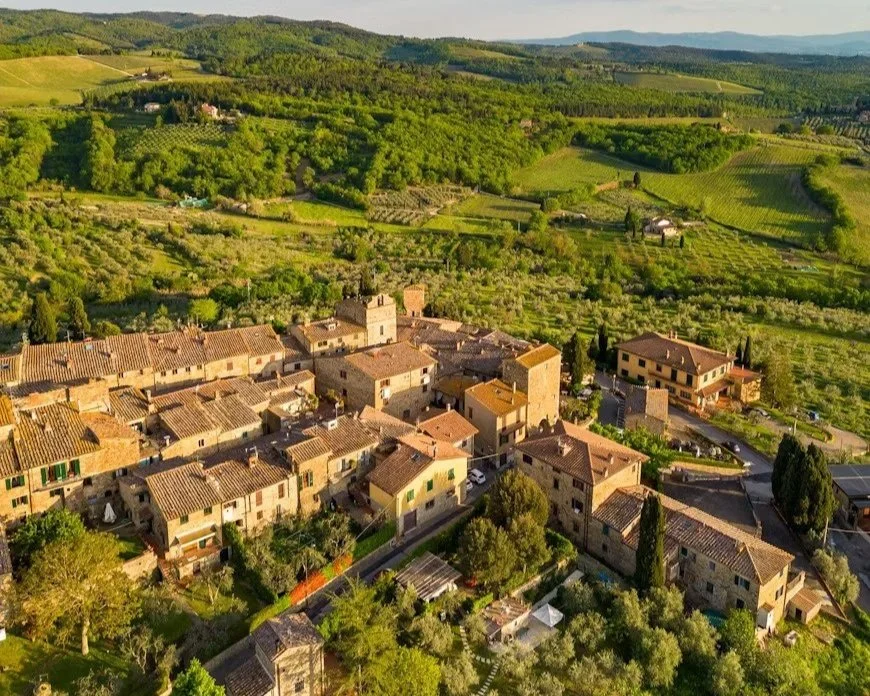
Vineyard to vineyard through the Chianti hills with a driver, lunch at a family estate, and no attempt to see more than two places well.
Photo©: unsplash/getty images
Day six.
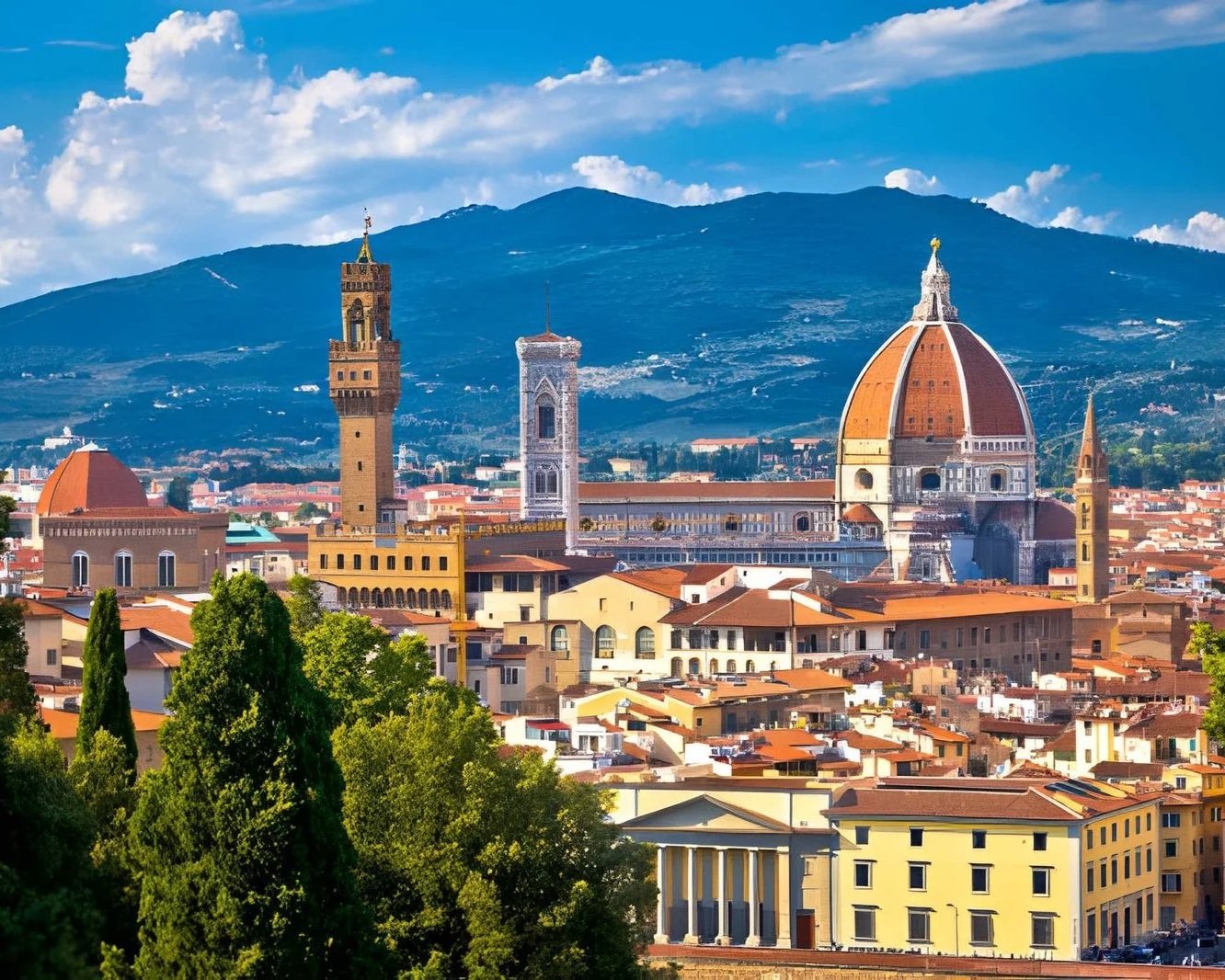
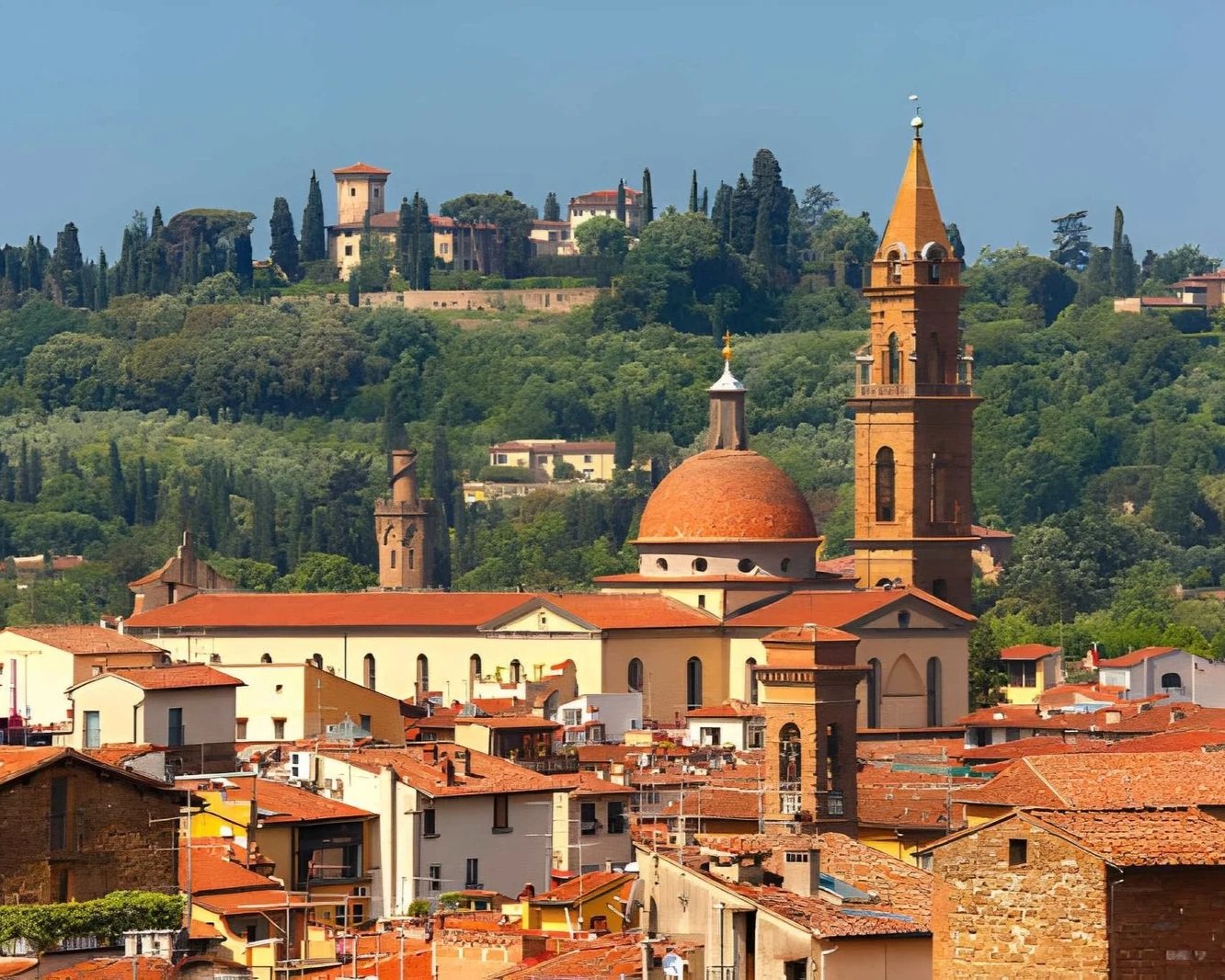
Florence, timed to open the Uffizi ahead of general entry, followed by a late lunch in the Oltrarno and an entirely unstructured afternoon.
Photo©: istock/KavalenkavaVolha
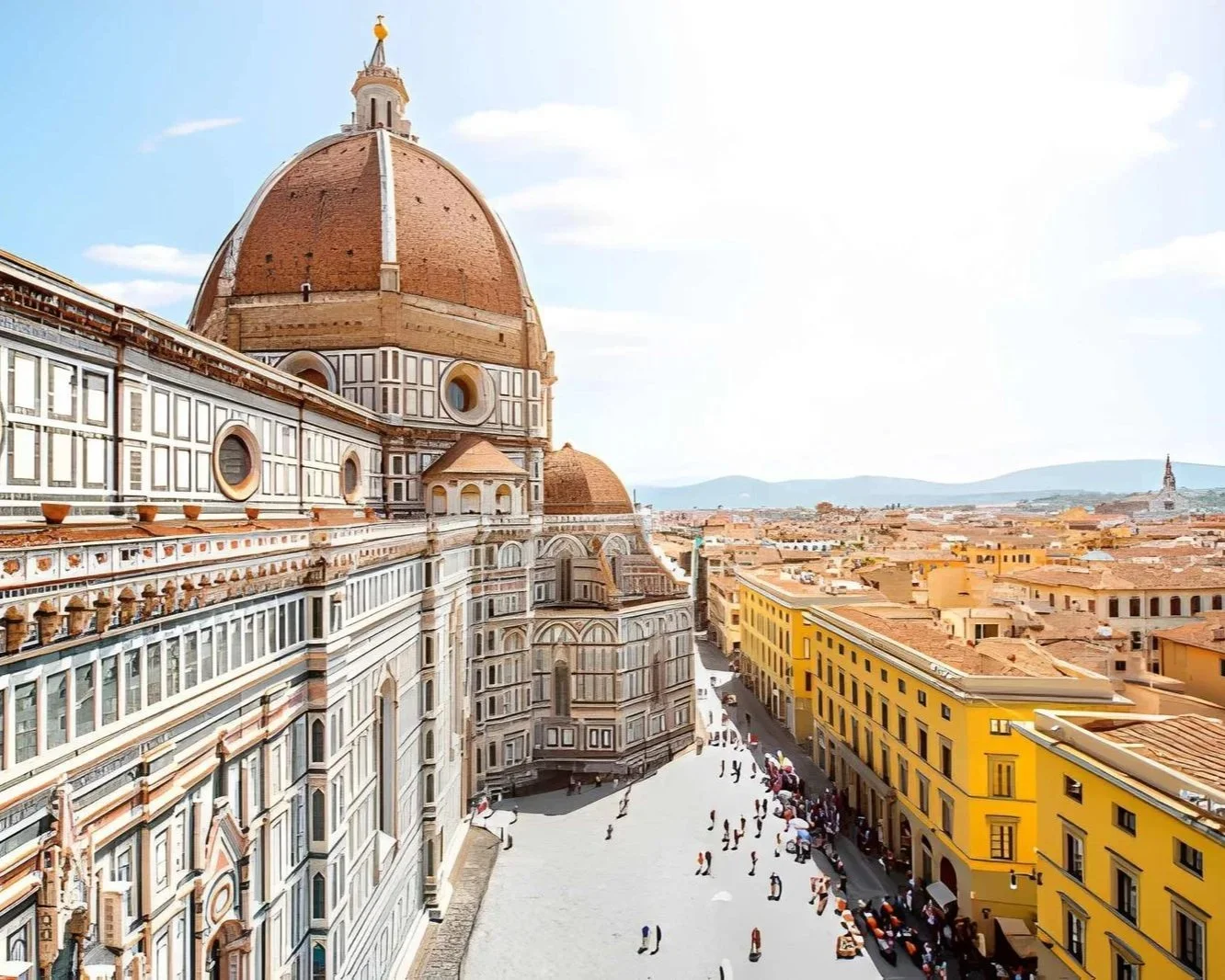
Day seven.
Departure, or the beginning of a second region if you want the trip to keep going.
Photo©: istock/RossHelen
Who this kind of trip is for
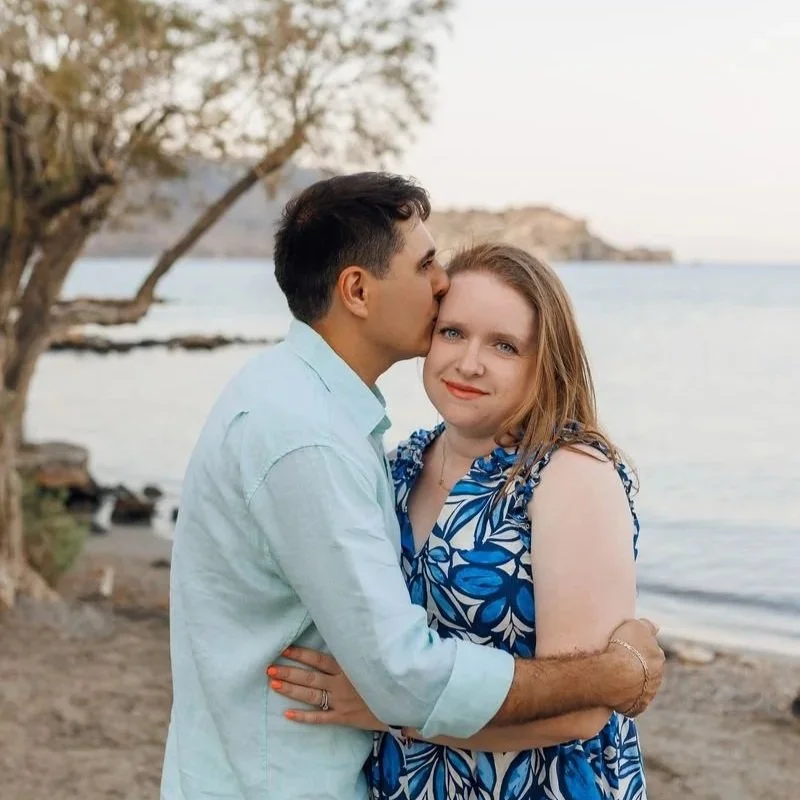
Couples who have already done the highlights.
If you have seen Rome and Venice and you are wondering what the next version of Italy looks like, it looks like this. A kitchen in Piemonte or the Langhe is a more intimate afternoon than any restaurant you could book, and it gives you something to do together that is not looking at a thing.
Photo©: Olegana Travel Boutique
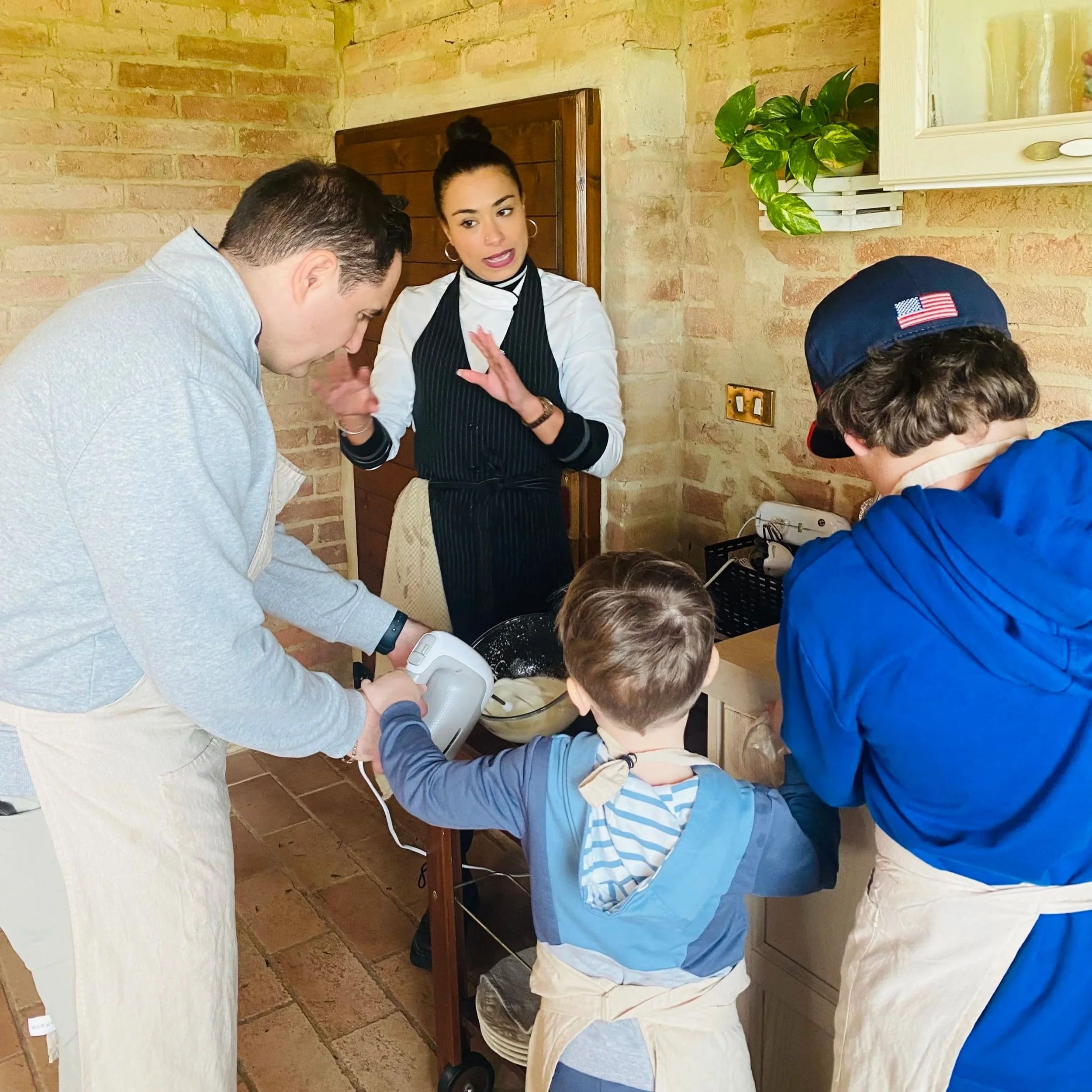
Families with children old enough to be useful.
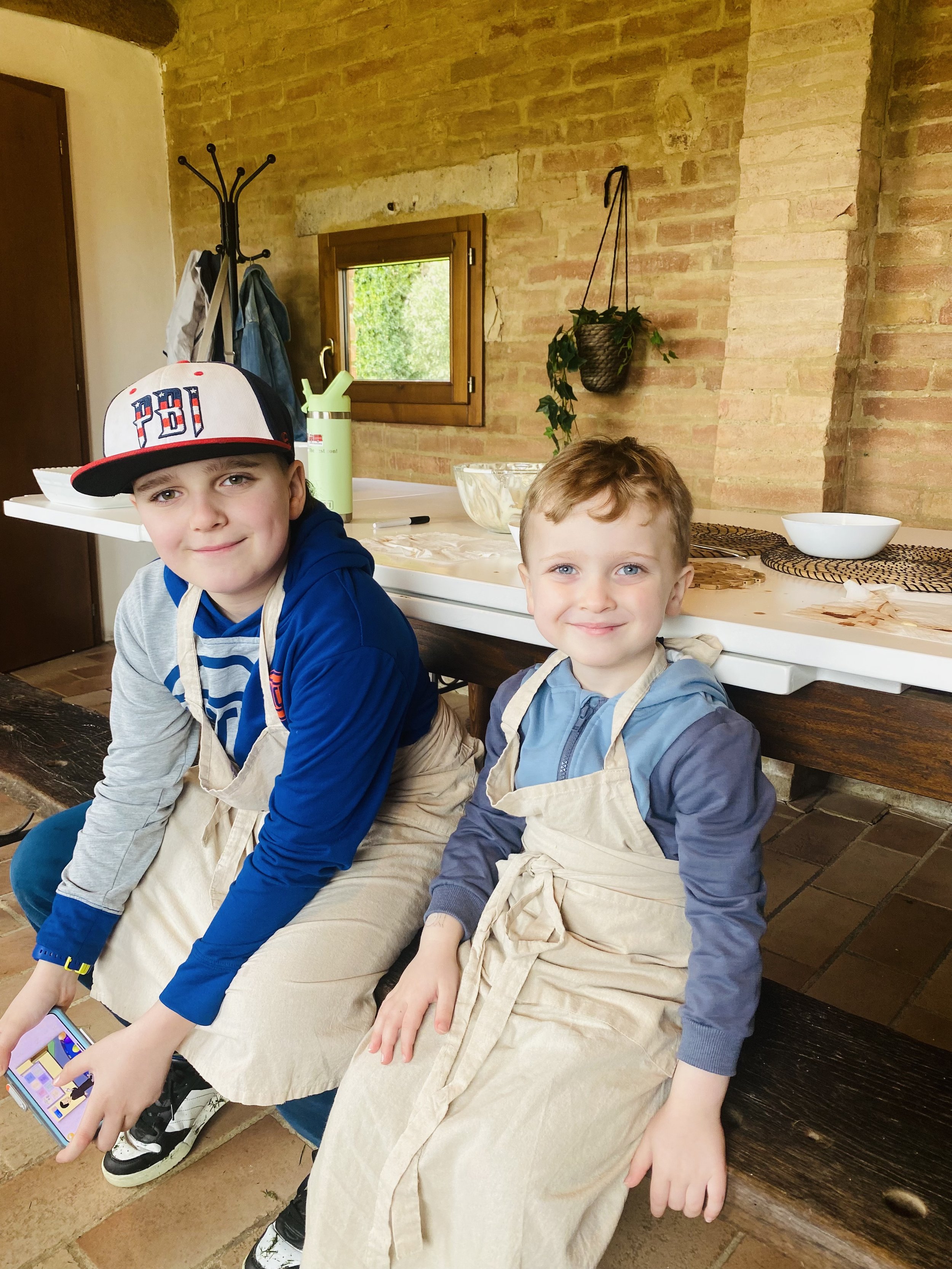
From roughly eight upward, the pasta board is the great equaliser. Teenagers who have been quiet all week talk at that table. Most of my kitchen partners welcome children, though a handful set a minimum age of twelve, and I check that before I place you rather than after.
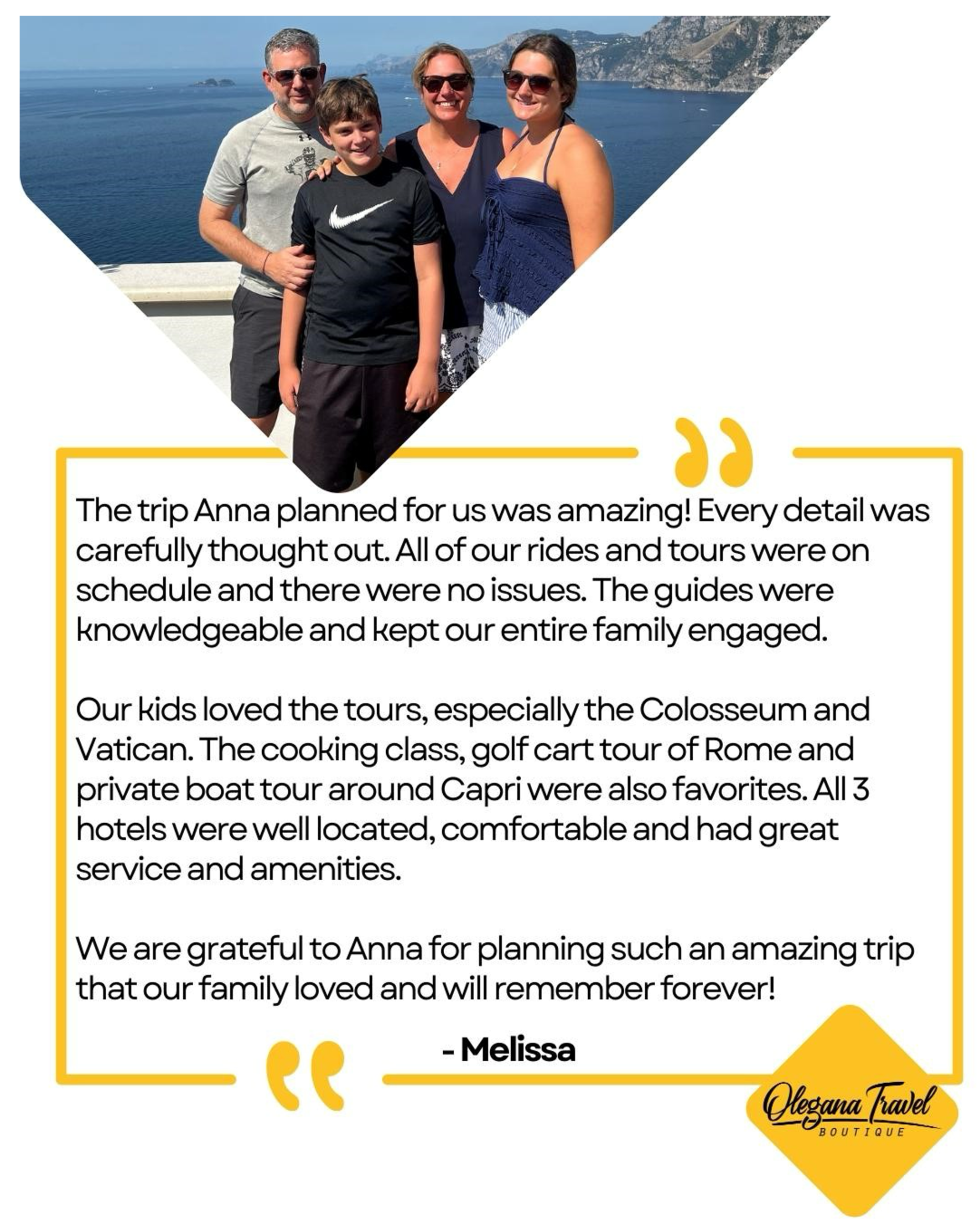
“The cooking class was a big hit with our family!”
- Andrew and Melissa G., Tuscany
Photo©: Olegana Travel Boutique
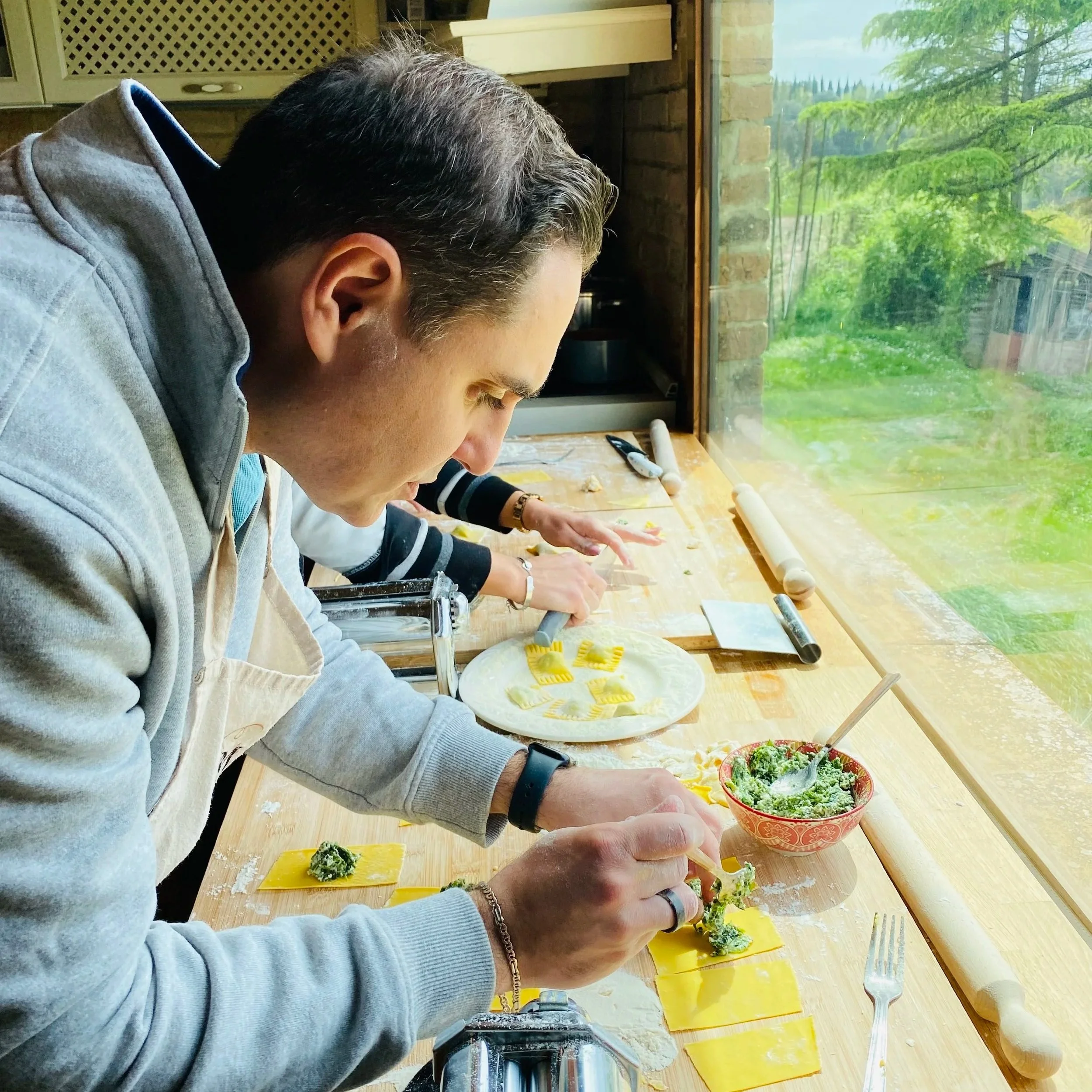
Serious food travellers.
If the meal is the point of the trip rather than the fuel for it, you want autumn, you want Emilia Romagna or Piemonte, and you probably want more than one class in different regions so you can feel the difference.
Photo©: Olegana Travel Boutique
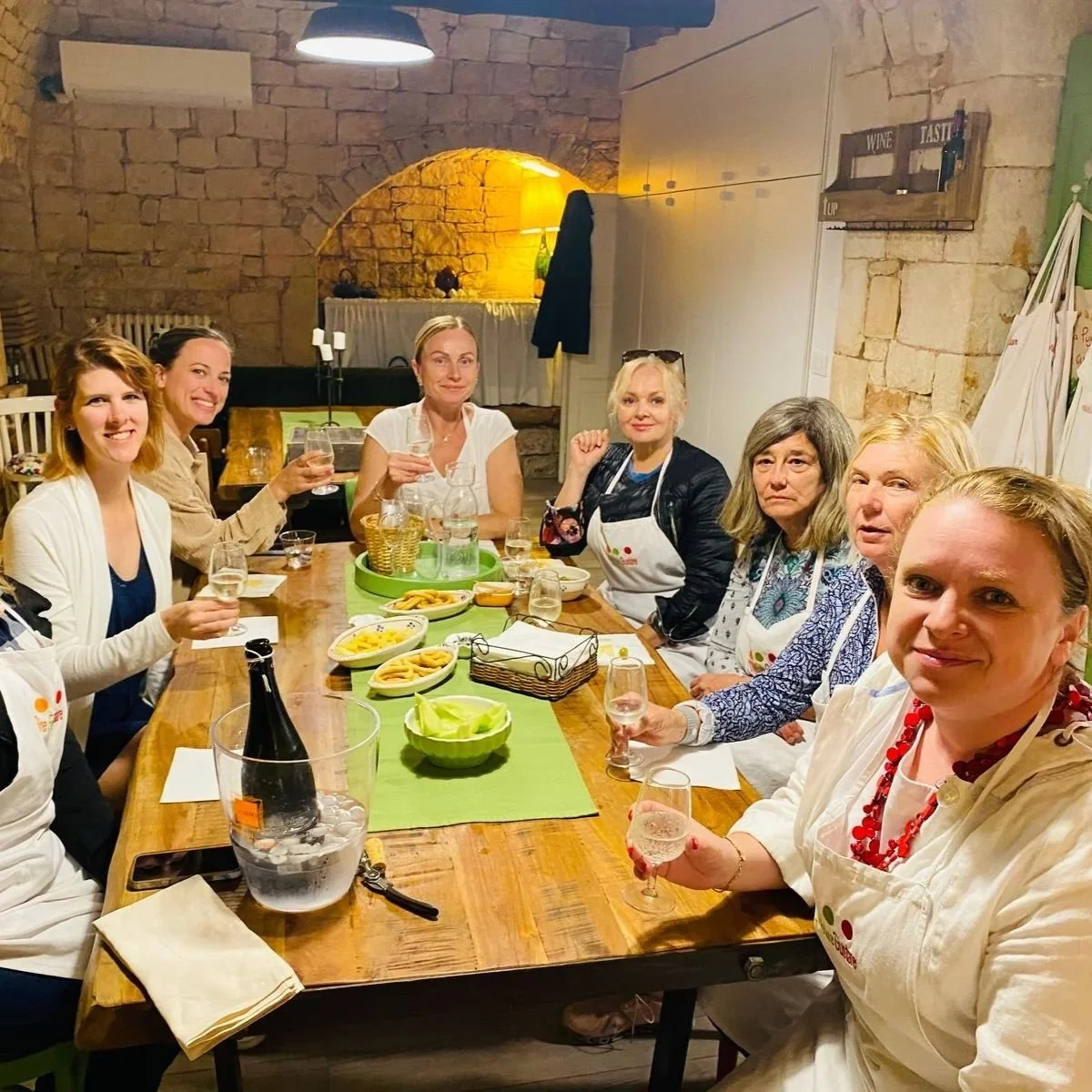
Women travelling without their families.
Strangers become a table remarkably fast when everyone has flour on their hands, which is why the cooking day is a fixture rather than an option. If you’d rather join a group than plan your own week, that is what the women’s trips were built for.
Photo©: Olegana Travel Boutique
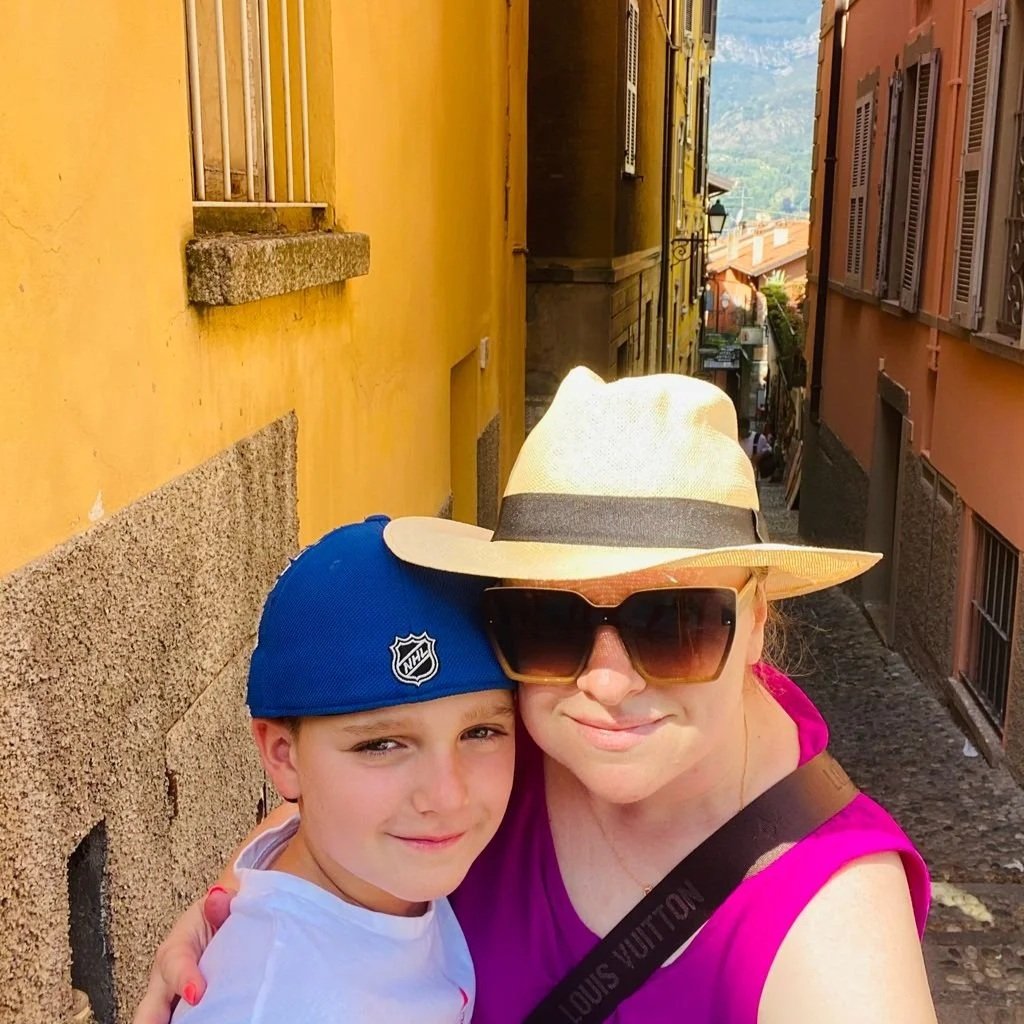
Multi-destination travellers.
One class in the north and one in the south inside a single trip is the fastest education in Italian food anyone can get in two weeks.
Photo©: Olegana Travel Boutique
How the regions connect
Tuscany and Piemonte pair beautifully by train and give you two completely different pasta traditions in one trip. Emilia Romagna sits neatly between Milan and Florence, which makes the Italian cooking retreat week easy to attach to a longer journey rather than treating it as a separate holiday. Puglia and Sicily work best as a pairing for travellers who want the south properly, with a short flight in the middle rather than a long drive. And the Amalfi Coast connects onward to the Italian Riviera for anyone who wants coastline at both ends of the country.
Why the class you find yourself is rarely the class you want
Photo©: Olegana Travel Boutique
This is where most Italy itineraries get it wrong. Search for a cooking class in any Italian city and you will find dozens, and the ones that rank highest are the ones running four sessions a day for thirty people at a time. They are not bad. They are simply a product, and a product is not what you flew here for.
What I am booking instead is a relationship. I know which teacher is generous with children and which one is better with a couple. I know which kitchen has a step you cannot manage with a bad knee, which one runs long, which one includes the market and which one hands you a pre-measured tray. I know who will actually sit down and eat with you at the end, which sounds like a small thing and is not.
“It makes a difference when your travel agent has seen the places and experienced the tours first-hand.”
I also know when the answer is no. If a client wants a class in a region where I do not have someone I trust, I will move the day rather than book a stranger. That is the entire difference between planning and booking, and it is the reason Olegana Travel Boutique exists.
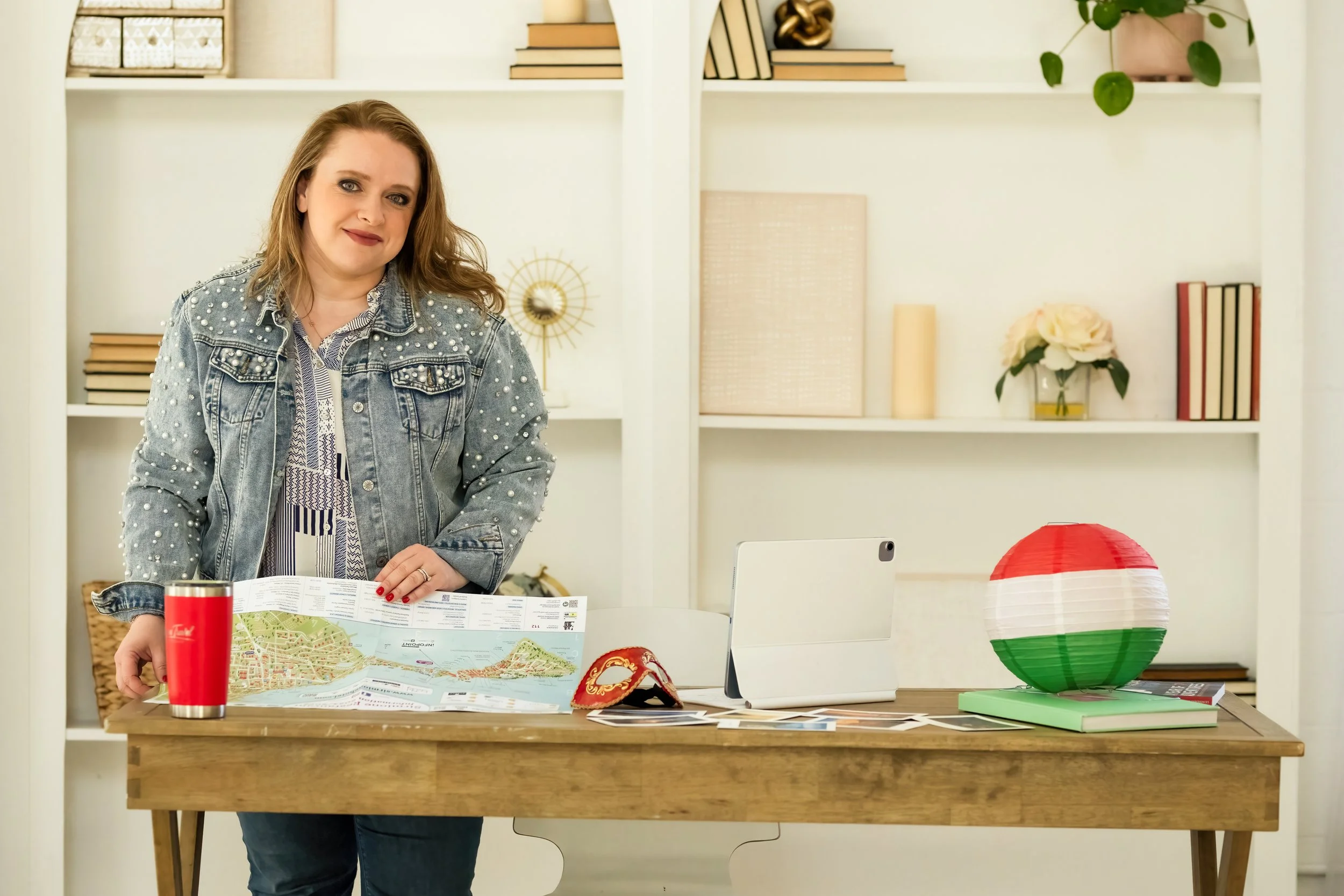
Anna Fishman, the visionary and soulful force behind Olegana Travel Boutique, orchestrates transformative journeys where meticulously curated adventures meet authentic connection and exquisite, bespoke exploration.
Let us put the kitchen in your itinerary
Whether it is one afternoon inside a larger journey, a food focused week with a small group of women, or seven days at Chef Melina’s table in Emilia Romagna, I will match the kitchen to the traveller rather than to the calendar.
Grab a time on my calendar for a free consultation here!
Booking Chef Melina’s retreat directly: mention code “OLEGANA” when you reserve. Get in touch if you would rather I arrange it with the rest of your trip.
Frequently Asked Questions
-
Most run three to four hours including the meal, which is the part people underestimate. A market visit adds around two hours and is worth it if you have the time. I plan nothing significant afterward, because you will not want it.
-
Many are, and children from about four upward tend to love them. Some kitchens set a minimum age of twelve, a few welcome younger children with a parent working alongside them, and the week long retreat in Emilia Romagna is designed for adults. I confirm the age policy of the specific kitchen before I book anything, because arriving with a ten year old at a twelve and over class is not a conversation anyone wants to have on holiday.
-
Gluten free, vegetarian and most allergies are workable with notice, and notice means at the time of booking rather than on the morning. Italian kitchens are far more accommodating than their reputation suggests when they are told in advance.
-
No. Every class I use is taught in English or with an interpreter present. A few of the older teachers work mostly in gesture and repetition, which turns out to be a perfectly good language for pasta.
-
For a first trip to Italy, one is usually right. For a food focused traveller or a two week trip crossing regions, two in different traditions is better than two in the same one. Beyond that you are choosing a retreat rather than a trip, and Emilia Romagna is where I would send you.
-
Yes. The week in Emilia Romagna stands entirely on its own, and several of my women’s departures are built around the kitchen, so you can travel with a group and let the itinerary be somebody else’s problem.
-
For autumn travel, six to nine months. Truffle season in Piemonte and harvest weeks in Tuscany are the first things to close, and the small kitchens I use take one group per day rather than four.