
Where to travel based on your personality: 12 destinations matched to how you want to feel
A luxury travel advisor's guide to choosing a destination by the feeling you are after, not the map you are staring at
The question I ask on a first call is almost never where do you want to go. I've learned that most people can't answer it. They've got a saved folder, a friend's photos, a show they binged, and a vague sense that this is the year. What they can answer, always, is the other question: how do you want to feel when you get there.
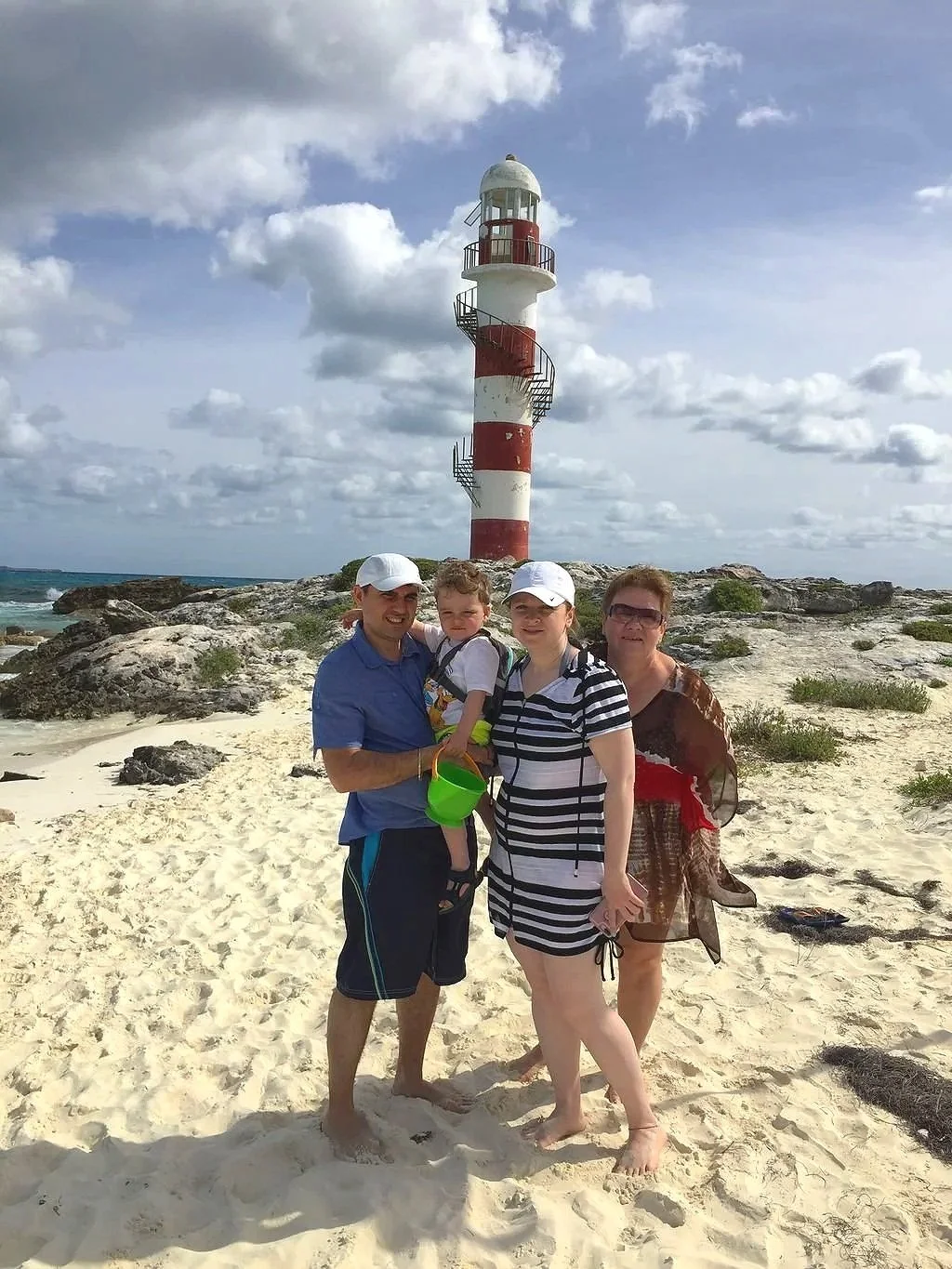
Travel stopped being about arrival somewhere a while ago. The clients I plan for now are chasing a state of mind. One woman wants to be so far off the grid that nobody can reach her for eleven days. Another wants two weeks somewhere she cannot predict a single day in advance. A third wants her camera roll to look like a film she'd pay to see. Those are three different personalities before they are three different trips, and not one of them starts with a country.
So I've stopped opening with geography. I open with personality, and the destination follows from it. What's below is how I actually sort the world in my head, grouped by the state of mind you're chasing rather than by continent. Find yourself in one of these, and the rest of the planning gets easy. That's the part Olegana Travel Boutique handles.
“It’s not about getting from point A to point B, it’s about what happens in between.”
When the whole point is to disappear
There's a specific kind of tired that doesn't respond to a long weekend. You know it when you see it in someone: they don't want to sightsee, they don't want a guide at nine in the morning, they want to be genuinely unreachable and served beautifully while it happens. Two places do this better than anywhere, and they do it in opposite ways.
Mexico's coastlines, for the traveler who wants to unpack once
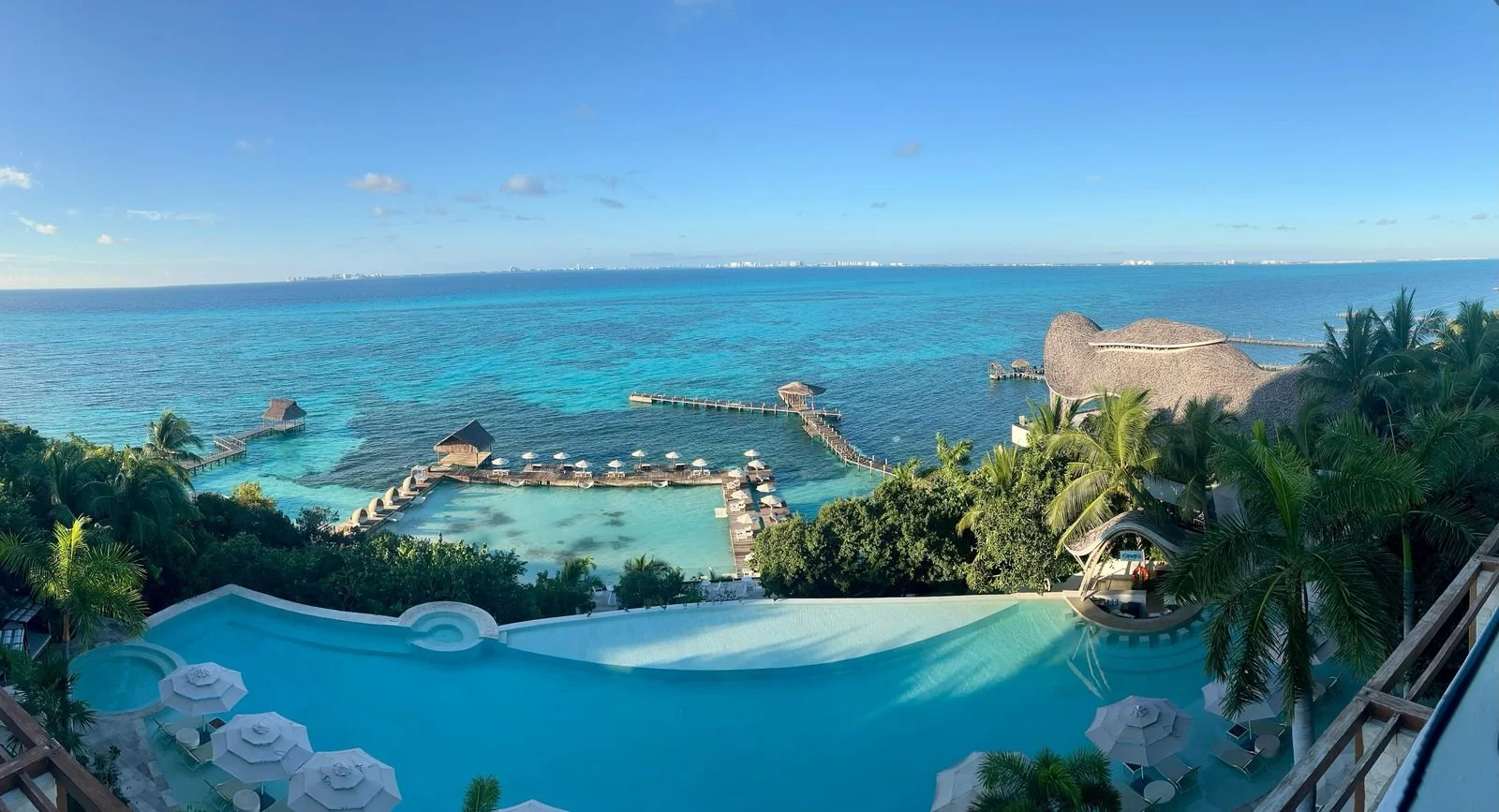
Isla Mujeres is a Caribbean island just off the coast of Cancún, known for its crystal-clear turquoise waters, white-sand beaches, vibrant coral reefs, and laid-back island atmosphere. The MÍA Reef area at Playa Norte is especially known for its secluded setting and private-island feel.
Photo©: Anna Fishman / Olegana Travel Boutique
I know all-inclusive has a reputation, and I also know that the top end of the Mexican coast quietly outgrew it. On the Caribbean side, north of Cancun toward Costa Mujeres and down through Playa del Carmen and Tulum, the resorts I use have adults-only wings with butler service, swim-out suites, and beaches wide enough that you never see the property next door. On the Pacific side, Punta Mita, Careyes, and the Costalegre stretch below Puerto Vallarta feel almost private, jungle running down to headlands with three or four beaches and no crowd on any of them.
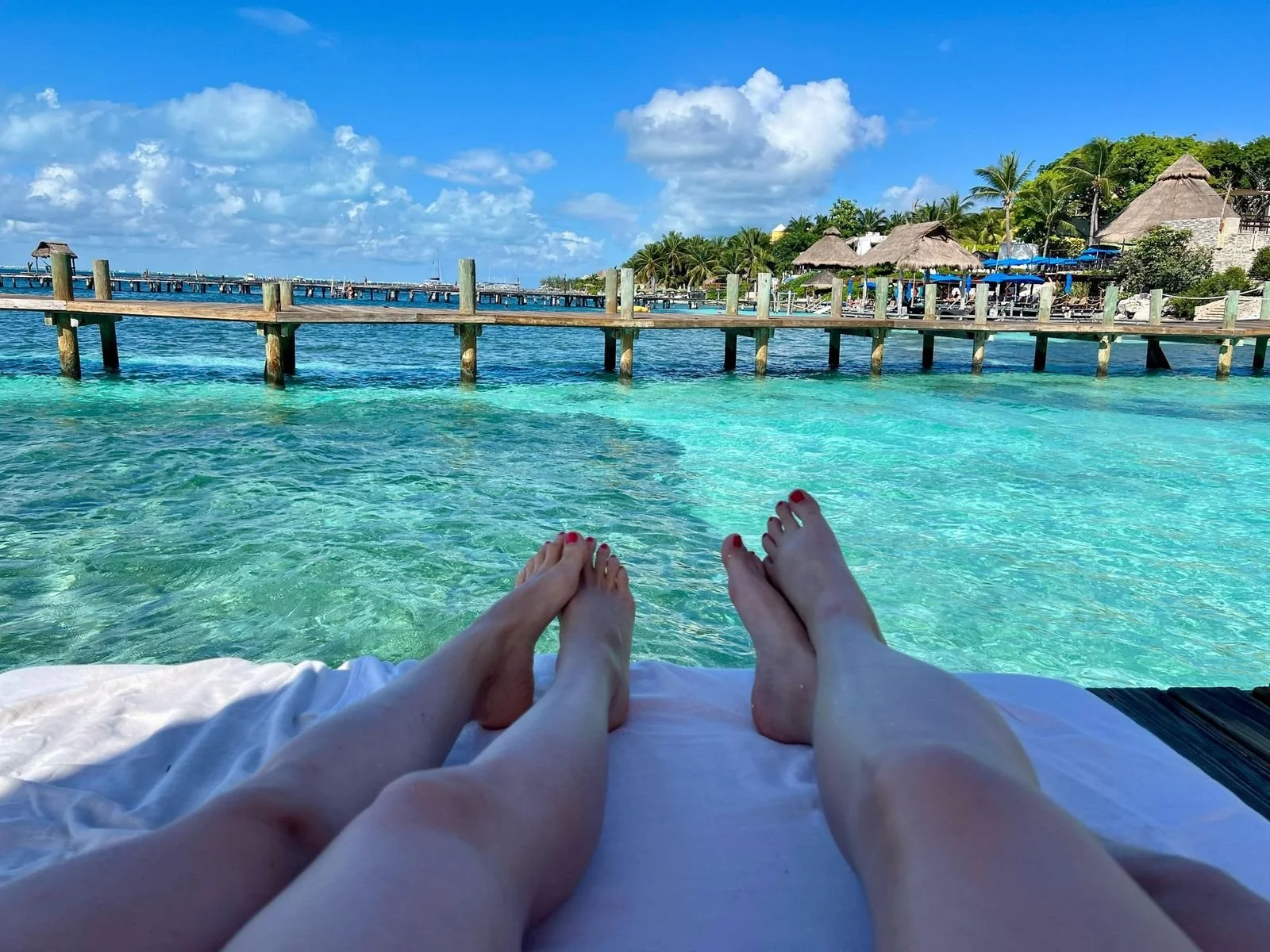
Age policy is where I earn my keep on this one, because it varies wildly and nobody lists it clearly. Some of the properties I recommend are strictly adults only, meaning eighteen and over, and a few draw the line at sixteen. Others are family resorts where kids under five eat free and the kids club runs from age four to twelve, with a separate teen lounge. A couple of the best have both under one roof, an adults-only enclave with its own pools and restaurants inside a larger family resort, which is the single most useful thing I can tell a multigenerational family before they book. I ask about ages in the first ten minutes for exactly this reason.
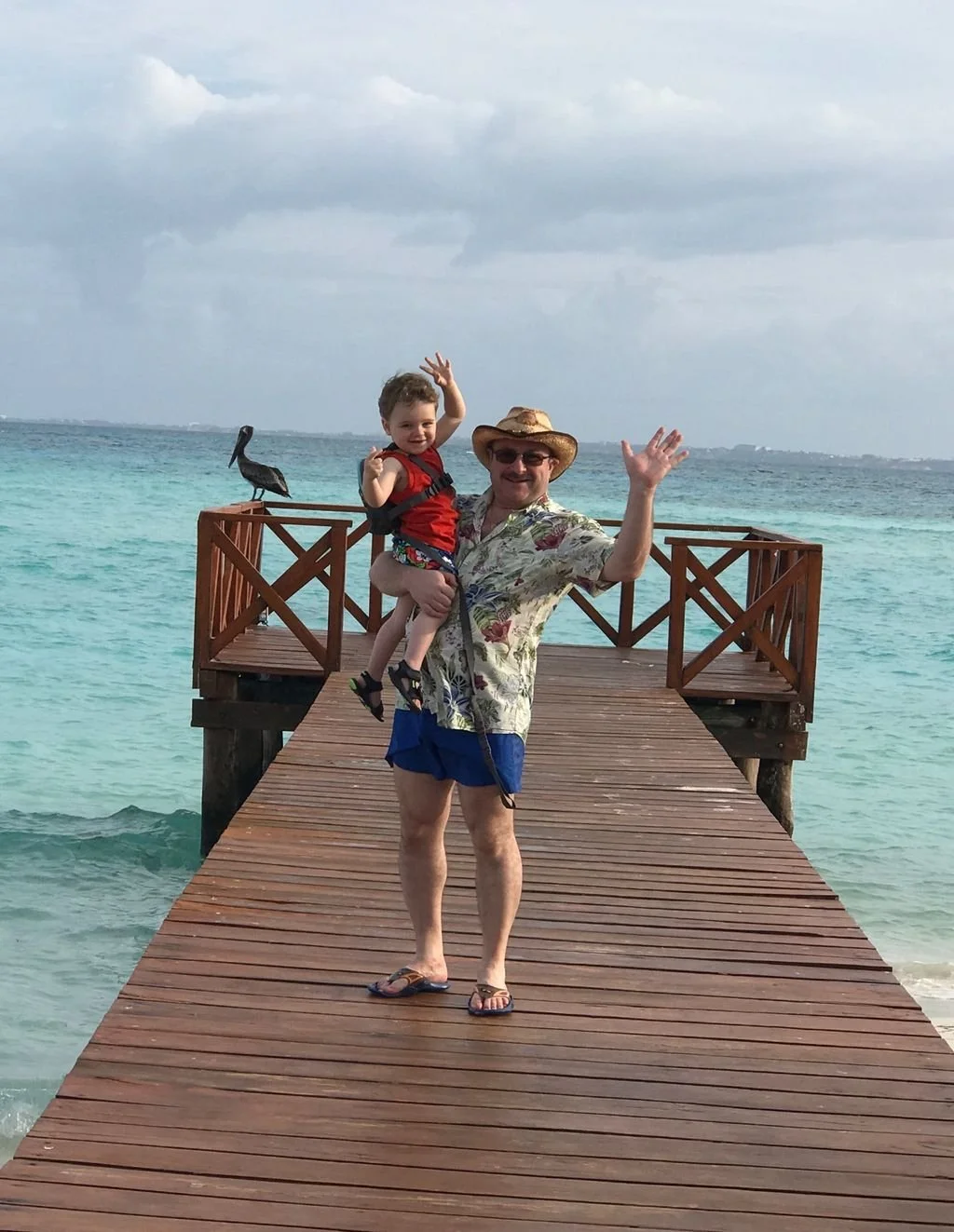
“Her inside knowledge of the resorts was invaluable for us because we traveled with our baby and wanted everything to be smooth and effortless.”
What makes it a designed trip rather than a booking is what happens on the two days you do want to move: a private cenote morning near Puerto Morelos before the vans arrive, a boat into the Sian Ka'an biosphere with a naturalist who actually knows the lagoon, a chef sent to your villa on the Costalegre so you never have to put shoes on.
Croatia, for the traveler who wants the water to do the disappearing
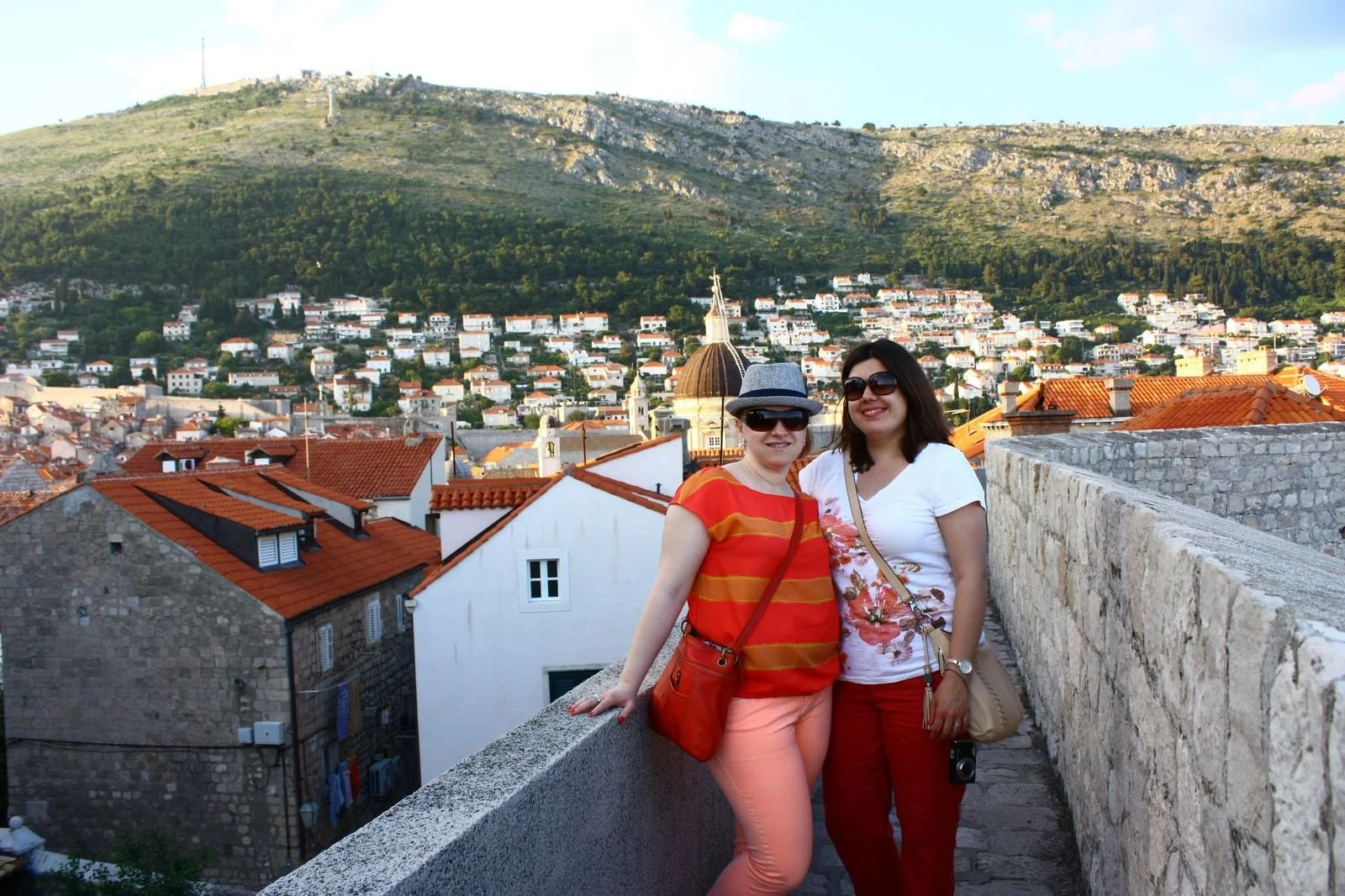
Then there's the other version of vanishing, which is a boat. Sailing the Dalmatian coast is the closest thing I know to an off switch. Over a thousand islands, water so clear you can count stones under fifteen feet of it, and walled medieval towns that pull into view like set pieces. My clients start in Split or Trogir and work south through the Pakleni islands off Hvar, over to Solta and the quieter side of Brac, then Korcula and the Peljesac peninsula, where the Plavac Mali vines grow at angles that look like a dare, and south to Mljet, which is two thirds national park and mostly forest and saltwater lakes.
The reason this works as a disconnection trip is the rhythm. You swim off the back of the boat before breakfast. You have lunch in a konoba in a bay that has three houses in it. You are ashore for dinner in Hvar town if you want the evening, and moored somewhere silent if you don't. The captain I book knows which coves are empty on which day of the week, which is not information you can find online.
When you want to be somewhere genuinely unfamiliar
This is the group I find most rewarding to plan for, and the easiest to plan badly. These travelers aren't after rest. They want the whole frame of reference to move: unfamiliar language, unfamiliar food, an unfamiliar shape to the day, and enough of it that they stop comparing everything to home somewhere around day four.
Japan, for the seeker
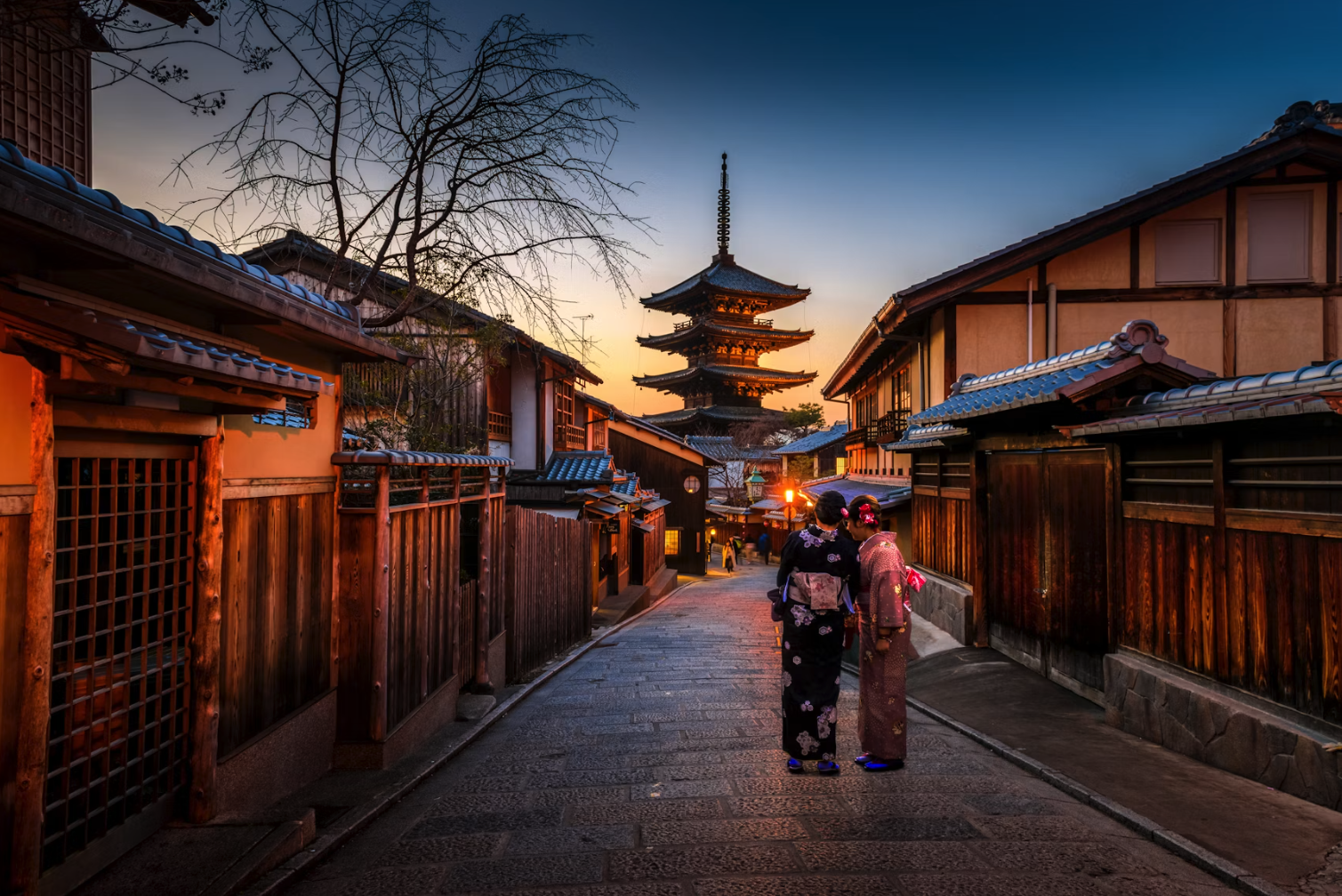
Japan gives you total unfamiliarity without ever making you uncomfortable, which is a combination almost nowhere else manages. It isn't the neon and it isn't the bullet train, it's the quiet infrastructure of attention running underneath the whole country. A Japan itinerary built for this feeling spends real time on the Kii Peninsula, walking sections of the Kumano Kodo, the pilgrimage route people have used for more than a thousand years, with your bags moved ahead and a ryokan and a hot spring waiting at the end of each day. Nothing about it is strenuous. Everything about it slows you down.
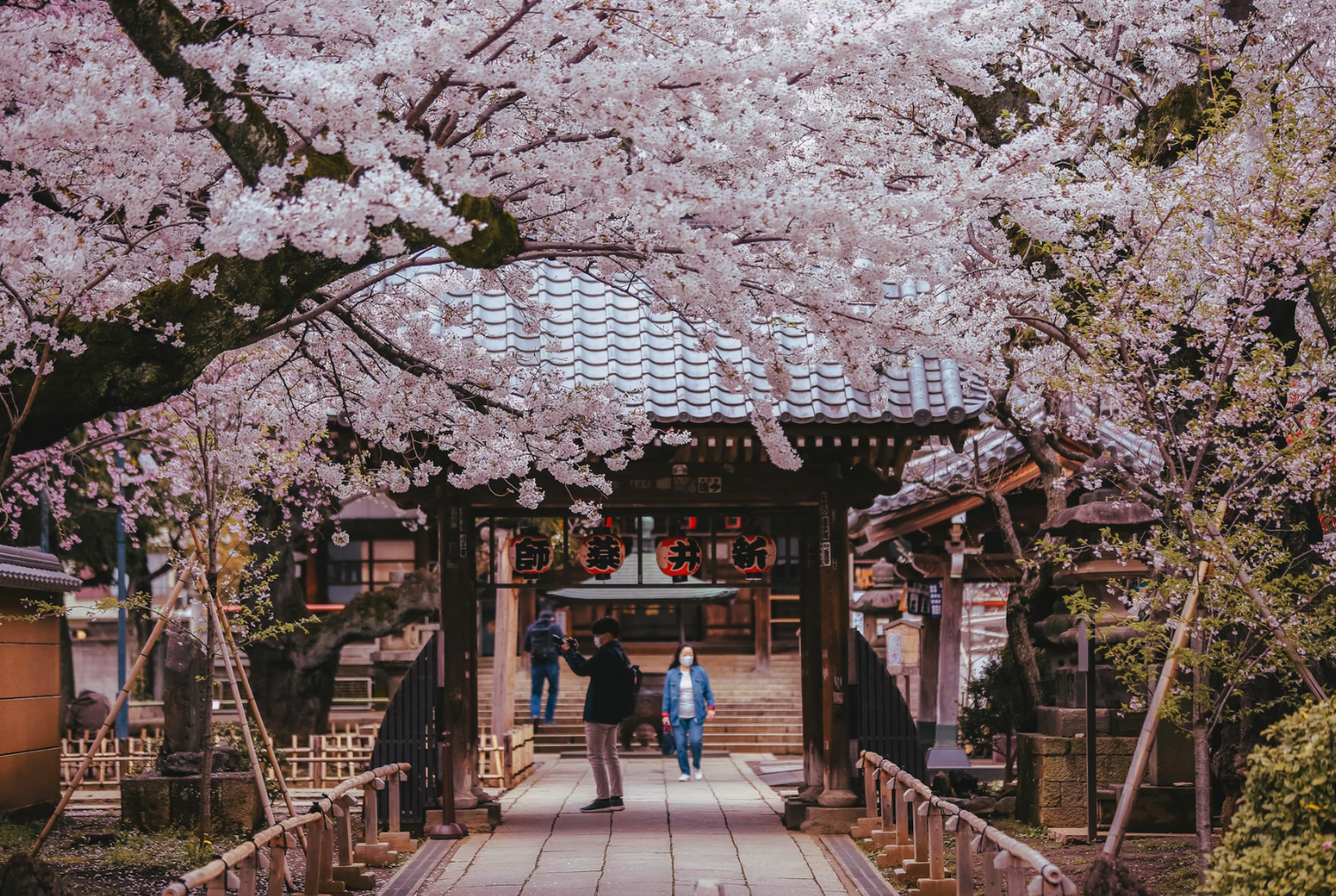
In Kyoto I send clients into the subtemples of Daitoku-ji rather than the famous ones, and I arrange a seated tea ceremony in a private teahouse where the host explains what she's doing and why, which turns forty minutes of ritual into the thing they talk about for years. Kinosaki for the onsen town where everyone walks between bathhouses in yukata and wooden sandals. Naoshima for a day, because art on an island in the Seto Inland Sea is its own kind of quiet. Adventurous, open-minded travelers get the most from this. So do people going through something.
Morocco, for the traveler who wants every sense used at once
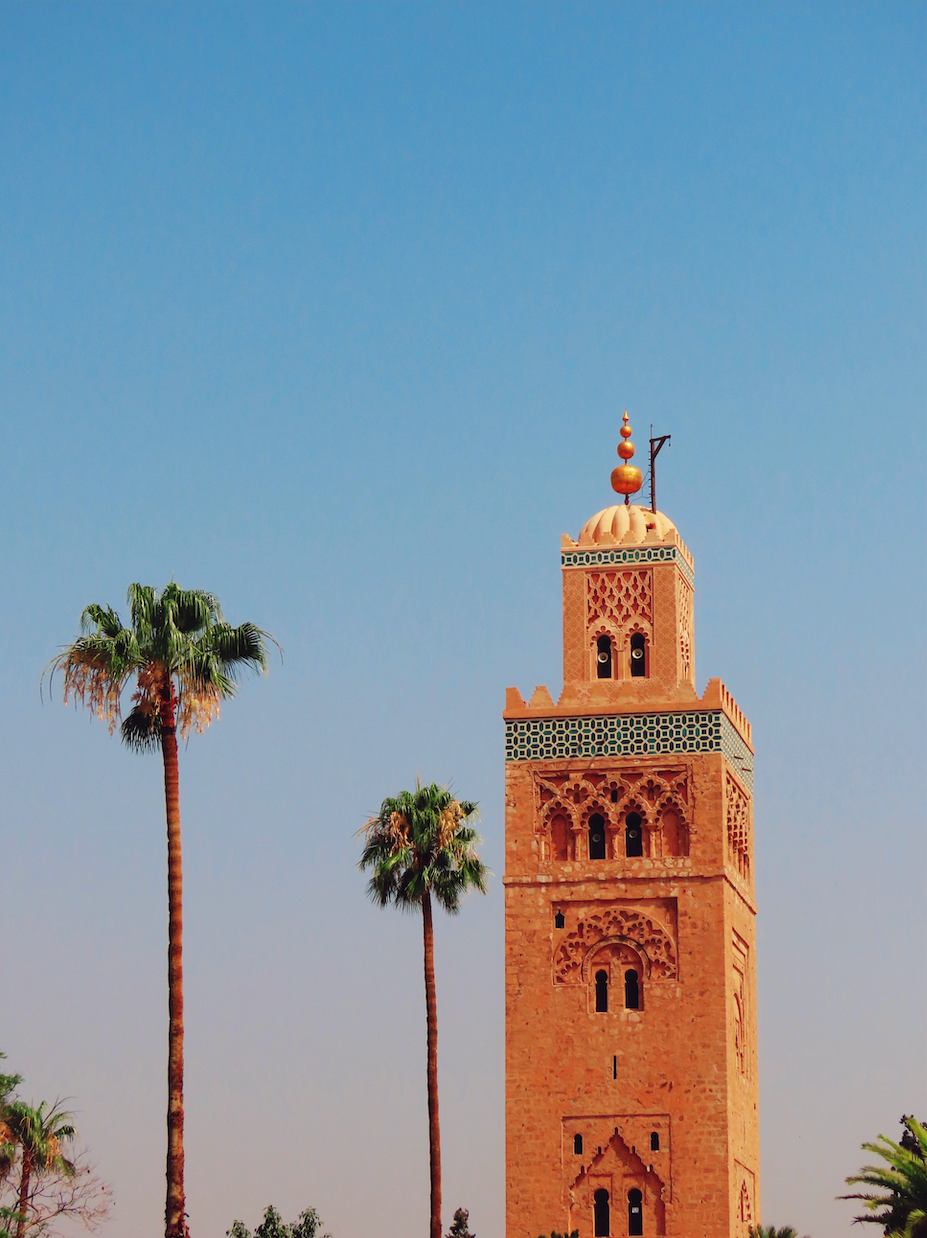
Morocco is sensory saturation, in the best sense. The Fes medina is nine thousand alleys of it: copper being hammered, the tanneries hitting you from a block away, a doorway that opens onto a fourteenth-century courtyard nobody outside would guess was there. Marrakech is louder and more theatrical, and the riads are the trick of the place, plain walls on the street and a fountain courtyard and a rooftop behind them.
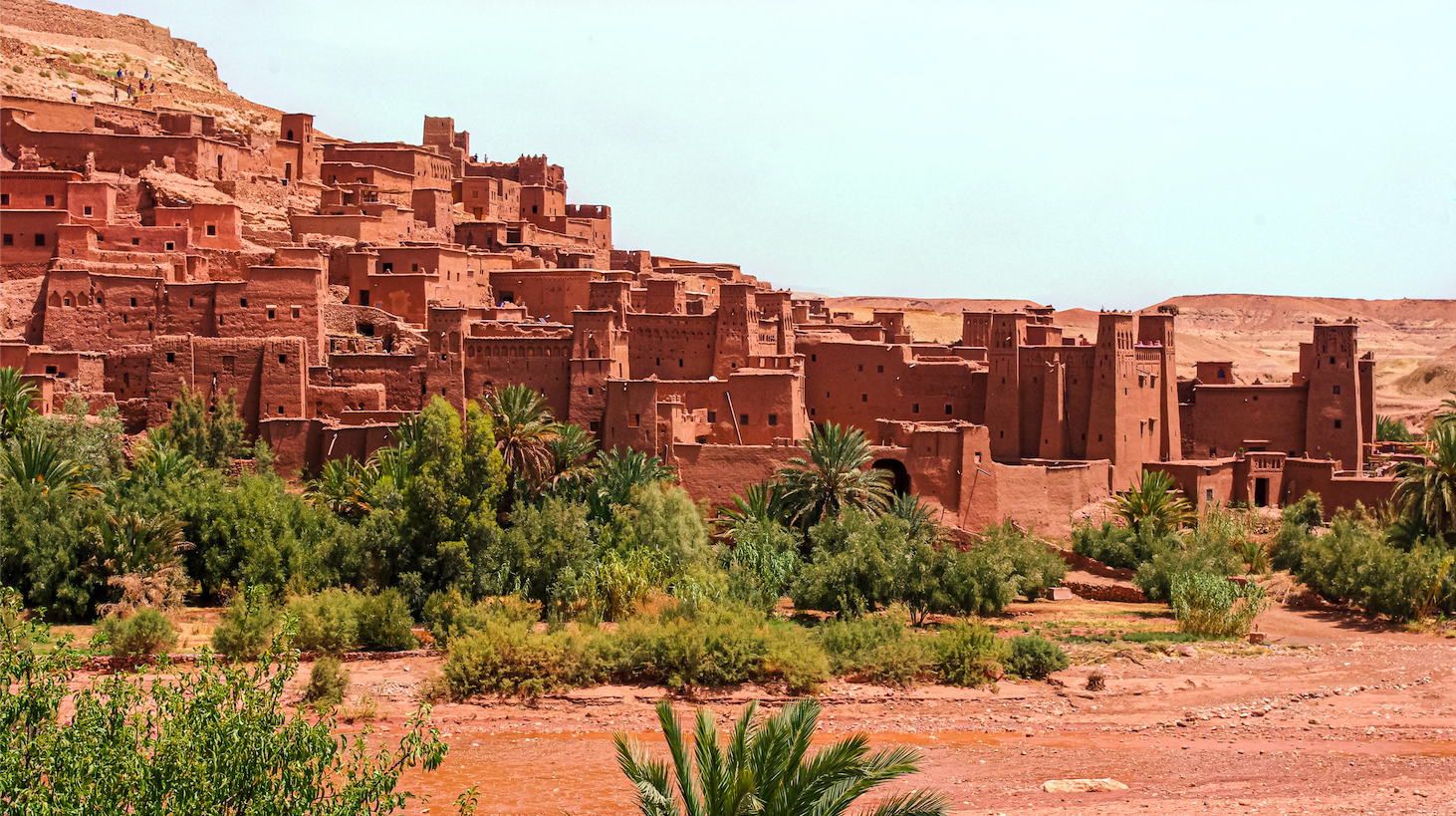
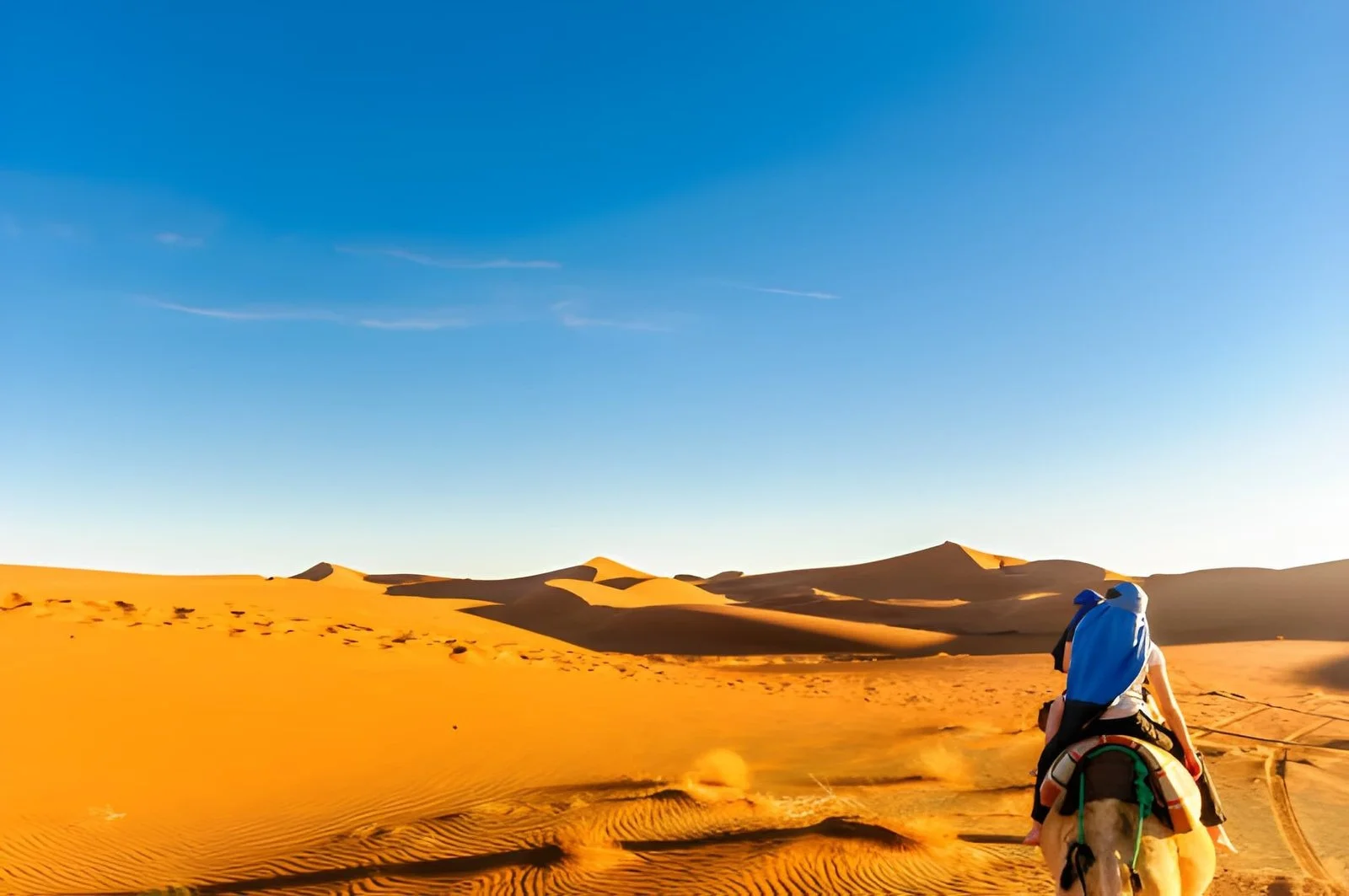
What I build around: a spice and herb walk in the souks with a cook, not a guide, followed by hands in the food; a lunch in a Berber village in the High Atlas above the Ourika valley with a family I've worked with for years; a night in the Agafay stone desert or further out at Erg Chigaga, where the dunes actually move and the sky does what the sky does when there's nothing else for eighty miles. Clients come back unable to eat an ordinary tagine again, which I consider a success.
Britain, for the mind that wants depth rather than novelty
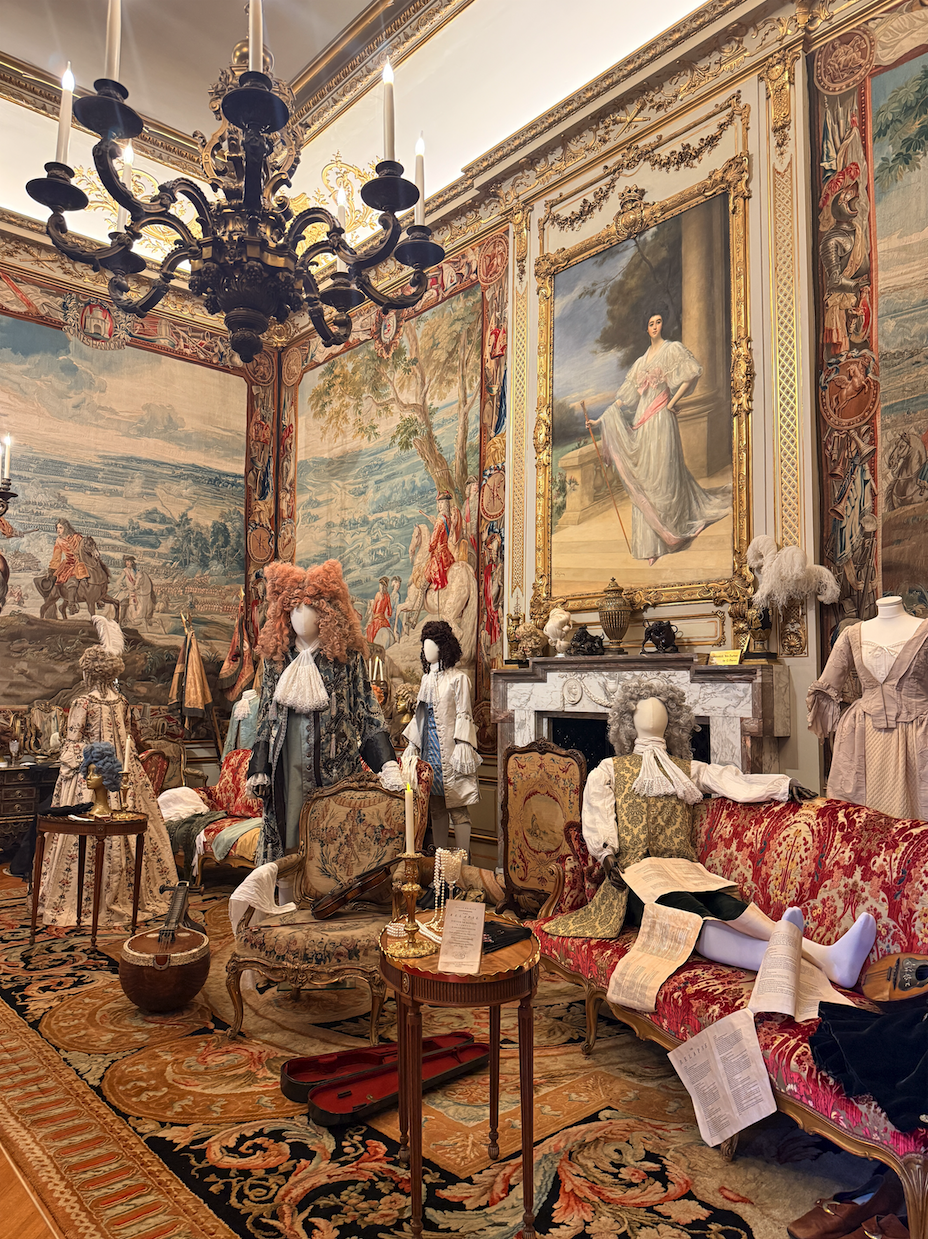
England and Scotland are for the client who has been told they have already seen it and knows they haven't. Edinburgh's Old Town is a medieval city stacked vertically on a volcanic ridge, with closes and stairways running off the Royal Mile that most visitors walk past for a week. London rewards the same instinct: a Tudor walking tour, a garden museum nobody has heard of, an evening at the Globe, a dining scene that runs from a pub doing one perfect thing to a room with three stars. The pleasure here is not newness, it is layers.
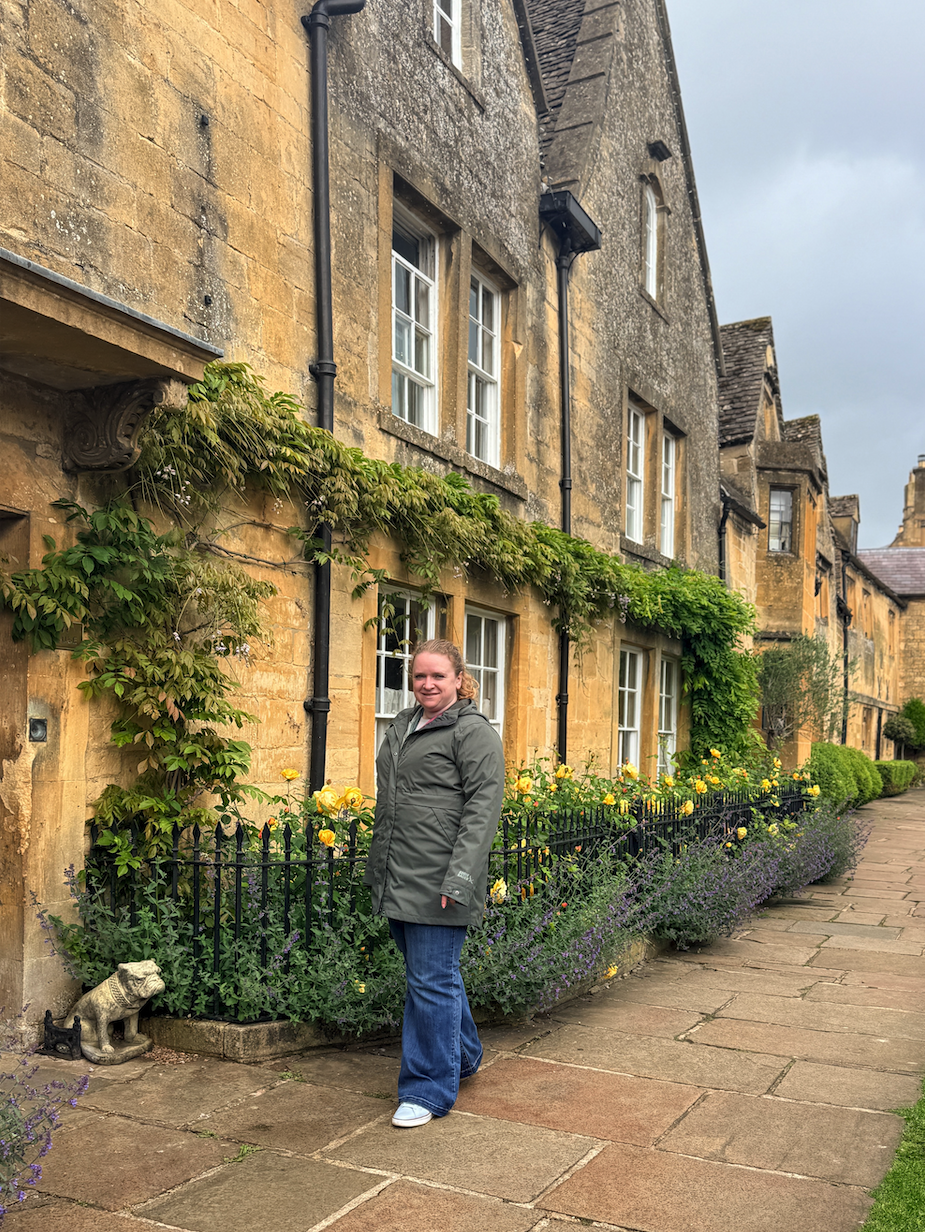
Then, two hours north of almost anywhere, the country simply empties. The Northumberland coast with its castles on the sand and nobody on the beach. The Borders, where the abbeys are ruins and the rivers are full. The Cotswolds in mid-May when the wisteria is out and the coach season has not properly started. The Highlands, where the days stretch past ten at night and the light does things you will spend the rest of the year describing badly. There are more great houses and gardens open to the public than anyone could see in a lifetime, and most of them are not worth your morning. Knowing which ones are is the whole job, and it's the reason I host a castles and gardens trip through Britain each May myself.
When you want to get there before everyone else
Some travelers are not chasing a feeling so much as a status: the feeling of having found it first. These are the honeymooners who refuse to go where their friends went, and the culturally obsessive who want depth and drama in the same frame. They're my favorite briefs.
Albania, for the honeymoon nobody has done yet
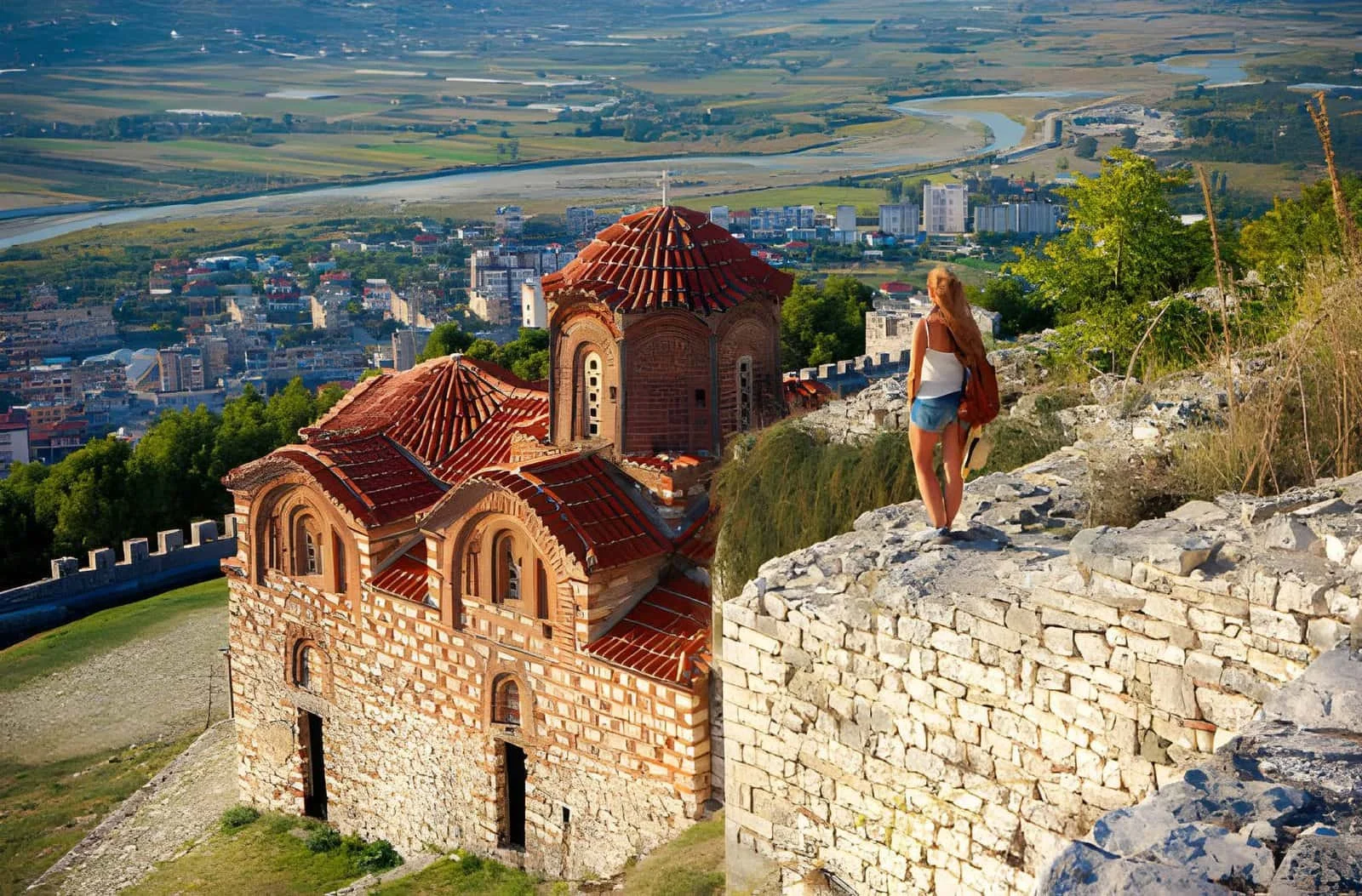
The Albanian Riviera is the answer I give most often now to couples who want somewhere nobody at the wedding will have been. The Ionian water south of the Llogara Pass is a blue that photographs like it's been edited. Ksamil's little offshore islets, the pebble coves at Dhermi and Jale, Himare's headlands. The travel press has spent the last few years steadily moving these beaches onto world's-best lists, and the crowds have not remotely caught up yet.
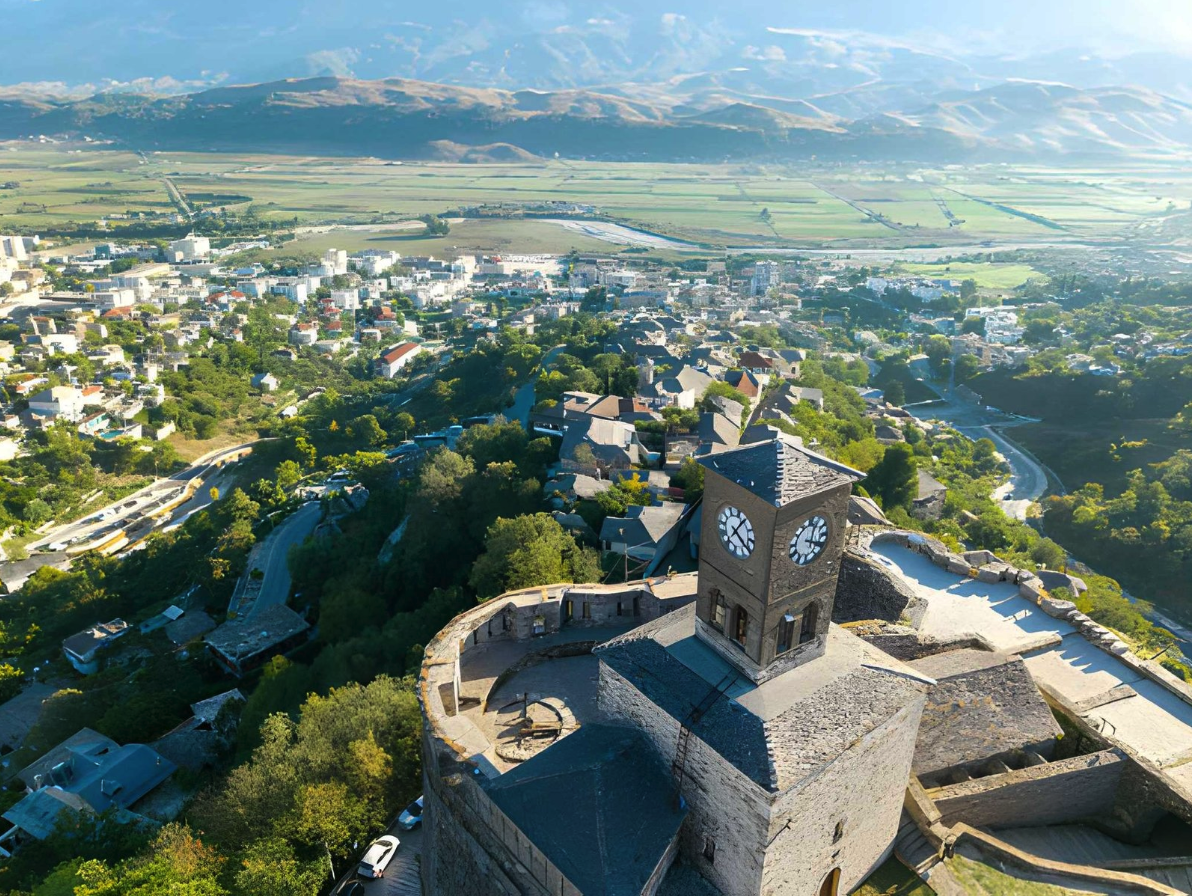
Inland is what makes it a real trip rather than a beach week. Gjirokaster and Berat, both stone-built Ottoman towns under Unesco protection, stacked up hillsides in tiers of windows. Butrint, a Greek, Roman, Venetian and Byzantine site sitting on a lagoon with almost nobody in it. And north, the Accursed Mountains around Theth, which is real hiking country. The catch, and I'll be honest about it, is that the ground infrastructure is young. The good properties are few and they sell out, the roads take longer than a map suggests, and the difference between a wonderful Albania trip and a frustrating one is entirely in who arranged it.
Malta, for the culturally obsessed with a camera
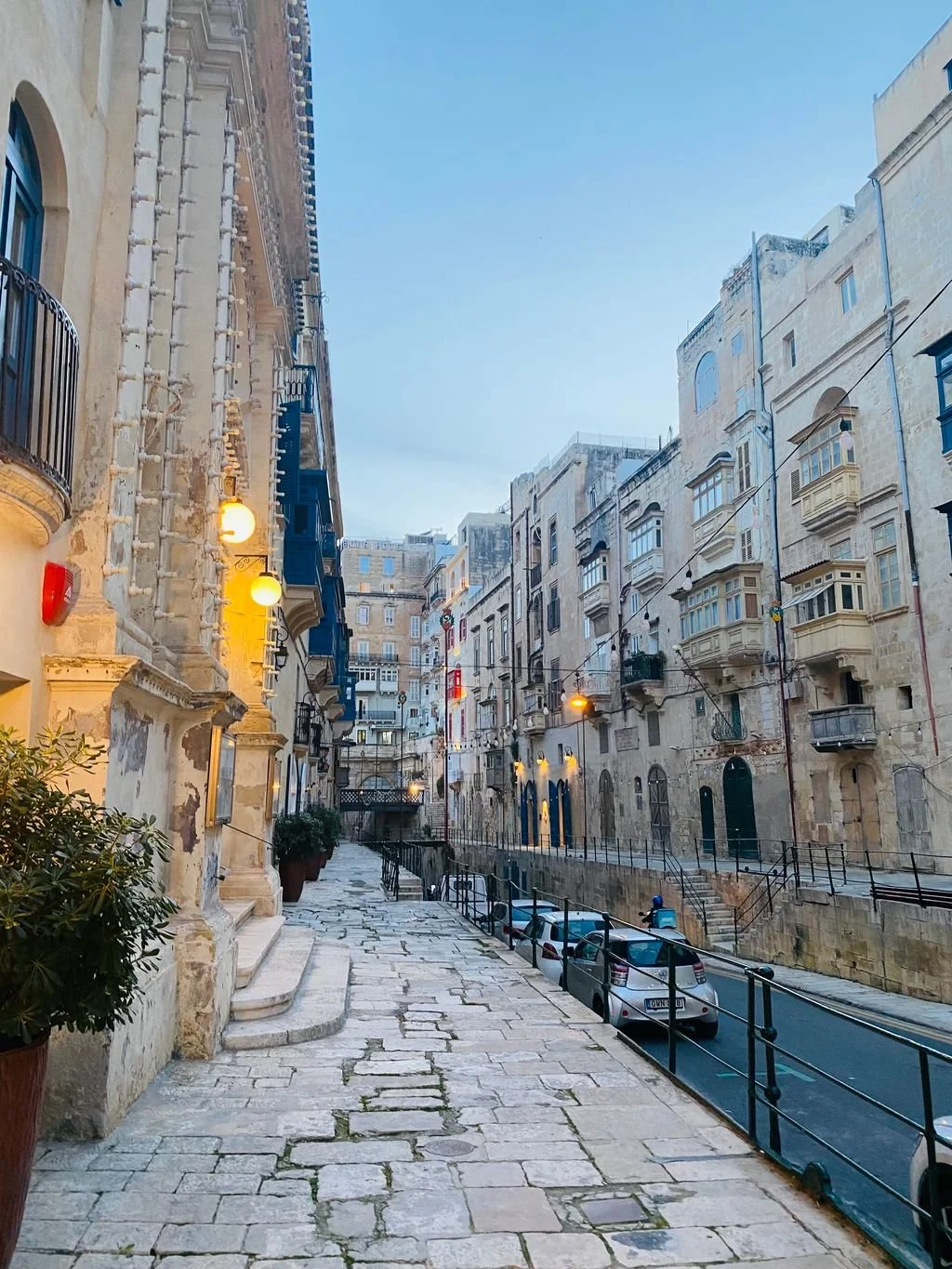
Malta packs somewhere around five thousand years of Phoenician, Roman, Arab, Norman, Knights and British history into a hundred and twenty-two square miles. There is nowhere in Europe with that density. A luxury trip to Malta gives clients the European capital experience with a depth Paris cannot match, and without the queues. Valletta is a walled baroque city you can cross in twenty minutes, all honey limestone and painted balconies and sudden views down to the Grand Harbour.
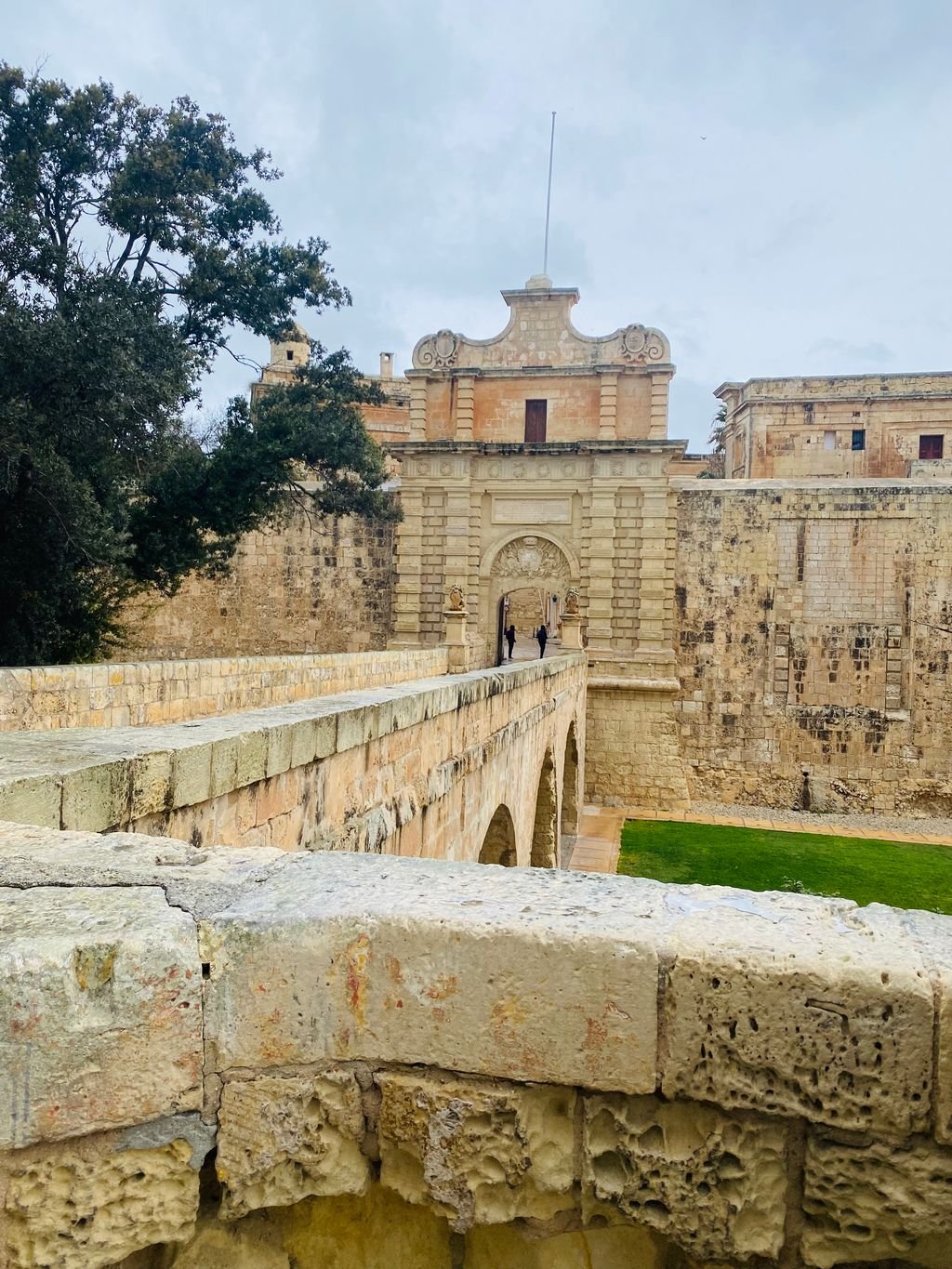
For drama in photographs, it's almost unfair: Mdina's silent lanes at dusk, the Ggantija temples on Gozo which predate the pyramids, the Blue Grotto in morning light, the fishing luzzus at Marsaxlokk with eyes painted on the bows, and Comino's Blue Lagoon early enough to have it to yourself. The Hal Saflieni Hypogeum, an underground neolithic burial complex, releases a very small number of tickets a day and they go months ahead. That one is worth planning a whole week around, and it's the sort of thing I book before we've even settled the hotels.
When you want the landscape to do the talking
Then there are the trips where the point is scale. The client wants to feel small, and wants a photograph that proves it. Three places deliver at completely different temperatures.
Iceland, for the drama
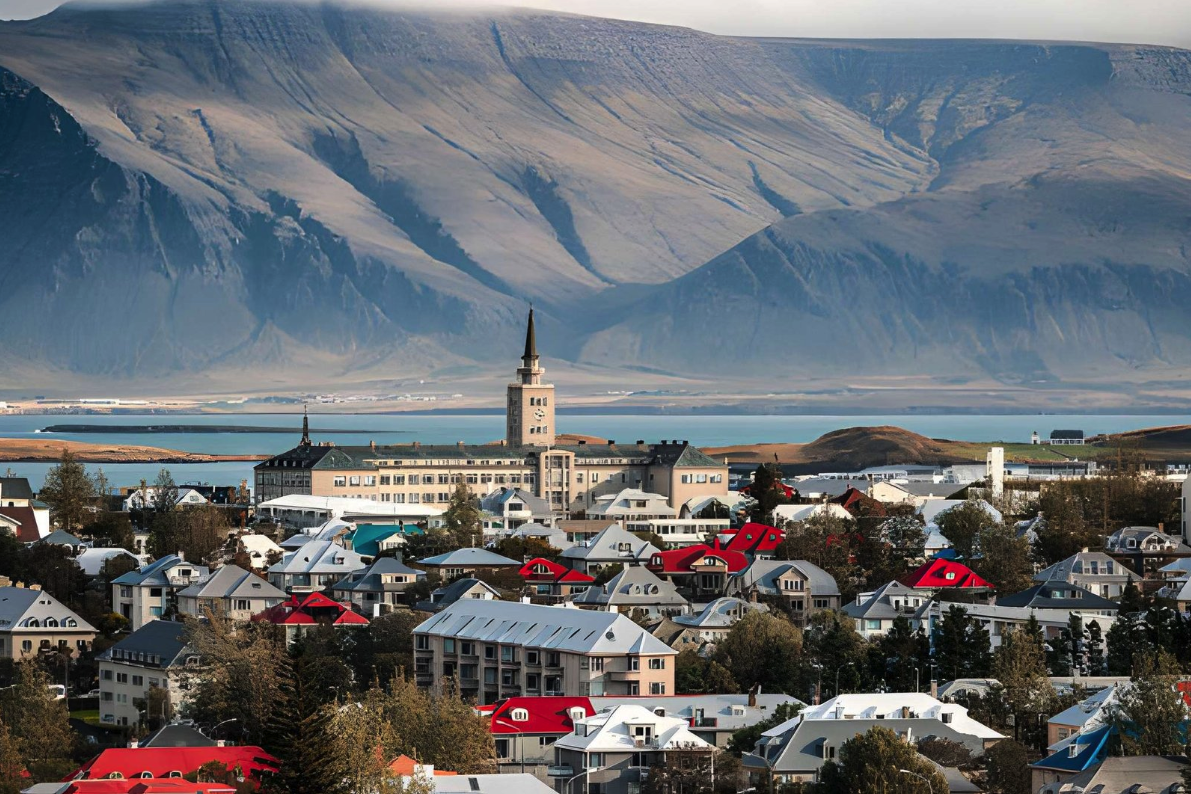
Iceland has no restraint, and that's the appeal. It's the only country I plan where the light itself is the main event, swinging from a June that never properly gets dark to a December with four usable hours and the aurora moving overhead like something being poured. An Iceland journey changes character completely depending on when you go, which is why the month matters more here than anywhere else I send people.
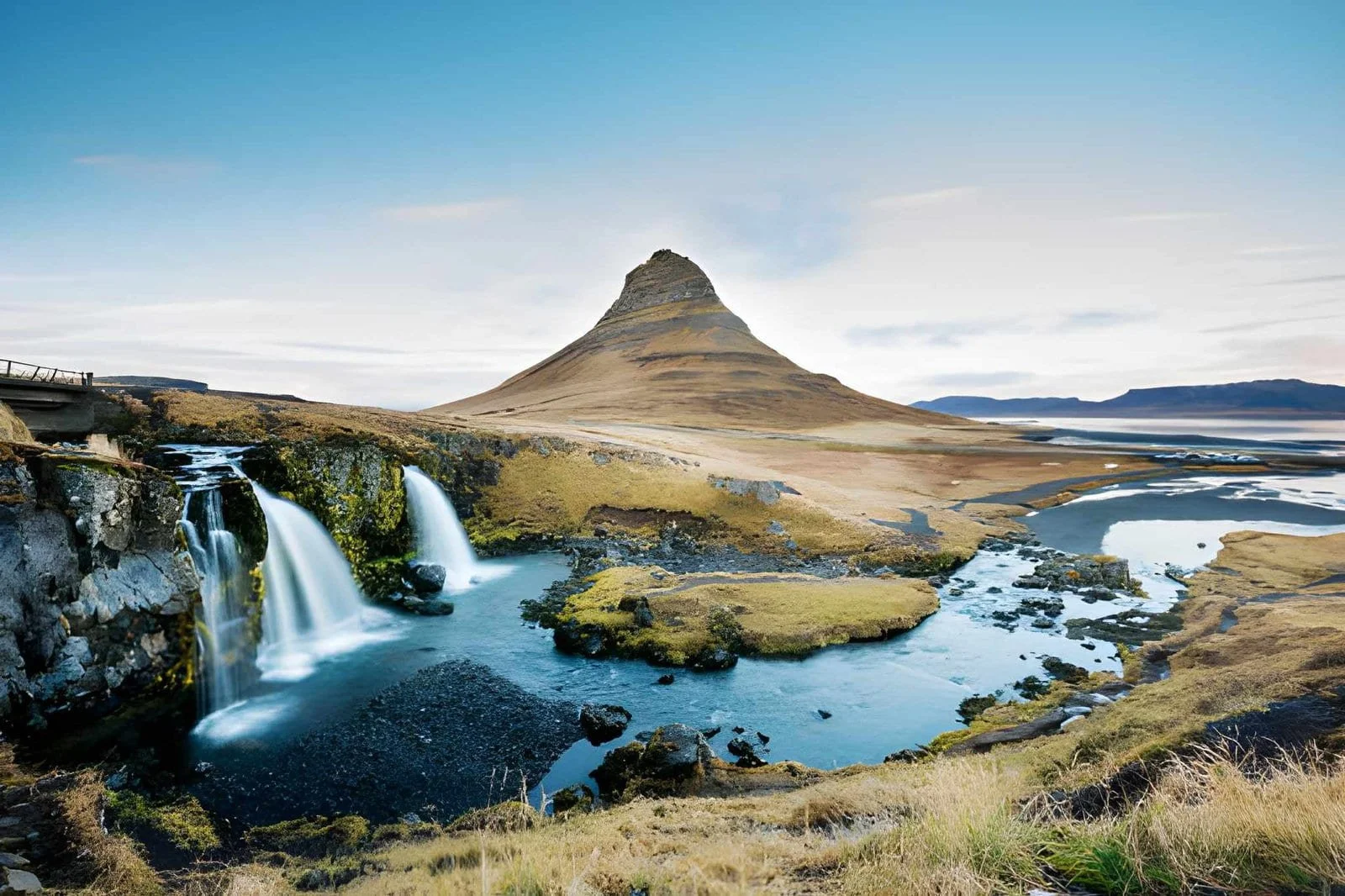
Kirkjufellsfoss & Kirkjufell, Iceland — Located near Grundarfjörður on Iceland’s Snæfellsnes Peninsula, Kirkjufell is one of Iceland’s most recognizable mountains, famous for its distinctive shape and its nearby Kirkjufellsfoss waterfall. Together, they form one of the country’s most iconic natural landmarks.
Photo©: Victorhuang / istock
Beyond the standard loop, I push clients toward the Snaefellsnes peninsula, which has a glacier at the end of it and reads like a smaller Iceland with nobody on it. The Myvatn area in the north for steaming ground and geothermal bathing without a queue. Husavik for whales in summer. The Westfjords for the ones with a spare four days and a taste for empty roads. In winter it's the ice caves under Vatnajokull, which only exist for part of the year and only with a guide who has been inside them that week.
Costa Rica, for thrills and chills in the same week
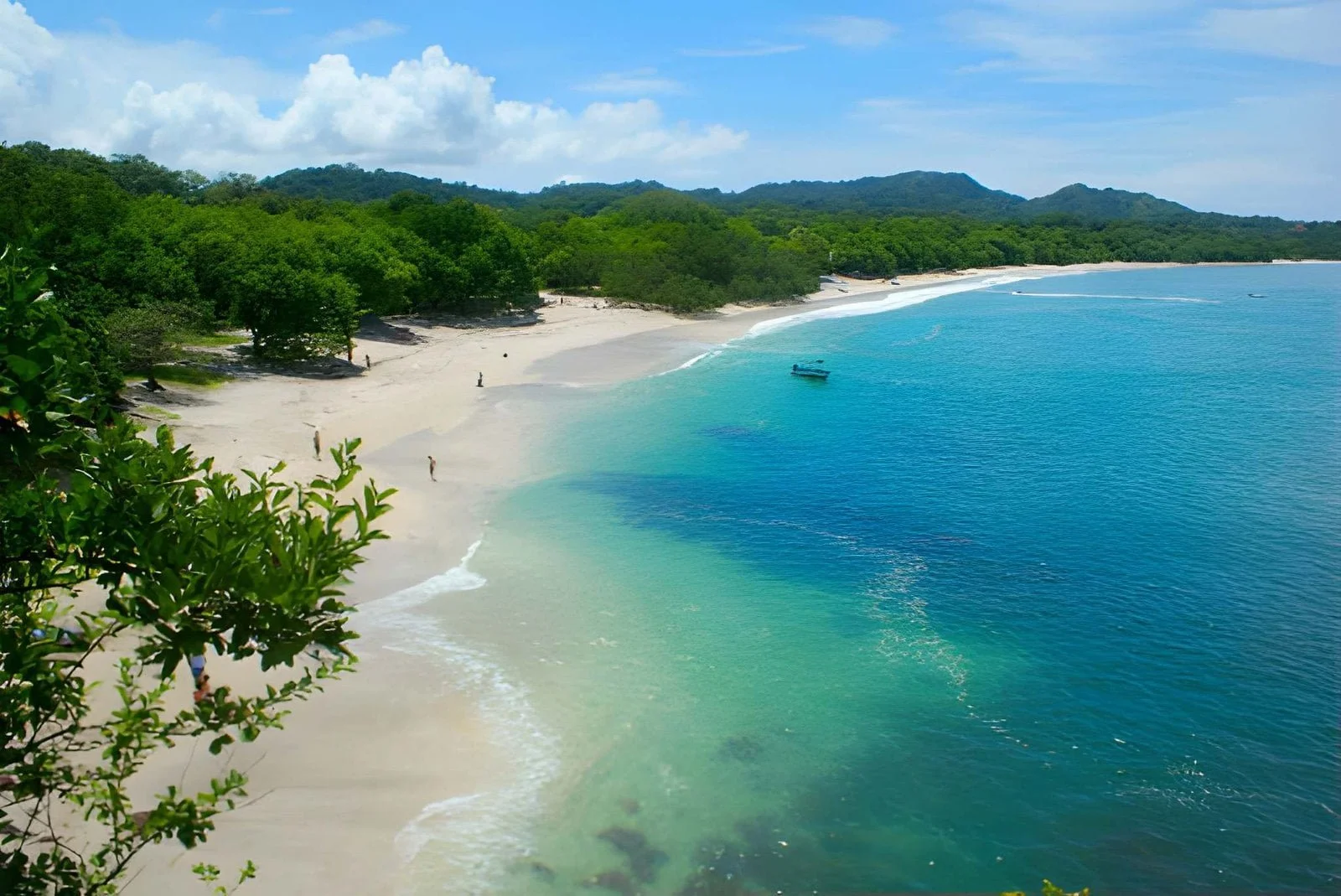
Costa Rica is the destination I use when a couple or a family wants adrenaline and hammock time without changing countries. Arenal for the volcano and the thermal rivers you sit in at night, Monteverde for the cloud forest at canopy height, Rio Celeste for a waterfall that is genuinely, chemically turquoise. Then the Osa Peninsula, where Corcovado holds an absurd share of the planet's biodiversity in a very small space and you fall asleep to something in the trees.
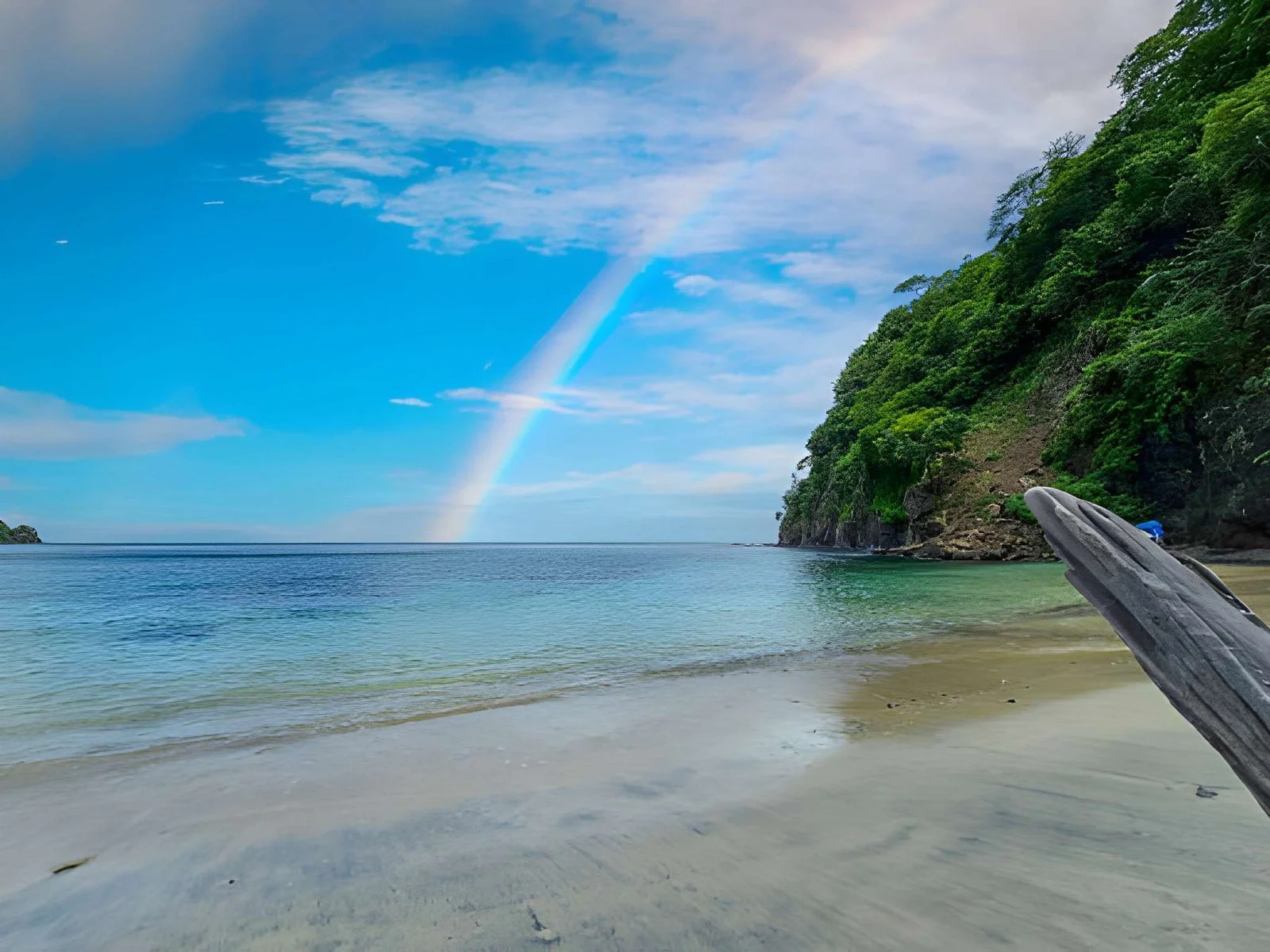
The exhale is on the Pacific: Papagayo and the Nicoya coast, surf lessons for the teenagers, a spa built into the hillside for everyone else. Rafting the Pacuare with a night at a river lodge you can only reach by water is the sort of day people describe for a decade. It also runs hot and wet in the wrong season, and the internal flights matter enormously, so this is not a place to freestyle.
The Dolomites, Lake Garda, and the Alps, for the traveler whose camera is the point
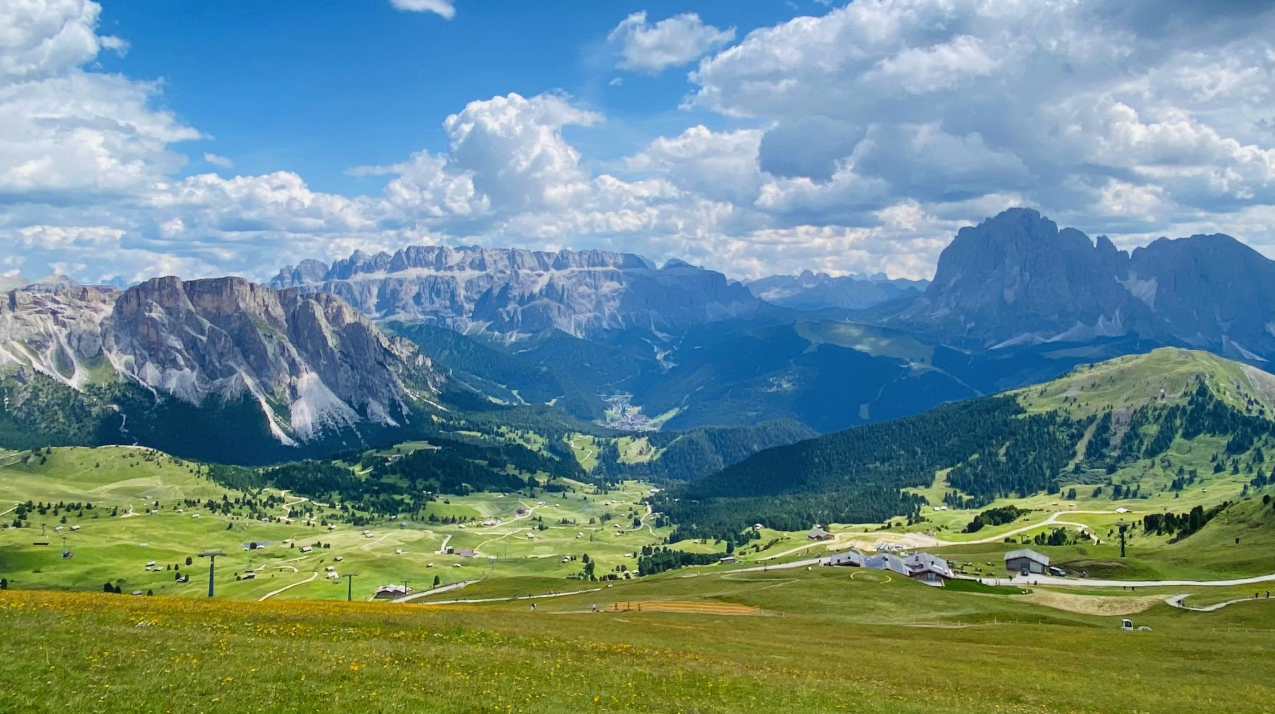
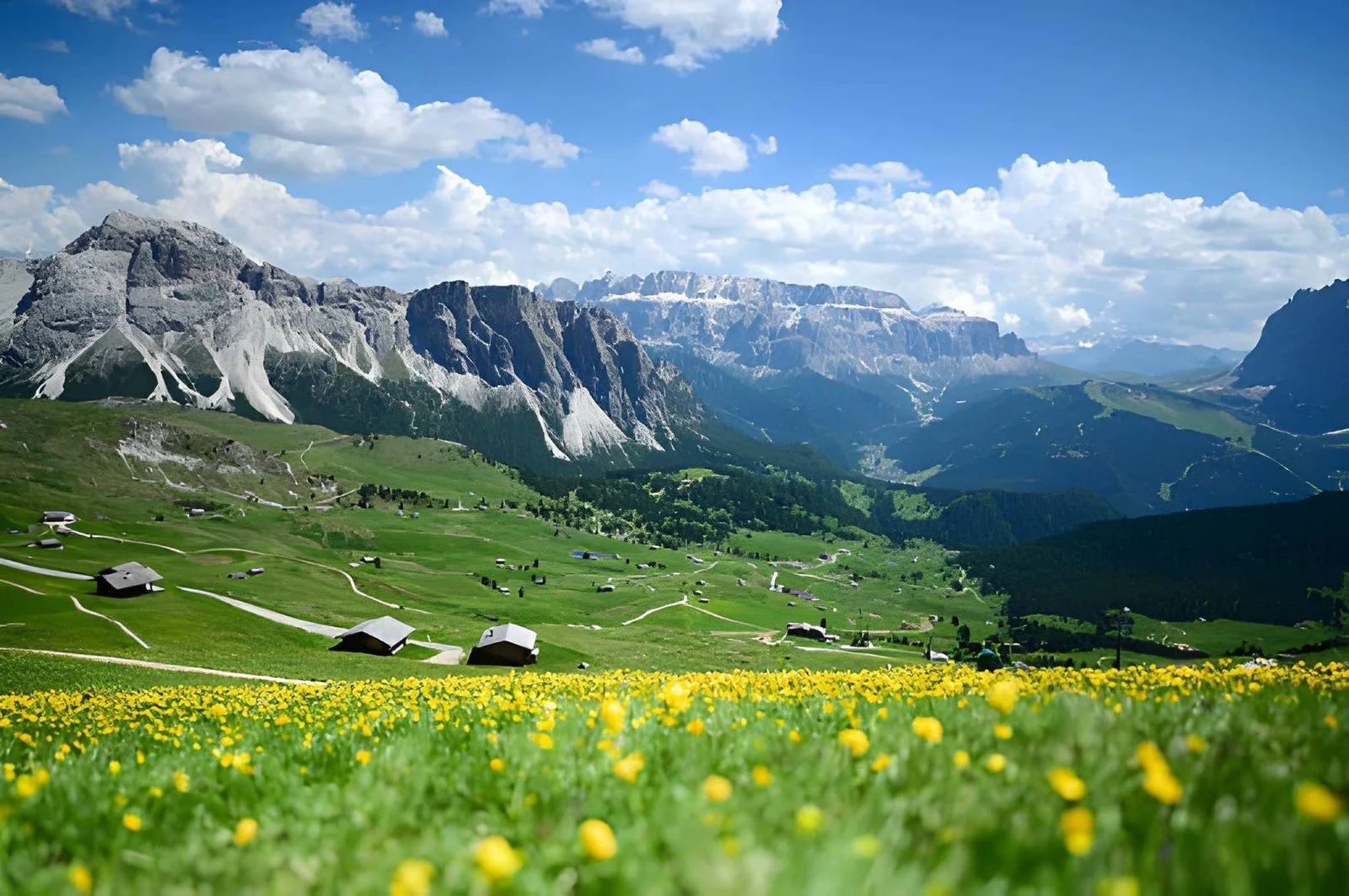
If someone tells me they want the trip to look extraordinary, I send them to the mountains, and I usually start in the Dolomites. The pale limestone towers turn rose at sunrise, which is not a metaphor, it's a mineral fact, and it's why photographers set alarms for four a.m. at Tre Cime di Lavaredo, on the Seceda ridgeline, and above Lago di Braies. Alta Badia and Cortina d'Ampezzo are my bases, and Cortina came out of the 2026 Winter Olympics with better road and lift infrastructure than it has had in decades. If you want to see what a week in Italy looks like when it's built around mountains rather than cities, this is it.
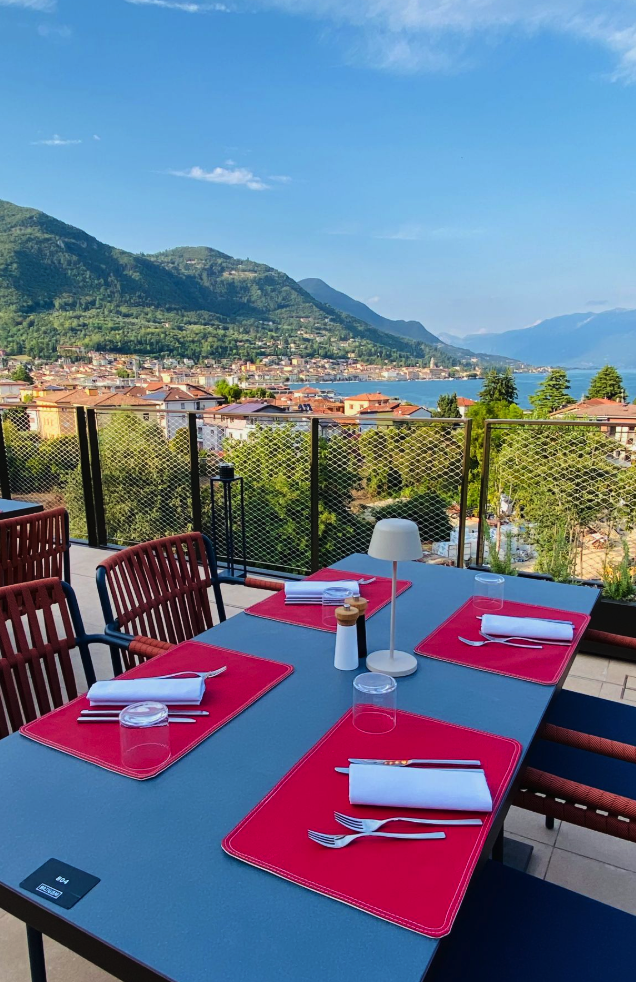
Drop south and you're at Lake Garda in under two hours: Sirmione on its peninsula with the Roman ruins at the tip, Limone's lemon terraces cut into the cliff, Riva del Garda at the northern end where the mountains come straight down into the water, and the Lugana and Bardolino vineyards on the southern shore for the afternoons. It's a remarkable contrast to pull off in one week, alpine light in the morning, lake light at dinner.
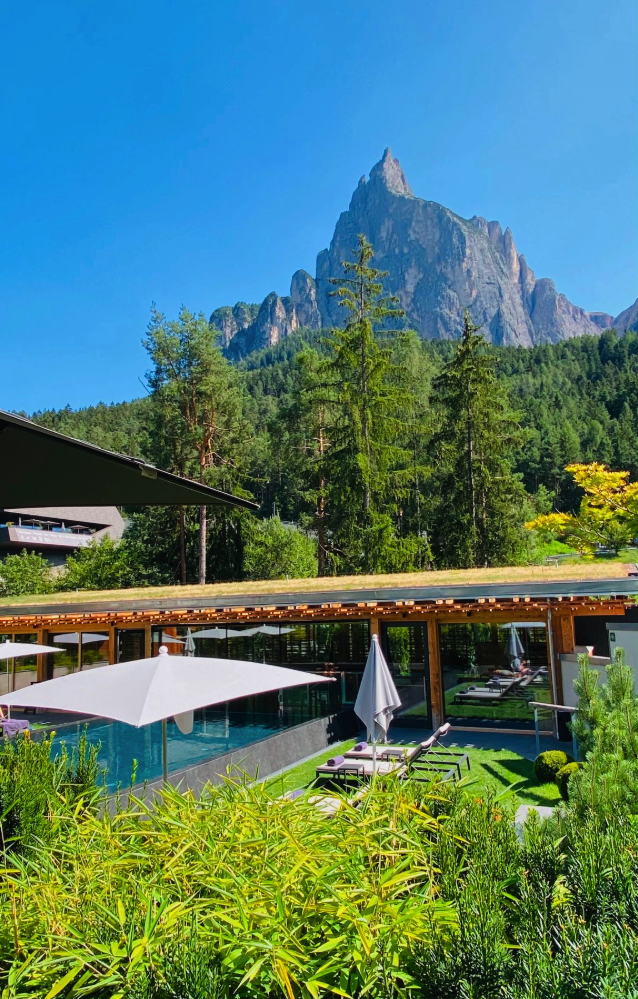
Push west and the French and Swiss Alps offer the same drama with a different accent. Chamonix under Mont Blanc, Annecy's canals and impossible water clarity, Megeve's wood-and-fire elegance, and over the border, Zermatt with the Matterhorn framed at the end of the main street, the Engadine's high valley light, and the Lauterbrunnen valley with seventy-two waterfalls coming off the walls of it. Summer is criminally underused in all of these. The trails, the cable cars, the mountain lakes and the rifugi are at their best, and the winter crowds are somewhere else entirely.
When the trip is really about the table
Some travelers organize their lives around meals, and they know it. For them the sightseeing is scaffolding. Two countries reward this completely, one gently and one obsessively.
Portugal, for soulful and low key
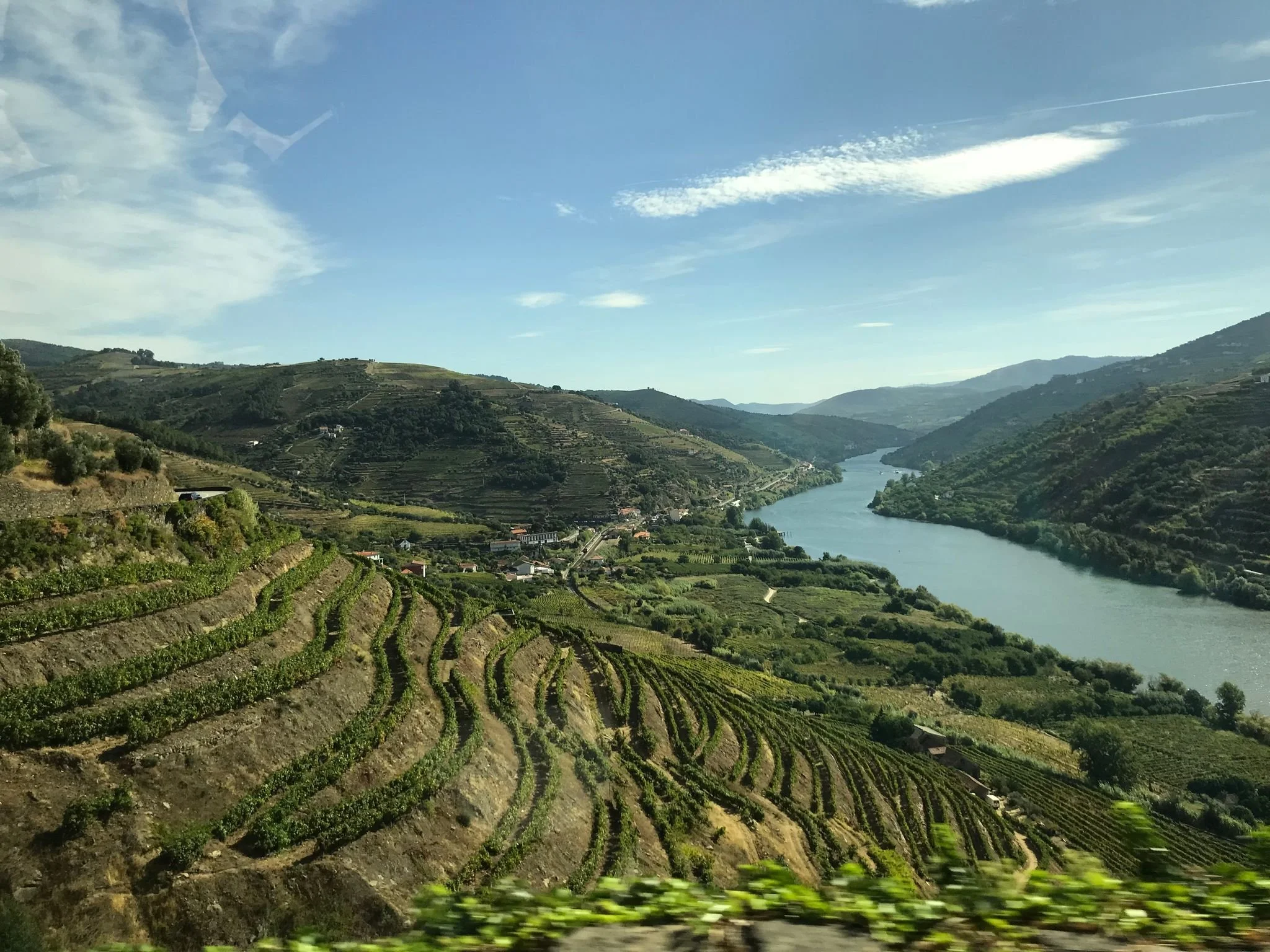
Portugal is Europe at its most unhurried and most delicious, and it doesn't ask anything of you. The Douro Valley's terraced vineyards, hand-cut into schist over centuries, with a river running through the middle of them and quintas where you taste with the family that owns the place. Lisbon's tile and light and a pastel de nata still too hot to hold. The Alentejo, which is cork oak country, black pork, big reds and long lunches, and Comporta's rice paddies and pine and beach dunes an hour south of the capital.
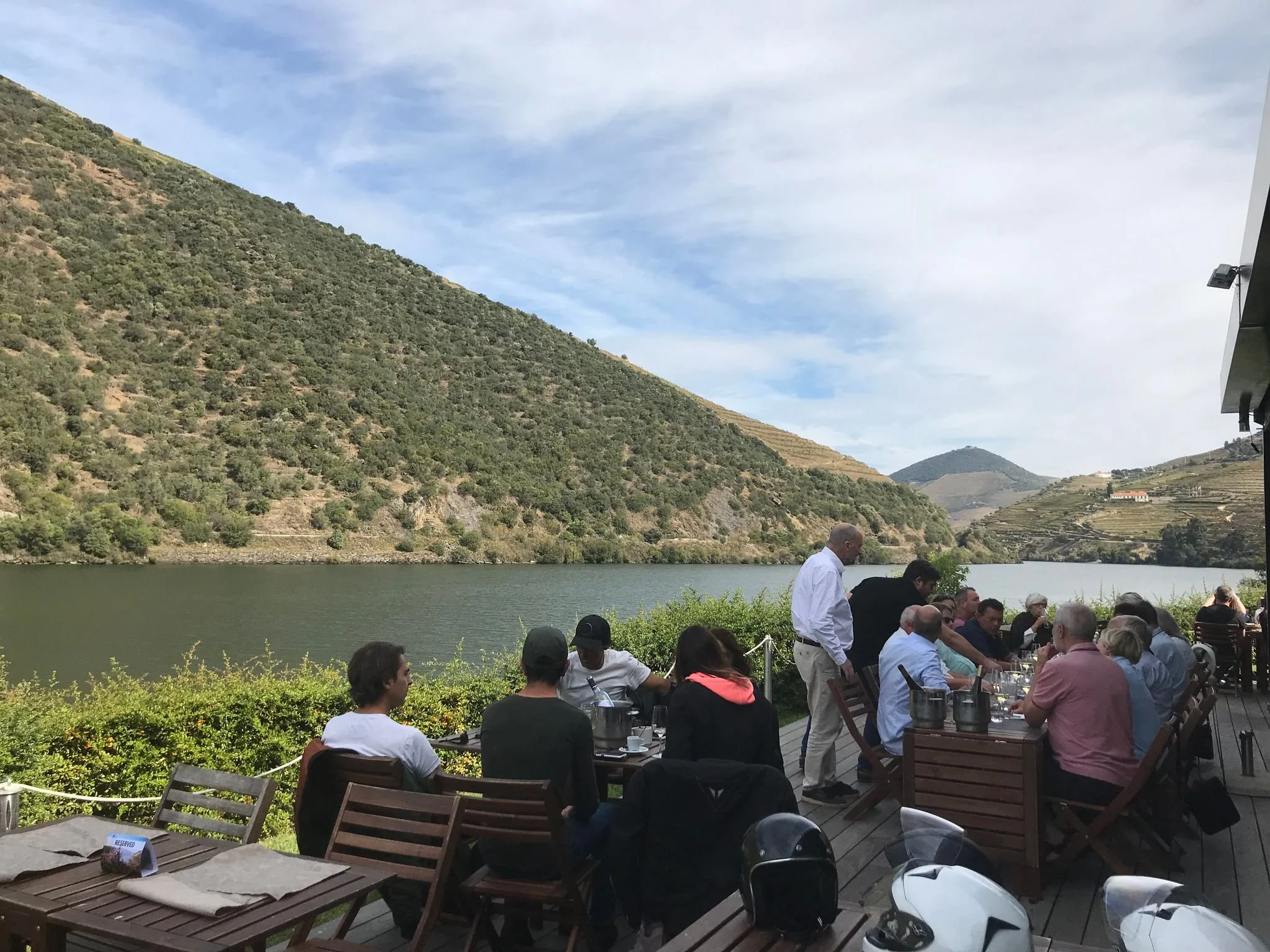
The Atlantic coast gives you percebes and grilled fish and a chef who will cook lunch on a cliff from shellfish you helped pick that morning. The Azores if someone wants green volcanic drama with it. The pace is the product. Portugal is the destination I recommend to people who tell me they haven't exhaled in three years.
Italy, for the ones who travel by the glass
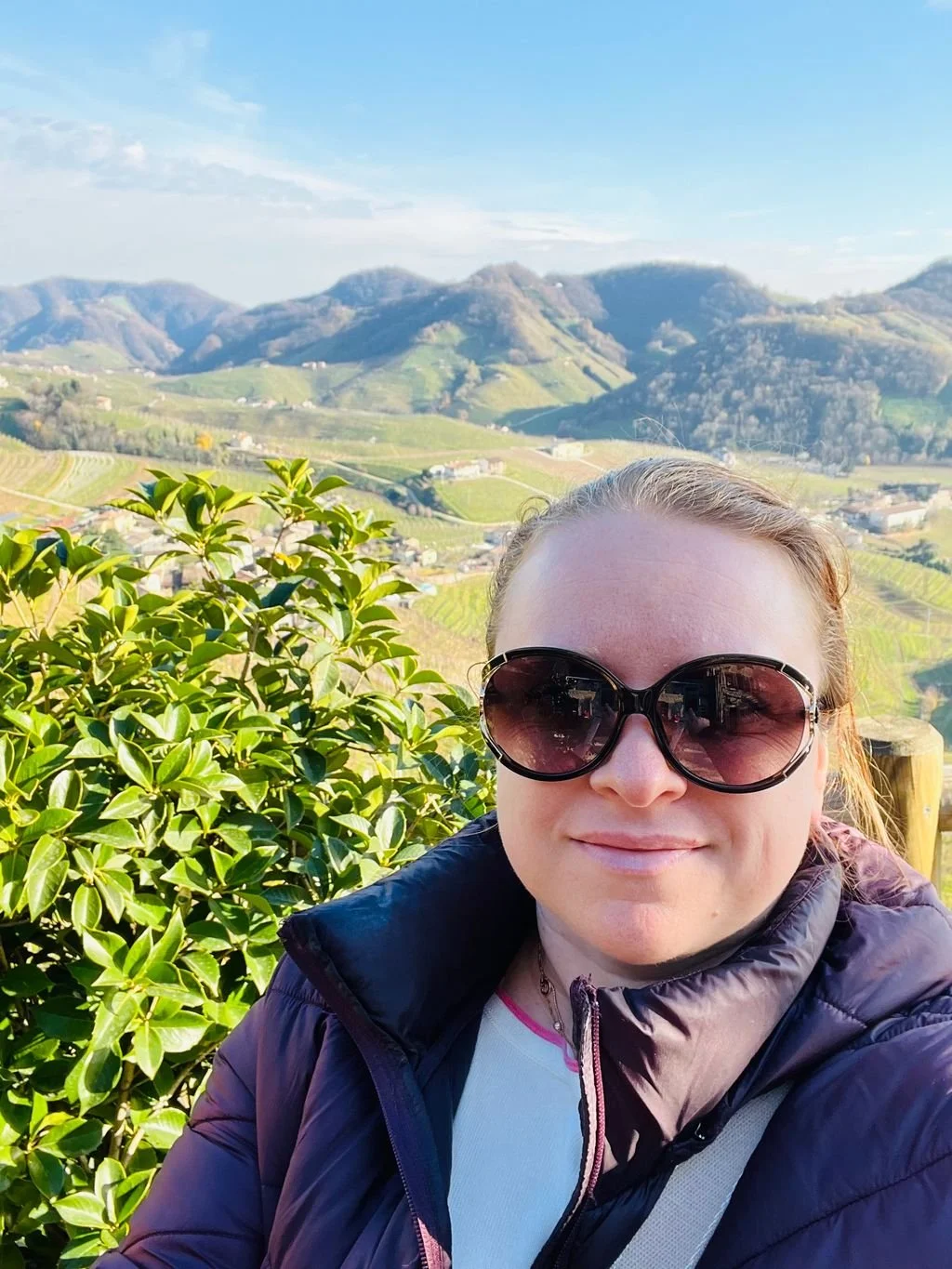
And then Italy, which for a certain client is simply the wine country that happens to have the rest of Italy attached. Piemonte in autumn for Nebbiolo, with Barolo and Barbaresco villages ten minutes apart and white truffles coming out of the Langhe woods at the same moment. Tuscany for Sangiovese, and Montalcino, where the growers will pour verticals if you're introduced properly. The Valpolicella hills above Verona for Amarone, where the grapes are dried on racks for months before pressing. The Prosecco hills around Valdobbiadene, which are steeper and more beautiful than anyone expects. Etna, where the vines are old, ungrafted, and growing in black volcanic sand at three thousand feet.
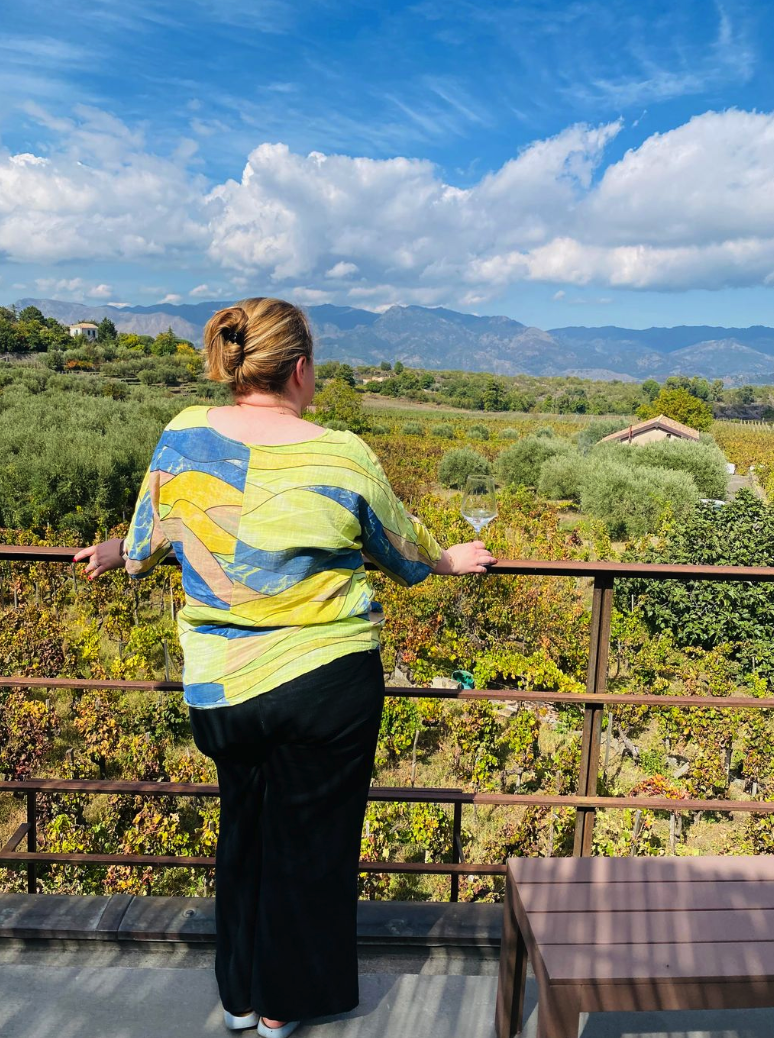
This is where relationships matter more than anywhere. Anyone can book a tasting room. Getting the owner rather than the tasting-room staff, getting into a cellar that doesn't do visits, getting a lunch cooked by the winemaker's mother at the family table, that comes from twelve years of showing up in person.
The day that usually decides it
When a client can't decide, I stop discussing countries and start describing days. One of these usually lands, and the moment it does, the destination has more or less chosen itself.
A morning walking a stretch of the Kumano Kodo in near silence, and the hot spring at the end of it with your shoes off and your phone somewhere else entirely.
Dawn on the Alpe di Siusi with a photographer who knows precisely where to stand and at what minute, and breakfast at a mountain hut afterward while everyone else is still walking up.
Ticketed entry to the Hal Saflieni Hypogeum on Malta, held months in advance, with a private Valletta and Mdina day built around it.
A day and a night on a private boat through the Pakleni islands and down toward Mljet, with the crew choosing the anchorage by what's empty rather than by what's famous.
Harvest lunch at a Langhe winery with the family, in October, when the fermentation smell is coming up through the floor of the house.
A walk through an English garden before it opens to the public, with the head gardener, at eight in the morning in the middle of May.
A night in the Erg Chigaga dunes in a camp set up for you, with a cook, a fire, and no other light source in any direction.
Rafting into a Pacuare river lodge in Costa Rica that has no road to it, and waking up in the canopy with the howler monkeys starting.
The Butrint archaeological site on a September morning in Albania with a specialist archaeologist and roughly nobody else there.
None of these are rare in the sense of being hard to get into. They're revealing, which is a different thing, and that's what makes them useful when somebody is stuck. If what you're actually chasing is a single rare experience, the kind that needs a permit and a year of lead time, that is a separate conversation and I have written it up on its own.
Not sure which of these is yours?
That's the conversation I'd like to have with you. Tell me how you want to feel and I'll tell you where to go, then I'll build it. For Europe, Mexico and the Caribbean, reach me directly.
For Japan, Vietnam, Morocco and the rest of Asia and Africa, my colleague Jennifer Day plans those journeys, and you can mention code “OLEGANA” for $100 off your trip.
One of my clients put it better than I ever could:
“Before working with Anna, I spent HOURS properly researching vacation destinations. Her firsthand experience and knowledge were priceless.”
Marina D., The Knot review
When to go, season by season
With a list this wide, timing is the thing that separates a very good trip from a merely fine one. Here's roughly how my calendar fills.
Spring, March through May
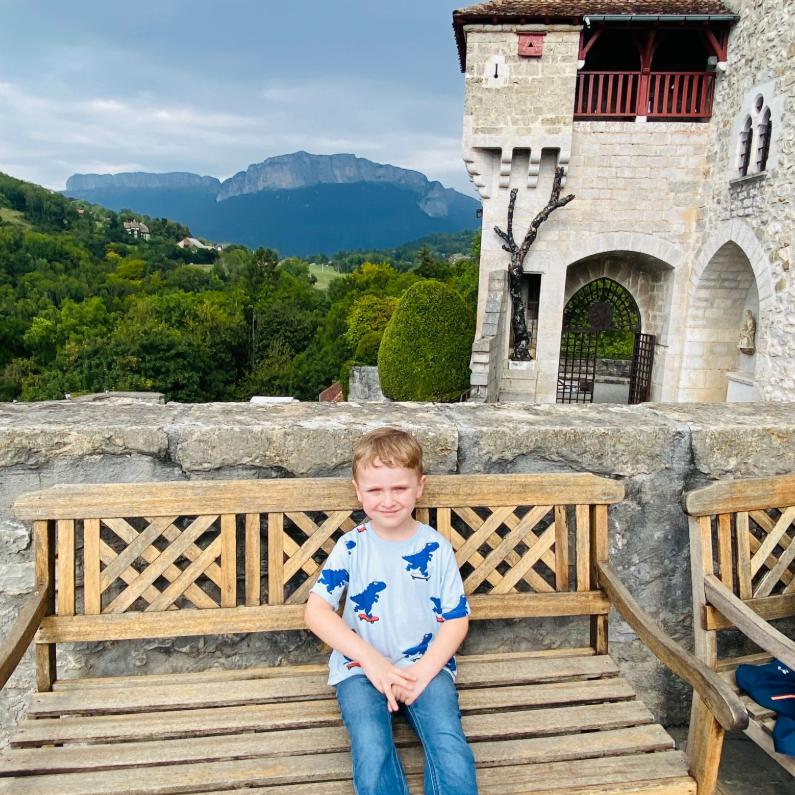
The strongest window across the Mediterranean. Malta is warm and empty, Albania's coast is opening up with water still cool for swimming but the light already extraordinary, Portugal is at its greenest, and Italy's wine regions are in bud with the restaurants still yours. England and Scotland come into their own in mid-May, when the gardens peak, the wisteria is out and the coach season has not properly started. Japan is cherry blossom season, which is glorious and requires booking almost a year ahead. Costa Rica's dry season runs to about mid-April and it is the best time to go. Morocco is ideal before the summer heat arrives.
Summer, June through August
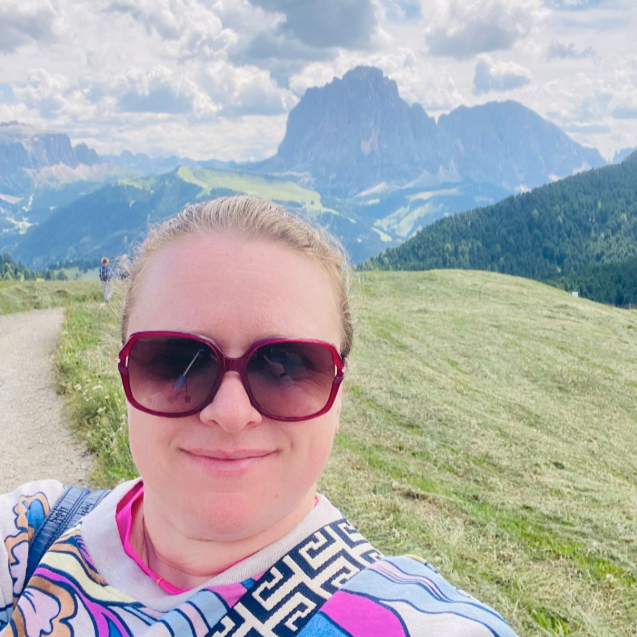
Croatia's sailing season is at full strength, and the Dolomites and the Alps come into their own with the trails open and the huts serving. Iceland gives you light that barely ends, puffins, and access to the Highlands. Skip Morocco's interior and the Mediterranean cities in August if crowds bother you. Mexico's Pacific is in its rainy season, which means green and dramatic in the afternoons rather than washed out.
Autumn, September through November
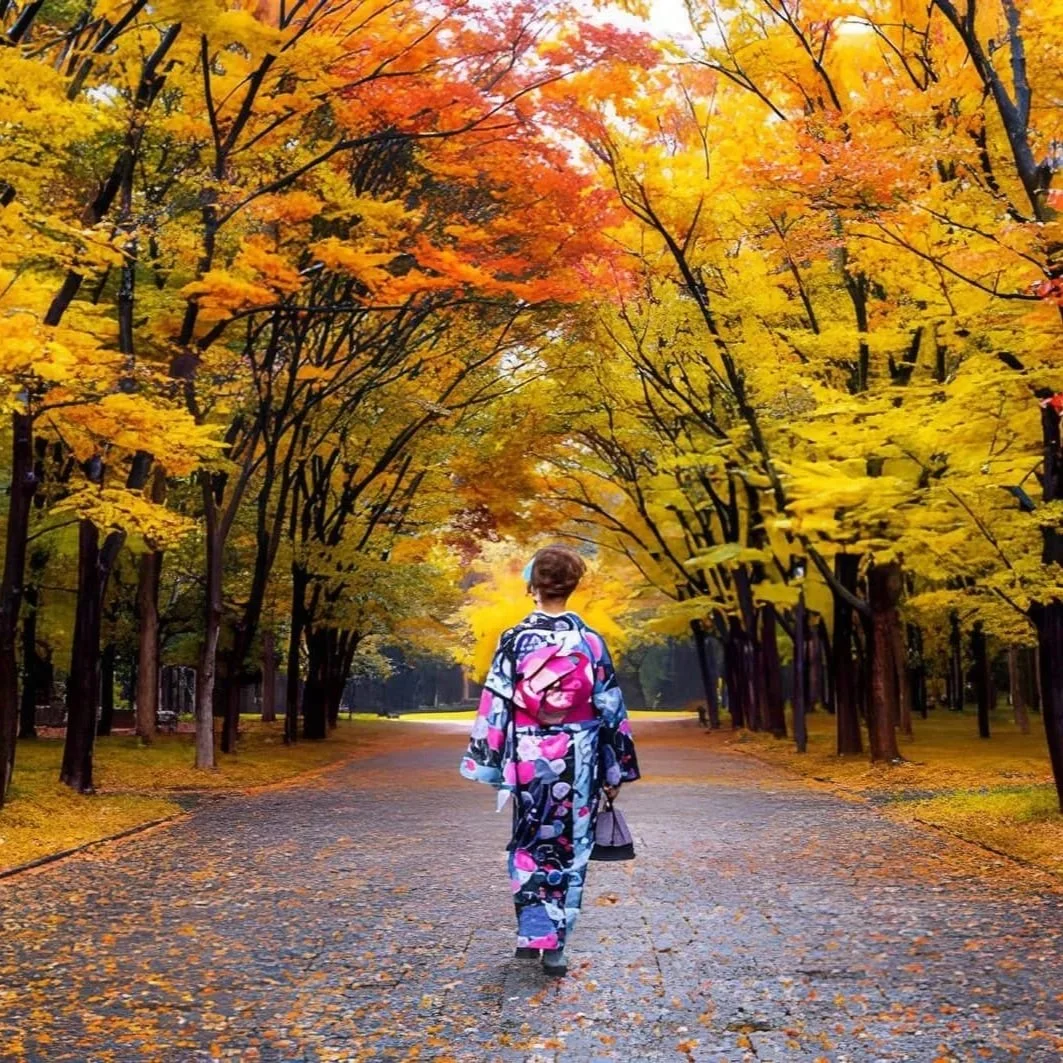
My personal favorite for almost everything. Italian harvest in Piemonte and the Veneto, truffles from October, Portugal's Douro in vintage. Albania and Malta hold their warmth into late October with the summer traffic gone. Japan's maples in November rival the cherry blossoms and fewer people plan for them. Britain's landscape gardens and arboretums have a genuine second season in late October that almost nobody plans for. If you want the longer version of this thinking, I've written about where to go for every season separately.
Winter, December through February
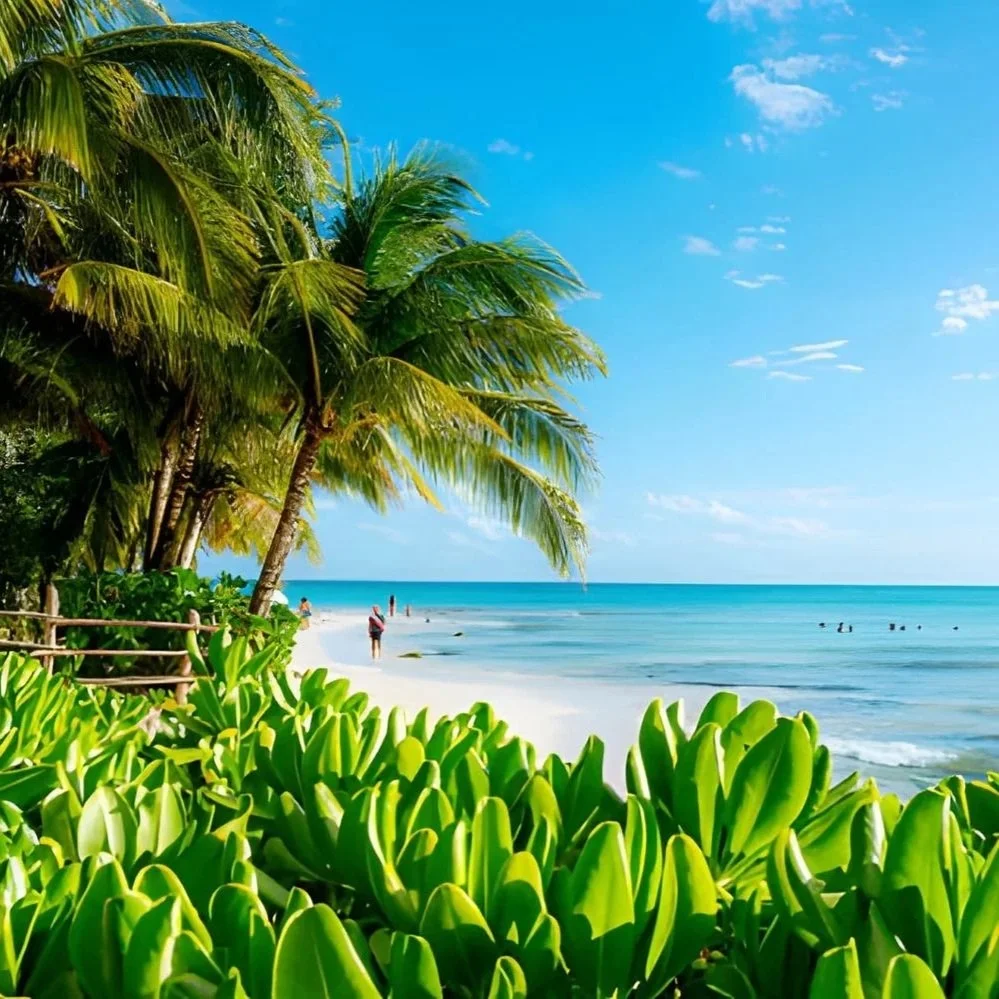
This is when Mexico and Costa Rica earn their keep, with dry, warm, reliable weather and the Caribbean coast at its calmest. Iceland is northern lights season and the ice caves are only accessible now. The Alps and the Dolomites are in ski season, which books extremely early for the holidays.
What a designed week actually looks like
Let me put one of these on the ground, because what separates a good week from a great one is almost always pacing rather than ambition. This is the mountains-and-lake version for the traveler whose camera is the point, seven days, with every drive kept short enough that nobody arrives at dinner exhausted.
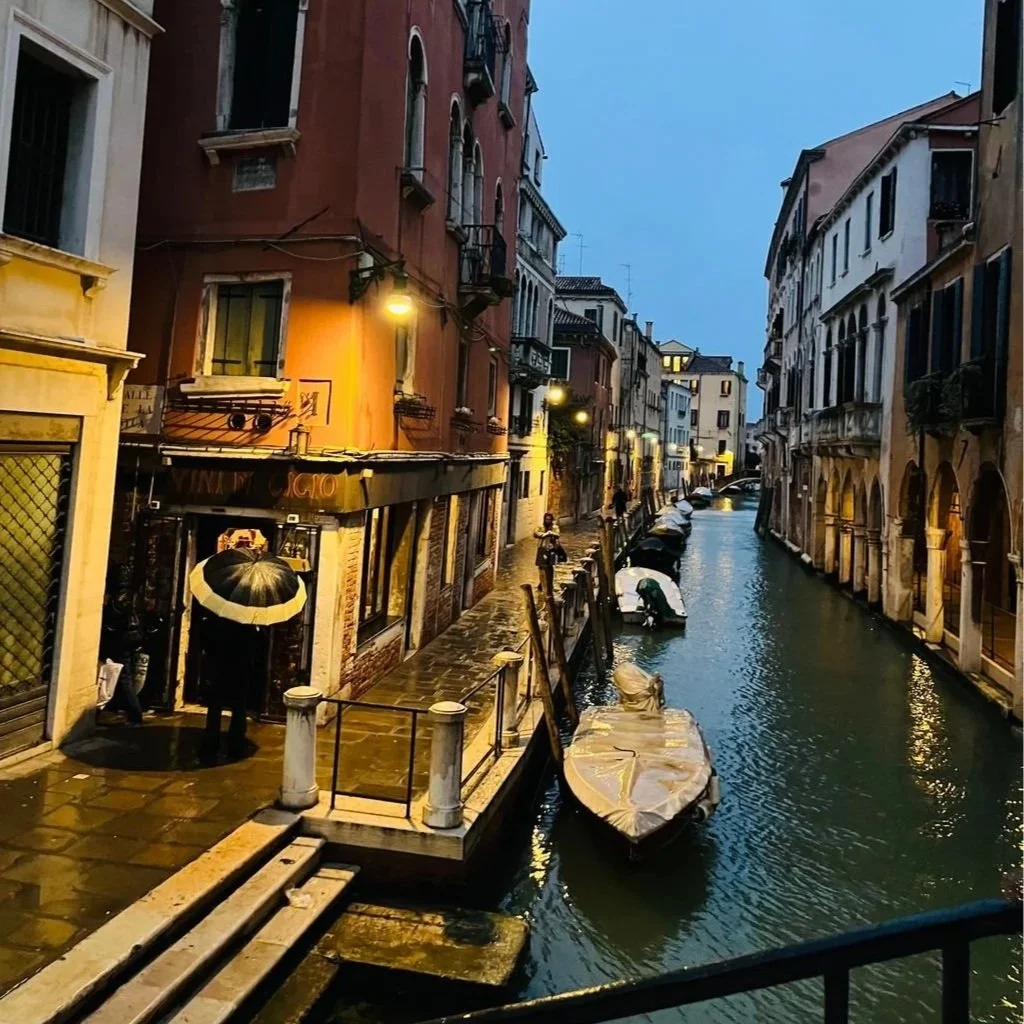
Day one, arrive Venice and drive north
Private transfer from Venice to the Val Badia, roughly three hours with a stop in Asolo or the Prosecco hills for lunch. Check into a small mountain property with an alpine spa and a kitchen that takes itself seriously. Nothing scheduled. The altitude and the drive are enough.
Photo: Venice, Italy, known for its beautiful canals, historic architecture, and timeless Venetian charm.
Photo©: Anna Fishman / Olegana Travel Boutique
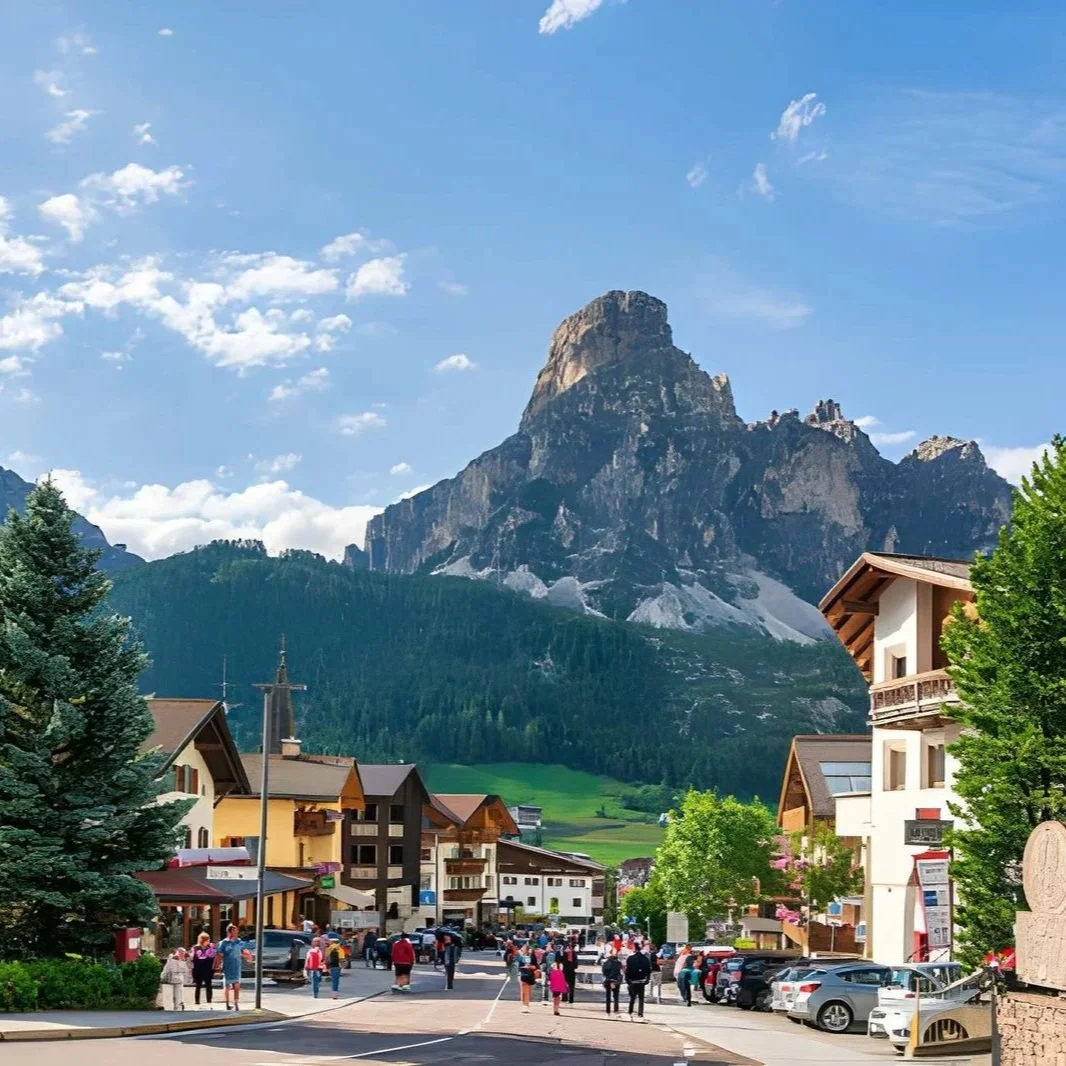
Day two, the early start
Out before four thirty with a guide and a photographer. First light on the Sella and the Sassongher, and the moment the limestone turns from grey to rose, which lasts about eight minutes and is the reason anybody sets that alarm. Breakfast at a hut afterward, then back for a long afternoon of nothing at all.
Photo: Corvara, South Tyrol, Italy, in the heart of the Dolomites, famed for its dramatic Sassongher peak.
Photo©: StevanZZ / istock
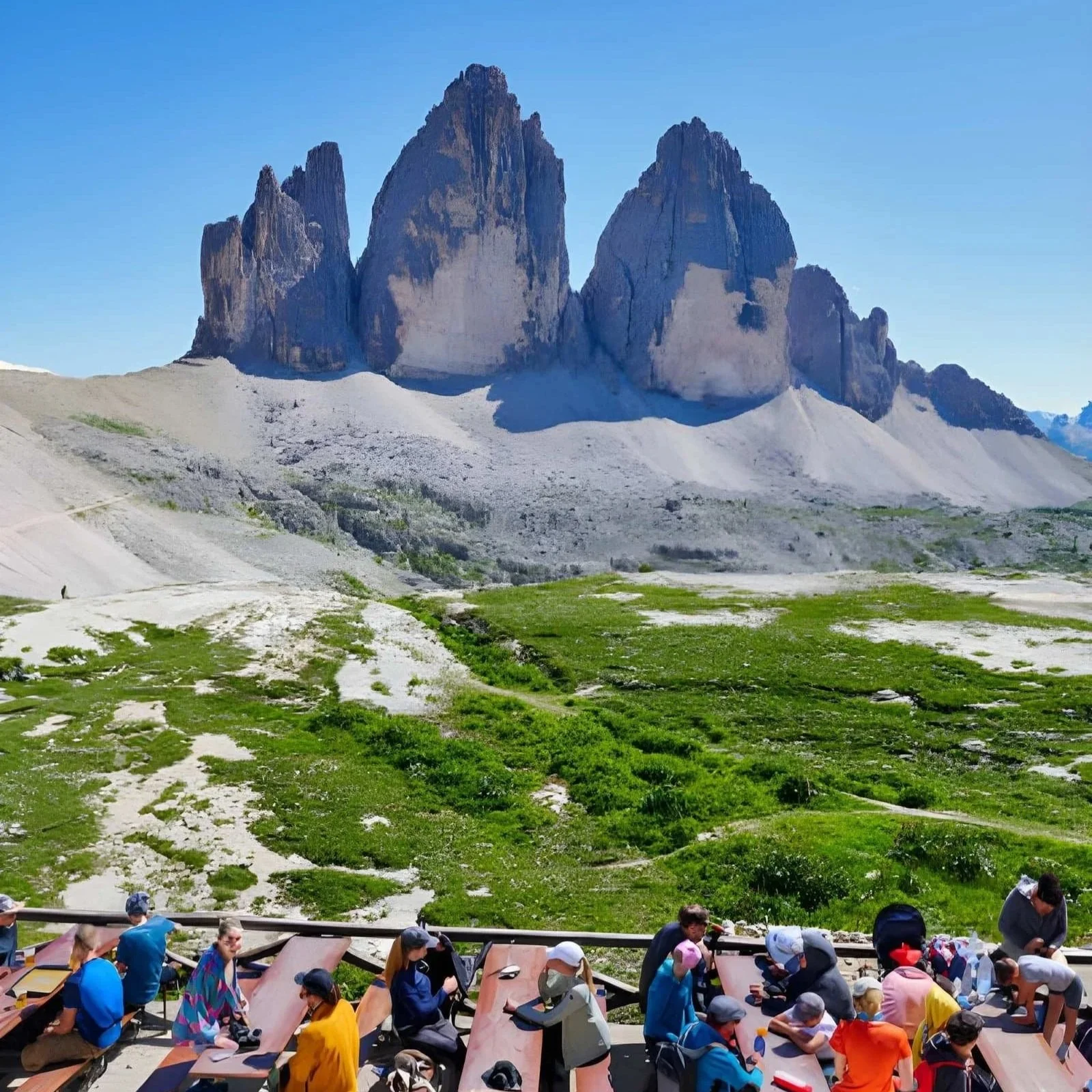
Day three, Tre Cime and a rifugio lunch
A guided walk of the Tre Cime loop at a pace you set, with a table held at a mountain refuge that does not take reservations from strangers. Late return, dinner in the village.
Photo: Tre Cime di Lavaredo, Dolomites, Italy: iconic three peaks known for dramatic alpine scenery.
Photo©: tanukiphoto / istock
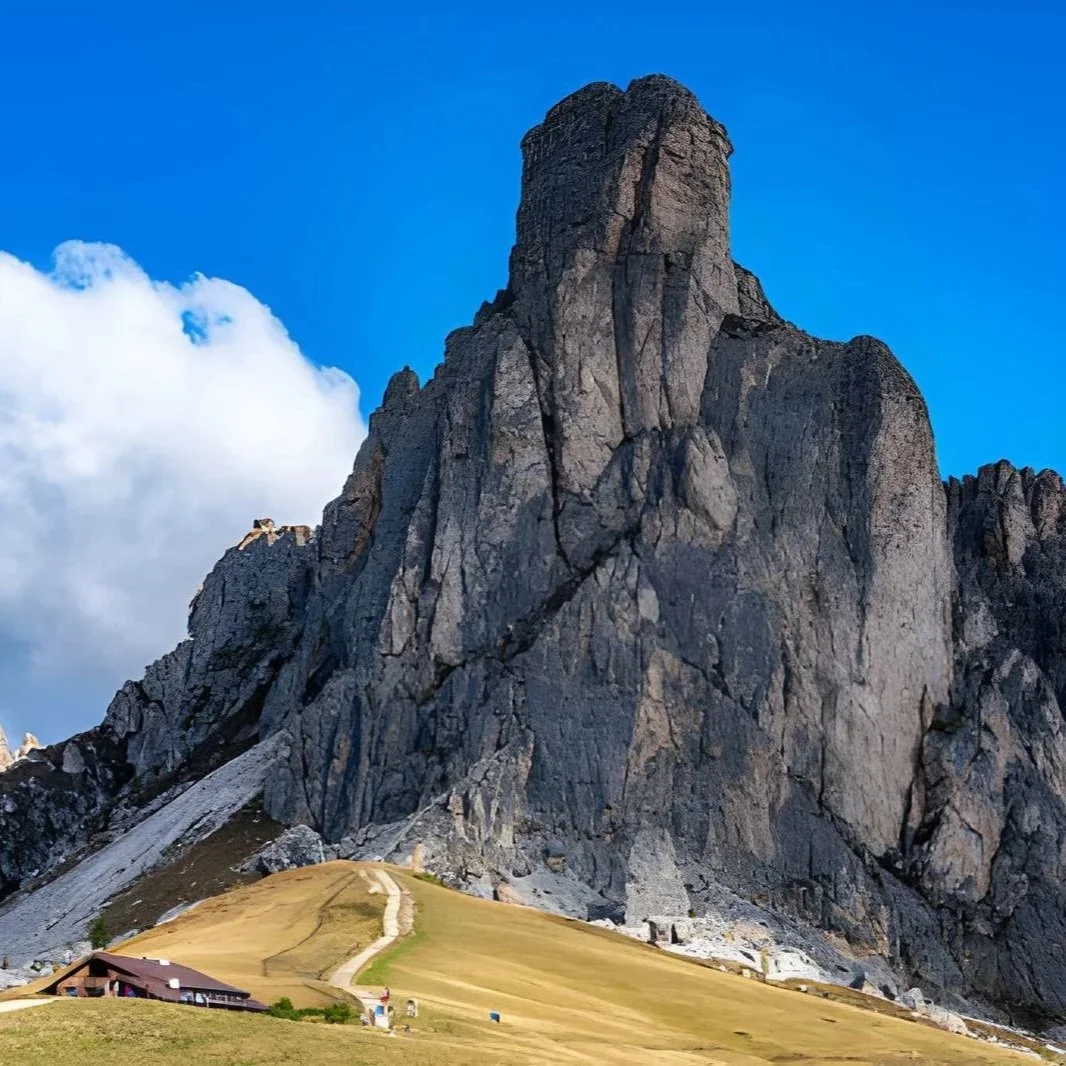
Day four, over the passes
A driving day through the Gardena, Sella and Pordoi passes with a car and driver so nobody has to concentrate. Cable car up Seceda in the afternoon. This is the day the camera roll fills.
Photo: Sas dla Crusc in Alta Badia, a dramatic Dolomite massif rising above the valleys of northern Italy.
Photo©: jimfeng / istock
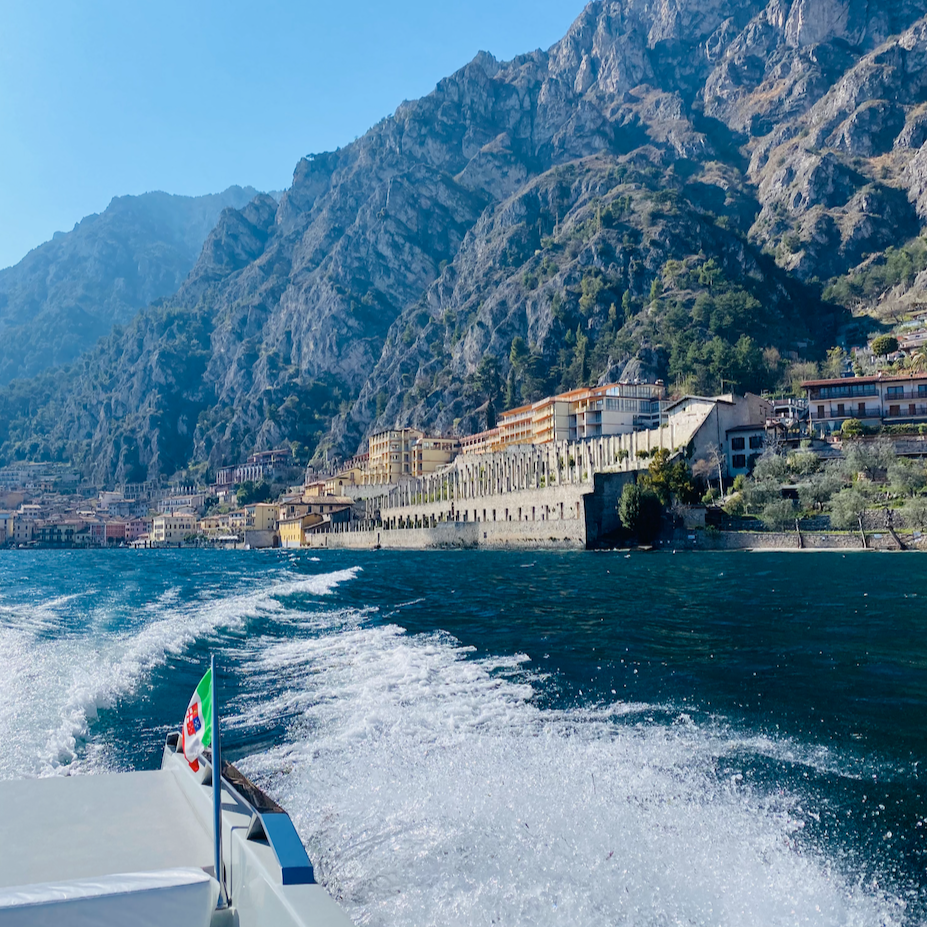
Day five, transfer to Lake Garda
Down through Trentino to the northern end of the lake at Riva. Two hours of driving with the landscape changing from limestone to olive groves and lemon terraces. Afternoon on the water.
Photo: Limone sul Garda, Lake Garda, Italy, known for dramatic cliffs and stunning lakeside views.
Photo©: Anna Fishman / Olegana Travel Boutique
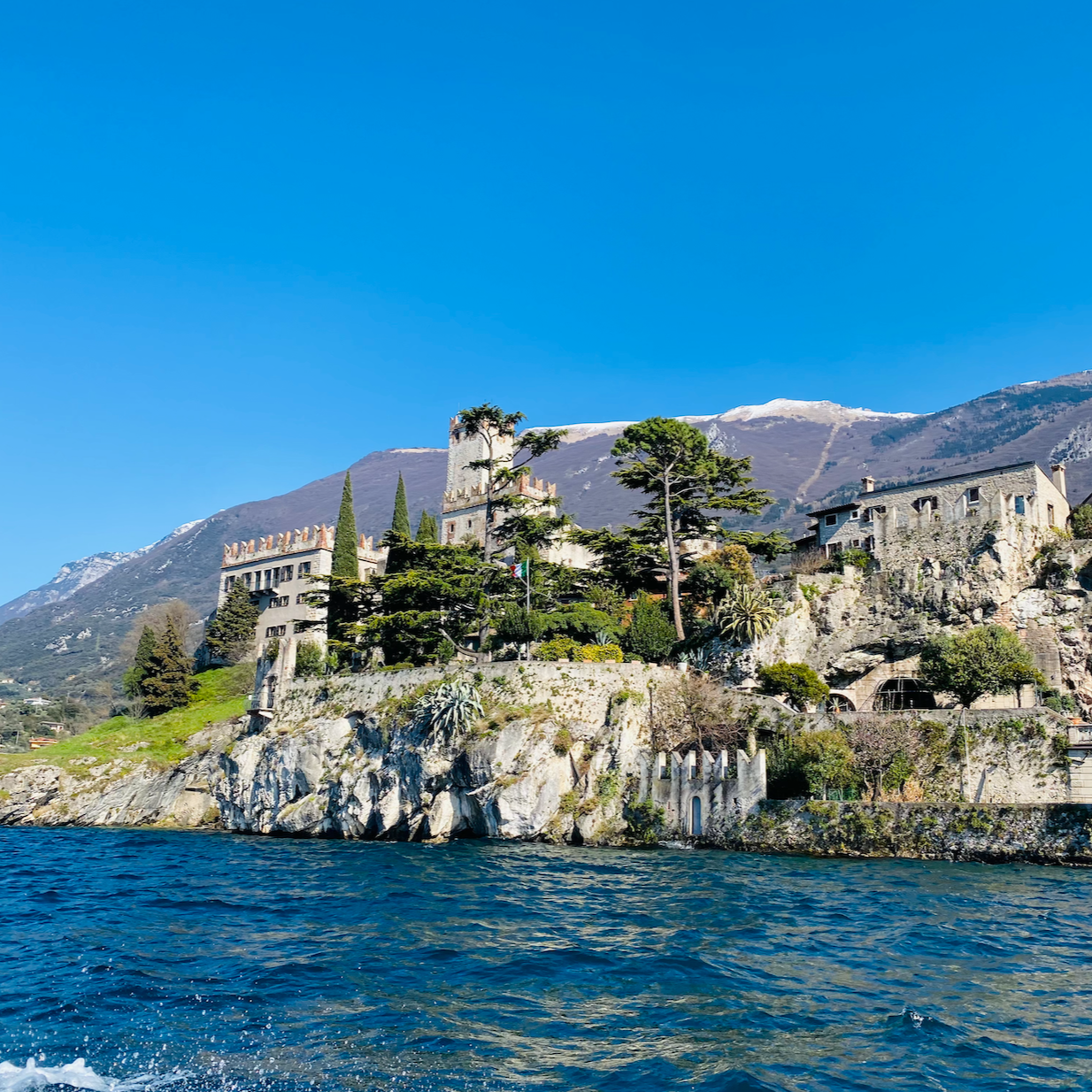
Day six, the lake at its own pace
Morning boat to Limone and the western shore. Afternoon in the Lugana vineyards on the southern side with a tasting arranged at an estate that doesn't do walk-ins. Dinner in Sirmione, walking back past the castle.
Photo: Malcesine’s iconic Scaliger Castle rises above Lake Garda, backed by the dramatic Monte Baldo mountains.
Photo©: Anna Fishman / Olegana Travel Boutique
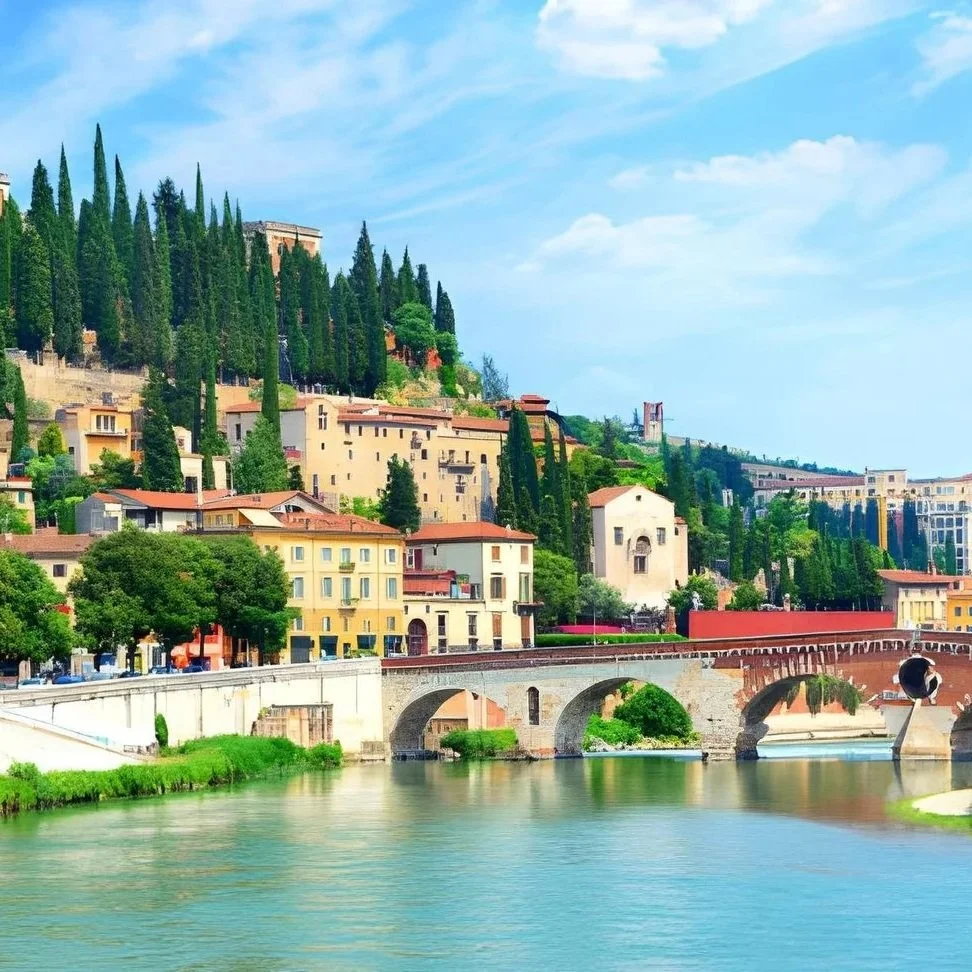
Day seven, Verona and home
An hour and a half to Verona for a final lunch and a walk through the Piazza delle Erbe, then the airport. Or, if the week has worked the way it usually does, a change of plan and three more nights somewhere.
Photo: Verona, Italy — historic Ponte Pietra and scenic views of the Adige River.
Photo©: alxpin / istock
Who each of these trips is for
Couples on a first big trip together. Albania and Malta are the two I recommend most for the couple who wants a story nobody else at the table has. Croatia under sail is the other one, particularly for couples who want to be alone without being isolated.
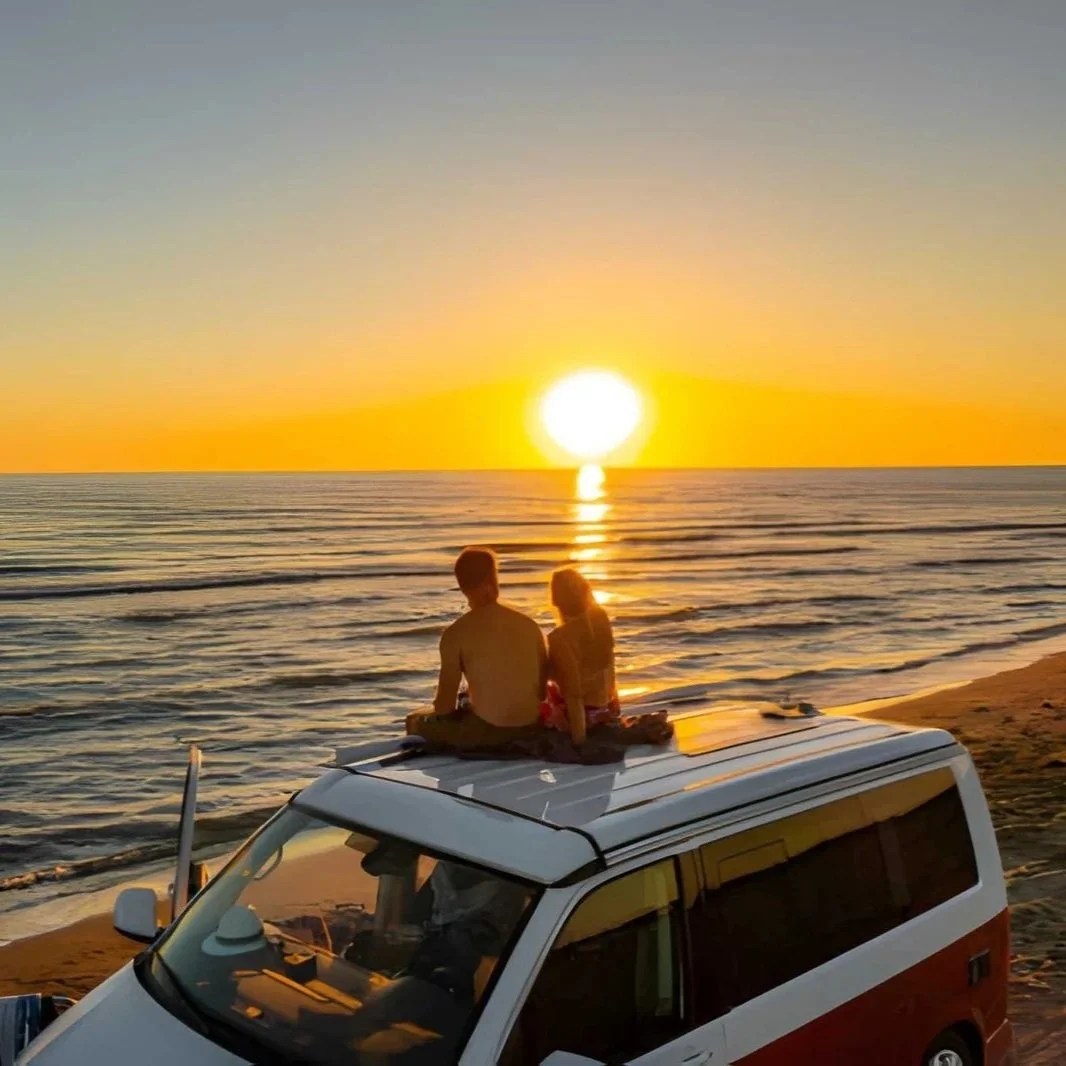
Honeymooners.
The Albanian Riviera for the ones determined to go somewhere unexpected, Mexico's Pacific for the ones who want to be waited on and left entirely alone, Japan for the couple who want the honeymoon to mean something beyond the beach.
Photo: Golem is a popular Albanian Riviera beach known for its long sandy shoreline and beautiful Adriatic sunsets.
Photo©: SimonSkafar / istock
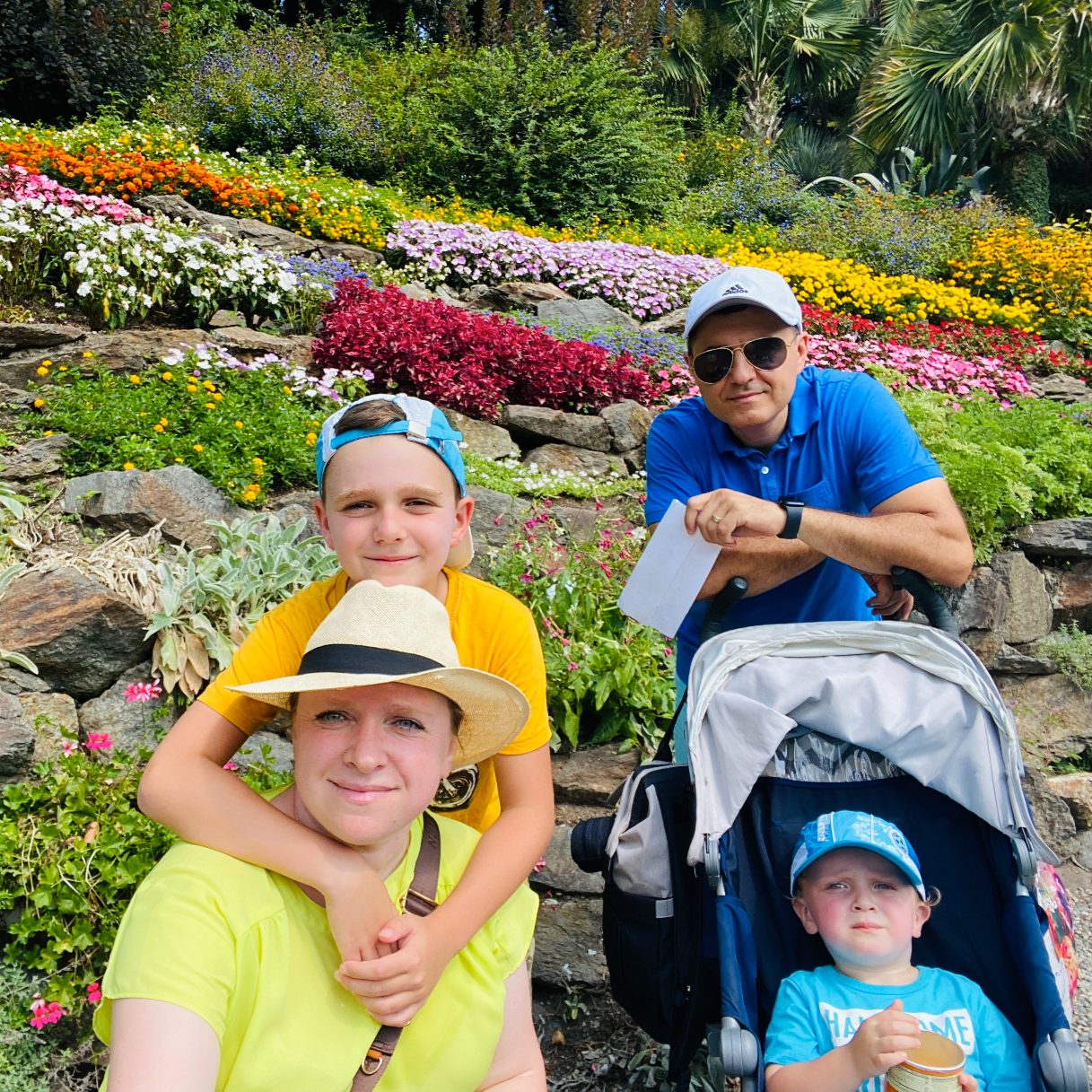
Families and multigenerational groups.
Costa Rica and Mexico, without hesitation, because they hold a nine-year-old and a seventy-year-old on the same day. Croatia works beautifully with teenagers. This is also where the age policies I mentioned earlier stop being trivia and start being the whole decision.
Photo: A lush botanical garden on Lake Garda, known for its vibrant flowers, exotic plants, and beautifully landscaped terraces.
Photo©: Anna Fishman / Olegana Travel Boutique
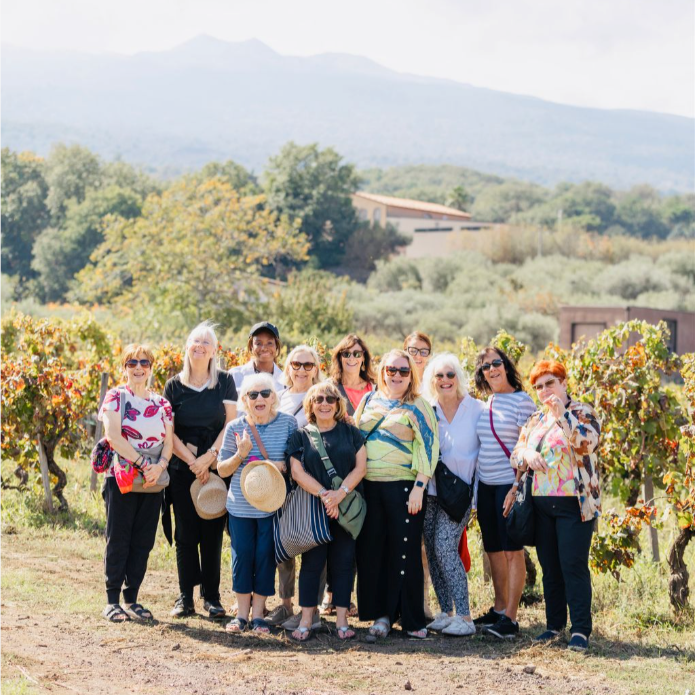
Solo travelers and women traveling together.
This is a large part of what I do. My small-group women's tours run to Italy and through the castles and gardens of Britain with a handful of women rather than a coach full, and they are designed for the woman who has stopped waiting for somebody else to be interested.
Photo: Sicily's famous volcanic wine country, known for high-altitude hillside vineyards and distinctive wines set against the backdrop of Mount Etna.
Photo©: Anna Fishman / Olegana Travel Boutique
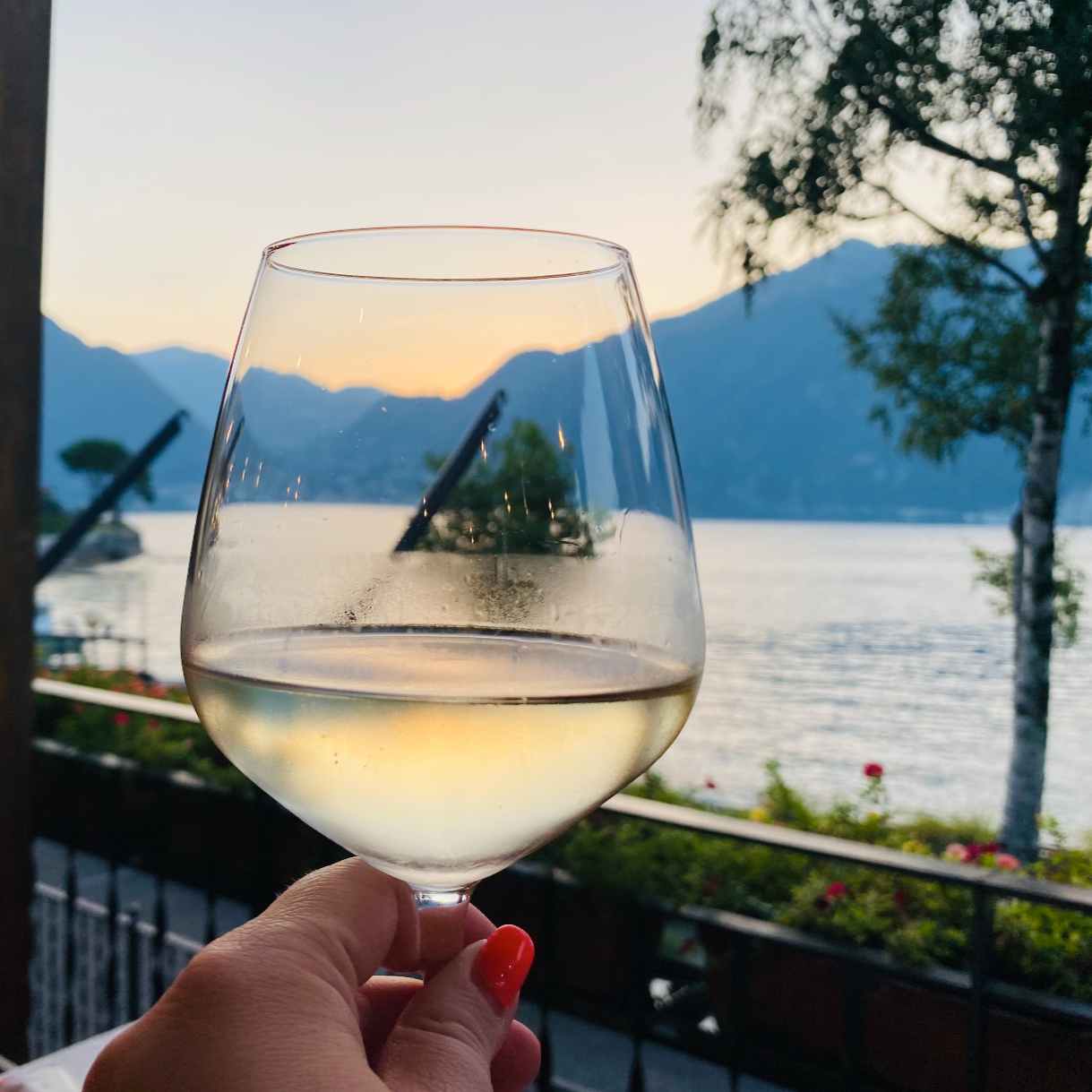
Food and wine travelers.
Whatever it is, the way you tell your story online can make all the difference.
Portugal for soul, Italy for obsession. Morocco if the cooking itself is the point.
Photo: Lake Garda's stunning northern shores, famous for dramatic mountain backdrops, picturesque waterfront towns, and lush vineyards producing local Bardolino and Lugana wines.
Photo©: Anna Fishman / Olegana Travel Boutique
“This style of trip allowed me to experience things I probably wouldn’t have on my own.”
Photographers and the visually driven. The Dolomites and Lake Garda first, the French and Swiss Alps close behind, then Iceland and Malta. All four reward getting up early, and all four need someone who knows the hour and the angle.
How these connect into one journey
Very few of my clients do one of these in isolation. The pairings that work are usually about contrast, a place that asks something of you followed by a place that asks nothing.
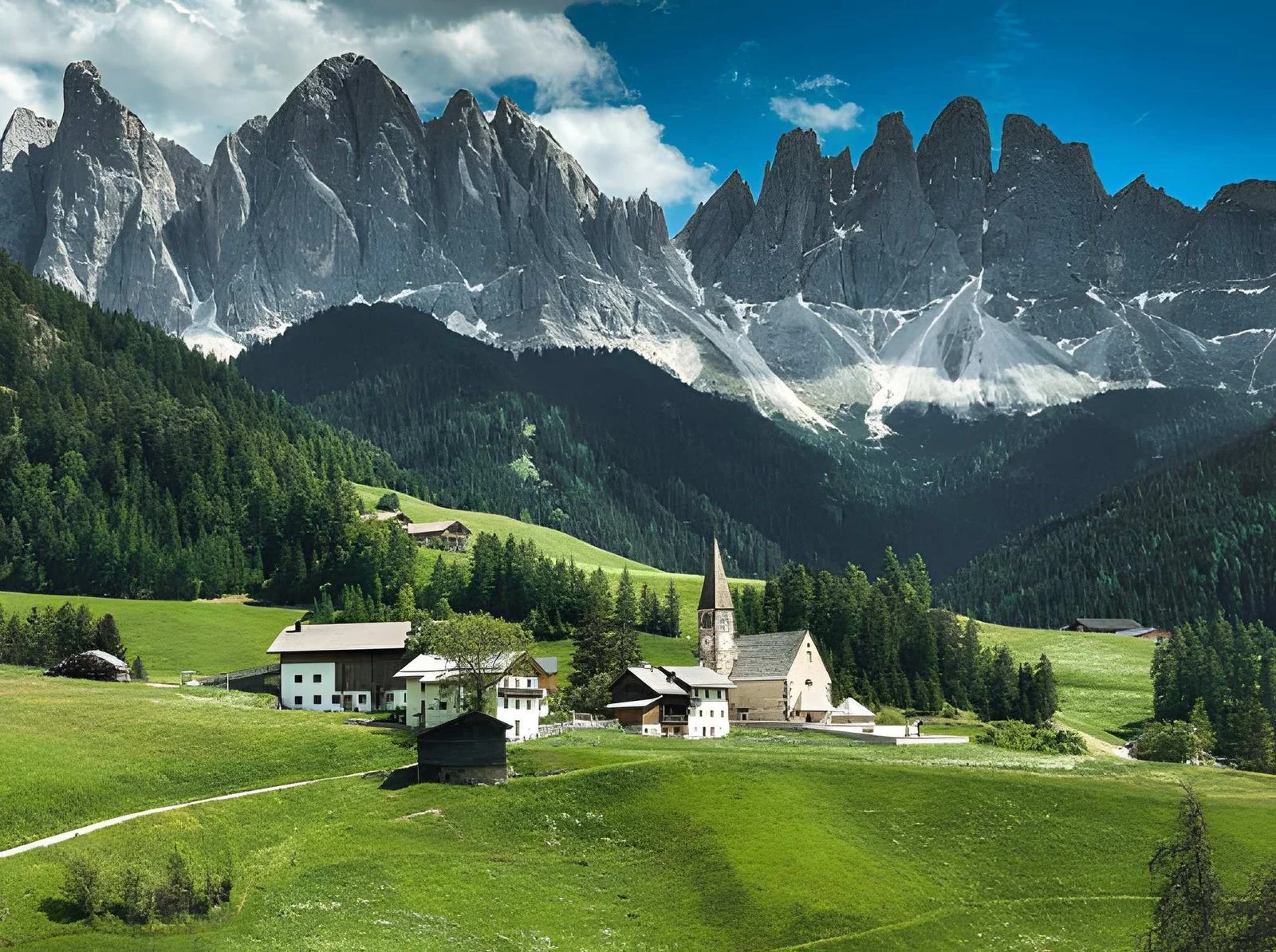
The Dolomites into Lake Garda, then Venice or Verona out. Mountains, water, city, in eight to ten days, with drives short enough to stay civilized.
Britain with Ireland, or England into Scotland by train, which turns two countries into one unhurried week and needs no flights in the middle of it.
Albania with Corfu or Puglia across the water. The ferry from Saranda to Corfu takes about half an hour and completely changes the shape of a honeymoon.
Malta with Sicily, a short flight apart, which gives you two islands with the same sun and entirely different histories.
Croatia with Slovenia's Julian Alps and Lake Bled, or south into Montenegro's Bay of Kotor.
Portugal's Douro with Spain's Rias Baixas, since the border is an inconvenience on a map and nothing more.
Japan with a stop in Thailand on the way, which is worth doing given how far you've already flown.
Morocco with southern Spain, Marrakech to Seville, which is the same architectural conversation heard from both sides.
Mexico's Caribbean coast with Costa Rica, for families who want two very different weeks in one winter break.
Why this kind of trip needs an advisor
Here's the honest version. You can book most of these yourself. What you can't do yourself is know that a property looks perfect online and has a construction site next door until November, or that the Hypogeum tickets went on sale eleven weeks ago, or that the road from Tirana to Dhermi takes twice as long as the map says in August, or which of the twelve tasting rooms in Barolo will actually sit you down with the family.
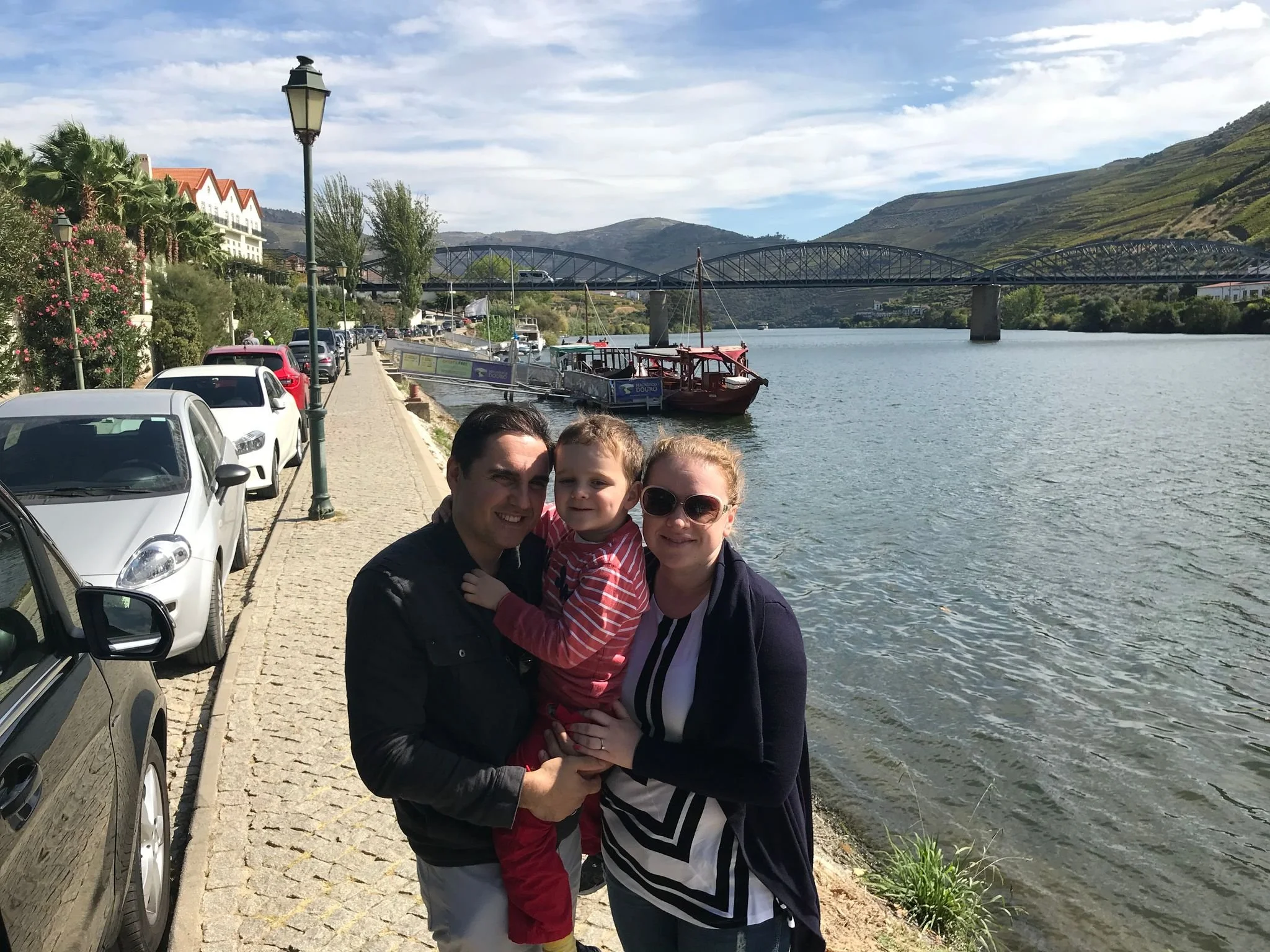
That's the difference. I've been to these places, I know the people on the ground, and I hold relationships that a booking engine has no way to represent. It means upgrades that aren't advertised, access that isn't sold, and a phone that gets answered when a flight cancels at eleven at night. If you want the fuller argument for custom trip design, it is all there, but the short version is this: the destination is the easy part, and the twenty decisions after it are where a trip is won or lost.
“Anna goes to every location herself to assure she selects the most amazing guides, experiences and accommodations.”
The other thing I'd say is that matching a person to a place is a skill. It is genuinely the most enjoyable part of my job. A trip that fits somebody's temperament feels effortless from the first morning, and one that doesn't never quite recovers, however beautiful the hotel is.
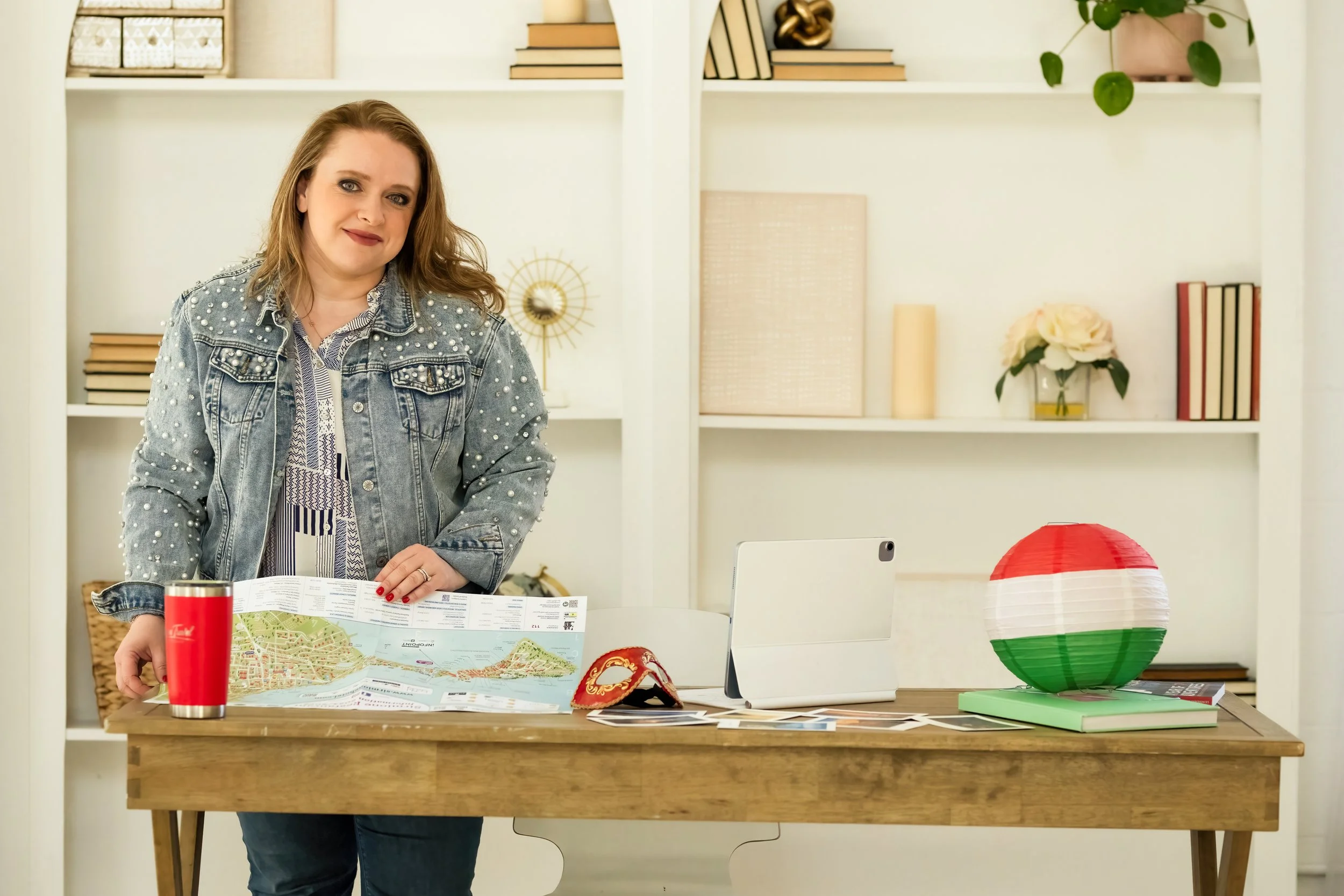
Anna Fishman, the visionary and soulful force behind Olegana Travel Boutique, orchestrates transformative journeys where meticulously curated adventures meet authentic connection and exquisite, bespoke exploration.
Photo©: Dania Sander / Unique Focus Photography
Let's find your destination
If you've read this far and one of these sections felt like it was written about you, that's your answer. The next step is a conversation, not a booking form.
For Europe, Mexico and the Caribbean, with Anna Fishman you can Grab a time on my calendar for a free consultation here!
For Japan, Vietnam, Morocco and the rest of Asia and Africa, with Jennifer Day. Mention code “OLEGANA” for $100 off your trip.
Frequently Asked Questions
-
For Japan in cherry blossom or maple season, the Dolomites in high summer, England and Scotland in May, and anything over the holidays, twelve months is not too early. For Albania, Malta, Croatia and Portugal, six to nine months gives me the properties I actually want. Mexico and Costa Rica over Christmas and New Year are effectively a year out. Shorter notice is workable more often than people expect, it just narrows the field.
-
Yes, and this is most people. I ask about the last trip that worked and the last one that didn't, what your ideal Tuesday looks like at home, and how you feel about being led. The answer usually appears within about fifteen minutes of talking.
-
Comfortable, it depends entirely on where you stay and who arranges the ground. There is a small and growing set of genuinely excellent properties, and there is a much larger set that photographs better than it lives. The gap between those two is why this is a destination to plan with someone rather than alone.
-
Often yes. Several of the Mexican resorts I use have an adults-only enclave inside a larger family property, with separate pools, restaurants and beach, so grandparents and parents get quiet and the children get the kids club. Age cutoffs vary from resort to resort, which is exactly the sort of detail I confirm in writing before anyone books.
-
Both, through my team. I handle Europe, Mexico and the Caribbean personally. Jennifer Day plans Japan, Vietnam, Morocco and the rest of Asia and Africa, and Tracy handles river cruising. It's the same standard of planning either way, and you're never handed off to a stranger.
-
There's a planning fee that reflects the design work, and it varies with the complexity of the trip. I'll be completely transparent about it on our first call before you commit to anything. What I won't do is quote it here, because a ten-day honeymoon in Albania and a three-country family journey are not the same piece of work.